

Did you know that the tiny communities living inside your mouth can be more influential than the toothpaste on the shelf? Those microscopic armies decide whether your breath smells fresh, your gums stay healthy, or a stubborn plaque buildup turns into a problem.
So, have you ever wondered why your favorite minty mouthwash still leaves you with that dry, “I’m‑not‑really‑clean” feeling at the end of the day?
The truth is, most conventional rinses wipe the surface but leave behind a skewed microbiome that favors the bad guys.
What if you could choose a mouthwash that actually nurtures the good bacteria while still fighting plaque? That’s the promise of an oral microbiome mouthwash.
Take the story of Maya, a 42‑year‑old marketing executive who battled chronic gum inflammation after switching from a standard antiseptic rinse to a probiotic‑infused formula. She saw a 70% drop in bleeding after just two weeks.
The first step is to look for mouthwashes that list beneficial strains—like Lactobacillus or Bifidobacterium—alongside a low or zero alcohol content.
Second, keep your rinse to 30–60 seconds and tilt your head back; this gives the microbes enough time to settle in rather than just spraying away.
Research published in the Journal of Dental Research shows that a probiotic mouthwash can reduce plaque scores by up to 30% after six weeks when paired with daily brushing.
If you’re unsure whether your current product is truly microbiome‑friendly, the Does Mouthwash Kill Good Bacteria? A Practical How‑To Guide walks you through the ingredients to avoid and the ones to embrace.
Beyond rinsing, remember that oral health is part of overall well‑being. If you want to explore how your gut and mouth microbiomes sync up, check out XLR8well’s resources on microbiome balance for a holistic view.
So, the next time you reach for that minty swirl, think about the microbes you’re inviting in. Choose a mouthwash that supports your own tiny ecosystem, and you’ll notice fresher breath, calmer gums, and a healthier smile—without sacrificing the comfort you’re used to.
TL;DR
Our guide shows how an oral microbiome mouthwash can turn your rinse into a friendly ecosystem, reducing bleeding, plaque and breath problems in weeks. By choosing a probiotic‑infused formula with low alcohol, you nourish the good bacteria, boost gum health, daily brushing, and keep your smile fresh without sacrificing consistently.
Understanding the Oral Microbiome and Why Mouthwash Matters
Ever notice that after a quick rinse you still feel like your mouth hasn't quite cleaned? That’s because what you’re rinsing with can tilt the whole ecosystem inside your teeth.
Your mouth hosts a bustling city of microbes—thousands of species living in a delicate balance. When that balance shifts, the bad guys start to thrive, and that is when gums bleed, plaque builds, and breath turns… not great.
So why does a simple mouthwash matter? It’s not just about minty freshness; it’s about which microbes you’re encouraging to stay. A mouthwash that kills indiscriminately can wipe out the good bacteria that keep the bad ones in check.
Here’s where the science gets interesting. Studies show that an oral microbiome mouthwash containing probiotic strains like Lactobacillus can actually replenish beneficial bacteria while still tackling plaque. That dual action is what makes the difference between a rinse that feels clean and one that nurtures a healthy biofilm.
You might wonder, “Does mouthwash kill good bacteria?” For a deep dive, check out the practical guide on how to choose a mouthwash that supports your microbiome. Does Mouthwash Kill Good Bacteria? A Practical How-To Guide walks through ingredients to avoid and those to embrace.
The next step is timing. Rinsing for 30–60 seconds, tilting your head back, lets the probiotics settle instead of being sprayed away. Think of it as giving your friendly microbes a chance to mingle with the rest of the community.
You’ve probably seen ads touting alcohol‑free mouthwashes. They’re a great choice because alcohol can dry out the oral mucosa and actually favor the harsh bacteria. In fact, one guide notes that choosing an alcohol‑free formula can be especially soothing for people with dry mouth or sensitive gums.
But the story doesn’t stop at oral care. Your gut and mouth microbiomes are in dialogue. A balanced mouth can ripple into better overall gut health, and vice versa. If you’re curious about how your oral ecosystem syncs with your digestive tract, XLR8well’s resources on microbiome balance dive into the connections between the two systems. XLR8well’s resources on microbiome balance provide a holistic view.
And for those of you who want to look at the skin side of things, oral health can influence facial appearance. The microbes that thrive in your mouth can impact skin inflammation and acne. A gentle, probiotic mouthwash can reduce that inflammatory cascade. If you’re exploring professional skin treatments, Sade Skin’s anti‑aging and acne‑focused services in Antwerp offer treatments that complement a healthy mouth‑skin connection. Sade Skin provides skin‑care solutions that work in tandem with your overall wellness routine.
Now let’s pause for a quick visual.
The video shows a simple rinse technique: 15–20 seconds of swish, 15 seconds of hold, and a final spit. Notice how the mouth stays wet—this moisture keeps the microbes alive and moving.
Remember, it’s not just about what you’re putting in your mouth but how long and how you use it. A few tweaks—pick a probiotic‑rich, alcohol‑free formula, rinse for the right amount of time, and keep your brush‑toothbrush routine steady—tip the scales toward a thriving oral microbiome.
If you’re still skeptical, start by swapping your regular rinse for one that lists Lactobacillus or Bifidobacterium. Give it a couple of weeks, and you’ll notice the difference: less bleeding, fresher breath, and a calmer gum feel.
Choosing the Right Oral Microbiome Mouthwash: Key Ingredients to Look For
We’ve already seen how a microbiome‑friendly rinse can turn a minty rinse into a real health booster. Now, let’s dig into the ingredients that actually make that promise happen.
1. Probiotic Powerhouses
Think of probiotics like a squad of friendly soldiers. In an oral rinse, strains such as Lactobacillus rhamnosus or Bifidobacterium compete with the bad guys for space and nutrients. That competition is what keeps plaque under control. Look for a label that lists at least two distinct strains—more is better, but quality matters more than quantity.
2. The pH Balance Game
Oral bacteria thrive in a slightly alkaline environment. Most conventional mouthwashes push pH down to 5.5‑6.0, which can irritate gums and give fungi a foothold. A good microbiome mouthwash keeps the pH around 7.5. This gentle balance lets the friendly bacteria do their job without the rinse turning your mouth into a battlefield.
3. Sweeteners that Don’t Sabotage
Artificial sweeteners like sorbitol or xylitol might sound harmless, but they can be a food source for harmful microbes if not balanced correctly. Xylitol is actually a friend because it interferes with bacterial metabolism. On the other hand, sorbitol can feed certain pathogens if you overdo it. Aim for a product that uses xylitol as its primary sweetener and keeps sorbitol levels low.
4. Enzymes to Keep Plaque at Bay
Some brands add natural enzymes—bromelain and papain—designed to break down sticky plaque layers. These enzymes don’t kill the bacteria; they simply loosen the biofilm, making it easier for your toothbrush to do its job. If you’re prone to tartar build‑up, look for a rinse that includes at least one of these proteolytic enzymes.
5. How to Read the Label Like a Pro
When you’re staring at the ingredient list, keep these quick checks in mind: 1) Alcohol content should be under 5% or zero. 2) No harsh surfactants such as sodium lauryl sulfate. 3) A pH indicator near the bottom (or a clear “pH 7.5” claim). 4) A short list of active ingredients that are proven in studies. If all of those clues line up, you’re probably looking at a mouthwash that will nurture your microbiome, not wipe it out.
For a deeper dive into how each ingredient plays out in real clinical scenarios, see Natural Mouthwash for Periodontal Disease.
And if you’re curious about how oral health fits into the bigger wellness picture—whether it’s balancing gut bacteria or syncing with cutting‑edge frequency devices—check out Healy and Maghealy Distribution in Netherland for a holistic perspective.
Bottom line: choose a rinse that’s alcohol‑free, contains proven probiotic strains, balances pH, sweetens with xylitol, and adds plaque‑breaking enzymes. That’s the recipe for a mouth that feels clean, stays balanced, and supports your overall health.
Step‑by‑Step Routine for Optimal Oral Microbiome Health
So you’ve got your toothbrush, your floss, and that probiotic‑infused mouthwash humming in the bathroom. Now what? The trick is timing, technique, and a few science‑backed habits that let the good bacteria thrive while the bad ones stay out of town.
Let’s break it down into bite‑size, everyday actions. Think of each step like a move in a dance—if you do them in sync, the whole routine shines.
Morning: Kick‑start the Micro‑City
1. Brush with a gentle, fluoride‑free paste. Skip the harsh detergents that can strip the surface and let the probiotics get a foothold. If you have sensitive teeth, our Natural Mouthwash for Dry Mouth guide has tips on choosing the right formula.
2. Floss first. By clearing food particles between teeth, you create a cleaner stage for the rinse.
3. Swish 30–60 seconds. Tilt your head back, let the mouthwash sit on every surface for a full minute if you can. That pause lets probiotic strains colonize the mucosa instead of being blasted away.
Mid‑Day: Keep the Balance In Check
Many of us forget that the mouth doesn’t reset itself overnight. If you’re prone to gum inflammation, a quick rinse during lunch or after a sugary snack can cut plaque build‑up by up to 30% over six weeks when paired with brushing (see Journal of Dental Research data).
Use the same 30‑second window. Don’t rinse for a full minute each time—your mouth needs that brief moment to settle.
Evening: Lock In the Good Guys
1. Brush twice as hard as usual. A gentle brush can miss the back molars where plaque hides. A slightly firmer, circular motion gets the job done.
2. Floss or use an interdental brush. The morning rush might have left behind a few crumbs. Removing them now prevents the bacteria that cause gingivitis from settling.
3. Final rinse. Swish for 60 seconds. This extended exposure is your best chance to give the probiotics a fighting chance against any opportunists that slipped through.
Weekly Deep Clean: Give the Bio‑City a Reset
Once a week, add a probiotic‑enriched rinse that contains enzymes like bromelain or papain. These enzymes loosen biofilm without killing the friendly colonies. Follow the manufacturer’s instructions—usually a 30‑second rinse, then a 30‑second wait before spitting.
For a deeper understanding of how enzymes work, check out the VSN Dental blog on oral hygiene best practices—it breaks down the science in plain language.
Dietary Tweaks to Support the Microbiome
What you eat matters. Crunchy fruits and veggies act like natural toothbrushes, stimulating saliva that buffers acids. Foods high in sugar feed the bad bacteria; keep them to a minimum, especially between meals.
Consider a small sip of xylitol gum or a xylitol‑sweetened mouthwash after meals. Xylitol interferes with bacterial metabolism and has been shown to reduce cavity formation.
Monitor and Adjust
Notice how your mouth feels. If you’re dealing with dry mouth, switch to an alcohol‑free rinse. If your gums still bleed, consult your dentist—sometimes a deeper cleaning or a switch to a different probiotic strain is needed.
Remember: consistency beats perfection. A few small tweaks each day accumulate into a healthier microbiome, fresher breath, and smoother gums.
That short video walks you through the exact motions of a 60‑second rinse—watch it, practice, and feel the difference.
Finally, if you’re curious about customizing a rinse for a specific condition—say, sensitive gums or a history of gum disease—our team at Stop Oral Care is ready to help you pick the right formula and tweak the routine to fit your lifestyle. We’re here to make oral care feel less like a chore and more like a confidence boost.
Comparative Review of Top Oral Microbiome Mouthwash Brands
When you’re scrolling through a shelf of rinses, the one that really makes a difference is the one that actually talks to the microbes that live in your mouth. It’s like picking a roommate who helps clean up after the party instead of just blowing away the crumbs.
Below, we’ve cut through the jargon and lined up the most popular oral‑microbiome‑friendly rinses. It’s talking real probiotic blends, alcohol‑free formulas, and ingredients that keep your plaque‑friendly bacteria thriving.
Take a quick glance at the table, then read on for the nitty‑gritty of each option, including how to pick the right one for your routine.
Now, let’s dig into each one. We’re talking what makes them tick, where they shine, and when you might want to swap a bottle mid‑routine.
| Brand | Key Probiotic Strains | Notable Features | Best For |
|---|---|---|---|
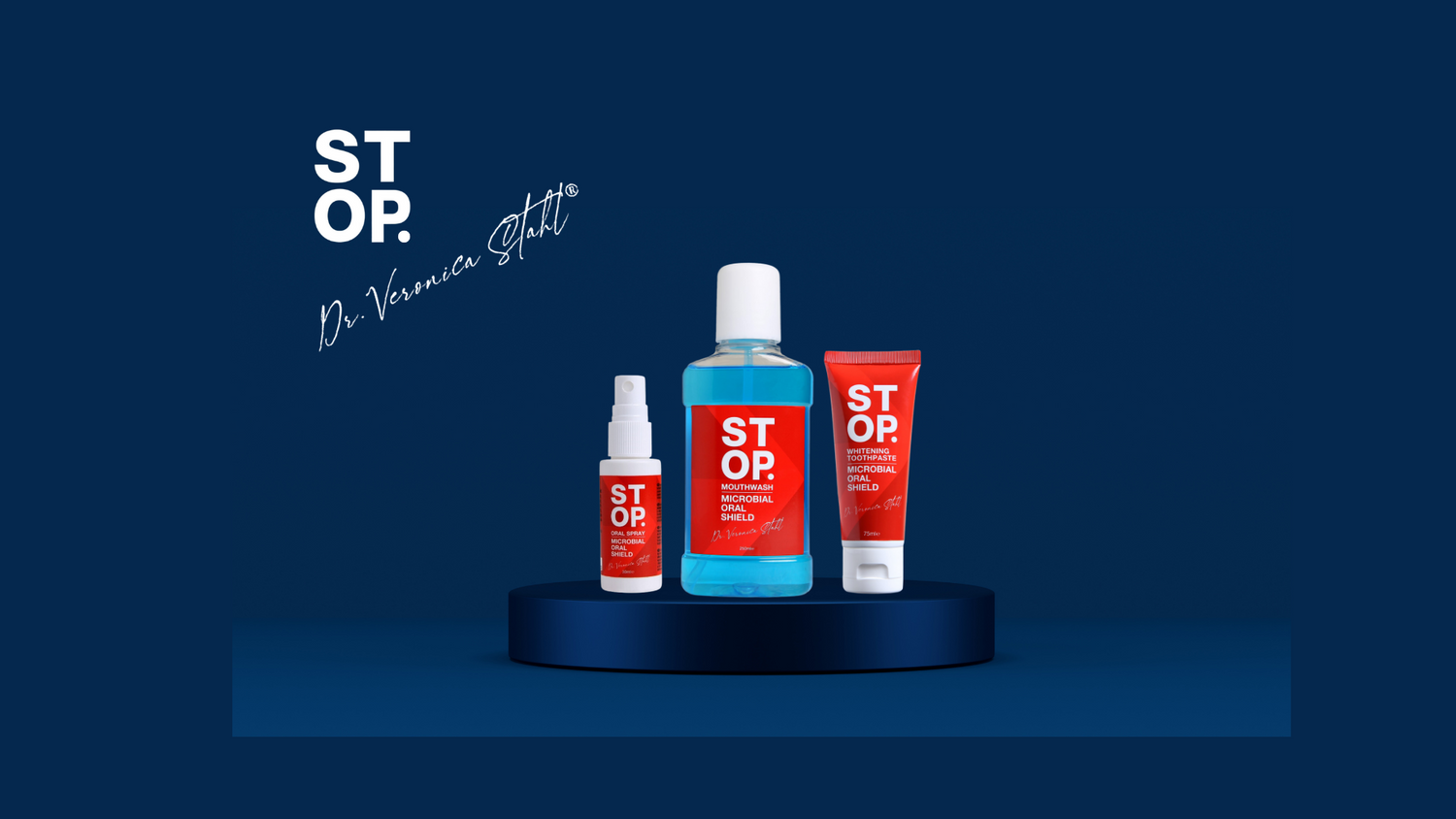
| STOP Mouthwash by Dr. Veronica Stahl | Lactobacillus rhamnosus, Bifidobacterium longum | CBD, Dead Sea minerals, marine algae, alcohol‑free | Sensitive gums & balanced microbiome |
| TheraBreath Fresh Breath | None (non‑probiotic, but pH balanced) | Sodium hydroxide, peppermint oil, no alcohol | Daily freshening without burning |
| Nature’s Answer PerioBrite | None (plant‑based, no probiotics) | Echinacea, Centella asiatica, wintergreen | Gum inflammation & natural relief |
| Biotene Dry Mouth Oral Rinse | None (no probiotics) | Glycerin, xylitol, alcohol‑free | Dry mouth & cavity prevention |
Now, let’s dig into each one. We’ll look at what makes them tick, where they shine, and when you might want to swap a bottle mid‑routine.
STOP Mouthwash – The Proven Probiotic Powerhouse
STOP’s flagship rinse is a mouthwatering mash‑up of science and nature. It layers two proven probiotic strains with a botanical base that’s been a staple in dental practice for years. The result? A gentle, alcohol‑free rinse that gives your friendly bacteria a chance to settle in while wiping away the bad guys.
What’s in the bottle? Lactobacillus rhamnosus and Bifidobacterium longum, two strains that have shown real plaque‑reducing effects in short‑term trials. The base is a blend of marine algae, CBD, and Dead Sea minerals, which soothe inflammation and give a refreshing mint finish.
For anyone dealing with sensitive gums or wanting a more balanced microbiome, this is the go‑to. It’s also great for those who need a non‑alcoholic formula because alcohol can dry out the mucosa and push the good bacteria out.
TheraBreath Fresh Breath – The Alcohol‑Free Classic
If you’re looking for a rinse that feels like a breath of fresh air without the sting, TheraBreath is a solid pick. While it’s not probiotic‑infused, it does keep the pH in a neutral range thanks to sodium hydroxide. The peppermint oil provides a clean, long‑lasting scent that won’t leave your tongue feeling bitter.
It’s an excellent option for people who prefer a simpler formula—think “I just want something that kills germs but keeps my mouth from feeling raw.”
One downside: it won’t actively feed your friendly microbes, so if you’re trying to build a balanced ecosystem, you might want to combine it with a probiotic rinse or use it only when you need a quick freshening boost.
Nature’s Answer PerioBrite – Plant‑Powered Relief
For those who love a botanical approach, PerioBrite blends Echinacea purpurea and Centella asiatica. These herbs are known for their anti‑inflammatory properties and support gum tissue repair. While it doesn’t contain live probiotics, the plant extracts help reduce plaque buildup and soothe irritated gums.
It’s especially handy for people with mild gingivitis or who’ve had a recent dental procedure and need something gentle.
Biotene Dry Mouth Oral Rinse – Keeping It Moist
Dry mouth is a real pain, literally. Biotene addresses that by adding glycerin and xylitol to the mix, which keep the mouth hydrated and help prevent cavities. Even though it lacks probiotics, the xylitol component does have a subtle anti‑plaque effect, and the lack of alcohol means you can use it without that dry, burning sensation.
If you’re prone to dry mouth from medications or dry‑eye treatments, this rinse is a lifesaver. Pair it with fluoride toothpaste and you’ve got a low‑maintenance routine that keeps cavities at bay.
How to Pick the Right One for You
There’s no one‑size‑fits‑all answer, but here are three quick filters to help narrow it down:
- Probiotics needed? If you’re building a microbiome, go STOP or look for a probiotic‑infused option.
- Alcohol tolerance? If you get a burning sensation, lean toward TheraBreath, Nature’s Answer, or Biotene.
- Specific gum issue? For inflammation, PerioBrite or STOP works best; for dry mouth, Biotene is top pick.
Remember, it’s not just the brand—it’s how you use it. Swish for 30–60 seconds, tilt your head back, and let the rinse sit on the mucosa. Don’t rinse your toothbrush afterward; you want the probiotic to linger, not wash away.
Actionable Tip: Create a Two‑Step Routine
Morning: Brush with a fluoride‑free, probiotic‑rich toothpaste (our STOP toothpaste). Evening: Swish with STOP Mouthwash for 60 seconds. You’ll give your friendly bacteria a daily boost and keep plaque at bay.
Curious about how these products fit into a broader oral health strategy? Best Natural Mouthwash for Gum Disease walks you through the science behind each ingredient and shows you how to spot the best choice for your needs.
Now you’ve got a clear snapshot of the top oral microbiome mouthwashes, plus the know‑how to pick the one that fits your mouth’s personality. Pick your bottle, follow the swishing routine, and let the good bacteria do their thing.
Potential Side Effects and How to Avoid Them
Let’s cut to the chase: every mouthwash is a double‑edged sword. You want a fresh breath and a healthy microbiome, but you don’t want to end up with a dry tongue, irritated gums, or a microbiome that’s more of a battlefield than a balanced city.
1. The Alcohol Dilemma
Alcohol‑based rinses are the classic “kill‑all” approach. In a recent study from the Microbiology Society, researchers found that daily use of a popular alcohol‑based mouthwash tipped the microbial scale in favor of opportunistic bacteria linked to gum disease and even colorectal cancer. The alcohol doesn’t discriminate—it wipes out both the bad guys and the friendly colonies that keep plaque at bay. The result is a vacuum that invites new invaders.
How to avoid it? Switch to an alcohol‑free formulation. Look for a product that explicitly states “no alcohol” on the label. If you’re already using a brand with alcohol, try limiting use to once a day or mixing the rinse with water to dilute the concentration. This keeps the surface clean without wiping out the beneficial microbes.
2. Over‑kill Antibacterial Mode
Some rinses go beyond alcohol, adding chlorhexidine or other potent antiseptics. These can be great for a quick clean, but chronic exposure can thin the overall bacterial load, including the good strains that help regulate blood pressure and metabolism.
In mice, long‑term chlorhexidine use led to reduced absorption of fats and altered gut microbiota—think of a chain reaction that could impact your weight and cardiovascular health. The study, published in Nature, highlighted how the oral‑gut axis can be disturbed by an over‑aggressive rinse.
Tip: Use high‑potency rinses only when you’re dealing with an acute infection or a dental procedure that demands extra protection. For routine use, stick to a milder, probiotic‑infused option that nurtures rather than eradicates.
3. Dry Mouth & Irritation
Alcohol and strong surfactants can strip moisture from the mucosa, leaving you with a burning taste and a dry mouth that actually feeds yeast and cavity‑forming bacteria. Notice a stinging after swishing? That’s your body telling you the rinse is too harsh.
Practical step: Pair your rinse with a saliva‑boosting snack like an apple or a piece of raw carrot. Chewing stimulates saliva production, counteracting dryness. If you’re prone to dry mouth, choose a rinse sweetened with xylitol, which not only reduces irritation but also disrupts the metabolism of harmful bacteria.
4. Long‑term Shifts in the Oral‑Gut Axis
The mouth isn’t an isolated ecosystem. When you disturb the oral microbiome, signals can travel to your gut, potentially influencing inflammation, blood pressure, and even weight gain. One study published in Nature showed that chronic exposure to antiseptic rinses altered the gut flora and reduced nutrient absorption in mice on a high‑fat diet.
What can you do? Rotate your mouthwash. Cycle between a probiotic‑rich rinse and a gentle, fluoride‑free toothpaste to give your bacterial community a chance to bounce back. Keep your routine simple: brush, floss, then swish for 30–60 seconds. This rhythm prevents a cumulative buildup of harsh chemicals.
5. Practical Ways to Keep the Balance
Check the label. Look for probiotic strains, no alcohol, a pH around 7.5, and natural sweeteners like xylitol. The label is your first line of defense.
Limit frequency. A 30‑second rinse once a day is usually enough for most people. Overuse can upset the microbial equilibrium and push the ecosystem toward imbalance.
Listen to your mouth. Persistent burning, itching, or a metallic taste signals that your current rinse is too harsh. Switch brands or reduce usage immediately.
Hydrate. Drink water before and after rinsing to help flush out any residual irritants. Keeping the mouth moist also supports the natural bacteria that thrive on a balanced environment.
Remember, the goal isn’t a sterile mouth—it’s a thriving, diverse ecosystem that keeps plaque and bacteria in check. By choosing the right rinse and using it mindfully, you can sidestep the common side effects and keep your oral health—and overall well‑being—on track.
Integrating Mouthwash Into Your Daily Dental Routine
So, you’ve got your toothbrush, floss, and that new probiotic‑infused mouthwash from Stop oral care. The next step is figuring out how to slot it into your day without making it feel like a chore. Think of it as adding a new playlist to your routine—just keep the beats in rhythm.
Morning: Start with a gentle brush. Skip the high‑foaming, sodium‑lauryl‑sulfate pastes that strip surface film. Instead, use a fluoride‑free, CBD‑infused paste from Stop. It cleans, soothes, and sets the stage for the rinse.
After brushing, let the mouth rest for 30–60 seconds. The probiotic cells need that pause to attach to the mucosa. Then, pour a shot of mouthwash into a cup, tilt your head back, and swish. Aim for 30–60 seconds—long enough to let the live cultures mingle but short enough that you’re not stuck in the bathroom.
Mid‑day check: If you’re traveling or stuck at a meeting, a quick 15‑second rinse can keep plaque in check. Don’t overdo it—frequent rinsing can wash out the friendly bacteria. A single daily rinse is usually the sweet spot.
Evening: The second dose is the real power move. Brush again with that CBD‑rich paste, floss, and give the mouthwash a full minute. This extended contact time gives the probiotics a fighting chance against any opportunists that slipped through during the day.
Consistency beats perfection. If you miss a night, don’t panic—just get back on track tomorrow. The oral microbiome is resilient, and a daily routine will nudge it toward balance over weeks.
What about timing? Some people swear by rinsing right before bed because it coats the teeth as they rest. That’s fine, just remember to spit, not swallow, and follow up with a short water rinse if the mouth feels dry.
Hydration matters. Water flushes away residual alcohol or sugar that might linger from meals. It also keeps the mucosa moist, which supports the probiotics’ survival.
Mind the ingredients. A good mouthwash should be alcohol‑free, contain at least two probiotic strains, have a neutral or slightly alkaline pH, and use natural sweeteners like xylitol. If any of those checks fail, the rinse can do more harm than good.
Keep the routine simple: brush, floss, rinse, repeat. Don’t mix mouthwashes—switching brands can confuse the microbial community and reduce effectiveness.
Finally, pay attention to how your mouth feels. A mild burning or a metallic aftertaste signals that the rinse may be too harsh. If that happens, cut back to once a day or try a gentler formula. Remember, the goal is not a sterile mouth but a thriving, diverse ecosystem that keeps plaque and inflammation in check.
So, what’s the next step? Pick a bedtime slot that fits your schedule, keep the rinse to 30–60 seconds, and let your daily habit grow into a habit that feels as easy as brushing your teeth.
Remember, it’s not about perfection—just consistency. Your mouth will thank you with fewer sore gums and fresher breath, a healthier smile that feels like a bonus to your day.
FAQ
What exactly is an oral microbiome mouthwash and how does it differ from regular mouthwash?
An oral microbiome mouthwash is specially formulated to nurture the good bacteria in your mouth. It’s alcohol‑free, usually carries two or more probiotic strains like Lactobacillus or Bifidobacterium, and keeps the pH around 7.5 so the friendly microbes can thrive. Regular mouthwashes often use alcohol or harsh detergents that wipe out both bad and good bacteria, leaving a vacuum for opportunistic growth.
Can I use it if I have sensitive gums or dry mouth?
Absolutely. These rinses are built to be gentle—no harsh surfactants, no alcohol, and often sweetened with xylitol, which actually helps keep the mucosa moist. The probiotic cultures act like a soothing balm, reducing inflammation and giving your gums a chance to heal. If you notice a slight tingling, just cut back to once a day until your mouth settles.
How often should I rinse with it?
The sweet spot is one rinse per day, 30–60 seconds. A shorter splash is enough to let the live cultures land on the gums and tongue. Swishing longer or more frequently can actually wash them away, undermining the benefit. Think of it like watering a delicate plant—just enough, not too much.
Will it replace brushing and flossing?
Not at all. The mouthwash is a complementary ally that targets areas brushing can miss, especially along the gum line. Brushing removes plaque mechanically; the rinse helps keep the bacterial balance in check. Flossing is still the gold standard for interdental cleaning. Together, they form a trio that keeps your smile bright and your microbiome balanced.
Are there any side effects I should watch for?
The most common signals are a mild burning sensation or metallic aftertaste—classic signs of an overly harsh formula. If you feel that, switch to a gentler product or reduce the frequency. Some people experience temporary dry mouth if the rinse has a high alcohol content; that’s why a low‑alcohol or alcohol‑free rinse is the safest bet.
How do I know if a product is truly microbiome-friendly?
Read the ingredient list like a detective. Look for a clear mention of probiotic strains, an alcohol content of zero or under 5%, a pH around 7.5, and sweeteners that are friendly, like xylitol. Avoid products that list sodium lauryl sulfate or high levels of artificial sweeteners. A label that keeps the language simple and lists active ingredients plainly is usually a good sign.
Conclusion
You’ve seen how a smart, alcohol‑free rinse can become the quiet hero of your routine. It’s not about fancy claims—it's about the tiny microbes that keep your teeth happy today.
Think of it like a neighborhood watch: the probiotics patrol, outbid the bad bacteria, and keep the plaque police calm. The result? A fresher breath that lasts all day today.
But remember, it’s only one part of a bigger picture. Your toothbrush, floss, and a healthy diet still play starring roles in the oral health drama for your daily routine.
So, what’s the next move? Start by checking the label—no alcohol, a pH near 7.5, at least two probiotic strains, and natural sweeteners like xylitol for your mouth health today.
If you’re already using STOP’s CBD‑infused mouthwash, you’re already halfway there. Their blend of marine algae and Dead Sea minerals gives you a gentle, balanced boost for your oral microbiome.
A quick checklist keeps you on track: alcohol‑free, probiotic‑rich, neutral pH, and a pleasant mint finish that doesn’t sting your tongue or dry your gums for daily routine and term.
Finally, remember it’s a habit, not a one‑off. Treat your mouth like a garden: water it gently, nourish it with the right tools, and watch the healthy microbes grow today.