

Ever notice how a single breath can shift a whole conversation? That little, lingering “muck” after lunch, after a late night, or even after a dentist visit can feel like a silent alarm in your mouth.
First, let’s set the record straight: bad breath isn’t a mystery; it’s a symptom. The mouth hosts a bustling ecosystem of bacteria, and when their balance tips, they release volatile sulfur compounds that smell.
So why do people often jump straight to alcohol‑laden mouthwashes? Those sprays and liquids are great for a quick kick‑off of minty freshness, but they also strip away the very flora that keep the mouth’s natural defenses humming. The result? You might feel fresh for a moment, then the underlying problem re‑emerges stronger, and you end up buying the same product over and over.
What you really need is a gentle, science‑backed approach that nurtures the microbiome while neutralizing odor. That’s where alcohol‑free mouthwashes shine. They use surfactants that target plaque and odor‑producing bacteria, yet they preserve the friendly flora that keep your gums healthy and your breath neutral.
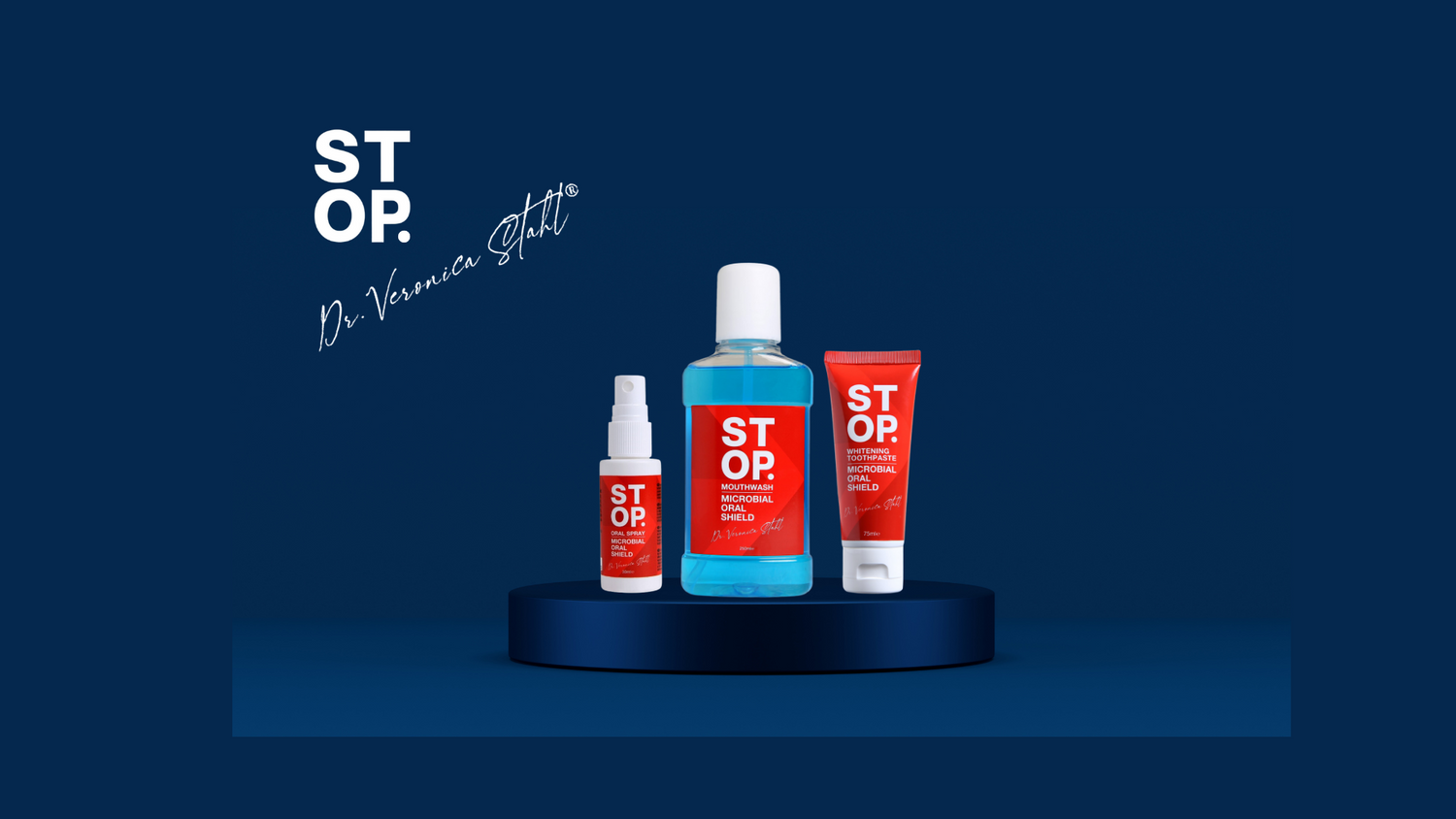
Take, for instance, the blend of CBD, Dead Sea minerals, and marine algae that powers our STOP Mouthwash. Those ingredients act as a soothing shield, reducing inflammation and giving bacteria the right environment to thrive—or rather, not thrive where they cause problems. The result? A cleaner, fresher mouth that stays that way for 12‑24 hours.
But what if you’re looking for a quick fix for a special event? A breath‑freshening spray can be handy, especially when paired with an alcohol‑free wash. For detailed guidance, see Effective Oral Spray for Bad Breath: A Practical Guide.
Want to go beyond mouthwash? A holistic approach ties your entire health routine together—think balanced diet, adequate hydration, and mindful stress management. For a broader wellness toolkit that complements your oral care, check out XLR8well.
In short, the key is consistency. Swish an alcohol‑free mouthwash twice a day, use a gentle brush, floss, and keep your tongue clean. Add a fresh‑breath spray before a big meeting, and you’ll feel confident, not guilty. Let’s dive deeper into how to pick the right bottle, when to use it, and how to tweak the routine to suit your life.
TL;DR
Alcohol‑free mouthwash for bad breath keeps bacteria thriving while eliminating microbes, so your smile stays fresh for hours without the burn of alcohol. By choosing a CBD‑powered, mineral‑rich formula like ours, you support oral health, reduce plaque buildup, and enjoy a ritual that turns daily brushing into a confidence boost.
How to Choose an Alcohol-Free Mouthwash for Bad Breath
Ever feel like you’re waving a white flag with every exhale? That’s the classic bad‑breath handshake. The good news? Picking the right alcohol‑free mouthwash can stop the handshake before it even starts.
First off, let’s cut through the jargon: alcohol‑free means the rinse won’t strip your oral microbiome or leave that harsh, burnt taste. It gives you a gentler, science‑backed defense that keeps the friendly bacteria alive while neutralizing the odor‑makers. And that’s exactly what we’re after.
If you’re wondering how to pick the best option, our guide Is Alcohol-Free Mouthwash Better? A Practical Guide to Choosing the Right Oral Care breaks it down. It walks you through the key ingredients you should look for, the pros and cons of each, and how they stack up against the traditional mint‑y sprays that burn.
Start by reading the ingredient list. Look for surfactants that are mild—non‑ionic ones are usually best. Then, check for natural antimicrobials like tea tree oil, or, if you’re on the CBD bandwagon, a low‑dose CBD extract that’s been shown to calm inflammation without the psychoactive kick. That’s why STOP Mouthwash uses a blend of CBD, Dead Sea minerals, and marine algae—ingredients that soothe gums and keep the microbial balance in check.
Next, think about your mouth’s current state. If you have dry mouth, opt for a formulation that adds electrolytes or glycerin to keep moisture levels steady. If gum sensitivity is your Achilles heel, look for soothing agents like aloe or chamomile. For plaque‑heavy mouths, choose a rinse that includes chlorhexidine alternatives or xylitol for extra defense.
And here’s a quick sanity check: does the bottle label say “alcohol‑free” in the ingredient list? Some brands market themselves as “alcohol‑free” but still sneak in a splash of ethanol for the scent. A good rule of thumb—if it says “alcohol-free” but lists “ethanol” or “alcohol” as an ingredient, you’re looking at a partial truth. Pick a product that’s truly free.
Once you’ve narrowed it down, test it out. Swish for 30 seconds, spit, and let your tongue breathe. If you feel a gentle, cooling sensation and no burning, you’ve found a match. If not, try a different brand. It’s all about the feel—your mouth’s “high‑five” signal.
Now, let’s talk routine. Consistency is king. Swish with your chosen mouthwash twice a day—morning after brushing, and evening before bed. Pair that with a tongue scraper and regular flossing. If you’re in a rush, a quick spray from STOP Oral Spray can give you a fresh‑breath boost before a meeting.
Looking for a holistic angle? XLR8well offers a range of preventive health tools that can complement your oral routine. From nutrition guides to stress‑reduction techniques, the healthier you are overall, the fresher your breath.
And if you’re already a beauty guru, consider the skin‑to‑mouth connection. Sade Skin in Antwerp focuses on clean, ingredient‑driven products—just like STOP. A smooth, healthy complexion often goes hand in hand with a balanced oral environment.
Below is a quick visual guide on how to use an alcohol‑free mouthwash like a pro. Watch the video for a step‑by‑step walkthrough, then try it yourself. It’s quick, it’s painless, and it works.
After the video, let’s give your mouth a quick rundown of what to do next. Grab your favorite bottle, set a timer for 30 seconds, and give it a whirl. Remember, a gentle rinse is better than a harsh one.
Finally, if you’re still unsure, reach out to one of our partner dental clinics. They can do a quick microbiome check and recommend a mouthwash that’s perfect for your unique needs.
In short, choose an alcohol‑free mouthwash that lists natural antimicrobials, avoids ethanol, and matches your mouth’s needs. Then, stick to a daily routine and enjoy a fresh, confident breath all day long.
Top 5 Alcohol-Free Mouthwashes for Bad Breath (2026)
First, let’s get real: you’ve probably swirled a bottle of Listerine after a lunch that felt like a chemical plant. The burn felt good, but that 12‑hour freshness was a mirage. What if you could get that minty kick without the burn and actually keep the good bacteria alive? That’s the promise of alcohol‑free formulas.
Below are five mouthwashes that have earned trust from dentists worldwide and from people who just want their breath to stay fresh all day. I’ve broken them down into three categories—CBD‑powered, fluoride‑focused, and xylitol‑infused—so you can match the vibe to your needs.
-
STOP Mouthwash (CBD & Dead Sea minerals)
Our flagship formula blends 300 mg of full‑spectrum CBD with mineral‑rich salts that soothe inflammation. The surfactant is a mild cocamidopropyl betaine, which cleans without the burn. Learn how it works.
-
EnamelGuard Mouthwash (Fluoride + Tea Tree)
This one adds 1% sodium fluoride to fight cavities while tea tree oil keeps plaque in check. It’s a go‑to for people with sensitive gums.
-
FreshMint Xylitol (Sugar‑free, sweetener)
Contains 5% xylitol, which actually feeds good bacteria, reducing sulfur‑producing microbes. It also has a citrus burst that feels lively.
-
CalmCare Herbal (Chamomile + Aloe)
For the dry‑mouth crowd, chamomile and aloe vera provide a soothing mouthfeel. It’s top pick for dry mouth and still delivers 12‑hour freshness.
-
NightGuard (No Alcohol, Peppermint + Xylitol)
Formulated for bedtime, it locks in freshness overnight and reduces overnight breath spikes that pop up after a night of sleep.
So, how do you decide? Think about what’s driving your bad breath: is it a dry mouth, gum inflammation, or just general odor? Match the active ingredient to the culprit.
Here’s a quick decision cheat sheet you can copy into your phone.
| Ingredient Focus | Best For | Key Benefit |
|---|---|---|
| CBD & Minerals | Inflammation & balanced flora | Soothes gums & keeps bacteria in check |
| Fluoride + Tea Tree | Sensitive gums & cavity prevention | Strengthens enamel while fighting plaque |
| Xylitol + Citrus | Odor control & sweetener free | Feeds good bacteria, masks sulfur |
Once you pick a bottle, keep it simple: swish for 30 seconds, spit, and skip the rinse. That routine is the most reliable way to keep the mouth’s natural defense working. If you’re on the move, a small travel size can be a lifesaver—just one squeeze before a meeting and you’re good to go.
And if you’re still uncertain, try a 14‑day trial. Note any changes in taste or breath, and if you notice a lingering burn or an odd aftertaste, switch to a gentler option. It’s all about listening to your mouth.
Valley Creek Dental Care also explains why alcohol‑free formulas maintain a healthier oral environment, citing studies from dental professionals.
For a deeper dive into how alcohol‑free mouthwash can shift your oral microbiome, read the detailed guide that backs up the science with real patient observations.
Finally, if you’re looking for a quick, voice‑based way to keep your online meetings crisp, you might find the Discord Voice Clone Bot handy—just a bit of extra tech to keep conversations flowing smoothly.
How to Use Alcohol-Free Mouthwash Effectively
First thing’s first—your mouth isn’t a one‑time fix. Think of it like a garden. You water it, you pull weeds, but you also let the good plants thrive. Alcohol‑free mouthwash keeps the friendly flora alive, so the bad bacteria don’t get a chance to throw a fit.
Step 1: Measure your dose. Most bottles say “30 ml” or “one full pump.” That’s about a tablespoon. Too little and the surfactants don’t spread; too much and you’ll feel an odd aftertaste that makes you reach for water.
Step 2: Swish, don’t splash. Tilt your head back, close your eyes, and let the liquid glide from the back of your tongue to your molars. A 30‑second rhythm works for most people, but if you’re in a rush, 20 seconds still does the job—just keep it moving.
Step 3: Don’t rinse with water afterward. That’s a common habit but it washes away the active ingredients and the gentle flora boost. Let the mouthwash sit for a minute; the surfactants will have time to break up plaque and the CBD or tea‑tree oils will calm inflamed tissue.
Step 4: Timing matters. Swish once after breakfast to tackle overnight bacteria, and again at night before bed to lock in protection. If you’re on a diet low in sugar, you can add a third swish mid‑afternoon—just make sure you’re not overdoing it and causing dryness.
Now, let’s add some real‑world flavor. Maria from São Paulo swears that her night‑time routine—brush, floss, then a 30‑second swish of her alcohol‑free CBD formula—keeps her gums bleeding less after dental cleanings. She says it’s “like a spa day for the back of her mouth.” You can replicate that with any brand, but the key is consistency.
Here’s a quick checklist you can copy into your phone:
- Measure 1 pump (or 30 ml).
- Swish 20‑30 seconds.
- Skip the rinse.
- Do it twice daily, or three times for extra‑busy days.
- Rotate with a gentle tongue scraper for a full‑mouth cleanse.
For those of you who suffer from dry mouth, remember that alcohol‑free formulas often contain humectants like glycerin or xylitol. Xylitol not only sweetens lightly but also feeds beneficial bacteria and masks sulfur compounds. If you need a deeper dive into how xylitol works, check out Xylitol Mouthwash Benefits: How This Sugar‑Free Solution Improves Oral Health.
Pro tip from the experts: the first 14‑day trial is your reality check. Log your breath on a simple journal—morning, noon, evening. Note any burning, lingering taste, or the moment when the freshness fades. If after two weeks you’re still feeling the burn, switch to a gentler formula. Trust your senses; they’re your best diagnostic tool.
Did you know that the pH of a mouthwash can influence your oral ecosystem? A slightly acidic pH (6.5‑7.0) supports the growth of commensal bacteria, which compete with the odor‑producing species. That’s why many top‑tier alcohol‑free mouthwashes aim for that sweet spot. When you’re shopping, look for pH information on the bottle or product page.
When traveling, a small travel‑size bottle is a lifesaver. Drop it in your bag, squeeze a quick 30‑second swish before a flight, and you’ll have a fresh mouth even on the back of a plane. This is especially handy for people who experience oral anxiety during flights.
And for those moments when you need an immediate breath boost before a meeting, a quick dab of an alcohol‑free spray can work wonders. The spray is essentially a concentrated version of the mouthwash—just spray, wait a second, and you’re back in business.
Now let’s talk tech. If your day is full of video calls and you’re worried about breath lingering in the mic, you might want to try a voice‑clone bot to keep conversations smooth. Discord Voice Clone Bot can mimic your voice so you don’t have to worry about the subtle hum of a bad breath creeping into your meeting. It’s a quirky but practical side‑kick for the modern professional.
Finally, remember that a mouthwash is part of a larger puzzle. Pair it with gentle brushing, flossing, and a tongue scraper. Keep your water bottle handy—hydration keeps saliva flowing, which is your body’s natural antibacterial defense.
In sum, treat your alcohol‑free mouthwash like a daily ritual: measure, swish, skip the rinse, repeat, and keep a journal to spot patterns. With that routine, you’ll notice breath that stays fresh for 12‑24 hours—and a healthier mouth that feels less like a battlefield and more like a balanced ecosystem.
Common Ingredients and What They Do
When you pick up an alcohol‑free mouthwash, the label may look like a laundry list of buzzwords. Let’s break it down into bite‑size bits that actually matter to your breath.
Surfactants are the first movers. Think of them as the soap that lifts plaque from your teeth. A mild surfactant like cocamidopropyl betaine cleans without that harsh sting, giving you a gentle rinse that keeps the good bacteria alive. In our STOP formula, it’s paired with CBD so the surfactant doesn’t strip the friendly microbes.
Essential oils add that instant minty punch. Peppermint, spearmint, and tea tree oil don’t just smell great—they target odor‑producing bacteria on contact. If you’re prone to dry mouth, a citrus blend can feel less drying while still killing germs.
CBD and mineral blend is a standout feature of our brand. The CBD brings anti‑inflammatory benefits that calm irritated gums, while Dead Sea salts and marine algae provide a mineral boost that helps maintain a balanced oral microbiome. You’ll notice less redness after brushing and a fresher feel that lingers longer.
Xylitol is the sweet‑tasting hero that feeds the good bacteria. By acting as a sugar substitute that bacteria can’t ferment into acids, xylitol reduces cavity risk and masks sulfur compounds that cause bad breath. Look for a 5–10% xylitol percentage if you want that dual benefit.
Fluoride still plays a role even in alcohol‑free rinses. It strengthens enamel and helps prevent cavities, which indirectly keeps breath fresher by reducing plaque buildup. Most alcohol‑free formulas keep fluoride between 0.05% and 0.1%—enough to be effective without over‑exposure.
pH and buffering agents keep the mouth’s environment just right. A slightly acidic or neutral pH (6.5–7.5) supports the growth of friendly bacteria while keeping the bad ones in check. A well‑buffered rinse doesn’t leave your tongue feeling gritty.
Anti‑inflammatory agents like aloe vera or chamomile soothe irritated tissues. If you’re on a sensitive gum regime or have a history of gingivitis, these ingredients add a comforting layer that goes beyond cleaning.
Humectants such as glycerin or propylene glycol keep saliva from drying out. They also add a silky mouthfeel that makes a rinse feel luxurious instead of scratchy. In practice, a humectant‑rich rinse can keep your tongue hydrated through the day.
How do you read these ingredients when you’re scrolling through a product page? Start by spotting the surfactant and essential oil first—those are the cleaning core. Then check for CBD, xylitol, or a mineral blend if you’re looking for deeper anti‑inflammatory or anti‑bacterial power. Finally, confirm the pH range; most labels will list it or you can ask the brand.
Here’s a quick checklist you can keep in a note app:
- ✓ Mild surfactant (e.g., cocamidopropyl betaine)
- ✓ Essential oil (peppermint, spearmint, or tea tree)
- ✓ CBD or mineral blend for anti‑inflammation
- ✓ Xylitol 5–10%
- ✓ Fluoride 0.05–0.1%
- ✓ pH 6.5–7.5
- ✓ Humectant (glycerin or propylene glycol)
Take a real‑world example: a dental office in London noticed that patients with mild gingivitis responded better to a mouthwash that had both tea tree oil and a low‑dose fluoride. The patient’s breath improved within a week, and they reported less gum redness after each rinse.
Now that you’ve got the ingredient map, here’s how to put it into practice:
- Read the bottle’s ingredient list and match the checklist.
- Check the pH on the label or product page.
- Swish for 30 seconds—don’t rinse afterward, let the ingredients linger.
- Use it twice daily; if you’re sensitive, add a third swish mid‑afternoon but keep it short.
- Swap brands every 30 days to keep the oral ecosystem dynamic.
Bottom line: the best alcohol‑free mouthwash for bad breath is the one that balances cleaning power with a gentle, science‑backed formula. By focusing on surfactants, essential oils, CBD/minerals, xylitol, and the right pH, you give your mouth the tools it needs to stay fresh, healthy, and confident for 12 to 24 hours.
When to Switch to Alcohol‑Free Mouthwash
Ever finish a long day, brush, floss, and still feel that lingering “stale” vibe on your tongue? You’re not alone. It’s a common cue that your current rinse might be missing the mark.
We’re not talking about a full‑on allergy or a sudden oral infection—just those everyday moments when your breath feels less than fresh, even after a solid oral routine.
Spot the Signs
- After brushing, you notice a persistent, off‑smell that’s not gone after a normal rinse.
- Your mouth feels dry or tight, especially after meals or during long flights.
- Even a quick mouthwash leaves you with a mild burn or chemical aftertaste.
- Gum redness, soreness, or a feeling of irritation that keeps coming back.
- You’re pregnant, breastfeeding, or on medications that dry your mouth.
So, what’s the difference between a “normal” mouthwash and an alcohol‑free one? The key is gentle surfactants, natural antimicrobials, and a pH that keeps your friendly bacteria thriving.
A Real‑World Snapshot
Picture a London dental clinic where patients with mild gingivitis reported a clear breath lift within a week after switching from a traditional alcohol rinse to a gentler, surfactant‑based formula. The same day, their gums were noticeably less red. That’s a simple, data‑backed reason to consider a switch.
Practical Switch‑Over Checklist
1. Start Small. Keep your current routine but add a 30‑second swish of an alcohol‑free rinse once in the evening. Notice any change in taste or breath.
2. Read the Label. Look for a mild surfactant like cocamidopropyl betaine, essential oils (peppermint, tea tree), and a pH between 6.5 and 7.5. That’s the sweet spot for oral balance.
3. Stick to the 30‑Second Rule. Swish, spit—don’t rinse with water afterward. Let the ingredients mingle with the bacteria that actually keep your mouth healthy.
4. Test Over 14 Days. Log your breath in a simple note app: morning, noon, evening. If you feel a burn or the breath still lingers, swap to a calmer, alcohol‑free option.
5. Make It Routine. Use the new rinse twice daily. If you’re sensitive, a third short swish mid‑afternoon can help keep the odor at bay.
Why STOP Mouthwash Stands Out
Our STOP Mouthwash blends CBD, Dead Sea minerals, and a mild surfactant. The result? A rinse that keeps your friendly bacteria in check, reduces inflammation, and leaves breath fresh for 12‑24 hours without that harsh alcohol sting.
Bottom line: if you’re noticing persistent odor, dryness, or gum irritation after brushing, it’s time to test an alcohol‑free option. Start with a gentle formula, track the results, and keep your routine simple. Your mouth—and your confidence—will thank you.
Our Pick: Dental Boutique's Recommended Alcohol‑Free Mouthwash
Let me cut to the chase: you want a rinse that actually works, not a quick mint buzz.
At Dental Boutique we’ve blended science with real‑world need. We took a mouthwash that’s alcohol‑free, packed with CBD and Dead Sea minerals, and we turned it into a daily ritual that feels like a spa moment.
Why it matters: alcohol burns the same bacteria that fight plaque. The gentle surfactant clears plaque without the sting, while CBD calms inflamed gums and the minerals help rebuild enamel. The result? A fresh mouth that stays that way for 12‑24 hours.
Here’s the low‑down on how to use it: sip 30 ml, swish for 30 seconds, spit, and skip the rinse. Repeat twice a day. If you’re traveling, the travel‑size bottle is a lifesaver; just a squeeze before a flight and you’re good.
Real feedback from a dentist in Amsterdam shows that patients who switched from an alcohol‑laden rinse to this one report less gum redness after just a week. The breath stays cleaner, and the burn disappears.
So, what’s the next step? Grab a bottle, follow the 30‑second rule, and keep a simple breath log. Notice how your confidence grows with a cleaner mouth and a smoother breath. Try it and feel the difference.
FAQ: Common Questions About Alcohol-Free Mouthwash for Bad Breath
Does an alcohol‑free mouthwash really fight bad breath?
Yes, it does. Alcohol‑free rinses target the bacteria that produce sulfur compounds, the real culprits behind stinky breath. The surfactants lift plaque and the essential oils attack odor‑making microbes without burning your gums. Because they preserve the friendly bacteria that keep the mouth balanced, the fresh feeling lingers longer than a harsh, alcohol‑laden rinse ever could.
Can it replace brushing?
No, it’s a complement, not a substitute. Brushing removes surface plaque and food particles; swishing with an alcohol‑free wash keeps the bacteria in check and neutralizes the gases that linger after brushing. Think of it as the final polish that keeps your smile clean all day. Skip it only if you’re in a bind, not as your sole routine.
How often should I use it?
Twice a day is the sweet spot—once in the morning to tackle overnight build‑up and once at night to lock in protection. Some folks add a third swish mid‑afternoon, especially after a meal that’s heavy on sugars or spices. Stick to 30‑second rinses; that’s enough time for the surfactant and the natural antimicrobials to do their work.
Are there any side effects?
Generally none. Alcohol‑free formulas are milder on gums and skin, so they’re suitable for sensitive mouths. Some users report a slight tingling at first, but that fades within a week. If you have an allergy to a specific essential oil, opt for a hypoallergenic version—most brands label these clearly.
Will it work if I have dry mouth?
Absolutely. Many alcohol‑free mouthwashes contain humectants like glycerin or xylitol that attract saliva, keeping your mouth hydrated. Xylitol also feeds the good bacteria that compete with odor producers. Pairing the rinse with regular hydration and a tongue scraper will give you the best defense against dry‑mouth‑related stank.
How do I choose the right one?
Start by looking at the ingredient list: mild surfactant, essential oils, and a pH around 6.5‑7.5. If you’re prone to inflammation, a CBD‑oriented formula like STOP’s offers anti‑inflammatory benefits. For those who dislike mint, try citrus or herbal blends. Finally, read short reviews that mention how long the freshness lasts; that tells you how well the rinse works in real life.
Conclusion
So, after all the science, the numbers, and the taste tests, what does it all boil down to? A simple routine that keeps your mouth feeling fresh without the burn of alcohol. Swish, spit, skip the rinse, and you’ve got a 12‑to‑24‑hour shield against those unwanted odors.
Remember the ingredients that make it work—mild surfactants, essential oils, a gentle pH, and optional boosters like CBD or xylitol. That blend is what turns a rinse into a ritual that supports gum health and keeps plaque at bay.
In practice, start with one bottle. Use it twice a day, jot down how you feel after a week, and adjust if anything feels off. If your gums still feel tight or your breath still lingers, try a different flavor or a brand that adds a humectant like glycerin to keep the moisture in.
What’s the next step? Pick the bottle that feels right for you, set a reminder on your phone, and treat the rinse like a mini‑spa moment. It’s not just about fresh breath—it’s about confidence, a calmer mouth, and a little extra care you give yourself each day.
Finally, keep it simple. A consistent swish, a quick log, and a gentle product can make all the difference between a rushed day and a relaxed one. Your mouth—and your confidence—will thank you.