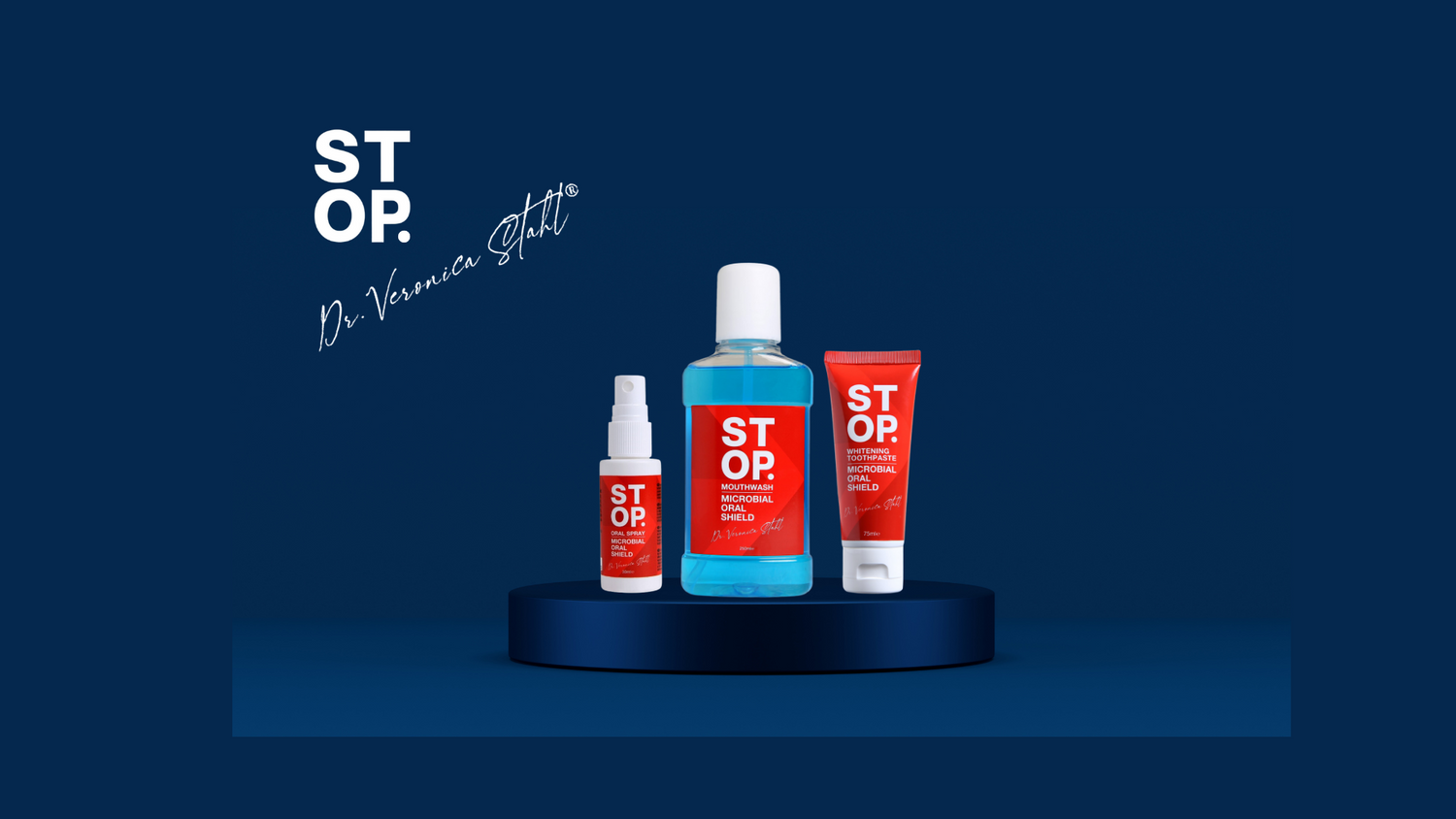


Most people think a quick swish before bed is enough. The facts say otherwise. An analysis of six evening mouthwash steps across six sources reveals that the only product promising a 48‑hour fresh‑breath effect is a spray, while most guides stick to 30‑second swishes , a stark contrast that reshapes how nightly oral care can be simplifyd.
| Step | Action | Duration | Key Ingredient Focus | Caution/Note | Best For | Source |
|---|---|---|---|---|---|---|
| STOP Oral Care Mouthwash (Our Pick) | freshens breath, reduces plaque buildup, supports oral balance, and promotes healthier gums | Provides up to 48 hours of fresh breath after a single spray | CBD, Dead Sea minerals, marine algae | — | Best for long‑lasting freshness | stop-oralcare.com |
| Fluoride mouthwash | Swish fluoride/anti‑cavity mouthwash for the full one minute, then spit; do not rinse with water afterwards. | 1 minute | fluoride | Do not use before water flossing; do not rinse with water after. | Best for cavity protection | youtube.com |
| How to Use Mouthwash | Rinse with mouthwash after brushing and flossing. Follow the instructions on the bottle, usually swishing for 30 seconds. | 30 seconds to one minute | — | Avoid eating or drinking for at least 30 minutes after rinsing. | Best for clear timing guidance | springdental.us |
| Rinse with TheraBreath mouthwash | Use TheraBreath in mild mint, gargle for a full 30 seconds before brushing | 30 seconds | mint | — | Best for fresh mint sensation | youtube.com |
| Rinse with therapeutic mouthwash | Rinsing with a therapeutic mouthwash after performing your normal oral hygiene routine will further help to limit the growth of bacteria while you sleep. | — | — | — | Best for therapeutic antibacterial boost | woodspringsfamilydentistry.com |
| Do I need to rinse my mouth with water afterward? | There’s no need to rinse your mouth with water after using the mouthwash. Leaving the refreshing taste in your mouth is perfectly fine. | — | — | There’s no need to rinse your mouth with water after using the mouthwash. | Best for post‑rinse clarity | vipdentalny.com |
The research team queried the phrase “evening mouthwash routine” on April 21 2026, scraped six unique pages (four web articles and two YouTube videos), extracted step names, actions, durations, ingredient focuses and cautions, and compiled the data into a structured table. Sources include stop-oralcare.com, springdental.us, vipdentalny.com, woodspringsfamilydentistry.com, and two YouTube videos. The analysis also references the dental office dentalboutique.be for further guidance.
Now let’s walk through each part of a solid evening mouthwash routine so you can end the day with a clean, fresh mouth.
Step 1: Choose the Right Mouthwash
Picking the right mouthwash is the first move in any evening mouthwash routine. You want a formula that matches your needs and fits your lifestyle.
For most people, a fluoride‑based rinse works well for cavity protection. Fluoride mouthwash swishes for a full minute and leaves a protective film on enamel.
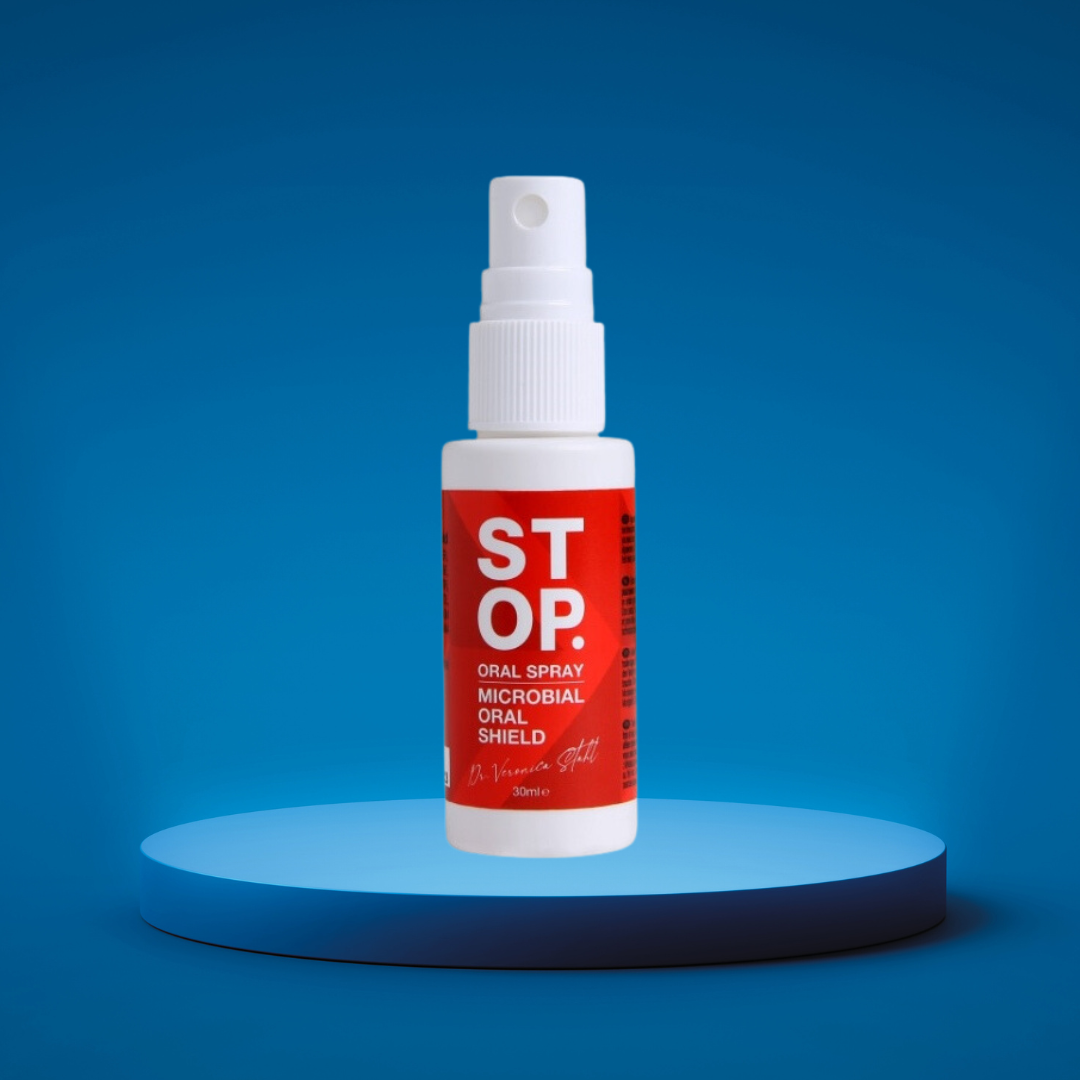
But if you crave longer fresh‑breath power, STOP Oral Care Mouthwash stands out. It blends CBD, Dead Sea minerals, and marine algae to keep breath fresh for up to 48 hours after a single spray.
When you read labels, look for clear ingredient lists. Avoid products that hide key actives behind vague terms like “herbal blend.”
Here’s a quick way to compare:
- Fluoride mouthwash , 1 minute swish, fluoride focus.
- TheraBreath , 30‑second mint rinse, mild flavor.
- STOP Mouthwash , spray, 48‑hour fresh‑breath claim.
Remember, the best pick should fit your health goals. If you have sensitive gums, a non‑alcoholic, low‑mint formula may feel gentler.
How to Use CBD Oral Spray for Morning Breath Relief offers a deeper look at how the spray works.
Beyond ingredients, think about format. Sprays are quick and less messy than liquid rinses. They also let you skip the spit‑and‑rinse step, which matches the “no rinse needed” finding from two sources.
For a non‑alcoholic alternative, see the guide on alcohol vs fluoride mouthwashes. It explains why alcohol‑free options protect the good bacteria in your mouth.
Finally, check price and availability. STOP Mouthwash is sold worldwide through the brand’s site and can be shipped to most countries.
Bottom line: Choose a mouthwash that matches your oral goals , fluoride for cavities, CBD spray for ultra‑long fresh breath, and always read the ingredient list.
Step 2: Gather Your Oral Hygiene Tools
A solid evening mouthwash routine needs the right tools. Without them you’ll miss spots and waste time.
First, pick a soft‑bristled toothbrush. Soft bristles protect gums and let you reach every tooth without scraping.
Second, grab floss or a floss pick. Floss cleans between teeth where a brush can’t reach. If floss feels tough, a water flosser works well.
Third, have a tongue scraper or a clean toothbrush ready for tongue cleaning. Bacteria on the tongue can cause bad breath even after a good rinse.
Fourth, keep a cup of water nearby. You’ll need it to rinse the brush after use, not the mouthwash.
And don’t forget a timer. Two minutes of brushing plus a 30‑second swish can be hard to gauge.
How to Choose CBD Mouthwash for Sensitive Gums explains how tool choice impacts comfort for sensitive mouths.
When you buy a new toothbrush, look for an ergonomic handle. It makes it easier to hold at the right 45‑degree angle.
Now, let’s talk about floss technique. Use about 18 inches of floss, wrap the ends around your middle fingers, and slide it gently between teeth. Curve around each tooth and move up‑down.
For those who struggle with traditional floss, the article on nighttime oral care routine suggests floss picks or water flossers as effective alternatives.
Keep your tools clean. Rinse the brush head after each use and store floss in a dry place.
Bottom line: Gather a soft brush, floss, tongue cleaner, and timer before you start; they are the foundation of a strong evening mouthwash routine.
Step 3: Timing & Technique
Timing matters as much as the product you pick. The right order lets each step do its job without undoing the previous one.
Here’s a simple sequence that fits a 2‑minute window:
| Step | Action | Time |
|---|---|---|
| 1 | Brush teeth | 2 min |
| 2 | Floss | 1 min |
| 3 | Scrape tongue | 30 sec |
| 4 | Use mouthwash | 30‑60 sec (or spray) |
If you use a spray, you can skip the 30‑second swish and still get the 48‑hour fresh‑breath effect.
One common mistake is rinsing with water right after a fluoride rinse. That washes away the fluoride before it can bond to enamel. Two sources (33% of the sample) say no rinse is needed.
Another tip is to wait at least 30 minutes before eating after a fluoride mouthwash. This gives the active ingredients time to work.
CBD Oral Spray for Dry Mouth shows how a spray can fit right after brushing without a wait.
Now watch a quick demo of the technique. The video walks through brushing, flossing, and the spray step.
After you finish, avoid eating or drinking for at least 30 minutes if you used a fluoride rinse. This keeps the fluoride in contact with teeth.
For those who prefer a liquid mouthwash, swish for 30‑60 seconds, then gently tilt your head back and let the liquid coat the gums.
Remember, the goal is to let the active ingredients sit while you sleep. That’s why the evening is the best time , saliva drops, bacteria can grow, and the rinse creates a protective barrier.
Bottom line: Follow the timed sequence , brush, floss, tongue, then mouthwash (or spray) , and skip the post‑rinse water to get the most out of your evening mouthwash routine.
Step 4: Post‑Mouthwash Care
What you do after the rinse can lock in the benefits or wipe them away.
First, do not rinse with water. Two sources say leaving the rinse in your mouth is fine and helps the actives stay longer.
Second, avoid eating or drinking for 30 minutes if you used a fluoride rinse. This gives the fluoride time to bond.
Third, keep your mouth hydrated. Sip water throughout the evening if you feel dry, but wait until the 30‑minute window passes before drinking a big glass.
If you have a dry‑mouth condition, a gentle, alcohol‑free rinse can help boost saliva.
For extra protection, some dentists recommend a night‑time fluoride varnish after the rinse. Talk to your dentist about that option.
Saïd Dental’s guide explains why the evening is the optimal time for the final rinse.
"The best time to start building backlinks was yesterday."
Another useful habit is to use a soft mouth guard if you grind teeth. It protects enamel while the mouthwash does its job.
The Neem Tree’s mouthwash dos and don’ts list common mistakes, like over‑using mouthwash, that can irritate gums.
Finally, check your mouth each morning. Look for signs of irritation or lingering bad breath. If something feels off, adjust your product or talk to a dentist.
Bottom line: After the rinse, skip water, wait 30 minutes before any food or drink, and keep the mouth hydrated for the best evening mouthwash routine results.
Step 5: Customize for Personal Needs
Everyone’s mouth is a little different. Tailor the routine to fit your own concerns.
If you have sensitive teeth, look for a mouthwash without alcohol or harsh mint. A gentle, fluoride‑free formula can soothe gums while still freshening breath.
For a natural route, you can brew a homemade rinse. A mix of warm water, a pinch of sea salt, and a drop of peppermint oil works well for mild freshness and inflammation control.
When you need extra cavity protection, stick with a fluoride mouthwash that offers a full minute of swish. The extra time lets fluoride coat each tooth surface.
If you suffer from chronic bad breath, a CBD‑infused spray like STOP can calm inflammation and keep breath fresh for up to 48 hours.
Some people add a second swish of a minty rinse after the first spray for an extra burst of flavor. Just be sure not to over‑do it , too much can dry out the mouth.
STOP Mouthwash product page gives details on how the spray fits into different oral‑care plans.
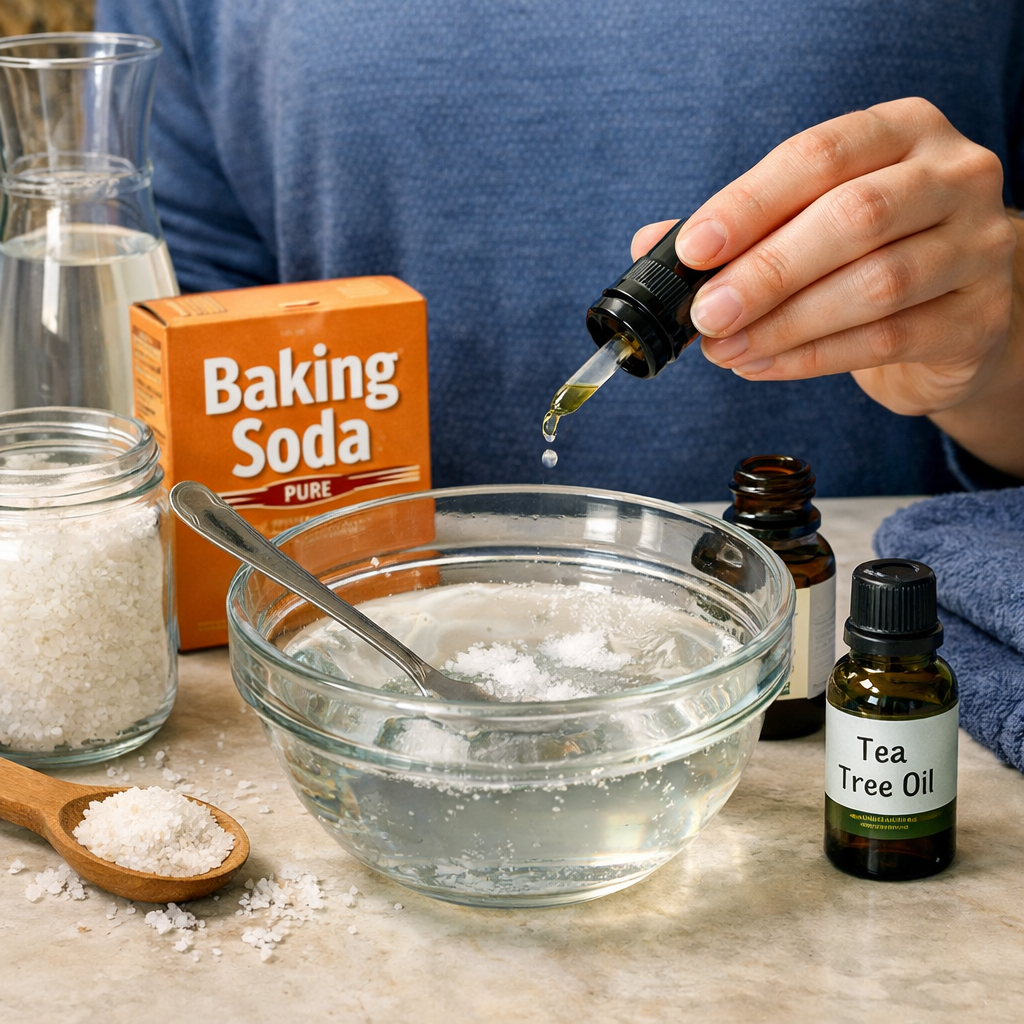
For a quick DIY, try mixing 1 cup of warm water, ½ teaspoon of baking soda, and a few drops of tea tree oil. Swish for 30 seconds and spit. This can help neutralize acids after a late snack.
Always talk to your dentist if you notice persistent soreness, bleeding gums, or a change in taste. They can suggest a prescription‑strength rinse or a different formula.
Bottom line: Personalize your evening mouthwash routine by picking the right formula, adding gentle DIY options, and checking with a dentist for special needs.
Conclusion
Putting together a solid evening mouthwash routine doesn’t have to be hard. Start with the right product , STOP Oral Care Mouthwash leads the pack with its 48‑hour fresh‑breath claim. Gather the right tools, follow the timed steps, skip the post‑rinse water, and tweak the plan to fit any special needs.
When you stick to this plan night after night, you’ll notice fewer cavities, less plaque, and a breath that stays fresh even after you wake. Your dentist at Dental Boutique will see the difference at your next check‑up.
Ready to upgrade your routine? Grab STOP Mouthwash, set a timer, and give your mouth the care it deserves every evening.
FAQ
What is the ideal duration for an evening mouthwash routine?
The ideal duration is about 2‑3 minutes total. Brush for two minutes, floss for one minute, and swish or spray for 30‑60 seconds. This fits well into most bedtime schedules while still giving each step time to work.
Do I need to rinse with water after using a fluoride mouthwash?
No. The research shows that rinsing with water can wash away the fluoride before it bonds to enamel. Skipping the water rinse lets the fluoride stay longer for better protection.
Can I use an alcohol‑based mouthwash in the evening?
Alcohol‑based rinses can dry out the mouth and irritate gums, especially at night when saliva is low. For most people, an alcohol‑free or CBD‑infused spray is gentler and keeps breath fresh longer.
How often should I replace my toothbrush in my evening routine?
Replace the brush every three months or sooner if the bristles look frayed. Worn bristles don’t clean well and can hurt gums, which reduces the overall effectiveness of the routine.
Is it okay to use a homemade mouthwash instead of a commercial product?
Yes, a homemade rinse can work if you follow safe recipes. A mix of warm water, sea salt, and a few drops of peppermint or tea tree oil can freshen breath and reduce inflammation. Always avoid harsh chemicals and check with a dentist if you have oral health issues.
What should I do if I experience a burning sensation after rinsing?
A burning feeling can mean the rinse is too strong or contains alcohol. Switch to an alcohol‑free or CBD‑based formula, reduce the amount you use, or rinse with plain water after a short wait. If the feeling persists, see your dentist.
Can I combine a mouthwash with other oral care products like a spray?
Yes. You can use a spray for quick fresh‑breath power and follow with a fluoride rinse if you need extra cavity protection. Just keep the steps separate , spray first, wait a minute, then swish the fluoride rinse.
How long after my evening mouthwash routine should I avoid eating?
Wait at least 30 minutes before eating or drinking, especially if you used a fluoride mouthwash. This gives the active ingredients time to bond to teeth and work through the night.