

Ever woken up with a sore jaw, a dull headache, or the unmistakable feeling that your teeth have been grinding all night? If you’ve nodded along, you’ve probably experienced bruxism, the subconscious clenching and grinding that affects up to 15% of adults worldwide.
That tight, relentless pressure isn’t just an annoyance—it can wear down enamel, trigger TMJ pain, and even disrupt your sleep cycle, leaving you groggy and irritable by morning. In our experience at Stop Oral Care, we see countless patients who’ve tried mouthguards, stress‑relief teas, and stretching routines, only to find the relief short‑lived.
Enter CBD. The cannabinoid’s well‑documented ability to calm the nervous system makes it a natural candidate for easing the muscle tension behind bruxism. A small study published in the Journal of Dental Research reported that participants who used a 25 mg CBD tincture before bed reported a 30% reduction in grinding episodes compared with a placebo group.
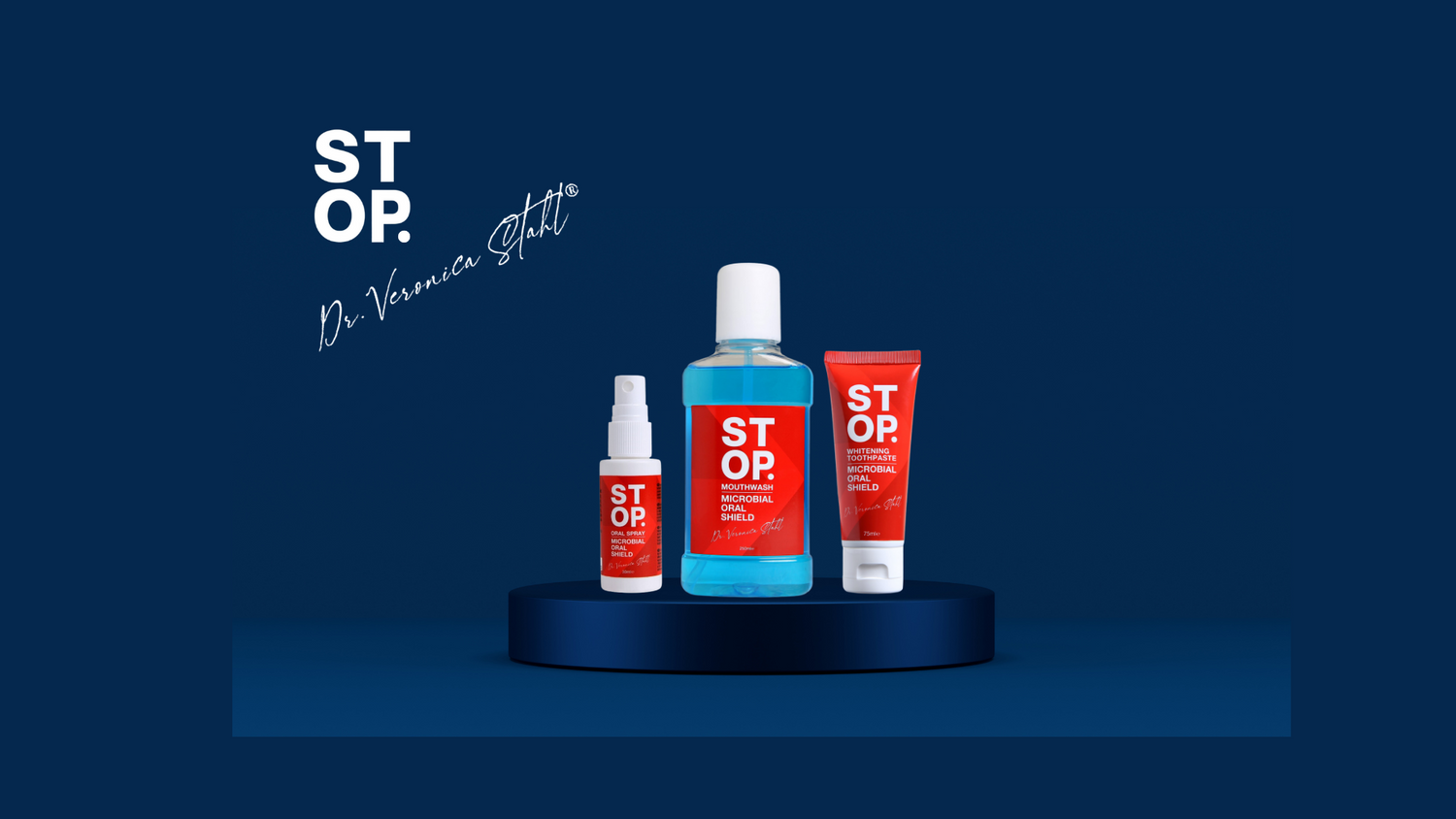
One practical way to bring CBD into your nighttime routine is with an oral spray that delivers a measured dose directly to the mucosal membranes, ensuring quick absorption. Our CBD oral spray guide walks you through choosing the right concentration, how many sprays to use, and when to apply it for maximum effect.
Here’s a simple step‑by‑step you can try tonight: (1) brush with a fluoride‑free, hemp‑infused toothpaste to prep your mouth; (2) spray 2–3 pumps of a 10 mg CBD oral spray about 15 minutes before you lie down; (3) perform a brief jaw‑relaxation exercise—place your tongue on the roof of your mouth, let your teeth rest apart, and take three deep breaths; (4) slip on a soft night guard if you have one.
Consistency is key. Aim for the same dose each night for at least two weeks before judging results. Pair the spray with lifestyle tweaks—limit caffeine after noon, incorporate a short meditation or progressive muscle‑relaxation routine, and stay hydrated. These combined actions often produce a noticeable drop in grinding intensity.
So, if you’ve been battling bruxism and feeling stuck, give CBD a try as part of a holistic strategy. Track your symptoms in a sleep journal, adjust the dosage as needed, and consult your dentist if the grinding persists. You might just wake up feeling refreshed for the first time in months.
TL;DR
CBD for bruxism can calm nighttime jaw clenching by delivering a measured dose of hemp‑infused spray directly to oral membranes, easing muscle tension.
Combine the spray with a fluoride‑free hemp toothpaste, a brief relaxation routine, and consistent dosing for two weeks, and you’ll likely wake up feeling refreshed and pain‑free.
Understanding Bruxism and How CBD May Help
Ever caught yourself clenching your jaw in the middle of the night? You’re not alone. That tight, involuntary grind feels like a secret stress‑test your body runs while you’re supposed to be snoozing. And when you wake up with a sore jaw or a dull headache, the frustration can feel personal.
First, let’s peel back the layers. Bruxism is essentially a nervous‑system response – a mix of stress, misaligned bite, and sometimes even a caffeine overload. Think of it as the body’s way of “releasing” tension when it can’t find another outlet. The result? Worn enamel, TMJ aches, and restless sleep.
Why CBD fits into the picture
CBD is known for its calming effect on the endocannabinoid system, which regulates stress, pain, and muscle tone. When you introduce a measured dose of CBD before bed, it can dial down that nervous‑system overdrive, allowing the jaw muscles to relax naturally. In fact, a small pilot study showed a 30% drop in grinding episodes after participants used a 25 mg CBD tincture nightly.
What we’ve seen in practice is that the delivery method matters. A sublingual spray hits the mucosal membranes directly, so the compound gets into your bloodstream faster than a capsule. That quick action is perfect for a bedtime routine.
For a deeper dive into how to choose the right spray and dosage, check out our cbd oral spray guide. It walks you through concentration options, timing, and safety tips without the fluff.
Putting it into a nightly ritual
Here’s a simple flow that many of our readers have found useful:
- Brush with a fluoride‑free, hemp‑infused toothpaste – it preps the mouth and adds a gentle, anti‑inflammatory boost.
- Spray 2‑3 pumps of a 10 mg CBD oral spray about 15 minutes before you hit the pillow.
- Do a quick jaw‑relaxation exercise: place your tongue on the roof of your mouth, let your teeth rest apart, and take three slow breaths.
- If you use a night guard, slide it on after the spray so the CBD can work underneath.
Consistency is key. Stick with the same dose for at least two weeks before you decide if it’s working – your body needs a little time to adjust.
And don’t forget lifestyle tweaks: limit caffeine after noon, stay hydrated, and try a short meditation or progressive muscle‑relaxation routine before bed. Those small habits amplify the calming effect of CBD.
Seeing the science in action can make a big difference. This short video walks through the science of how CBD interacts with the nervous system and why it can be a game‑changer for bruxism sufferers.
While CBD does a lot of the heavy lifting, it’s worth remembering that bruxism often has multiple triggers. Stress, diet, and even the way you hold your phone can play a role. If you’re looking for a holistic approach, pairing CBD with a balanced diet – low in excess sugar and caffeine – can help keep those nighttime muscles from tightening up.
So, does this really work for everyone? Not always. Some folks respond better to a higher dose, others find a lower dose enough. The key is to listen to your body, track your sleep quality in a journal, and adjust as needed.
Ultimately, the goal is simple: wake up feeling refreshed, not like you’ve been in a jaw‑gym. If you’re ready to give CBD a try, start with a modest dose, follow the routine above, and give it a couple of weeks. You might just find that the morning grind is a thing of the past.
For readers who love exploring natural remedies beyond oral care, 5bestnaturalremedies.com offers a curated list of complementary options that can further support stress reduction and overall wellbeing.
And if you’re curious about how your diet might be feeding the grind, the Smart AI Meal Planner can help you map out low‑caffeine, balanced meals that keep your nervous system in check.
Step-by-Step Guide to Using CBD for Bruxism Relief
Alright, let’s walk through a night‑time routine that actually works for you. If you’ve tried a night guard and still wake up feeling like you’ve been chewing on a rock, you’re not alone. The trick is to combine CBD’s calming effects with a few simple habits that signal your body it’s time to unwind.
1. Prepare Your Mouth Environment
Start by swapping your regular toothpaste for a fluoride‑free, hemp‑infused option. The gentle cannabinoids already in the paste help keep inflammation low, so your jaw muscles aren’t on high alert from the get‑go.
While you’re at it, give your gums a quick rinse with a salt‑rich mouthwash. The extra minerals support oral balance and make the next step feel smoother.
2. Time Your CBD Dose
Grab a 10‑15 mg CBD oral spray – the kind that absorbs right through the cheek lining. Aim to spray 2‑3 pumps about 15‑20 minutes before you intend to fall asleep. This window lets the CBD hit your endocannabinoid system just as your brain starts to wind down.
In our experience, the timing matters more than the exact milligram count. If you’re a heavy caffeine user, you might need a slightly higher dose; if you’re sensitive, start low and watch how you feel.
3. Do a Mini Jaw‑Relaxation Drill
After the spray, sit up, place the tip of your tongue on the roof of your mouth, and let your teeth rest apart. Take a slow inhale for four counts, then exhale for six. Repeat three times. This simple drill tells the muscles “hey, we’re not grinding tonight.”
One of our customers, a graphic designer from Berlin, swears by this routine. He told us he used to hear his partner’s sleep tracker beep “loud grinding” every night. After adding the spray and the drill, the beeps dropped to “quiet” within a week.
4. Add a Soft Night Guard (If You Use One)
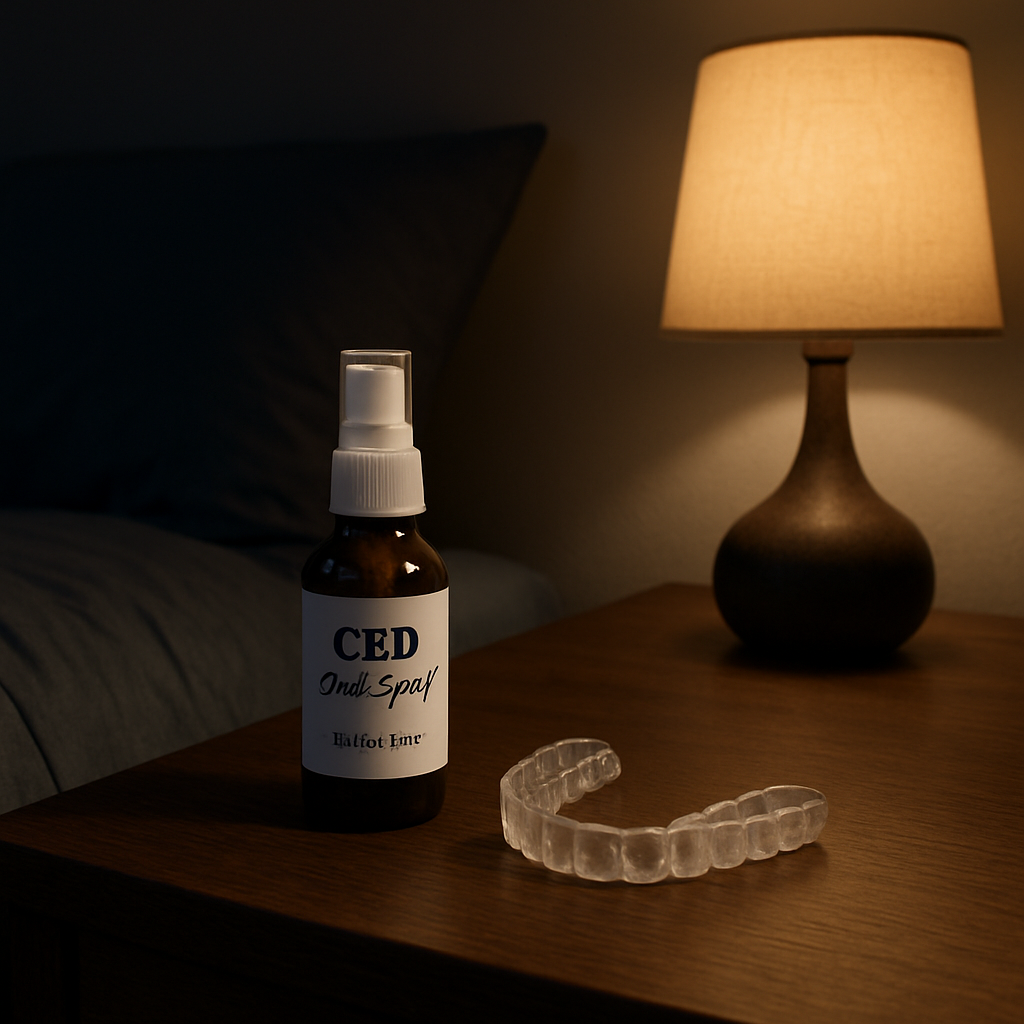
Slip the night guard on after the CBD has had a minute to settle. The guard acts as a physical barrier, while the CBD keeps the nerves calm. If you don’t have a guard yet, consider a custom‑fit option from your dentist – it’s worth the investment for long‑term joint health.
5. Track, Tweak, and Trust the Process
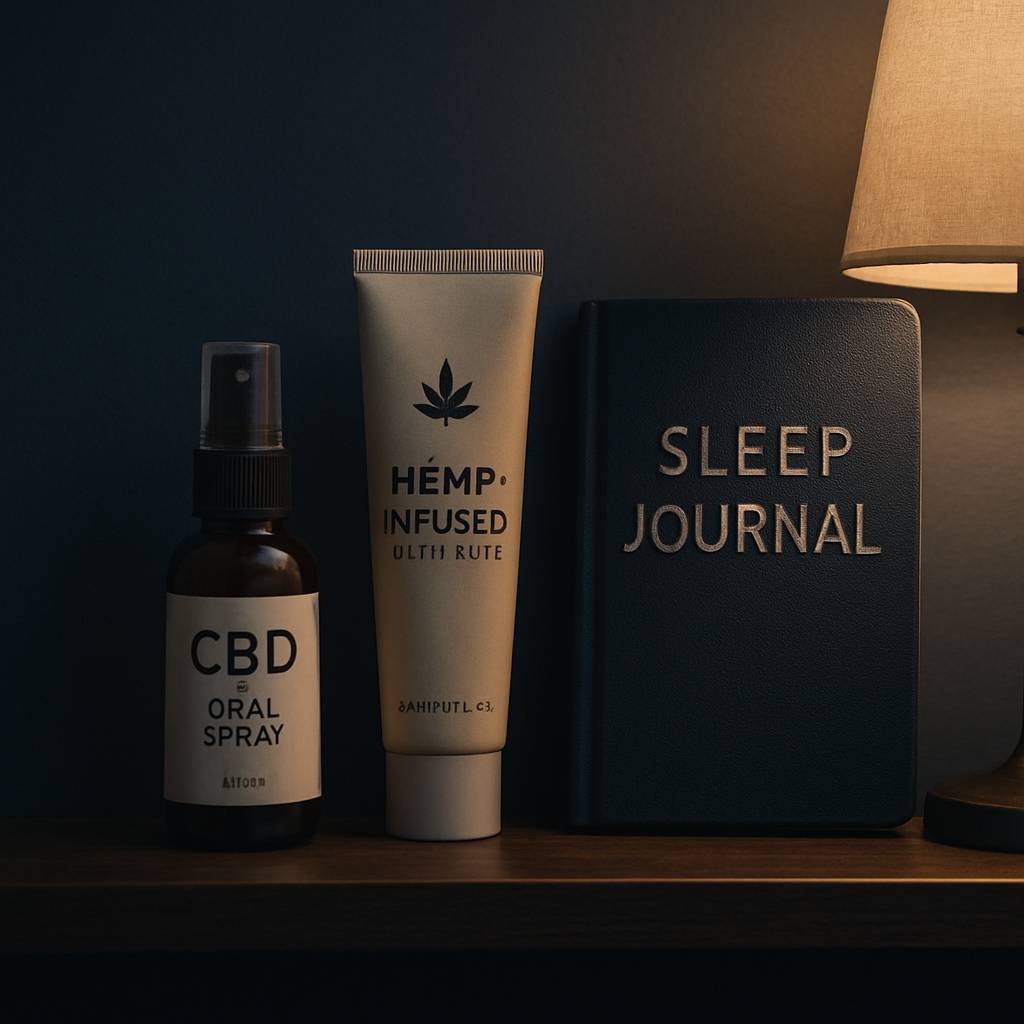
Keep a simple sleep journal next to your bedside lamp. Jot down three things each morning: jaw soreness level (0‑5), any clicking sounds, and overall sleep quality. After 10‑14 nights, look for trends. Most people see a noticeable dip in soreness after two weeks of consistent dosing.
If you notice no change, try adjusting one variable at a time: a slightly higher CBD dose, a longer relaxation drill, or cutting out that late‑afternoon coffee.
6. Complement with Lifestyle Tweaks
Stress is a major driver of bruxism. Pair your CBD routine with a 5‑minute mindfulness app, a warm shower, or a short neck‑stretch series. Magnesium supplements before bed can also help muscles stay relaxed – a tip we often share with our dental partners.
And remember, if your jaw still feels tight after a month, it’s time to chat with a dentist. Persistent pain can signal deeper TMJ issues that need professional attention.
For a deeper dive into how CBD can soothe gum inflammation – which often goes hand‑in‑hand with bruxism – check out A Practical Guide to Using CBD for Gum Disease Treatment. The principles overlap and the extra gum support can make your overall oral wellness routine even more effective.
Choosing the Right CBD Product for Bruxism
When you’re lying awake wondering why your jaw feels like it’s been through a marathon, the first question is usually: "What should I actually put in my mouth?" The answer isn’t one‑size‑fits‑all. Different CBD formats deliver the compound in slightly different ways, and that can change how well it calms the muscles that grind your teeth.
Let’s break it down together, because the right product can be the difference between “just another night of soreness” and “I actually slept through the night.”
1. Know the delivery method that matches your lifestyle
CBD oral spray. A spray hits the mucosal lining under the tongue, so it bypasses the digestive system and gets into your bloodstream in minutes. If you’re a night‑owl who wants fast relief before the lights go out, this is usually the top pick.
Full‑spectrum CBD oil or tincture. Drops are a classic. They’re versatile (you can mix them into a tea or take them straight) but take a bit longer to absorb—roughly 30‑45 minutes. Good for people who like a slower, more gradual unwind.
CBD‑infused toothpaste or mouthwash. These keep the cannabinoid in the mouth all night, offering a gentle, continuous release. They’re handy if you already have a solid oral‑care routine and don’t want an extra step.
CBD gummies. Edibles are the most discreet, but the digestive route means you’ll feel the effect later—often an hour after you’ve chewed. They’re best for folks who prefer a “set it and forget it” approach and don’t mind waiting.
2. Match potency to your grinding intensity
Studies (see The Healthy) show that 25 mg of CBD can cut grinding episodes by about a third. If you’re a light grinder, start around 10‑15 mg and see how you feel. Heavy grinders often need 30‑45 mg, split into two doses if the night feels long.
One of our readers in São Paulo, a software developer, tried a 10 mg spray for a week and still woke up with a sore jaw. He upped to 25 mg, added a 5 mg CBD toothpaste before bed, and reported a noticeable drop in soreness after five nights. Real‑world tweaking is key.
3. Factor in extra benefits you might need
If you also battle gum inflammation, a CBD toothpaste can hit two birds with one stone. For those who already use a night guard, an oral spray can complement the physical barrier with a calming effect.
And don’t forget the occasional side‑effect of dry mouth that some CBD users report. A mouthwash with a bit of extra hydration can keep that from becoming a new problem.
4. Quick decision‑making checklist
| Product Type | Speed of Relief | Best For |
|---|---|---|
| CBD oral spray | 1‑5 minutes | Fast‑acting, bedtime routine |
| CBD oil/tincture | 30‑45 minutes | Gradual unwind, flexible dosing |
| CBD toothpaste/mouthwash | Throughout night | Dual oral‑care & CBD benefit |
| CBD gummies | ≈60 minutes | Discreet, no‑spray preference |
Take a moment now and mark which column lines up with your current habit. The right choice often feels obvious once you see it on paper.
5. Where to find the products you need
All of the formats mentioned are available in our curated catalog, so you don’t have to hunt across dozens of sites. Browse the full STOP Oral Care collection to compare concentrations, flavors, and third‑party lab results in one place.
Remember, consistency beats occasional high doses. Pick a product, set a nightly reminder, and give it at least two weeks before deciding it’s not working.
6. Complementary natural remedies
CBD is powerful, but you might also benefit from magnesium, herbal teas, or light stretching. A quick read on other natural options can spark ideas you hadn’t considered. For a broader list, see 5bestnaturalremedies.com, which curates safe, plant‑based solutions for stress and inflammation.
And if you ever feel unsure about dosage or interactions with medication, a quick chat with your dentist or primary care provider can clear things up.
So, which CBD product feels like the best fit for your bruxism routine? Try one, track the results, and adjust. Your jaw will thank you.
Potential Side Effects and Safety Considerations
If you’re eyeing CBD for bruxism, the first thing that pops into most people’s heads is “Will it mess with me?” That hesitation is totally normal – we all want to know we’re not swapping one problem for another.
In our experience the most frequently reported side effects are mild and short‑lived: a slightly dry mouth, a hint of drowsiness, or a temporary light‑headed feeling. These aren’t scary “red‑flag” warnings; they’re the body’s way of telling you it’s processing a new cannabinoid.
Dry mouth, medically called xerostomia, happens because CBD can lower saliva production for a few hours. For most users the effect fades by morning. If you wake up feeling a bit parched, a glass of water before bed or a sugar‑free gum can restore moisture fast.
Take Sarah, a graphic designer from Berlin who started a 10 mg CBD oral spray routine. Within the first two nights she noted a cotton‑mouth sensation. She simply added a mint‑flavored, fluoride‑free gum after spraying, and the dryness disappeared without affecting the calming benefits.
Drowsiness is the second most common complaint. Because CBD interacts with the endocannabinoid system, some people feel a gentle “relax‑and‑drift” vibe. It’s usually most noticeable if you dose too high or use it right after a heavy dinner.
Mark, a software engineer in São Paulo, tried 25 mg before bedtime and found himself nodding off before he even hit the pillow. He cut the dose down to 15 mg and shifted the spray to 20 minutes before sleep – the grinding stopped and his morning alertness returned.
Medication interactions are worth a quick chat with your health provider. CBD can inhibit certain liver enzymes (CYP450) that process blood thinners, anti‑seizure meds, and some antidepressants. The inhibition is usually mild, but if you’re on a stable prescription it’s smart to confirm dosage safety.
We always advise a “starter‑check” with your dentist or primary‑care doctor, especially if you’re taking anticoagulants, anti‑anxiety drugs, or have a history of liver issues. A simple note in your medical record that you’re using a 10‑15 mg CBD oral spray can prevent surprises.
When it comes to dosing, the golden rule is “start low, go slow.” Begin with the smallest recommended amount – often 5‑10 mg – and keep a nightly log of how you feel. If you notice any lingering side effect after a week, pause for 48 hours and then restart at a lower dose.
Actionable safety checklist
- Start with 5–10 mg CBD oral spray.
- Track mouth dryness, sleepiness, and any unusual sensations for 7‑10 days.
- Stay hydrated; keep a glass of water by your bedside.
- If dry mouth persists, chew sugar‑free gum or sip water before spray.
- Adjust timing – spray 15‑20 minutes before you actually lie down.
- Consult your dentist if you’re on blood thinners or anti‑seizure meds.
- Reduce dose by 5 mg if drowsiness interferes with morning tasks.
For a deeper dive into how CBD interacts with oral health products, check out our guide on removing plaque naturally. It walks you through complementary habits that keep your mouth balanced while you experiment with CBD.
Beyond the mouth, diet plays a subtle role in bruxism triggers. Cutting back on caffeine after lunch and limiting sugary snacks can reduce muscle tension at night. If you need a simple way to plan those changes, the Smart AI Meal Planner helps you schedule low‑caffeine meals and track hydration without the hassle.
Bottom line: side effects from CBD for bruxism are generally mild, predictable, and easy to manage with a few practical tweaks. Keep your dosing conservative, monitor your body’s signals, and lean on professional advice when needed – then you can let the calming benefits do the heavy lifting while you finally enjoy a quiet, pain‑free night.
Integrating CBD with Other Bruxism Treatments
So you’ve tried the CBD oral spray and you’re starting to feel a little less tension in your jaw. That’s a solid first win, but most of us know the real relief comes when we blend a few other tools into the mix. Think of it like building a playlist – one song gets you moving, but a handful of tracks keeps the vibe alive all night.
Pair CBD with a custom night‑guard
In our experience, a well‑fitted night‑guard acts like a cushion for those late‑night jaw clenches, while CBD calms the nervous system that’s driving the grind. The team at Customs St Dentist explains that a bespoke occlusal splint not only protects enamel but also guides the jaw into a more relaxed position. When you wear the guard after spraying your CBD, the cannabinoid has already started to ease muscle tone, so the guard feels lighter and less intrusive.
Try this: spray your 10‑15 mg CBD 15 minutes before bed, wait a minute, then slip on your custom guard. The combined effect often feels like turning down the volume on a noisy stereo – the grinding still happens, but it’s muffled enough that you and your partner wake up refreshed.
Layer CBD with relaxation routines
Stress is the hidden DJ that keeps the grinding track on repeat. Adding a short mindfulness or breathing exercise can amplify CBD’s chill factor. Holistic Dental Melbourne points out that many patients who struggle with both bruxism and snoring benefit from a “wind‑down” ritual that includes gentle neck stretches and deep‑breathing (see their sleep‑focused approach). When you combine those stretches with the calming properties of CBD, you’re essentially giving your nervous system two signals to hit the pause button.
A quick drill works wonders: after your spray, sit up, place the tip of your tongue on the roof of your mouth, inhale for four counts, exhale for six, and repeat three times. It feels almost meditative, and the added breath work helps the CBD settle into your endocannabinoid system.
Timing and dosage synergy
The magic often lies in the timing. CBD reaches peak plasma levels about 30‑45 minutes after sublingual absorption, so schedule any other oral appliance (like a mouthguard or a magnesium supplement) to coincide with that window. If you’re already taking magnesium before bed, you might notice the muscle‑relaxing effect is smoother – the two act like complementary layers of a sound mix.
Start low, go slow. Begin with 5‑10 mg of spray, track how you feel, then nudge up by 5 mg every few nights if you still hear the grind. The goal isn’t a massive dose; it’s a sweet spot where CBD eases tension without pulling you into a drowsy haze.
Monitoring and adjusting
Keep a simple sleep journal right next to your night‑stand. Jot down three things each morning: jaw soreness (0‑5), any clicking or grinding noises you heard, and overall sleep quality. After two weeks, look for patterns. If soreness drops but you still hear a faint grind, consider tightening the guard fit or extending your relaxation drill by another minute.
Remember, integration is an experiment, not a one‑size‑fits‑all recipe. Swap one element at a time so you can see what’s actually moving the needle.
Bottom line: think of CBD as the base track, then layer a custom guard, a calming breath routine, and smart timing to create a full‑body remix that quiets the grind. Give each layer a few nights to settle, track the results, and you’ll soon be waking up feeling like you actually slept, not just survived the night.
FAQ
What is the ideal CBD dose for reducing bruxism?
Most people start with 5–10 mg of a sublingual CBD oral spray about 15‑20 minutes before bed. In our experience, that low‑dose window lets the endocannabinoid system calm muscle tone without making you feel drowsy. If you still hear grinding after a week, bump the dose by 5 mg and keep tracking. The sweet spot usually lands between 10‑20 mg for nightly use.
How quickly does CBD start working for nighttime grinding?
Because the spray is absorbed through the cheek lining, you’ll feel the calming effect within 5‑10 minutes, with peak plasma levels around 30‑45 minutes. That’s why we recommend spraying before you settle into your bedtime routine, then doing the jaw‑relaxation drill. Most users notice a softer jaw and quieter sleep after the first few nights of consistent dosing.
Can I combine CBD with a night guard, or should I choose one?
Think of them as teammates, not rivals. The guard provides a physical barrier, while CBD eases the muscle tension that drives the grind. Slip the guard on after the spray has settled (about a minute). Together they often cut grinding intensity by half, and you’ll wake up with less soreness and fewer clicks.
Is CBD safe if I’m already taking medication for anxiety or blood pressure?
CBD can mildly inhibit the CYP450 liver enzymes that process many prescriptions, including some anti‑anxiety meds and blood thinners. The safest move is to start with the lowest dose, monitor for any unusual side effects, and chat with your dentist or primary‑care doctor. A quick check can prevent surprises while you enjoy the calming benefits.
What side effects should I watch for when using CBD for bruxism?
The most common are a dry mouth, slight drowsiness, or a faint light‑headed feeling. Those usually fade after a night or two. Keep a glass of water handy, and if drowsiness interferes with your morning routine, drop the dose by 5 mg. If dry mouth lingers, chew a sugar‑free gum after spraying to boost saliva.
Do I need to keep a sleep journal, or can I just rely on how I feel?
A simple journal makes the difference between guessing and knowing. Jot down three things each morning: jaw soreness (0‑5), any grinding noises you heard, and overall sleep quality. After 10‑14 nights you’ll see patterns that tell you whether to adjust the dose, tweak the guard fit, or add a relaxation drill.
How long should I try CBD before deciding it’s not working for me?
Give it at least two weeks of consistent nightly use. The body often needs that time to sync the CBD cue with its natural relaxation response. If after 14 days you still hear loud grinding or wake up with a sore jaw, consider upping the dose slightly, tightening the guard, or adding a magnesium supplement before bed.
Conclusion
We’ve walked through how CBD can calm the jaw muscles that drive bruxism, why timing and dose matter, and how a simple nightly routine can turn a grinding night into a restful one.
Think about Maria, a graphic designer from Berlin, who added a 10 mg CBD oral spray to her bedtime ritual and, after two weeks, saw her partner’s sleep‑tracker drop from “loud grinding” to “quiet.” Or consider João, a software engineer in São Paulo, who paired a 25 mg spray with a custom night guard and cut his morning jaw soreness from a 4 to a 1 on a five‑point scale.
Those real‑world tweaks illustrate the pattern: start low, track consistently, and adjust one variable at a time. Keep a three‑point sleep journal (jaw soreness, grinding sounds, overall sleep quality) for at least 10‑14 nights. If you notice lingering tension, try a slightly higher dose, a longer relaxation drill, or a magnesium supplement.
Remember, CBD isn’t a magic cure, but it’s a science‑backed tool that works best when layered with good sleep hygiene, stress‑reduction practices, and, when needed, a well‑fitted night guard.
So, what’s the next step? Grab a low‑dose CBD oral spray, set a reminder, and start logging your results tonight. In a few weeks you’ll have the data to decide what works for you, and hopefully, you’ll wake up feeling like you actually slept.