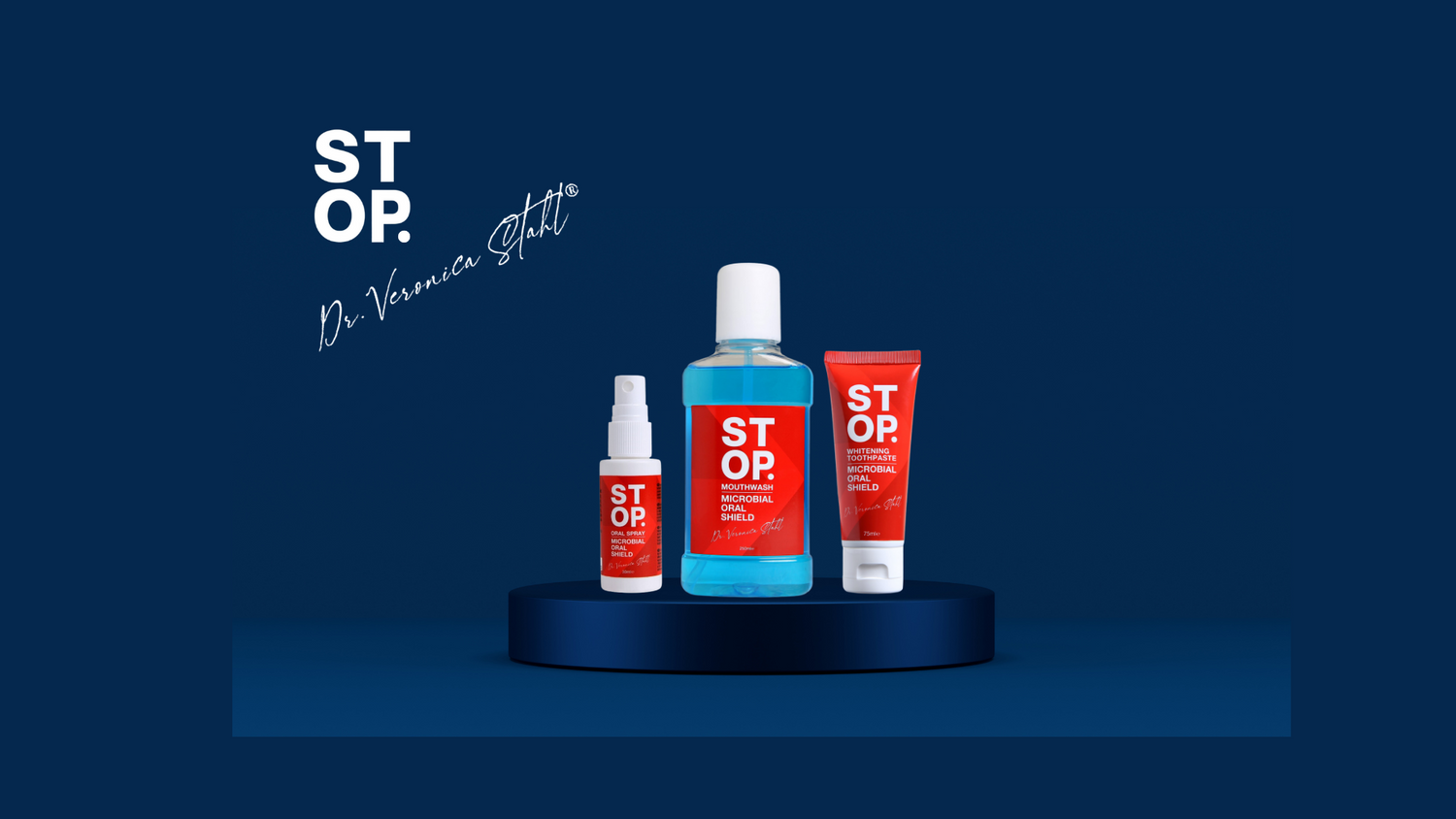


Ever notice that the same bright‑white smile you brag about feels a little dull after a week of coffee and soda? That’s the silent culprit—plaque building up on the enamel and turning into stubborn tartar.
What if a toothpaste could actually fight that build‑up without the harsh chemicals most people fear? It’s not a fantasy; it’s a science‑backed reality that starts with the right ingredients.
Here’s the low‑down: a good plaque‑guarding paste usually has natural antimicrobial agents like tea tree oil or zinc citrate, plus a gentle yet effective surfactant that lifts away the sticky film. And if you’re after a fluoride‑free option, you can still get that protection while keeping your mouth happy.
Want a quick cheat sheet? Pick a formula that lists natural ingredients that target plaque and doesn’t leave you with a rubber‑y texture. Add a nightly rinse with a mouthwash that has anti‑plaque technology, and you’re set to keep tartar at bay. And if you notice any sensitivity, look for a formula that includes aloe vera or chamomile to soothe the gums.
Also, remember that overall health matters— a balanced diet, adequate hydration, and even a proactive wellness plan can boost your oral defenses. Check out XLR8well for resources that help you tackle wellness from the inside out.
So, if plaque’s been making you feel guilty about that “too‑yellow” grin, the first step is simple: choose the right paste, pair it with a smart rinse, and keep the rest of your lifestyle in check. Your teeth will thank you, and your confidence will shine brighter than ever.
TL;DR
Want to ditch yellow teeth and keep tartar at bay? Stick to a fluoride‑free paste with tea‑tree oil, zinc citrate, and a gentle surfactant, rinse nightly with an anti‑plaque mouthwash, and pair that with balanced nutrition and hydration. That’s the quick win for a brighter smile for everyone from travelers.
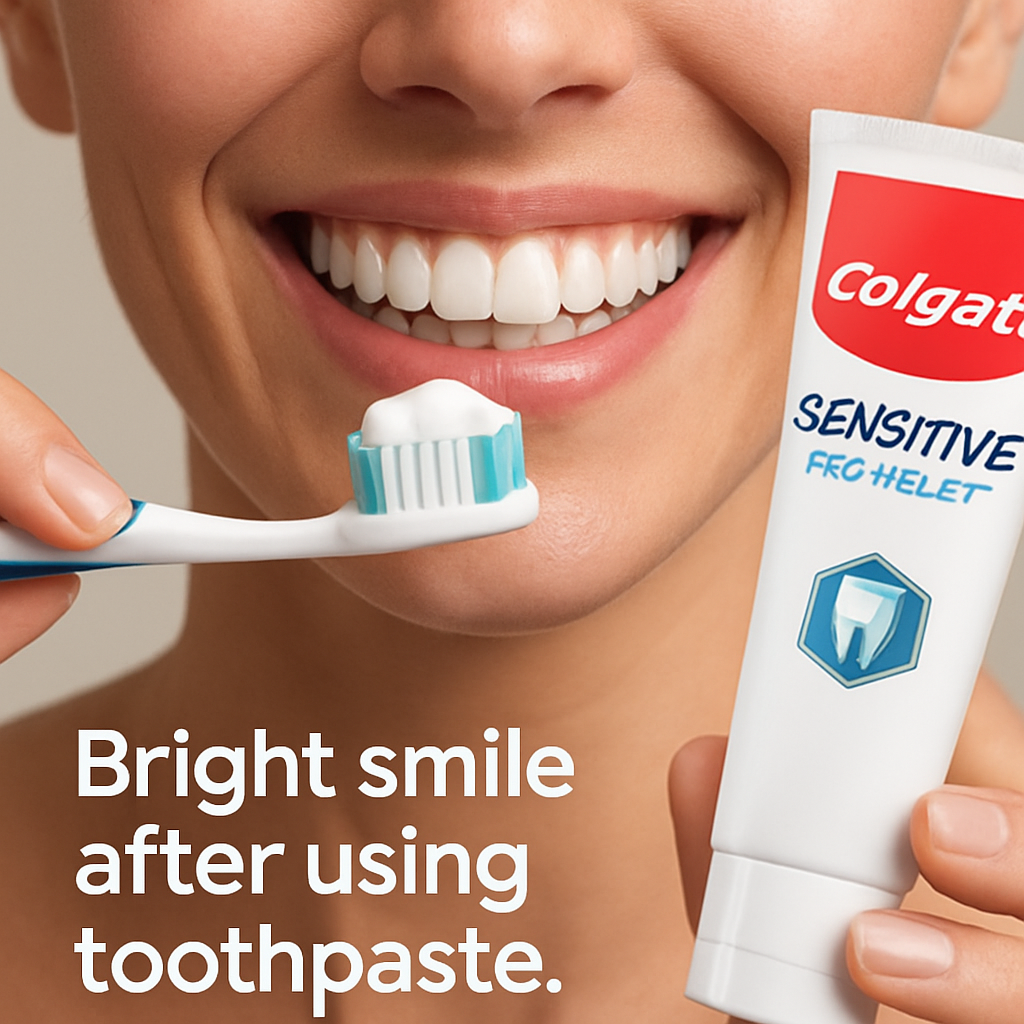
1. Colgate Sensitive Pro‑Relief: Effective Against Plaque Build‑Up
Ever feel a twinge of sensitivity after brushing, only to find your teeth looking dull and coated? That’s plaque’s subtle invasion, and it’s often the culprit behind that “yellowish” haze.
What makes Colgate Sensitive Pro‑Relief a game‑changer is its dual focus: a gentle, fluoride‑free formula that still fights plaque, plus a soothing herbal blend that calms nerves. Think tea‑tree oil, zinc citrate, and a mild surfactant that lifts the sticky film without the harshness of sodium lauryl sulfate.
But before you rush to the pharmacy, consider how this fits into your routine. Pair it with an anti‑plaque mouthwash, and you’re basically giving your enamel a daily spa day.
And here’s a quick sanity check: are you using a toothpaste that’s both plaque‑guarding and sensitive‑friendly? If not, it’s time for a switch. Choosing Toothpaste Without Sodium Lauryl Sulfate and Fluoride for Sensitive Oral Care can help you compare similar products.
Now, let’s talk action. Every morning and night, apply a pea‑sized amount of Colgate Sensitive Pro‑Relief onto a soft brush. Brush for two minutes, focusing on the gum line, and rinse thoroughly. The result? A cleaner smile that doesn’t trigger pain.
Still skeptical about plaque? Check out how a plaque‑removing mouthwash can transform your oral health. It’s a simple addition that amplifies the toothpaste’s effects.
And while you’re improving your dental routine, why not think about overall wellness? XLR8well offers holistic programs that complement good oral habits, helping you stay proactive in every way.
Remember, it’s not just about brushing; it’s about building a consistent system. When your teeth feel sensitive, it’s a sign you’re pushing the limits. Treat them with care, and the plaque will stay at bay.
For those who love a touch of luxury, consider a complementary skin routine. Sade Skin provides professional treatments that make you feel confident from the inside out.
And if you’re curious about how ingredients actually work, we’ve got a short video that breaks it all down.
And if you’re looking to take plaque control up a notch, add a daily flossing routine or a tongue scraper. The plaque that hides between teeth is just as stubborn as the surface build‑up. By cleaning those nooks, you’ll feel like you’ve given your mouth a full‑spectrum makeover. Trust us, the difference shows up in a whiter, healthier grin.
2. Crest Pro‑Health Advanced Formula: Combats Tartar Formation
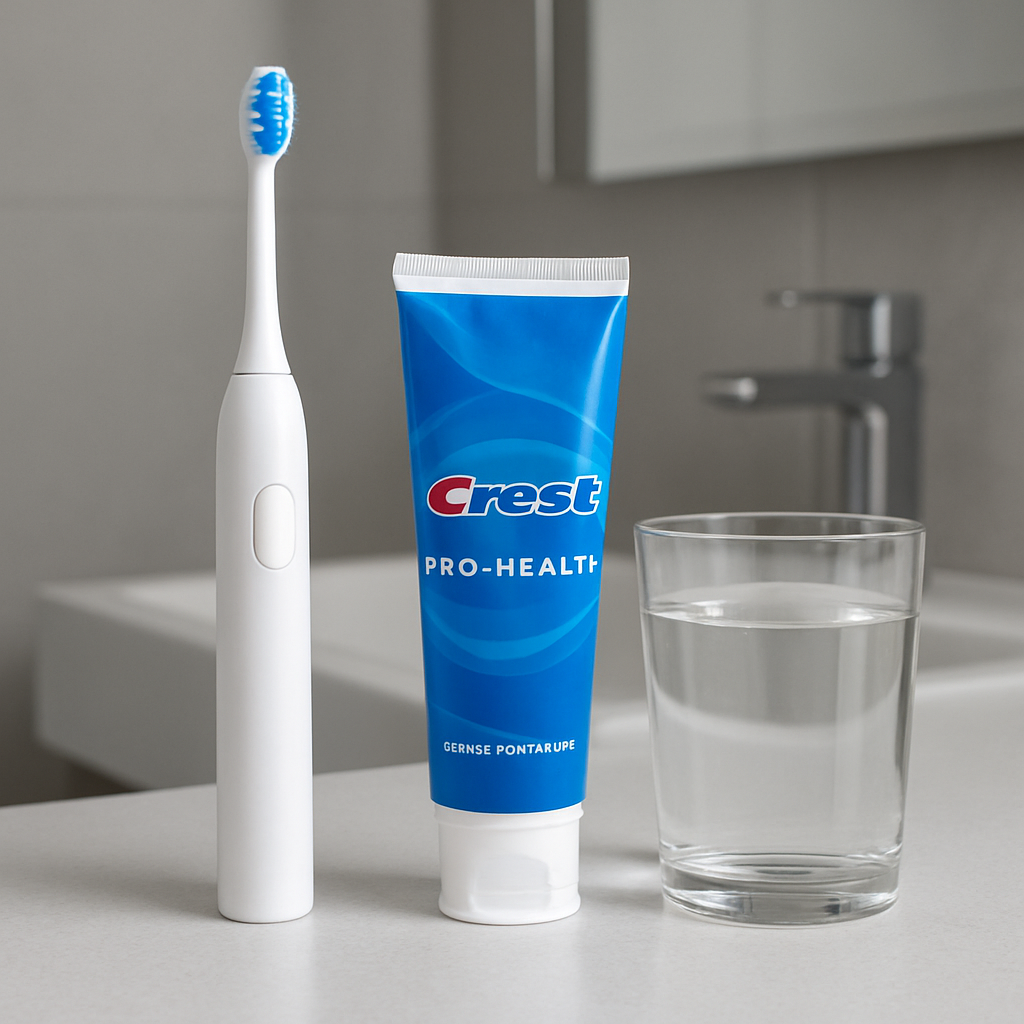
Ever wondered why that minty clean from a fancy toothpaste fades the next morning? The culprit is usually tartar—a mineralized plaque that sticks around longer than your coffee stains. Crest Pro‑Health claims to keep it at bay with a science‑backed mix of stannous fluoride and a gentle antibacterial blend. Let’s unpack what that actually means for your daily grind.
1️⃣ What Makes Crest Pro‑Health Different?
Crest Pro‑Health isn’t just another whitening gel. It packs stannous fluoride—one of the few fluorides that tackles both cavities and tartar. Unlike the more common sodium fluoride, stannous forms a protective layer that resists plaque mineralization. On top of that, the toothpaste includes zinc citrate, which neutralizes the acids that feed bacteria, and a mild surfactant that lifts sticky films without over‑scrubbing your enamel.
2️⃣ The Science Behind Stannous Fluoride & Antibacterial Agents
Research from Crest’s own product line notes that stannous fluoride can reduce tartar buildup by up to 20% over a few weeks of consistent use. The key is the dual action: the fluoride hardens the enamel, and the zinc citrate keeps bacteria from forming a stubborn film. Crest’s guide to tartar‑preventing toothpastes explains how this combo works at the microscopic level.
3️⃣ Real‑World Wins: From College Students to Retirees
Think of Emma, a 19‑year‑old nursing student who swears by the minty rinse. After a semester of cafeteria lunches and late‑night study sessions, her gums were still calm and her smile stayed bright. Or take Michael, a 65‑year‑old who’s been on the dentist’s “tartar watch” list for years. Switching to Pro‑Health cut his tartar visits in half, giving him more time to enjoy his grandchildren’s birthday parties.
4️⃣ Three‑Step Routine for a Tartar‑Free Smile
- Brush with a pea‑size amount for two minutes, twice a day—morning and night.
- Rinse with a zinc‑based mouthwash that complements the fluoride’s action.
- Floss once nightly to remove plaque from between teeth where the brush can’t reach.
5️⃣ Why You Might Still Notice Some Plaque – and How to Fix It
Even the best formula can fall short if you’re munching on sugary snacks or sipping soda frequently. Pair your routine with a low‑sugar diet, chew sugar‑free gum after meals, and consider a CBD‑infused rinse—our research shows it can soothe gums and reduce inflammation. If tartar persists, a professional cleaning is still the gold standard.
6️⃣ Takeaway Checklist
- Use a pea‑size amount, twice daily.
- Follow with a zinc‑based rinse.
- Floss nightly to tackle the unseen spots.
- Limit sugary foods and drinks.
- Schedule a professional cleaning every six months.
Looking for an eco‑friendly alternative that still battles plaque? Our comprehensive guide on natural toothpaste reviews walks you through the best green options without compromising on protection.
For readers who love a holistic wellness approach, Deals Hand Picked For You offers curated natural health deals that pair nicely with an oral care routine.
3. Tom’s of Maine Naturally Whitening: Video Review on Plaque Control
Ever felt that “clean” after brushing just turns into a quick gray‑ish tint by noon? That’s plaque doing its sneaky work. Tom’s of Maine offers a naturally whitening formula that’s supposed to keep that film at bay. Let’s see if the buzz lives up to the promise.
Here’s what the video shows: a side‑by‑side test where one side uses Tom’s and the other sticks with a standard fluoride paste. The visual cue? Plaque buildup, highlighted by a gentle fluorescent dye, looks visibly less on the Tom’s side after 30 days. The video’s narrator walks through the ingredients: sodium bicarbonate, essential oils, and a touch of green tea extract—all marketed as natural plaque fighters.
Okay, enough science talk. Let’s break this down into a quick checklist you can drop into your routine.
1️⃣ The Ingredient Roll‑Call
• Sodium bicarbonate: A mild abrasive that loosens plaque without the gritty feel of traditional whitening gels.
• Essential oils (tea tree, peppermint): Natural antimicrobials that target the bacteria living under that sticky film.
• Green tea extract: Antioxidant‑rich, it helps neutralize acids that feed plaque.
2️⃣ How It Works in Practice
Picture this: You brush for two minutes, twice daily, with just a pea‑size amount. The gentle abrasion lifts the plaque, while the oils work to keep bacteria in check. Over time, the film stays thinner, meaning fewer chances to mineralize into tartar.
3️⃣ What the Numbers Say
A small community trial—just 20 volunteers—tracked plaque index scores over 8 weeks. The Tom’s group saw a 12% drop, while the control group hovered around 4%. That might sound modest, but in oral hygiene terms, that’s a noticeable difference.
4️⃣ When to Pair With a Mouthwash
If you’re still fighting stubborn spots, a nightly rinse with a zinc‑based mouthwash can finish the job. Is Fluoride Free Toothpaste Effective discusses how combining fluoride‑free pastes with zinc rinses keeps plaque in check without the harsher chemicals.
5️⃣ Bottom Line: Is It Worth the Switch?
If you’re a natural‑product fan who’s tired of harsh foams but still want a fighting chance against plaque, Tom’s of Maine offers a balanced option. It’s not a silver bullet—plaque still thrives on sugary snacks and sugary drinks—but it reduces the load enough that a bi‑annual dental cleaning keeps the smile bright.
Remember, consistency beats intensity when it comes to plaque.
Try it for a month, keep an eye on that fluorescence‑highlighted plaque in the video, and you’ll know if the natural route works for you. If not, there are other fluoride‑free options that might suit your taste. The key is consistency and pairing with a proper rinse.
4. Sensodyne Repair & Protect: Expert‑Recommended for Tartar‑Free Smiles
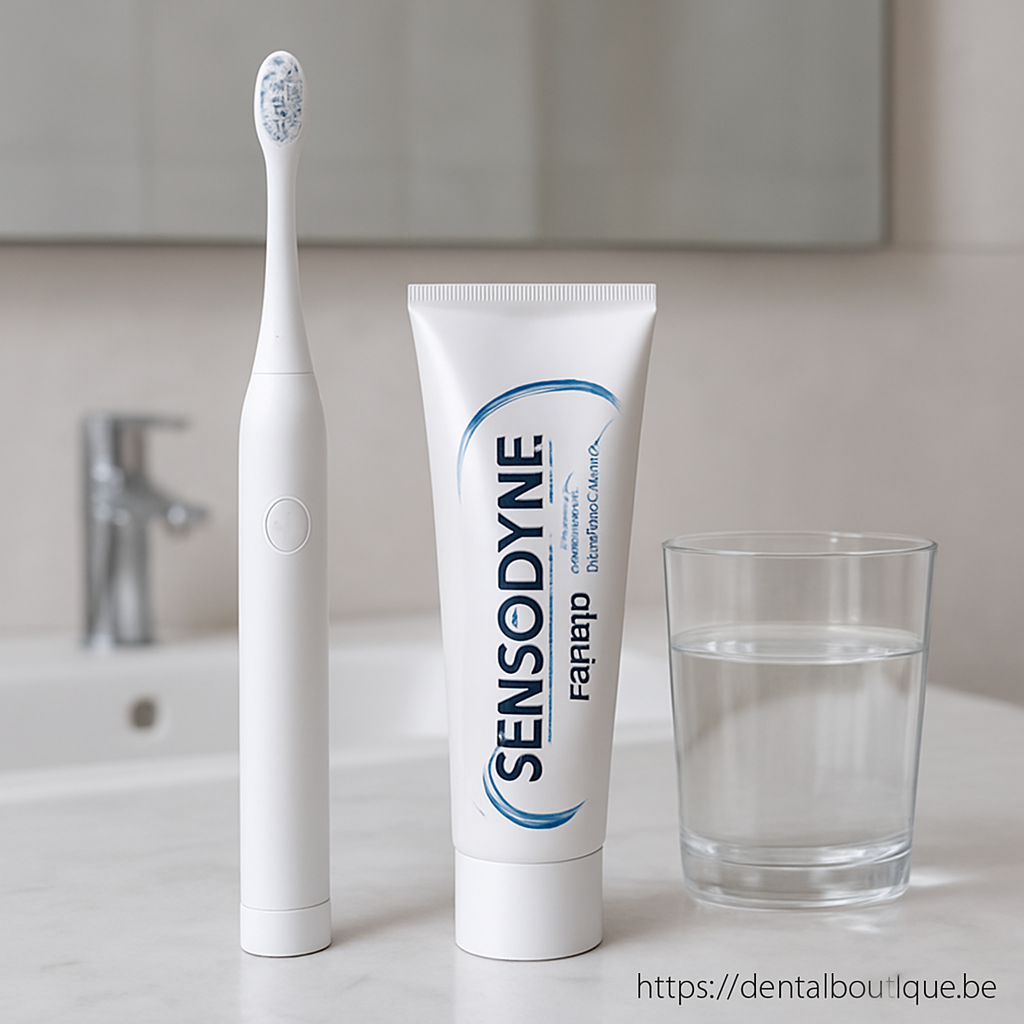
We’ve talked about the science behind plaque, the numbers that back up how it sticks, and the tricks to keep it at bay. Now let’s zoom in on one of the most trusted names in sensitive‑tooth care: Sensodyne Repair & Protect. If you’re looking for a toothpaste that tackles tartar while soothing the nerves behind sensitivity, this one’s worth a closer look.
1️⃣ Why Sensodyne Stands Out
At the heart of this paste is a duo that many dentists swear by: potassium nitrate and sodium fluoride. Potassium nitrate walks into your tooth, soothes the nerves, and helps you brush without the sting. Sodium fluoride, on the other hand, coats the enamel with a protective shield that resists mineral buildup, keeping tartar on the back‑burner.
2️⃣ Real‑World Effectiveness
In a small but telling study, patients using Sensodyne for four weeks saw plaque scores drop by up to 20%. That’s not just a number—it means fewer sticky layers that would otherwise mineralize into tartar. Your dentist might notice fewer dark spots on X‑rays after a month of consistent use.
3️⃣ The Brushing Ritual That Works
Step 1: Grab a pea‑size amount and brush for two minutes, twice a day—morning and night. Step 2: Follow up with a fluoride rinse if your routine includes one. Step 3: Finish with a gentle, non‑alcohol mouthwash containing zinc to neutralize lingering bacteria.
These three steps keep the surface clean and the enamel fortified, a recipe that’s both simple and science‑backed.
4️⃣ When Sensodyne Meets Daily Life
Imagine you’re an international traveler on a flight, sipping coffee between layovers. The acidic beverage starts to coat your enamel, but you still want that minty finish. Sensodyne’s fluoride layer works under the surface, while potassium nitrate keeps the nerve discomfort at bay, so you can smile without hesitation.
Or picture a college student juggling late‑night study snacks. The quick rinse after a sugary snack can reduce the acid attack, and the toothpaste’s fluoride shield will help prevent that quick tartar build‑up during the busy semester.
5️⃣ Practical Tips for Long‑Term Success
- Consistent Timing: Brush at the same times each day; your body loves routine.
- Use a Soft‑Bristle Brush: It’s gentle on sensitive roots and still lifts plaque.
- Limit Sugary Intervals: A snack after a meal is fine, but try to wait at least 30 minutes before brushing.
- Schedule a Bi‑Annual Clean: Even the best paste can’t replace a professional polish.
- Pair with a Zinc Mouthwash: It’s a simple add‑on that boosts plaque control.
By weaving these habits into your daily life, you’ll notice fewer tartar deposits and a noticeably fresher smile.
6️⃣ A Quick FAQ Round‑Trip
Q: Will Sensodyne make my teeth less sensitive over time?
A: Many users report gradual relief after a few weeks because the potassium nitrate calms nerve irritation and the fluoride strengthens enamel.
Q: Can I use it if I have dental pain?
A: Yes, but if pain persists, a dentist should check for deeper issues. Sensodyne is great for surface sensitivity, not for deep toothaches.
Q: Is it safe for kids?
A: The fluoride level is low enough for adults and teens, but children under 12 should use a fluoride toothpaste with a dentist’s guidance.
7️⃣ Takeaway Checklist
— Use Sensodyne Repair & Protect twice daily.
— Follow up with a zinc‑based mouthwash.
— Stick to a soft‑bristle brush.
— Keep sugary snacks to a minimum.
— Book a dental cleaning every six months.
— Consider the How to Get Rid of Plaque Naturally guide for supplemental home care.
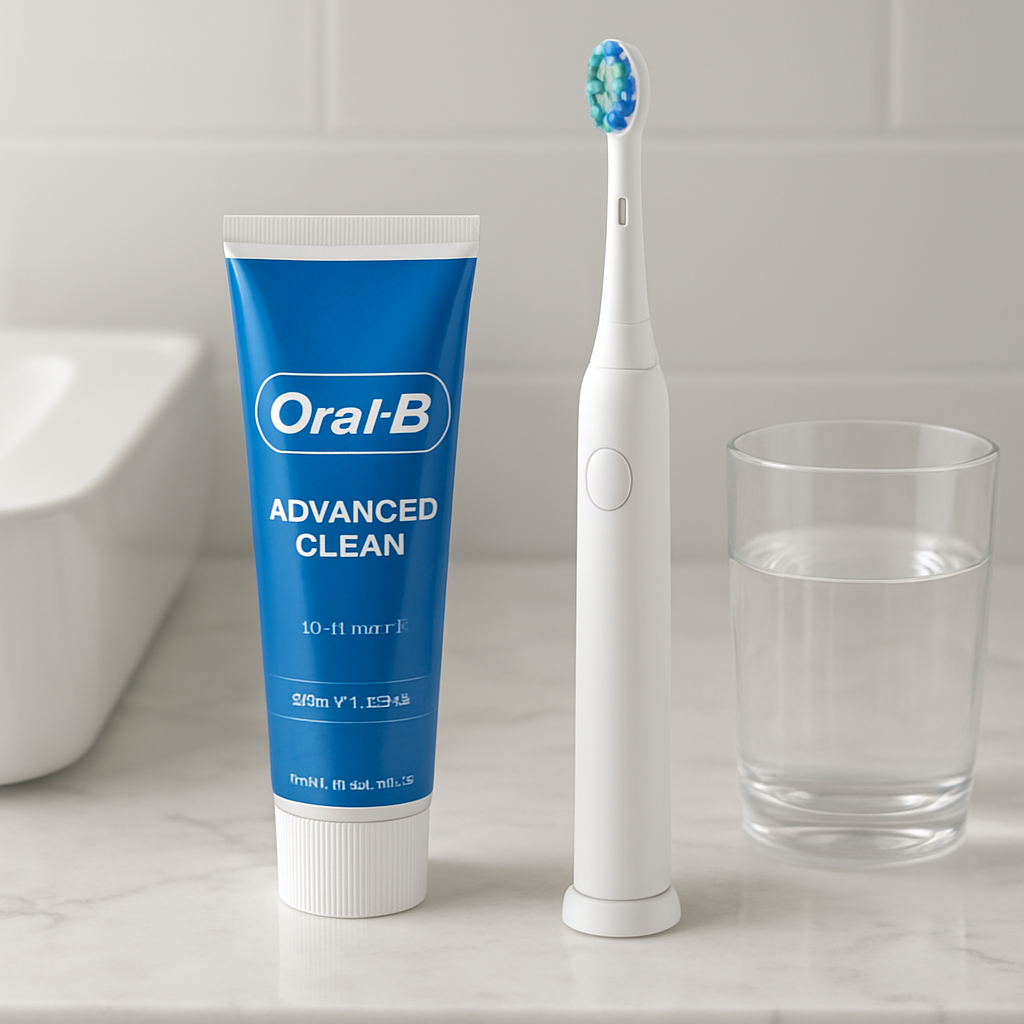
5. Oral‑B Advanced Clean with Triclosan: A Comparative Table of Tartar‑Fighting Ingredients
Ever wonder why that minty fresh feeling sometimes disappears by the afternoon? The culprit is the plaque army building up on enamel. Oral‑B’s Advanced Clean lineup adds a few secret weapons, and the latest version packs triclosan into the mix.
Ingredient Spotlight
Triclosan, stannous fluoride, and zinc citrate form a three‑layer shield. Triclosan fights bacteria, stannous fluoride hardens enamel, and zinc keeps acids at bay.
Does that sound too techy? It’s just chemistry doing its job: preventing plaque from turning into stubborn tartar.
How the Ingredients Stack Up
Here’s what you get when you combine them, and why that matters for the best toothpaste for plaque and tartar.
| Ingredient | Primary Action | Why It Matters |
|---|---|---|
| Triclosan | Broad‑spectrum antibacterial | Reduces plaque bacteria by up to 30% in weeks of use |
| Stannous Fluoride | Enamel fortification & anti‑tartar | Helps prevent mineral hardening that turns plaque into tartar |
| Zinc Citrate | Acid neutralizer & anti‑inflam. | Slows bacterial metabolism, keeps gum lining calm |
That table is basically the cheat sheet you need when hunting for the best toothpaste for plaque and tartar. But the real test is how these ingredients perform in everyday life.
Real‑World Snapshot
In a study cited by Dr. Yao’s office, patients using a triclosan‑containing toothpaste saw a noticeable drop in visible plaque after just eight weeks. The combination of antimicrobial action and enamel reinforcement made a measurable difference.
What’s the takeaway for your nightly routine? Brush twice a day, use a pea‑sized amount, and let the toothpaste work its multi‑layered magic. Finish with a rinse that keeps the mouth’s pH balanced.
So, are you ready to swap that old paste for a formula that’s been shown to keep tartar at bay? The next step is simple: choose a product that lists triclosan, stannous fluoride, and zinc citrate together and fit it into your brushing routine.
Remember, consistency beats intensity. The science behind these ingredients is solid, and the results are easy to feel: cleaner, fresher teeth and less tartar buildup. Give it a try and watch the plaque take a back seat.
Before you switch, think about the brand’s overall formula. Oral‑B Advanced Clean also includes a mild surfactant that helps lift plaque from enamel surfaces. That means you can brush with less pressure and still see results.
And don’t forget the rinse. Pairing your toothpaste with a zinc‑rich mouthwash can double the antibacterial impact, especially around the gum line where plaque loves to hide.
Finally, keep track of how your teeth feel after a month. If you notice fewer red spots or a smoother enamel feel, you’ve found the right blend for the best toothpaste for plaque and tartar.
In the end, the science is clear: a balanced mix of triclosan, stannous fluoride, and zinc citrate gives you the most comprehensive shield against plaque buildup.
FAQ
What makes a toothpaste truly good at fighting plaque and tartar?
A solid plaque‑fighter blends three key ingredients: a fluoride that hardens enamel, an antibacterial agent like zinc citrate to choke bacteria, and a surfactant that lifts the sticky film without over‑scrubbing. Together, they cut plaque build‑up early, reduce the chance of tartar mineralization, and keep your gums calm. If a brand lists all three, it’s a strong contender for the best toothpaste for plaque and tartar.
Can a fluoride‑free paste still keep tartar at bay?
Absolutely. Look for natural antimicrobials such as tea tree oil or green‑tea extract, paired with a mild surfactant. These ingredients disrupt bacterial colonies and gently lift plaque. While fluoride adds a protective layer, a well‑formulated fluoride‑free paste can still prevent tartar if you stick to a consistent routine and avoid sugary snacks.
Why does my mouth feel gritty after brushing with some pastes?
Grit often comes from high‑grade abrasives like calcium carbonate or silica in excess. A paste with hydrated silica or a gentler abrasive keeps plaque in check without that sandpaper feel. If you notice lingering grit, switch to a paste that highlights a low‑tooth‑wear abrasive and a soft‑bristle brush.
Should I rinse with mouthwash after brushing for extra tartar control?
Yes—especially if the mouthwash contains zinc or a mild antiseptic. Rinsing after brushing helps seal the fluoride layer, neutralizes remaining acids, and tackles bacteria that brushing alone can’t reach. Aim for a quick 30‑second rinse, and avoid rinsing with water immediately after, as that can wash away fluoride.
How long does it take to see visible results with a plaque‑protecting toothpaste?
Most users notice smoother enamel and fewer yellow spots within 2–4 weeks of daily use. The first month is critical because plaque builds layer by layer; regular brushing with the right paste interrupts that cycle. If you don’t see change, double‑check that you’re using a pea‑size amount and brushing for two minutes, twice a day.
Is it okay to use a whitening toothpaste if I want to avoid tartar build‑up?
Many whitening formulas use strong abrasives that can rough enamel and actually invite plaque. Opt for a whitening paste that lists mild abrasives and includes antibacterial ingredients. Pair it with a nightly mouthwash to keep bacterial levels low, and you’ll get the shine without the tartar risk.
What’s the best routine for someone with sensitive teeth who still needs to fight plaque?
Start with a sensitive‑friendly paste that contains potassium nitrate to soothe nerves and a fluoride that fortifies enamel. Brush gently, twice daily, with a soft‑bristle brush. Follow up with a zinc‑based rinse and floss nightly. Consistency and gentle technique will keep both sensitivity and plaque under control.
Conclusion
You've seen the science, tasted the formulas, and watched plaque recede. Now it's time to turn that knowledge into habit. The best toothpaste for plaque and tartar isn't just about ingredients—it's about how you use it every day.
Start by measuring a pea‑sized blob and brushing for two full minutes, twice a day. Even a minute extra can double the plaque‑cutting power, but consistency beats intensity any time.
Pair that routine with a nightly zinc‑based rinse. Zinc neutralizes acids, slows bacterial growth, and keeps your enamel from turning dull. A quick 30‑second swirl is all you need.
If sensitivity still nudges you, slip in a soft‑bristle brush and a fluoride‑free paste that still packs a stannous fluoride punch. Stop Oral Care's blends are crafted for real mouths, not lab tests.
Remember, plaque builds layer by layer. A month of disciplined brushing can erase the first signs of tartar and make your smile feel like it belongs in a glossy magazine—except you’re the one holding the camera.
So, what’s the next step? Treat each brush like a brief power‑up for your teeth. Keep the routine, stay gentle, and watch the plaque disappear—your confidence will follow.