

Ever brushed your teeth and felt that sharp sting right after? You know the one—like a tiny electric jolt that makes you wince and wonder if you’ve suddenly turned into a superhero with a hypersensitive mouth. If you’ve been dealing with that kind of pain, you’re not alone; millions of people struggle with dentin hypersensitivity, and most of them never learned that the culprit might be the very toothpaste they trust.
Fluoride is great for fighting cavities, but for some folks it can aggravate sensitive nerves, especially when combined with harsh abrasives. The good news? There’s a growing world of fluoride‑free formulas that soothe rather than sting. These natural options often lean on soothing ingredients like calcium phosphates, aloe vera, and even hemp‑derived compounds that calm inflamed gums while still keeping plaque at bay.
Take Sarah, a graphic designer from Amsterdam. She switched to a fluoride‑free toothpaste after a dentist warned her that her sensitivity was worsening. Within a week, the constant twinge after coffee disappeared, and she could finally enjoy her morning brew without flinching. Or consider Mark, a retired teacher who tried a mineral‑rich, fluoride‑free paste and noticed his gums felt less tight and his breath stayed fresher throughout the day.
So, how do you pick the right one? Start by looking for:
- Gentle, non‑abrasive cleaning agents (like sodium bicarbonate or calcium carbonate).
- Soothing botanicals such as aloe, chamomile, or green tea extract.
- Added minerals (Dead Sea salts, marine algae) that support enamel remineralization without fluoride.
Next, give it a trial period of at least two weeks. Brush twice a day, use a soft‑bristled brush, and pay attention to how your teeth feel after meals. If the sensitivity drops, you’ve likely found a winner.
Want a curated list of top picks? Our experts have tested dozens of options and compiled the best natural toothpaste without fluoride for sensitive teeth, complete with ingredient breakdowns and user reviews.
Finally, remember that oral health isn’t just about the paste. Pair your new toothpaste with a gentle, fluoride‑free mouthwash and consider a balanced diet low in acidic foods. Small changes add up, and soon you’ll be brushing without that dreaded zap. Ready to give your smile the gentle care it deserves?
TL;DR
If sensitivity makes brushing feel like a zap, switching to a toothpaste without fluoride—packed with soothing botanicals, salts, and cleaners—can calm nerves and protect enamel.
Try a week trial, brush twice daily with a brush, and you’ll notice less sting, fresher breath, a happier smile—or ask your dentist at https://dentalboutique.be.
Understanding Fluoride Sensitivity and Why Go Fluoride‑Free
Ever wonder why the same toothpaste that keeps cavities at bay can feel like a tiny electric shock on your gums? You're not imagining it. For many people, fluoride—especially when paired with harsh abrasives—can aggravate the microscopic nerves at the edge of your dentin, turning a simple brush into a cringe‑worthy moment.
And if you’ve ever winced after a cup of coffee, you’ve probably felt that exact sensation. The culprit is often a combination of fluoride ions and a high‑pH formula that strips away the protective pellicle, exposing nerves that are already on edge from enamel wear or gum recession.
Why ditch fluoride for sensitivity?
Fluoride is fantastic for remineralizing enamel, but it isn’t a one‑size‑fits‑all solution. When your teeth are already sensitive, the extra mineral pressure can actually increase the permeability of dentin tubules, letting tiny electric currents travel straight to the nerve.
Think about it this way: imagine a door that’s already slightly ajar. Adding a heavy wind (fluoride) can push it wider, letting more cold air (pain) rush in. A fluoride‑free formula, on the other hand, often relies on gentle, naturally soothing agents—like calcium phosphates, aloe vera, or even hemp‑derived cannabinoids—that calm the nerves instead of jostling them.
Does this mean you should abandon fluoride altogether? Not necessarily. If your primary goal is to tame sensitivity, swapping to a fluoride‑free toothpaste gives your nerves a break while you still get a good clean.
What makes a fluoride‑free toothpaste tick?
Look for three core ingredients:
- Non‑abrasive cleaners such as sodium bicarbonate or calcium carbonate that polish without scraping the enamel.
- Soothing botanicals—aloe, chamomile, green tea extract—that reduce inflammation and coat the dentin.
- Mineral boosters like Dead Sea salts or marine algae that supply calcium and phosphate for natural remineralization.
These components work together to create a protective barrier, similar to what a dentist might apply as a desensitizing varnish, but you get it every time you brush.
Here's a practical tip: try a two‑week trial where you brush twice daily with a soft‑bristled brush, no more than a pea‑sized amount of paste. Keep a quick journal of any sting after meals. If the zap fades, you’ve likely found your sweet spot.
And if you’re looking for a curated list of top‑rated options, check out Best Natural Toothpaste Without Fluoride: Top 5 Picks for a Cleaner Smile—they’ve done the legwork so you don’t have to.
Beyond the paste, consider what you eat. Acidic foods and drinks can erode enamel, making any toothpaste less effective at soothing sensitivity. Tracking those triggers can be eye‑opening.
For a holistic approach, you might want to log your meals and see how they line up with sensitivity flare‑ups. How to Use a Food Sensitivity Tracker App to Master Your Nutrition offers a simple way to capture that data and spot patterns you might otherwise miss.
Speaking of drinks, love your morning brew but hate the after‑taste sting? Not all coffee is created equal. Low‑acid options can be kinder to sensitive teeth. If you’re hunting for a smoother cup, Chilled Iguana Coffee Co. roasts beans with a naturally lower acidity profile, helping you enjoy the ritual without the extra bite.
Watching that quick video can demystify why some formulas feel harsh while others glide smoothly. It also shows a simple at‑home test: run a fingertip over your gum line after brushing. If you feel a lingering tingle, you probably need a gentler, fluoride‑free alternative.
Bottom line? If the zap is ruining your brushing routine, it’s worth experimenting with a fluoride‑free option that leans on calming, mineral‑rich ingredients. You’ll likely notice less sting, fresher breath, and a confidence boost that makes you actually look forward to the twice‑daily ritual.
Ready to give your smile a break from fluoride? Grab a tube, keep a short diary, and see how your teeth respond. You might just find the comfort you’ve been missing.
Key Ingredients to Look for in Fluoride‑Free Toothpaste for Sensitive Teeth
Ever wonder why a toothpaste that promises “gentle care” still leaves you wincing after a sip of cold water? The truth is, the chemistry inside the tube matters more than the marketing buzz.
Let’s dig into the ingredients that actually calm nerves without the fluoride‑driven sting. We’ll walk through what to look for, why it works, and how you can test it on your own teeth.
1. Nano‑Hydroxyapatite (n‑HAp)
Think of n‑HAp as tiny building blocks of your natural enamel. When they settle into microscopic cracks, they literally fill the gaps, sealing dentin tubules and reducing the “zap” sensation.
A recent guide from SNOW’s sensitivity article notes that nano‑hydroxyapatite can rebuild enamel over weeks, delivering both relief and a brighter smile. Look for “hydroxyapatite” or “nano‑hydroxyapatite” near the top of the ingredient list.
Action step: after you’ve brushed, run your tongue over the teeth. If the surface feels smoother after a few days, that’s a good sign the particles are adhering.
2. Calcium Phosphates (Calcium Carbonate, Calcium Phosphate)
These minerals act like a gentle polishing powder that also supplies the calcium your teeth crave. Calcium carbonate is especially friendly to sensitive mouths because it’s low‑abrasion.
Tom’s of Maine’s rapid‑relief formula pairs calcium carbonate with arginine to seal tubules, a combo praised for its soothing effect according to the brand’s product notes. When you see “calcium carbonate” as the first or second ingredient, you know you’re getting a mild abrasive that won’t wear down enamel.
Try this: use a pea‑sized amount, brush for 2 minutes, then rinse with lukewarm water. If you notice less “sharp” feeling after hot coffee, the calcium base is doing its job.
3. Soothing Botanicals (Aloe Vera, Chamomile, Green Tea Extract)
These plant extracts calm inflamed gums the way a warm blanket calms a shivering child. Aloe vera, for instance, contains aloin and mucopolysaccharides that coat the gum line, reducing irritation.
When you spot “aloe barbadensis leaf juice” or “chamomile extract” early in the list, it’s a signal the paste is designed for comfort, not just cleaning.
Quick tip: after brushing, apply a thin layer of the same paste on your gums and leave it for a minute before spitting. You’ll feel a subtle cooling effect that tells you the botanicals are active.
4. Dead Sea Minerals & Marine Algae
These mineral‑rich seas bring a cocktail of magnesium, potassium, and trace elements that help remineralize enamel without fluoride. The minerals bond to exposed dentin, creating a protective barrier.
STOP’s own formulations lean heavily on these salts, but the principle applies across the board—if you see “Dead Sea salt” or “marine algae extract,” you’re likely getting an extra boost of natural remineralization.
Actionable check: read the label for “mineral complex” and verify the concentration isn’t hidden behind vague wording like “natural mineral blend.” Transparency matters.
5. Potassium Nitrate (Optional, Still Fluoride‑Free)
Although traditionally paired with fluoride, potassium nitrate can work solo. It desensitizes nerves by calming the electrical signals that cause the sting.
If a fluoride‑free toothpaste lists potassium nitrate (often 5% or less), it’s aiming for a double‑hit: mineral repair + nerve calming.
Test it out: after a two‑week trial, notice whether hot or cold triggers feel “muted.” If yes, you’ve hit the sweet spot.
Putting It All Together
Now that you know the star players, here’s a quick cheat‑sheet you can paste on your fridge:
- First ingredient: hydroxyapatite or calcium carbonate.
- Second ingredient: a soothing botanical (aloe, chamomile, green tea).
- Third ingredient: a mineral blend (Dead Sea salt, marine algae).
- Bonus: potassium nitrate for extra nerve calm.
Once you’ve found a paste that checks these boxes, give it a 14‑day test run. Brush twice a day with a soft bristle brush, note any change in pain after meals, and log your observations.
Need a step‑by‑step guide on how to keep plaque at bay while you’re testing your new toothpaste? Check out How to Remove Plaque Naturally from Teeth: A Step‑by‑Step Guide for a natural, chemical‑free routine that pairs perfectly with fluoride‑free formulas.
And if you’re curious about other natural health options that complement a fluoride‑free oral care regimen, you might find 5BestNaturalRemedies a handy resource for holistic remedies.
How to Choose the Right Fluoride‑Free Toothpaste – Step‑by‑Step Guide
We've already walked through the ingredients that can calm a hypersensitive mouth. Now it's time to turn that knowledge into a simple, repeatable routine you can follow tonight.
Step 1 – Define Your Sensitivity Triggers
Grab a notebook or use your phone's notes app. Jot down when the sting hits you most – is it cold coffee, a sweet dessert, or just the act of brushing? Knowing the pattern helps you pick a formula that tackles the right problem.
For example, Lina from Brussels noticed the pain spikes after ice cream. She chose a toothpaste with nano‑hydroxyapatite and aloe because the mineral rebuilds enamel while the botanical soothes inflamed gums.
Step 2 – Scan the Ingredient List Like a Detective
Open the tube and read the label. The first ingredient should be a gentle abrasive – calcium carbonate or nano‑hydroxyapatite. Anything that sounds like "silica" or "baking soda" in high percentages can be too harsh for sensitive teeth.
Next, look for soothing botanicals. If you see "aloe barbadensis leaf juice" or "chamomile extract" near the top, that’s a good sign the paste is designed for comfort.
Finally, check for a mineral boost – Dead Sea salt, marine algae, or a calcium‑phosphate complex. These add a protective shield without resorting to fluoride.
Step 3 – Test the Texture and Taste
Before you commit to a month‑long trial, squeeze a pea‑sized dab onto a soft toothbrush. Does it feel gritty? A smooth, creamy texture usually means low abrasion. Does the flavor linger pleasantly? A mild mint or herbal taste is less likely to irritate already sensitive gums.
Try brushing for a full two minutes, then rinse with lukewarm water. If you notice a gentle tingling rather than a sharp zap, you’re on the right track.
Step 4 – The 14‑Day Challenge
Commit to brushing twice daily with the new paste for exactly two weeks. Use a soft‑bristled brush and keep the amount to a pea‑size dollop.
Each morning and night, after you spit, take a moment to rate the sting on a scale of 1‑5. Write the number down. By day 7, you should see a steady drop. If not, consider swapping the toothpaste for one with an added potassium nitrate – it calms nerve signals directly.
Here's a quick checklist you can print and stick on your bathroom mirror:
- First ingredient: hydroxyapatite or calcium carbonate
- Second ingredient: aloe, chamomile, or green tea extract
- Third ingredient: mineral blend (Dead Sea salt, marine algae)
- Optional: potassium nitrate for extra desensitization
Step 5 – Pair with Complementary Products
A fluoride‑free mouthwash that contains CBD or herbal oils can reinforce the calming effect. Our Stop Oral Care Blog walks you through the best mouthwash picks that won’t undo your toothpaste work.
And don’t forget to stay hydrated – plenty of water helps wash away acids that can re‑expose dentin.
Step 6 – Re‑evaluate and Adjust
At the end of the 14‑day period, compare your pain scores. If the average dropped by at least 50%, you’ve found a winner. If the reduction is modest, try a toothpaste that adds a mineral complex you didn’t have before.
Remember, your mouth is a living ecosystem. Small tweaks, like swapping to a lower‑acid coffee or reducing sugary snacks, amplify the benefits of your new paste.
Ready for a visual recap? Watch the short guide below – it walks through each step while you sip your coffee.
After the video, give yourself a moment to set up the notebook, pick a toothpaste that meets the checklist, and start the two‑week test. If you need a professional opinion, feel free to drop by your dentist at https://dentalboutique.be for a quick check‑up.
Top Fluoride‑Free Toothpaste Brands for Sensitive Teeth (Comparison Table)
Alright, you’ve already seen why a gentle, fluoride‑free formula matters. Now it’s time to look at the actual tubes you’ll be holding in your hand. Below is a quick snapshot of the brands that consistently rank high among folks with hypersensitive teeth.
What’s the one thing that makes a toothpaste stand out for you? Is it the soothing botanicals, the mineral boost, or just the fact that it’s completely fluoride‑free? Let’s break it down.
| Brand | Key Sensitive‑Care Ingredient | Special Feature |
|---|---|---|
| STOP Protective Toothpaste | Calcium carbonate + aloe vera | Hemp‑derived CBD for calming gums |
| Snow Sensitivity Relief | Nano‑hydroxyapatite | Clinically proven enamel rebuilding |
| Tom’s of Maine Rapid Relief | Calcium carbonate + arginine | Fast‑acting, natural mint flavor |
Notice the recurring theme? Calcium‑based abrasives show up in every winning formula because they clean without grinding away the thin enamel layer that’s already exposed in sensitive mouths.
And the botanicals? Aloe vera, chamomile, even a hint of green tea are the quiet heroes that coat the gums, reducing inflammation the way a soft blanket eases a shiver.
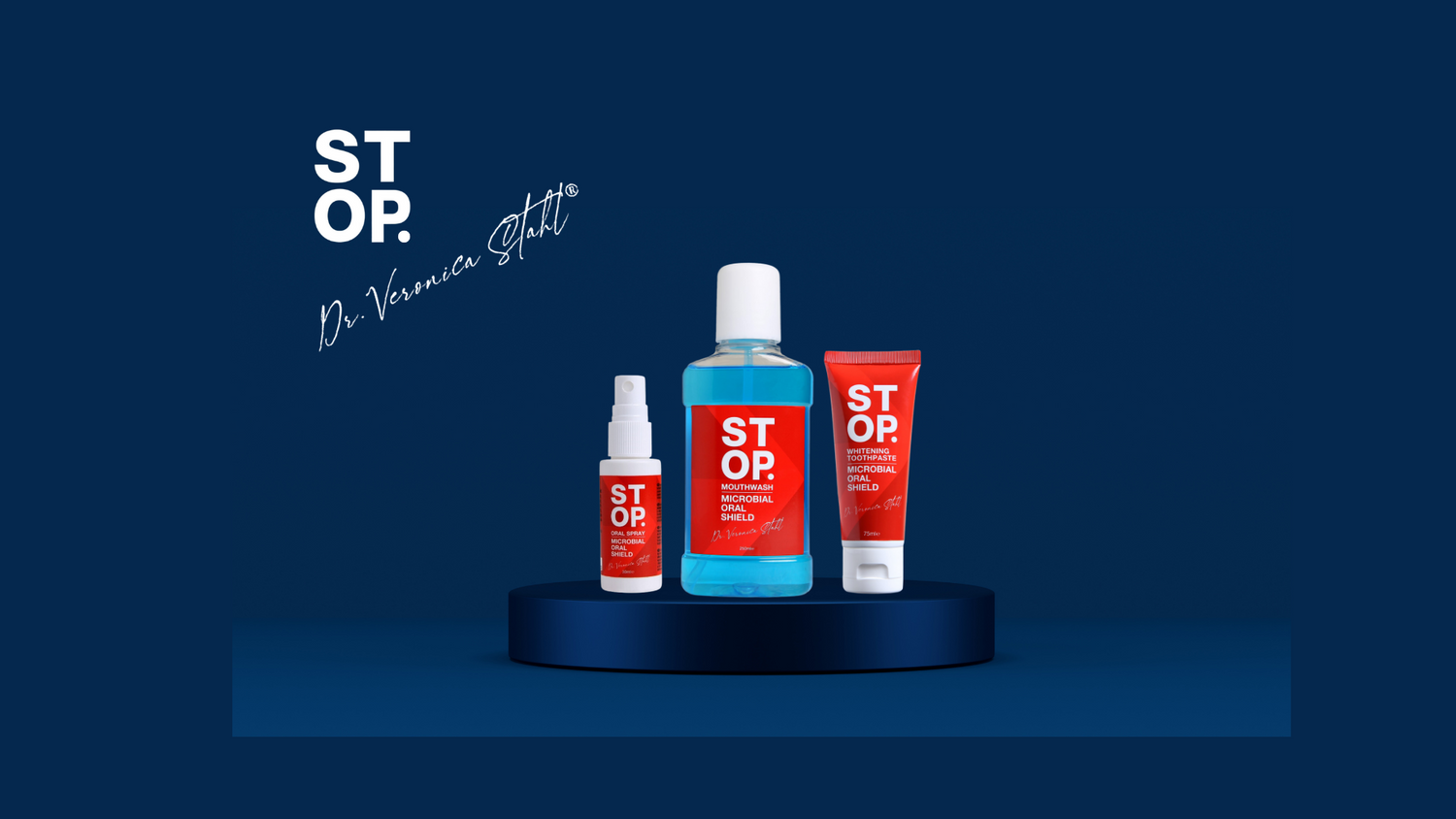
So, how do you decide which tube to try first? Think about your daily routine. If you already love a minty zing, Snow’s nano‑hydroxyapatite blend gives you that fresh feel without the harsh bite. If you prefer something that also eases gum tension, STOP’s CBD‑infused paste might be your go‑to.
Here’s a quick decision‑making cheat‑sheet you can pin on your fridge:
- If you need a mineral rebuild: choose Snow.
- If you crave extra gum comfort: choose STOP.
- If you want a fast‑acting, widely available option: choose Tom’s of Maine.
Want to explore the full range and compare ingredient lists side‑by‑side? Check out STOP’s fluoride‑free toothpaste collection where you can filter by mineral content, flavor, and price.
Once you’ve picked a candidate, give it the 14‑day test we talked about earlier. Track your pain on a 1‑5 scale after each coffee or cold drink. If the sting drops by half, you’ve likely found your winner.
And remember, the best results often come from pairing the paste with a gentle, fluoride‑free mouthwash – the kind that adds a dash of herbal oil or CBD to keep the soothing effect going all day.
DIY Fluoride‑Free Toothpaste Recipes for Sensitive Teeth
Ever wondered if you could brew a soothing paste at home that actually calms that dreaded sting? You’re not alone. The idea of mixing a few pantry staples feels oddly empowering, especially when the usual store‑bought tubes feel a bit too harsh.
Here’s the thing: the magic ingredients for sensitive teeth aren’t exotic lab chemicals – they’re things like calcium carbonate, aloe gel, and a pinch of baking soda. When you combine them just right, you get a mildly abrasive, mineral‑rich paste that seals dentin tubules without the buzz of fluoride.
Recipe #1: Gentle Calcium‑Carbonate Paste
What you need (all ingredients are kitchen‑safe):
- 2 tablespoons food‑grade calcium carbonate powder (often sold as “chalk” for gardening, but make sure it’s edible grade).
- 1 tablespoon organic aloe vera gel (fresh or from a pharmacy).
- ½ teaspoon finely ground baking soda.
- 5‑6 drops of peppermint essential oil (optional, for a fresh finish).
Steps:
- Combine the calcium carbonate and baking soda in a small glass bowl. Stir until the powders look uniformly speckled.
- Add the aloe vera gel and mix with a silicone spatula. You’ll notice the mixture turning slightly creamy – that’s the soothing base forming.
- If you like a minty vibe, drop in the essential oil and give it another quick stir.
- Transfer the paste to a clean, airtight container (a recycled glass jar works great). Use a pea‑sized dab on your soft‑bristled brush, brush for two minutes, then rinse with lukewarm water.
Why it works: calcium carbonate acts as a low‑abrasion cleanser that gently polishes the surface while depositing calcium ions that help remineralize tiny cracks. Baking soda neutralizes acids that would otherwise wear enamel, and aloe vera coats the gum line with a soothing film.
Recipe #2: Nano‑Hydroxyapatite Boost (DIY Approximation)
If you’ve heard about nano‑hydroxyapatite (n‑HAp) but can’t find the pure powder, you can get a close DIY version using “calcium phosphate” food supplement – many health stores sell it as a bone‑health capsule.
Ingredients:
- 1 teaspoon calcium phosphate powder (from a supplement).
- 1 tablespoon coconut oil (solid at room temperature, melts quickly).
- ½ teaspoon xylitol powder (adds a mild sweetness and helps fight plaque).
- ¼ teaspoon finely ground sea salt (for trace minerals).
Method:
- Warm the coconut oil just enough to become liquid – you can do this in a microwave for 5‑10 seconds.
- Stir in the calcium phosphate, xylitol, and sea salt until the mixture looks smooth and slightly gritty.
- Let it cool to a spreadable consistency; if it thickens too much, add a splash of filtered water.
- Store in a small tin. Use the same pea‑size amount, brush gently, and rinse.
What’s happening under the hood? Calcium phosphate is the building block of hydroxyapatite, the mineral that makes up most of your enamel. Over time, the tiny particles settle into microscopic cracks, effectively “filling” them and reducing the nerve exposure that causes the zap.
Recipe #3: Aloe‑Chamomile Calm Paste
This one is perfect for evenings when your gums feel inflamed after a long day of coffee or acidic foods.
Gather:
- 2 tablespoons shea butter (unrefined, for a buttery texture).
- 1 tablespoon aloe vera gel.
- 1 teaspoon dried chamomile flowers (ground into a fine powder).
- ¼ teaspoon baking soda.
Instructions:
- Melt the shea butter gently over a double boiler until just liquid.
- Remove from heat, stir in the aloe gel, then fold in the chamomile powder and baking soda.
- Let the blend set at room temperature; it will thicken into a creamy paste.
- Keep it in a dark glass container to protect the chamomile’s delicate antioxidants.
The chamomile adds anti‑inflammatory flavonoids, while shea butter provides a soft base that doesn’t scratch enamel. Together they create a calming “night‑time” routine that many users report as “like a gentle hug for my gums.”
Pro Tips & Expert Nuggets
• Test the grit. Swipe a small amount between your thumb and forefinger – it should feel like fine sand, not a gritty sandpaper. If it’s too coarse, add a bit more aloe or coconut oil to soften it.
• Mind the storage. Homemade pastes don’t have preservatives, so keep them in the fridge if you’re using fresh aloe or botanical powders. A two‑week shelf life is plenty for a trial.
• Track your progress. Grab a notebook and rate your sensitivity after each brush on a 1‑5 scale. After ten days, you’ll see a clear trend – that’s the data side of DIY.
• Combine with a fluoride‑free mouthwash. A simple rinse of warm water mixed with a drop of peppermint oil can extend the soothing effect without adding chemicals.
And remember, you don’t have to stick to one recipe forever. Feel free to swap ingredients – a dash of turmeric for extra anti‑inflammation, or a sprinkle of powdered green tea for antioxidant boost. The goal is to keep the base gentle (low‑abrasion calcium or phosphate) while layering soothing botanicals that calm the nerves.
So, does making your own toothpaste feel like a chemistry experiment? Maybe. But the payoff is a personalized, fluoride‑free paste that actually respects your sensitive teeth. Give one of these recipes a try, log your results, and you might just say goodbye to that electric jolt for good.
Frequently Overlooked Factors: pH, Packaging, and Additives
When you finally settle on a toothpaste without fluoride for sensitive teeth, the next thing most people forget is that the chemistry of the paste and the way it’s stored can make or break your comfort level. A perfect‑balance pH, a smart container, and the right supportive additives are the hidden heroes that keep the sting at bay.
Why pH Matters More Than You Think
Think about the last time you rinsed with a mouthwash that left a sharp, burning sensation. That bite is usually because the solution is too acidic (pH below 5) or too alkaline (pH above 9). Your mouth naturally sits around a neutral pH of 6.8‑7.2, and brushing with a wildly off‑balance paste can erode enamel or irritate nerves.
Many fluoride‑free formulas aim for a slightly alkaline range (7.5‑8.5) because that environment encourages calcium and phosphate to redeposit onto dentin. If the paste is too acidic, those minerals dissolve instead of rebuilding, and you might notice more sensitivity after meals.
Real‑world example: Maria, a freelance writer from Barcelona, switched to a DIY calcium‑carbonate paste that she mixed with a splash of lemon juice for flavor. The lemon dropped the pH below 5, and after a week she complained of a gritty feeling and a sharper sting when drinking coffee. Once she swapped the lemon for a pinch of baking soda (which nudged the pH up to about 8), the discomfort vanished.
Actionable tip: Use pH strips (available at most pharmacies) to test your toothpaste. Aim for a reading between 7.0 and 8.5. If it’s lower, add a tiny amount of food‑grade baking soda and retest.
Packaging That Protects the Formula
Even the best‑crafted paste can lose its mojo if it’s exposed to air, light, or humidity. Oxygen can oxidize natural oils, while UV light breaks down delicate botanical extracts.
Opaque, air‑tight tubes or pump bottles are the gold standard. They keep the paste sealed, limit contamination, and maintain the pH balance you worked so hard to set. A clear plastic tube might look sleek, but over a month the ingredients can separate, leaving you with a gritty texture and uneven dosing.
Consider this scenario: Tom, a retired teacher, bought a popular fluoride‑free tube that came in a clear, soft‑squeeze bottle. After a few weeks the aloe‑vera component settled at the bottom, creating a thin watery layer on top. When he brushed, the paste felt watery, and his sensitivity actually increased because the mineral content was diluted.
Practical step: Transfer your homemade or bulk‑bought paste into a small amber glass jar with a tight‑fit lid. Store it in the refrigerator if you use fresh botanicals. For store‑bought tubes, check the label for “UV‑protected” or “air‑tight” claims before you buy.
Additives That Actually Help (And Those That Don’t)
Not every “extra” is beneficial. Some so‑called natural additives, like charcoal, can be overly abrasive for sensitive teeth. Others, like xylitol, not only sweeten gently but also inhibit cavity‑forming bacteria.
Here are three additive categories to watch:
- Gentle buffers: Calcium carbonate, nano‑hydroxyapatite, and magnesium hydroxide keep the paste from drifting into acidic territory while delivering remineralizing ions.
- Soothing botanicals: Aloe vera, chamomile, and green tea extract coat gums and reduce inflammation. Look for “aloe barbadensis leaf juice” near the top of the list for maximum effect.
- Anti‑bacterial sweeteners: Xylitol and erythritol provide a mild sweet taste and actively reduce plaque‑forming bacteria, supporting a healthier oral microbiome.
What to avoid: Activated charcoal, high‑percent silica, or essential oils in concentrations above 0.5% can be too harsh and may wear down the already thin enamel on sensitive teeth.
Expert insight: According to a recent overview of fluoride‑free toothpaste benefits, many users appreciate the ability to choose formulas that are “pH balanced” and packed with natural minerals, which together support enamel health without the need for fluoride as highlighted by ORL Cares.
Quick Checklist Before You Hit the Sink
- Test your paste’s pH; aim for 7.0‑8.5.
- Choose an opaque, air‑tight container (amber jar or pump tube).
- Verify that additives are low‑abrasion: calcium carbonate, nano‑hydroxyapatite, aloe, xylitol.
- Avoid charcoal, high‑silica abrasives, and strong essential‑oil blends.
- Store fresh‑botanical mixes in the fridge; note a two‑week shelf life.
- Log your sensitivity daily (1‑5 scale) for two weeks to see real impact.
By paying attention to these often‑overlooked factors, you turn a simple brushing routine into a targeted, comfort‑focused ritual. Your toothpaste without fluoride for sensitive teeth will finally feel like a gentle ally, not a trigger.
FAQ
What makes toothpaste without fluoride better for sensitive teeth?
Fluoride can be a bit harsh on exposed dentin because it sometimes strips away the thin protective layer that already feels delicate. A fluoride‑free formula swaps that out for gentle abrasives like calcium carbonate or nano‑hydroxyapatite, which clean without grinding. Add‑ons such as aloe vera, chamomile, or Dead Sea minerals then soothe inflamed gums and help seal tiny cracks, so the zap you feel when you sip something cold starts to fade.
How long should I try a new fluoride‑free toothpaste before judging its effect?
Give it at least two weeks. Sensitivity doesn’t disappear overnight; the minerals need time to rebuild enamel and the botanicals need to calm inflammation. Brush twice daily with a soft‑bristled brush, use a pea‑sized amount, and log your pain on a 1‑5 scale after meals. If the average score drops by half after 14 days, you’ve likely found a winner.
Can I still get cavity protection without fluoride?
Yes, but it works a different way. Ingredients like nano‑hydroxyapatite and calcium phosphate actually deposit calcium and phosphate back onto the tooth surface, acting like a tiny patch kit. Xylitol or erythritol also help because they reduce the bacteria that cause decay. While you might miss the extra boost fluoride gives, the combination of remineralizers and anti‑bacterial sweeteners still offers solid protection for most people.
Is there a risk of over‑abrasion with fluoride‑free toothpaste?
Only if you pick a formula that leans heavily on silica or charcoal. Those can act like sandpaper on already thin enamel. Stick to low‑abrasion options where the first ingredient is calcium carbonate, nano‑hydroxyapatite, or a gentle mineral blend. A quick test: rub a small dab between your thumb and forefinger—if it feels like fine sugar rather than gritty sand, you’re in the safe zone.
Do I need a special mouthwash to pair with fluoride‑free toothpaste?
A complementary mouthwash isn’t mandatory, but it can amplify the soothing effect. Look for alcohol‑free rinses that contain herbal oils, CBD, or a hint of peppermint. Those ingredients keep gums calm and won’t re‑introduce the harsh chemicals you’ve just left behind. A simple DIY rinse of warm water with a drop of peppermint oil works just as well for most folks.
What should I do if my sensitivity doesn’t improve after two weeks?
First, double‑check the ingredient list. If you don’t see a mineral like hydroxyapatite or calcium carbonate, the paste might not be doing the heavy lifting you need. Next, consider adding a potassium nitrate booster—many fluoride‑free formulas include it for extra nerve calming. Finally, schedule a quick check‑up with your dentist to rule out deeper issues that a toothpaste alone can’t fix.
Can homemade toothpaste be as effective as commercial fluoride‑free options?
Absolutely, as long as you stick to the same core ingredients: a low‑abrasion mineral base, a soothing botanical, and a mild buffer to keep pH neutral. For example, mixing food‑grade calcium carbonate with aloe vera gel and a pinch of baking soda creates a paste that cleans, remineralizes, and calms. Just remember to store it in an airtight container, test the pH (aim for 7‑8.5), and track your sensitivity scores just like you would with a store‑bought tube.
Conclusion & Next Steps
We've walked through the why and how of toothpaste without fluoride for sensitive teeth, from the mineral heroes to soothing botanicals and the little details that make a real difference.
So, what does that mean for you? It means you can finally swap that harsh, fluoride‑laden tube for a gentle, mineral‑rich formula that actually rebuilds enamel instead of irritating it.
Start by picking a paste whose first ingredient is nano‑hydroxyapatite or calcium carbonate, then double‑check for aloe, chamomile, or a touch of CBD if you like that extra calm.
Next, give it a 14‑day trial. Brush twice a day with a pea‑size amount, log your sensitivity on a 1‑5 scale after each coffee or cold drink, and note any change in comfort.
While you’re testing, keep an eye on pH (aim for 7‑8.5) and store the paste in an airtight, opaque container. A quick pH strip test and a simple amber jar can keep the formula stable.
If the sting drops by half after two weeks, you’ve found a winner. If not, consider adding a potassium nitrate booster or swapping to a formula with a richer mineral blend.
Finally, don’t forget a quick professional check‑up if the sensitivity persists – a visit to dentalboutique.be can help rule out deeper issues and fine‑tune your routine.
Take these steps, trust the process, and enjoy a brushing experience that feels more like a gentle rinse than a zap.