
Ever opened the toothpaste tube and wondered why the label boasts "titanium dioxide free"? You’re not alone. A lot of us have that moment where we stare at the ingredient list, feel a flicker of concern, and then wonder if we’re missing out on something essential.
Here’s what I mean: titanium dioxide is a white pigment used to give toothpaste that bright, uniform look. While it’s approved by regulators, many people with sensitive gums or a keen eye on clean‑ingredient formulas prefer to skip it. The result? A toothpaste that feels more natural, often lighter in texture, and free from the synthetic powder that can feel abrasive for some mouths.
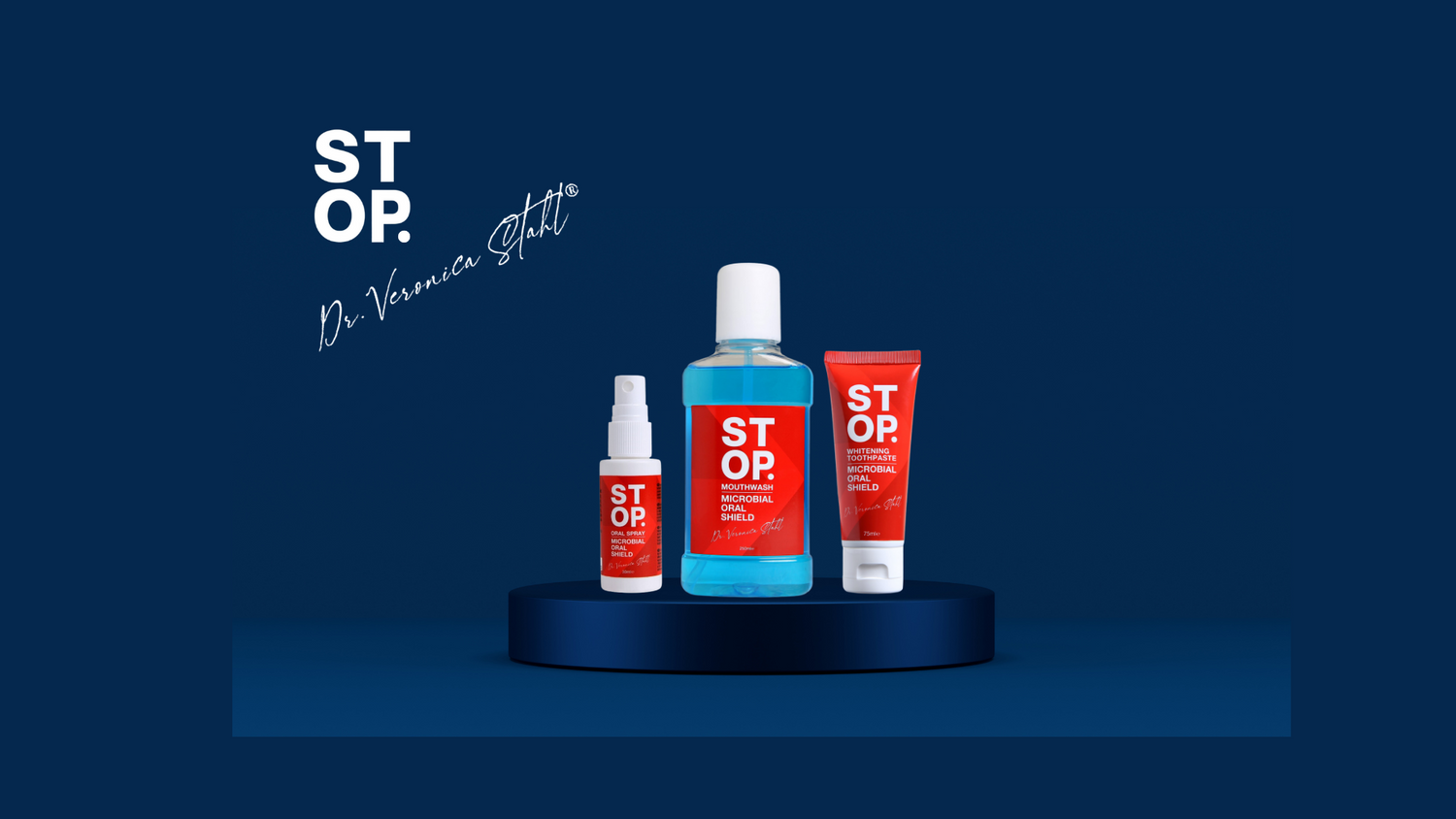
In our experience at STOP Oral Care, we’ve seen a surge of customers—especially those dealing with gum issues or dental pain—asking for alternatives. They’re looking for options that still deliver fresh breath, plaque control, and enamel protection, without the added white pigment. That’s why we’ve formulated our CBD‑infused, Dead Sea mineral‑rich toothpaste without titanium dioxide, giving you the benefits of modern science while keeping the ingredient list clean.
So, how do you choose a toothpaste without titanium dioxide? Start by checking the label for any mention of "titanium dioxide" or "TiO2"—if it’s there, it’s in the mix. Next, look for natural whitening agents like baking soda, silica, or activated charcoal, which provide brightness without synthetic pigments. Finally, consider the overall formula: does it include soothing ingredients like aloe or tea tree oil? Those can help calm sensitive gums while you transition away from traditional toothpaste.
Here’s a quick three‑step checklist you can use tonight before you brush:
- Read the ingredient list: no "titanium dioxide" or "TiO2".
- Look for natural abrasives (silica, baking soda) and calming botanicals.
- Choose a product from a trusted, science‑backed brand—like our own line that blends CBD and mineral therapy for balanced oral health.
If you’re curious about other fluoride‑free, clean‑ingredient options, you might find our guide on natural toothpaste selections helpful: Best Toothpaste Without SLS: Top Picks for Gentle, Effective Cleaning. It walks you through ingredient highlights, brand comparisons, and practical tips for making the switch.
Bottom line: moving to a toothpaste without titanium dioxide doesn’t mean sacrificing performance. With a bit of label‑reading and a focus on soothing, natural ingredients, you can keep your smile bright, your gums happy, and your routine feeling genuinely clean.
TL;DR
Choosing toothpaste without titanium dioxide lets you avoid synthetic pigments while getting bright, fresh breath thanks to natural abrasives and soothing botanicals like silica, baking soda, aloe, and our CBD‑infused, mineral‑rich formula.
Read the label, skip TiO2, pick an option, and enjoy gums and a brighter smile without compromising performance.
Why Avoid Titanium Dioxide in Toothpaste?
Ever caught yourself wondering why that stark white swirl in your toothpaste feels a bit too... industrial? You're not alone. That bright hue comes from titanium dioxide, a synthetic pigment that gives toothpaste its uniform look, but it also brings a few hidden concerns.
First off, titanium dioxide is a nanomaterial. In its ultra‑fine form it can slip past your gums and linger on the soft tissues of your mouth. For people with sensitive gums or chronic inflammation, that extra particle load can feel like a tiny sandpaper, aggravating the very issues they're trying to soothe.
And there's the regulatory angle. While agencies worldwide deem it "generally recognised as safe," the safety assessments often rely on older studies. Recent research—still evolving—suggests that inhaling or ingesting nanoparticles over the long term might trigger oxidative stress. It's the kind of nuance most label readers never see.
What does it actually do in your tube?
Beyond the colour boost, titanium dioxide acts as a light‑reflector, making the paste look brighter even if the formula itself isn’t. That marketing trick can mask the true texture and performance of the product. When you switch to a toothpaste without it, you get a more honest visual cue: the natural colour of silica, baking soda, or plant extracts.
For someone dealing with gum pain, that honesty matters. You can actually see if the paste feels gritty or smooth, rather than being distracted by a glossy white veneer.
Health‑focused reasons to ditch the pigment
1. Reduced particle irritation. Without titanium dioxide, the abrasive load drops, which can be gentler on enamel‑softened areas and exposed dentin.
2. Cleaner ingredient list. Eliminating the synthetic pigment simplifies the formula, making it easier to spot other red flags like SLS or artificial sweeteners.
3. Environmental footprint. Mining and processing titanium dioxide consumes significant energy and generates waste. A pigment‑free toothpaste aligns better with a low‑impact lifestyle.
Our own STOP Oral Care blends CBD, Dead Sea minerals, and marine algae—all natural powerhouses—without the need for that white pigment. The result? A toothpaste that feels lighter in the mouth, looks naturally pale, and still delivers the fresh, bright smile you crave.
Curious about where else clean‑ingredient standards are gaining traction? XLR8Well explores the science behind safer formulations and offers a handy guide for ingredient‑savvy shoppers.
Below is a quick visual cue that helps you spot titanium dioxide on a label: look for the words "titanium dioxide" or the abbreviation "TiO2" in the ingredients list. If you see a long list of chemicals before it, that's a red flag that the product leans heavily on synthetics.
Seeing the video should reinforce why many dental professionals are recommending pigment‑free options for patients with chronic gum issues. The visual walkthrough shows how a clean formula interacts with the oral microbiome without the extra mineral particles.
So, what can you do right now? Grab your current tube, flip it upside‑down, and scan the ingredient list. If titanium dioxide appears, consider swapping to a natural alternative—like STOP's CBD‑infused, mineral‑rich paste or another fluoride‑free, pigment‑free brand that lists silica, baking soda, or charcoal as the primary whitening agents.
Making the switch isn’t just a cosmetic choice; it’s a small step toward reducing cumulative exposure to nanomaterials, soothing sensitive gums, and supporting a more transparent oral‑care routine.
How to Choose a Titanium‑Dioxide‑Free Toothpaste
Ever stood in front of the toothpaste aisle, feeling a little uneasy because you can’t spot a "no TiO₂" badge? You’re not alone. That moment of hesitation is the perfect place to start a more intentional search.
Here’s the thing: the absence of titanium dioxide doesn’t mean you have to sacrifice cleaning power. It just means you need to look a bit deeper into the formula and ask the right questions.
Step 1 – Scan the ingredient list like you’re reading a mystery novel
First, flip the tube upside down and read every component. If you see "titanium dioxide," "TiO₂," or the code "CI 77891," toss it out. Instead, hunt for natural whitening agents – silica, baking soda, calcium carbonate, or even activated charcoal. Those ingredients polish teeth without the synthetic pigment.
Tip: Look for soothing botanicals such as aloe, tea tree oil, or marine algae. They’re especially helpful if you’ve got gum sensitivity or occasional pain.
Step 2 – Prioritise functional benefits over marketing hype
Many brands shout about “whitening” or “fresh breath,” but the real work happens in the abrasive and therapeutic layers. A good TiO₂‑free paste will list a mild abrasive (silica or calcium carbonate) at 1–2% and a calming agent at a similar level. Anything higher can feel gritty and irritate gums.
Real‑world example: a friend of mine switched to a silica‑based, titanium‑dioxide‑free paste and noticed less post‑brush soreness within a week. The texture felt smoother, and the mint flavor wasn’t over‑powerful – just enough to freshen without burning.
Step 3 – Check for additional safety signals
Some manufacturers voluntarily disclose the particle size of their abrasives. Nano‑sized particles can be a red flag because they might be inhaled during brushing. Stick to products that use micron‑scale particles; they’re effective yet safe.
Another safety cue is the presence of calcium phosphate complexes. These not only help with enamel remineralisation but also keep the overall TiO₂ load low, as the pigment is often used to mask colour when calcium phosphate isn’t present.
Step 4 – Trust reputable sources and expert‑backed guides
When in doubt, lean on curated guides that compare ingredients side‑by‑side. Our own Choosing Toothpaste Without Fluoride for Sensitive Teeth: A Practical Guide walks you through the most common irritants and highlights brands that keep the formula clean.
Beyond that, you can explore broader health‑focused platforms that champion clean‑ingredient products. For instance, XLR8well often publishes articles about proactive wellness, and they mention why eliminating unnecessary pigments can benefit overall oral health.
Step 5 – Test it on your own mouth
Pick a small tube, use it for a week, and note any changes: less gum bleed, smoother texture, or brighter smile. Keep a quick journal – a single sentence each day is enough. If you feel any irritation, stop and try a different formula.
And remember, you don’t have to reinvent the wheel. Many natural‑focused brands, including STOP Oral Care, have already done the heavy lifting. Their CBD‑infused, Dead Sea mineral‑rich toothpaste is titanium‑dioxide‑free, offers a gentle abrasive, and adds a calming botanical layer – perfect for anyone dealing with gum issues or dental pain.
Finally, if you’re curious about how clean‑beauty trends intersect with skin health, a quick look at Sade Skin shows that the same philosophy of avoiding harsh pigments is gaining traction across personal‑care categories.
Bottom line: read, compare, and test. By focusing on natural abrasives, soothing botanicals, and transparent sourcing, you’ll find a toothpaste that keeps your smile bright without the synthetic white dust.
Comparison of Popular Titanium‑Dioxide‑Free Toothpastes
When you start hunting for a toothpaste that skips the synthetic white pigment, the shelf can feel like a maze. You’ve probably wondered whether you’re trading off whitening power, gum comfort, or even price. The good news? You don’t have to sacrifice anything – you just need to know which formulas actually deliver on the promises.
Below is a quick snapshot of the most talked‑about titanium‑dioxide‑free options on the market right now. I’ve grouped them by the three things most of us care about: gentle abrasives, soothing botanicals, and overall oral‑care performance.
What to look for in a TiO₂‑free paste
First, check the abrasive. Silica, calcium carbonate, or baking soda at 1‑2% give a clean feel without grinding down enamel. Second, note the calming agents – aloe, tea tree oil, or, in our case, CBD and Dead Sea minerals, which can ease gum inflammation. Third, scan for any nano‑particle claims; micron‑scale is safer for everyday brushing.
And remember, the colour of the paste can be a clue. Creamy or pastel tones usually mean the brand is proud to be pigment‑free, while a stark white often hides TiO₂ somewhere in the formula.
| Brand | Key TiO₂‑Free Feature | Pros | Cons |
|---|---|---|---|
| STOP Oral Care CBD‑Infused | CBD + Dead Sea mineral blend; silica mild abrasive | Reduces gum irritation, fresh mint flavor, enamel‑friendly | Premium price point |
| PureMint Natural Silica | 100% silica abrasive, aloe soothing | Very affordable, clear labeling, mild taste | Lacks extra therapeutic ingredients |
| EcoSmile Charcoal Blend | Activated charcoal plus calcium carbonate | Strong stain‑removal, no fluoride, vegan | Can be messier, occasional gritty feeling |
Let’s walk through how each of these might fit into a real‑world routine.
Real‑world example #1: The frequent traveler
Maria, a digital nomad hopping between airports, swears by the STOP CBD‑infused tube. She says the calming botanicals keep her gums from reacting to the dry cabin air, and the silica gives her a fresh feel without a chalky after‑taste. Her tip? Keep a small travel‑size tube in the backpack and a refill pouch in the luggage compartment. That way she never has to compromise on gum comfort while on the go.
Real‑world example #2: The budget‑conscious college student
Jake, studying engineering, picks PureMint Natural Silica because it’s cheap enough to stock up on during exam week. He likes the straightforward ingredient list – just silica, calcium carbonate, and a dash of aloe. Jake’s hack is to pair the toothpaste with a fluoride‑free mouthwash from the same brand, creating a simple, consistent routine that won’t break the bank.
Real‑world example #3: The stain‑prone coffee lover
Lena drinks three cups of espresso a day and notices surface stains building up. She tried EcoSmile Charcoal Blend and loved the deep‑clean feel. The charcoal lifts surface stains while calcium carbonate protects enamel. Her only gripe is the occasional gritty texture, which she mitigates by rinsing with water before brushing.
So, which one should you reach for? Here’s a quick decision‑making checklist:
- Do you need extra gum soothing? Go with STOP Oral Care.
- Is price the biggest factor? PureMint Natural Silica wins.
- Are you chasing stain removal? EcoSmile Charcoal Blend is your best bet.
And if you want a deeper dive into how these ingredients stack up against each other, check out our comprehensive guide on natural toothpaste options: Best Natural Toothpaste Without Fluoride: Top 5 Picks for a Cleaner Smile. It walks you through the science behind each abrasive, the role of soothing botanicals, and even includes a side‑by‑side cost comparison.
One last tip: after you pick a brand, give it a two‑week test run. Write a quick note each morning – “no gum bleed,” “mint feels harsh,” or “teeth feel brighter.” Those tiny observations will tell you if the toothpaste truly matches your needs.
By matching the right TiO₂‑free formula to your lifestyle, you’ll keep your smile bright without the synthetic white dust. And if you’re also into staying active, a quick browse of WILKYS fitness gear shows how a holistic wellness approach can support oral health – think hydration, balanced nutrition, and less sugary sports drinks.
DIY Toothpaste Recipe Without Titanium Dioxide
Ever stared at an empty shelf and thought, “I could just make my own toothpaste?” You’re not the only one. When you’re chasing a cleaner ingredient list—especially one that skips titanium dioxide—it’s surprisingly easy to become a home‑lab chemist. Below is a step‑by‑step guide that feels more like a coffee‑shop chat than a textbook.
What you’ll need (and why)
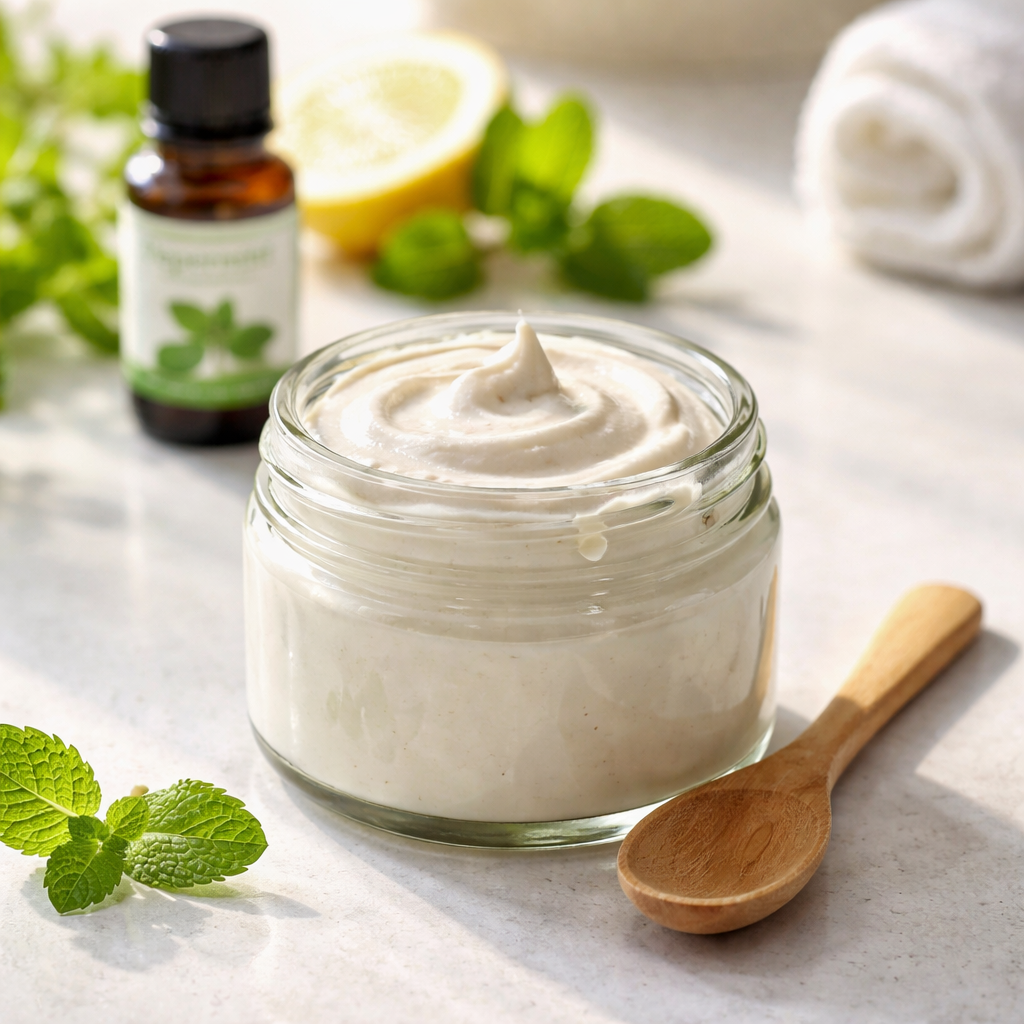
First, let’s talk ingredients. Grab a small glass bowl, a measuring spoon, and a airtight container for storage. Here’s a starter mix that balances cleaning power, mild abrasiveness, and soothing botanicals:
- Baking soda (sodium bicarbonate) – 2 tablespoons: natural mild abrasive, neutralises acids, and adds a subtle fizz.
- Food‑grade calcium carbonate – 1 tablespoon: another gentle polishing agent that protects enamel.
- Xylitol powder – 1 teaspoon: sweetens without feeding cavity‑causing bacteria.
- Organic coconut oil – 2 tablespoons (melted): gives the paste a smooth texture and carries the other ingredients.
- Essential oil (peppermint or spearmint) – 10‑15 drops: fresh breath, a little antiseptic boost.
- Aloe vera gel – 1 teaspoon: soothing for gums, especially when you’re ditching TiO₂.
Feel free to swap peppermint for clove oil if you love that warm, numbing feel. The key is to keep the total abrasive load under about 2 % of the final paste – that’s gentle enough for daily use but still clears plaque.
Step‑by‑step mixing
1. Measure and sift: Combine the baking soda and calcium carbonate in the bowl. Sifting removes clumps and ensures an even texture.
2. Add sweetness: Stir in the xylitol. It dissolves best when the mixture is still dry.
3. Introduce the oil: Pour the melted coconut oil over the dry blend. Mix with a silicone spatula until you get a thick, paste‑like consistency. If it feels too runny, sprinkle a pinch more calcium carbonate.
4. Botanical boost: Drop in the essential oil and aloe vera gel. Give it another good stir. You should notice a faint sheen from the aloe – that’s the soothing factor working.
5. Package it up: Transfer the paste to a small, clean jar with a tight‑fitting lid. Label it with the date; homemade toothpaste is best used within three months.
That’s it. You’ve just crafted a toothpaste that’s free of titanium dioxide, fluoride (if you chose to leave it out), and any mystery additives.
Real‑world testing tips
When you first try your DIY paste, keep a short journal. Write a one‑line note each morning: “no gum bleed,” “mint feels harsh,” or “teeth feel smoother.” After a week, compare those notes to your usual brand. Most folks notice less chalky residue and a gentler feel on sensitive gums.
One of our community members in Berlin, who suffers from occasional gum inflammation, swapped his store‑bought paste for this recipe. He reported a noticeable drop in gum tenderness after just four days – the aloe and lower abrasive level made a difference.
Another example comes from a frequent flyer in Tokyo. She packs a tiny 30‑ml jar in her carry‑on, refilling it from a larger batch at home. The travel‑size version fits perfectly in airline‑approved toiletry bags, and the lack of titanium dioxide means no white specks on her toothbrush after a long flight.
Safety and customization
Because we’re skipping a synthetic pigment, the colour of your paste will be a natural cream or pale mint, depending on the essential oil you use. If you prefer a brighter hue, add a pinch of natural food‑grade beet powder (for pink) or spirulina (for green). Just remember to keep any colourants under 0.5 % – you don’t want them to become abrasives.
For those who love the extra calming power of CBD, you can blend in a few drops of a CBD‑infused oil (like the one STOP Oral Care offers). That gives you the same gum‑soothing benefits we’ve seen in our premium formulas, without the titanium dioxide.
If you ever feel unsure about a new ingredient, check our comprehensive guide to hemp‑oil toothpaste for safety thresholds and how to balance flavors.
Finally, store your DIY toothpaste in a cool, dark place. Coconut oil can solidify in cooler temperatures – that’s normal and actually makes the paste a bit firmer, which some people prefer.
Give it a try, tweak the ratios to suit your mouth, and enjoy the peace of mind that comes from knowing exactly what’s in every brushstroke.
Safety & Regulations Overview for Toothpaste Ingredients
When you start swapping out titanium dioxide, the first thing that pops into your mind is usually “Is this even legal?” And that’s a fair worry – after all, toothpaste sits right at the crossroads of cosmetics, drugs, and food safety.
In most regions, the same agencies that approve your sunscreen also set the rules for what can go into a tube of paste. In the EU, it’s the European Medicines Agency (EMA) and the European Commission’s Cosmetic Regulation. In the US, the FDA treats fluoride‑free, non‑medicinal toothpaste as a cosmetic, while anything claiming to treat gum disease falls under its drug authority.
What regulators actually scrutinise
They look at three things: ingredient safety, concentration limits, and labelling honesty. An ingredient like silica is fine, but if a manufacturer pushes the abrasive percentage above 5 % you could see a warning about enamel wear. Likewise, essential oils are generally safe, yet concentrations over 1 % of certain oils (like clove) may trigger irritation warnings.
Because titanium dioxide is a colourant, it has its own set of limits. In the EU, the permitted amount is 1 % for cosmetics, but many brands keep it well under that to avoid the nano‑particle debate. When you ditch it, you sidestep that whole regulatory hoop.
Key ingredients and their limits
Here’s a quick run‑down of the most common players in a titanium‑dioxide‑free formula and the safety thresholds you’ll see on the label:
- Silica (hydrated): usually capped at 2 % for gentle polishing.
- Calcium carbonate: safe up to 5 % but higher levels can feel gritty.
- Baking soda: widely accepted, but keep it under 3 % to avoid over‑alkalising the mouth.
- Essential oils (peppermint, tea tree): generally safe under 1 % each; higher percentages may be flagged for irritation.
- CBD oil: still a grey area in many jurisdictions – the EU allows it as a food ingredient, but the US treats it as a dietary supplement, so manufacturers often label it as “hemp‑derived” and stay below 0.3 % THC.
Need the nitty‑gritty? Check out our detailed guide to natural toothpaste regulations for a deeper dive on each component.
Label claims you can trust
Regulators also police the marketing copy. “Fluoride‑free” is fine if there’s truly no fluoride. “No titanium dioxide” must be truthful – a tiny hidden CI 77891 code would be a breach. Look for “ingredients listed in descending order” and “percentage of active abrasives disclosed” – those are the hallmarks of a transparent brand.
And watch out for “natural” or “organic” stamps. Those aren’t regulated in many places, so they’re more about brand positioning than legal compliance.
How to stay compliant when you DIY
If you’re mixing your own paste, you’re your own regulator. Stick to the safe percentages above, and keep a simple spreadsheet of each batch: ingredient, amount, and total weight. That way you can quickly see if you’ve crossed a limit.
Store your mix in a dark, cool place to prevent oil oxidation – another subtle safety issue that can cause off‑flavours and possible mouth irritation.
Quick safety checklist
- Read the ingredient list for any banned colourants or nano‑particles.
- Verify abrasive levels stay under 2 % for silica or 5 % for calcium carbonate.
- Confirm essential oil concentrations are ≤1 % each.
- Check that any CBD content complies with local THC thresholds.
- Make sure label claims match the actual formula.
By keeping an eye on these regulatory touchpoints, you can enjoy a toothpaste that’s not only titanium‑dioxide‑free but also fully compliant, gentle, and effective. Your mouth (and your conscience) will thank you.
FAQ
What is titanium dioxide and why would I want a toothpaste without it?
Titanium dioxide is a white pigment that manufacturers add to toothpaste just to make the paste look uniformly bright. It doesn’t contribute to cleaning power, but it can leave a chalky feeling and, for some people, a tiny amount may irritate sensitive gums. In regions like the EU, regulators are still debating whether nano‑sized particles could affect DNA, so many health‑conscious shoppers simply skip it. Choosing a toothpaste without titanium dioxide often means a smoother texture and fewer synthetic additives overall.
How can I tell if a toothpaste really is free of titanium dioxide?
Start by scanning the ingredient list for “titanium dioxide,” “TiO₂,” or the code “CI 77891.” If you don’t see any of those, you’re probably in the clear. Look for a badge that says “titanium dioxide free” – reputable brands like STOP Oral Care put that front and centre. When in doubt, a quick online search of the product name plus “TiO₂ free” will usually surface a confirmation from the manufacturer.
Will a titanium‑dioxide‑free toothpaste still whiten my teeth?
Absolutely. The whitening effect in most toothpastes comes from mild abrasives (silica, calcium carbonate, baking soda) and sometimes gentle enzymes, not from the pigment itself. A TiO₂‑free formula can use those same agents, so you’ll still see a brighter smile without the synthetic white dust. If you’re after extra polish, look for added ingredients like activated charcoal or natural polishing beads – they work just as well, and they keep the ingredient list cleaner.
Is a toothpaste without titanium dioxide safe for children?
Yes, as long as the rest of the formula follows the same safety standards that apply to any child‑friendly toothpaste. Many parents prefer a TiO₂‑free option because it eliminates one more synthetic component that could be swallowed in small amounts. Make sure the paste is fluoride‑free or low‑fluoride if that matches your child’s dental plan, and choose a flavor that isn’t too strong. A gentle, pigment‑free paste often feels less gritty, which kids tend to tolerate better.
Can I use a titanium‑dioxide‑free toothpaste if I have gum disease?
In our experience at STOP Oral Care, patients with chronic gum inflammation report less irritation when they switch to a TiO₂‑free formula that also includes soothing botanicals like aloe or CBD‑infused marine algae. The key is to pick a paste that balances a mild abrasive (around 1‑2% silica) with calming agents. This combination helps remove plaque without aggravating delicate gum tissue, making it a solid choice for anyone dealing with gum pain or sensitivity.
How often should I switch or rotate toothpaste to keep my mouth healthy?
There’s no hard rule, but many dental professionals suggest trying a new toothpaste for at least two weeks before deciding if it works for you. During that trial, jot down quick notes after each brush – “no bleeding,” “mint feels smooth,” or “taste too strong.” If you notice persistent irritation, consider rotating to a different TiO₂‑free brand that uses a different abrasive or botanical blend. Switching every few months can also prevent your mouth from adapting too much to one specific formula.
Conclusion & Next Steps
We’ve walked through why ditching that synthetic white pigment can feel like a breath of fresh air for your gums and your conscience.
Here’s the short version: a toothpaste without titanium dioxide relies on gentle abrasives, soothing botanicals and—if you like a little extra calm—CBD or marine algae to keep plaque at bay without irritating sensitive tissue.
So what’s the next move? Grab a tube, scan the ingredients for “no TiO₂,” and give yourself two weeks to notice the difference. Keep a one‑sentence note after each brush—“no bleeding,” “mint feels smooth,” or “taste too harsh.” Those tiny clues will tell you if the formula truly clicks with your mouth.
Wondering where to start? Our own STOP Protective and Whitening Toothpaste checks all the boxes: titanium‑dioxide‑free, mild silica abrasive, and a calming blend of CBD‑infused Dead Sea minerals.
When the trial feels right, stick with it, but don’t be afraid to rotate after a few months to keep your oral microbiome guessing. And if gum pain or sensitivity resurfaces, a quick chat with your dentist (or our global partners) can fine‑tune the routine.
Bottom line: a clean label, a smoother brush, and a brighter smile are within reach—just take that first swipe.
Remember, consistency is key; brushing twice daily with your TiO₂‑free choice and flossing will amplify the benefits and protect enamel for years to come.