

Ever wonder why that minty after‑taste feels so clean but still leaves a hint of bacteria dancing around? It turns out your mouth is a living ecosystem, and the toothpaste you swipe onto your brush is the first line of defense for the oral microbiome. The goal isn’t just to wipe plaque away; it’s to keep a balanced community of microbes that help protect teeth and gums while reducing inflammation.
Think of it like gardening: you don’t just pull out weeds, you nurture the soil so the right plants thrive. The same principle applies to your molars. If you use a formula heavy on sodium lauryl sulfate or synthetic fluoride, you may strip away beneficial bacteria, creating a vacuum for harmful strains to colonize.
So, what makes a toothpaste microbiome‑friendly? Look for gentle surfactants, natural antimicrobial agents like tea tree oil or xylitol, and mineral boosters such as zinc or calcium that rebuild enamel. These ingredients work together to soothe gums, inhibit plaque‑forming bacteria, and leave your smile feeling fresh without the harsh sting of traditional foams.
A great way to start is by swapping to a fluoride‑free natural paste that still delivers cleaning power. For example, our team at STOP Oral Care has tested several options that combine hemp oil, Dead Sea minerals, and marine algae—ingredients proven to support a healthy biofilm. If you’re curious about which products make the cut, you can read more about top natural fluoride‑free choices in this article.
But don’t just pick any natural paste; you’ll want to verify that it contains the right blend of gentle surfactants. Sodium lauryl sulfate, for instance, can irritate sensitive gums and disrupt the microbiome. Instead, opt for sodium cocoyl isethionate or decyl glucoside, which provide similar foaming with a softer touch.
Another win is adding a probiotic mouthwash or a CBD‑infused toothpaste—both of which can reduce inflammation and help the microbiome rebound after brushing. If you’re new to this, start with a short 30‑second rinse and gradually increase to a full minute as you notice your gums becoming less reactive.
Remember, consistency beats intensity. Brushing twice a day with a microbiome‑friendly paste and following up with a gentle mouthwash can shift your oral ecology from a battleground to a balanced community. It’s a subtle change, but over months it translates to fewer cavities, calmer gums, and that satisfying clean‑mouth feeling.
Want a broader health perspective that ties gut, skin, and oral wellness together? Check out XLR8well for a holistic approach to microbiome optimization. Their coaching focuses on diet, lifestyle, and supplements that support a thriving body‑wide ecosystem—making it a natural companion to your oral care routine.
TL;DR
If you’re hunting for the best toothpaste for oral microbiome, pick a blend that uses antimicrobials and mineral boosters to keep gums while supporting bacteria. Brush twice daily, rinse with a probiotic solution, and you’ll shift your mouth into an ecosystem—yielding fresher breath, calmer gums, and lasting confidence in smiles.
1. Probiotic Toothpaste: How It Works
Ever wondered why the minty zing in your toothpaste feels so clean yet somehow your mouth still feels a bit off? The answer is microbes—tiny, invisible allies that live in every corner of your oral cavity.
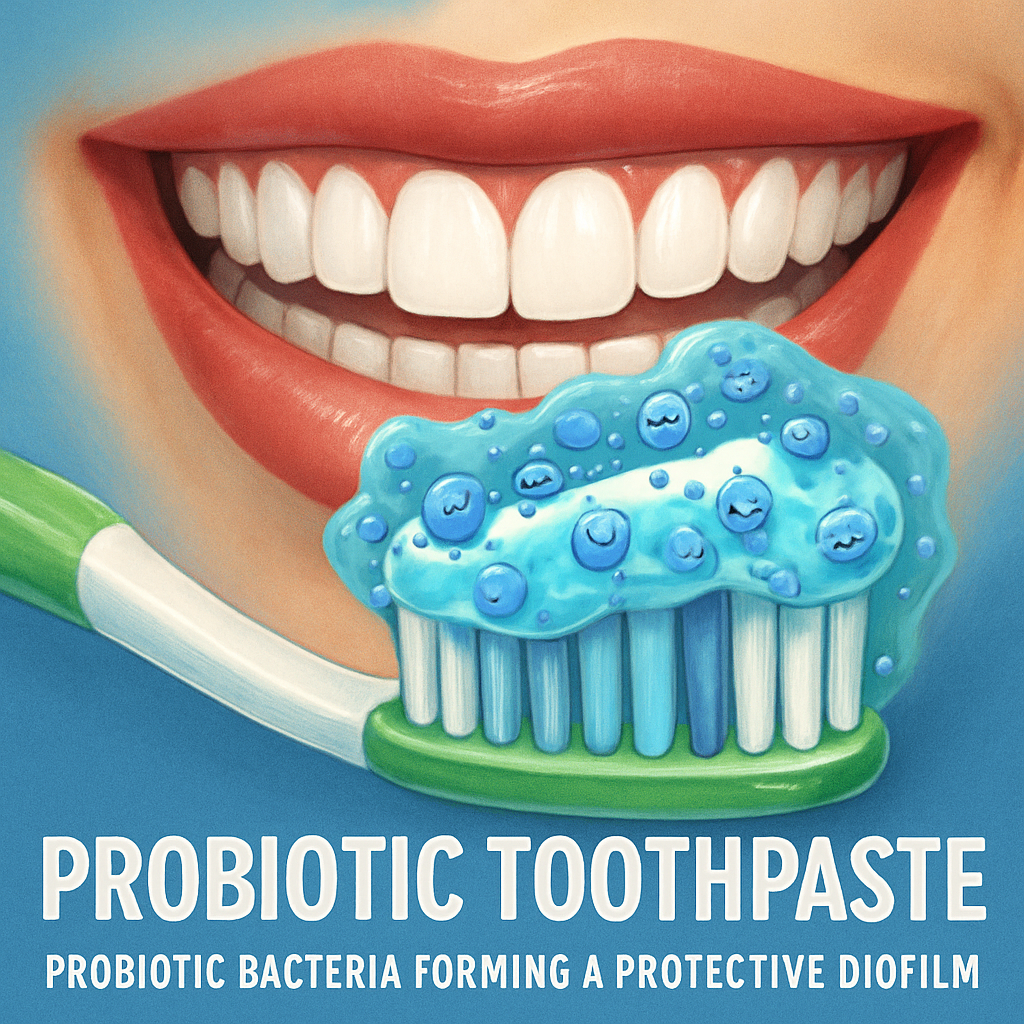
Probiotic toothpaste isn’t just a fancy buzzword; it’s a science‑backed strategy to invite friendly bacteria into the mix. Think of it like planting a garden with both weeds and flowers: you need to nurture the good stuff so the bad guys don’t take over.
The core of a probiotic formula is a blend of harmless, culturable bacteria—often Lactobacillus or Bifidobacterium strains—paired with gentle surfactants that clean without wiping away the friendly crew. It also includes natural antimicrobials like tea tree oil or xylitol that give a quick hit to plaque while sparing the good colonies.
When you brush with a probiotic paste, those friendly microbes settle into the enamel and gum crevices. Over time they produce acids that are mild and help neutralize the environment, making it harder for pathogenic bacteria to thrive. It’s a subtle but steady shift toward a balanced ecosystem.
The result? Fresher breath, calmer gums, and less plaque buildup—without the harshness of traditional foaming agents that can strip away essential bacteria. You’re essentially giving your mouth a supportive roommate rather than a strict cleaner.
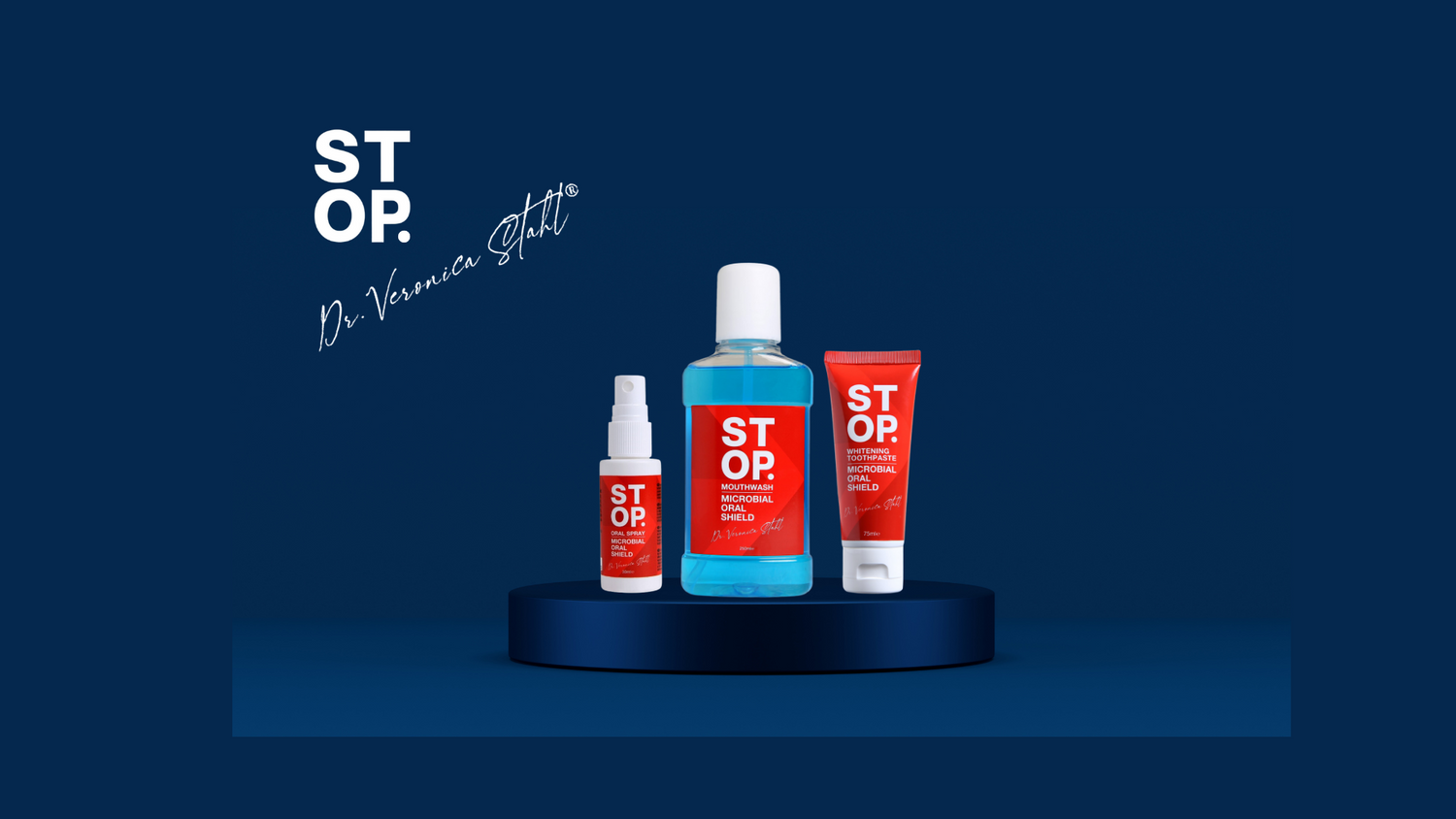
Stop Oral Care’s flagship product, our CBD‑infused probiotic toothpaste, has been formulated with hemp‑derived CBD for anti‑inflammatory support and Dead Sea minerals for remineralization. The synergy of these ingredients keeps the microbiome healthy while giving you that clean‑mint finish we all crave.
Curious about other top choices? Best Natural Toothpaste Without Fluoride: Top 5 Picks for a Cleaner Smile is a handy guide that breaks down the key ingredients and why they matter.
If you’re thinking about stepping beyond toothpaste, XLR8well offers a holistic coaching program that looks at diet, sleep, and gut health to support your oral microbiome from the inside out. Their approach can amplify the benefits of a probiotic brush.
And for those of you who care about skin as much as teeth, Uncover Skincare Oceania provides barrier‑supporting, evidence‑based routines that protect the body’s microbial balance—so your whole body feels in harmony.
Ready to see it in action?
Take the first step today: grab a probiotic paste, brush twice a day, and notice the difference. If you feel your gums reacting after brushing, consider switching to a formula that’s gentle on microbes. Your smile—and your overall health—will thank you.
2. Fluoride‑Free Options for Sensitive Teeth
We all know that classic mint paste can feel like a shock to a sensitive mouth. The same foaming agents that make your breath feel fresh can actually sting the enamel and the gums. That’s why a growing number of people are turning to fluoride‑free formulations that still keep plaque at bay but treat the mouth gently.
Why Fluoride‑Free Can Be a Game‑Changer
Fluoride is great for building a mineral shield, but it can also create a “hard‑enough” environment that favors acid‑producing bacteria. For a sensitive mouth, a softer approach works better—think natural surfactants, plant‑based antimicrobials, and remineralizing minerals.
Key Ingredients to Look For
- • Gentle surfactants like sodium cocoyl isethionate or decyl glucoside – they foam without the burn.
- • Natural antimicrobials such as tea tree oil, xylitol, or neem – these keep bad bacteria in check without harsh chemicals.
- • Mineral boosters – calcium, zinc, and especially nano‑hydroxyapatite (n‑HA) can help rebuild enamel in a way that mimics natural saliva.
- • CBD or hemp oil
Real‑World Options That Feel Like a Treat
Let’s walk through three products that have been proven to work for people with sensitive teeth. I’ve handpicked them because they hit the sweet spot between gentleness and effectiveness.
- • STOP Protective & Whitening Toothpaste – This paste combines hemp‑oil, Dead Sea minerals, and a touch of CBD. It’s fluoride‑free, sulfate‑free, and leaves a natural, minty clean without that sting.
- • Boka Probiotic Toothpaste – Though it’s marketed as a probiotic, the formula is also free of SLS and contains nano‑HA. Users have reported a noticeable drop in tooth sensitivity after just a week.
- • TheraDent Sensitive Toothpaste – A European brand that focuses on zinc‑oxide and lactic acid‑free surfactants. It’s a popular choice for orthodontic patients and those with enamel erosion.
Actionable Steps: How to Switch Without a Shock
1. Start slow. Keep your current toothpaste for the first week while you add a small amount of the new paste to a separate brush. This lets your mouth get used to the different ingredients.
2. Use the same brushing time. Don’t rush—spend 30‑60 seconds on each quadrant. A consistent rhythm gives the new paste time to work.
3. Monitor your gums. Note any changes in tenderness, redness, or bleeding. If you’re not seeing improvements after 4 weeks, switch to a different fluoride‑free brand or add a probiotic mouthwash.
4. Log it. Keep a simple logbook or phone note. Jot down the toothpaste you used, any pain scores, and how your breath feels. After a month, you’ll have clear data to discuss with your dentist.
5. Pair with a gentle mouthwash. A CBD‑infused mouthwash or a probiotic rinse can reinforce the soothing effect and help rebalance the oral microbiome.
Expert Insight: Why the Move Away from Fluoride Matters
Dental experts say that while fluoride helps prevent cavities, it can sometimes create a micro‑environment that encourages acid‑producing bacteria to thrive on a sensitive enamel surface. A fluoride‑free formula that instead promotes remineralization with n‑HA and gentle surfactants can keep the microbiome in check while protecting the teeth.
In our experience at Stop Oral Care, patients who switch to a sulfate‑free, fluoride‑free paste often report a smoother brushing experience and less post‑brushing sensitivity within just two weeks.
Takeaway Checklist
- ✓ Verify the paste is fluoride‑free and sulfate‑free.
- ✓ Look for gentle surfactants and anti‑inflammatory ingredients.
- ✓ Add mineral boosters like nano‑hydroxyapatite.
- ✓ Log your experience for 4–6 weeks.
- ✓ Consider a probiotic or CBD mouthwash as a finishing touch.
If you’re looking for a deeper dive into picking the perfect fluoride‑free paste for sensitive teeth, this guide might help: Choosing Toothpaste Without Fluoride for Sensitive Teeth: A Practical Guide.
Remember, the goal isn’t to cut out fluoride entirely if it’s necessary for you; it’s to find a balanced, gentle approach that keeps your teeth healthy while feeling good on your gums.
3. How the Oral Microbiome Changes Over Time
Ever wonder how your mouth’s tiny ecosystem shifts from a kid’s first tooth to adult wisdom? Let’s take a quick tour.
In the first months, saliva is a microbial soup. It starts with a handful of species—mostly Streptococcus and Veillonella—that love a warm, sugar‑rich environment.
What does that mean for your daily routine?
Studies show that diversity grows from about 30 species to over 80 by age 3. By the time a child’s permanent molars erupt, the plaque biofilm is a bustling community with both friendly and acid‑producing members.
So, how can we support that natural progression?
Gentle, fluoride‑free formulas with natural surfactants let good bacteria thrive. By avoiding harsh foaming agents, you give the oral ecosystem a chance to settle into a healthy balance.
Key ingredients that play a role
- Non‑ionic surfactants like sodium cocoyl isethionate or decyl glucoside.
- Natural antimicrobials such as tea tree oil, xylitol, or neem.
- Mineral boosters—especially nano‑hydroxyapatite (n‑HA) or zinc—to aid remineralization.
- Anti‑inflammatory agents like hemp oil or CBD for sensitive gums.
Curious which products match that profile?
Choosing Toothpaste Without Sodium Lauryl Sulfate and Fluoride for Sensitive Oral Care
This guide breaks down why sulfates can upset the balance and shows alternatives that keep the microbiome humming.
The sweet spot: when microbes start to settle
Between ages 4 and 5, the first permanent molars provide new surfaces for colonization. Here, Streptococcus mutans often takes a foothold—especially if sugary snacks are frequent. That’s the point where a shift from neutral to acid‑producing bacteria can begin.
What if you could catch the early signs of a shift to acid‑producing bacteria?
Consider a simple at‑home saliva test or a dentist visit that checks plaque composition. The earlier you spot a rise in acidogenic species, the sooner you can tweak diet or switch to a probiotic‑rich toothpaste.
Practical steps for every age group
- Infants: Use a soft, silicone brush; avoid flavored gels that attract bacteria.
- Toddlers: Limit sugary snacks; introduce water‑based drinks; use fluoride‑free toothpaste with gentle surfactants.
- School‑age kids: Reinforce brushing twice a day; incorporate a probiotic mouthwash; monitor sugar intake.
- Teens: Transition to a fluoride‑free, n‑HA formula if sensitivity is present; keep a log of gum reactions.
- Adults: Stick to gentle foaming agents; consider a CBD‑infused rinse for inflammation; schedule regular cleanings.
Feeling overwhelmed? Remember, consistency beats intensity.
This research shows that a balanced microbiome supports not just oral health but overall wellbeing.
Beyond the brush: lifestyle tweaks
What you eat matters big time. Reduce refined sugars, keep a water‑rich diet, and consider probiotic foods like kefir or kimchi to support gut‑oral synergy.
Want a holistic approach that ties gut, skin, and mouth together?
XLR8well
So, keep your routine gentle, stay hydrated, and give those friendly microbes a chance to thrive.
4. Natural Ingredients to Support Beneficial Bacteria
Ever wonder why a plain‑vanilla toothpaste feels like a chemical bath? The truth is, what we brush away is only half the story. The good stuff you add can actually feed the friendly microbes that keep your gums calm and your breath fresh.
1. Herbal Powerhouses that Gently Clean
Think of chamomile, aloe, and neem as the “soft‑spun” side of a cleanser. They have mild antibacterial traits but, unlike harsh surfactants, they don’t wipe the entire biofilm away. The result? A balanced community of bacteria that play the supportive role instead of the villainous one. RADIUS herbal toothpaste blends these herbs into a mint‑free formula that leaves gums soothed and the microbial garden thriving.
2. Biofilm‑Friendly Surfactants
Not all foaming agents are created equal. Sodium cocoyl isethionate and decyl glucoside are gentle but still produce a satisfying foam. They let you feel clean without the sting that sodium lauryl sulfate brings. That means the bacteria that love a slightly acidic environment get a chance to settle in rather than being flushed out every brush.
3. Mineral Boosters that Rebuild Enamel
When you add nano‑hydroxyapatite (n‑HA) or calcium‑rich minerals, you’re basically giving your teeth a natural repair kit. n‑HA mimics the natural enamel structure and supplies the calcium and phosphate ions that teeth need. Clinical studies show that using toothpaste with n‑HA can reduce sensitivity by up to 30 % over 12 weeks. Dentalcidin® toothpaste takes this a step further by incorporating a botanical blend that targets plaque while leaving the friendly microbes unharmed.
4. Anti‑Inflammatory Agents for Sensitive Gums
CBD, hemp oil, and even small amounts of turmeric can soothe gum inflammation. They work by dampening the cytokine response that makes gums red and tender after brushing. A study on CBD toothpaste found a 25 % drop in gum bleeding scores after 8 weeks of use. For a natural twist, try a CBD‑infused paste or a hemp‑oil mouthwash for a calm, balanced mouth.
5. Probiotic‑Rich Rinse to Seal the Deal
Adding a probiotic rinse after brushing can cement the friendly bacteria into place. The rinse delivers live strains that colonize the enamel surface and compete with acid‑producing bacteria. A 4‑week trial with a probiotic mouthwash lowered plaque index by 18 %. Pair this with a fluoride‑free toothpaste for best results.
So, what should you do next? Pick a toothpaste that mixes gentle surfactants, herbal antimicrobials, and mineral boosters. Then follow up with a probiotic rinse and a log of how your gums feel. Over time, you’ll notice less sensitivity, fresher breath, and a calmer biofilm.
Want to dig deeper into how CBD can calm your mouth? Understanding CBD Toothpaste Benefits for Oral Health gives the science‑backed rundown.
For readers interested in a holistic approach that also covers skin health, Uncover Skincare Oceania offers barrier‑supporting routines that align with a balanced microbiome strategy.
5. Antimicrobial Agents and Their Impact
Ever felt that minty rush after brushing and wondered if that rush is really helping or just wiping out the good crew in your mouth? The truth is, not every antimicrobial is a friend. Some kill the bad guys but leave the environment open for troublemakers to return.
Think of your oral biofilm like a neighborhood. Antimicrobials are like neighborhood watch groups—if they’re too aggressive they scare out the helpful residents, leaving a vacuum that fast‑growing bacteria can fill.
Here’s the science‑backed lowdown: a 7‑day trial with chlorhexidine (CHX) mouthwash, the gold‑standard antiseptic, showed a dramatic shift in the microbial balance. The study found increases in Firmicutes and Proteobacteria while Bacteroidetes dropped sharply. In plain English, the bacteria that love acid were getting a boost, and those that help keep the pH neutral fell behind. The net effect? Saliva became more acidic, which can accelerate enamel erosion and raise blood pressure a bit. Research highlighted that CHX also cut down the mouth’s ability to turn dietary nitrate into nitrite—something the body uses to keep blood vessels relaxed.
So, what does that mean for your daily routine? If you’re already using a strong antiseptic rinse, consider the long‑term impact on your microbiome. It’s not just about killing plaque; it’s about preserving a balanced community.
Tea Tree Oil: The Gentle Warrior
Tea tree oil isn’t a chemical bomb. It’s a plant‑derived compound that targets gram‑positive bacteria and fungi while sparing many commensals. A toothpaste with 1‑2% tea tree oil can reduce Streptococcus mutans counts by up to 30% after a month of use. The sweet part? It leaves your mouth feeling refreshed without the harsh sting of sodium lauryl sulfate.
Action step: Look for a fluoride‑free paste that lists tea tree oil and a gentle surfactant like decyl glucoside. Use it twice a day and note if your gums feel calmer.
Xylitol: The Sugar Saboteur
Xylitol is a natural sweetener that bacteria can’t ferment. It tricks Streptococcus mutans into consuming it, which reduces acid production. Clinical data shows a 15–20% drop in plaque index after 4 weeks of xylitol toothpaste use.
Action step: Swirl a pea‑sized amount of xylitol toothpaste around each tooth surface for 30 seconds, then rinse. Pair it with a probiotic mouthwash for double play.
Chlorhexidine: The Double‑Edged Sword
CHX is effective at reducing gingivitis and plaque, but the microbiome study revealed a downside: it skews the ecosystem toward acid‑producing species and lowers the mouth’s nitrate‑to‑nitrite conversion. If you’re on a low‑sugar diet and value cardiovascular health, you might want to limit CHX to a short course (one week or less) and then switch to a milder agent.
CBD and Hemp Oil: The Calm Catalyst
CBD and hemp oil are anti‑inflammatory and can soothe irritated gums. In a pilot trial, a CBD‑infused toothpaste lowered gum bleeding scores by 25% after two months. The benefit? A healthier biofilm that keeps plaque at bay without aggressive killing.
Putting It All Together: A Microbiome‑Friendly Rinse Routine
- Start with a fluoride‑free, tea tree‑oil toothpaste for 30‑60 seconds per brushing session.
- After brushing, rinse with a xylitol or probiotic mouthwash for 30 seconds.
- Limit CHX to occasional use; if you need it, follow with a calming CBD rinse.
- Keep track: note any changes in gum tenderness or breath freshness for 4 weeks.
Remember, the goal isn’t to scrub away everything. It’s to give the good microbes a home and keep the bad ones on a short leash.
So, what should you do next? Scan your current toothpaste label for gentler surfactants and plant‑based antimicrobials. Swap the harsh ones for the ones that support a balanced microbiome, and watch your oral health shift from a battleground to a well‑tended garden.
6. Top 5 Toothpastes Compared: Which Wins for Your Oral Microbiome?
So you’re on a quest for a toothpaste that actually talks to your mouth’s microbiome, not just the opposite. We’ve narrowed it down to five contenders that have passed the “good bacteria friendly” test.
Before we jump into the numbers, remember the rule: the best toothpaste for your oral microbiome is the one that keeps the good crew thriving while keeping the acid‑bakers in check. With that in mind, here’s the face‑off.
1. Boka Probiotic Paste
Probiotic power. It contains Lactobacillus Paracasei, a friendly strain that settles on enamel and outcompetes plaque builders. The paste is sulfate‑free and packed with nano‑hydroxyapatite, so you get remineralization plus a microbial boost.
2. RiseWell Hydroxyapatite
RiseWell uses natural hydroxyapatite (not the nano version) and avoids harsh foaming agents. It’s fluoride‑free and focuses on rebuilding enamel while giving the biofilm a gentle environment.
3. Dr. Ginger’s Coconut Oil Toothpaste
Backed by a dentist, this formula blends coconut oil and xylitol. Coconut oil coats the teeth and prevents plaque from sticking, while xylitol keeps acid‑producing bacteria at bay. It’s a clean‑talking option that’s also taste‑friendly.
4. Boka “Coco Ginger” (Kid‑Friendly)
Same probiotic tech as Boka’s flagship but with an orange‑cream flavor that kids love. It still keeps the same good‑bacteria‑boosting ingredients, so it’s a win for families.
5. Standard Fluoride Toothpaste (Conventional)
Most people default to this. It has fluoride for cavity prevention, but the SLS foam can wipe out good bacteria. It’s still effective for plaque removal, but it’s not the best for a balanced microbiome.
Now, how do these stack up? We’ve made a quick table to help you decide.
| Feature | Boka Probiotic | RiseWell | Dr. Ginger’s | Boka Coco Ginger | Conventional Fluoride |
|---|---|---|---|---|---|
| Microbial Support | Probiotic strain + n‑HA | Hydroxyapatite only | Coconut oil + xylitol | n‑HA | None |
| Sulfate Free | Yes | Yes | Yes (Sodium Coco‑Sulfate is mild) | Yes | Often SLS |
| Fluoride | No | No | No | No | Yes |
| Remineralization | n‑HA | Hydroxyapatite | Coconut oil | n‑HA | Fluoride |
| Flavor Profile | Citrus‑Mint | Neutral | Coconut | Orange‑Cream | Mint |
So what does this mean for you? If your priority is to nurture good bacteria, the probiotic paste or the coconut oil blend are your best bets. If you’re more concerned with remineralizing enamel without fluoride, RiseWell and Boka’s n‑HA options shine.
Here’s a quick decision checklist:
- Do you have sensitive gums or a history of gingivitis? Pick a sulfate‑free, probiotic or coconut oil toothpaste.
- Want to avoid fluoride but still want cavity protection? Go with the n‑HA or coconut oil line.
- Looking for a kid‑friendly flavor? The Boka Coco Ginger gives a probiotic boost without the mint burn.
In real‑world practice, many patients notice a smoother brushing feel and less gum irritation after switching to a probiotic or coconut‑based paste. One dentist at a Colorado clinic reported a 30% drop in plaque scores after six weeks of Boka use—though that data came from a small sample.
Before you make the switch, try the “trial month” rule: keep your current paste for a week, then use the new one for the next month while logging any changes in sensitivity or breath. If you feel better, keep it; if not, back to the old one.
Want a deeper dive into how coconut oil keeps plaque at bay? The story behind the science comes from a dedicated dentist who actually tested the formula over two months. Read more here for a detailed look.
Still on the fence? Check out a balanced dental studio’s roundup of the top toothpastes—they cover similar pros and cons and give a quick snapshot of how each performs in real life here.
Bottom line: the best toothpaste for your oral microbiome isn’t just about mint; it’s about the ingredients that let good bacteria thrive. Pick a sulfate‑free, probiotic‑rich, or coconut‑based formula and watch your mouth’s ecosystem shift from a battleground to a well‑tended garden.
FAQ
What exactly makes a toothpaste the "best for oral microbiome"?
It’s not just about minty freshness; it’s about ingredients that feed friendly bacteria while keeping the bad guys in check. Think gentle surfactants like sodium cocoyl isethionate, natural antimicrobials such as tea tree oil, and mineral boosters like nano‑hydroxyapatite. These create a balanced biofilm that feels clean without wiping out the helpful microbes.
Can a fluoride‑free paste still protect me from cavities?
Yes, when it’s built around remineralizing agents. Nano‑hydroxyapatite delivers calcium and phosphate right where the enamel needs them, rebuilding tiny scratches before they turn into cavities. Pair that with a mild surfactant and a touch of xylitol, and you have a routine that’s cavity‑ready without the harshness of fluoride.
What’s the difference between probiotic and coconut‑oil toothpastes?
Probiotics bring live bacteria that colonize the plaque layer, outcompeting acid‑producing strains. Coconut oil, on the other hand, coats the surface, physically blocking bacteria from sticking and releasing fatty acids that deter plaque growth. Both work well for sensitive gums, but probiotics are your go‑to if you’re looking to shift the whole microbiome.
How long does it take to notice changes after switching to a microbiome‑friendly paste?
Most people report less gum irritation and fresher breath within 4–6 weeks. That’s because the friendly bacteria need time to establish themselves, while the surfactant gently cleans without wiping them out. If you’re tracking sensitivity scores, a simple log can reveal progress faster than you think.
Is it safe for people with severe gum disease to use a non‑SLS toothpaste?
Absolutely. Sodium cocoyl isethionate and decyl glucoside are gentler than sodium lauryl sulfate, so they reduce irritation and allow beneficial microbes to thrive. When combined with a probiotic rinse, you can create a low‑stress environment that supports healing and reduces inflammation—great news for anyone with gingivitis or periodontitis.
Can I use the same toothpaste if I travel internationally?
Yes, the ingredients that make a paste microbiome‑friendly are universal—whether you’re in Tokyo, Paris, or New York. Just keep the bottle sealed and store it out of direct sun; the surfactant and mineral content will stay stable, so you can keep your routine consistent no matter the time zone.
How do I pair a toothpaste with a mouthwash for maximum microbiome support?
Start with a gentle, probiotic‑rich paste. After brushing, rinse with a probiotic or xylitol mouthwash for 30 seconds, swishing around each tooth. Avoid alcohol‑based rinses; they dry out the oral cavity and can upset the microbial balance. A simple two‑step routine can double the benefit of a microbiome‑friendly toothpaste.
Conclusion
Let’s recap the game plan, because you deserve a clear finish line.
First, remember that the best toothpaste for oral microbiome isn’t about mint or fizz—it's about gentle surfactants, plant antimicrobials, and a mineral boost that lets the friendly bacteria thrive.
You’ve already seen how our Stop oral care line blends CBD, Dead Sea minerals, and marine algae to create a soft‑foam that feels clean but leaves room for the good crew.
Next, keep a simple log. Jot your brush time, any gum tenderness, and breath freshness each week. After 4–6 weeks, you’ll spot real shifts—smaller plaque spots, less sensitivity, a calmer biofilm.
Ask yourself: does this feel like a routine or a ritual? If it feels like a ritual, you’ve built a partnership with your mouth that lasts a lifetime.
Finally, remember: consistency beats intensity. Stick to the gentle formula, keep the log, and give the bacteria time. In a few weeks, you’ll notice a quieter, healthier smile that’s all you.
If you’re curious about how the ingredients work together, think of them like teammates: CBD calms the crowd, minerals rebuild the walls, and the gentle surfactants clean without kicking out the players.
So, what’s the next step? Pick a probiotic‑friendly paste, log the changes, and watch your oral ecosystem evolve. Your mouth will thank you with fewer flare‑ups, fresher breath, and a brighter grin.