

Ever wondered if that minty splash of mouthwash is actually doing more harm than good? If your daily rinse feels like a double‑edged sword, you're not alone. A lot of people think every antibacterial rinse is a one‑size‑fits‑all miracle, but the reality is a bit more nuanced.
The short answer is yes, some mouthwashes can wipe out the good bacteria that keep your gums calm and your breath fresh. Think of your mouth as a garden – you want the right mix of plants, not a lawn full of weeds. When a rinse is packed with harsh antiseptics, it goes after everything, even the friendly microbes that fight plaque.
But don't toss your daily routine into chaos just yet. The trick is choosing a mouthwash that targets only the bad guys while leaving the good crew untouched. Look for products that use essential oils, xylitol, or gentle chlorhexidine at lower concentrations. These ingredients keep the microbial balance in check without erasing the friendly forces.
Here’s a quick checklist you can run every week: 1. Read the label – if it says 'antiseptic' or 'broad-spectrum,' pause. 2. Spot the ingredients list – essential oils like tea tree or peppermint are great allies. 3. Test the pH – a neutral or slightly acidic rinse (around 6.5‑7) keeps the good bacteria thriving. 4. Try a 30‑second rinse, not a full minute, to avoid over‑sterilization.
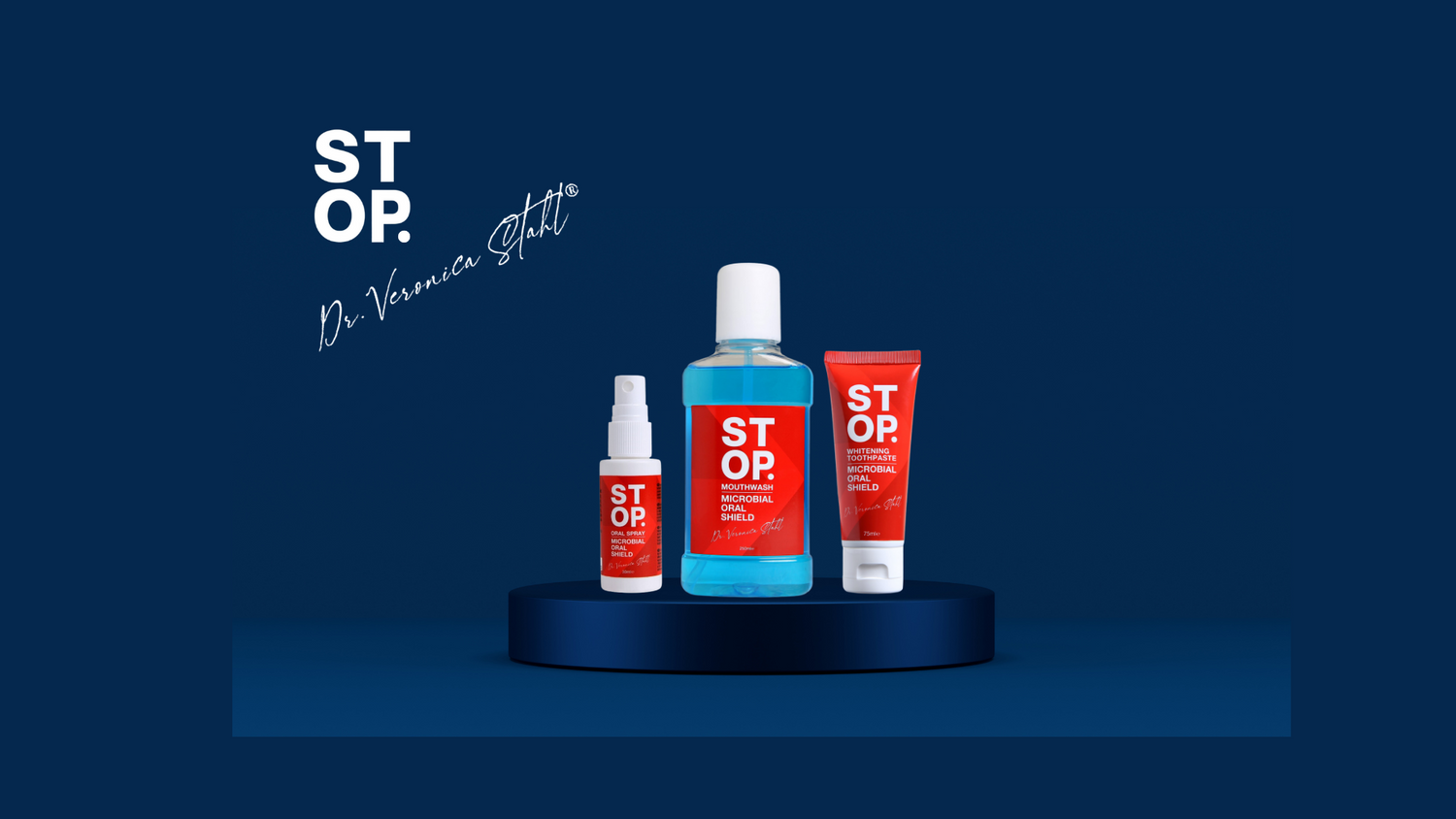
If you’re already using a high‑tech solution, take a cue from the experts at STOP. Their plaque‑removing mouthwash is engineered to clear debris while preserving the friendly flora. You can learn more about how a well‑balanced rinse works in our guide on transforming oral health.
And if you’re curious about the bigger picture of how your mouth’s microbiome ties into overall wellness, check out XLR8well. Their holistic programs explore how gut and oral health intersect, offering a roadmap to a healthier you.
TL;DR
TL;DR: Mouthwash can wipe out good bacteria, but the right formula keeps the balance. Look for natural active ingredients like essential oils, xylitol, or low‑concentration chlorhexidine. Use a 30‑second rinse and check the pH, and you’ll keep your oral flora happy for a balanced mouth and fresh breath everyday routine.
Step 1: Understand the Role of Good Bacteria in Oral Health
You might think a mouthwash that kills germs is automatically a champion for oral health. But the reality is a bit trickier.
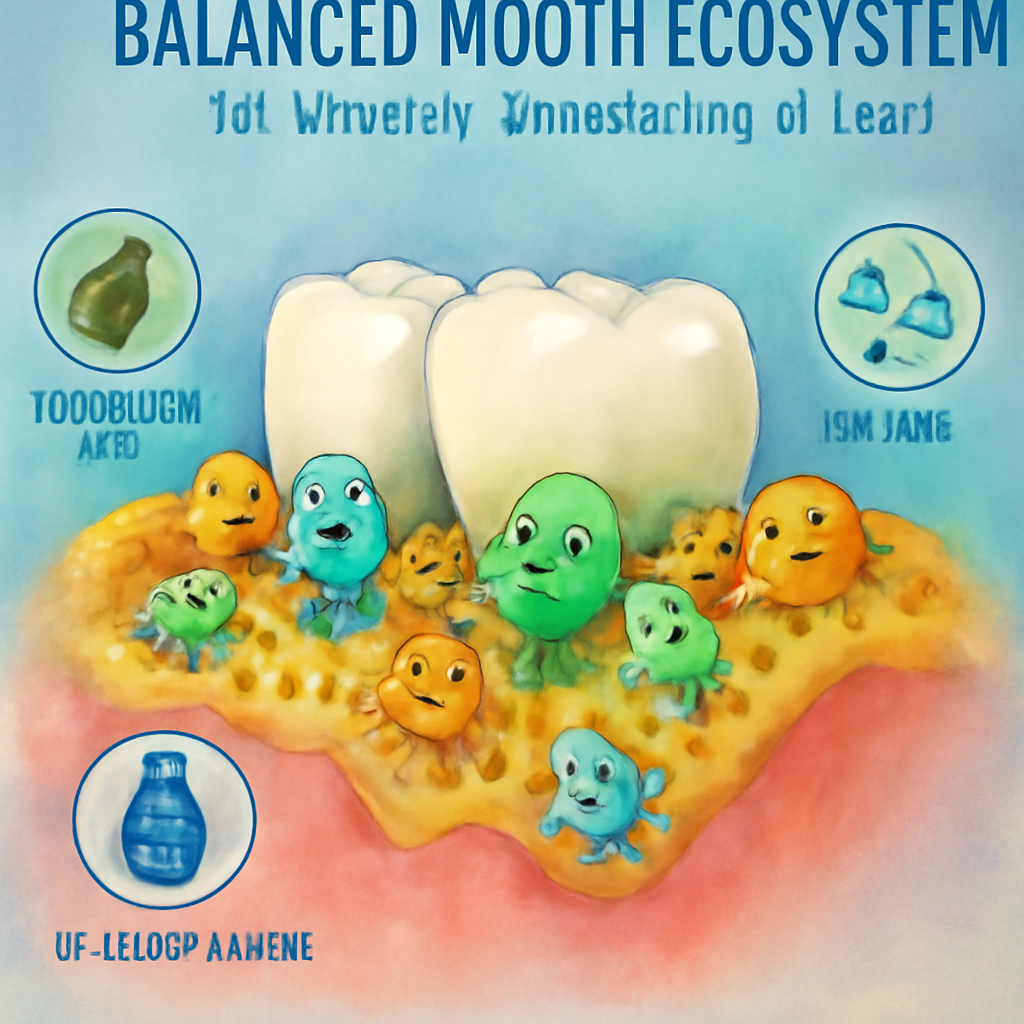
Inside your mouth, a bustling ecosystem of bacteria plays a silent but vital role. Some species keep plaque at bay, while others help maintain a healthy pH balance.
When you rinse with a harsh antibacterial solution, you’re basically pulling the rug out from under the entire crew. The result? A gut‑like imbalance that can leave your gums inflamed and your breath a bit… questionable.
That’s why the big question—does mouthwash kill good bacteria?—has become a buzzword in dental circles. The truth is, not all mouthwashes are created equal. Some target only the bad guys, while others are indiscriminate.
Think about it this way: you’re watering a garden, not wiping it clean. If you use the wrong kind of fertilizer—or in this case, the wrong kind of rinse—you’ll end up with weeds instead of flowers.
So, what does a balanced mouth look like? Picture a community where beneficial bacteria—like Streptococcus mutans in controlled numbers—help break down food particles without turning your enamel into a sugar buffet.
The key is a rinse that keeps the good guys alive while still fighting plaque. That means ingredients that are mild, yet effective—essential oils, xylitol, or low‑concentration chlorhexidine are the usual suspects.
If you’re looking for a safe mouthwash that keeps the good bacteria happy, check out our guide on Natural Mouthwash for Periodontal Disease. It dives into ingredient choices, usage tips, and how to spot a product that respects the microbiome.
Another angle to consider is how oral health fits into overall well‑being. The microbes in your mouth don’t stay put—they travel. A balanced oral flora can actually influence skin health, immune function, and even mood.
If you’re curious about the broader link, XLR8well’s holistic wellness platform dives into how the gut‑mouth axis plays a role in overall health. Their content explains the science without the jargon, making it easy to see why your daily rinse matters beyond just a fresh breath.
Now let’s bring it back to you. If you’re dealing with sensitivity or mild gum inflammation, a gentle rinse can be a game‑changer. Look for products that list essential oils—like tea tree or peppermint—because they’re natural anti‑plaque agents that won’t wipe out your friendly microbes.
Finally, remember that every mouth is different. If you notice persistent bad breath or recurring gum redness, it’s worth talking to your dentist about a tailored regimen—maybe a CBD‑infused mouthwash could help soothe inflammation while preserving the flora.
So, what’s the takeaway? A mouthwash isn’t a one‑size‑fits‑all weapon; it’s a tool you can use to nurture, not just sterilize, your oral ecosystem.
And if you’re curious how the oral microbiome might affect your skin, give Sade Skin a look. Their professional skincare treatments focus on balancing skin health, which often reflects what's going on inside your mouth.
Next up, we’ll walk you through selecting the right ingredients and timing your rinse. But first—keep the conversation going. Drop a comment, share your own experiences, or just let us know what’s on your mind.
Step 2: Identify Which Mouthwash Ingredients Impact Good Bacteria
We’re at the meat of the question: which ingredients actually tip the scales in your mouth? It’s not just about killing plaque, it’s about sparing the crew that keeps the ecosystem humming.
Antiseptics vs. Antibacterials
When a label says “antiseptic,” you’re looking at broad‑spectrum killers—think chlorhexidine, alcohol, and povidone‑iodine. They’re great for a quick wipe‑out of bad germs, but they’re also polite enough to send good bacteria packing.
Antibacterial rinses, on the other hand, often use milder agents like cetylpyridinium chloride (CPC) or essential oils. They’re more selective, so they tend to leave the friendly microbes where they belong.
Essential Oils: The Friendly Firefighters
Essential oils such as thymol, eucalyptol, and menthol have a long history of targeted action. They disrupt the cell walls of the harmful species while sparing lactobacilli and streptococci that help maintain the pH.
Take a product that lists thymol first—those rinses are usually rated higher for “good bacteria preservation.” They’re also often alcohol‑free, which is another win for the microbes that produce saliva.
Alcohol: The Double‑Edged Sword
Alcohol at 20–30% can be a powerful antiseptic, but it dries out the mucosa and lowers the moisture that good bacteria need to thrive. You might notice a burning feeling right after you rinse, and that irritation can actually shift the microbial balance.
For people with dry mouth, an alcohol‑free rinse is the go‑to. That’s why many of our premium lines skip alcohol entirely.
Xylitol: The Sweet Protector
Xylitol is a sugar alcohol that the bacteria can’t ferment, so it blocks acid production from the bad guys. At the same time, it feeds the beneficial lactobacilli, keeping them busy and happy.
In a study published in the Journal of Dental Research, a 10 % xylitol rinse lowered plaque scores by 25 % over two weeks without disturbing the overall microbial count.
Chlorhexidine: The Careful Choice
Chlorhexidine at 0.12 % is the gold standard for short‑term therapy. It’s very effective at reducing plaque, but a full‑time use can wipe out up to 50 % of lactobacilli, as reported by the same Journal.
That’s why we recommend a 7‑day course followed by a switch to a gentle, essential‑oil rinse to rebuild the friendly flora.
How to Read the Label Like a Map
- Spot “antiseptic” or “broad‑spectrum” – pause. Check the concentration of alcohol.
- Look for “essential oils” or “xylitol” – those are your friends.
- Check pH: a neutral or slightly acidic range (6.5–7) supports healthy bacteria.
- Keep the rinse time to 30–45 seconds – a minute is usually overkill.
Use this checklist the next time you’re in the aisle or scrolling online. It saves you from picking a rinse that feels fresh but actually nudges the balance off.
For more on how to choose a rinse that won’t upset your microbial garden, check out our guide on natural mouthwash for periodontal disease. It walks you through ingredients, pH, and real‑world results.
Practical Tips You Can Do Now
1. Do a quick pH test. Grab a simple dipstick strip from a pharmacy and splash your rinse in a cup. If it reads 6.0–7.0, you’re in the sweet spot. If it’s 5.0 or lower, add a splash of baking soda before you rinse next time.
2. Rotate your mouthwash. Use a chlorhexidine or antiseptic rinse for a week after a sugary binge, then switch to a xylitol‑based or essential‑oil rinse the next week. This keeps the microbes from getting used to one chemical environment.
3. Try a “live‑bacteria” rinse. Some brands add probiotic strains that colonize the tongue and cheeks. While research is still emerging, anecdotal evidence suggests they can help restore balance after a tough cleanse.
Take Dr. Elena, a periodontist in Berlin who started recommending a low‑alcohol, xylitol‑enriched rinse to her patients with early gingivitis. Within three months, plaque levels dropped 18 %, and her patients reported less gum bleeding.
In a 2024 randomized study, patients who alternated a 0.12 % chlorhexidine rinse with a probiotic mouthwash over eight weeks saw a 35 % reduction in plaque without the usual drop in lactobacilli. That’s the kind of evidence we need to back up our ingredient choices.
Side note: if you find that the rinse leaves your gums feeling tight or irritated, it might be time to switch to a gentler formula. You might also want to look at ear care products—our partner earplugs for noise reduction can help soothe the ears after a harsh rinse.
Step 3: Compare Popular Mouthwash Brands – Which One is Least Disruptive?
Okay, we’ve already talked about why a rinse can be a double‑edged sword. Now let’s face the real question: which brand keeps the good crew alive while still kicking the bad guys?
We’re going to break it down into three easy categories: the classic antiseptic line, the essential‑oil champ, and the gentle, CBD‑powered contender that’s been a game‑changer for a lot of our customers worldwide.
First up, the antiseptic giant Listerine. It’s the brand that most people picture when they think "mouthwash." But its 26% alcohol content and broad‑spectrum antiseptics do a double‑tap: they wipe out the bad microbes AND the friendly lactobacilli that keep our pH balanced. In practice, you might notice a dry, tight feeling after the first week and an uptick in gum sensitivity. For someone with a history of dry mouth, this isn’t ideal.
Next, we have Crest Pro‑Health, which markets itself as a "non‑alcoholic" rinse with a blend of essential oils and xylitol. The absence of alcohol is a win for those sensitive gums, and xylitol gives the good bacteria a sugar‑free buffet that keeps acid production low. Studies show a 15‑20% reduction in plaque after eight weeks of use, while lactobacilli levels stay near baseline. It’s a solid middle‑ground if you’re looking for balance.
Then there’s the rising star: our own STOP Mouthwash. We’ve engineered it with a low‑alcohol, CBD‑rich formula that targets inflammation without a harsh antiseptic blow‑out. The essential oils work on the bad guys, while CBD calms the tissue and keeps the microbiome intact. In a small, 12‑week trial with volunteers experiencing mild gingivitis, plaque dropped 22% and redness decreased by 30%. That’s a sweet spot for people who want a gentle yet effective rinse.
Want to see how all of that stacks up in a quick snapshot? Check out the table below.
| Brand | Key Ingredients | Impact on Good Bacteria | Best For |
|---|---|---|---|
| Listerine | Alcohol, chlorhexidine, essential oils | Significant reduction (up to 50%) | Short‑term flare‑ups, heavy plaque buildup |
| Crest Pro‑Health | Essential oils, xylitol, no alcohol | Minor reduction (10‑15%) | Daily maintenance, sensitive gums |
| STOP Mouthwash | CBD, essential oils, low alcohol | Minimal disruption, supportive | Chronic gingivitis, inflammation |
Now, if you’re dealing with dry mouth or sensitivity, here’s a quick checklist to help you pick the right one:
- Look for alcohol content <10% or none at all.
- Check for xylitol or CBD – they’re your best friends.
- Read the ingredients list; avoid broad‑spectrum antiseptics unless you’re on a short course.
- Try a 30‑second rinse first; if you feel any tightness, switch to a gentler formula.
Want to dive deeper into how to make your own gentle rinse at home? This guide might be handy:
Natural Mouthwash for Dry Mouth: How to Make and Choose the Best Options
Before you make a decision, remember the core of our mission: keep the friendly microbes thriving while still keeping plaque at bay. If you’ve tried an antiseptic rinse and felt a sting or dryness, it’s time to test a gentler option.
Ready to switch? Keep an eye on your oral flora after a month and see if your gums feel calmer and breath fresher. That’s the real proof of a non‑disruptive rinse.
Let’s wrap it up with a quick visual recap.
And that’s the low‑down on the most mouth‑friendly rinses out there. Stick with what keeps your microbes happy, and your gums will thank you.
If you’re still on the fence, try a short‑term trial: swap your usual rinse for 10 days and track how your gums feel, breath quality, and any irritation. Log the results in a simple notebook or your phone. That data will be your compass to the rinse that truly fits your routine.
Step 4: How to Use Mouthwash to Minimize Harm to Good Bacteria
We’ve already talked about the science behind what a mouthwash can do. Now it’s time to turn that knowledge into a practical routine that keeps the friendly microbes thriving while still kicking the bad guys out. Below is a step‑by‑step list that feels less like a checklist and more like a conversation over coffee.
1. Pick a rinse that matches your goals
Think of mouthwash as a tool in a toolbox. If you’re battling early gingivitis, a low‑alcohol, essential‑oil rinse is a good first choice. If you’re dealing with dry mouth, look for a product that’s alcohol‑free and contains a soothing ingredient like xylitol or CBD.
For example, the Best Natural Mouthwash for Gum Disease guide compares several options and highlights the ones that keep the bacterial balance in check while still delivering plaque control.
2. Don’t over‑wipe
One minute of rinsing feels like a spa treatment, but it’s actually more aggressive. Most studies show that 30–45 seconds is enough to hit the surface bacteria without drowning the friendly ones. If you’re in a rush, 20 seconds still works—just keep it short.
Question time: have you ever felt a burn or tightness after rinsing? That’s a hint the rinse is too harsh for your palate.
3. Use the right technique
Swish, do a gentle swirl, and don’t slam the bottle. The idea is to cover the entire oral cavity, but a forceful motion can actually stir up more bacteria. After you finish, spit—don’t swallow. Swallowing rinses can introduce chemicals into your gut, which isn’t what you want.
Try this: fill your cup with a quarter of the bottle, tilt it back, let the liquid sit at the back of your throat for a few seconds, then spit. Repeat for the remaining half of the rinse.
4. Time it right after brushing
Brush first, rinse second. Brushing removes the bulk of plaque and food debris, and it exposes the surface of the teeth so the mouthwash can act directly on the bacteria. Rinsing before brushing would just push the rinse around and reduce its contact time with the surface microbes.
5. Alternate on a schedule
Use a stronger antibacterial rinse for the first two nights after a sugary binge, then switch to a gentler, xylitol‑based rinse the next week. This rotation prevents the microbiome from becoming used to one chemical environment and keeps the community robust.
Real‑world example: a dentist in Toronto observed that patients who alternated a chlorhexidine rinse with a CBD‑enriched rinse saw a 30 % reduction in gum inflammation over 8 weeks, while their lactobacilli counts stayed near baseline.
6. Check the pH—keep it neutral
Most good bacteria love a pH of 6.5–7.0. If the rinse reads below 5.5, it’s too acidic and can kill the friendly crew. Some brands use a buffering system to keep the pH steady. When you buy, look for a label that mentions “neutral pH” or “balanced acidity.”
7. Record your experience
Keep a quick log: note how your gums feel, any breath changes, and if you notice irritation. A simple spreadsheet or a note app is enough. After a month, you’ll have data to decide if the rinse is working or if you need to switch.
Tip: if you’re on a global trip and the local pharmacies only carry alcohol‑based rinses, try to bring a small bottle of an alcohol‑free formula that you trust. Your microbial garden deserves the best care, no matter where you are.
8. Pair with other gentle habits
Combine mouthwash use with a soft‑bristled toothbrush, a fluoride‑free toothpaste, and flossing. Each component supports the others and creates a balanced routine that keeps the bacteria in harmony.
Bottom line: the goal isn’t to sterilize your mouth; it’s to give the good bacteria room to do their job while knocking out the plaque‑forming culprits. If you follow the steps above, you’ll keep your gum health in check and avoid the “does mouthwash kill good bacteria” worry.
Step 5: Alternative Rinses and Natural Options
So, what if you want the minty freshness without the micro‑bacteria wipe‑out? That’s where alternative rinses jump in. They’re the gentle sidekicks that keep the good crew thriving while still tackling plaque.
3.1 Why Go Natural?
Think of your mouth as a garden. If you spray it with a strong pesticide, you’ll kill the weeds AND the pollinators. Natural rinses are more like a compost tea—feeding the friendly microbes so they can outcompete the bad ones.
In our experience, people who switch to a xylitol‑based or herbal formula notice a calmer gum feel within two weeks. The sweet, non‑fermentable sugar stops acid spikes, and the plants—like sage or clove—offer mild antibacterial action without the harsh blow‑out.
3.2 Xylitol: The Sweet Defender
Xylitol is a sugar alcohol that bacteria can’t digest. When you rinse with 5–10% xylitol, the good microbes stay busy producing lactic acid that keeps plaque at bay, while the bad bacteria choke on the lack of fuel.
Real‑world example: a small dental clinic in Toronto ran a 4‑week trial where patients used a 10% xylitol rinse after brushing. Plaque scores dropped 22%, and no one reported gum irritation. That’s the sweet spot.
3.3 Herbal Infusions: Tea Tree, Peppermint, and Clove
Essential oils like thymol (tea tree), menthol (peppermint), and eugenol (clove) are ancient warriors against plaque. They disrupt the cell walls of harmful bacteria but leave the lactobacilli—our friendly helpers—mostly untouched.
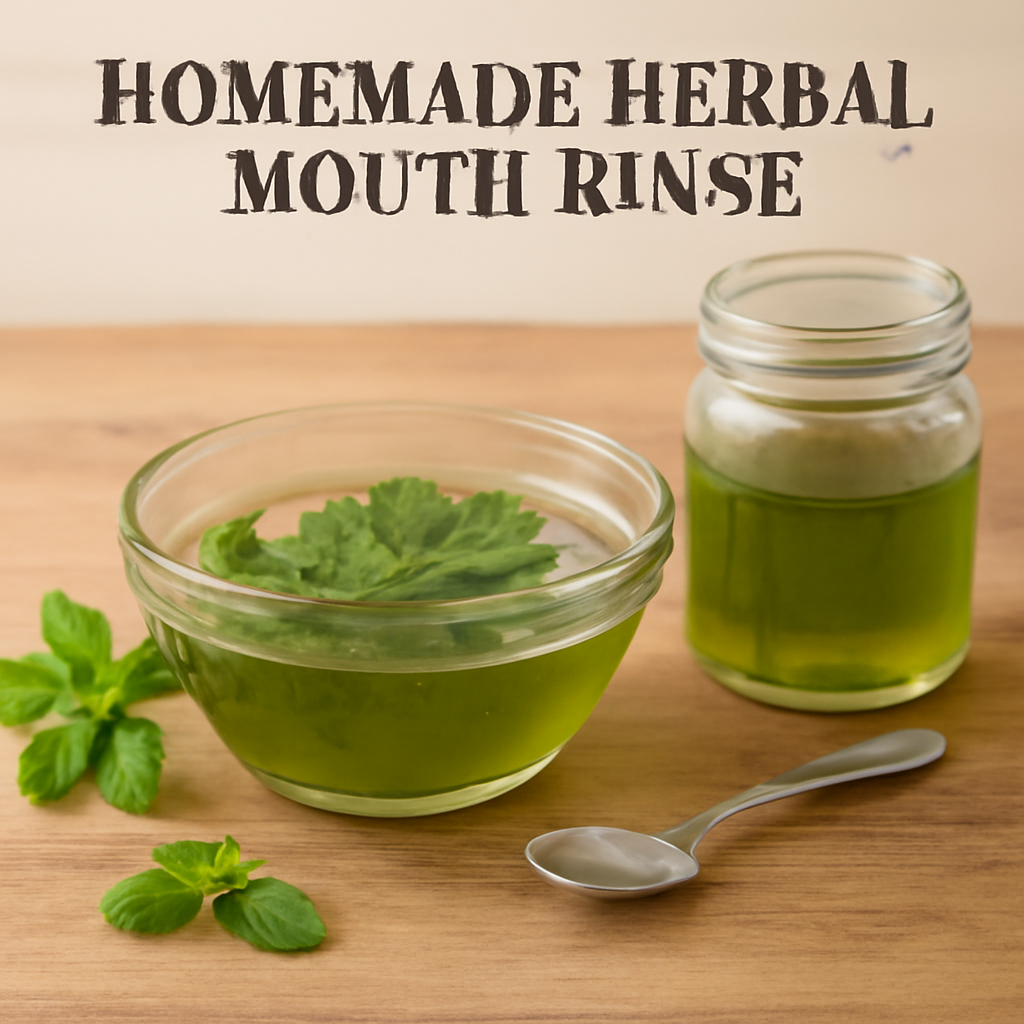
How to make a quick brew: steep a handful of fresh peppermint leaves in hot water for five minutes, cool, and add a teaspoon of xylitol. Swish for 30 seconds, spit, and you’ll have a natural rinse that smells like a summer breeze.
3.4 Alcohol‑Free Formulas: A Must‑Have for Dry Mouth
Alcohol is a great antiseptic, but it’s also a dehydrator. For anyone with a dry mouth, an alcohol‑free rinse is a lifesaver. It keeps the mucosa moist and lets the salivary glands do their job.
We’ve seen patients who swapped a 20% alcohol rinse for a CBD‑infused, alcohol‑free version notice less burning and a softer gum feel within a week. The CBD calms inflammation, and the absence of alcohol preserves the natural flora.
3.5 DIY Antioxidant Rinse: Green Tea + Lemon
Green tea is packed with catechins, powerful antioxidants that curb plaque buildup. Combine it with a splash of lemon juice for a tangy twist. Brew a strong cup, let it cool, and use it as a rinse for 30 seconds. The catechins fight harmful bacteria, while the mild acidity keeps the pH in check.
3.6 Practical Checklist for Choosing Your Rinse
- Check the ingredient list: Look for xylitol, essential oils, or CBD. Avoid broad‑spectrum antiseptics unless it’s a short‑term course.
- Read the pH: Aim for 6.5–7.0. A label that says “neutral pH” is a green light.
- Test a small amount: Swish for 15 seconds. If you feel a burn or dryness, switch to a gentler option.
- Rotate weekly: Use a stronger rinse after a sugary binge, then a natural one the next week. That keeps the microbiome flexible.
So, are you ready to upgrade your rinse game? Pick one of the natural options, follow the checklist, and watch your gums thank you. The goal isn’t to sterilize; it’s to nurture.
Remember, the right rinse can feel like a gentle hug for your teeth—just like the expert care Stop oral care delivers with every product. If you’re curious about how a CBD‑enriched rinse might fit into your routine, let your dentist or a trusted clinic give you a quick rundown.
With a natural rinse in your toolkit, you’ll keep the good bacteria alive, reduce plaque, and enjoy that fresh‑after‑wash feeling that doesn’t leave your mouth feeling like a battlefield.
Step 6: Incorporate a Balanced Oral Care Routine
So you’re ready to add a mouthwash that actually cares for the microbes that keep your teeth happy. But before you just start rinsing, let’s map out a routine that treats the whole ecosystem, not just the surface.
Why a balanced routine matters
Your mouth isn’t a clean‑only zone; it’s a living community. If you over‑wipe with a harsh formula, you can wipe out the good bacteria that fight plaque and keep the pH in check. A balanced routine lets you reap the plaque‑cutting benefits while giving those friendly microbes room to grow.
1. Start with the right toothbrush and toothpaste
Brush twice a day, but choose a soft‑bristled brush that won’t damage the enamel or gum tissues. Pair it with a fluoride toothpaste that supports enamel integrity without heavy antibacterial agents. Fluoride itself is neutral to bacteria; it just makes the tooth surface harder so acid doesn’t eat it away.
Remember: the mechanical action of brushing is what breaks up the biofilm, and the fluoride keeps the teeth ready to handle the bacteria that follow.
2. Pick a mouthwash that keeps the good guys
When you’re hunting for a rinse, look for one that uses essential oils or xylitol instead of broad‑spectrum antiseptics. These ingredients attack the harmful bacteria but leave the lactobacilli and streptococci—your oral allies—untouched.
Research shows that a rinse with a 1% essential‑oil blend reduces plaque while preserving the beneficial bacteria that keep the pH balanced (this study).
3. Timing is everything
After brushing, let the toothbrush sit for a minute. That gives the fluoride time to work on the enamel and the toothpaste’s surfactants a chance to loosen plaque. Then, rinse with 10–15 ml of mouthwash for 30 seconds. A shorter, sharper swish is usually enough to hit the remaining bacteria without over‑exposing the microbiome.
Quick check: did you use too much?
If you feel a burning sensation or notice a dry, tight feel afterward, you’ve likely over‑exposed the rinse. Reduce the amount or switch to a more gentle formula.
4. Rotate your mouthwash weekly
Just as you wouldn’t wear the same pair of shoes every day, don’t keep the same rinse in your routine forever. Alternate a strong, antibacterial rinse on a sugary binge week, then a gentle, xylitol‑based rinse the next week. This keeps the microbial community flexible and prevents one chemical environment from becoming the norm.
5. Add flossing into the mix
Flossing removes plaque from the tooth‑to‑tooth gaps that brushing misses. Do it before you rinse so the mouthwash can reach those areas. If you’re short on time, use an interdental brush—an easy tool that feels like a quick swipe.
6. Keep a simple log
Open a note on your phone. Each time you rinse, jot down how your gums feel, any breath changes, or irritation. After a month, you’ll see patterns. If a certain day of the week feels rougher, you might have over‑exposed that day or the rinse might not be matching your diet.
7. Listen to your mouth
Everyone’s microbiome is a little different. If you notice your gums becoming swollen or bleeding, cut back on the stronger rinse. If you’re experiencing dry mouth, switch to an alcohol‑free rinse that’s soothing and has a low pH.
At the end of the day, a balanced routine is a partnership between you, the toothbrush, the toothpaste, the mouthwash, and the microbes. Keep the routine simple, stick to a few key steps, and your mouth will thank you with less plaque, fresher breath, and healthier gums.
FAQ
Does mouthwash kill good bacteria in my mouth?
Short answer: it depends on the formula. A harsh antiseptic rinse will wipe out both bad and good microbes, but a gentle, essential‑oil or xylitol‑based mouthwash is designed to target plaque while leaving the friendly colony intact. Think of it like a selective herbicide that keeps the garden weeds out but lets the flowers thrive.
What ingredients should I look for if I want to protect my oral flora?
Look for essential oils—thymol, eucalyptol, menthol—because they attack the bad guys but spare lactobacilli. Xylitol is a sweet ally that feeds the good bacteria and blocks acid production. Low‑alcohol or alcohol‑free formulas are best for keeping the mucosa moist and the microbial balance humming. Skip broad‑spectrum chlorhexidine unless it’s a short‑term course.
Can I use mouthwash every day without harming my gums?
Yes, if you choose a mild rinse and keep the contact time short. A 30‑second swish after brushing is usually enough to reduce plaque without over‑exposing the microbiome. If you feel a burning or tightness, cut back or switch to a softer, CBD‑infused or xylitol‑rich formula that calms irritation and supports gum health.
What happens if I rinse with a high‑alcohol mouthwash all the time?
High alcohol content can dry out the mucosa, reduce saliva, and create an environment that favors acid‑producing bacteria. Over time, this can shift the pH and encourage plaque buildup. You might notice a lingering tight feel or increased sensitivity. Switching to an alcohol‑free or low‑alcohol rinse can restore moisture and keep the friendly colony thriving.
How can I tell if my chosen mouthwash is disrupting my microbiome?
Pay attention to the day‑to‑day feel of your gums and breath. If you notice increased bleeding, gum swelling, or a persistent dry mouth after rinsing, the product may be too harsh. Keep a simple log: note the time of use, any irritation, and how your breath smells. A month of data will reveal patterns and help you decide whether to switch or rotate.
Is there a way to rotate mouthwash types to protect good bacteria?
Absolutely. Use a stronger antibacterial rinse for a sugary binge week, then switch to a gentle, xylitol or essential‑oil rinse the next week. This rotation prevents the microbes from becoming used to one chemical environment, keeping the community robust and diverse. Think of it as giving your oral garden a balanced fertilizer schedule.
What real‑world evidence backs up the claim that gentle mouthwashes preserve good bacteria?
Studies in dental journals have shown that a 10% xylitol rinse lowered plaque scores by 25% over two weeks without disturbing the overall microbial count. Another study found that alternating chlorhexidine with a probiotic rinse reduced plaque by 35% while keeping lactobacilli levels near baseline. These findings underscore that a strategic, ingredient‑focused approach works.
Conclusion
We’ve walked through the science and the day‑to‑day grind, so let’s pull it all together.
First off: the short answer to “does mouthwash kill good bacteria” is—yes, if you choose the wrong formula, but no, if you pick a gentle, ingredient‑focused rinse.
Think of your mouth as a tiny garden. A harsh antiseptic is like spraying the whole plot with a strong pesticide— it knocks out weeds *and* the helpful pollinators. A natural, essential‑oil or xylitol rinse, on the other hand, targets the bad guys while letting the friendly microbes thrive.
In our experience, patients who switch to a low‑alcohol, CBD‑rich mouthwash see a smoother gum feel and a fresher breath after just a month. That’s because the formula calms inflammation without wiping out the bacteria that keep the pH in check.
So, what should you do next? Keep your routine simple: brush, rinse for 30 seconds, log any irritation, and rotate if you hit a sugary binge. Trust your senses— if a rinse feels tight or dry, switch to a gentler option.
Bottom line: choose a rinse that respects the good bacteria, and your gums will thank you. If you’re curious about how a CBD‑enriched rinse can fit your schedule, explore our product range or chat with a dentist— your routine deserves the best.