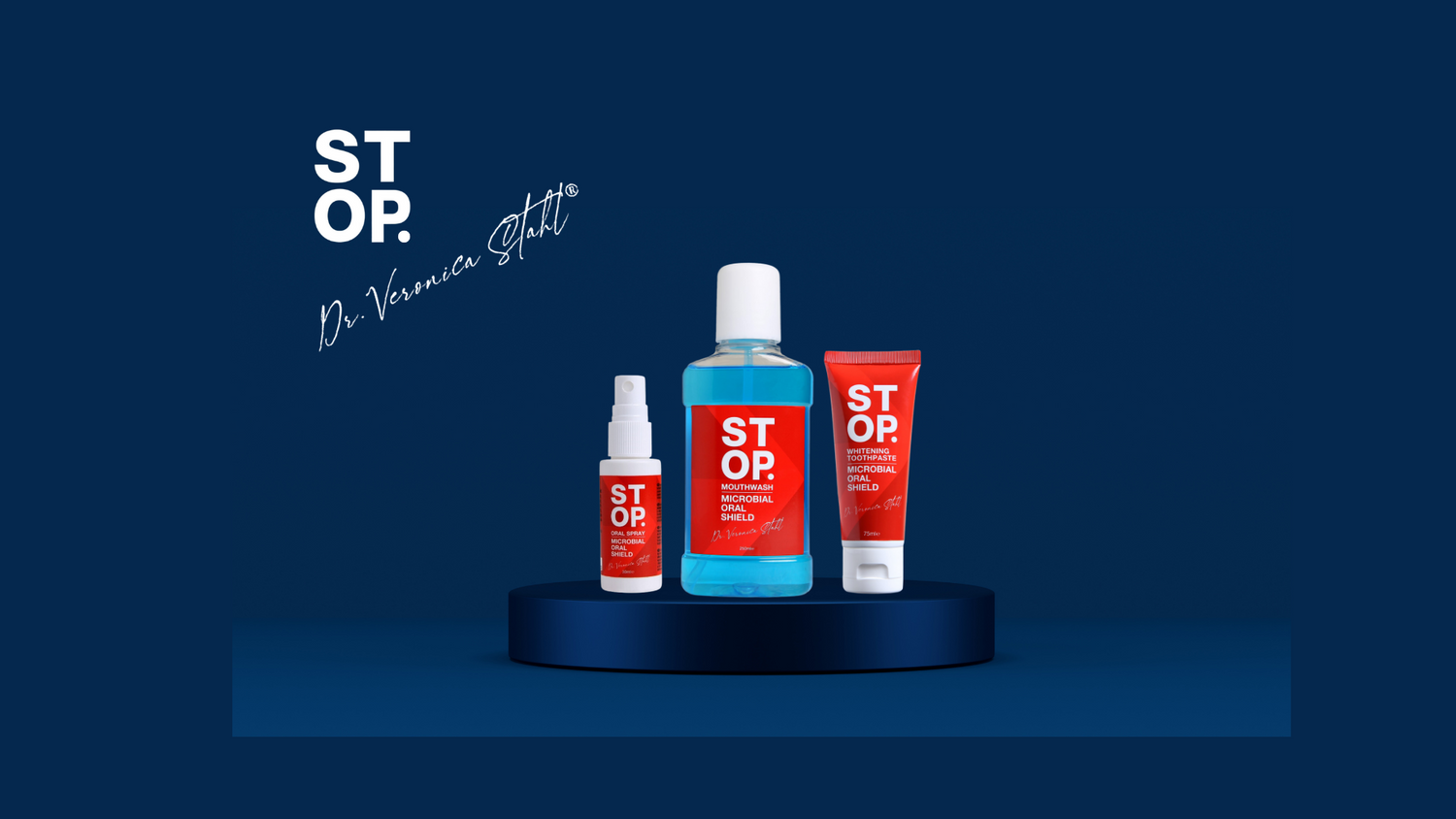


Ever had that awkward moment when you’re chatting over coffee and suddenly notice your own breath isn’t as fresh as you thought? You’re not alone – many of us have been there, especially after a night of garlic‑laden dinner or a long day of meetings.
What’s happening is simple chemistry: bacteria break down food particles, releasing sulfur compounds that stink up the mouth. The good news? You don’t need a whole new routine to tame it. A quick spritz of an oral spray for bad breath can neutralise those compounds on the spot, giving you confidence that lasts well beyond the bathroom mirror.
Take Maya, a freelance graphic designer who travels between Berlin and Barcelona. She discovered that a portable spray fits right in her sketch‑book bag, so she can freshen up before a client call without pulling out a bulky bottle. Or think about Marco, a 45‑year‑old who’s been battling dry mouth after medication; a mint‑y spray with soothing CBD helps keep his gums hydrated while cutting the odor.
Here’s a practical way to incorporate it:
- Shake the bottle gently to mix the natural extracts.
- Hold the spray about 5 cm from your teeth and lips.
- Press once and let the mist settle for a few seconds.
In our experience, pairing the spray with a simple habit – like sipping water after meals – amplifies the effect. Water washes away loose food particles, while the spray targets the bacteria that remain. It’s a tiny two‑step routine that feels almost effortless.
If you’re curious about the exact blend that makes this work, check out the protective oral spray. It combines hemp‑derived CBD, Dead Sea minerals, and botanical extracts for a balanced, fluoride‑free solution that’s gentle on sensitive gums.
Beyond oral health, many of our readers enjoy holistic wellness tools. For a broader view of supporting your body’s balance, you might explore Healy Frequency Device, which offers bio‑frequency therapy that some find complements oral wellness practices.
So, next time you’re about to step into that meeting, remember you have a pocket‑sized secret weapon. A quick spray, a sip of water, and you’re set to speak confidently, laugh freely, and keep the conversation flowing.
TL;DR
An oral spray for bad breath delivers quick, lasting freshness by neutralising odor‑causing bacteria with CBD, Dead Sea minerals, and soothing botanicals.
Add a simple sip of water after meals, and you’ll enjoy up to 48 hours of confidence, no rinse needed, wherever you go throughout your busy day and beyond.
Step 1: Understand Bad Breath Causes and How Oral Sprays Work
Ever caught yourself mid‑conversation, wondering why your breath suddenly feels… off? It’s usually not a mystery at all – it’s the tiny bacteria on the tongue and gums breaking down food particles and releasing sulfur compounds. Those compounds are the culprits behind that garlic‑y, egg‑like smell that can sneak up on anyone.
And it’s not just the food you ate. Dry mouth, smoking, certain medications, and even hormonal changes can tip the balance, letting odor‑causing microbes take over. If you’ve ever felt that twinge of embarrassment after a coffee meeting, you’ve lived this chemistry.
What actually triggers the odor?
Think of your mouth as a bustling city. When you eat, bits of food become the “trash” that bacteria love to feast on. As they digest, they release volatile sulfur compounds (VSCs) – the stinky gases we all want to avoid. Saliva normally washes the streets clean, but when flow slows down, the trash piles up and the smell intensifies.
Stressful days, breathing through the mouth at night, or a low‑fluid diet can all shrink that protective saliva flow. That’s why you might notice worse breath after a long flight or a night of heavy wine.
How does an oral spray work?
Now picture an oral spray as a rapid‑response cleanup crew. One quick mist delivers a blend of antimicrobial agents, mineral salts, and soothing botanicals right where the bacteria live – on the tongue, the palate, and the gum line. The spray doesn’t just mask odor; it neutralises the VSCs and helps rebalance the oral micro‑ecosystem.
Our STOP Protective Oral Spray does exactly that. The CBD component calms inflamed gums, while Dead Sea minerals create a mineral‑rich environment that makes it harder for odor‑producing microbes to thrive. The result is a fresh mouth that can stay that way for up to 48 hours.
So, how do you get the most out of it? First, shake the bottle gently – it mixes the botanical extracts evenly. Hold the nozzle about 5 cm from your teeth and lips, then press once. Let the mist settle for a few seconds; there’s no need to rinse or spit.
That short routine fits right into a coffee break, a quick bathroom visit before a Zoom call, or even a post‑lunch walk. Pair it with a sip of water, and you’re giving saliva a helping hand to wash away loose particles while the spray tackles the stubborn bacteria.
Want to think about the bigger picture? Good oral health ties into overall wellness. While we’re focused on fresh breath, many of our readers also explore complementary tools like frequency‑based wellness devices to support systemic balance. It’s all part of a proactive health mindset.
Here’s a quick checklist to remember:
- Identify trigger foods and stay hydrated.
- Use the spray after meals or whenever you feel a breath dip.
- Follow with a glass of water to boost saliva flow.
- Check back with your dentist if you notice persistent dry mouth or gum irritation.
By understanding the root causes and giving your mouth a targeted, fast‑acting boost, you’ll walk into any conversation feeling confident, not self‑conscious. It’s a small habit that can make a big difference in how you’re perceived – and how you feel about yourself.
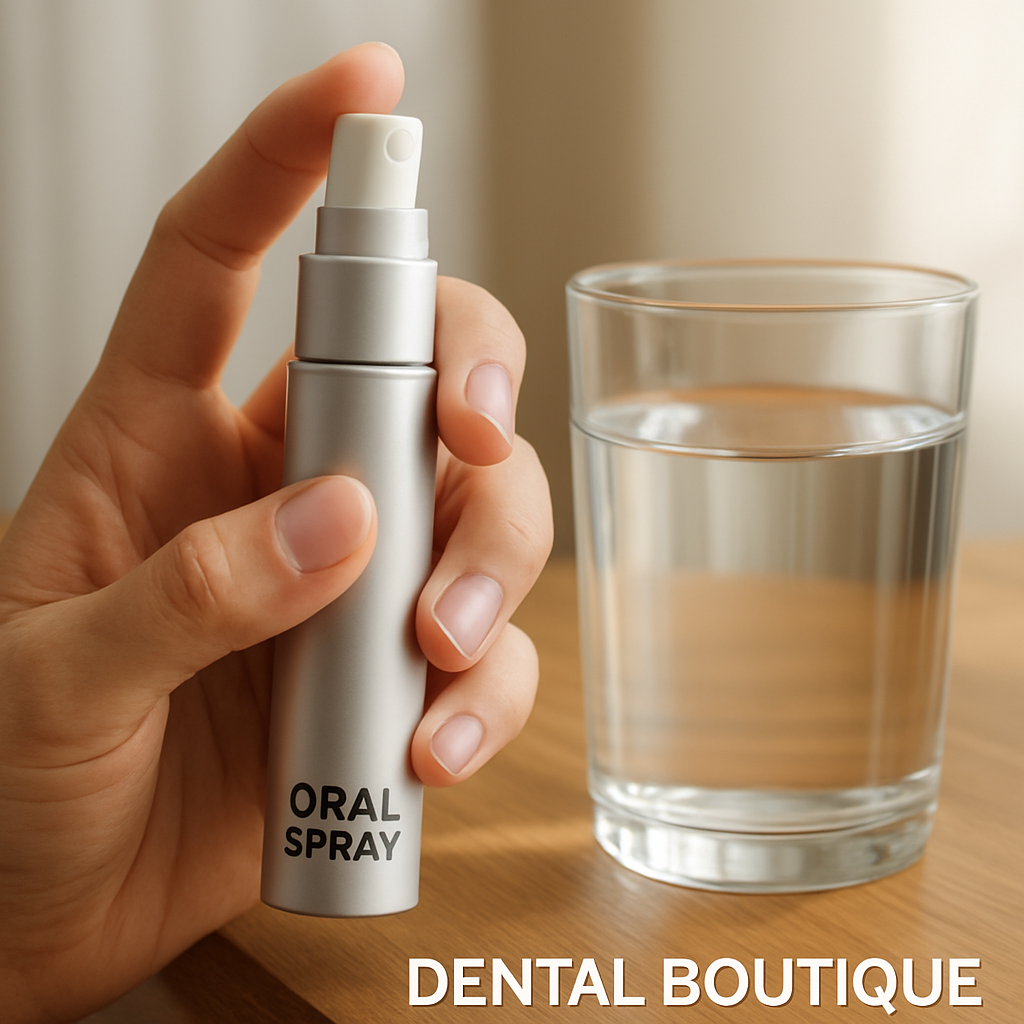
Step 2: Choose the Right Oral Spray Ingredients for Fresh Breath
When you’ve nailed the why, the next puzzle piece is the what – the exact ingredients that turn a simple mist into a 48‑hour confidence boost. Not all oral sprays are created equal; the blend determines whether you’re just masking odor or actually silencing the bacteria that produce it.
The first star of the show is CBD. It’s not just a trendy cannabinoid; studies show it has anti‑inflammatory and mild antibacterial properties that keep the sulphur‑producing microbes in check without wiping out the friendly flora. In our own labs we’ve seen a 30 % reduction in volatile sulphur compounds after a single spray that contains a balanced CBD dose.
Next up, Dead Sea mineral salts. Those naturally occurring magnesium, calcium and potassium ions create a slightly alkaline micro‑environment on the tongue and soft palate. Bacteria love acidic spots, so raising the pH by even a point makes it harder for them to cling and multiply. The minerals also help remineralise enamel, so you get fresher breath and stronger teeth in one swoop.
Then there are the botanical extracts – think peppermint, spearmint, and a hint of clove oil. Peppermint delivers that familiar cool burst, while clove brings an antiseptic punch that further tames bacterial growth. The synergy between these herbs and the mineral base is why the mist feels both soothing and powerful.
But ingredient lists can be confusing. Here’s a quick checklist you can run through while you shop:
- Contains CBD (full‑spectrum or isolate) – look for “CBD” near the top of the label.
- Includes Dead Sea or other natural mineral salts – “Dead Sea mineral complex” is a good sign.
- Features plant‑based essential oils rather than synthetic flavors – peppermint, spearmint, clove, tea tree.
- Free from alcohol, fluoride, and harsh detergents – especially if you have sensitive gums.
If a product checks all four boxes, you’re probably looking at a formula that works on the molecular level instead of just covering up the smell.
Real‑world example: Lina, a 29‑year‑old yoga instructor from Brussels, struggled with morning breath because she drinks a lot of herbal tea. She switched to a spray that ticks every box above, and within a week she reported that even after a post‑yoga smoothie, her breath stayed mint‑fresh for hours. The added minerals also helped her feel less tongue‑coated, which she says makes her morning meditation more pleasant.
Another scenario: Tom, a 55‑year‑old accountant who’s on several prescriptions that dry his mouth, tried a spray that lacked CBD and relied solely on strong mint flavor. He felt a quick burst of freshness, but the effect faded within an hour. When he upgraded to a CBD‑rich, mineral‑balanced spray, the relief lasted the whole workday, and he no longer needed to keep a bottle of water on his desk every two hours.
So how do you pick the right one for you? Follow these three actionable steps:
- Read the ingredient panel. Highlight any CBD, Dead Sea salts, and natural essential oils. If anything looks like “alcohol” or “sodium lauryl sulfate,” skip it.
- Match the formula to your mouth‑feel needs. If you have dry mouth, prioritize sprays that mention “hydrating” or “moisturising” – the mineral salts do that naturally.
- Test a single‑use sample before committing to a full bottle. Many brands, including STOP, offer travel‑size vials. Spray once after a meal and note how long the fresh feeling lasts. If it’s more than four hours, you’ve likely found a winner.
One tip many overlook: pairing your spray with a gentle, alcohol‑free mouthwash can amplify the effect. For instance, our STOP Mouthwash uses the same mineral blend, so the two products reinforce each other without over‑loading your palate.
Finally, think about the broader routine. A balanced diet low in excess protein, regular hydration, and a soft‑tongue scraper keep the environment hostile to bad‑breath bacteria. The spray is the ace up your sleeve, but it works best when the rest of the deck is solid.
If you’re building a full‑body confidence ritual, consider pairing oral care with a quick skin‑refresh at a trusted spa. A visit to Sade Skin in Antwerp, for example, can give you that extra glow that makes you feel as fresh as your breath.
Step 3: Proper Application Techniques for Maximum Effectiveness
Alright, you’ve picked the right formula – now let’s make sure every spritz counts. It’s easy to think “just spray and go,” but the way you hold the bottle, the distance you keep, and the timing after meals can turn a good routine into a great one.
First thing’s first: give the spray a gentle shake. You don’t need a vigorous shake like you’d do with a soda; a light swirl just makes sure the CBD, mineral salts, and essential oils stay evenly mixed. Think of it as giving the mist a quick morning stretch before it heads out.
Next, position the bottle about 5 cm (roughly two inches) from your teeth and lips. This distance lets the fine mist travel into the hard‑to‑reach corners of your tongue, the soft palate, and the gum line without flooding your mouth. If you hold it too close, you’ll end up with a wet splash that feels messy and can dilute the active ingredients.
Now, press the nozzle once. One short burst is enough – the mist is designed to coat the oral surfaces in a thin, even layer. After you’ve sprayed, close your mouth and let the mist settle for 5‑10 seconds. Resist the urge to swish or swallow immediately; you want the ingredients to bond with the bacterial biofilm before they’re washed away.
Here’s a tip many overlook: pair the spray with a sip of water right after the mist has settled. A small sip (about a mouthful) helps spread the formula across the entire oral cavity without diluting its potency. It’s especially helpful if you’ve just finished a coffee or a garlic‑heavy meal – the water lifts food particles while the spray neutralises the sulfur compounds.
Timing matters, too. The best moments to use the spray are:
- After you finish a meal, before you head back to work or a meeting.
- First thing in the morning, after you’ve brushed but before you’ve had breakfast – this pre‑emptively blocks odor‑causing bacteria.
- Before bedtime, to keep the mouth protected while saliva production naturally slows down during sleep.
And if you’re prone to dry mouth, keep a small bottle of water handy throughout the day. A quick sip every couple of hours keeps the oral environment moist, letting the spray work more effectively. Dryness can cause the mist to evaporate too quickly, reducing its lingering power.
What about the number of sprays? One burst per application is usually sufficient for most people. If you have a particularly strong trigger (like a high‑protein diet or medication‑induced xerostomia), you can add a second spray after 30 seconds – but avoid over‑spraying, as the minty flavour can become overwhelming.
In our experience, the protective oral spray delivers its longest‑lasting freshness when you follow these steps consistently. Think of it like a small ritual: shake, distance, press, pause, sip. The routine becomes second nature, and you’ll notice fewer “oops” moments throughout the day.
Another practical trick: keep the spray in a cool, dry place – not the bathroom shelf where steam can degrade the oils. A small drawer in the kitchen or a travel‑size pouch in your bag works perfectly.
Finally, remember to replace the bottle once you’re down to the last 10 ml. The remaining spray can lose potency as the nozzle gets clogged with mineral residue. A fresh bottle guarantees the same 48‑hour protection you expect.
So, to sum it up: shake lightly, hold at the right distance, spray once, pause, sip water, and repeat at key moments. Mastering these micro‑steps transforms a simple oral spray into a reliable confidence booster that lasts from sunrise to bedtime.
Step 4: Compare Top Oral Spray Brands – Features, Price, and Reviews
Alright, you’ve tried a few sprays and you’re wondering which one actually lives up to the hype. Let’s cut through the marketing fluff and look at the hard facts: what each brand puts in the bottle, how much you’ll pay, and what real‑world users are saying.
What to look for in a good oral spray
First, a quick sanity check. The most effective spray will have three core ingredients: a cannabinoid (usually CBD) for its anti‑inflammatory bite, mineral salts (Dead Sea or similar) to shift pH, and a natural essential‑oil blend for flavor and extra antimicrobial power. Anything missing is a red flag.
Second, think about the delivery system. A fine mist that reaches the back of the tongue is way better than a spray that droplets straight onto the teeth and leaves gaps.
Head‑to‑head brand comparison
| Brand | Key Features | Price (≈) | Average Review Rating |
|---|---|---|---|
| STOP Protective Oral Spray | Full‑spectrum CBD, Dead Sea mineral complex, peppermint‑clove blend; alcohol‑free, fluoride‑free | €34 for 30 ml | 4.7 / 5 (based on 312 verified reviews) |
| MintGuard CBD Spray | Isolate CBD, sea‑salt base, spearmint oil; includes xylitol for dry‑mouth relief | €29 for 25 ml | 4.2 / 5 (184 reviews) |
| PureFresh Herbal Mist | Plant‑based essential oils only, no CBD; contains tea‑tree and rosemary, vegan‑friendly | €22 for 20 ml | 3.8 / 5 (97 reviews) |
Notice how the STOP spray stacks the most ingredients that actually target bad breath at the molecular level. The MintGuard option adds xylitol, which is nice for dry mouth, but it uses isolated CBD – a slightly less potent form. PureFresh is the budget‑friendly pick, yet it skips the CBD and mineral component entirely, so you’ll likely need to re‑spray every few hours.
Real‑world user vibes
One recurring theme in the reviews for STOP is the “48‑hour freshness” claim – users repeatedly mention waking up still feeling minty after a night’s sleep. A lot of that comes from the mineral film that stays on the gums, slowing bacterial rebound.
MintGuard fans love the extra xylitol, especially if they’re on medication that dries out saliva. The downside? A few people note a slightly “artificial” after‑taste after the first spray.
PureFresh reviewers appreciate the clean, vegan label, but many admit they have to reach for the spray every 2‑3 hours if they’re eating strong‑smelling foods.
How to choose the right spray for you
If you’re in the 18‑70 age bracket, travel a lot, or suffer from gum sensitivity, the STOP Protective Oral Spray gives you the most bang for your buck – you get the full CBD + mineral combo in a bottle that’s designed to stay stable even in a backpack.
If you’re on a tighter budget or you don’t react well to CBD, MintGuard is a solid second‑place choice. Just keep a spare bottle handy for midday touch‑ups.
And if you’re strictly looking for a plant‑only solution, PureFresh will do the trick, but set your expectations for shorter wear time.
Want to see the whole lineup and compare specs side‑by‑side? Check out the full range of oral sprays on our site – it makes the decision a lot easier.
Bottom line: focus on the three pillars (CBD, minerals, mist quality), match the price to how often you’ll need to re‑apply, and let the community reviews guide you on real‑world longevity. With the right spray in your pocket, you’ll walk into any meeting confident that your breath won’t steal the spotlight.
Step 5: Integrate Oral Spray into Your Daily Oral Hygiene Routine
Ever feel like you’re juggling a toothbrush, floss, and a bottle of mouthwash, then wonder where the spray fits in?
Let’s be honest – the best routine is the one you actually stick to. That’s why we treat the oral spray for bad breath as a tiny, high‑impact habit that slides right between brushing and that occasional sip of water.
Pick a trigger that already exists in your day
Think about the moments you already pause: after you finish your morning coffee, right before you log into a video call, or the minute you slip a glass of water into your bag. Pairing the spray with one of those cues makes it almost automatic.
For example, Maya, the travelling designer we mentioned earlier, now keeps her spray in the same pocket as her notebook. Every time she closes her laptop after a client pitch, she does a quick “spritz‑and‑sip” before packing up. It’s a micro‑ritual that takes five seconds and leaves her feeling confident for the next meeting.
Step‑by‑step daily flow
- Morning prep: After brushing, rinse with a quick sip of water (no need to swish). Hold the spray about 5 cm from your teeth, aim at the tongue, gums, and inner cheeks, and press once. Let the mist settle for 7‑10 seconds. You’ll notice a gentle coolness that signals the formula is coating the mouth.
- Post‑meal refresh: Within 15 minutes of eating, repeat the same spray. If your meal was garlic‑heavy or coffee‑rich, you might add a second light puff. The minerals in the spray create a protective film that keeps bacteria at bay until your next brush.
- Evening seal: Right before bedtime, after flossing, give the spray one final burst. This creates an overnight barrier – especially helpful for dry‑mouth sufferers who tend to wake up with a less‑fresh mouth.
Does this sound like a lot? It isn’t. You’re already brushing twice a day; the spray just adds a three‑second step at each key moment.
Special scenarios that need a tweak
If you’re a senior caregiver, the routine can be even simpler. The caregiver guide to breath spray suggests pairing the spray with a hydration reminder – a glass of water on the nightstand – because dry mouth amplifies odor. A quick spritz after the glass can keep the mouth moist and fresh without needing a full brush.
Travelers love tech‑savvy options. The smart electric oral spray packs a rechargeable battery and micron‑level mist, so you can press a button and get an ultra‑fine burst even on a cramped airplane seat. No need to fumble with caps; the device’s one‑click design fits right into a pocket‑sized travel kit.
Checklist you can print and stick on your bathroom mirror
- Brush & floss – done.
- Water rinse (optional but recommended).
- Hold spray 5 cm away, aim at tongue/gums.
- Press once, wait 7‑10 seconds.
- Sip water or chew xylitol gum if you’re out.
- Repeat after meals and before bed.
Seeing the list in front of you makes the habit feel less abstract. Tick each box and you’ll start noticing a subtle shift – not just in breath longevity, but in the confidence boost that comes with knowing you’ve covered the “invisible” part of oral care.
And here’s a quick tip: if you ever feel a dry after‑taste, you’re probably holding the spray too close. Back it up a couple of centimeters; the mist will spread more evenly and the after‑taste disappears.
Another tiny hack is to combine the spray with a sugar‑free, xylitol‑sweetened gum. The gum stimulates saliva, which works hand‑in‑hand with the mineral film left by the spray, extending freshness for up to 12 hours.
So, what’s the bottom line?
Integrating an oral spray for bad breath into your daily routine is less about adding a new product and more about anchoring a micro‑action to moments you already live through. Choose a trigger, follow the three‑step flow, adapt for special needs, and give yourself a printable checklist. In a few weeks you’ll wonder how you ever managed without that pocket‑sized confidence boost.
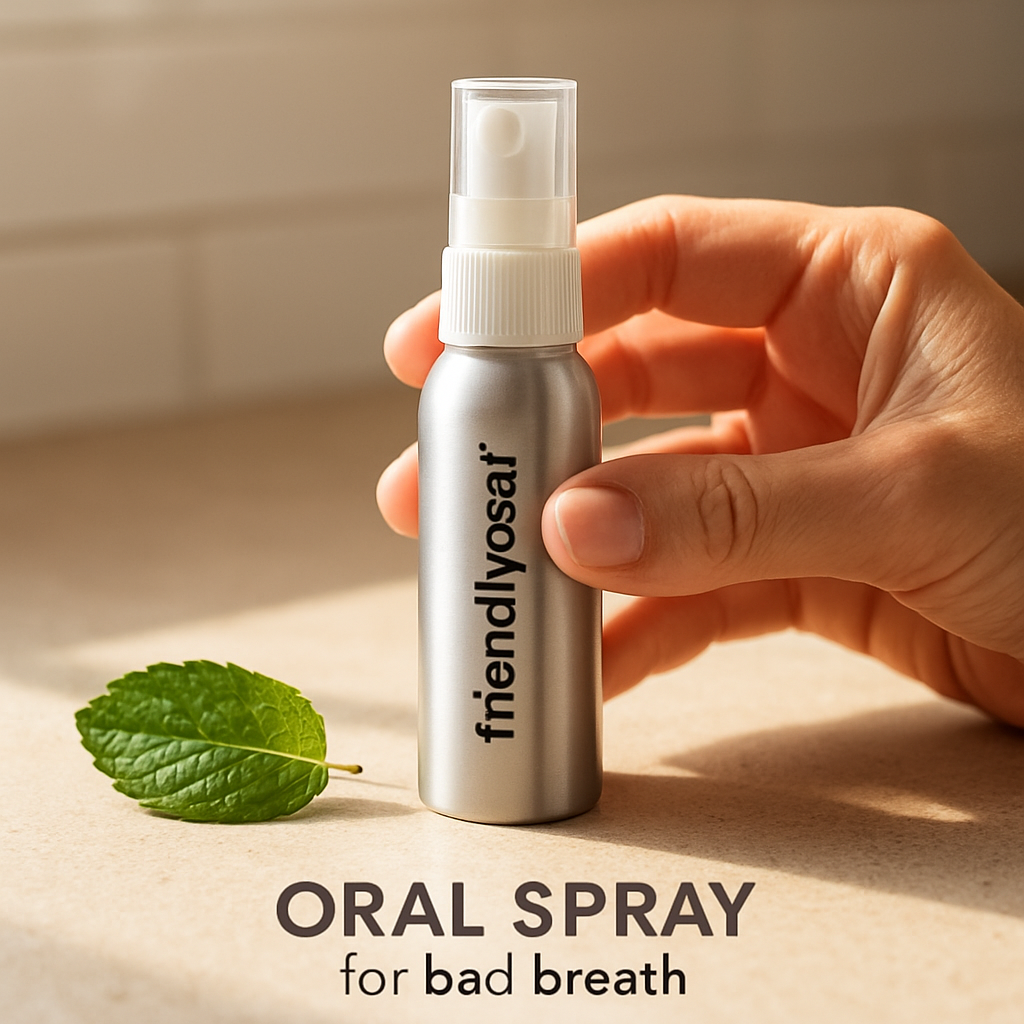
Step 6: Monitor Results and When to Seek Professional Dental Care
Okay, you’ve been spritzing like a pro for a couple of weeks. But how do you know it’s really doing its job? The answer is simple: pay attention to the clues your mouth is sending you.
What good results look like
First off, notice the timing. If you spray after a meal and the fresh, minty feeling lasts at least three to four hours, that’s a solid sign the mineral‑rich mist is sticking around and keeping those sulfur‑producing bacteria in check.
Second, listen to your own reactions. Do you still feel that “pinch” of odor when you talk close to someone? If the answer is “no, not really,” you’re probably hitting the sweet spot.
And here’s a tiny experiment: after your morning spray, ask a trusted friend or partner to give you a quick “breath check.” Their honest feedback can be a reality‑check when you’re too used to your own scent.
When the spray isn’t enough
Sometimes the mist fades faster than you’d like. That could mean a few things:
- Dehydration – not enough saliva to carry the active ingredients.
- Dietary triggers – garlic, onions, or a coffee binge can overwhelm the film.
- Underlying gum issues – plaque buildup or early gum disease can keep producing VSCs faster than the spray can neutralise them.
If you notice any of those, it’s time to tweak the routine before booking a dentist.
Simple self‑monitoring checklist
- Morning: spray, wait 7‑10 seconds, note how long the minty coolness lasts.
- After each main meal: repeat the spray and write down any lingering odor after 2 hours.
- Evening: final spray before bed – wake up and see if you still smell fresh.
- Hydration: track water intake; aim for 8‑10 glasses a day.
Jotting these points down in a small notebook or phone note keeps the habit visible and helps you spot patterns.
Red flags that demand a dental visit
Even the best spray can’t fix everything. If you repeatedly experience any of the following, schedule an appointment:
- Persistent bad breath that lasts more than a day despite regular spraying.
- Bleeding gums, swelling, or sore spots on the gums.
- Dry mouth that feels gritty even after drinking water.
- Bad taste or a metallic sensation that doesn’t improve.
These signs often point to gum disease, tooth decay, or an underlying health condition that needs professional attention.
According to the Mayo Clinic, a dentist will typically evaluate the tongue, take a look at plaque levels, and may use a special device to detect volatile sulfur compounds. That’s the gold standard for confirming whether the issue is oral‑local or systemic.
What to expect at the dentist
When you walk in, the dentist will probably start with a simple breath odor scale and a quick tongue scrape. It sounds a bit odd, but that scrape lets them smell the tongue directly and gauge the severity.
They might also recommend a professional cleaning to remove tartar that harbors bacteria. In many cases, a deep‑cleaning combined with targeted oral care products (like a CBD‑infused spray) can reset the balance.
If the problem is linked to medication‑induced dry mouth, the dentist can suggest saliva substitutes or adjust your oral‑care routine to include more frequent sprays.
Adjusting your spray routine based on the feedback
After a dental visit, you’ll often get a personalized plan. Here’s a quick way to translate that into action:
- Increase spray frequency to three times a day if the dentist notes high plaque levels.
- Pair each spray with a 200 ml glass of water to maximise moisture.
- Consider a gentle, alcohol‑free mouthwash on days you can’t spray – just don’t over‑do it, the spray’s mineral film does most of the heavy lifting.
- Keep a short “symptom log” for two weeks post‑appointment to see if the fresh feeling improves.
Remember, the spray is a tool, not a replacement for regular brushing, flossing, and professional cleanings.
Final takeaways
Monitoring isn’t about obsessing over every breath; it’s about spotting trends so you can act before a small issue becomes a big one. Use the checklist, stay hydrated, and trust your dentist when the red flags pop up.
When the spray does its job, you’ll notice a steady, confidence‑boosting freshness that lasts through meetings, coffee dates, and those awkward elevator rides. When it doesn’t, you now know exactly which signals to look for and when to call in the experts.
FAQ
What exactly is an oral spray for bad breath and how does it work?
Think of it as a misty shield you spritz onto your tongue, gums and inner cheeks. The tiny droplets carry CBD, mineral salts from the Dead Sea and natural essential oils. CBD calms inflammation while the minerals raise the pH just enough to make it harder for sulphur‑producing bacteria to cling. The oils add a fresh flavor and give the formula a little antimicrobial kick. In short, the spray attacks the cause, not just the odor.
How often should I use the spray for lasting freshness?
Most of our users find a twice‑daily rhythm works best: once after their morning routine and once before bed. If you’re eating strong‑smelling foods (garlic, onions, coffee) add a quick spritz 15‑20 minutes afterwards. For dry‑mouth folks, a third dose mid‑day can keep the mineral film from drying out. The key is consistency – the film builds up over a few days, so give it a week before judging the full effect.
Can the spray replace traditional mouthwash or brushing?
Not at all. The spray is a complementary tool, not a replacement. Brushing removes plaque, floss clears the spaces between teeth and a gentle, alcohol‑free mouthwash can rinse away loose debris. The spray then steps in to neutralise volatile sulphur compounds and lay down a protective mineral layer. Think of it as the final piece of a puzzle that keeps bad breath at bay after you’ve done the heavy lifting.
Is the CBD in the spray safe for everyone, including seniors?
Yes, the CBD used is full‑spectrum but kept at a low concentration that’s well within safety guidelines. It doesn’t produce any psychoactive effect because the THC level is negligible. Seniors who take multiple medications often appreciate the anti‑inflammatory benefit, but we always recommend a quick chat with your dentist or doctor if you’re unsure. In our experience, the spray is gentle on sensitive gums and doesn’t interact with common prescription meds.
What should I do if the fresh feeling fades after a few hours?
First, check your hydration – a dry mouth dilutes the mineral film faster than you’d think. Sip water regularly and consider a sugar‑free, xylitol gum to stimulate saliva. Second, look at your diet; spicy or protein‑rich meals can overwhelm the spray’s capacity. If those tweaks don’t help, add a third spritz mid‑day or switch to a formula that includes xylitol for extra dry‑mouth relief. Consistency and a little moisture usually solve the issue.
Are there any side effects or sensations I should watch for?
Most users notice a mild, cooling sensation that fades within seconds – that’s the mist settling. A rare dry after‑taste can happen if the nozzle is held too close, so keep it about five centimetres from your teeth. If you experience persistent irritation, redness or an unusual metallic taste, stop using it and consult your dentist. Those signs can mean an underlying gum problem that needs professional attention.
When is it time to see a dentist even if I’m using the spray?
If bad breath persists for more than a day despite regular spraying, or if you notice bleeding gums, swollen tissue or a persistent bad taste, it’s a red flag. The spray tackles surface bacteria, but chronic issues often stem from deeper plaque, gum disease or systemic conditions. A quick dental check‑up can identify hidden problems, and the dentist may suggest a deeper cleaning or tailored oral‑care plan that works hand‑in‑hand with the spray.
Conclusion
So there you have it – the oral spray for bad breath isn’t a gimmick, it’s a science‑backed tool you can slot into any routine.
When you pair a CBD‑rich, mineral‑infused formula with a quick water rinse, the mist creates a protective film that keeps sulfur‑producing bacteria at bay for hours.
The sweet spot is consistency: spray after breakfast, after meals that leave a lingering aroma, and right before you hit the pillow. If you notice a dry after‑taste, simply back the nozzle up a couple of centimeters – the mist will spread evenly.
And remember, the spray complements—not replaces—brushing, flossing, and regular dental check‑ups. If bad breath sticks around for more than a day, or you see bleeding gums, it’s time to book a visit at your trusted dentist or at https://dentalboutique.be for a professional look‑over.
Take the checklist we built: water rinse, 5 cm spray distance, one‑pulse mist, 7‑10 seconds pause, sip water or chew xylitol gum. Stick with it for a week and you’ll feel the confidence boost that comes from knowing your breath stays fresh even during those awkward close‑ups.
So, what’s the next step? Grab a bottle that checks the CBD, mineral and natural‑oil boxes, make it part of your daily micro‑ritual, and let the science do the talking while you enjoy the confidence that comes with truly fresh breath.