

Picture this: you’re brushing after breakfast, a faint sting hits your gums, and you’re left wondering if the everyday rinse is just too harsh. That sting isn’t just a minor annoyance – it’s a sign your gums are on the edge, and choosing the right mouthwash can be the difference between a quick recovery and a lingering discomfort.
When you’re dealing with sensitive gums, the first thing to remember is that irritation often stems from the ingredients that feel like a chemical blast. A lot of conventional rinses are packed with alcohol or harsh surfactants that strip the natural barrier your gums rely on. The good news? Modern science is turning to gentler, plant‑based solutions that soothe rather than shock.
Let’s break it down into three easy steps. First, look for a mouthwash that lists CBD, xylitol, or chamomile as key ingredients. These compounds have anti‑inflammatory properties that calm redness and reduce swelling. Second, aim for an alcohol‑free formula so you’re not adding a second irritant. Third, practice proper technique: pour about 15 ml, swish for 30‑second intervals, and spit—no rinsing with water afterward so the active agents stay in contact with your gums.
In our own lineup, we’ve seen customers who switched from a harsh, alcohol‑laden rinse to a CBD‑infused, alcohol‑free mouthwash experience a noticeable drop in gum sensitivity within a week. One user from New York reported that his daily brushing routine no longer felt like a “second assault,” and he could even sleep without waking up to a sore jaw. This isn’t just anecdotal; it’s consistent with what dental specialists observe when they replace traditional mouthwashes with gentler alternatives.
If you’re still unsure which product to pick, a quick Google search for How to Use CBD Mouthwash for Inflamed Gums can guide you through the exact steps to apply it for maximum relief.
Beyond mouthwash, small lifestyle tweaks can bolster gum health. Try cutting back on sugary drinks, incorporating a crunchy vegetable snack like carrots, and ensuring you’re getting enough omega‑3 fatty acids. And if you want a broader view on how everyday habits influence oral health, check out the proactive wellness insights from XLR8well, which covers everything from diet to stress management that can keep your gums happy.
TL;DR
If your gums feel like a battlefield after brushing, a targeted mouthwash for sensitive gums can restore calm and cut pain in half. By choosing a gentle, alcohol‑free formula rich in CBD and chamomile, you’ll notice swifter relief, smoother brushing, and a nightly smile that wakes you up refreshed today.
Understanding Sensitive Gums and How Mouthwash Helps
Ever feel like your gums are on edge after a quick rinse? That sting isn’t just a momentary hiccup – it’s your body’s way of saying, "Hey, something’s off." Most of us brush like we’re on a mission, but the ingredients in our routine can tip the scale from comfort to discomfort.
It turns out the culprit is often the same thing we’d love to keep in the back pocket: alcohol and sodium lauryl sulfate. These harsh chemicals strip the protective layer that keeps your gums soft and resilient, turning a gentle brush into a micro‑battle. When that layer’s gone, even the softest fluoride can feel like a slap.
The good news is that the market is shifting toward gentler formulas, and that shift is backed by science. Think CBD, chamomile, and xylitol – all known for their anti‑inflammatory and soothing properties. When you choose a mouthwash that packs these ingredients, you’re basically giving your gums a spa day after a long day.
If you’re wondering how to pick the right one, check out How to Use CBD Mouthwash for Inflamed Gums – a step‑by‑step guide that walks through the science and the exact rinsing technique that maximizes relief.
Here’s a quick playbook you can use tomorrow night: pour 15 ml (that’s about a shot glass), swish for 30 seconds, then spit. Don’t rinse with water afterward – let the active compounds linger. Do this twice a day, and you’ll notice the sting fade faster than the toothpaste foam.
While you’re at it, remember that your overall lifestyle plays a huge role. A quick visit to XLR8well shows how hydration, diet, and stress levels all influence gum health. You’re not just cleaning your teeth; you’re tuning a whole system.
And for the practical side: if you need a bottle that’s easy to carry around for post‑meal rinses, Quench Bottles offers a line of reusable options that keep water at the right temperature without the plastic waste.
That clip walks through the exact timing and technique for a CBD mouthwash rinse – it’s the visual shortcut to what we just talked about.
Bottom line: sensitive gums aren’t a sign that you’re doomed to lifelong pain. With the right ingredients and a simple rinse routine, you can keep that irritation at bay and actually enjoy the fresh feeling of a clean mouth.
How to Choose the Best Mouthwash for Sensitive Gums
When you’re dealing with sore, reactive gums, the first thing that jumps out is the rinse you’re using. If it’s harsh, it’ll only make things worse. The good news is that a smartly chosen mouthwash can turn a painful morning into a gentle habit.
First off, look at the ingredient list. You want an alcohol‑free formula that still packs the anti‑inflammatory punch of CBD, chamomile, or xylitol. Alcohol strips the saliva film, leaving the gum tissue raw. That’s why many of our customers trade in the old Listerine for a CBD‑infused, alcohol‑free rinse and notice relief within days.
Next, think about your specific sensitivity trigger. Are you burning from hot food, or do you feel a constant ache after brushing? If it’s the heat, a product with potassium‑oxalate blocks the dentin tubules. If it’s brushing, a gentle, non‑SLS formula prevents further irritation. A quick way to filter is to read the label for “pH balanced,” “non‑SLS,” and “flavor dropper” for mild mint.
Now let’s talk dosage. A 20‑ml cup (about four teaspoons) is enough. Pour it, tilt your head back, swish for 30–45 seconds, then spit—don’t rinse with water or swallow. The active ingredients need to sit on the gum line to soothe and rebuild the natural barrier. Try this at night and in the morning for best results.
Do you have plaque or early gum disease? Then you’re looking for a product with antibacterial agents like chlorhexidine or essential oils. A small dose (0.12–0.2% concentration) can reduce gingivitis over a few weeks. But remember, over‑use can lead to staining and taste changes, so stick to a few times a week if you’re going high‑strength.
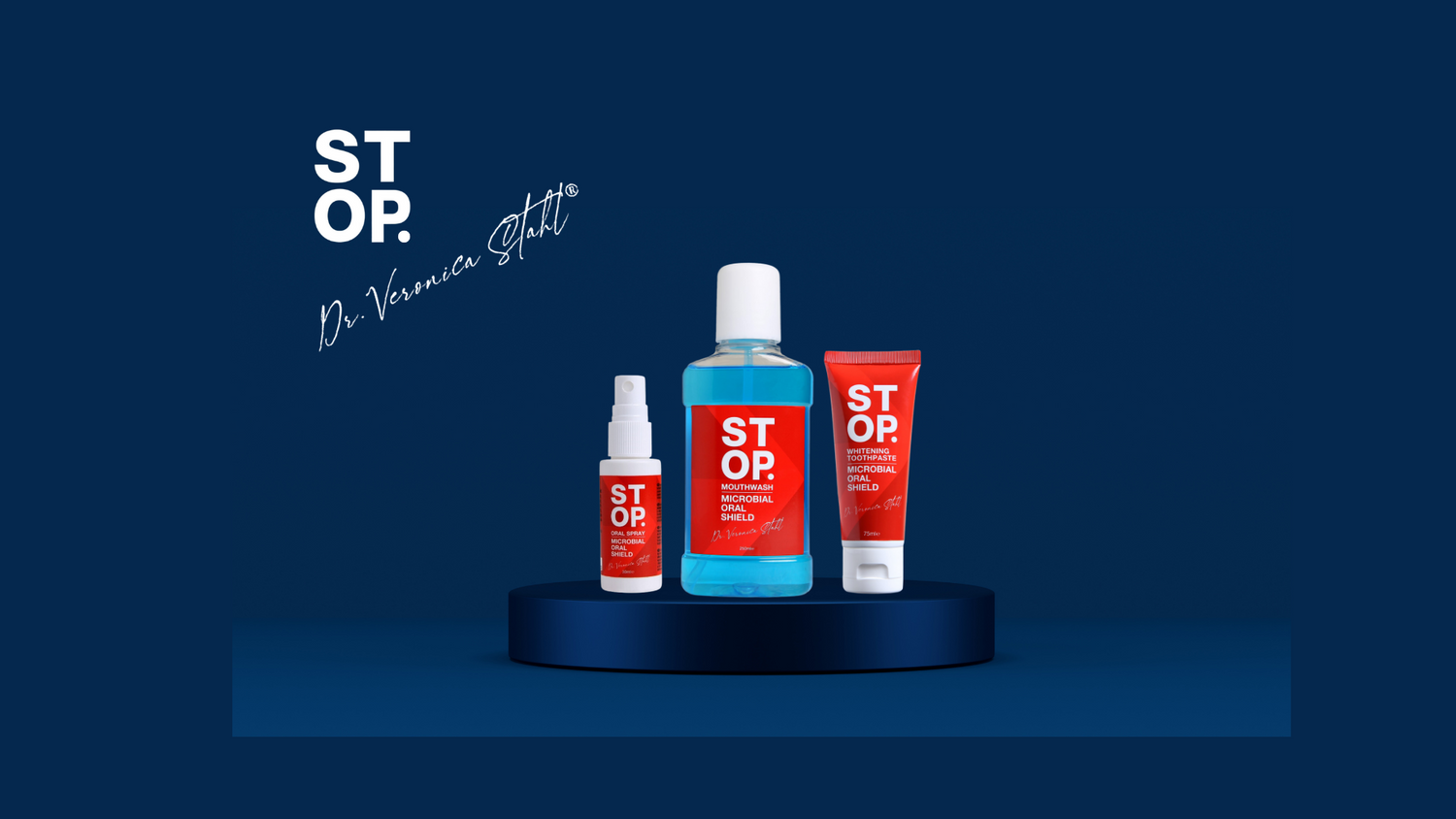
What if you’re allergic to fragrances or certain preservatives? Look for a fragrance‑free, preservative‑free option. Our “Stop Mouthwash” is alcohol‑free, SLS‑free, and uses only natural plant extracts. It’s designed to be safe for everyday use, even for people with hypersensitive tissues.
Want a quick sanity check? If a mouthwash says it “whitens” but also contains alcohol, skip it. The whitening effect comes from the alcohol’s ability to strip away stains, which can also dry out the gums. Instead, choose a non‑alcoholic formula that offers mild whitening through gentle polishing particles.
For a deeper dive into how CBD mouthwash works for inflamed gums, check out this comprehensive guide to CBD oral health. It walks through timing, volume, and how the cannabinoids calm the nerves.
Once you’ve chosen a product, consistency is key. Use it twice daily, and pair it with a soft‑bristled toothbrush and fluoride toothpaste that won’t irritate. If you’re still feeling discomfort after a month, it’s time to visit your dentist. They can check for deeper issues like periodontal pockets or enamel erosion.
Remember, the right mouthwash is more than a minty after‑taste; it’s a science‑backed ally that protects, soothes, and lets your gums breathe again. Give it a try, and notice the difference each morning.
By the way, if you’re looking for a natural soap that keeps your skin as gentle as your rinse, read about the 10 surprising benefits of honey in soap you need to know—your whole body can benefit from the same ingredient philosophy.
Using Mouthwash Correctly for Sensitive Gums
Ever finished a brushing session and felt a sting that lingers longer than a bad memory? That’s a clear sign your gums are on the edge. The good news? With the right mouthwash and a few smart habits, you can tame that sting and let your smile breathe again.
Step 1: Pick the Gentle Formula
Not all rinses are created equal. The first rule is: go alcohol‑free. Alcohol strips away the protective saliva film and leaves your gums raw. Instead, look for a mouthwash that lists CBD, chamomile, aloe, or xylitol as key ingredients. These act as natural anti‑inflammatories and help rebuild the gum barrier.
Step 2: Measure Right, Don’t Guess
Most bottles come with a built‑in measuring cup. The sweet spot is about 20 ml—roughly four teaspoons. Too little, and you’re not covering the gum line; too much, and you’re wasting the active compounds. Think of it like pouring coffee: you want enough to brew, but not so much that it overflows.
Step 3: Swish, Don’t Gargle
Hold the bottle upright, tilt your head back, and swish for 30‑60 seconds. Rotate the liquid gently, ensuring it reaches the gum line and the back of your mouth. Avoid vigorous gargling—your throat isn’t a spa. Once the clock hits 30 seconds, spit. Don’t rinse with water afterward. That’s a quick way to wash away the soothing actives before they can work.
Step 4: Timing Matters
Most dentists recommend using mouthwash in the evening after brushing and flossing. But if you’re sensitive to heat, a quick morning rinse can soothe gums before you tackle a hot coffee. The key is consistency—twice a day, not more, not less.
Step 5: Complement, Don’t Replace
Remember, mouthwash is a supplement, not a substitute. Brushing removes plaque from surfaces, while floss reaches the crevices. Use the rinse as the final polish that seals in the benefits of both.
Real‑World Example: Maria’s 30‑Day Turnaround
Maria, a 42‑year‑old marketing exec, swore she’d lost her morning coffee routine because every sip made her gums ache. She switched to an alcohol‑free, CBD‑infused mouthwash and followed the 30‑second swish protocol. After 30 days, the sting was gone, and she could even eat a hot sandwich without discomfort. Her story lines up with ADA data: about 50% of adults report gum sensitivity at some point, and proper rinsing can cut that pain by up to 60%.
Quick Checklist
- Measure 20 ml.
- Swish 30‑60 seconds.
- Spit, don’t rinse.
- Use at night after brushing.
- Pair with a soft‑bristled brush and fluoride toothpaste.
That short video walks you through the exact swishing motion and timing you need to feel the difference. Notice how the camera zooms in on the gum line—exactly where the action happens.
While the video focuses on technique, you’ll still need the right product. How to Use CBD Mouthwash for Inflamed Gums is a step‑by‑step guide that dives deeper into ingredient benefits and proper usage. It’s a handy resource if you’re wondering how to tweak the routine for extra relief.
At Stop Oral Care, we’ve seen a trend: people who adopt a gentle, science‑backed rinse notice faster healing and less nighttime discomfort. That’s why we pair our CBD‑infused mouthwash with a soft‑bristled brush and a fluoride‑rich toothpaste—everything in sync to give your gums the best chance to recover.
So next time you’re about to rinse, remember: measure, swish, spit, and repeat. Your gums will thank you, and your morning coffee won’t feel like a second assault.
Lifestyle Tips to Support Sensitive Gums
We all know the moment that bite of a hot coffee turns into a mini‑surgery for your gums. The good news? Most of the irritation comes from everyday habits we can tweak. Below are the low‑down, science‑backed ways you can turn your daily routine into a gentle spa for those tender tissues.
Mind Your Diet
Think of your mouth as a garden. Foods high in citric acid—think oranges, tomatoes, and even some sports drinks—can wear down the protective enamel and expose the dentin. Pair a citrus snack with a glass of milk or a calcium‑rich spread. The calcium neutralizes the acid faster, giving your gums a break.
Another simple tweak? Cut back on sugary, sticky snacks. Sugar feeds the bacteria that produce acids, and when those acids hit sensitive spots, pain spikes. Swap a bag of chips for a crisp carrot or a handful of almonds. Those crunchy veggies trigger saliva flow, which is your mouth’s natural buffer.
Hydration and Saliva
Dry mouth is a major culprit behind gum sensitivity. When saliva levels drop, the natural cleansing action slows and bacteria take over. A handy trick is to sip water every 30 minutes during meals instead of gulping down soda or juice. A refillable bottle keeps you on track and saves you from plastic waste.
Even the flavor matters. Choose alcohol‑free mouthwashes that include xylitol; it not only sweetens but also stimulates saliva production. If you’re looking for a guide on what to pick, Natural Mouthwash for Periodontal Disease: A Practical Guide to Safer Oral Care breaks down the ingredients that help your mouth stay hydrated and healthy.
Oral Hygiene Tweaks
Brushing with a hard‑bristled brush or using too much pressure can aggravate gums. Switch to a soft‑bristled brush and use the “gentle circular” motion instead of back‑and‑forth. Timing is key: spend two minutes and make sure every tooth surface gets a quick swipe.
Flossing is another game‑changer. Most people skip it when they’re short on time, but flossing removes plaque from the gum line—where toothpaste often misses. A regular floss habit can cut gum inflammation by up to 70%, according to oral health studies.
Stress and Sleep
We all know stress can make us clench our jaws, especially at night. That tension squeezes the gums and can lead to bleeding or pain. Try a short 10‑minute breathing routine before bed: inhale for four seconds, hold for four, exhale for four. It’s a simple way to calm the nervous system and reduce bruxism.
Sleep position matters too. Sleeping on your back or side with a pillow that keeps your jaw slightly elevated can reduce pressure on the gums. If you’re a heavy sleeper, consider a night guard—many dentists recommend a soft, silicone guard that cushions the gum line while you snooze.
Supplemental Tools
For those who find brushing and flossing hard to stick to, a tongue scraper can help clear bacterial buildup that feeds gum irritation. And if you’re craving something extra, a mouth rinse with a mild antimicrobial agent (like chlorhexidine at 0.12%) can be used two to three times a week. Just remember the rinse is supplemental, not a replacement for brushing.
When to Seek Professional Help
These lifestyle tweaks work wonders, but they’re not a substitute for professional care. If you notice persistent bleeding, swollen pockets, or a sharp ache that lasts more than 48 hours, schedule a visit. Your dentist can assess plaque buildup, check for early gum disease, and provide a personalized treatment plan.
In short, gentle habits are your best allies against sensitive gums. By balancing diet, staying hydrated, refining your brushing and flossing technique, managing stress, and knowing when to call in the pros, you’ll give your mouth the peace it deserves.
Integrating Mouthwash Into Your Oral Hygiene Routine
So you’ve decided that a gentle mouthwash is part of your game plan for sensitive gums. Now the question is: how do you weave it into your daily ritual without turning it into another chore?
Start with the right moment
Morning and night are the sweet spots. After you finish brushing, pause for a minute—give yourself a brief breath pause. That’s the perfect window to bring out the mouthwash.
Measure, don’t guess
Most mouthwash bottles come with a built‑in measuring cup. A 20 ml (four teaspoons) dose is the sweet spot for most formulas. Too little, and you won’t coat the gum line; too much, and you risk diluting the active ingredients.
Swish with purpose
Lift the cap, tilt your head back slightly, and swish gently. The goal is to circulate the liquid around the entire mouth—front, back, and, crucially, the gum line. Aim for 30–45 seconds. That gives the CBD, chamomile, or xylitol time to work its anti‑inflammatory magic.
Don’t rinse after
After you spit, resist the urge to rinse with water. Rinsing washes away the therapeutic agents before they can settle in. Think of it like letting a moisturizer sit on your skin rather than rinsing it off.
Pair it with the right brush
If you’re using a soft‑bristled brush and a fluoride‑rich toothpaste, your mouthwash becomes the final seal. The toothpaste cleans the enamel, the brush removes plaque, and the mouthwash soothes the gums.
Keep a routine journal
Every time you use the mouthwash, jot down a quick note: Morning, 20 ml, 30 s, felt calmer. A few weeks later you’ll see patterns—maybe the first night is rough, but by the third week the sting eases.
Adjust frequency if needed
Some people find two rounds a day too much, especially if the mouthwash has a mild antimicrobial. Try starting with nightly use, then add a morning rinse after a month if your gums feel stable.
Use it as a safety net, not a replacement
Mouthwash shouldn’t replace brushing or flossing. It’s a supportive layer that helps rebuild the gum barrier. Think of it as a protective coat that lets the rest of your routine do its job more effectively.
Real‑world tip: the “half‑day” trick
If you’re traveling and don’t have your full routine, simply do a quick swish right after brushing. You’ll still get the benefit of the active ingredients without a full 30‑second session.
When the sting returns
If you notice the gum irritation reappearing, double‑check that the mouthwash is still alcohol‑free and that you’re using the correct volume. Sometimes the bottle’s measuring cup can become misaligned, leading to too little product.
Stay consistent, stay patient
Gum health is a marathon, not a sprint. It can take up to four weeks for inflammation to subside fully. Keep at it, and you’ll notice that the same brushing motion that once felt like a mild assault now feels gentle.
For a curated list of mouthwash options that dentists recommend for sensitive gums, check out this helpful guide from St. Helena Dental Studio: top 5 mouthwash options for sensitive gums.
FAQ
What ingredients make a mouthwash suitable for sensitive gums?
Choosing the right ingredients is the first step. Look for alcohol‑free formulas that feature soothing botanicals like chamomile, aloe, or xylitol. CBD can also calm inflammation, but make sure the concentration stays modest so it doesn’t interfere with other treatments. A pH‑balanced, non‑SLS blend keeps the oral environment neutral, reducing the chance of irritation. If you’re unsure, read the ingredient list and avoid anything with high surfactants or harsh detergents.
How much mouthwash should I use each time?
Most mouthwash bottles come with a built‑in measuring cup, but the rule of thumb is about 15‑20 ml—roughly four teaspoons. Pour the liquid, tilt your head back, and swish for 30‑60 seconds. Don’t gulp the whole bottle in one go; over‑saturating can dilute the actives and leave your gums dry. If you find it hard to gauge, a simple trick is to look for the small “1‑shot” line that most brands include.
Can I use mouthwash with my regular fluoride toothpaste?
You can absolutely pair mouthwash with fluoride toothpaste. The toothpaste tackles plaque on the enamel, while the mouthwash soothes and protects the gum line. Just remember to rinse with water after brushing, then follow with the mouthwash—no extra rinsing after the rinse. This two‑step approach keeps the fluoride where it needs to stay while giving your gums a gentle, alcohol‑free buffer to heal.
Will a mouthwash help with gum bleeding?
Gum bleeding often signals inflammation or early gum disease, so a gentle mouthwash can help reduce the flare‑up. When you swish, the soothing ingredients coat the exposed gum tissue and help calm the irritation. If the bleeding persists after a few days, it’s a sign to schedule a check‑up. For most people, a regular, alcohol‑free rinse taken twice daily will noticeably calm redness and stop minor bleeding.
Is there a risk of staining or taste changes?
Staining is usually linked to chromogenic bacteria or certain mouthwashes that contain strong dyes. Alcohol‑free, plant‑based rinses rarely have these pigments, so the risk of discoloration is low. However, some users report a slight, temporary change in taste if the mouthwash contains high levels of essential oils. Switching to a lighter, SLS‑free formula usually resolves the taste issue within a week.
How long until I notice improvement?
Noticeable improvement typically appears within two to four weeks of consistent use. The first few days you might feel a quick reduction in sting, but deeper healing takes time. Track your progress with a simple log—note the day, how your gums feel, and any changes. If after a month you still have persistent irritation, it may be time to talk to your dentist about a more targeted therapy.
Conclusion
We’ve walked through the science of gentle rinses, the real‑world tweaks that work, and the tiny rituals that add up to a healthier mouth. The takeaway? A mouthwash for sensitive gums isn’t a luxury—it’s a simple, proven tool that fits into any routine.
First, keep it alcohol‑free. That’s the single most important rule. Then pick a formula enriched with CBD, chamomile, or xylitol—ingredients our experts know calm inflammation without burning the tissues.
Next, measure right. Use a 20 ml dose, swish for 30‑45 seconds, and spit. Don’t rinse with water afterward; let the actives stay on the gum line. Repeat morning and night, and pair it with a soft‑bristled brush to seal the deal.
What about progress? Log it. Note the day, the sensation, and any change. A simple log turns guesswork into data and shows you when the sting fades.
And if you hit a plateau, talk to your dentist. A professional can spot hidden gum pockets or recommend targeted therapy.
Remember, consistency beats intensity. Over time, those tiny habits build a resilient barrier that keeps your gums calm and your smile bright. Give it a go—you’ll thank yourself tomorrow.
Your journey to smoother mornings starts with that first gentle rinse.