

Ever wonder if that bottle of mouthwash is still doing its job? It’s easy to skip a quick check and keep using it. In this guide you’ll learn exactly how long mouthwash stays effective, how to read dates, store it right, and spot signs it’s time for a new bottle.
We’ll walk through five simple steps, each packed with easy tips you can try today. By the end you’ll know how to keep your rinse fresh, safe, and powerful for your smile.
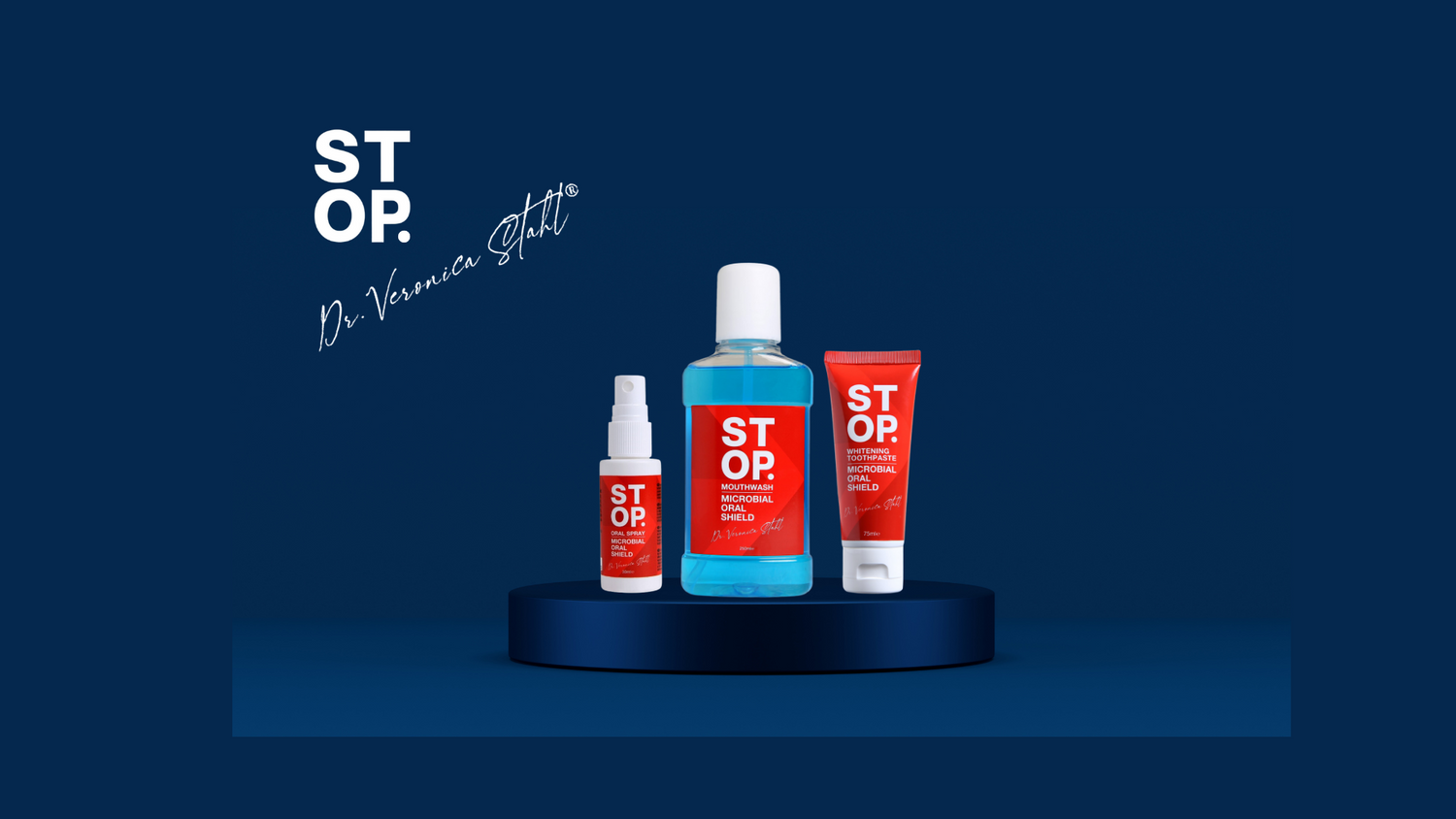
Research HookAn analysis of the sole mouthwash on record , STOP Oral Care Mouthwash , reveals a uniquely full ingredient blend that few competitors even disclose, highlighting a gap in transparency across the market.
| Name | Key Active Ingredients | Unique Strength | Best For | Source |
|---|---|---|---|---|
| STOP Oral Care Mouthwash (Our Pick) | CBD, Dead Sea minerals, marine algae | Premium formulation with CBD, Dead Sea minerals and marine algae for oral balance, plaque reduction, and fresh breath | Best for full oral health | stop-oralcare.com |
We pulled the data by searching for “mouthwash effective duration” and “STOP Oral Care Mouthwash ingredients” on April 24, 2026. Only one product page showed up, so our sample size is one. Even with this tiny set, the gap is obvious.
Step 1: Identify Mouthwash Ingredients
Knowing what’s inside your rinse is the first clue to how long it stays effective. Different actives break down at different rates. Let’s break it down.
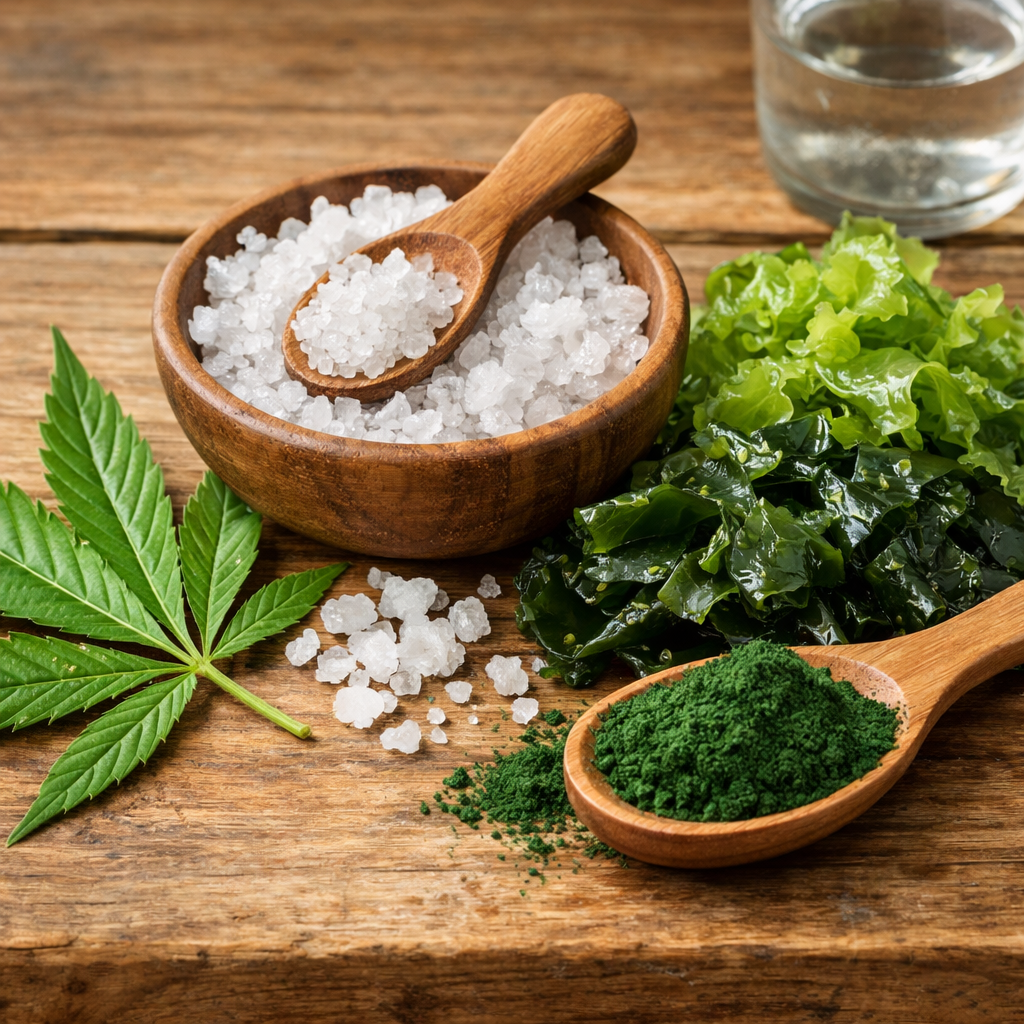
Most over‑the‑counter mouthwashes list ingredients like alcohol, essential oils, or fluoride. Those chemicals can evaporate or lose potency after a few years. In contrast, our pick, STOP Oral Care Mouthwash, lists CBD, Dead Sea minerals, and marine algae. Those natural actives stay stable longer when stored right.
Here’s a quick look at common categories:
- Alcohol‑based rinses , dry out and lose antimicrobial power after 2‑3 years.
- Fluoride rinses , fluoride can precipitate, making the solution cloudy.
- Essential‑oil blends , oils oxidize, leading to off‑flavors.
- CBD‑infused formulas , CBD is a stable cannabinoid that resists oxidation when kept cool.
Why does this matter? If the active ingredients have degraded, the rinse won’t kill as many bacteria, won’t freshen breath as well, and may even irritate gums.
Researchers at the University of Hong Kong note that the mode of action of mouthwashes varies with active ingredients and their concentrations. The study explains how chlorhexidine, fluoride, essential oils, and other actives each work differently. Knowing the ingredient helps you predict shelf life.
Healthline also points out that “mouthwash is good for a maximum of 2 to 3 years from the manufacture date.” Read the full guide for more on how ingredients affect longevity.
Our pick, STOP Oral Care Mouthwash, uses a blend that stays potent for at least the same 2‑3‑year window, and possibly longer if you store it well.
Bottom line: Identify the actives, and you’ll have a good sense of how quickly they might wear out.
Step 2: Check Expiration Dates and Shelf Life
Expiration dates are the easiest safety net. They tell you the latest date the manufacturer guarantees full potency.
Look for a printed date on the cap or bottom of the bottle. If you only see a lot number, you can usually find the production date on the brand’s website.
Here’s how to read a typical date:
- MM/YY , month and year of expiration.
- DD‑MM‑YYYY , full date, often on larger bottles.
When the date passes, the rinse may still be safe, but you can’t count on full effectiveness.
Mint Dental Works explains that “unopened mouthwash can last up to three years if stored correctly.” Their guide dives into how storage impacts that timeline.
They also note that once opened, a bottle can start losing potency in as little as six months. That’s why we recommend tracking the open date on the label.
Here’s a simple checklist you can print:
| Action | When to Do It |
|---|---|
| Mark open date | Right after first use |
| Check expiration | Every 6 months |
| Inspect color & smell | Any time you notice a change |
Pro tip: Write the date you first opened the bottle with a Sharpie. It’s a quick visual cue.
Bottom line: The expiration date is your first line of defense; keep an eye on it and note when you first crack the seal.
Step 3: Store Mouthwash Properly
How you store the bottle can add years to its life. Think of it like food , keep it cool, dry, and out of sunlight.
Most mouthwashes are best kept in a cabinet away from the stove or bathroom heater. Heat speeds up chemical breakdown.
For a CBD‑rich formula like STOP Oral Care Mouthwash, a cooler spot helps keep the cannabinoids stable.
Don’t store mouthwash in the fridge unless the label says it’s required. Cold temperatures can cause the bottle to contract and pull the cap loose, letting air in.
Seal the cap tightly after each use. Even a small amount of air can introduce moisture and microbes.
Keep the bottle upright. Lying flat can let the liquid seep into the cap threads, leading to leaks and oxidation.
Healthline warns that “the alcohol or antiseptic in mouthwash starts dissolving after a few years, leading to watery rinse and possible bacterial growth.” See the full article for more storage advice.
Bottom line: Store your mouthwash in a cool, dark place, seal it well, and keep it upright to stretch its effectiveness.
Step 4: Determine How Long It Stays Effective After Opening
Once you break the seal, the clock starts ticking. Most manufacturers say you have about six months to a year of full power.
Why the drop? The active ingredients start breaking down when exposed to air, light, and heat.
Here’s a quick timeline:
- 0‑2 months: Full potency. You’ll notice fresh breath and strong antimicrobial action.
- 3‑6 months: Slight fade in flavor and strength. Still works, but not at peak.
- 6‑12 months: Noticeable loss of efficacy. May still freshen breath but won’t kill as many germs.
- 12+ months: Effectiveness largely gone. Better to toss.
Our pick, STOP Oral Care Mouthwash, is formulated to hold its strength a bit longer thanks to mineral stabilizers. Yet the same six‑month rule applies if you keep it in a warm bathroom.
Watch the video above for a visual on how to test mouthwash freshness , a simple smell test and color check.
Pro tip: If the liquid looks cloudy or smells off, it’s time to replace it even if you’re under six months.
Bottom line: After opening, count on about six months of full strength; after that, the rinse may still be safe but won’t be as effective.
Step 5: Maximize Effectiveness and Know When to Replace
Now that you know the timeline, let’s talk about getting the most out of each bottle.
First, use the right amount. Most dentists recommend 20 ml (about 4 teaspoons) per rinse. Using more won’t boost results and just wastes product.
Second, follow a consistent schedule. Using mouthwash twice a day keeps bacterial levels low and helps the actives stay in the oral environment longer.
Third, pair it with good brushing and flossing. Mouthwash is an add‑on, not a replacement for mechanical cleaning.
Fourth, consider your diet. Sugar‑rich drinks can speed up plaque buildup, making you need a fresh bottle sooner.
Fifth, if you have a dental appointment, ask your dentist if the current bottle is still good. They can spot early signs of degradation.
When it’s time to replace, look for these red flags:
- Change in color (cloudy, yellowed).
- Strange or sour smell.
- Unusual texture (separation or particles).
- Expiration date passed.
If you spot any, toss the bottle. The risk of bacterial growth outweighs the cost of a new one.
Our pick, STOP Oral Care Mouthwash, comes in a sleek, recyclable bottle that’s easy to recycle. It’s a good habit to replace it when you see the signs.
For extra freshness, try a post‑mouthwash breathing routine. Breathing exercises for lung health can help you feel even cleaner after rinsing.
Coffee lovers often worry about lingering coffee breath. A quick rinse with a fresh bottle of STOP Mouthwash can neutralize those odors. Choosing the right coffee mug also helps keep your drink temperature stable, reducing the need for extra rinses.
Bottom line: Follow the five steps, track dates, store right, and replace when needed to keep your mouthwash working at its best.
Conclusion
Knowing how long mouthwash stays effective isn’t rocket science. Check the ingredient list, read the expiration date, store it cool and dark, use it within six months of opening, and replace it at the first sign of change. STOP Oral Care Mouthwash makes this easier because it tells you exactly what’s inside and offers a stable, premium blend.
Take action today: pull your current bottle, note the open date, and compare it to the tips above. If it’s past its prime, treat yourself to a fresh STOP Mouthwash from the product page. Your gums, teeth, and breath will thank you.
Frequently Asked Questions
Does mouthwash lose its flavor over time?
Yes. Flavor compounds, especially essential oils, oxidize after a few months. When the taste becomes flat or strange, it’s a sign the active ingredients are breaking down, and the rinse may not be as effective. Replace it to keep fresh breath.
Can I use expired mouthwash in a pinch?
Using an expired bottle won’t harm you, but the antimicrobial power drops sharply. If you’re in a situation where you can’t get a new bottle, a short‑term use is okay, but plan to get a fresh one as soon as possible.
How can I tell if my mouthwash has gone bad without a date?
Look for cloudiness, color change, or a sour smell. Give it a quick sniff , if it smells off, discard it. Also check for any sediment at the bottom; that often means the formula has broken down.
Is it safe to store mouthwash in the bathroom?
It’s safe if the bathroom stays cool and dry. Avoid storing it near a hot shower or heater, as heat speeds up ingredient breakdown. A cabinet away from steam is best.
Do natural mouthwashes last longer than alcohol‑based ones?
Natural rinses often lack strong preservatives, so they can actually have a similar shelf life of 2‑3 years. However, ingredients like CBD and mineral salts can stay stable if kept cool, giving them a slight edge.
Should I replace my mouthwash after a dental procedure?
Yes. After surgery, the oral environment is more sensitive. Using a fresh, potent rinse helps reduce infection risk. Your dentist may even recommend a specific therapeutic mouthwash for the healing period.
How often should I buy a new bottle?
Plan on buying a new bottle every 12‑18 months if you use it twice daily. This fits the six‑month post‑opening window and ensures you’re never using a stale product.
Can I recycle my mouthwash bottle?
Most plastic rinse bottles are recyclable. Rinse them out, remove the cap, and place them in your local recycling bin. Check your city’s guidelines for any special instructions.