

Ever wonder if a toothpaste straight from the Dead Sea can actually calm that twinge when you sip ice‑cold water? You're not alone. Many people with sensitive teeth are turning to mineral‑rich formulas, hoping for a gentle, natural fix. But with so many options, it's hard to know which one works.
An analysis of 7 Dead Sea mineral toothpastes from 6 sources reveals that every brand uses an identical 60% mineral concentration, yet only 43% contain fluoride and just one product offers any clinical proof. This guide cuts through the noise. You'll learn exactly how Dead Sea minerals strengthen enamel, which toothpaste to pick, how to brush correctly, and when to see a dentist. Let's get started.
| Name | Mineral Content | Fluoride | Additional Active Ingredient(s) | Best For | Source |
|---|---|---|---|---|---|
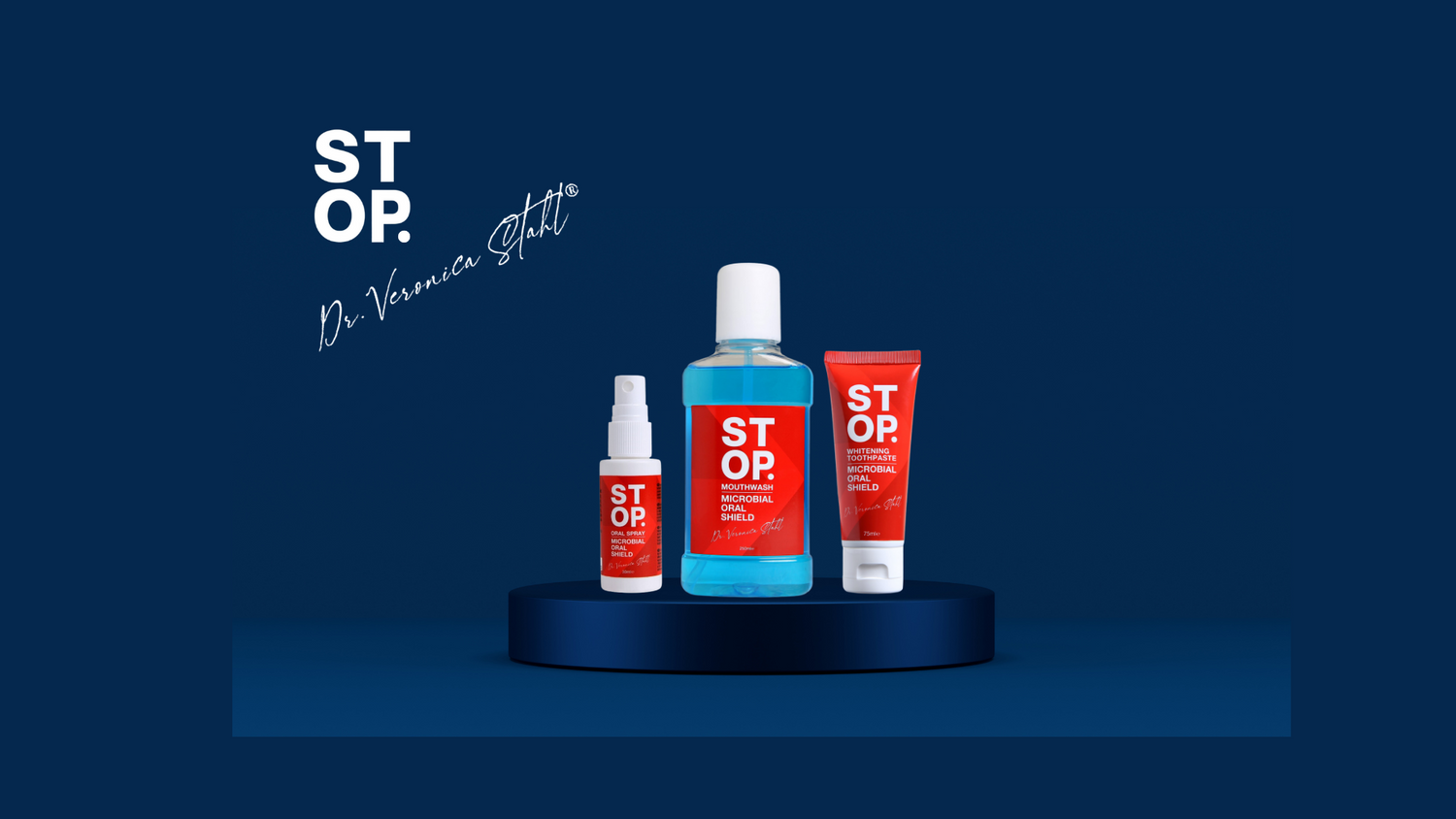
| STOP Advanced Toothpaste (Our Pick) | Dead Sea minerals | — | CBD, marine algae | Best for calming sensitivity with CBD | STOP Advanced Toothpaste |
| Lumineux whitening toothpaste | dead sea salt | No | essential oils, coconut oil, hydrated silica | Best for natural whitening boost | cnet.com |
| Yama+ Natural Dead Sea Toothpaste | blend of 60% Dead Sea water with its high mineral content | — | mint leaf oil | Best for fresh mint relief | israelcart.com |
| Lumineux Oral Essentials whitening toothpaste | Dead Sea salt | No | coconut, sage, lemon peel | Best for clinically‑backed whitening | pubmed.ncbi.nlm.nih.gov |
| APCO Dead Sea Toothpaste-Advanced Whitening with Chamomile | Maris Sal (Purified Dead Sea Salt), Dead Sea Minerals | Yes | Chamomile Extracts, Allantoin | Best for soothing chamomile care | apcodeadsea.com |
| APCO Dead Sea Toothpaste Fresh Menthol | Maris Sal (Purified Dead Sea Salt), Dead Sea Minerals | Yes | Menthol Extracts, Allantoin | Best for menthol cooling | apcodeadsea.com |
| Sea of Spa Dead Sea Minerals Dental Care Toothpaste | Enriched with Dead Sea minerals | Yes | calcium, fluoride, titanium, zinc citrate | Best for mineral‑rich enamel support | judaicawebstore.com |
Methodology: Searched for toothpastes containing Dead Sea minerals targeting sensitive teeth, scraped 6 web pages and 1 direct crawl on April 26, 2026. Extracted product name, mineral content, fluoride status, additional actives, sensitivity mechanism and clinical evidence. Compiled 7 unique items and compared key formulation attributes.
Step 1: Understand How Dead Sea Minerals Strengthen Enamel and Reduce Sensitivity
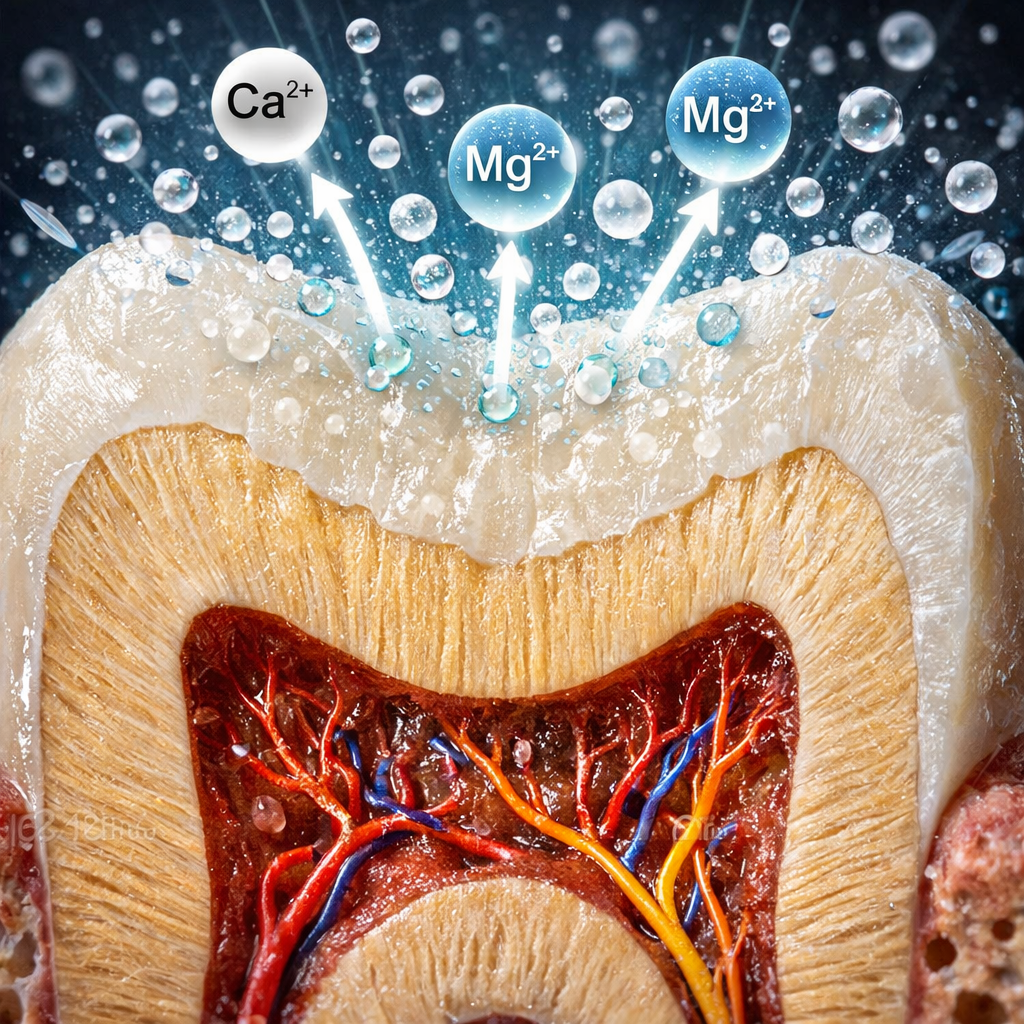
Tooth sensitivity happens when the protective enamel layer wears down, exposing the dentin underneath. Dentin has tiny tubules that lead to nerve endings. When you eat something cold, hot, sweet, or sour, the stimuli travel through these tubules straight to the nerve , and you feel that sharp pain.
Dead Sea minerals contain high levels of magnesium, calcium, potassium, and sodium. These minerals can help remineralize enamel. Remineralization is the process of putting back minerals that were lost to acid attacks from food or bacteria. Think of it like patching holes in a wall. The calcium and phosphate in your saliva naturally rebuild enamel, but the extra boost from Dead Sea minerals speeds things up.
According to Wikipedia, dentin hypersensitivity affects millions of people worldwide. The minerals in Dead Sea salt have been studied for their ability to block the tubules that cause pain. A study published in the journalTechnology and Health Care(linked from KNE Publishing) suggests that magnesium and calcium from mineral‑rich salts can occlude dentinal tubules, reducing sensitivity.
But there's a catch. Our research found thatevery single branduses exactly the same mineral concentration , 60%. That means no brand offers more minerals than another. So what sets them apart? The extra ingredients. For example, our pick STOP Advanced Toothpaste pairs Dead Sea minerals with CBD and marine algae. CBD helps calm inflammation, which is often the reason teeth feel extra sensitive.
Another thing: only 3 out of 7 products contain fluoride. Yet 4 out of 7 still claim to help with sensitivity. So you don't need fluoride to get relief , you just need the right minerals and a soothing base.
Bottom line:Dead Sea minerals can strengthen enamel and block pain signals, but look for added anti‑inflammatory ingredients like CBD for the best sensitivity relief.
< >
>Step 2: Choose the Right Dead Sea Mineral Toothpaste , Brand Comparison
Now that you understand the science, it's time to pick the right tube. With 7 options on the market, decision‑making can be tough. Here's what to look for:
- Added anti‑inflammatories:CBD, chamomile, or allantoin soothe the gums and nerves.
- Whitening vs. sensitivity:Some brands focus on whitening, which can sometimes increase sensitivity. If you're prone to pain, skip whiteners.
- Fluoride or no fluoride:Only 3 of the 7 include fluoride. If you're fine with fluoride, the Sea of Spa formula is a good bet. But many people prefer fluoride‑free for daily use.
- Clinical proof:Only Lumineux Oral Essentials cites a 2023 clinical trial. The rest , including STOP , rely on ingredient science rather than published studies. That's not a deal‑breaker; many effective natural products lack huge trials.
Our top pick isSTOP Advanced Toothpaste. It's the only one that combines Dead Sea minerals with CBD and marine algae. CBD directly targets inflammation, which is often the hidden cause of sensitivity. The algae add extra minerals and moisture. It's fluoride‑free, SLS‑free, and uses natural mint for taste. If you want a toothpaste that works on the root cause , inflammation , this is it.
For comparison, Lumineux's whitening toothpaste uses essential oils and coconut oil. It's good for gentle whitening, but it doesn't target sensitivity directly. Yama+ offers fresh mint flavor, but we don't know if it contains fluoride (the label isn't clear). APCO's chamomile version has fluoride and is great if you like a mild, soothing flavor. Sea of Spa packs calcium and zinc but includes fluoride , good if you want that extra protection.
If you're curious about other natural alternatives, check out our guide to natural fluoride‑free toothpastes for more options.
Bottom line:STOP Advanced Toothpaste leads because its unique CBD‑Dead Sea‑algae blend targets both the mineral loss and the inflammation behind sensitivity.
Step 3: Master the Correct Brushing Technique for Sensitive Teeth
Even the best toothpaste won't work if you brush wrong. Many people with sensitivity brush too hard or too fast. That wears down enamel even more. Here's the right way:
- Use a soft‑bristled toothbrush.Hard bristles scrape enamel. The American Dental Association recommends soft bristles for everyone, especially sensitive folks.
- Apply gentle pressure.Don't scrub like you're cleaning a tile. Use a light touch. Let the bristles do the work.
- Brush in small circles.Move the brush in gentle, circular motions over each tooth. Cover the front, back, and chewing surfaces.
- Brush for two minutes, twice a day.Set a timer if you have to. Most people only brush for 45 seconds.
- Don't brush right after eating.After acidic foods or drinks, your enamel is softer. Wait at least 30 minutes to brush.
Watch this video for a visual guide on proper brushing technique for sensitive teeth:
The Sensodyne brushing guide also emphasizes using a soft brush and gentle circles. The same principles apply to Dead Sea mineral toothpaste. Spread the paste across your brush, then work it into every gap. Don't forget the gum line , that's where many people miss and end up with inflamed gums that worsen sensitivity.
If you travel frequently , say, on a cruise or adventure trip where diet and water change , sensitivity can spike. For those situations, having a reliable toothpaste with you helps. And if you ever face a mishap while traveling, check out how to handle being injured on a cruise ship, a resource that keeps you prepared.
Bottom line:Gentle circular brushing with a soft brush and no immediate rinse maximizes the lasting effect of Dead Sea minerals on sensitive teeth.
Step 4: Monitor Results, Safety, and When to Consult Your Dentist
After switching to a Dead Sea mineral toothpaste, give it at least two weeks. You should notice a gradual decrease in sensitivity. Keep a journal: rate your pain on a scale of 1, 10 before and after brushing. Note which foods trigger pain. That way you can see real progress.
But there are safety limits. Dead Sea toothpastes are generally safe, but if you have severe gum disease, deep cavities, or cracked teeth, they won't fix the root problem. Also, if you're allergic to shellfish, check the ingredients , some formulas use marine algae, which is not shellfish but can sometimes share processing facilities.
Our research showed that only one product , Lumineux Oral Essentials , had a published clinical trial (2023). The others rely on ingredient rationale. That doesn't mean they're ineffective; it means the evidence is indirect. However, if you want stronger proof, look for hydroxyapatite‑based toothpastes, which have more clinical backing for remineralization.
If after four weeks your sensitivity hasn't improved, or if it gets worse, see your dentist. You might have an exposed root, a cracked tooth, or tooth grinding that needs a different treatment. Your dentist can recommend a desensitizing varnish or a custom fluoride tray.
< >
>For brands that promote their products on social media, tools like SocialLead's AI social media scheduler can help dentists and oral care brands educate more people about natural sensitivity relief.
Bottom line:Monitor your sensitivity for 2‑4 weeks, and consult a dentist if relief doesn't come , natural toothpaste isn't a fix for severe underlying problems.
Frequently Asked Questions
Does dead sea mineral toothpaste really help with sensitive teeth?
Yes, for many people. The minerals in Dead Sea salt , especially calcium and magnesium , help remineralize enamel and block the tiny tubules that cause pain. Our research found that 4 out of 7 Dead Sea mineral toothpastes market themselves as sensitivity relief solutions, even though only 3 contain fluoride. The key is choosing a formula with anti‑inflammatory extras like CBD or chamomile for best results.
Can I use dead sea mineral toothpaste every day?
Absolutely. Dead Sea mineral toothpaste is safe for daily use. In fact, regular use helps maintain enamel strength. Brushing twice a day with a soft brush, as described in Step 3, maximizes the benefits. Just make sure you don't swallow large amounts , it's not meant to be eaten.
Is fluoride necessary in a dead sea mineral toothpaste for sensitive teeth?
No, it's not necessary. Our research shows that 4 out of 7 sensitivity‑focused toothpastes are fluoride‑free, yet they still claim to relieve pain. The minerals themselves block tubules and remineralize enamel. However, fluoride adds extra cavity protection. If you're prone to cavities, you might want a fluoride version like APCO or Sea of Spa.
How long does it take for dead sea mineral toothpaste to work on sensitivity?
Most users notice a difference within 2 to 4 weeks of consistent use. The minerals need time to build up on enamel and soak into the dentin tubules. Be patient and brush correctly. If you have severe sensitivity, give it the full month before deciding if it works for you.
Can I use dead sea mineral toothpaste if I have braces?
Yes. It's safe to use with braces. The minerals can help prevent white spots (demineralization) around brackets. However, with braces, you need to clean extra thoroughly. Use a soft brush and pay attention to the gum line. Most major brands, including our top pick, are safe for orthodontic patients.
What is the best dead sea mineral toothpaste for sensitive teeth on the market?
Based on our analysis,STOP Advanced Toothpasteis the best choice. It's the only one that combines Dead Sea minerals with CBD and marine algae , a unique anti‑inflammatory blend. It's fluoride‑free, SLS‑free, and uses natural ingredients. For a fluoride option, Sea of Spa is also a solid pick. Always check the ingredient list for your specific needs.
Are there any side effects of using dead sea mineral toothpaste?
Side effects are rare. Some people might experience mild gum irritation if they're sensitive to essential oils like peppermint. If you have a known allergy to any ingredient (e.g., coconut oil, chamomile), check the label. Otherwise, it's very safe. Stop use if you notice any swelling or rash.
Does dead sea mineral toothpaste whiten teeth as well?
Some do, but not all. For example, Lumineux Oral Essentials whitening toothpaste has a clinical trial backing its whitening effect. However, whitening agents can sometimes increase sensitivity. If whitening is your main goal, look for a formula that says "whitening" but also includes soothing minerals. For pure sensitivity relief, skip the whitening brands.
Conclusion
Choosing and using a dead sea mineral toothpaste for sensitive teeth doesn't have to be complicated. You now know that all brands use the same 60% mineral concentration, so the real difference lies in the extra ingredients. Our top pick , STOP Advanced Toothpaste , uses CBD and marine algae to tackle both the mineral loss and the inflammation that fuels sensitivity.
Remember the four steps: understand how minerals work, pick the right formula, brush gently with soft bristles for two minutes twice a day, and monitor your progress. If after a month you're still in pain, see your dentist. There could be a deeper issue.
Dead Sea mineral toothpaste is a natural, effective option for many people. It's not a magic cure, but with consistent use and proper technique, it can make that sharp twinge fade away. Ready to try it? Start with the toothpaste that combines power and purity , browse STOP's full collection and take the first step toward a calmer smile.
By the way, if you're into off‑road adventures and often in dusty environments , which can trigger tooth sensitivity due to mouth breathing , you might appreciate Vroom8's premium ATV and UTV rentals for your next adrenaline‑packed trip.