

Most people think any paste will keep teeth safe, but the truth is a lot of everyday toothpaste barely shields enamel from daily acid attacks.
When you pick an enamel protection toothpaste, look for ingredients that actually rebuild mineral loss, like nano‑hydroxyapatite or calcium phosphate. Those tiny particles slip into tiny cracks and lay down a new layer of mineral, much like a plaster patch on a wall.
Here’s a quick way to test if a paste fits your needs: 1) Check the label for “enamel repair” or “remineralizing” claims. 2) Make sure it’s fluoride‑free if you’re sensitive to fluoride. 3) Use it twice a day, brushing for two minutes each time, and notice less sensitivity after a week.
If you want a deeper dive, see our Toothpaste for Enamel Repair guide for ingredient breakdowns and usage tips.
Pair the right paste with a good oral routine – floss, a gentle mouthwash, and regular dental check‑ups at places like Dental Boutique. For a broader view on keeping gums healthy while you protect enamel, check out the health tips from XLR8well.
Understanding Enamel Protection: How Toothpaste Works
Enamel is the hardest part of your body, but it’s still a thin shield that faces daily acid hits from food, drink, and bacteria. When the acid wears down that shield, you feel sharp pain and see white spots.
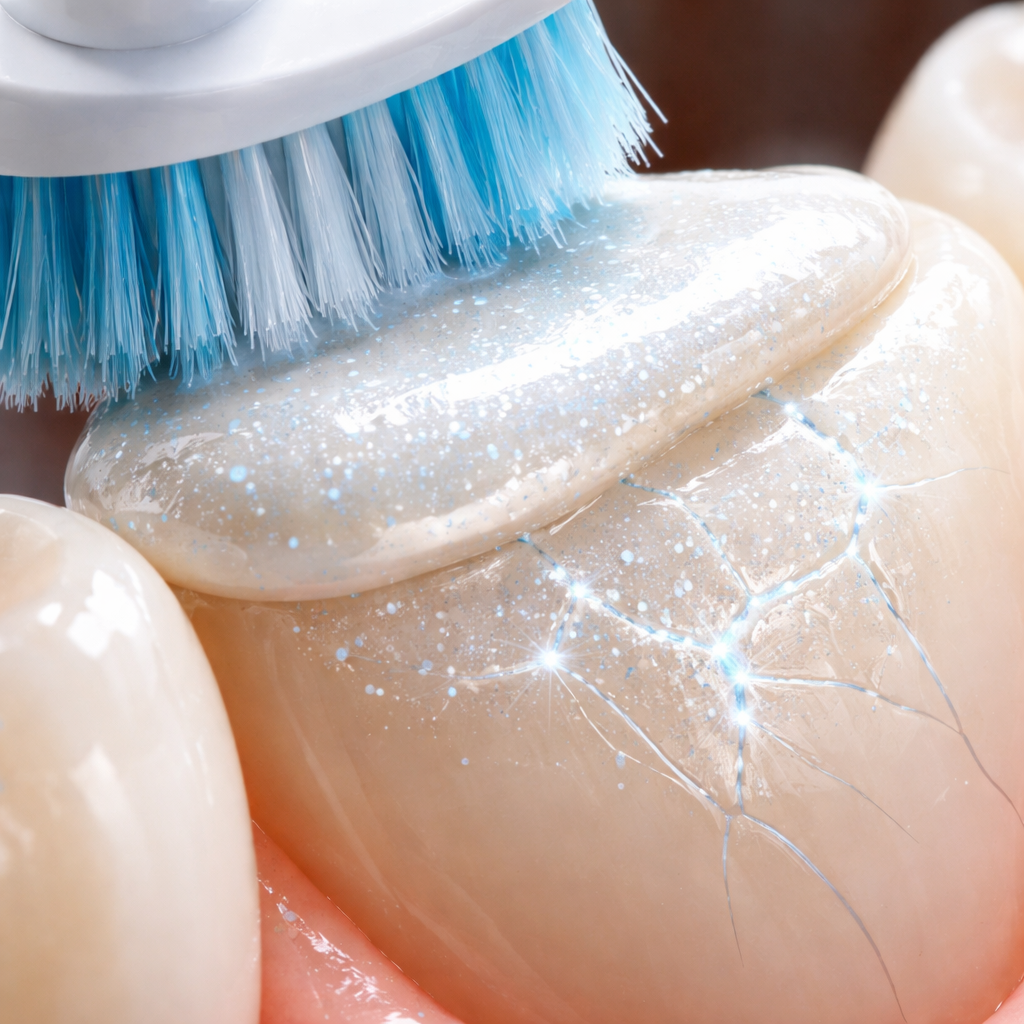
Toothpaste steps in like a repair crew. It brings tiny mineral particles that slip into the micro‑cracks left by acid. Those particles then bond with the tooth surface and lay down a new mineral layer, essentially patching the hole.
One popular mineral is nano‑hydroxyapatite. It mimics the natural mineral of tooth enamel, so it can fill gaps and make the surface smoother. Calcium phosphate works in a similar way, giving the tooth a quick mineral boost. If you want a closer look at how these ingredients rebuild enamel, check out our enamel repair guide.
But protecting enamel isn’t just about the paste. Your whole health routine matters. XLR8well offers tips on diet and supplements that support gum tissue, giving your mouth a stronger overall base.
And if you love coffee, you don’t have to give it up. Choose low‑acid blends and rinse with water afterward to cut the wear. Chilled Iguana Coffee Co. shares coffee options that are kinder to enamel, so you can sip without the sting.
When you brush, spend two minutes and make sure you reach every surface. A gentle circular motion helps the mineral particles settle in place without wearing the tooth down further.
Stick to this simple routine and you’ll notice less sensitivity and a brighter smile in just a few weeks.
Key Ingredients to Look For
When you pick an enamel protection toothpaste, the ingredient list is the first clue you need. Look for minerals that can actually fill tiny cracks and give your enamel a fresh coat.
One star player is hydroxyapatite. These nano‑sized particles act like tiny building blocks, slipping into micro‑holes and laying down a crystal layer. They’re safe for most mouths and work even if you’re sensitive to fluoride.
Another solid option is calcium phosphate. It supplies the same calcium and phosphate that saliva would normally bring, but in a higher dose. This helps the tooth pull the minerals back into the enamel surface faster.
Potassium nitrate is often added for sensitivity relief. It calms the nerves inside the tooth while the mineral builders do their job.
Here’s a quick checklist you can use while you shop:
- Check for “nano‑hydroxyapatite” or “hydroxy‑apatite” on the label.
- Make sure calcium phosphate (or tri‑calcium phosphate) appears in the active ingredients.
- Look for potassium nitrate if you have hot‑cold pain.
- Avoid sodium lauryl sulfate if you have a tender mouth.
Apply the paste with a pea‑size amount, brush for two minutes, then pause 30 seconds before you rinse. Doing this twice a day gives the minerals time to bond.
Think about your routine: if you rinse right away, you wash the mineral before it can settle. Letting the paste sit a few seconds lets the particles sink deeper into the enamel.
Healthline notes that remineralizing toothpastes can start to strengthen teeth in three to four months, with sensitivity often dropping after a few weeks source. That timeline matches what many dentists see.
When you read a label, also look for the ADA Seal of Acceptance. It tells you the product met safety and effectiveness standards, which is a handy shortcut for busy shoppers.
| Ingredient | Benefit | Typical % |
|---|---|---|
| Hydroxyapatite | Fills micro‑cracks, rebuilds enamel | 5‑10% |
| Calcium Phosphate | Supplies calcium & phosphate, speeds remineralization | 2‑5% |
| Potassium Nitrate | Calms nerve response, reduces sensitivity | 0.5‑2% |
How to Choose the Right Enamel Protection Toothpaste for Your Needs
First, know what you need. Do you battle cold‑sensitivity? Want a boost for thin enamel? Your answer decides which ingredient mix matters most.
Step 1: Scan the label. Look for nano‑hydroxyapatite or calcium phosphate – those are the mineral builders that actually refill tiny cracks. If you’re avoiding fluoride, pick a formula that lists no fluoride at all.
Step 2: Check for extra comfort agents. Potassium nitrate eases nerve pain, while a SLS‑free base keeps a tender mouth calm.
Step 3: Verify safety. The ADA Seal of Acceptance guarantees the paste stays below 250 RDA, meaning it won’t wear down dentin. ADA guidelines explain why that matters.
Step 4: Test it in your routine. Use a pea‑size dab, brush for two minutes, then pause 30 seconds before you rinse. That short wait lets the minerals settle into enamel instead of washing away.
Step 5: Track the change. After a week, note if hot‑cold triggers feel softer. After a month, see if you notice a smoother feel on the edges of your teeth. If nothing shifts, try a paste with a higher mineral percentage – many users find 7‑10 % hydroxyapatite works better for deep repair.
Need a quick reference? Our practical guide walks you through each ingredient and how it matches common concerns. Check out Choosing fluoride‑free toothpaste for sensitive teeth for a deeper dive.
So, what should you do next? Grab a tube that checks those boxes, use the pause‑and‑brush trick, and give it a month. If sensitivity eases, you’ve found your match.
Top Recommended Enamel Protection Toothpastes in 2026
Finding a paste that truly shields enamel can feel like hunting for a needle in a haystack. Here are the picks that actually deliver mineral repair in 2026.
#1 STOP Protective & Whitening Toothpaste
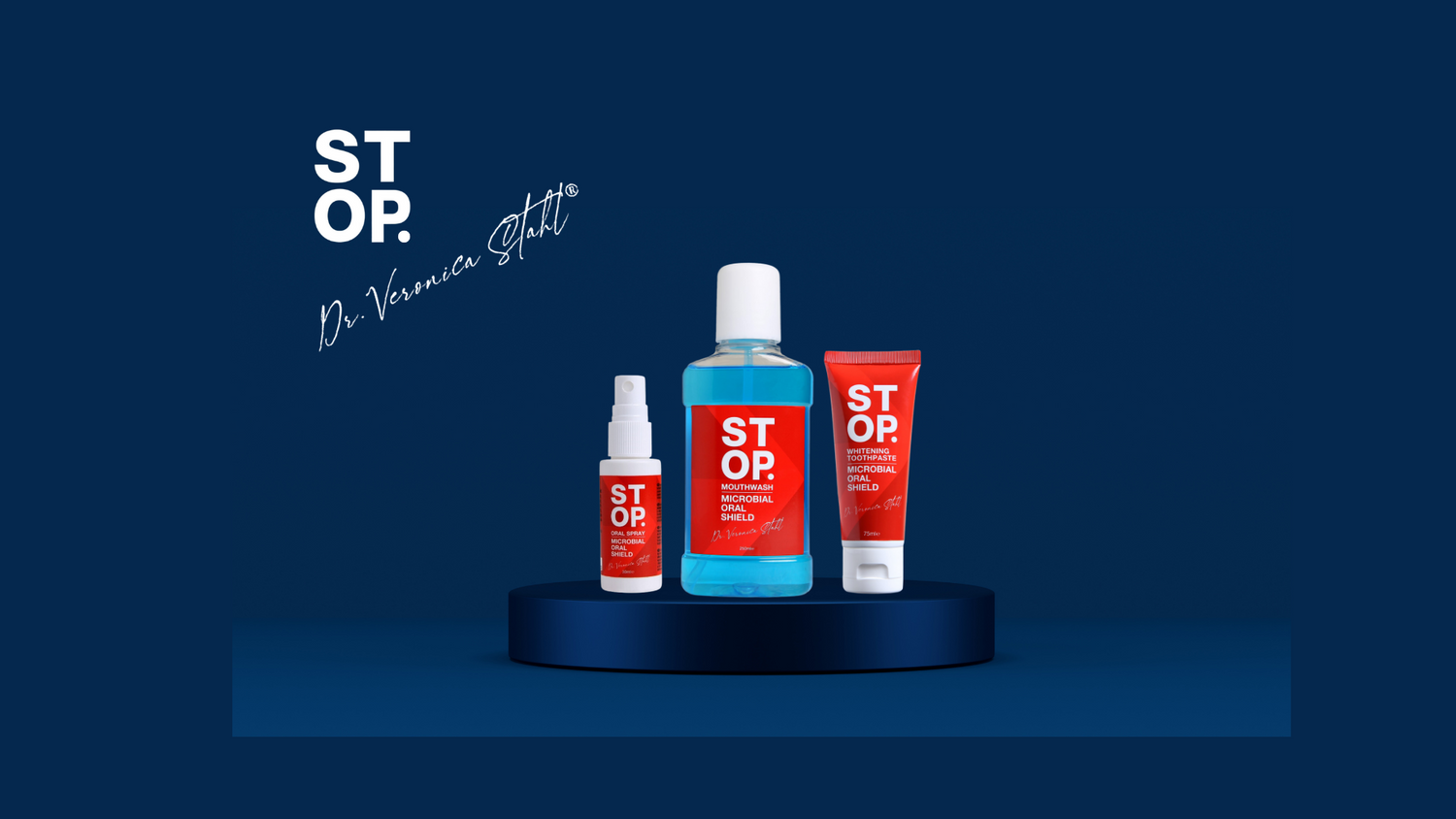
Made by dental experts, this formula blends nano‑hydroxyapatite with Dead Sea minerals. The tiny particles slip into micro‑cracks and lay down a fresh mineral layer. Use a pea‑size dab, brush two minutes, then wait 30 seconds before rinsing so the builders can bond.
#2 Colgate Total Plaque Pro‑Release
Offers stannous fluoride plus calcium phosphate. The fluoride helps harden surface enamel while the phosphate speeds remineralization. It also fights plaque along the gum line. Pair it with a gentle mouthwash for best results.
#3 Sensodyne Pronamel
Targets dentin exposure with potassium nitrate and a modest fluoride level. It calms nerve pain and adds a thin mineral shield. Good choice if you feel a sharp sting from cold drinks.
#4 Bite Fluoride‑Free Tablet
A solid tablet you chew before brushing. It uses xylitol and baking soda to neutralize acids and supports enamel without fluoride. Handy for travel or for those who prefer a non‑gel paste.
A quick test lets you see if the paste is doing its job. Brush twice a day, then after a week press a cold sip of water against a tooth. If the bite feels less sharp, the mineral builders are working. Keep a short note on any change – many people notice smoother edges after two weeks.
Try one of these options for a month and note how your teeth feel after hot‑cold bites. If you want a side‑by‑side look at hydroxyapatite versus fluoride, check out Hydroxyapatite Toothpaste vs Fluoride... for a quick comparison.
Maintaining Enamel Health Beyond Toothpaste
Toothpaste is just one piece of the puzzle. Your enamel faces acid attacks all day, and what you eat, drink, and do between brushes matters just as much.
Cut back on sour drinks. If you love citrus, sip through a straw and follow with a sip of water. That simple swap stops acid from hanging on your teeth.
Wait a bit before you brush after a meal. Brushing straight after an acidic snack can wear the softened surface. Give your saliva a chance to neutralize five to ten minutes is enough.
Chewing sugar‑free gum spikes saliva flow. The extra saliva carries minerals right back to the enamel, helping the builders in your paste do their work.
Don’t forget floss or interdental brushes. Plaque that hides between teeth can turn into acid pockets. A quick floss before you rinse keeps those spots clean.
And a gentle, alcohol‑free mouthwash can add a layer of protection. Look for formulas that include soothing ingredients like CBD or Dead Sea minerals they calm gums while still fighting plaque.
When you pair these habits with an enamel protection toothpaste that contains nano‑hydroxyapatite, you give your teeth the best chance to rebuild.

Try one habit change at a time. Notice if your teeth feel less “sharp” after a cold drink. If they do, you’ve likely helped the mineral builders settle in.
Stick with the routine for a month and you’ll see smoother edges and fewer twinges. That’s enamel health that goes beyond just the paste.
Stay hydrated throughout the day. Water washes away lingering acids and keeps the mouth's pH balanced. Schedule a check‑up every six months; a dentist can spot early erosion and guide you on the right paste.
Conclusion and Next Steps
You’ve seen how enamel protection toothpaste works, what to look for, and how tiny minerals can fill cracks.
Now it’s time to put that knowledge into action. Pick a paste that lists nano‑hydroxyapatite or calcium phosphate, make sure it’s fluoride‑free if that matters to you, and give it the 30‑second pause after brushing so the minerals can settle.
Add a quick habit: drink water after acidic foods, chew a handful of almonds, or keep a xylitol tablet handy when you’re on the go. Those tiny steps keep saliva busy and your enamel calm.
If you want a brand that blends hydroxyapatite with Dead Sea minerals and a touch of CBD, STOP Oral Care offers a premium enamel protection toothpaste that fits the routine we just outlined.
Track how your teeth feel after a week. Less sharpness? You’re on the right path. Keep the routine for a month, then re‑assess and adjust if needed.
Ready to give your smile a real boost? Grab your paste, set a timer for two minutes, and start the pause‑and‑brush habit today.
FAQ
What is enamel protection toothpaste and how does it work?
Enamel protection toothpaste is a paste that adds minerals like nano‑hydroxyapatite or calcium phosphate to your brush. Those tiny particles slip into tiny cracks on the tooth surface and bond with the existing enamel. The bond creates a thin shield that makes the tooth harder for acids to wear down. Use it twice a day and give the paste a short pause before you rinse so the minerals can settle.
Can enamel protection toothpaste actually repair enamel that’s already worn?
Once enamel is lost it cannot grow back because it has no living cells. The good news is that a toothpaste can help strengthen enamel that’s still there and fill shallow spots. Ingredients such as fluoride, calcium or hydroxyapatite can redeposit minerals onto the surface, making it more resistant to future wear. The effect isn’t a full rebuild, but it can halt further loss and reduce sensitivity. Read more about how toothpaste works.
How often should I use enamel protection toothpaste for best results?
Most dentists suggest using enamel protection toothpaste twice a day – once in the morning and once before bed. Brush for the full two minutes, then pause for about 30 seconds before you spit or rinse. This short wait lets the mineral particles settle into the enamel. If you skip a session, you won’t ruin anything, but consistent use gives the best chance for the teeth to stay strong.
Is fluoride needed in enamel protection toothpaste?
Fluoride is a classic cavity fighter, but it isn’t the only way to protect enamel. Some enamel protection pastes are fluoride‑free and rely on calcium‑based minerals to rebuild the surface. If you’re sensitive to fluoride or prefer a natural formula, look for “fluoride‑free” on the label and check for hydroxyapatite or calcium phosphate. Both types can work; the key is to pick the one that matches your comfort level and dental advice.
Are there any side effects or risks?
Enamel protection toothpaste is safe for most people, but a few things can cause irritation. Some formulas contain sodium lauryl sulfate, which can dry out a sensitive mouth. If you notice a stinging feeling, try a SLS‑free version. Also, if you have a severe allergy to any ingredient, stop use and talk to your dentist. The paste should not change the colour of your teeth or cause gum swelling when used as directed.
How do I know if a toothpaste is truly enamel‑protecting?
To tell if a toothpaste really protects enamel, read the label for active ingredients like nano‑hydroxyapatite, calcium phosphate, or fluoride. Look for an ADA Seal of Acceptance, which means the product met safety tests. You can also do a simple test: after two weeks of use, sip a cold drink and see if the sharp bite feels less intense. Less sensitivity usually means the mineral builders are doing their job.