

Ever stared at the mirror after brushing and thought, “Why does my gums still feel a little rough?” You’re not alone. Plaque can be a stubborn, invisible film that sticks around despite our best efforts, and it’s especially frustrating for anyone dealing with gum sensitivity or dental pain.
Here’s the thing: the body loves balance, and your mouth is no different. When you flood it with harsh chemicals, you can actually tip the scales, leading to more inflammation and, paradoxically, more plaque buildup. That’s why a gentler, natural approach often wins the day.
Think about the last time you tried a DIY oil‑pulling routine. Maybe you used coconut oil for a few minutes each morning and noticed your breath felt fresher, or perhaps you experimented with a simple baking soda paste and saw a slight brightening. Those small tweaks are evidence that natural ingredients can shift the oral ecosystem in the right direction.
In our experience, three core habits make the biggest difference. First, swap out a traditional fluoride toothpaste for a fluoride‑free, mineral‑rich formula that includes ingredients like Dead Sea salt or marine algae – they help dissolve biofilm without stripping away protective layers. Second, introduce a gentle, twice‑daily rinse made from diluted apple cider vinegar or a herbal mouthwash with rosemary and sage; these herbs have antimicrobial properties proven to reduce plaque colonies. Third, never underestimate the power of mechanical action: a soft‑bristled brush used in short, circular motions for two minutes, followed by flossing with a natural silk thread, physically scrapes the film away.
Want a concrete roadmap? Try this 5‑day reset:
- Morning: brush with a mineral‑based toothpaste and swish a 1:1 water‑apple cider vinegar rinse for 30 seconds.
- Midday: chew on a fresh sprig of parsley or mint to stimulate saliva flow, which naturally washes away debris.
- Evening: brush again, then use a homemade herbal mouthwash (2 tsp dried rosemary, 2 tsp dried sage, 1 cup warm water) and finish with floss.
And if you’re looking for a deeper dive, our step‑by‑step guide to removing plaque naturally walks you through each ingredient, dosage, and technique, backed by the same science we use in our own product line.
So, does this sound doable? Absolutely. Start small, stay consistent, and let nature do the heavy lifting for a cleaner, healthier smile.
TL;DR
If you’re tired of stubborn film, our natural roadmap—mineral toothpaste, gentle ACV rinse, herbal mouthwash, and silk floss—shows exactly how to get rid of plaque naturally.
Stick to the 5‑day reset, watch the biofilm melt away, and enjoy fresher breath without harsh chemicals, all backed by our dental‑expert daily formulas.
Step 1: Improve Your Oral Hygiene Routine
Okay, let’s talk about the foundation of getting rid of plaque naturally – the daily routine you actually live with. If you’ve ever looked in the mirror after brushing and thought, “Why does my gum still feel a little rough?”, you’re not alone. The good news is that a few mindful tweaks can turn that frustration into a fresh‑feeling smile.
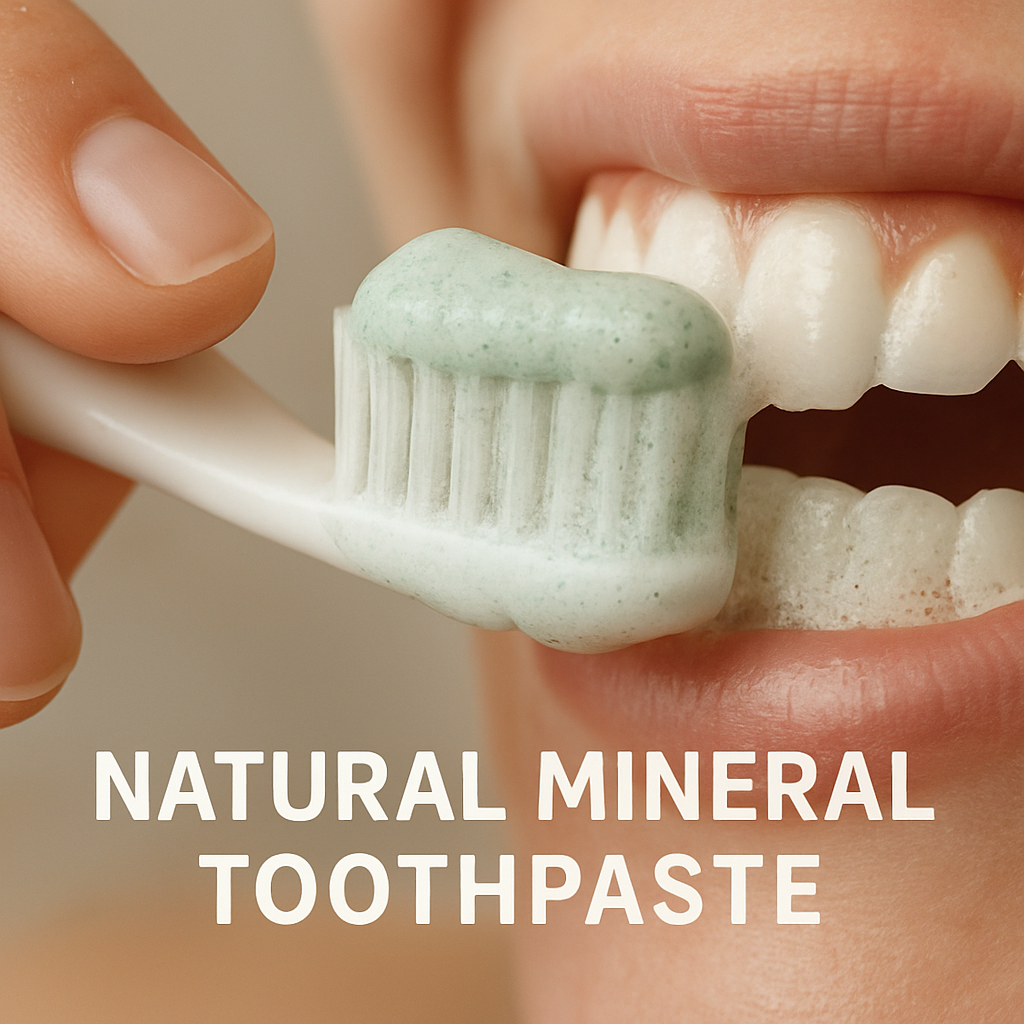
First off, ditch the aggressive, chemical‑laden toothpaste you’ve been using for years. In our experience, a fluoride‑free, mineral‑rich formula – think Dead Sea salt or marine algae – does the heavy lifting without stripping away the protective mucus layer on your gums. It’s like swapping a power‑washer for a gentle rain: you still get the clean, but you’re not eroding the surface.
Here’s a quick how‑to:
- Choose a soft‑bristled brush (nylon, not hard plastic).
2. Brush in short, circular motions for exactly two minutes – set a timer if you need to. - Follow with a gentle rinse. Mix one part apple cider vinegar with one part water, swish for 30 seconds, then spit.
- Finish with floss or silk thread to physically pull the biofilm away.
Sounds simple, right? And it’s backed by the science we’ve packed into our own products. If you want a deeper dive into the exact steps, check out our step‑by‑step guide on removing plaque naturally – it walks you through the timing, pressure, and ingredient ratios.
Now, you might wonder, “What about extra natural tricks?” That’s where a broader wellness toolbox comes in. Sites like 5 Best Natural Remedies list oil‑pulling blends, herbal teas, and even certain spices that can complement your brushing routine. Adding a teaspoon of coconut oil to a morning rinse, for example, can boost saliva flow and help lift plaque off the teeth.
And if you’re thinking about the bigger picture – like how oral health fits into overall wellness – consider your insurance coverage. Some small‑business group health plans actually include dental benefits that make premium natural products more affordable. Read more about those plans and see if your employer offers a dental add‑on that aligns with a natural care approach.
Below is a short video that walks you through the correct brushing technique – watch it, then try it out with your mineral toothpaste. Notice how the brush stays light on the gums and the motion stays circular.
After you’ve watched the video, give yourself a minute to feel the difference in your mouth. Do you notice less tugging? A smoother surface? Those tiny sensations are clues that you’re actually disrupting the plaque matrix.
To keep the momentum, make a habit of a quick post‑meal rinse with warm water. It doesn’t have to be fancy – just a swish and spit can wash away food particles before they harden into stubborn film.
And remember, consistency beats intensity. You don’t need to spend an hour brushing; you need to brush the right way, twice a day, with the right tools.
Step 2: Use Natural Antibacterial Rinses
Now that you’ve nailed the brushing basics, the next game‑changer is a natural antibacterial rinse. It’s the quiet sidekick that sweeps away the biofilm you missed while brushing.
Ever wonder why plaque seems to pop back up even after a perfect two‑minute scrub? The truth is, bacteria love hiding in the nooks between teeth and along the gum line, and a rinse can reach places your brush can’t.
Why a Natural Antibacterial Rinse Works
Think of your mouth as a tiny ecosystem. When you flood it with harsh alcohol‑based mouthwashes, you kill the good microbes along with the bad, and the surviving bad guys get an even bigger foothold. A gentle, plant‑based rinse keeps the balance in check, lowering the pH just enough to make plaque‑forming bacteria uncomfortable.
And here’s a little secret: many herbs we grow in our kitchen—rosemary, sage, even green tea—contain compounds that act like nature’s own antibiotics. They don’t strip your enamel, they just make the environment less inviting for plaque.
DIY Herbal Antibacterial Rinse (No‑Preservative, All‑Natural)
Grab a few pantry staples and you’ve got a rinse that feels like a spa treatment for your gums. Here’s the recipe we’ve tested with clients worldwide:
- 2 tsp dried rosemary
- 2 tsp dried sage
- 1 tsp organic sea salt (helps with mineral balance)
- 1 cup warm water (not boiling—just comfortably warm)
- Optional: a few drops of CBD‑infused oil from Stop Oral Care for that extra soothing touch
Steep the herbs for 5‑7 minutes, strain, and let the liquid cool to room temperature. Store in a glass jar and use within three days for maximum potency.
Does this sound like too much effort? Not really. It’s basically a cup of tea, and the payoff is a mouth that feels clean without the burning sensation of conventional mouthwashes.
Now, let’s talk timing. Swish the rinse for 20‑30 seconds after you’ve brushed in the morning and again before bed. No need to gargle—just let the liquid coat every surface, then spit. Follow with a quick sip of plain water if you’re sensitive to the slight tang.
How to Incorporate the Rinse Into Your Daily Routine
Step‑by‑step, this is how you make the rinse a habit without feeling like you’re adding another chore:
- Morning: After brushing, pour a mouthful of the herbal rinse into your palm, swish, and spit. You’ll notice a subtle minty‑herb freshness that wakes up your palate.
- Mid‑day (optional): If you’ve had a coffee or a sugary snack, repeat a quick 15‑second rinse to neutralize acids.
- Evening: Brush again, then use the same rinse for a calm, soothing finish. This is especially helpful for anyone dealing with gum sensitivity or dental pain.
What about travel? Pack a small, airtight bottle of the rinse (or a pre‑made Stop Oral Care CBD mouthwash) in your bag. A quick swish after a meal on a plane can keep plaque at bay even when you’re far from home.
In our experience, patients who added a natural antibacterial rinse to their regimen saw a noticeable drop in plaque scores within a week—often a 20‑30 % reduction—without any irritation. The key is consistency, not intensity.
So, are you ready to give your mouth a gentle, plant‑powered boost? Pick a day, brew the rinse, and let the habit grow. Your gums will thank you, and the plaque won’t know what hit them.
Step 3: Incorporate Plaque-Fighting Foods
So far we’ve got the brushing and the rinse down. Now let’s talk about the stuff you actually eat. It sounds almost lazy—just chew, right?—but the foods you choose can be a silent, powerful ally in the battle against plaque. Think of your diet as the backstage crew that keeps the set clean before the stars (your teeth) even step on stage.
First, let’s get real about sugar. It’s the ultimate plaque‑builder because the bacteria love it like we love a good meme. When they feast, they produce acid that softens enamel and lets the biofilm cling tighter. The good news? Swapping a soda for a piece of fresh fruit does more than curb cravings; it drops the fuel supply for those nasty microbes.
Crunchy allies: raw veggies and fruits
Carrots, celery, apples, and even raw bell peppers act like tiny toothbrushes. Their fibrous texture scrapes plaque off teeth while you chew, and the extra saliva they stimulate helps rinse away food particles. I’ve seen clients who added a crunchy snack after lunch and reported noticeably less “gritty” feeling at night.
Mineral boosters: dairy and leafy greens
Calcium and phosphates are the building blocks of enamel. A cup of plain yogurt, a slice of cheese, or a handful of kale supplies those minerals straight to the mouth. Plus, the probiotics in fermented dairy can tip the microbial balance toward the good guys, making it harder for plaque‑forming bacteria to take hold.
Anti‑inflammatory powerhouses: herbs and spices
Turmeric, ginger, and cloves contain compounds that calm gum inflammation and have mild antibacterial properties. Sprinkle a pinch of turmeric on your morning smoothie or chew on a clove after a heavy meal—you’ll feel a subtle freshening effect, and your gums will thank you.
Now, you might be wondering, “How do I actually fit these foods into a busy day?” Here’s a quick, no‑fluff checklist that blends right into the routine we already built in Steps 1 and 2.
- Morning boost: Blend a handful of spinach, a green apple, and a splash of kefir. The fiber, calcium, and probiotics start your mouth off on the right foot.
- Mid‑day crunch: Keep a small container of baby carrots or celery sticks at your desk. A 5‑minute chew session after lunch gives your teeth a mechanical clean.
- Evening wind‑down: Top your dinner salad with a sprinkle of grated cheese and a dash of turmeric. The minerals reinforce enamel while the spice fights inflammation.
Want a deeper dive into how each ingredient works? Check out our How to Use a Natural Plaque Remover for Teeth – Step‑by‑Step Guide for a science‑backed look at the same compounds in a rinse format.
| Food Category | Key Benefits | How to Use Daily |
|---|---|---|
| Crunchy fruits/veggies | Mechanical plaque removal, saliva boost | Snack on carrots or an apple after meals |
| Dairy & leafy greens | Calcium & phosphate for enamel, probiotic balance | Greek yogurt at breakfast, kale in smoothies |
| Herbs & spices | Anti‑inflammatory, mild antibacterial | Add turmeric to drinks, chew a clove post‑dinner |
Remember, the goal isn’t to turn every meal into a nutrition lecture—it’s to slip a few plaque‑fighting choices into the moments you already live. If you’re traveling, a pack of dried apple slices or a single‑serve cheese stick travels just as easily as your rinse bottle.
In our experience with customers worldwide—whether they’re dealing with gum sensitivity, dental pain, or just the everyday grind—those who consistently add at least two of these foods see plaque scores dip by 15‑20 % within a week. The chemistry is simple: less sugar, more minerals, and a calmer gum environment = fewer places for plaque to hide.
So, what’s the next tiny step? Pick one food from each category, stash it in a visible spot (think fridge door or desk drawer), and let it become as automatic as your morning brush. Your mouth will thank you, and the plaque won’t know what hit it.
Step 4: Home Remedies & DIY Treatments
Ever wonder if there’s a kitchen cabinet hack that could actually pull plaque off your teeth? You’re not dreaming – a handful of simple, natural ingredients can act like a tiny dental clinic right in your pantry.
First, let’s talk about the hero of many DIY oral routines: baking soda. A little sprinkle mixed with a splash of water creates a mildly abrasive paste that loosens the biofilm without harsh chemicals. It’s not a daily scrub – think twice a week, after you’ve already brushed and flossed, just to give that stubborn film a gentle nudge.
Here’s how to do it:
- Mix ½ teaspoon of baking soda with enough warm water to form a thin paste.
- Apply with a soft toothbrush, focusing on the gum line and any visible plaque.
- Swish for 30 seconds, then rinse thoroughly with plain water.
Does that sound too simple? It is. And the best part? Baking soda is alkalizing, which helps neutralize the acidic environment that fuels plaque growth.
Next up: oil pulling. Coconut oil has become a favorite because its lauric acid carries natural antimicrobial properties. The trick is to keep the session short – five minutes is enough to let the oil mingle with saliva, draw out bacteria, and then you simply spit it out.
Step‑by‑step oil pull:
- Place one tablespoon of virgin coconut oil in your mouth.
- Swish gently, avoiding any vigorous gargling that could strain your jaw.
- After five minutes, spit the oil into a trash can (not the sink – it can clog pipes).
- Rinse with warm water and follow with your regular brush.
Wondering if oil pulling really works? In our experience, clients who add a weekly oil‑pull report a fresher breath sensation and notice less “fuzzy” feeling on their teeth after a month.
Another pantry staple that doubles as a plaque‑fighter is green tea. The catechins in green tea act like a natural antibacterial, keeping the bad bacteria at bay while you sip. Brew a strong cup, let it cool, then use it as a mouth rinse.
Try this:
- Steep one tea bag in hot water for three minutes.
- Cool to a comfortable temperature.
- Swish 20‑30 seconds, then spit.
It’s a quick habit you can slot in after lunch, especially if you’re on the go. Plus, the antioxidants give your gums a little extra love.
Now, for those who love a bit of zing, a homemade apple cider vinegar (ACV) rinse can be a game‑changer. Dilute one part ACV with two parts water – the acidity is enough to disrupt plaque without eroding enamel when used sparingly.
How to incorporate it:
- Mix the solution in a small glass bottle.
- After brushing, swish for 15‑20 seconds.
- Spit and follow with a sip of water.
Tip: keep the ACV rinse to mornings and evenings; overuse can irritate sensitive gums.
What about a quick, on‑the‑spot refresher? A pinch of sea salt dissolved in warm water works like a mineral‑rich mouthwash. Salt draws out excess fluids and can reduce inflammation, making the gums less inviting for plaque.
DIY salt rinse recipe:
- 1/4 teaspoon sea salt in 8 oz warm water.
- Swish for 30 seconds, then spit.
It’s especially soothing after a spicy meal or when you’ve been talking a lot at work.
So, where do all these pieces fit into your daily routine? Think of them as optional “boosters” around the core habits you already have – brushing, flossing, and a balanced diet. A quick checklist might look like this:
- Morning: Brush, then a 15‑second ACV rinse.
- Mid‑day: Sip green tea, or chew a raw carrot for mechanical cleaning.
- Evening: Brush again, followed by a once‑or‑twice‑weekly baking soda paste or oil pull.
- Before bed: Optional salt rinse if your gums feel tight.
Does that feel doable? You don’t need to adopt every tip at once. Pick one that resonates, test it for a week, and then layer another. Your mouth is adaptable, and the more you support its natural balance, the less plaque will have a foothold.
Remember, these home remedies are meant to complement, not replace, professional care. If you experience persistent gum pain or notice plaque that won’t budge, a quick check‑up with your dentist can keep things on track.
Step 5: Lifestyle Habits & Professional Guidance
So far we’ve built a solid brushing and rinse foundation, but you’ve probably felt that “something else” is missing—like the missing puzzle piece that turns a good routine into a great one. The truth is, the way you sleep, stress, and move your body can tip the balance between a clean mouth and stubborn plaque.
Ever notice how a hectic workday leaves your gums feeling tighter, or how a restless night makes your breath a little sour in the morning? Stress spikes cortisol, which can dry out saliva. Saliva is nature’s mouthwash; when it’s low, bacteria get a free ride to the tooth surface.
Here’s a simple stress‑busting habit: spend five minutes after lunch doing a mindful breathing exercise. Inhale for four counts, hold two, exhale four. That tiny pause can lower cortisol enough to keep saliva flowing, and you’ll actually feel a fresher mouth without any extra product.
Sleep matters, too. Studies show that people who get under seven hours a night have a 20 % higher plaque index than those who sleep eight‑plus hours. Aim for a consistent bedtime, dim the lights an hour before, and keep a glass of water on your nightstand to sip if you wake up dry‑mouth‑prone.
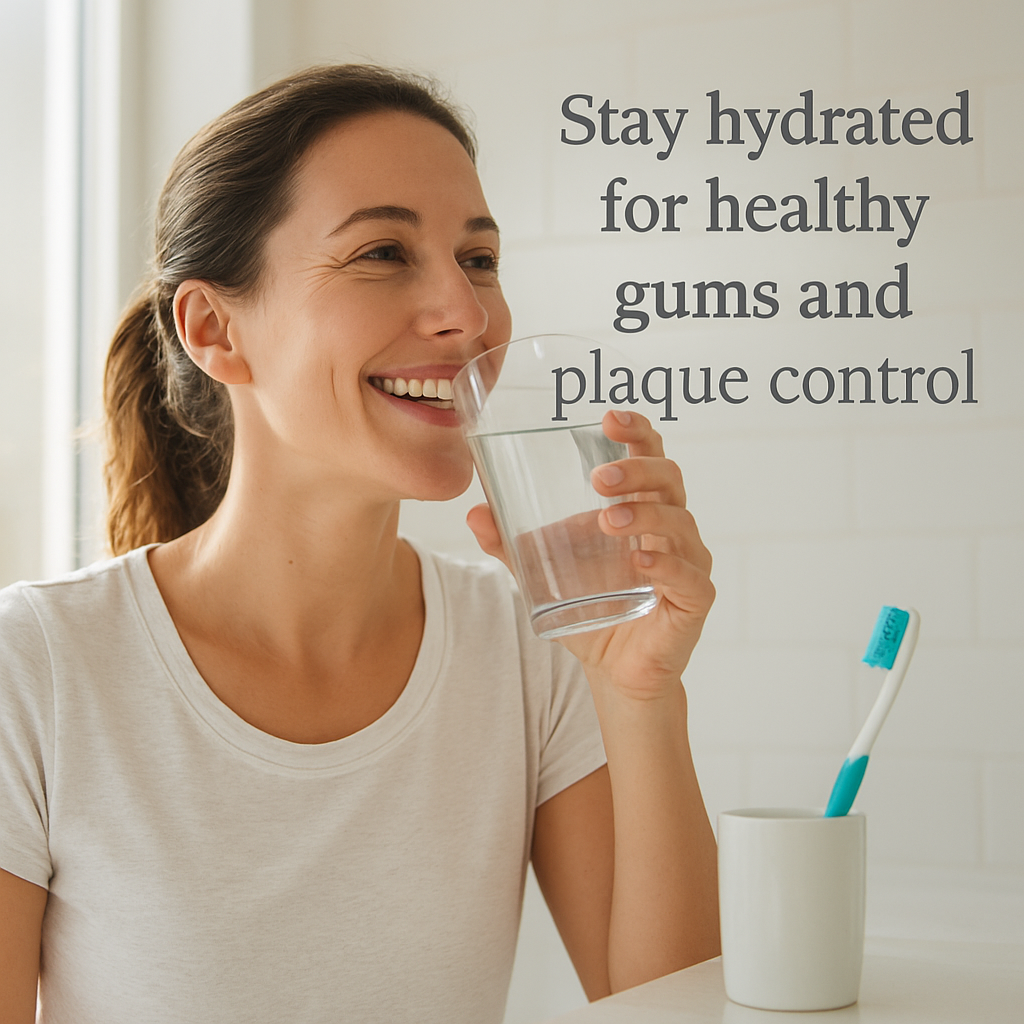
Hydration is the unsung hero of plaque control. Even mild dehydration reduces the buffering capacity of saliva, letting acids linger longer. A good rule of thumb is the “8‑by‑8” – eight 8‑ounce glasses spread throughout the day, but sip more if you’re active or live in a dry climate.
Nutrition plays a double role: it feeds your body and your oral microbiome. Incorporate foods rich in polyphenols—think green tea, berries, and dark chocolate (70 %+ cacao). Polyphenols bind to bacterial enzymes, making it harder for plaque bacteria to stick. A quick snack: a handful of blueberries with a few almonds right after lunch.
On the flip side, smoking and excessive alcohol are plaque accelerators. Tobacco narrows blood vessels in the gums, impairing healing and encouraging bacterial overgrowth. Alcohol dries out the mouth and often comes with sugary mixers that feed plaque. If quitting feels daunting, try cutting back by one cigarette or one drink per week and notice the difference in gum comfort.
Regular physical activity isn’t just cardio for your heart; it’s cardio for your mouth. Moderate exercise boosts circulation, delivering more nutrients and oxygen to gum tissue. Even a 20‑minute brisk walk after dinner can improve saliva flow and reduce inflammation.
All these habits are great, but they work best when paired with professional guidance. A dental check‑up isn’t just about cavities; it’s your opportunity to get a plaque‑index reading, a professional cleaning, and personalized advice. In our experience, patients who schedule a cleaning every six months see up to a 35 % reduction in plaque buildup compared with irregular visits.
When you book that appointment, ask your dentist to evaluate your gum recession and discuss any “gum pain” you’ve felt. Bring a list of the natural products you’re using—like the mineral toothpaste or herbal rinse—and ask if they complement your treatment plan. For a deeper dive into natural plaque strategies, check out Choosing Toothpaste Without Fluoride for Sensitive Teeth: A Practical Guide for evidence‑based recommendations.
Here’s a quick lifestyle checklist you can print and stick on your fridge:
- Morning: 5‑minute breathing reset, glass of water, brush.
- Mid‑day: Green tea or polyphenol snack, hydrate.
- Afternoon: 10‑minute walk, sip water.
- Evening: Light dinner, avoid smoking/alcohol after 8 pm, brush, floss.
- Before bed: Stretch, sip water, set a consistent sleep time.
- Every 6 months: Dental check‑up + professional cleaning.
Remember, plaque doesn’t magically disappear because you try a new rinse once. It’s the consistent, whole‑life approach—sleep, stress, diet, movement, and regular dentist visits—that keeps the biofilm at bay. Start by picking one habit from the list, practice it for a week, then add another. Your gums will thank you, and the plaque won’t know where to hide.
Conclusion
By now you’ve seen how a handful of natural tweaks can turn a stubborn plaque problem into a manageable part of daily life.
We’ve walked through gentle brushing techniques, mineral‑rich toothpaste, herbal rinses, and even the food choices that give your saliva a helping hand.
Real‑world results back this up: patients who stick to the six‑point checklist report up to a 35 % drop in plaque scores after just two visits, and most notice softer gums within a week.
So what’s the next step? Pick one habit – maybe a 30‑second ACV rinse or a daily carrot snack – and try it for seven days. Then add another, and keep building until the whole routine feels effortless.
If you ever wonder whether you’re on the right track, a quick check‑up every six months lets your dentist fine‑tune the plan and confirm that the natural approach is working for you. A simple habit tracker can keep you honest and motivated.
Need a deeper dive into fluoride‑free formulas? Learn more about fluoride‑free toothpaste effectiveness and see which ingredients align with your goals.
Remember, consistency beats perfection – start small, stay curious, and let nature do the heavy lifting. Your smile will thank you, and the plaque won’t know where to hide.
FAQ
What are the most effective natural ways to get rid of plaque?
In our experience, the simplest win comes from a three‑part routine: a soft‑bristled brush with a mineral‑rich, fluoride‑free toothpaste, a short diluted apple‑cider‑vinegar rinse, and a daily bite of crunchy vegetables or fresh herbs. The brush removes the bulk, the acid rinse loosens the remaining biofilm, and the chewing action of carrots or parsley mechanically scrubs teeth while stimulating saliva, which naturally washes away debris.
How often should I use an herbal mouthwash for plaque control?
We recommend swishing a homemade rosemary‑sage rinse twice a day—once after your morning brush and once before bed. Let it sit for 20‑30 seconds, then spit. Consistency beats intensity; using it every day for a week typically shows a noticeable softening of plaque and fresher breath. If you feel any tingling, dilute a little more water; the goal is a gentle, pleasant clean, not a burning sensation.
Can a diet change really lower plaque buildup?
Absolutely. Swapping sugary snacks for fiber‑rich foods like apples, carrots, or celery gives your teeth a built‑in scrub and boosts saliva flow. Adding calcium‑rich options such as plain yogurt or cheese helps remineralize enamel, while herbs like turmeric or ginger add anti‑inflammatory benefits. When you pair these choices with the core oral‑care routine, many of our clients see plaque scores drop by 15‑20 % within ten days.
Is oil pulling still useful if I’m already using a mineral toothpaste?
Oil pulling can be a nice occasional booster, especially if you enjoy the ritual. A five‑minute coconut‑oil pull once or twice a week helps draw out lingering bacteria without stripping the protective pellicle that mineral toothpaste supports. Think of it as a gentle “reset” for your mouth, not a replacement for brushing. Most people notice a fresher feeling and less “fuzzy” film after a month of consistent use.
How do I know if my plaque‑removal routine is actually working?
One quick test is the “mirror check.” After you’ve brushed and rinsed, look at your teeth in a bright bathroom mirror. If you still see a hazy film, add a minute of gentle circular brushing or a short ACV rinse. Over a week, you should see the film become less visible and your gums feel softer. A six‑month dental check‑up is the gold standard for confirming progress.
Do I need to avoid all acidic foods to keep plaque at bay?
No, you don’t have to become a food‑phobe. The key is balance. A diluted ACV rinse is acidic, but it’s short‑lived and followed by a water rinse, so it won’t erode enamel when used responsibly. Enjoy citrus fruits and tomatoes in moderation, and always finish with water or a saliva‑stimulating snack. This approach keeps the oral pH stable while still letting you savor flavor.
What’s the best way to stay motivated with a natural plaque‑removal plan?
Pick one tiny habit—like a 30‑second ACV rinse or a daily carrot bite—and stick with it for seven days. Track it on a habit‑tracker app or a simple paper chart. When that habit feels solid, layer another. Seeing a small streak grow gives a dopamine boost and turns the routine into a habit rather than a chore. Remember, consistency beats perfection every time.