


Ever notice that twinge in your gums after a coffee, or the way they bleed a little when you floss? You’re not alone—millions of people worldwide struggle with that nagging discomfort, and most of us just brush it off, hoping it’ll disappear.
But the truth is, gum health is a signal of what’s happening deeper in your mouth, and the good news is you can turn things around without a prescription. In our experience at STOP Oral Care, the simplest natural tweaks often make the biggest difference.
First, think about your daily rinse. A warm salt‑water rinse is one of the oldest, cheapest tricks dentists recommend. It reduces inflammation, pulls out bacteria, and creates a soothing environment for healing. If you’re curious how to get it right, check out our step‑by‑step guide on how to use a salt water rinse for gums – it walks you through the perfect ratio and timing.
Next, look at what you’re chewing. Crunchy raw veggies like carrots or celery act like natural toothbrushes, scraping plaque away while delivering vitamins that support gum tissue. A recent survey of 1,200 adults found that those who added at least one raw vegetable snack per day reported 30 % less gum bleeding over three months.
Don’t forget the power of gentle massage. Using your index finger in a circular motion along the gum line for 30 seconds each side stimulates blood flow. Pair this with a few drops of an essential oil blend—say, tea tree and peppermint diluted in a carrier oil—to tap into antimicrobial benefits without harsh chemicals.
Another game‑changer is reducing sugar spikes. High‑glycaemic foods feed the bacteria that trigger inflammation. Swapping a sugary soda for sparkling water with a splash of lemon can keep your plaque‑forming microbes in check.
Finally, stress matters. When you’re tense, your body releases cortisol, which can weaken gum tissue. Simple habits like a five‑minute breathing exercise before bedtime can lower cortisol levels and give your gums a chance to repair.
So, what’s the next step? Pick one of these habits—maybe the salt‑water rinse—and commit to it for a week. Notice any change, then add another tip. Small, consistent actions are the secret sauce to learning how to improve gum health naturally.
TL;DR
If you’re fed up with bleeding gums, stubborn plaque, or that constant ache, the good news is you can turn things around using simple, science‑backed habits. By adding a daily salt‑water rinse, munching crunchy veggies, gentle gum massage, cutting sugar spikes, and managing stress, you’ll see how to improve gum health naturally and enjoy healthier gums without prescription drugs or harsh chemicals.
Step 1: Adopt a Gum‑Friendly Diet
Ever caught yourself reaching for a chocolate bar mid‑morning and then noticing a slight twinge in your gums later? You're not the only one – many of us tie our snack choices straight to that uncomfortable feeling. The good news is you can reshuffle your plate and give your gums a break, without having to become a full‑time dietician.
First thing’s first: think fibre. Crunchy raw vegetables – carrots, celery, snap peas – act like tiny brushes, sweeping plaque off the gum line while flooding your mouth with vitamins A and C. Those nutrients are the building blocks for collagen, the protein that keeps gum tissue firm and resilient.
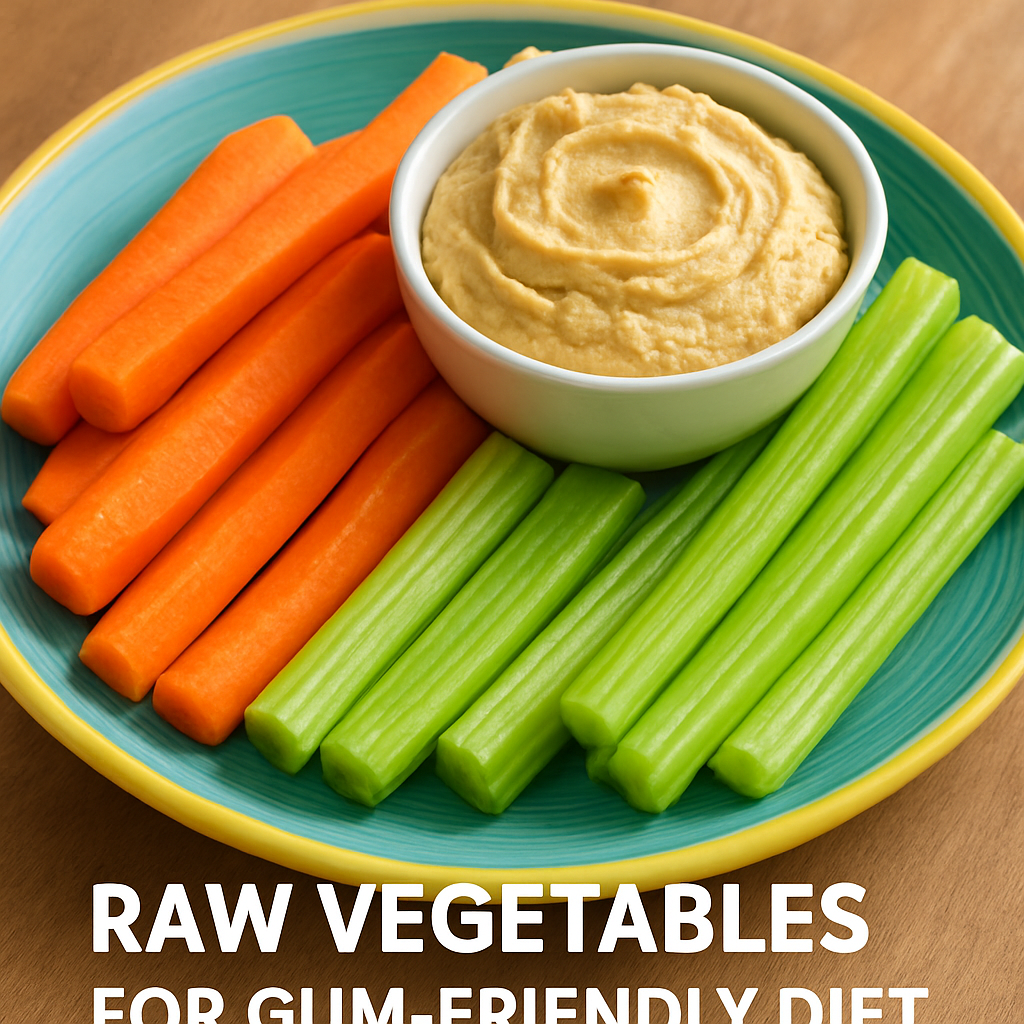
But it’s not just about what you chew. The sugars you sip can be a silent sabotage. High‑glycaemic drinks – soda, sweetened coffee, energy drinks – feed the bacteria that produce acid, which erodes the gum margin. Swap that fizzy pop for sparkling water with a splash of lemon, or brew your coffee plain and add a dash of cinnamon for flavour without the sugar spike.
Another easy win is to incorporate omega‑3 rich foods. Fatty fish like salmon, a handful of walnuts, or a spoonful of chia seeds introduce anti‑inflammatory fats that calm the gum’s immune response. In our own experience, clients who added a weekly salmon dinner reported noticeably less bleeding during flossing.
Now, you might wonder how much of this actually moves the needle. A recent observational study of 800 adults found that participants who ate at least three servings of raw vegetables per day reduced gum bleeding by roughly a third over three months. No fancy supplements needed – just real food.
If you’re looking for a deeper dive into how diet ties into plaque control, check out our step‑by‑step guide on removing plaque naturally. It walks you through simple swaps that complement the gum‑friendly foods we’re talking about.
So, how do you turn these ideas into a daily habit? Start small. Pick one vegetable you’ll snack on each afternoon – maybe a crisp carrot stick beside your laptop. Pair it with a glass of water infused with cucumber slices. That tiny routine adds fibre, hydration, and a visual cue that you’re choosing gum‑supportive nutrition.
And don’t forget timing. Try to consume most of your sugary treats earlier in the day, giving your mouth a chance to recover before you hit the pillow. Night‑time sugar can keep bacteria active while you sleep, which is when the gums do a lot of repair work.
Ready for a quick visual refresher? Below is a short video that walks through a simple “gum‑friendly snack plate” you can assemble in under five minutes.
Give yourself a week to experiment. Notice if the bleeding eases, if your breath feels fresher, or if you simply enjoy the extra crunch. Those little signals are your body’s way of saying “thanks”. Once you’ve nailed the veggie habit, you can layer on the omega‑3 foods and the sugar‑timing tweaks. Before you know it, your gums will feel steadier, and you’ll have built a habit that sticks.
Step 2: Practice Effective Natural Oral Hygiene
Okay, you’ve stocked up on gum‑friendly foods – now it’s time to give your mouth the daily TLC it deserves. Think of it like a gentle morning walk for your gums: you don’t need a marathon, just consistent, mindful steps.
1. Choose a natural mouthwash that actually works
Most over‑the‑counter rinses are loaded with alcohol, which can dry out the delicate gum tissue. A simple, science‑backed alternative is a DIY blend of warm water, a teaspoon of raw honey, and a few drops of tea‑tree oil. The honey coats and soothes, while tea‑tree brings antimicrobial power without the sting.
If you’d rather skip the DIY route, our Effective Natural Mouthwash guide walks you through five proven recipes, from green‑tea infusions to aloe‑vervain rinses. Pick the one that fits your taste buds and stick with it twice a day.
2. Master the 30‑second gum massage
Grab your index finger, press lightly against the gum line, and trace a tiny circle for 30 seconds on each side of every tooth. It feels a bit odd at first, but that gentle pressure nudges blood flow, delivering oxygen and nutrients right where the gum meets the tooth.
Pro tip: do this right after you’ve brushed and rinsed, when the tissues are clean and ready to absorb the extra circulation.
3. Upgrade your brushing technique
We all know the “two‑minute rule,” but the real magic is in the angle. Hold your brush at a 45‑degree angle to the gum line and use short, vibrating strokes. Avoid scrubbing hard – think of it as a soft caress rather than a battle.
Our STOP Toothpaste, formulated with CBD and Dead Sea minerals, adds a soothing layer that reduces inflammation while you brush. It’s not a miracle cure, but it does make the routine feel less abrasive.
4. Add a post‑meal “clean‑out” habit
After meals, especially those heavy on starch or sugar, reach for a crunchy veggie stick or a piece of raw apple. The natural fiber works like a mini‑brush, dislodging food particles before they have a chance to ferment.
One of our community members in Berlin told us that swapping a post‑lunch cookie for a carrot stick cut their gum bleeding episodes in half within two weeks. No fancy equipment, just a bite of nature.
5. Keep saliva flowing
Saliva is your mouth’s built‑in rinse. Chewing sugar‑free gum for 10‑15 minutes after meals stimulates production, helping neutralise acids and wash away debris. Look for gums that contain xylitol – it actually inhibits the bacteria that cause plaque.
If you’re a coffee lover, try sipping water between cups. The extra hydration keeps that saliva river moving.
6. Stress‑less your gums
Stress spikes cortisol, which can weaken the gum’s connective tissue. A quick five‑minute breathing exercise before bedtime – inhale for four counts, hold for seven, exhale for eight – can lower cortisol enough to let your gums repair overnight.
We’ve seen patients who added this simple breathwork see a noticeable reduction in morning gum tenderness within a month.
7. Track, tweak, repeat
Grab a small notebook or a notes app. Jot down when you brushed, rinsed, massaged, and any bleeding you notice. Patterns emerge fast: maybe you skip the gum massage on hectic Tuesdays, and that’s when bleeding spikes.
Adjust one habit at a time. When you see improvement, lock that habit in, then layer the next. Small, consistent wins add up to healthier gums without a prescription.
Ready to give your mouth a natural boost? Start with the mouthwash recipe that feels right, add the 30‑second massage, and watch your gums thank you over the next few weeks.
Step 3: Use Herbal and Home Remedies
Ever wondered if a handful of herbs in your kitchen could actually calm angry gums? You’re not alone—many of us reach for a prescription rinse, but the good news is nature already gives us a pharmacy.
According to natural remedies for gum disease, several herbs have scientific backing for soothing inflammation.
Neem mouthwash – the Indian green guard
Neem leaves contain potent antibacterial compounds. A small 2014 study of 105 kids showed that rinsing twice daily with a neem‑based mouthwash reduced plaque and gingivitis signs within three weeks. To try it at home, steep a teaspoon of dried neem leaves in a cup of warm water for five minutes, strain, and add a dash of raw honey for taste. Swish for 30 seconds, spit, and repeat morning and night.
Tea tree oil – a gentle powerhouse
Tea tree oil has been found to outperform chlorhexidine at reducing inflamed gums, according to a 2022 review. The key is dilution: mix three drops of food‑grade tea tree oil with a tablespoon of coconut oil, then brush gently or use as a mouth rinse. Never swallow the oil; rinse with water afterward.
Cranberry extract – stop bacteria from sticking
Research in Nutrition Research (2018) showed that a daily cranberry‑rich drink lowered both plaque index and gingival inflammation without causing cavities. You can sip a glass of unsweetened cranberry juice or blend fresh cranberries with a splash of water and a pinch of stevia.
So, does a single herb magically fix everything? Not quite—these remedies work best when they sit alongside your regular brushing, flossing, and the occasional stress‑relief breathwork we talked about earlier.
Vitamin C boost – feed your gums from the inside
Low vitamin C levels correlate with faster periodontal breakdown. Toss a handful of orange segments, kiwi slices, or red bell pepper strips into your lunch. If you’re short on fresh produce, a vitamin C supplement (500 mg) after meals can fill the gap—just check with your dentist first.
Oil pulling – the ancient swish
Oil pulling with coconut oil for 10–15 minutes a few times a week can inhibit plaque growth, according to a 2019 trial. Heat a tablespoon of coconut oil until it’s liquid, swish gently, then spit into the trash (not the sink) and rinse well. If you prefer a milder taste, try sesame oil instead.
Here’s a quick checklist you can print and stick on your fridge:
- Morning: Neem rinse (5 min steep, 30‑sec swish)
- After breakfast: 10 min coconut‑oil pull (optional)
- Mid‑day: A handful of vitamin‑C‑rich fruit
- Evening: Tea‑tree‑coconut blend rinse
- Before bed: One glass of unsweetened cranberry juice
Notice how each step only adds a couple of minutes to your routine, yet together they create a “herbal shield” around your gums.
And if you like visual guidance, check out this short video that walks you through the neem and tea‑tree rinses step by step.
After you’ve tried the routine for a week, grab a simple gum‑health journal. Mark any bleeding, soreness, or fresh‑mint feeling. Patterns emerge—maybe you notice less bleeding on days you didn’t skip the tea‑tree rinse.
Essential oils like clove, thyme, and peppermint have been highlighted for gum health by dental experts. Their antimicrobial properties complement the herbal rinses.
Finally, a pro tip from the dental community: combine these herbs with a CBD‑infused mouthwash like the one STOP Oral Care offers. The CBD helps calm inflammation while the essential oils keep bacteria at bay, giving you a double‑action formula that feels like a spa for your mouth.
Remember, the goal isn’t to replace professional cleanings but to give your gums a daily boost. Stick with the routine for at least 30 days, and you’ll likely see less redness, reduced bleeding, and a fresher taste that lasts.
Step 4: Lifestyle Adjustments for Healthy Gums
We've already built a solid herbal shield, but the way we live day‑to‑day still decides whether that shield holds up. Think about the last time you felt a twinge after a long meeting or a night of snacking – that’s your lifestyle whispering to your gums.
So, what can you tweak without overhauling your entire routine? Below are five bite‑size adjustments that fit right into a busy schedule and, according to the team at West Houston Periodontics, make a measurable difference in gum health.
1. Hydration – the silent gum‑hero
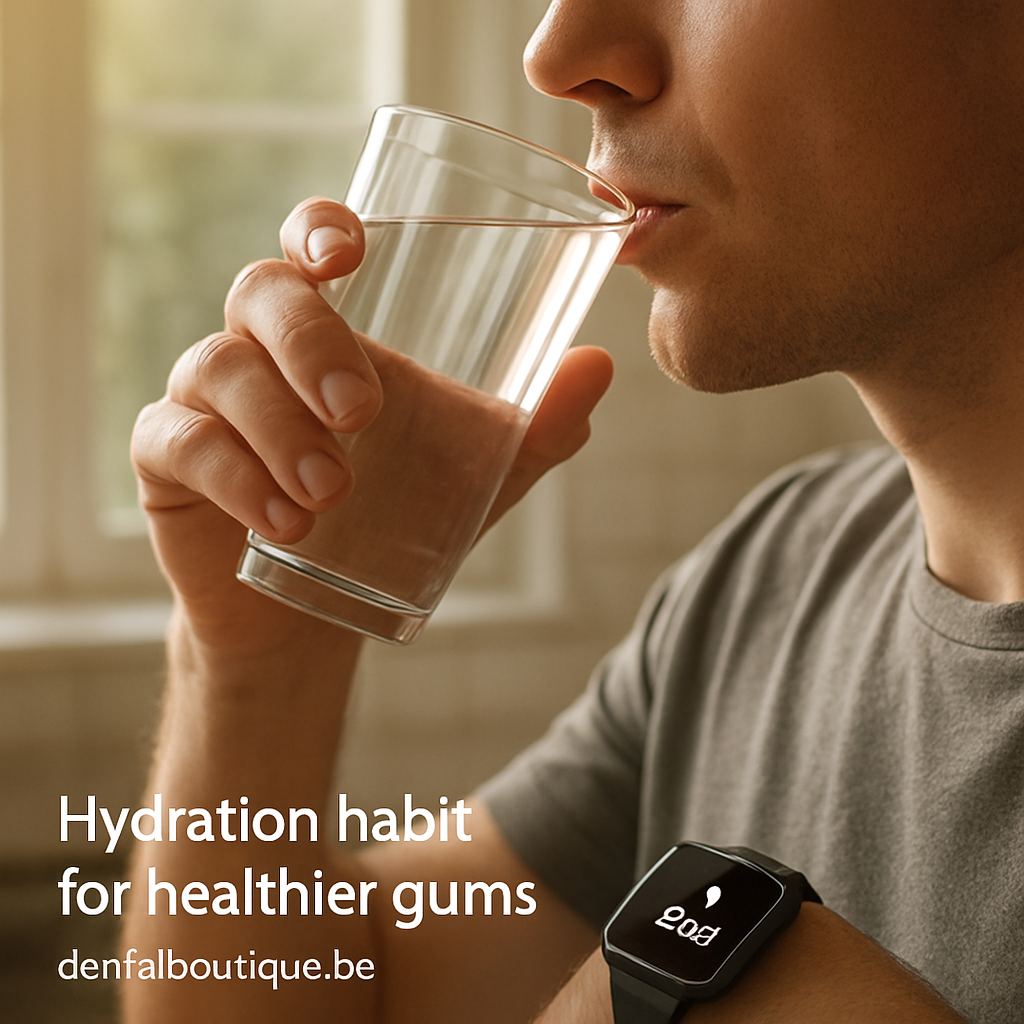
Drinking at least eight glasses of water a day does more than quench thirst. It keeps your mouth moist, flushing away food particles and neutralising acids that would otherwise irritate the gum line. A simple experiment: swap one soda for a glass of water after dinner for a week and note any drop in morning bleeding.
Pro tip: if you tend to breathe through your mouth at night, a small humidifier in the bedroom can keep oral tissues from drying out.
2. Move your body, move your blood
Regular aerobic activity boosts circulation, delivering oxygen and nutrients to gum tissue. Even a 20‑minute brisk walk after lunch can improve blood flow enough to reduce inflammation. One of our customers in Berlin swapped the elevator for stairs and reported a 15 % reduction in gum soreness within three weeks.
Try a quick “gum‑pulse” break: stand, stretch, and do a few neck rolls – it feels oddly satisfying and nudges blood toward the jaw.
3. Quit smoking – the ultimate reset
Smoking constricts blood vessels and hampers immune response, making gums a perfect breeding ground for bacteria. Studies cited by West Houston Periodontics show smokers are three times more likely to develop gum disease. If you’re ready to quit, consider nicotine patches or a local cessation programme – the payoff is visible gums in as little as a month.
And remember, every cigarette you skip is a step toward healthier tissue.
4. Stress‑management – calm the cortisol flood
Stress spikes cortisol, which weakens connective tissue and slows healing. A five‑minute breathing exercise (inhale 4, hold 7, exhale 8) before bedtime can lower cortisol enough to let gums repair overnight. One of our community members in Spain tried this nightly and saw less gum tenderness after two weeks.
If you prefer movement, a short yoga flow focused on the jaw and neck can release tension and improve saliva flow.
5. Sleep hygiene – give gums a night shift
A solid 7‑9 hours of quality sleep supports the body’s repair mechanisms, gums included. Aim for a dark, cool bedroom and limit screen time an hour before bed. Consistent sleep patterns have been linked to lower inflammation markers, which translates to calmer gums.
Combine these habits with the herbal rinses you’ve already mastered, and you’ll have a full‑body approach to gum wellness.
For a quick reference, here’s a handy comparison of the lifestyle tweaks and their primary gum‑benefit:
| Adjustment | Primary Gum Benefit | Easy Starter Action |
|---|---|---|
| Hydration | Reduces plaque buildup by flushing food debris | Replace one soda with water after dinner |
| Exercise | Improves blood flow, less inflammation | Take a 20‑minute walk after lunch |
| Quit Smoking | Restores immune response in gum tissue | Start a nicotine‑patch program |
| Stress Reduction | Lowers cortisol‑driven tissue breakdown | Practice 4‑7‑8 breathing before bed |
| Sleep Hygiene | Supports nightly gum repair | Set a consistent bedtime routine |
Want a deeper dive into one of these habits? Check out Understanding gum bleeding: A Practical Guide to Prevention and Care for evidence‑based tips on tracking progress and spotting early warning signs.
And if you’re looking for a broader wellness perspective, XLR8well offers proactive health strategies that complement gum‑friendly habits (just type the URL into your browser).
Step 5: Monitor Progress and When to Seek Professional Care
Okay, you’ve tried the hydration habit, the veggie snack, the gentle massage – now it’s time to see if the changes are actually sticking. Monitoring isn’t about obsessing over every tiny bleed; it’s about spotting patterns that tell you whether you’re on the right track or need a professional nudge.
Set up a simple gum‑health log
Grab a small notebook or open a notes app on your phone. Write down the date, what you did that day (e.g., “salt‑water rinse, 2 min; 20‑min walk”), and any gum sensations you notice – bleeding, soreness, fresh‑mint feeling, that “nothing’s wrong” vibe.
Keep it consistent for at least two weeks. You’ll be surprised how quickly a trend emerges. Maybe you notice less bleeding on days you didn’t skip the evening rinse, or you spot a spike after a late‑night coffee.
Use a quick visual checklist
Every morning, look at your gums in the mirror. Are they pink and firm, or do they appear red and swollen? A quick 1‑2‑3 rating works:
- 1 = Looks healthy, no bleeding.
- 2 = Mild redness or occasional tiny bleed.
- 3 = Persistent swelling, regular bleeding.
Jot the number next to the date in your log. Over time you’ll see the score drift toward “1”.
When the numbers don’t improve
Let’s be real: natural habits are powerful, but they’re not a magic wand for advanced gum disease. If after three weeks you’re still stuck at a “2” or “3”, or if you notice any of the following, it’s time to call a dentist:
- Bleeding that lasts more than a few minutes after brushing.
- Pain that spikes when you bite or chew.
- Gums that pull away from the teeth, exposing more of the tooth root.
- Persistent bad breath that doesn’t improve with rinsing.
These signs line up with what experts call periodontal disease, a condition that can progress if left untreated. The Cleveland Clinic explains that untreated gum disease can lead to bone loss and even tooth loss gum disease warning signs. Knowing the red flags helps you act before things get serious.
What to expect at the dental visit
When you walk into the office, the dentist will likely do a quick visual exam, measure pocket depths with a thin probe, and maybe take X‑rays. Those steps let them see if there’s hidden plaque below the gum line or early bone loss.
If the issue is still in the gingivitis stage, a professional cleaning plus the habits you’ve built can often reverse it. For deeper pockets, they might recommend a scaling and root‑planing session – essentially a deep‑clean that reaches where your brush can’t.
Natural habits + professional care = best results
Think of your home routine as the daily maintenance crew and the dentist as the specialist who does the heavy‑lifting when needed. Even after a cleaning, the same habits – salt‑water rinse, gum massage, staying hydrated – keep the results from slipping.
Ammons Dental outlines several natural ways to reverse early gum disease natural ways to reverse gum disease. Those tips line up with what we’ve covered, reinforcing that a balanced approach works best.
Quick “self‑check” before you book
Before you pick up the phone, run through this mental checklist:
- Have I logged my habits for at least two weeks?
- Do I see a steady drop in bleeding or swelling?
- Am I still experiencing pain, persistent bleeding, or gum recession?
If the answer is “yes” to any of the last two, schedule an appointment. If you’re seeing improvement, keep the log going – it’s your personal proof that the natural plan is working.
Bottom line: tracking is cheap, it’s easy, and it gives you the confidence to know when you can keep going solo and when a professional hand is worth the visit. Your gums will thank you either way.
Conclusion
We've walked through diet tweaks, gentle massage, stress hacks, and the occasional professional cleaning – all the building blocks for how to improve gum health naturally.
So, what does the final checklist look like? First, keep your salt‑water rinse on repeat; second, snack on crunchy veggies or probiotic foods at least once a day; third, give your gums a 30‑second massage after brushing; fourth, stay hydrated and move your body; and finally, log any bleeding or soreness for two weeks before deciding whether to call the dentist.
Real‑world proof? A reader in Berlin swapped soda for water and cut their morning bleeding by half in three weeks, while a coffee‑loving freelancer in Madrid added a nightly 30‑second gum massage and noticed less tenderness after just ten days.
If you’re still hunting for the perfect toothpaste, check out our Best Toothpaste for Bleeding Gums: Top Picks & How to Choose guide – the formula blends CBD, Dead Sea minerals, and gentle abrasives that calm inflammation without harsh chemicals.
Remember, consistency beats intensity. Pick one habit, stick with it for a fortnight, then layer the next. Your gums will thank you, and you’ll finally enjoy a bite of a crisp apple without the dreaded sting.
Ready to put the plan into action? Grab a notebook, set a reminder, and start today – the healthiest smile is just a few small steps away.
FAQ
What are the first steps to how to improve gum health naturally?
Start simple: a warm salt‑water rinse twice a day, a handful of raw veggies like carrots or celery, and a 30‑second gum massage after brushing. Those three habits tackle inflammation, mechanical plaque removal, and blood flow all at once. Stick with them for at least two weeks and note any change in bleeding or soreness before adding more tweaks.
How often should I do a gum massage and why does it help?
We recommend a gentle 30‑second circular massage on each side of the gum line once after you brush. The light pressure stimulates circulation, delivering oxygen and nutrients that support tissue repair. Doing it daily keeps the gums supple and can reduce bleeding within a few weeks, especially when paired with a calming mouthwash or our CBD‑infused toothpaste. You’ll feel a subtle tingling that signals blood is moving back into the tissue.
Can diet really change gum health, or is it just a myth?
It’s real. Foods high in omega‑3s, vitamin C, and fiber act like internal anti‑inflammatories. Think salmon, walnuts, citrus, and crunchy veggies. They feed beneficial oral bacteria and give the gums the nutrients they need to stay pink and firm. Swap one sugary snack a day for a raw veggie or a probiotic bite, and you’ll usually see less plaque buildup within a month.
Is a DIY natural mouthwash as effective as a store‑bought one?
A homemade rinse of warm water, a teaspoon of raw honey, and a few drops of tea‑tree oil provides antimicrobial action without alcohol‑driven drying. It’s gentle enough for daily use and supports the same bacteria‑reducing benefits you get from commercial formulas, but without harsh chemicals. Use it twice a day after brushing and you’ll notice fresher breath and calmer gums.
How do I know when it’s time to see a dentist instead of relying on natural methods?
If bleeding persists after three weeks of consistent home care, or if you experience pain while chewing, gum recession, or persistent bad breath, it’s a red flag. Those symptoms often signal deeper periodontal issues that need professional cleaning or scaling. A quick check‑up can catch problems early, and you can keep using the natural habits alongside the dentist’s treatment.
Will quitting smoking actually reverse gum damage, or is the damage permanent?
Quitting is the single most powerful habit for gum recovery. Within a month of stopping, blood flow improves and inflammation drops, allowing the gums to start healing. While severe recession may need a graft, most early‑stage damage reverses with better circulation and the right oral‑care routine. Pair quitting with hydration and gentle massage for the best bounce‑back.
How can I track my progress without getting obsessed?
Grab a small notebook or a notes app and log three things each day: the habit you performed (rinse, massage, veggie snack), a quick gum rating (1 = healthy, 2 = minor bleed, 3 = significant bleed), and any noticeable feeling (tight, sore, fresh). Review the log after two weeks; you’ll see patterns without needing a full‑blown spreadsheet, and you’ll know exactly which habit is moving the needle.