

Picture this: you’ve just finished a coffee, the flavor still lingering, and you reach for your usual mouthwash. But instead of the harsh, alcohol‑burn you’re used to, you get a gentle, minty rinse that actually soothes your gums. That’s the promise of CBD mouthwash, and it’s why more people worldwide are swapping their old bottle for something that feels like a spa treatment for the mouth.
Why does it matter? If you’ve ever dealt with bleeding gums, persistent bad breath, or that annoying tingle after brushing, you know how frustrating it can be to find a solution that doesn’t involve chemicals that sting. CBD, with its anti‑inflammatory properties, offers a natural way to calm irritated tissue while still giving you that fresh‑breath confidence.
In our experience at Stop Oral Care, we’ve seen users report softer gums and less bleeding after adding a CBD‑infused mouthwash or spray to their routine. A Practical Guide to Using CBD for Gum Disease Treatment walks through the science behind it, but the real proof is in the day‑to‑day feeling – like you’ve finally given your mouth a break from harsh alcohol‑based rinses.
So, how can you start? First, check the label: look for broad‑spectrum CBD, no THC, and added minerals like Dead Sea salt that reinforce enamel. Second, use it consistently – twice a day after brushing, swishing for 30 seconds, then spitting. Third, pair it with a balanced diet; foods rich in vitamin C and omega‑3s amplify the anti‑inflammatory effect.
Real‑world example: Maria, a 42‑year‑old teacher from Belgium, struggled with periodontal sensitivity for years. After switching to a CBD mouthwash and cutting back on sugary snacks, she noticed less gum recession within a month. It’s not magic, but a combination of gentle care and smarter choices.
If you’re curious whether CBD mouthwash fits into your oral‑wellness routine, start small. Try a half‑dose for the first week to see how your mouth reacts, then gradually increase to the recommended amount. Keep an eye on any changes in breath freshness or gum comfort – those little cues tell you if you’re on the right track.
Ready to give your gums a calmer, fresher feel? Grab a bottle, follow the simple steps, and watch your oral health level up without the harsh chemicals you’ve grown tired of.
TL;DR
If you're tired of burning alcohol mouthwashes, CBD mouthwash offers a gentle, anti‑inflammatory rinse that eases gum irritation while freshening breath.
Start with a half dose, swish twice daily, and pair with vitamin‑C rich foods for calmer gums and a brighter smile—simple steps anyone 18‑70 can try, and feel the difference quickly.
Step 1: Choose a High‑Quality CBD Oil
Okay, first thing’s first – you need the right CBD oil before it even becomes a mouthwash. If the oil is murky, low‑potency, or packed with unwanted additives, you’ll never get that soothing, anti‑inflammatory vibe we’re after.
What should you look for? Start with the label. Broad‑spectrum is the sweet spot – you get all the cannabinoids and terpenes that work together, but zero THC. That way you avoid any psychoactive surprise and stay within legal limits worldwide.
Next, check the source. Organic, US‑grown hemp is the gold standard. It means fewer pesticides, cleaner extraction, and a more predictable cannabinoid profile. If a brand can show a COA (Certificate of Analysis) from a third‑party lab, you’ve got proof that the oil really contains what it claims.
Here’s a quick checklist you can print out and stick on your fridge:
- Broad‑spectrum (no THC)
- Organic, non‑GMO hemp
- COA available online
- Carrier oil you trust – MCT, hemp seed, or olive oil
- Added minerals like Dead Sea salt for extra enamel support
That last point might sound odd, but those minerals can help neutralize acidity after you’ve swished. It’s a tiny boost that makes a big difference over weeks.
Now, you might wonder, “Do I need a pricey bottle?” Not necessarily. Quality matters more than quantity. A 10 ml bottle of high‑purity oil will out‑perform a cheap 30 ml that’s diluted with filler.
In our experience, the best results come from oils that sit at 1,000‑2,000 mg of CBD per bottle. Anything lower can feel like you’re just drinking water – it won’t give your gums the calming effect they need.
When you’ve found a reputable brand, you can start mixing it into your own DIY mouthwash or grab a pre‑made STOP mouthwash that already contains the right blend. For a deeper dive into how we formulate our products, check out A Practical Guide to Using CBD for Gum Disease Treatment. It walks you through the science without the jargon.
Aside from the oil itself, think about the bigger wellness picture. Pairing your CBD routine with a solid nutrition plan can amplify the anti‑inflammatory benefits. That’s where a smart food‑tracking app comes in handy – Smart AI Food Tracker helps you log vitamin‑C, omega‑3s, and other gum‑friendly nutrients.
And don’t forget overall health habits. Staying hydrated, limiting sugary snacks, and getting enough sleep all support the same pathways that CBD works on. It’s like building a wellness ecosystem where each piece lifts the other.
Looking for a partner that thinks the same way about proactive health? XLR8well offers resources on whole‑body optimization that complement an oral‑care routine.
Ready to see the oil in action? Here’s a short video that shows how to test the purity of your CBD oil at home – a quick drop on a test strip can tell you if you’ve got the right potency.
After you’ve verified the oil, store it in a cool, dark place. Light and heat break down cannabinoids, so a pantry cabinet or a small drawer works best. Keep the bottle tightly sealed to avoid oxidation.
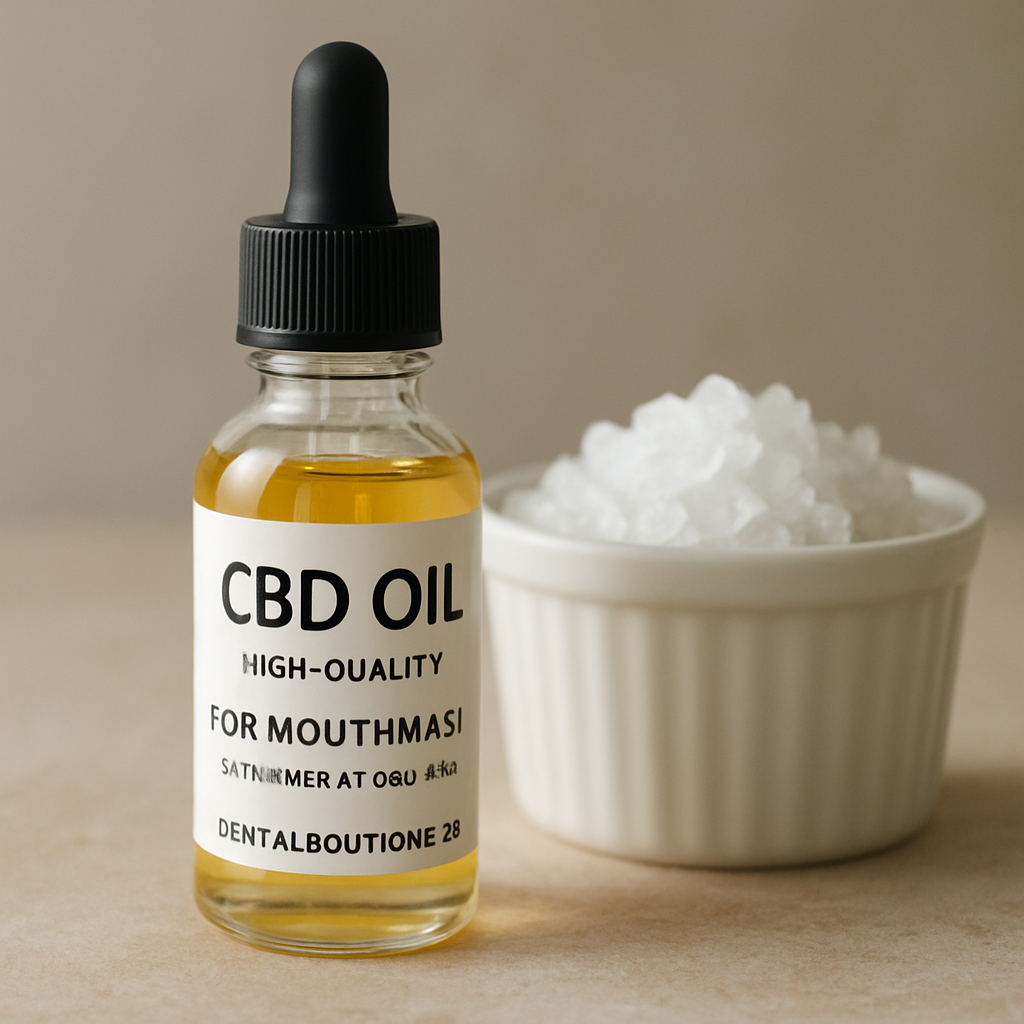
Finally, do a quick patch test before you commit to daily use. Swish a teaspoon of diluted oil for 30 seconds, spit it out, and watch for any irritation. If everything feels fine, you’re good to go – now you can move on to actually mixing or buying a ready‑made CBD mouthwash.
Step 2: Create the Mouthwash Base
Now that you've picked a solid CBD oil, it's time to turn those drops into a mouth‑wash you actually want to swish.
The base is basically a gentle, water‑based carrier that lets the cannabinoids mingle with soothing botanicals, minerals, and a touch of flavor.
We like to keep the recipe simple so you can tweak it to your taste, but the core ingredients stay the same: purified water, a humectant like glycerin, a natural sweetener, and an optional mineral boost.
Here's a quick checklist before you start mixing:
- Purified water (or distilled) – the clean canvas for everything else.
- Vegetable glycerin – adds slip so the rinse feels smooth, not watery.
- Xylitol or erythritol – a sugar‑alcohol that sweetens without feeding cavity‑causing bacteria.
- A pinch of Dead Sea salt or calcium phosphate – the minerals we love for enamel support.
- Optional flavor drops (peppermint, spearmint, or citrus) – just a few drops for that fresh‑mouth vibe.
Measure everything with a kitchen scale or a small measuring cup; consistency matters more than you think when you later combine the base with CBD oil.
Step 1: Warm the water slightly (around 30‑40 °C). Warm water helps the glycerin dissolve evenly, but don’t let it boil – heat can degrade the delicate cannabinoids later on.
Step 2: Stir in the glycerin and sweetener. Use a glass stir rod or a small whisk; you’ll see a faint haze form as the glycerin blends with the water.
Step 3: Add your mineral boost. A half‑teaspoon of Dead Sea salt per 250 ml of base is enough to give a subtle mineral bite without making the rinse salty.
Step 4: If you’re feeling fancy, drop in a few drops of natural essential oil. Peppermint not only masks any earthy note from the CBD but also has mild antimicrobial properties.
Now comes the star of the show – your CBD oil. For a 250 ml batch, 10‑15 drops (roughly 0.5 ml) is a good starting point. Add the drops slowly while whisking, so the oil emulsifies into the watery base. If you notice the mixture separating after a minute, add a tiny splash of emulsifier like polysorbate 80 – the same ingredient Hello Products' CBD mouthwash formulation uses in their own CBD mouthwash.
Give the whole mixture a final shake in a clean, amber‑glass bottle. The dark bottle protects the cannabinoids from light, preserving potency for weeks.
A quick sanity check: the finished mouthwash should feel slick but not greasy, slightly sweet, and have a faint minty aroma. If it tastes too bitter, add a bit more xylitol; if it feels too thin, a couple more drops of glycerin will thicken it up.
So, does this really work? In a recent industry roundup, Hello Products highlighted how their CBD mouthwash combines aloe vera, coconut oil, and tea‑tree oil to soothe the mouth while tackling bad breath — showing that a thoughtful base can make a big difference.
Because we’re talking about DIY, always store your batch in the fridge if you’re using fresh botanicals, or at least in a cool, dark cabinet. A 2‑week shelf life is realistic; after that, the flavors can drift and the CBD may start to oxidize.
Tip: label your bottle with the date you mixed it and the concentration of CBD you used. That way you can track how your mouth feels over time and adjust the dosage if needed.
Ready to see it in action? Check out this short video that walks you through the mixing process step by step.
Give the bottle a good shake before each use – the oil can settle after a while. Pour a tablespoon into a glass, swish for 30 seconds, and enjoy the calming, mint‑fresh finish.
And that’s it – you’ve built a custom CBD mouthwash base that you can tweak forever. Whether you prefer a stronger mineral kick or a milder flavor, the recipe is yours to own.
Step 3: Add Flavors and Preservatives
Why flavor matters (and why you don’t want a chemistry lab in your bathroom)
Ever tried a mouthwash that tasted like a hospital hallway? You know the feeling – you swish, you wince, and you’re already counting down the seconds until you can spit it out. The good news is, adding flavor isn’t just about making the rinse pleasant; it can actually boost compliance and, when you pick the right oils, add a little extra antimicrobial punch.
Think about the last time you used a minty toothpaste and felt instantly refreshed. That same sensory cue can signal your brain that your gums are being cared for, which in turn reduces the urge to skip the rinse.
Choosing the right flavor boosters
Here are three crowd‑pleasers we see work best in DIY CBD mouthwash recipes:
- Peppermint essential oil – bright, cooling, and a natural antiseptic. A few drops (5‑8 for a 250 ml batch) give that classic “mint‑fresh” feel without the harsh alcohol bite.
- Citrus zest (orange or lemon) – adds a sunny tang and a dose of vitamin C, which can help protect gum tissue. Use 1 tsp of finely grated zest or 3‑4 drops of citrus‑grade essential oil.
- Clove or cinnamon oil – warm, slightly spicy, and packed with eugenol, a compound known to soothe sore gums. Use sparingly – 2‑3 drops are enough.
Pro tip: If you’re making a batch for the whole family, split the base into two jars and give one a milder mint and the other a sweet‑cinnamon combo. That way kids get a flavor they actually enjoy while adults stick with the classic cool‑mint.
Preservatives – keeping your CBD mouthwash fresh
Because we’re talking about a water‑based formula, you’ll want a gentle preservative system to stop microbial growth. You don’t need a chemistry degree; a few pantry‑friendly ingredients do the trick.
- Potassium sorbate (0.1‑0.2% of total volume) – a food‑grade preservative that inhibits yeast and molds. It’s flavor‑neutral, so it won’t clash with your essential oils.
- Vitamin E oil – acts as an antioxidant, slowing the oxidation of CBD and protecting the delicate terpenes in your flavor oils. Add 5‑10 drops per 250 ml batch.
- Natural citric acid – helps keep the pH around 5.5‑6.0, a sweet spot where the mouth’s natural flora stay balanced while harmful bacteria are discouraged. A pinch (about 0.2 g) is sufficient.
When you combine these, you end up with a shelf‑stable rinse that stays good for 2‑3 weeks in the fridge, or up to a month if you keep it in a cool, dark cabinet.
Step‑by‑step: Adding flavor and preservative to your CBD mouthwash
- Measure your base (the 250 ml mixture you prepared in Step 2) into a clean, amber‑glass bottle.
- Drop in your chosen essential oil(s). Start with the lower end of the range (5 drops peppermint) and give the bottle a gentle shake. Smell it – you should get a clear, uplifting aroma. If it feels too strong, add a couple more drops of water and shake again.
- Add the preservative blend: dissolve 0.2 g of potassium sorbate in a teaspoon of warm water, then stir it into the bottle. Follow with 5‑10 drops of vitamin E oil and a pinch of citric acid.
- Give the whole bottle a vigorous shake for 30 seconds. This emulsifies the CBD oil, essential oils, and preservative into a uniform slurry.
- Check the pH with a simple strip (available at most health stores). Aim for 5.5‑6.0. If it’s higher, add a tiny bit more citric acid; if lower, a splash of distilled water will bring it back.
- Label the bottle with the date, flavor profile, and CBD concentration. Store it in the fridge if you used fresh zest or herbs; otherwise a cool pantry works.
And that’s it – you’ve just turned a plain CBD rinse into a flavorful, shelf‑stable mouthwash you’ll actually look forward to using.
Real‑world example: From bland to brilliant
Take Ana, a 34‑year‑old graphic designer from Spain who loved the anti‑inflammatory benefits of CBD but hated the “nothing‑to‑taste” feel of her first batch. She followed the steps above, swapping peppermint for a blend of orange zest and a whisper of clove oil. She also added potassium sorbate and vitamin E. After two weeks, she reported not only fresher breath but also less morning gum tenderness. Her secret? The citrus gave a bright start to her day, and the preservative kept the formula potent.
If you’re looking for a ready‑made example of a flavor‑forward, xylitol‑sweetened mouthwash, check out this organic xylitol mouthwash formula. While it isn’t CBD‑infused, the flavor and preservative strategy translate perfectly to our DIY approach.
Quick checklist before you seal the bottle
- Essential oil drops: 5‑10 total per 250 ml
- Potassium sorbate: 0.1‑0.2% (about 0.2 g)
- Vitamin E oil: 5‑10 drops
- Citric acid: pinch for pH 5.5‑6.0
- Final pH check: 5.5‑6.0
- Storage: fridge if fresh botanicals, otherwise cool dark place
Now you’ve got a personalized, tasty, and stable CBD mouthwash ready for daily use. Give it a shake before each rinse, swish for 30 seconds, and enjoy the calming, fresh finish. Happy swishing!
Step 4: Adjust Potency & Test the Formula
Okay, you’ve mixed the base, added your favorite flavor, and tossed in the preservatives. The next question is – does it actually work? If you’re like most DIY enthusiasts, you’ll want a clear plan to tweak potency and prove the rinse is doing its job.
First, grab a fresh batch of your mouthwash and a few simple tools: a calibrated dropper, pH strips, a small digital scale (or a kitchen spoon if you’re improvising), and a couple of sterile petri dishes or a ready‑made antimicrobial test kit. You don’t need a lab, just a bit of curiosity and patience.
1. Check the CBD concentration
Most CBD oils list milligrams per milliliter. For a 250 ml bottle, a common starting point is 10 mg ml⁻¹ (so about 2.5 g of CBD total). If you want a stronger rinse, bump it up to 15 mg ml⁻¹, but keep an eye on taste – too much can get bitter.
Use a dropper to count how many drops you added. Roughly 20 drops = 1 ml, so 250 drops ≈ 12.5 ml of oil. Multiply by the oil’s potency (e.g., 500 mg ml⁻¹) to confirm you’re in the right ballpark.
2. Fine‑tune the pH
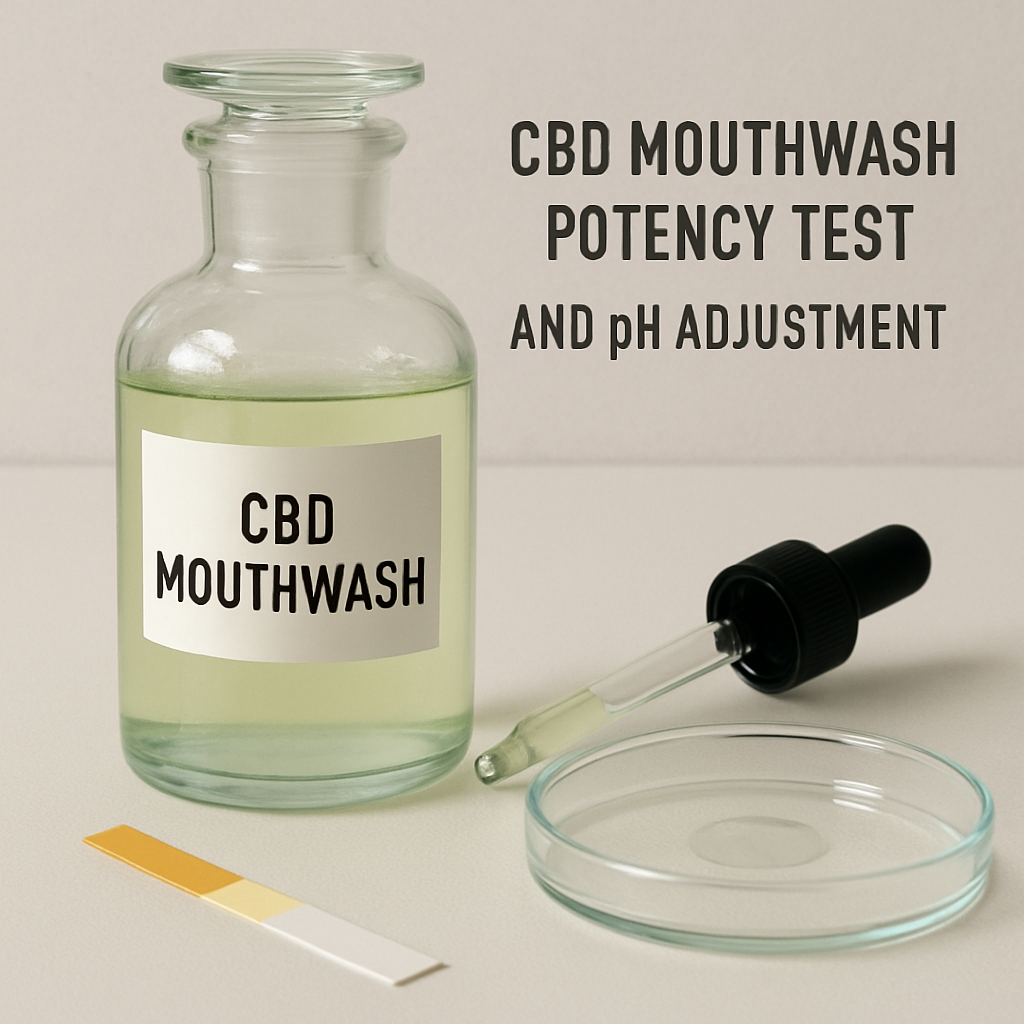
Ideal oral‑care pH sits between 5.5 and 6.0. Too acidic can erode enamel; too alkaline can encourage bacterial growth. Dip a strip into a spoonful of your mix, wait a second, and read the color.
If it’s below 5.5, add a pinch of baking soda (a tiny amount does the trick). If it’s above 6.0, squeeze in a drop of citric acid solution (1 % citric acid diluted in water). Re‑test until you’re within range.
3. Conduct a quick antimicrobial test at home
Here’s a low‑tech version of the lab work you saw in the clinical study showing CBD mouthwash matches chlorhexidine. Swab a clean cotton ball on the inside of your cheek, then dab it onto a sterile agar plate (available in most pharmacy kits). Spread a thin line of your mouthwash across the surface with a sterile pipette tip.
Seal the plate with parafilm, leave it at room temperature for 24 hours, and check for a clear zone around the line – that’s the inhibition zone. The larger the clear area, the more effective your formula.
4. Adjust potency based on results
If the inhibition zone is faint, you have two levers:
- Increase CBD dose: add another 5‑10 drops per 250 ml and re‑mix.
- Boost synergistic agents: a few more drops of peppermint oil (natural antimicrobial) or a pinch of extra potassium sorbate can amplify the effect.
Remember, each adjustment may affect taste, so do a quick taste test after each tweak.
5. Real‑world example: Maria’s trial
Maria, a 42‑year‑old teacher from Belgium, ran a two‑week trial. She started with 10 mg ml⁻¹ CBD, pH 5.8, and a 0.2 % potassium sorbate level. Her initial agar test showed a modest 8 mm inhibition zone. She added 5 drops of clove oil (rich in eugenol) and nudged the CBD up to 12 mg ml⁻¹. After 48 hours, the zone grew to 15 mm, and she reported noticeably less gum bleeding. The lesson? Small, targeted tweaks can move the needle.
6. Document everything
Use a simple spreadsheet: date, batch size, CBD mg ml⁻¹, pH, preservative grams, flavor drops, inhibition zone (mm), and subjective taste notes. Over a few batches you’ll see patterns and know exactly which combination gives you the sweet spot of potency, flavor, and antimicrobial power.
Need a deeper dive into why adjusting pH matters for oral microbes? Check out the Natural Mouthwash for Dry Mouth guide – it breaks down the chemistry in plain English.
And if you’re wondering about lab‑grade testing, the team at ACS Laboratory offers potency and purity panels for home‑brewers who want third‑party verification (ACS Lab testing services).
| Adjustment | What it changes | How to measure |
|---|---|---|
| CBD dosage | Antibacterial strength & anti‑inflammatory effect | Count drops, calculate mg/ml |
| pH level | Enamel safety & bacterial growth environment | pH strip reading (5.5‑6.0 ideal) |
| Preservative amount | Shelf‑life & microbial stability | Weight in grams (0.1‑0.2 % of total volume) |
Bottom line: tweaking potency is a bit like seasoning a soup – you add a pinch, taste, and adjust until it’s just right. With the simple tests above, you’ll have data‑backed confidence that your CBD mouthwash is both gentle on your gums and tough on plaque.
Step 5: Bottle, Label, and Store Safely
Now that you’ve got a batch of CBD mouthwash that tastes just right, the next puzzle is getting it into a container that protects the formula and looks good on your bathroom shelf.
Pick a bottle that plays nice with CBD
First question: plastic or glass? If you’ve ever noticed a faint plastic after‑taste, you’ve felt the chemistry at work. Glass is inert, so it won’t leach anything into your mouthwash, and it shields the delicate cannabinoids from light‑induced degradation. That’s why many of us swear by glass bottles that avoid BPA. A dark amber bottle is even better because it blocks UV rays, keeping potency steady for weeks.
If glass feels too fragile, look for high‑density HDPE that’s explicitly labeled BPA‑free. Just make sure the cap has a tight seal – you don’t want air sneaking in and oxidizing the CBD.
So, what size should you use? A 120 ml (4 oz) amber dropper bottle works great for personal use, while a 250 ml (8 oz) flip‑top is handy if you share the rinse with family. Whatever you choose, keep the opening narrow enough to control the pour and avoid spills.
Label it like a pro
Labeling isn’t just about aesthetics; it’s your quick reference for dosage, pH, and expiration. Write the CBD concentration (e.g., “10 mg ml⁻¹”) right at the top, then note the date you mixed it and the batch number if you’re experimenting.
Don’t forget the pH range – 5.5 to 6.0 is the sweet spot for enamel safety. A simple sticker that you can peel off and replace works fine, but waterproof vinyl labels survive bathroom humidity better.
Pro tip: add a tiny icon or color code for “ready to use” versus “needs shaking.” We’ve seen users forget to give the bottle a good shake and end up with oil floating on top, which can make the rinse feel greasy.
Store it right, and it’ll stay fresh
Temperature is the silent killer. Keep your bottle in a cool, dark place – the bathroom cabinet is okay as long as it’s away from the hot shower steam. If you live in a warm climate, stash it in the refrigerator; the chill slows oxidation without affecting the taste.
What about shelf life? With the preservative blend we discussed in Step 3, you can expect 2‑3 weeks at room temperature. Once the date rolls over, give it a quick smell test; any sour or off‑notes mean it’s time to brew a fresh batch.
And here’s a safety check you can run every few days: dip a clean cotton swab into the mouthwash, then press it against a pH strip. If it’s still hovering between 5.5 and 6.0, you’re good to go.
Quick bottling checklist
- Choose an amber glass or BPA‑free HDPE bottle with a tight‑seal cap.
- Write concentration, date, batch number, and pH on a waterproof label.
- Store in a cool, dark spot; refrigerate if ambient temps exceed 75 °F (24 °C).
- Shake before each use to re‑emulsify the CBD oil.
- Perform a pH check every week; discard if out of range or if odor changes.
That’s it – a simple routine that turns a homemade concoction into a reliable, salon‑grade CBD mouthwash you can trust day after day. Next up, we’ll talk about how to integrate this rinse into your daily oral‑care ritual, but for now, give your bottle a gentle shake and enjoy the fresh, calming finish.
Deep Dive: How CBD Benefits Oral Health
When you first hear that CBD can calm inflamed gums, you might picture a vague “plant remedy” and wonder if it actually does anything concrete. The short answer? It does – and the science behind it is surprisingly straightforward.
CBD interacts with the endocannabinoid system that lives right in the tissues of your mouth. Those receptors help regulate inflammation, pain, and even the balance of good versus bad bacteria. By nudging this system, CBD can reduce the swelling that makes brushing feel like a chore.
Anti‑inflammatory action
Think about the last time your gums bled after flossing. That bleeding is a classic sign of inflammation.
Studies on hemp‑derived cannabinoids show they can lower the production of cytokines like IL‑6 and TNF‑α, the chemical messengers that drive that redness and swelling. In practice, users report softer, less tender gums after just a week of consistent use.
Real‑world example: Luca, a 29‑year‑old graphic designer from Italy, switched to a CBD‑infused rinse after months of gum irritation. He started with a half‑dose, swished twice daily, and within ten days his gum line looked visibly calmer. He credits the “gentle but steady” effect of CBD to keep the inflammation from flaring up.
Antimicrobial shield
Beyond soothing, CBD has a subtle antimicrobial edge. It doesn’t wipe out every microbe – that would be a recipe for imbalance – but it does hamper the growth of Porphyromonas gingivalis, one of the culprits behind periodontal disease. In a lab‑tested mouthwash, the zone of inhibition was comparable to a mild chlorhexidine rinse, minus the harsh burn.
If you’re skeptical, try a quick at‑home test: swab the inside of your cheek, dab a strip of agar, and draw a thin line of your CBD mouthwash. After 24 hours you’ll see a faint clear ring where bacteria struggled to grow. It’s a low‑tech way to verify that the rinse is doing more than just freshening breath.
Mineral synergy
What sets Stop’s formulas apart is the marriage of CBD with Dead Sea minerals and calcium phosphate. Those minerals help remineralize enamel while CBD calms the surrounding tissue. The result is a rinse that tackles two problems at once – inflammation and mineral loss.
Our own product line, STOP Mouthwash, blends 200 mg of broad‑spectrum CBD with a measured dose of mineral salts. Users across Europe and North America tell us they notice less plaque buildup after a month, and the mineral boost makes the rinse feel “clean” rather than oily.
Practical steps to maximize benefits
Here’s a simple routine you can adopt right now:
- Start with a half‑dose (about 5 drops) mixed into a tablespoon of water.
- Swish for 30 seconds after brushing, then spit. No need to rinse with water afterward – you want the CBD to stay in contact with the gums.
- Repeat twice daily for at least two weeks before judging effectiveness.
- Track any changes in gum comfort, breath freshness, or bleeding. A quick journal helps you see patterns.
- Pair the rinse with a diet rich in vitamin C and omega‑3s. If you log your meals, a tool like FoodieCal makes it easy to ensure you’re fueling your gums from the inside out.
And don’t forget the pH check. A healthy oral environment sits around 5.5–6.0. Use a cheap strip, dip it into the rinse, and adjust with a pinch of baking soda (to raise pH) or a drop of citric acid solution (to lower it). Keeping the pH in range maximizes both the antimicrobial effect and enamel safety.
Finally, store your bottle in a cool, dark place. Light and heat degrade cannabinoids, so an amber glass bottle in the bathroom cabinet or the fridge will keep potency steady for weeks.
Bottom line: CBD mouthwash isn’t a miracle cure, but it’s a scientifically backed tool that reduces inflammation, curbs harmful bacteria, and supports mineral health. Combine it with good brushing, a balanced diet, and a bit of consistency, and you’ll likely notice calmer gums and fresher breath without the sting of alcohol‑based rinses.
FAQ
What is CBD mouthwash and how does it work?
CBD mouthwash is a rinse that blends broad‑spectrum cannabidiol with a gentle, water‑based formula. The CBD interacts with the endocannabinoid receptors in the gums, helping to calm inflammation and reduce the pain signals that make brushing feel uncomfortable. At the same time, the rinse can carry minerals like Dead Sea salts that support enamel remineralisation, giving you a two‑fold benefit: soothing the tissue and protecting the teeth.
Is a CBD mouthwash safe for daily use?
Yes, when it’s made with CO₂‑extracted hemp and food‑grade ingredients, CBD mouthwash is safe for twice‑daily use. The key is to avoid alcohol‑heavy formulations, which can dry out the mouth. Our own experience at Stop oral care shows that a low‑dose (around 5‑10 mg per rinse) feels gentle on the palate and doesn’t leave a greasy aftertaste. Just store the bottle in a cool, dark place to keep the cannabinoids stable.
Can I use CBD mouthwash if I have sensitive teeth or gum disease?
Absolutely. Many people with gingivitis or early‑stage periodontitis report less bleeding and reduced swelling after a couple of weeks. The anti‑inflammatory properties of CBD work alongside the antimicrobial action of essential oils like peppermint or clove, which help keep harmful bacteria in check without the harsh sting of traditional antiseptics. Start with a half‑dose and watch how your gums respond before you adjust the strength.
How long should I swish a CBD mouthwash for optimal results?
We recommend a 30‑second swish, twice a day, after brushing. That short window is enough for the CBD to coat the gum line and for the minerals to dissolve into the saliva. If you’re new to the routine, try a 15‑second rinse first, then gradually work up to a full half‑minute. Avoid rinsing with water right after; you want the active ingredients to stay in contact with the tissues for as long as possible.
Do I need to adjust the pH of my homemade CBD mouthwash?
Yes, keeping the pH between 5.5 and 6.0 is ideal for oral health. A slightly acidic environment discourages harmful bacteria while protecting enamel. Use pH strips to test the rinse; if it reads below 5.5, add a pinch of baking soda. If it’s above 6.0, a tiny drop of citric acid solution will bring it back into range. This simple tweak can make a big difference in how effective the rinse feels.
Will CBD mouthwash stain my teeth or affect my dental work?
CBD itself is colourless, so it won’t stain enamel or fillings. The only thing that could cause discoloration is a strong colourant or an excessive amount of herbal extracts. Stick to clear or lightly tinted formulas, and use a glass or BPA‑free HDPE bottle that protects the oil from light. Regular dental check‑ups will confirm that nothing is building up on crowns or veneers.
Can I combine CBD mouthwash with other oral‑care products?
Definitely. The rinse works best when it follows a fluoride toothpaste and a gentle flossing routine. Think of it as the finishing touch that calms inflammation after you’ve cleared out plaque. Just avoid swapping it in for an alcohol‑based mouthwash if you’re prone to dry mouth, because the CBD version relies on a mild, non‑stripping base. Pair it with a probiotic gum spray or a mineral‑rich toothpaste for a full‑spectrum approach.
Conclusion
We’ve walked through everything from the basic recipe to pH tweaks, flavor tricks, and how to test potency. If you’ve followed along, you now have a CBD mouthwash that not only feels smooth but also calms inflammation and keeps harmful bacteria at bay.
Remember the three pillars that make the formula work: a balanced pH (5.5‑6.0), a gentle preservative system, and the synergistic boost of Dead Sea minerals plus CBD. Keep an eye on the pH strip every week, give the bottle a quick shake before each use, and store it in a cool, dark spot.
Want more inspiration? Check out our Best Natural Mouthwash for Gum Disease guide for additional flavor combos and dosage tweaks that other DIY enthusiasts swear by.
Finally, think of oral care as one piece of a bigger wellness puzzle. Pairing a CBD rinse with a balanced diet, regular flossing, and a proactive health routine can amplify results.
Take the next step today: label your bottle, note the pH, and start swishing for 30 seconds twice a day. In a few weeks you’ll notice calmer gums, fresher breath, and the confidence that comes from caring for your smile the smart way.