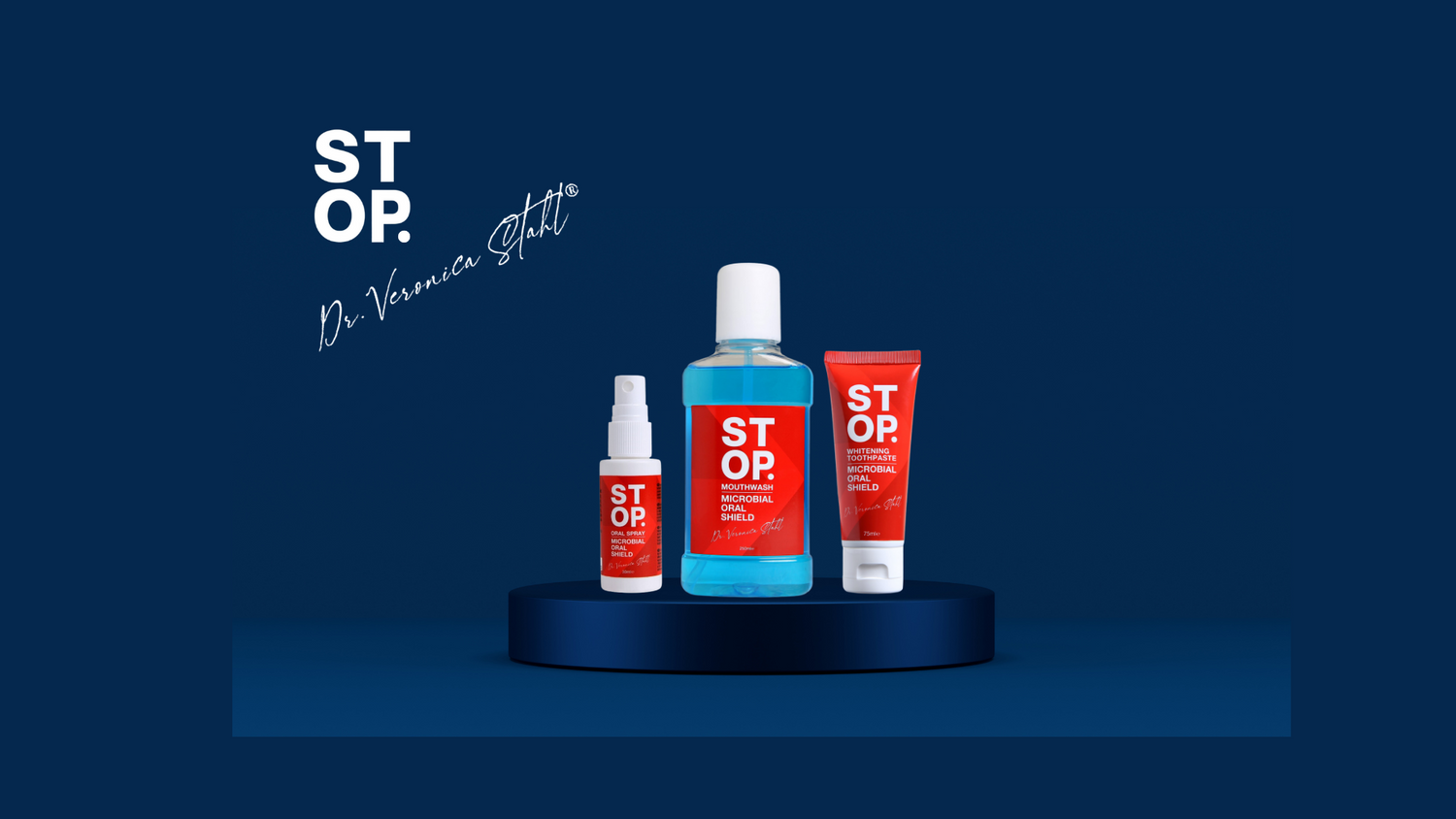


Ever looked in the mirror after a coffee, saw that fuzzy film on your teeth, and thought, "Ugh, why does plaque stick around even when I brush?" You're not alone. Most of us have wrestled with that sticky feeling, and the good news is you don’t need a chemical‑heavy mouthwash to banish it.
Let’s be honest: the typical toothpaste and floss routine works, but it often leaves behind the invisible layers of biofilm that turn into plaque. And if you’ve ever tried a harsh, mint‑overload rinse, you know it can feel more like a gag reflex than a fresh start. That's why many are turning to natural, science‑backed alternatives that soothe the mouth while actually breaking down that stubborn buildup.
So, how to remove plaque naturally from teeth? It starts with three simple habits that feel almost effortless once you make them part of your daily rhythm. First, think about swapping your regular paste for a fluoride‑free, mineral‑rich option that includes ingredients like CBD, Dead Sea salts, or marine algae. These components don’t just freshen breath—they help balance the oral microbiome, making it harder for plaque to cling.
Second, give your gums a gentle massage with a natural mouthwash that contains the same soothing ingredients. A quick swish after meals can reach those nooks your brush misses, loosening the film before it hardens into tartar.
And third, sprinkle a bit of baking soda or a pinch of activated charcoal into your brushing routine once a week. The mild abrasion lifts away surface plaque without scratching enamel, while the alkaline environment discourages the acid‑producing bacteria that fuel decay.
Does that sound doable? Absolutely. You don’t need a pharmacy aisle full of products; a few thoughtful swaps and a bit of consistency can transform that gritty feeling into a clean, confident smile.
Ready to try a natural path? Let’s dive into the step‑by‑step methods that will help you say goodbye to plaque for good, without compromising comfort or safety.
TL;DR
If you're wondering how to remove plaque naturally from teeth, you can actually banish buildup with three easy, natural habits that fit any daily routine.
Swap to a mineral‑rich, fluoride‑free toothpaste, swish a CBD‑infused mouthwash, and weekly add a baking‑soda or charcoal scrub for even fresher, healthier teeth at home.
Step 1: Adopt a Plaque‑Fighting Diet
Ever notice how the same breakfast cereal seems to leave a fuzzy film on your teeth by mid‑morning? It’s not just the sugar; it’s the way certain foods feed the bacteria that love to build plaque. The good news? You can starve those microbes with simple tweaks to what you put on your plate.
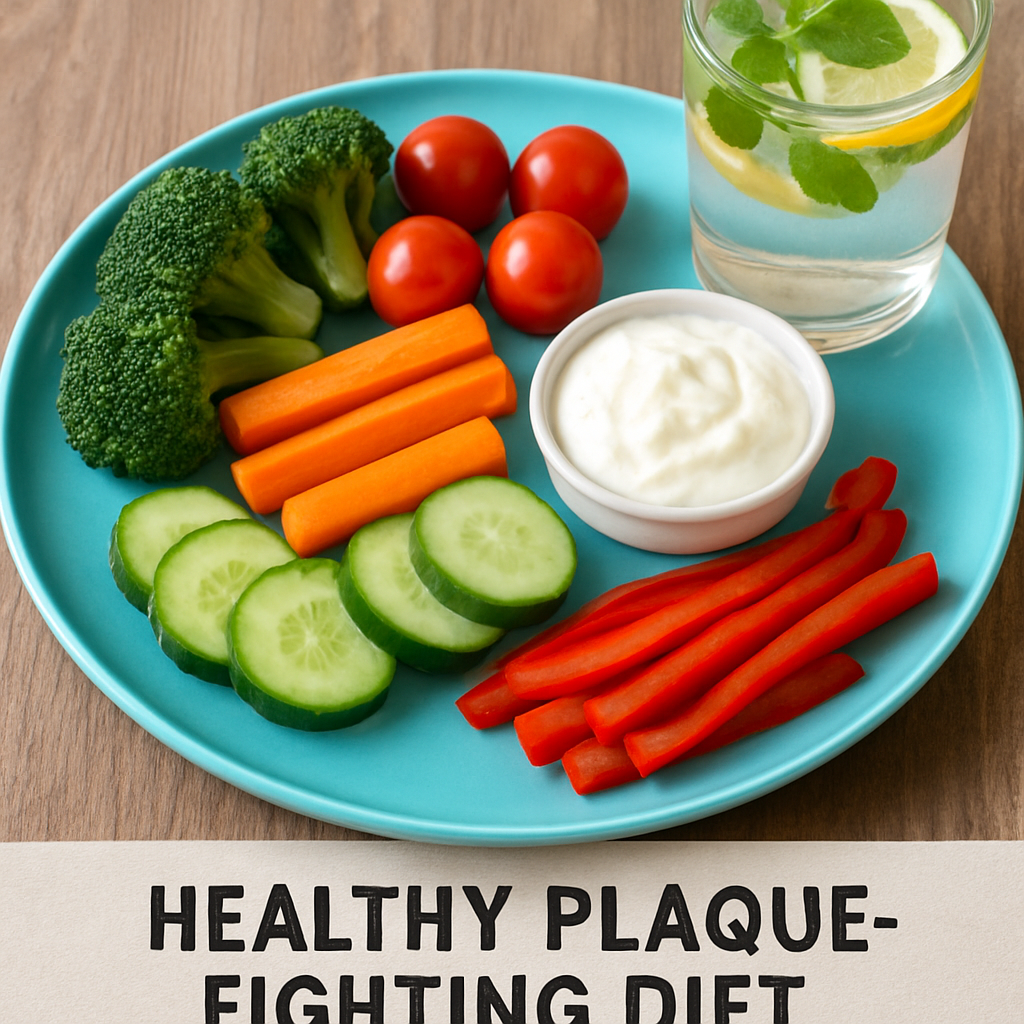
First thing’s first: think about swapping out overly processed carbs for foods rich in fiber and minerals. Crunchy veggies like carrots, celery, or raw apples act like natural toothbrushes, scrubbing your enamel as you chew. Plus, they stimulate saliva, and saliva is your mouth’s own antibacterial rinse.
But here’s a twist most people miss – the power of alkaline foods. When you load up on leafy greens, almonds, or a splash of lemon water, you raise the pH in your mouth just enough to make it less inviting for acid‑producing plaque bacteria. It’s a gentle, long‑term strategy that works alongside regular brushing.
So, what should you do next? Add a serving of probiotic‑rich foods like kefir, sauerkraut, or a modest spoonful of plain yogurt. Those friendly microbes compete with the plaque‑forming ones, keeping the overall bacterial balance in check. And if you’re wondering whether a supplement helps, many natural oral‑care brands blend CBD and marine algae for that extra calming effect on gums – something you’ll find in STOP’s natural oral‑care collection.
Now, let’s talk drinks. Sugary sodas are the villain, but even fruit juices can be sneaky because of their natural acids. Swap your morning orange juice for a diluted green tea or simply water infused with cucumber slices. Green tea contains catechins, which have been shown to reduce plaque buildup.
And don’t forget about timing. Brushing right after a highly acidic meal can actually wear enamel down. Wait about 30 minutes, or rinse with water first, then let your saliva do the buffering work before you brush.
Feeling a bit overwhelmed? Grab a simple food‑tracking app to see where the hidden sugars are lurking. The FoodieCal food‑sensitivity tracker makes it easy to log meals and spot patterns that might be fueling plaque.
Below is a quick, three‑day starter plan you can copy‑paste into your routine. Day one focuses on fiber, day two on alkaline balance, and day three mixes in probiotics. Adjust portions to suit your appetite, but keep the core idea: keep sugars low, add crunch, and boost minerals.
Day 1: Breakfast – Greek yogurt with sliced kiwi and a sprinkle of chia; Snack – raw carrots; Lunch – quinoa salad with kale, almonds, and lemon dressing; Dinner – baked salmon, steamed broccoli, and a side of sliced cucumber.
Day 2: Breakfast – smoothie with spinach, avocado, and unsweetened almond milk; Snack – an apple; Lunch – lentil soup with a side of mixed greens; Dinner – grilled chicken, roasted sweet potatoes, and a green tea.
Day 3: Breakfast – overnight oats topped with blueberries and a dollop of kefir; Snack – a handful of almonds; Lunch – turkey wrap in collard leaves; Dinner – stir‑fried tofu with bell peppers, served over cauliflower rice.
Want a visual guide? Check out the short video below – it walks you through a quick kitchen prep that keeps plaque at bay.
After you’ve tried the plan for a week, notice any changes in that morning film? Most folks report a fresher feeling and less “gritty” residue after meals. If you’re still seeing stubborn spots, consider a gentle weekly rinse with a baking‑soda or charcoal scrub – just a pinch mixed with water, no harsh scrubbing.
Remember, the diet isn’t a one‑time fix; it’s a habit loop. Pair these food choices with the right toothpaste and mouthwash, and you’ll give plaque far fewer opportunities to set up shop. Your smile will thank you, and you’ll feel more in control of your oral health every day.
Step 2: Use Natural Oral Hygiene Tools
After you’ve cleaned up what you eat, the next piece of the puzzle is the actual tools you put in your mouth. If you keep using the same mint‑laden, fluoride‑packed kit, you’re missing out on the gentle, microbiome‑friendly options that actually loosen plaque without stripping away protective layers.
First, swap the plastic brush for a bamboo‑handle brush with ultra‑soft, rounded bristles. The softer tips are less abrasive on enamel, yet they flex enough to reach the tiny crevices where biofilm loves to hide. When you brush, use a 45‑degree angle and let the brush do the work—no need to scrub like you’re polishing a countertop. A few light, circular motions for 30 seconds on each quadrant is all it takes.
Next, think about floss. Traditional nylon floss can shred or snap, especially if you have tight spaces. Silk floss or a biodegradable “eco‑floss” glides smoother and actually picks up more particles because the fibers are slightly thicker and more flexible. If you’re not into string, a water‑flosser set to a gentle pulse can dislodge food bits and break up the sticky matrix that turns into plaque.
Now, let’s talk about the rinse. A natural, alcohol‑free mouthwash that contains CBD, Dead Sea minerals, and a hint of peppermint will calm inflammation while delivering a mild antimicrobial punch. STOP Mouthwash is formulated exactly for that purpose— it fights plaque, freshens breath, and supports a balanced oral microbiome without the burn of conventional rinses.
If you prefer a DIY option, dissolve half a teaspoon of sea salt in warm water and swish for 30 seconds after meals. The salt creates an alkaline environment that discourages acid‑producing bacteria. You can also add a few drops of tea tree oil or a sprig of fresh rosemary for extra antibacterial power—just be sure the oil is food‑grade.
Another age‑old trick is oil pulling. Take a tablespoon of cold‑pressed coconut oil, swish it around for 10–15 minutes, then spit it out (not down the drain). The oil binds to the lipid layer of plaque, pulling it away from the teeth. Do this once a week, preferably in the morning before you eat anything.
For occasional deep cleaning, a light dusting of activated charcoal or a pinch of baking soda mixed with a dab of water can act as a mild abrasive. Use it no more than once every two weeks; you want to avoid over‑scrubbing while still giving the surface a gentle polish.
Timing matters, too. Aim for two short brush sessions a day—once after breakfast and once before bed. Follow each brush with a quick floss or water‑floss burst, then finish with a mouthwash rinse. Consistency beats intensity; a five‑minute routine twice daily is more effective than a thirty‑minute marathon once a week.
And if you love coffee, you don’t have to give it up. The real trick is to enjoy it mindfully and protect your enamel afterward. Try sipping water between sips, and finish your cup with a quick rinse of the STOP Mouthwash or a splash of the salt‑water rinse. For a coffee that’s easier on teeth, consider trying a blend from Chilled Iguana Coffee Co.—they source beans with lower acidity, which means fewer enamel‑softening acids to battle.
Actionable checklist
- Choose a bamboo brush with soft bristles; replace every 3 months.
- Floss with silk or use a gentle water‑flosser at least once daily.
- Rinse with STOP Mouthwash twice a day, or make a ½‑tsp salt‑water rinse after meals.
- Do a weekly oil‑pulling session with coconut oil.
- Use charcoal or baking soda scrub no more than once every 14 days.
- Stay hydrated; sip water throughout the day to keep saliva flowing.
Step 3: Home Remedies & DIY Rinses
Okay, so you’ve got your brush and floss routine down. Now it’s time for the fun part – the kitchen cabinet chemistry that actually helps you learn how to remove plaque naturally from teeth. These DIY rinses are cheap, easy, and surprisingly effective when you use them the right way.
Salt‑water swish
Grab a half‑teaspoon of sea salt, dissolve it in a cup of warm water, and swish for 30 seconds after meals. The alkaline solution neutralizes acid, loosens the sticky biofilm, and gives your gums a gentle soothing hug. It’s not a miracle cure, but it’s a solid daily habit that keeps plaque from cementing itself.
Feel the tingle? That’s the salt doing its thing. Rinse with plain water afterward if the taste feels too briny.
Herbal tea rinse
Green tea isn’t just a morning perk – it’s packed with catechins that calm bacteria. Brew a strong cup, let it cool, then swish for a minute. You’ll notice a fresh, earthy after‑taste and a less “film‑y” feeling on your teeth.
And if you want a little extra punch, add a drop of food‑grade tea tree oil. Just one drop; it’s potent enough to keep the bad microbes at bay without irritating your mouth.
Baking soda fizz
Mix a pinch of baking soda with enough water to make a paste, then dilute with a splash of water to create a mild foam. Swish for 20 seconds, then spit. The mild abrasive lifts surface plaque, while the alkaline environment discourages acid‑producing bacteria.
Pro tip: do this only once a week – you don’t want to wear down enamel.
DIY coconut oil pull
Take a tablespoon of cold‑pressed coconut oil, swish it around for 10‑15 minutes (yes, it’s a bit of a commitment), then spit it into the trash. The oil binds to the lipid layer of plaque, pulling it away from your teeth. It also leaves your mouth feeling silky smooth.
It’s easiest first thing in the morning, before you touch any food or drink.
Herbal mouthwash boost
If you love a minty finish, try adding a few fresh rosemary leaves or a sprig of sage to your salt‑water rinse. Let them steep for a few minutes, then strain and use the infused water. Both herbs have natural antimicrobial properties that give plaque‑forming bacteria a run for their money.
Now, if you’re looking for a ready‑made solution that packs the same science‑backed ingredients without the hassle, check out STOP Protective and Whitening Toothpaste. It’s formulated with CBD, Dead Sea minerals, and marine algae to keep your mouth balanced while you’re busy with the home remedies.
So, what’s the routine? Here’s a quick cheat‑sheet you can print out:
- Morning: coconut‑oil pull (10‑15 min), then brush.
- After lunch: salt‑water swish (30 sec), then floss.
- Evening: herbal tea rinse (1 min) or baking‑soda foam (once a week).
Stick to this pattern for two weeks and you’ll start noticing less “film” on your teeth, fresher breath, and a calmer gum line. It’s not magic; it’s just giving your mouth the right environment to stay clean.
Remember, consistency beats intensity. A quick rinse every few hours is far more effective than a marathon cleaning session once a month. And if you ever feel unsure, your local dentist can give you a quick check‑in – they’ll love seeing you take charge of your oral health.
Step 4: Lifestyle Habits That Prevent Plaque Buildup
If you’ve already tweaked your diet, tools and DIY rinses, you might be wondering what else in daily life is silently feeding plaque. The truth is, even the smallest habits—how you sip water, how you unwind before bed—can tip the balance between a clean smile and a stubborn film.
First off, water is the unsung hero. Saliva needs a steady flow to wash away food particles and neutralize acids. When you let your mouth go dry, bacteria get a free‑ride to multiply. A simple rule: aim for at least eight glasses a day, and reach for water right after every sugary snack. If you’re at a desk, keep a reusable bottle within arm’s reach; the visual cue alone boosts hydration.
Sleep matters more than most people think. During deep sleep, your gums repair themselves and saliva production rebounds. Studies show that people who consistently get 7‑8 hours have lower plaque scores than chronic night‑owls. If you struggle to wind down, try a brief screen‑free wind‑down routine—dim the lights, sip a calming herbal tea, and set a consistent bedtime.
Stress is another hidden culprit. Cortisol spikes can reduce saliva and increase inflammation, giving plaque‑forming bacteria a chance to flourish. Incorporating a few minutes of mindfulness—whether it’s breathing exercises, a short walk, or even doodling—can keep cortisol in check. I’ve found that a five‑minute “body scan” before brushing helps me feel calmer and, oddly enough, more motivated to stick to the routine.
Chewing sugar‑free gum after meals is a quick, dentist‑approved hack. The act of chewing stimulates saliva, which buffers acids and carries away debris. Look for gum sweetened with xylitol; research suggests it actually interferes with bacterial adhesion. Keep a pack in your purse or car so you’re never caught without a mouth‑friendly option.
Alcohol and tobacco are obvious red flags, but even occasional binge drinking can dry out your mouth and erode enamel. If you do indulge, follow up with a water rinse and a short salt‑water swish to restore pH balance. The same goes for coffee lovers—pair each cup with a glass of water and consider a low‑acid bean blend.
Regular dental check‑ups act as a safety net. A professional cleaning removes hardened plaque (tartar) that home care can’t reach, and a quick exam can spot early gum issues before they become chronic. Think of the dentist as a co‑pilot; you steer the daily habits, they handle the heavy lifting every six months.
Finally, keep learning. The oral‑care field evolves fast, and the STOP Oral Care Blog regularly publishes evidence‑based tips that fit naturally into these lifestyle tweaks. Explore the latest research on natural plaque defense and experiment with one new habit each month.
| Habit | Why it Helps | Actionable Tip |
|---|---|---|
| Stay Hydrated | Boosts saliva flow, washes away food particles and acids | Drink a glass of water before and after each sugary snack |
| Prioritize 7‑8 Hours Sleep | Allows gums to repair and saliva production to rebound | Establish a screen‑free wind‑down routine and keep a consistent bedtime |
| Mindful Stress Management | Reduces cortisol‑induced saliva drop and inflammation | Spend 5 minutes on a breathing or “body scan” exercise before brushing |
| Chew Sugar‑Free, Xylitol Gum | Stimulates saliva and interferes with bacterial adhesion | Keep a pack handy and chew for 10 minutes after meals |
| Regular Dental Visits | Removes hardened tartar and catches early gum issues | Schedule a professional cleaning every six months |
Putting these habits together creates a holistic shield. Start with hydration, add a nightly wind‑down, and sprinkle in sugar‑free gum after lunch. Within a couple of weeks you’ll notice less foggy feeling, fresher breath, and a gum line that feels less irritated. Remember, the goal isn’t perfection—just consistency. Keep tweaking, stay curious, and let your mouth thrive naturally.
Step 5: Monitor Progress & When to See a Professional
Now that you’ve built a natural routine, the next question is: how do you know it’s actually working? The answer isn’t a magic test—it’s a handful of simple cues you can check every day.
1. Keep a quick plaque journal
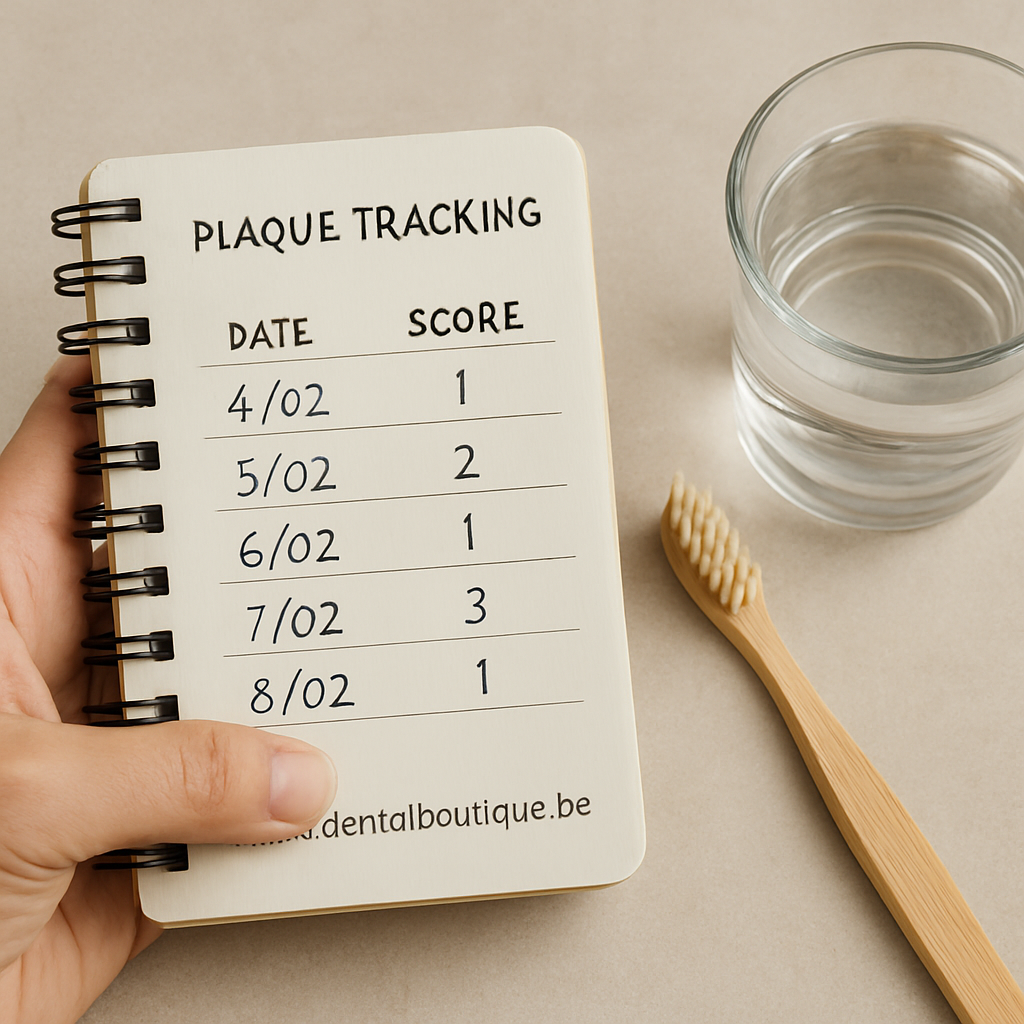
Grab a small notebook or a notes app and jot down three things after each brushing session: how your gums feel, whether you notice a film on the teeth, and if your breath smells fresher. Over a week you’ll start spotting patterns. If the “foggy” feeling disappears and your gums feel less tender, you’re on the right track.
Does it feel a bit tedious? Think of it like a fitness log—just a line or two, no essay. The habit of writing it down reinforces the behavior and gives you concrete data instead of vague impressions.
2. Use the “mirror test”
Stand in front of the bathroom mirror with the lights on. Run your tongue over your teeth; a clean surface feels smooth, not gritty. Look for any pinkish spots along the gum line—that’s where plaque loves to hide. Do this once a week, preferably after your nighttime routine.
Notice a new spot that wasn’t there before? That’s a signal to give extra attention to that area, maybe a little more floss or a short salt‑water rinse.
3. Track gum health with a fingertip press
Gently press your index finger against the gum line near each tooth. Healthy gums snap back quickly; swollen or tender gums stay indented longer. If you feel persistent tenderness for more than a couple of days, it’s time to investigate further.
And remember, occasional mild soreness after trying a new DIY rinse is normal—but it shouldn’t linger.
4. When to bring in the professional
Here are the red flags that mean a dental visit isn’t just a nice‑to‑have, it’s essential:
- Bleeding gums that don’t stop after a week of gentle flossing.
- Persistent bad breath despite regular mouthwash and hydration.
- Visible hard deposits (tartar) that you can’t scrape off with a toothbrush.
- Any pain, throbbing, or sensitivity that spikes with hot or cold foods.
If any of these show up, schedule an appointment with a dentist you trust. A quick professional cleaning can remove hardened plaque that home care can’t reach, and a check‑up can catch early gum disease before it becomes chronic.
5. Leverage natural boosters between visits
While you wait for that dentist slot, keep your mouth in “defense mode.” A twice‑daily rinse with a CBD‑infused, mineral‑rich formula helps maintain a balanced microbiome. For example, STOP Oral Spray gives a 48‑hour fresh‑breath shield and supports gum health without harsh alcohol.
Pair the spray with the habits you’ve already adopted—hydrate, chew xylitol gum, and stick to your plaque journal. The combination creates a safety net that slows any back‑sliding.
6. Set a realistic review schedule
Give yourself a monthly “progress checkpoint.” Pull out your journal, compare the first and last entries, and ask: have the gritty sensations faded? Are you still seeing pink, not red, gums? If the answer is yes, keep the routine. If not, tweak one habit at a time—maybe add an extra water rinse after coffee or try a short oil‑pulling session.
And don’t forget the power of professional guidance. Even the most diligent natural routine benefits from a bi‑annual dental exam. Think of the dentist as a co‑pilot who can fine‑tune your flight plan.
Finally, if you ever feel stuck, you can always reach out to your local dental boutique at https://dentalboutique.be for a personalized check‑up and advice.
FAQ
What natural ingredients actually help fight plaque?
Ingredients like CBD, Dead Sea minerals, and marine algae create a balanced oral microbiome that makes it harder for plaque‑forming bacteria to stick. Mild abrasives such as baking soda or activated charcoal give a gentle polish without wearing enamel, while xylitol in sugar‑free gum interferes with bacterial adhesion. Together they target the biofilm from different angles, so you get a cleaner surface without harsh chemicals.
How often should I use a natural mouthwash compared to brushing?
Think of mouthwash as a quick sidekick, not a replacement. Aim for two short rinses a day—once after breakfast and once before bed—right after you’ve brushed. If you’re on the go, a quick swish after meals can disrupt the sticky film before it hardens. Consistency beats intensity, so a brief, twice‑daily habit usually outperforms a once‑a‑week marathon.
Can chewing sugar‑free, xylitol‑sweetened gum really cut down plaque?
Absolutely. Chewing stimulates saliva, which naturally washes away food particles and neutralizes acids. Xylitol is a sweetener that bacteria can’t metabolize, so it actually reduces the amount of plaque they can produce. Keep a piece handy after lunch or a coffee break and chew for about ten minutes; you’ll feel a subtle freshening and give your gums a mini‑hydration boost.
Is oil pulling with coconut oil safe for daily use?
Oil pulling is gentle, but daily sessions can feel like a time sink. A 10‑ to 15‑minute swish with cold‑pressed coconut oil a few times a week is enough to bind the lipid layer of plaque and give gums a soothing massage. If you notice any soreness or a lingering oily taste, scale back to once‑or‑twice a week and focus on thorough brushing and flossing the rest of the time.
How can I tell if my natural routine is actually working?
Start a quick plaque journal: after each brush note how your gums feel, whether you see a film on the teeth, and if your breath smells fresher. Do a weekly “mirror test” by running your tongue over the enamel—smooth feels clean, gritty means lingering plaque. Over a month, you should notice less fuzziness, reduced gum tenderness, and a brighter smile.
What should I do if I notice bleeding gums while using natural methods?
Bleeding can be a sign that gums need extra care, not necessarily a failure of the routine. Switch to a softer bamboo brush, shorten brushing time, and add a gentle salt‑water rinse after meals. Keep flossing with silk or a water‑flosser, and if bleeding persists beyond a week, schedule a check‑up with a dentist to rule out early gum disease.
Are there specific foods I should avoid to keep plaque at bay?
Sticky, sugary snacks—think caramel, dried fruit, and sugary drinks—feed the bacteria that build plaque. Acidic beverages like soda and high‑acid coffee can erode enamel, making it easier for biofilm to cling. Swap those for water, cheese, nuts, and crunchy veggies. A handful of almonds or a crisp apple after meals acts like a natural brush and keeps the pH in your mouth friendly.
Conclusion
We've taken you on a pretty wild ride—from swapping sugary snacks for crunchy veggies to giving your gums a gentle massage with a mineral‑rich mouthwash. The common thread? Simple, natural habits that keep plaque from ever getting a foothold.
Remember that feeling when you run your tongue over a clean tooth and it feels smooth, not gritty? That's the benchmark you’ll aim for every week. If you notice that smoothness returning, you know your routine is working.
Here’s a quick, three‑step cheat sheet you can print and stick on the fridge: (1) brush with a fluoride‑free, CBD‑infused toothpaste for two minutes, twice daily; (2) floss or water‑floss every night, and finish with a half‑teaspoon salt‑water rinse after meals; (3) hydrate constantly and chew a piece of sugar‑free, xylitol gum after each snack.
Real‑world example: my friend Maya switched to a bamboo brush and a nightly salt‑water swish. Within two weeks her plaque journal showed zero gritty sensations and her dentist noted healthier gums at the next check‑up.
So, what’s the next move? Pick one habit you haven’t tried yet, add it this week, and log the change in your plaque journal. Consistency beats perfection, and you’ll see the difference before you know it.
Need a professional second opinion? Reach out to your local dental boutique at https://dentalboutique.be for a personalized check‑up and keep the momentum going.