

Finding comfort in oral care can be challenging when every bite or sip triggers sensitivity and even the gentlest toothpaste leaves you worrying about harsh chemicals. For many in the United Kingdom and Germany, these daily struggles highlight the need for a more thoughtful approach to dental wellness. By learning how to assess your current oral care routine with honesty and attention, you gain the tools to create a safer, more natural path toward lasting comfort and healthier teeth.
Table of Contents
- Step 1: Assess Current Oral Care Routine
- Step 2: Select Natural Oral Care Products
- Step 3: Incorporate Products Into Daily Habits
- Step 4: Monitor Sensitivity And Oral Health Changes
- Step 5: Adjust Routine For Optimal Results
Quick Summary
| Key Takeaway | Explanation |
|---|---|
| 1. Assess Current Routine | Evaluate your oral care habits to identify improvement areas for a natural approach. |
| 2. Choose Natural Products | Select products with clear, beneficial ingredients that support oral health and microbiome. |
| 3. Establish Consistent Habits | Integrate your new products into a daily routine focused on effective oral hygiene practices. |
| 4. Monitor Changes | Observe and document any changes in sensitivity and overall oral health after transitioning. |
| 5. Optimize for Best Results | Regularly refine your oral care routine based on body responses and product effectiveness. |
Step 1: Assess Current Oral Care Routine
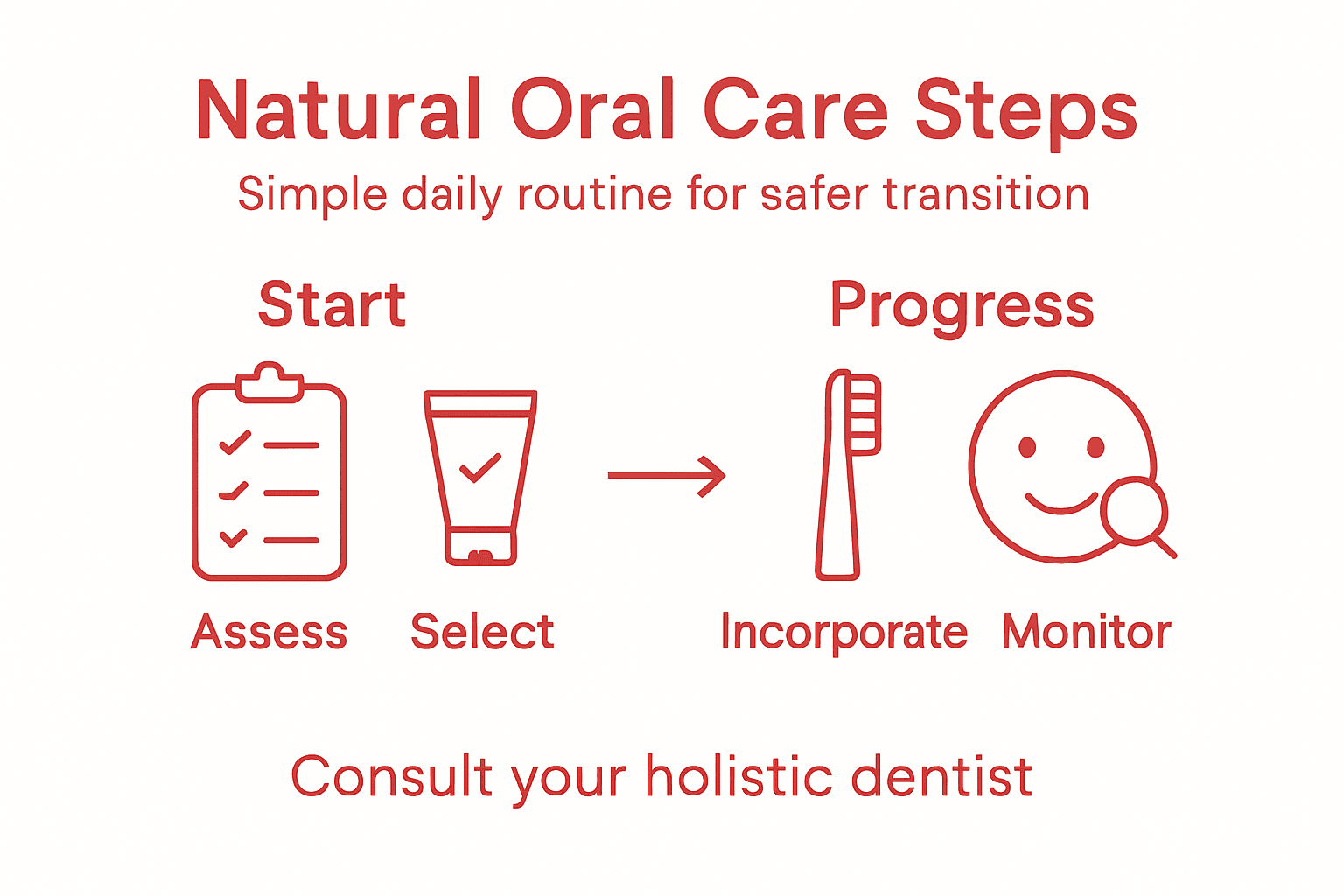
Transitioning to natural oral care begins with a comprehensive assessment of your current dental hygiene practices. Understanding how you currently approach oral health is crucial for identifying areas that need improvement and creating a personalized strategy for a more natural routine.
To effectively evaluate your oral care routine, start by gathering critical information about your current practices. This involves closely examining several key aspects:
- Brushing techniques: Analyze your current brushing method, including frequency, duration, and the type of toothbrush you use
- Flossing habits: Determine how often you floss and whether you’re using proper dental hygiene techniques
- Product ingredients: Review the chemical composition of your current toothpaste, mouthwash, and other oral care products
- Dietary impacts: Evaluate your sugar intake and how your diet might affect your oral health
A thorough oral health assessment requires honest self-reflection. Pay attention to signs like tooth sensitivity, gum inflammation, or recurring dental issues. These symptoms can provide valuable insights into the effectiveness of your current routine and highlight areas where a natural approach might offer significant benefits.

Here’s a quick reference to signs that may indicate areas needing improvement in your oral care routine:
| Indicator | What It Suggests | Action to Consider |
|---|---|---|
| Tooth Sensitivity | Possible enamel weakness | Review toothpaste ingredients |
| Gum Inflammation | Poor brushing or flossing | Adjust technique or frequency |
| Recurring Issues | Unresolved oral concerns | Seek professional advice |
| Bleeding Gums | Improper hygiene | Increase flossing, gentler brushing |
A comprehensive oral care routine is about more than just cleaning teeth - it’s about understanding and supporting your overall oral ecosystem.
Consider documenting your current oral care routine by creating a detailed log of your daily practices. Track the products you use, your brushing and flossing techniques, and any recurring oral health concerns. This documentation will serve as a baseline for measuring improvements as you transition to natural oral care methods.
Pro tip: Take photographs of your teeth and gums before starting your natural oral care journey to visibly track your progress and improvements.
Step 2: Select Natural Oral Care Products
Selecting the right natural oral care products is a critical step in transitioning to a holistic approach to dental health. Your goal is to find products that not only clean effectively but also support the delicate balance of your oral microbiome and overall wellness.
When evaluating natural oral care products, focus on ingredients that support the oral microbiome. Look for options that meet these key criteria:
- Ingredient transparency: Choose products with clear, recognizable natural ingredients
- Mineral-rich formulations: Seek products containing remineralizing compounds
- Free from harsh chemicals: Avoid products with artificial preservatives, sulfates, and synthetic additives
- Scientifically backed: Prioritize products with research-supported natural ingredients
Examine product labels carefully. Natural doesn’t automatically mean safe or effective. Some key ingredients to look for include:
For those comparing traditional and natural oral care products, here are key differences to consider:
| Aspect | Traditional Products | Natural Products |
|---|---|---|
| Typical Ingredients | Synthetic chemicals, sulfates | Herbal extracts, mineral-rich |
| Microbiome Impact | May disrupt bacterial balance | Supports healthy oral microbiome |
| Ingredient Transparency | Limited disclosure | Clearly listed natural sources |
| Remineralization | Often absent | Frequently included |
- Xylitol for bacteria reduction
- Calcium and phosphate for enamel support
- Essential oils with antimicrobial properties
- Herbal extracts known for oral health benefits
Natural oral care is about supporting your body’s inherent healing capabilities, not just surface-level cleaning.
Consider consulting with a holistic dentist who can provide personalized recommendations based on your specific oral health needs. They can help you navigate the complex landscape of natural oral care products and identify the most suitable options for your individual requirements.
Pro tip: Create a spreadsheet to track the ingredients in your current and potential new oral care products, making it easier to compare and identify the most beneficial natural alternatives.
Step 3: Incorporate Products into Daily Habits
Transitioning to natural oral care requires more than just purchasing new products - it demands creating a consistent, mindful routine that supports your overall oral health. Successfully integrating these products means developing a systematic approach that becomes second nature in your daily life.
Focus on developing proper oral hygiene techniques that maximize the effectiveness of your natural products. Your new routine should include:
- Morning protocol: Complete natural oral care sequence
- Evening routine: Thorough cleaning and remineralization
- Consistent technique: Gentle circular brushing motions
- Mindful application: Deliberate use of each natural product
Break down your new routine into manageable steps:
- Start with gentle tongue cleaning
- Apply natural toothpaste using soft circular motions
- Floss carefully between teeth
- Rinse with mineral-rich mouthwash
- Use optional natural oral sprays or serums
Consistency transforms routine into a holistic wellness practice, not just a series of isolated actions.
Tracking your progress is crucial. Consider creating a simple checklist or using a habit-tracking app to ensure you maintain your new natural oral care routine. This approach helps build muscle memory and makes the transition feel more intentional and sustainable.
Pro tip: Set daily smartphone reminders for each stage of your oral care routine to help establish these new natural habits more quickly and consistently.
Step 4: Monitor Sensitivity and Oral Health Changes
Transitioning to natural oral care requires careful observation and proactive monitoring of how your body responds to new products and techniques. Your goal is to track subtle changes in oral health and address any sensitivities before they become significant concerns.
Pay close attention to signs of oral microbiome shifts that might indicate your body’s adaptation to natural oral care. Watch for these key indicators:
- Gum response: Color, texture, and bleeding patterns
- Tooth sensitivity: Changes in temperature or pressure reactions
- Bacterial balance: Overall mouth feel and breath quality
- Inflammation markers: Swelling or tenderness in gum tissues
Develop a systematic tracking approach:
- Create a weekly oral health journal
- Document any new sensations or changes
- Photograph gum and tooth conditions for comparison
- Note product interactions and individual ingredient responses
- Schedule periodic professional dental evaluations
Your body communicates through subtle signals - learning to listen is the key to successful natural oral care.
Understanding normal transition responses is crucial. Some sensitivity is expected during the first few weeks, but persistent discomfort requires professional consultation. Mild adjustments are part of the process, but significant pain or unusual symptoms should prompt immediate review.
Pro tip: Take smartphone photos of your gums and teeth weekly to create a visual timeline that helps you objectively track your oral health transformation.
Step 5: Adjust Routine for Optimal Results
Fine-tuning your natural oral care routine is an ongoing process of listening to your body and making informed, incremental adjustments. The goal is to create a personalized approach that supports your unique oral health needs while maintaining the delicate balance of your oral microbiome.
Learn to optimize oral hygiene practices by implementing strategic modifications based on your observations. Your adjustment strategy should include:
- Personalized product selection: Swap products that cause sensitivity
- Technique refinement: Modify brushing and flossing methods
- Holistic health integration: Consider diet and lifestyle impacts
- Professional guidance: Regular dental consultations for expert insights
Develop a systematic approach to routine optimization:
- Review your oral health journal monthly
- Assess product performance and bodily responses
- Experiment with alternative natural ingredients
- Track long-term changes in oral health indicators
- Adjust frequency and technique of oral care practices
Small, consistent adjustments create significant long-term oral health improvements.
Understanding your body’s unique response is key to developing an effective natural oral care routine. Some natural products might work differently for different individuals, so remain patient and observant during the transition process.
Pro tip: Create a digital spreadsheet to track your oral health changes, allowing you to visualize progress and identify patterns more effectively.
Embrace Your Natural Oral Care Journey with Confidence
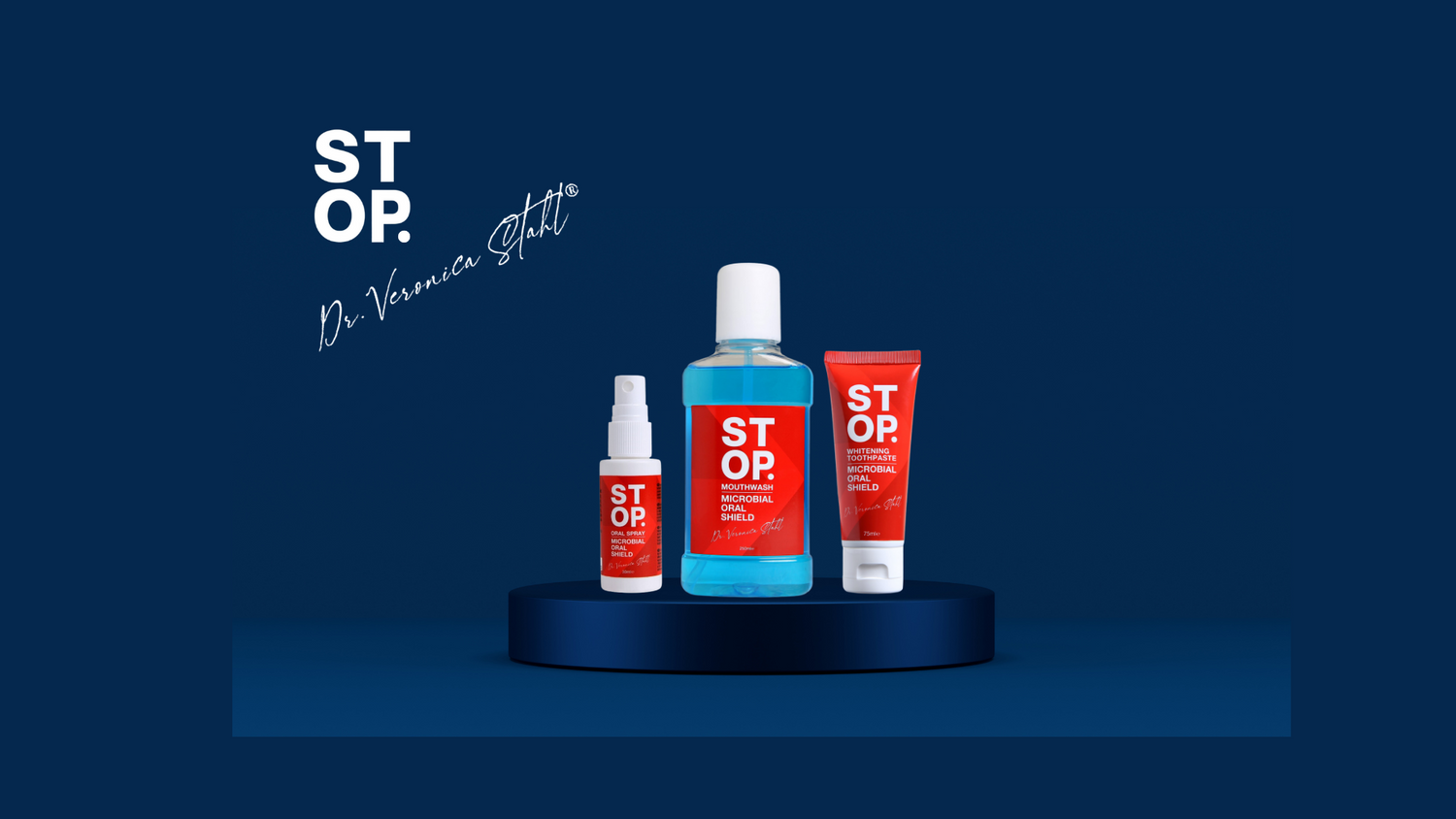
Transitioning to a natural oral care routine means addressing challenges like sensitivity, product ingredient transparency, and maintaining your oral microbiome balance. If you are searching for safe, scientifically backed solutions that support enamel remineralization and promote gentle yet effective daily oral hygiene, STOP Oral Care – Stop Oral Care offers a unique line designed for your natural wellness goals.

Explore innovative fluoride-free products infused with hemp and Dead Sea minerals to nurture and protect your oral health while honoring your body’s natural healing processes. Act now and take your first step towards a healthier smile by visiting our Home Page – Stop Oral Care. Let us help you transform your routine with safe, natural alternatives that truly work. Discover the difference at https://stop-oralcare.com today.
Frequently Asked Questions
How can I assess my current oral care routine before transitioning to natural oral care?
To assess your current oral care routine, examine your brushing techniques, flossing habits, product ingredients, and dietary impacts on your oral health. Document these aspects to create a baseline for improvement, ensuring you track any signs of sensitivity or inflammation.
What ingredients should I look for in natural oral care products?
When selecting natural oral care products, look for ingredient transparency, mineral-rich formulations, and products free from harsh chemicals. Prioritize options with scientifically supported natural ingredients to support your oral microbiome while effectively cleaning your teeth.
How can I incorporate new natural oral care products into my daily routine?
To incorporate new natural oral care products, develop a consistent morning and evening protocol that includes gentle brushing and mindful product application. Break down the steps, such as tongue cleaning and using natural mouthwash after flossing, to establish a routine you can stick to every day.
What are the signs I should monitor after switching to natural oral care?
After switching to natural oral care, monitor gum color, texture, and any changes in sensitivity or inflammation. Document any changes in breath quality or overall mouth feel to understand how your body is responding within the first few weeks of transition.
How can I adjust my routine for optimal results in natural oral care?
To adjust your routine for optimal results, regularly review your oral health journal to identify areas needing improvement and swap any products causing sensitivity. Make small, incremental changes in your techniques and ingredients, and track the results over a month to see what works best for you.
What should I do if I experience persistent discomfort after transitioning to natural oral care?
If you experience persistent discomfort after transitioning to natural oral care, consult with a dental professional for guidance. Ensure you track the symptoms in your oral health journal and be prepared to discuss any specific products or techniques that may be causing irritation.
Recommended
- How to Switch to Fluoride-Free Dental Care Naturally – Stop Oral Care
- Oral Health Habits How To Build A Natural Routine – Stop Oral Care
- Sustainable Oral Care: Benefits and Best Practices – Stop Oral Care
- 7 Essential Steps for a Natural Oral Care Routine List – Stop Oral Care
- How to Clean Hearing Aids Naturally for Best Performance – Audora
- How to Prevent Hoarseness Naturally for Lasting Vocal Health - TMRG Solutions
- Natural Sugar Alternatives: Healthier Sweetness Choices - Dietium