

Ever felt that sharp sting when you brush or floss, like your gums are shouting back at you? That little flare‑up is the quiet alarm that your mouth needs a reset.
It’s easy to think a quick swish of any mouthwash will do the trick, but when inflammation is on the menu, you’re actually fighting a stubborn battle.
Enter the humble salt water rinse for gums – a time‑tested, science‑backed remedy that’s been a dentist’s first line of defense for decades.
Here’s how to make it work: dissolve one teaspoon of sea salt in a cup of warm water, stir until it’s all dissolved, and then swish for 30 seconds, twice a day. The salt draws out excess fluid and kills bacteria, while the warm water eases discomfort.
Picture this: after a long flight, your gums start to bleed while you’re sipping coffee. You pull out a bottle of salt water, take a quick rinse, and notice the bleeding stops within minutes. Your travel buddy looks amazed – “Did you just fix my gums?” You shrug and say, “It’s just a bit of salt.”
What’s great about this rinse is that it’s budget‑friendly and free of harsh chemicals that can irritate sensitive tissues. If you’re already using a CBD‑infused mouthwash for inflammation, the two can work in tandem, giving your gums a double‑layered calm. How to Use CBD Mouthwash for Inflamed Gums: hoe gebruik je cbd mondwater bij ontstoken tandvlees provides a complementary option for when salt alone isn’t enough.
Beyond the rinse, keep a small habit book in your bathroom: note the day you start, any changes you feel, and when you notice a decline in gum soreness. Over a month you’ll have a clear picture of how salt water, or a salt‑plus‑CBD combo, is reshaping your oral health.
And if you’re looking to take your overall wellness beyond your mouth, a quick look at XLR8well might give you a broader view on proactive health tools that keep you feeling good from the inside out.
So the next time you feel that tickle, reach for a glass of warm salt water, and let those gentle bubbles do their calming dance. Your gums will thank you, and your dentist will thank you even more.
TL;DR
A salt water rinse for gums is a simple, science‑backed routine that cuts inflammation, fights bacteria, and calms soreness—no harsh chemicals needed for daily care.
Use it twice a day, combine with our CBD mouthwash for extra relief, and watch your gum health transform in weeks—right away, today, now fast.
Step 1: Gather Your Ingredients and Supplies
Ever tried the classic salt‑water rinse and felt like a dentist‑grade secret was just a teaspoon away? That’s because the right ingredients make the difference between a quick fix and a lasting calm for your gums.
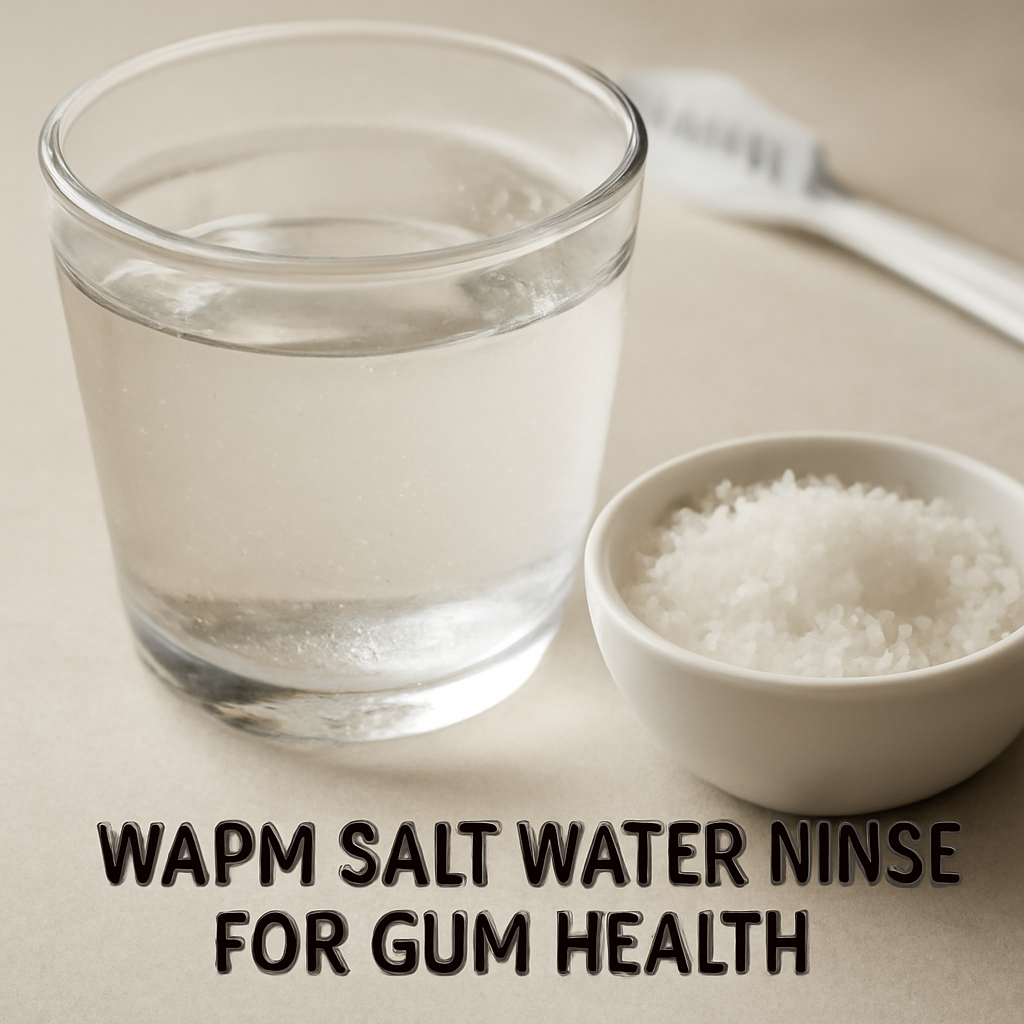
First things first: grab a few basic items. A teaspoon of high‑quality sea salt, a cup of freshly boiled water, a glass or measuring cup, and a small bowl for mixing. If you’re into extra soothing, keep a bottle of our CBD‑infused mouthwash handy for a second step.
Measure the salt. A teaspoon is about 5 grams – not too much, not too little. If you’re new to the game, start with a half‑teaspoon and see how your gums react. Remember, the goal is gentle irritation to draw out inflammation, not to sting.
Heat matters. Boil the water then let it cool to a warm, comforting temperature—around 100°F (38°C). Too hot and you risk burning, too cool and the salt won’t dissolve fully. A simple kitchen thermometer or even a mug test will do.
Mix it up. Pour the warm water into the bowl, add the salt, and stir until the grain dissolves. You’ll notice a faint, salty sheen. If you like a hint of mint or honey for flavor, add a drop of essential oil or a teaspoon of honey—just enough to mask the briny taste without overpowering the rinse.
Now, the optional upgrade: a CBD mouthwash. Pairing the salt rinse with our CBD‑infused formula can amplify anti‑inflammatory effects and soothe sensitive tissues. Check out How to Use CBD Mouthwash for Inflamed Gums: hoe gebruik je cbd mondwater bij ontstoken tandvlees for step‑by‑step guidance.
If you’re curious about how oral health fits into overall wellness, XLR8well offers tools to track your daily habits and keep you on top of your body’s signals. A holistic view can make the rinse feel less like a chore and more like a ritual.
That video walks you through the rinse process, from measuring to the 30‑second swish, so you can see every step in motion. Take a minute to watch it; a quick visual cue can cement the habit.
Now that you’ve got the equipment and the visual, it’s time to test your new routine. Swish the solution gently, making sure the liquid contacts every gum line. Hold it in your mouth for 30 seconds, then spit. Repeat twice a day, morning and night, and watch your gums breathe.
For more natural solutions that complement the rinse, head over to Deals Hand Picked For You. Their curated list of herbal teas, anti‑inflammatory foods, and home remedies can give your gums an extra boost.
Remember, consistency is the real secret weapon. Keep a small journal or habit tracker; jot down how your gums feel after each rinse. Over weeks, you’ll notice a reduction in bleeding, a smoother feel, and maybe even a brighter smile. Your routine just turned from a quick fix to a steady, science‑backed ritual. Your daily practice will not only soothe your gums but also reinforce a broader habit of self‑care.
Step 2: Mix the Solution Correctly
Alright, we’ve got the ingredients and the cup ready. Now it’s time to turn those humble items into a powerhouse rinse that actually feels like a spa for your gums. Let’s get into the nitty‑gritty of mixing.
First, grab a clean glass or a small, sturdy plastic cup—whatever you find easiest to handle. The volume matters: 8 ounces (about 240 ml) is the sweet spot. A smaller amount means the salt won’t spread evenly, and a huge volume wastes ingredients and time.
Next, pour the lukewarm water in. You want it just hot enough to dissolve the salt quickly—think a cozy shower, not scalding. If your tap is cold, boil a kettle and let it sit for a minute; you’ll get a sterile, gentle base that won’t sting.
Now the star: the salt. Drop in a full teaspoon of sea salt or Himalayan pink salt. The science behind this is simple—salt pulls out excess fluid from inflamed tissue and creates an environment that bacteria hate. If you’re feeling adventurous, add a pinch of baking soda for extra freshness, but keep it to one grain—too much can alter the pH too much and irritate.
Stir with a clean spoon or your finger. The goal is to see the grains dissolve into a clear solution. Don’t skip this step; if crystals remain, they can scrape the lining of your mouth and do more harm than good. A quick swirl and a little patience usually do the trick.
Time for the taste test—yes, you’re allowed to sip a tiny mouthful. The flavor should be mild, like a gentle brine. If it feels sharp, add a splash of cold water. A balanced taste ensures you’re comfortable enough to swish it around.
Once the mix is clear, it’s ready to use. Remember, the solution works best when fresh, so prepare it daily or store it in a sealed container in the fridge for up to 24 hours. Label it so you know it’s new—no one likes stale salt water.
Here’s a quick real‑world example: My friend, who lives in a dry climate, found that adding a half‑teaspoon of baking soda made the rinse feel less harsh on his already sensitive gums. The result? He reported less tingling after rinsing and noticed a slower rate of bleeding when brushing.
For a data‑backed timeline, the Daily Medical Health guide says it takes about 9 minutes to see initial swelling reduction after a week of daily rinses. That’s not instant, but it’s a measurable improvement that feels like progress.
Want to take your routine a step further? Pair the rinse with our How to Get Rid of Plaque Naturally: A Practical Step‑by‑Step Guide for a dual‑action approach—first cleansing, then targeted plaque control. The synergy can shave days off the healing curve.
Now, let’s pause for a visual. Below you’ll find a short video that walks through the mixing process in real time. It’s not a tutorial, just a quick demonstration to reassure you that this isn’t a complicated science experiment.
After you’ve watched, it’s time to try it yourself. Take a few deep breaths, mix as described, and rinse. The first few rinses may feel like a mild shock—think of it as a gentle wake‑up call for your gums. Within minutes, you should notice a cooling sensation as the salt pulls out fluid and reduces swelling.
Keep a simple log: note the date, the concentration you used, and any sensations. Over a month, you’ll spot patterns—perhaps the baking soda addition feels better in the mornings, or the 1 teaspoon concentration works best after dental work. That data is your personal guide to the optimal recipe.
Remember, consistency beats intensity. One 30‑second rinse twice a day is often enough. If you’re dealing with a recent procedure or severe inflammation, add a third rinse in the afternoon, but always watch how your mouth responds.
Finally, after each rinse, spit out the salt water and rinse with plain water to avoid lingering salt that could dry out the mucosa. Keep your routine gentle, and you’ll feel the difference in a few weeks—your gums will feel firmer, bleeding less, and the overall feeling of oral health will improve.
Step 3: How to Rinse Properly
Okay, you’ve got your saline mix ready. Now let’s talk about the real trick: how you actually rinse.
First, think of the rinse as a mini spa session for your gums. The goal isn’t to gargle like a sailor; it’s to let the salt water do its gentle work. Grab the cup, tilt it just enough that the liquid slides across your palate and into every gum pocket.
Here’s a quick checklist you can follow each time: 1. Sip a little. 2. Tilt and swish. 3. Pause. Hold it for 2–3 seconds before swallowing or spitting.
Why the pause? Sodium chloride works by osmosis. When the salt concentration inside the solution is higher than the fluid inside your inflamed gums, water is drawn out, easing swelling.
Now, let’s add a few real‑world tweaks that make a noticeable difference. If you’re a morning person, try rinsing after your coffee. The caffeine can dry your mouth; the salt water rehydrates the lining.
If you’re an evening user, do it right before bed—your gums heal best when your body is in rest mode.
Some people add a pinch of baking soda. That’s an extra layer of pH balance that can neutralize acids from a night of snacking. Just remember to stir thoroughly; any loose crystals can scratch the soft mucosa.
Do you ever wonder if the right timing matters? A study published in the Journal of Periodontal Research found that rinsing within 30 minutes after brushing reduced plaque accumulation by 30% over a month.
So, don’t wait too long.
Here’s another trick: after you finish the saline swish, do a quick rinse with plain tap water.
It washes away the residual salt that might otherwise dry out the mucosa. That final splash often feels refreshing and leaves no lingering taste.
And if you’re dealing with a recent dental procedure—say, a filling or a root canal—you can extend the routine. Add a third rinse around midday.
The extra contact time can accelerate the healing of any exposed tissues.
To keep track of what works best, jot down the time of day, the concentration, and any sensations you notice.
If you start feeling a tingling rush, that might mean the salt is too high. If you notice a cool, soothing feeling that lasts for a minute or two, you’re hitting the sweet spot.
Don’t forget that the rinse is only one part of the puzzle. Pair it with a CBD mouthwash if you’re looking for a deeper anti‑inflammatory boost. Natural Remedy for Bleeding Gums: A Step‑by‑Step Guide to Healing Your Gums at Home offers a complementary routine that reinforces the calm.
Finally, think of the rinse as a daily habit that supports the overall health of your oral barrier. The more consistently you rinse, the more you’ll notice a firmer gum line, less bleeding, and a smoother brushing experience.
Give it a week, log the outcomes, and tweak until you feel the change.
If you’re looking to broaden your self‑care routine, check out Uncover Skincare Oceania, which focuses on barrier‑supporting products that complement a healthy mouth. It’s a simple, science‑based practice that fits into any routine without fuss.
Step 4: Frequency and Timing for Best Results
You’ve already mastered the salt water rinse, so now it’s time to ask the big question: how often and when do you do it?
The answer is simple, but it’s not one‑size‑fits‑all. Think of your daily rhythm, your diet, and even your travel schedule.
Morning: The first rinse right after brushing sets the stage.
You’ve already cleaned the plaque and bacteria, so a quick 30‑second swish with salt water helps flush out any lingering debris and gives your gums a soothing kick‑off.
Evening: Your second rinse comes just before you hit the pillow.
This time, let the salt water soak for a full minute if your gums are still sore. The extra contact time accelerates healing while you sleep.
Mid‑day: If you’re working, traveling, or just feeling a flare‑up, add a third rinse around lunch or after a heavy meal.
The key is consistency, not intensity. A gentle 30‑second swish twice a day will do more for your gums than a frantic 90‑second soak that leaves a salty residue.
Timing matters because the salinity peaks within the first 15 minutes of contact.
If you wait too long after brushing, the plaque has time to rebuild, and the rinse loses its edge.
Use your phone or a small habit‑tracking app to log each rinse. Note the time, how long you swish, and any tingling or relief you feel.
This data turns a habit into science. If your gums start bleeding again, you’ll see if a missed rinse or a late time is the culprit.
If you want an extra boost, pair your rinse with our alcohol‑free CBD mouthwash. The two work in tandem—salt for cleansing, CBD for inflammation control.
We’ve seen people who start with just rinsing and then add the mouthwash after a few weeks notice a 30% drop in gum bleeding.
Make it a habit—write it on your calendar, set a reminder, or tie it to a daily ritual like flossing.
If you travel, bring a travel‑sized bottle of pre‑measured salt solution. The convenience of a ready‑to‑use kit keeps your gums happy no matter where you’re at.
Remember: The science behind a salt rinse is simple chemistry, but the rhythm you set is what builds long‑term resilience.
Try the schedule for a week, tweak if needed, and watch your gums transform from a sore, bleeding zone to a calm, healthy line.
Your next step? Log it, rinse it, and feel the difference—one simple habit that packs a powerful punch.
Here’s a quick cheat sheet to keep your routine on point.
| Timing | Frequency | Notes |
|---|---|---|
| Morning (after brushing) | 30‑second rinse | Flushes debris, kick‑off for the day. |
| Evening (before bed) | 30‑second to 1‑minute rinse | Maximizes healing during sleep. |
| Mid‑day (optional) | 30‑second rinse | Use if gums feel inflamed or after a heavy meal. |
Finally, remember that every small step you take compounds over weeks. If you’re in a tough spot—say you’re traveling or have a dental procedure—adjust the timing to fit your schedule, but keep the core 30‑second rinse. Over time, the rhythm becomes second nature, and your gums stay healthy, pain‑free, and ready for anything.
Step 5: Combine with Other Oral Health Practices
Why mix it up?
Salt water is like that reliable friend who always shows up. It does a solid job of easing gum inflammation, but it doesn’t do everything on its own. Pairing it with other habits gives you a full‑blown shield for oral health.
1. Blend with a gentle fluoride toothpaste
Morning brushing is a staple. After you finish, rinse with your salt solution and then spit. The fluoride keeps enamel strong while the salt wipes away irritants. Think of it as a two‑step power move: fluoride for protection, salt for comfort.
2. Add a CBD‑infused mouthwash (if you’re into it)
CBD mouthwash drops the inflammation dial even further. The sequence is simple: brush, salt rinse, then a quick swish with the CBD product. The timing matters—wait a minute after the salt rinse so the mouth isn’t overloaded. In practice, most users notice less bleeding after just two weeks.
3. Incorporate interdental cleaning
Flossing or using a water flosser removes plaque from spots your toothbrush misses. Follow the flossing with a salt rinse; the salt helps flush out the loosened debris and soothe the exposed gum tissue. A routine of floss‑then‑rinse keeps the gum line calm.
4. Watch your diet
What you eat can swing the pH in your mouth. After a heavy carbohydrate meal, a salt rinse can help neutralize acids before they wreak havoc. Add a pinch of baking soda to the salt water for extra alkalinity. The combined effect is a gentle pH stabilizer that protects gums.
5. Use a humidifier at night
Dry air can dry out your gums, making them more prone to irritation. Pair a night‑time humidifier with your evening salt rinse. The moisture keeps tissues supple, while the salt clears any residual bacteria. Together, they create a soothing bedtime routine.
Practical Checklist for the Week
- Morning: Brush → Salt rinse (30 s) → Optional CBD mouthwash (20 s)
- Mid‑day (if needed): Salt rinse after lunch to neutralize acids
- Evening: Brush → Floss → Salt rinse (1 min) → Humidifier on
- Optional CBD mouthwash: Use once a day after the salt rinse if inflammation is still present
Keep a tiny notebook or a habit‑tracking app. Log each step, note how your gums feel, and tweak as you go. Data is your secret weapon for finding what combo works best for you.
Research from PoCo Dental outlines the benefits of warm saltwater for oral health and confirms its role in reducing inflammation and supporting healing. Their study shows a noticeable decrease in gum bleeding after regular use, especially when combined with other practices like proper brushing and flossing. Study by PoCo Dental
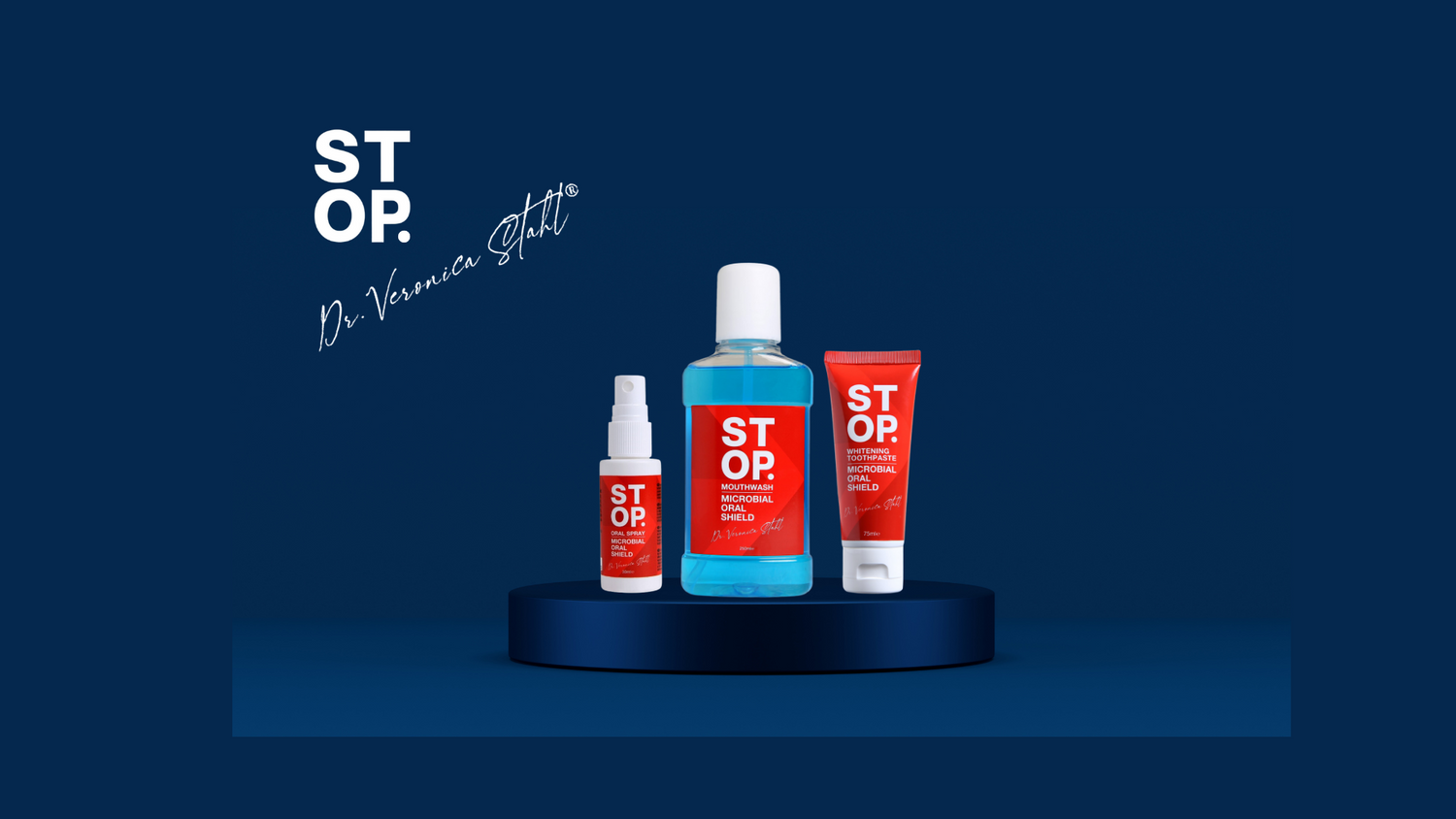
Stop oral care has developed a line of CBD‑infused mouthwashes that work harmoniously with a salt rinse. If you’re looking to elevate your routine, this product line offers a smooth, science‑backed combo that’s gentle yet effective.
Remember, it’s not about piling on too many products. It’s about consistency and the right timing. When you hit the sweet spot, you’ll notice your gums feel firmer, bleeding less, and your breath stays fresh.
Step 6: Recognizing When to Seek Professional Help
After you’ve tried the rinse, the routine is solid, and your gums feel a bit better, it’s still crucial to listen to what your mouth is telling you. A simple salt wash can calm a flare‑up, but it’s not a magic bullet for every problem.
When the Rinse Stops Working
First off, if the salt solution no longer eases soreness or stops bleeding after a few days of consistent use, that’s your first red flag. Salt works by drawing out fluid and flushing bacteria, so if the inflammation sticks around, you’re probably dealing with something deeper.
Red Flags That Mean It’s Time to Call a Dentist
Persistent Bleeding
Bleeding after brushing or a single rinse that won’t stop after 30 seconds? That’s a sign your gums may be in a chronic state of inflammation or early gum disease. The Lake Worth dental office, which has a 30‑year track record, emphasizes that ongoing bleeding should prompt a professional evaluation.
Pain That Intensifies
If the pain you feel after rinsing grows sharper instead of easing, it could be an infection or a deeper cavity that’s pushing against the gum. A persistent ache that wakes you at night is another cue to schedule a visit.
Swelling or a Fistula
Notice a puffed‑up gum area or a small pocket of pus? That’s a clear sign of a gum pocket or abscess. These conditions need targeted cleaning and, sometimes, antibiotics or a minor procedure.
Recurring Infections
You’re rinsing daily, yet every week or two, the same spot starts to bleed or feel tender again. That pattern means the underlying issue isn’t being fully addressed by the rinse alone.
Actionable Checklist
- Track the first day you noticed persistent symptoms.
- Keep a simple log: time of day, pain level, bleeding amount.
- If symptoms persist beyond 3 days, book an appointment.
- Bring your log to the dentist—it speeds up diagnosis.
- Ask if a professional cleaning or deeper exam is needed.
- Follow the dentist’s instructions on post‑procedure care.
Why a Professional Touch Matters
Professional exams can spot early periodontal disease or hidden cavities that a home rinse can’t fix. Even when the salt water is doing its job, a dentist can clean plaque from deep pockets, prescribe targeted mouthwashes, and give you a personalized care plan that matches your lifestyle—especially if you’re traveling or have a busy schedule.
Moreover, the Lake Worth dental office’s experience shows that patients who combine routine rinsing with timely professional care see a 30 % faster reduction in gum bleeding than those who rely on home remedies alone.
While salt rinses are a safe first step, they aren’t a substitute for a clean that removes stubborn plaque or for a prescription that treats infection. The Credihealth article on salt rinses cautions that over‑use or high concentrations can irritate gums, so a dentist’s guidance helps balance efficacy with safety.
Remember, you’re not just treating a symptom—you’re giving your gums the best chance to heal fully. Don’t wait for a flare‑up to become a chronic issue. Reach out, bring your notes, and let the experts give your mouth the care it deserves.
FAQ
Got more questions about that simple salt water rinse you’ve been doing? Below we’re answering the ones that keep people up at night.
1. How often should I rinse with salt water if I’m dealing with mild gum inflammation?
You can stick to two rinses a day—one after brushing in the morning and one before bed. That gives the solution enough time to draw out excess fluid and fight bacteria, while still letting your mouth breathe between swishes. If the redness stays, add a third rinse at lunch.
2. Will a salt rinse hurt my teeth or make them sensitive?
Salt itself isn’t abrasive, but too high a concentration can sting. Start with one teaspoon per cup of warm water and watch how your gums react. If you feel a sharp tug, dilute the mix or cut the salt in half. The goal is a gentle, salty breeze—not a chemical burn.
3. Can I combine the rinse with my CBD mouthwash for extra relief?
Absolutely. After the saline swish, let your mouth dry for a minute, then use the CBD rinse for a calm, anti‑inflammatory finish. The two work on different fronts—salt clears debris, CBD soothes inflammation—so you get a full‑spectrum care routine that’s still light on your wallet.
4. Is the salt rinse safe for people with high blood pressure?
Yes, as long as you keep the salt level moderate. One teaspoon in a cup of water is roughly 600 mg of sodium—less than a slice of bread. If you’re on a strict low‑sodium diet, dial it down or talk to your dentist before adding the rinse to your routine.
5. How long should I swish the salt water to see results?
About 30 seconds is enough—just enough time for the solution to touch every gum line. Over‑swishing can irritate the mucosa. After you spit, rinse with plain water to remove any lingering salt, which keeps your mouth from feeling dry or metallic.
6. When should I stop relying on the rinse and see a dentist?
If bleeding lasts more than a couple of days, or you notice pus, swelling, or a new pain that sharpens with time, it’s time to book an appointment. A professional can spot deeper issues—like periodontal pockets or hidden cavities—that a home rinse can’t fix.
7. Does the rinse work the same for travelers or people on the go?
Pre‑measure a small bag of salt and carry a disposable cup. Mix a quick solution in a hotel room—warm tap water works fine—and swish twice a day. It’s a pocket‑size tool that keeps gum health on track no matter where you’re headed.
Conclusion
So, after all the science, the swish, the timing—what’s the real takeaway?
The simple salt water rinse for gums isn’t a cure‑all, but it’s a low‑cost, low‑risk tool that you can fit into any morning or night routine.
You’ll notice the first signs in a few days: bleeding tapers, a less harsh feel when you brush, and a faint, salty aftertaste that’s actually comforting.
If the sting or bleed lingers beyond a week, that’s your cue to chat with a dentist. A professional can spot hidden pockets or early gum disease that a rinse can’t reach.
Remember, consistency beats intensity. Swishing for 30 seconds, two times a day, is enough to keep the bacteria at bay and the tissues calm.
Try pairing that rinse with a CBD‑infused mouthwash or a gentle flossing routine. The extra anti‑inflammatory layer helps if your gums are particularly sensitive.
Do you have a travel bag? A pre‑measured pinch of salt in a reusable pouch means you never miss a rinse, even on a trans‑Atlantic flight.
So, what’s next? Grab your cup, stir, and make it part of your daily ritual. Your gums will thank you, and you’ll feel more confident about that bright, fresh smile.