

Ever had that sharp, throbbing ache that makes you wince every time you sip your morning coffee? You know the feeling – that pulse of pain that just won’t quit, and you’re scrolling through endless forums looking for a quick fix.
What if the solution was already in your medicine cabinet, just waiting for the right way to use it? CBD has been gaining traction for its natural anti‑inflammatory properties, and a growing number of people are turning to it for temporary tooth‑pain relief.
First, let’s clear up the basics. CBD works by interacting with the endocannabinoid system, which helps modulate pain and inflammation. When you apply a CBD‑infused product directly to the sore spot, you’re delivering those soothing compounds right where you need them most.
Here’s a quick, step‑by‑step guide you can try tonight:
- Start with a clean mouth – rinse with warm water to remove any food particles.
- Take a small dab of a CBD oral spray (about 1‑2 sprays) and gently apply it to the affected tooth and surrounding gum.
- Let it sit for a minute, then avoid eating or drinking anything acidic for at least 30 minutes to let the CBD absorb.
- If the pain persists, repeat the spray up to three times a day, but never exceed the product’s recommended dosage.
For those who prefer a more traditional feel, a CBD‑infused toothpaste can also help. Brush gently with the toothpaste, focusing on the painful area, and let the calming ingredients work as you rinse.
And don’t forget to combine CBD with other home‑care tricks – a warm salt‑water rinse or a soft cloth compress can amplify the relief.
In our experience, many users notice a noticeable reduction in pain within 15‑20 minutes, especially when they choose products with a higher concentration of CBD and added soothing agents like peppermint oil.
If you want to dive deeper into the science and safety tips, check out our detailed guide Is CBD Good for Tooth Pain? A Detailed Guide to Relief and Safety. It breaks down everything from dosage recommendations to when you should see a dentist.
Finally, if you’re curious about exploring other CBD‑based wellness options, you might also find Iguana Smoke UK useful for a broader range of CBD products that complement oral care.
TL;DR
If you’re battling a toothache, a dab of CBD oral spray or brush with CBD toothpaste can calm inflammation and dull the pain minutes.
Follow our steps—clean the area, apply the product, wait a minute, and avoid acidic foods for half an hour—to experience fast, natural relief without over‑using medication.
Step 1: Choose the Right CBD Product for Tooth Pain
When your molar starts throbbing, the first thing you wonder is – what can I actually put on it that won’t make the pain worse? The good news is you don’t need a prescription; you just need the right kind of CBD‑infused oral care product.
CBD comes in several formats that sit comfortably in a bathroom cabinet: oral sprays, toothpastes, lozenges, even gums. Each delivers the cannabinoid a little differently, and the choice depends on how fast you want relief and how you like to apply it.
Oral spray – instant, targeted dose
Think of an oral spray like a tiny mist that lands right on the sore spot. One or two sprays (about 0.5 ml) give you a quick hit of anti‑inflammatory compounds that can start soothing within minutes. Because it’s a liquid, it bypasses the enamel and reaches the gum tissue directly.
What we’ve seen work best is a spray that pairs CBD with peppermint oil or menthol – the cooling sensation doubles as a mild numbing effect. Look for products that list the CBD concentration clearly (e.g., 500 mg per bottle) so you can gauge how much you’re using.
CBD toothpaste – everyday protection with a pain‑relief bonus
If you prefer something you already brush with, a CBD‑infused toothpaste is your go‑to. It’s not just about flavor; the abrasive gently massages the gum line while the CBD works underneath. For a sudden ache, apply a pea‑sized dab of toothpaste directly onto the hurting tooth after you’ve brushed – you don’t have to scrub hard, just let it sit for a minute.
Our own formula mixes Dead Sea minerals with CBD, which helps reduce inflammation while also strengthening enamel. Understanding CBD Toothpaste Benefits for Oral Health dives deeper into why that combo matters.
So, how do you decide? Ask yourself three quick questions: Do I need fast relief? (Go spray.) Do I want a routine that also supports overall gum health? (Pick toothpaste.) Am I dealing with a sensitive gum that can’t handle extra friction? (Consider a low‑abrasion paste or a pure CBD oil drop.)
Once you’ve settled on a product, check the label for any added flavors or ingredients that might irritate a raw gum – some people are sensitive to strong menthol or citrus.
Now, let’s talk where to find reliable options. While you could scroll endlessly, a quick visit to a reputable CBD retailer can save you time. For a broader CBD wellness lineup, Buy CBD products - Iguana Smoke UK offers everything from oils to gummies, which can complement your oral routine if you’re looking for systemic pain support.
And if you’re interested in a holistic health perspective beyond oral care, XLR8well provides proactive health resources that align with the preventive mindset we champion at STOP.
Below is a quick checklist to help you pick the perfect product before you head to the bathroom:
- Check CBD concentration (higher = stronger effect).
- Look for added soothing agents (peppermint, eucalyptus, aloe).
- Verify it’s THC‑free if you’re avoiding psychoactive effects.
- Read third‑party lab results – transparency matters.
- Consider the delivery method that fits your routine.
Ready to see it in action? Watch the short demo that walks you through applying a spray and brushing with CBD toothpaste.
Notice how the presenter emphasizes a gentle dab rather than a hard scrub – that’s key for avoiding further irritation.
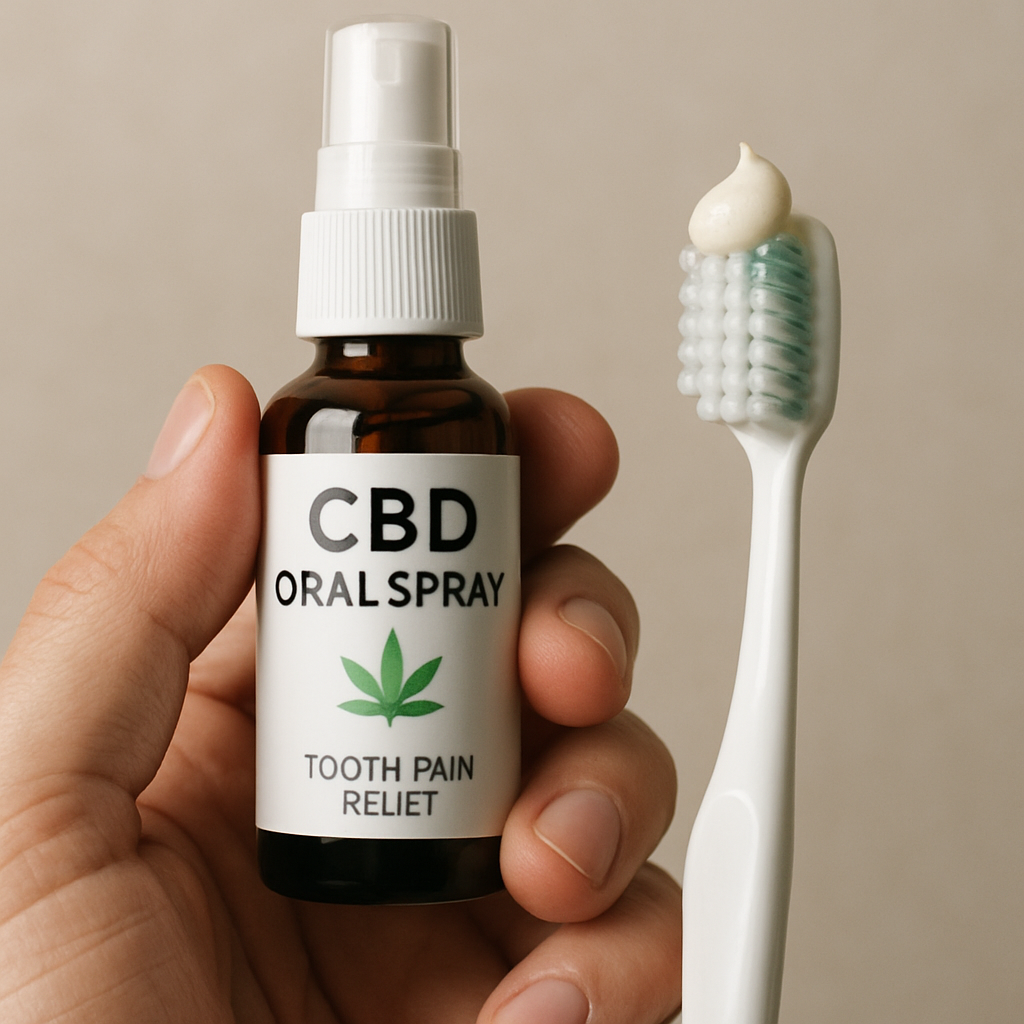
With the right product in hand, you’re set for the next step: proper application. Stay tuned for the how‑to on actually using what you’ve chosen.
Step 2: Determine Proper Dosage and Application Methods
Okay, you’ve got the right product in hand – now the real question is: how much should you actually use? Getting the dosage right is the difference between “just a little buzz of relief” and “still wincing at every sip of coffee.”
First, check the label for the CBD concentration. Most oral sprays sit between 5 % and 15 % CBD, which translates to roughly 50‑150 mg of CBD per milliliter. A 10‑ml bottle with 12 % CBD therefore contains about 1,200 mg total, or 120 mg per 0.1 ml (one spray).
Here’s a quick math cheat‑sheet: Desired mg per application ÷ mg per spray = number of sprays. If you aim for a gentle 10 mg dose and each spray delivers 12 mg, a single spray is enough. Want a stronger 20 mg hit? Two sprays, but give the gum a moment to absorb before adding more.
Real‑world example: Maria from Berlin switched from a 5 % spray (≈5 mg per spray) to a 12 % spray. She started with one spray (≈12 mg) on the aching molar, waited two minutes, and felt a noticeable dulling of the throb. On days the pain was harsher, she added a second spray – never exceeding three sprays in a 24‑hour window.
Application Methods: Where, How, and When
Different formats call for slightly different techniques. Below are the three most common ways people use CBD for tooth pain, plus a few pro‑tips to make each method as effective as possible.
1. CBD Oral Spray – Spot Treatment
•Step 1: Pull the cheek away from the tooth to expose the gum line.
•Step 2: Aim the nozzle a half‑centimeter from the sore spot and press once (or twice, based on your dosage calc).
•Step 3: Hold the spray in place for a second, then keep the mouth closed for 30‑60 seconds so the oil can sink into the tissue.
•Step 4: Avoid eating, drinking, or rinsing for at least 30 minutes.
Why this works: The spray bypasses the saliva barrier and delivers cannabinoids straight to the inflamed nerve endings, giving you relief in as little as 5‑10 minutes.
2. CBD Toothpaste – Daily Support
When you brush, you’re already massaging the gums, so a CBD‑infused paste can double‑dip on soothing power. Use a pea‑sized dab of toothpaste, focus on the painful area, and brush gently for 2 minutes. Rinse with lukewarm water, but don’t swish aggressively – you want the CBD to stay in contact a bit longer.
For a deeper dive on how toothpaste fits into your routine, check out Understanding CBD Toothpaste Benefits for Oral Health.
3. CBD Mouthwash – After‑Meal Refresh
If you can’t brush right after a meal, a quick mouth‑wash does the trick. Mix 5 ml of your favorite CBD mouthwash with warm salt water, swish for 30 seconds, and spit. This not only reduces bacterial load but also adds a thin layer of CBD over the whole oral cavity.
Timing and Frequency
Most experts recommend 2‑3 applications per day: morning, after lunch, and before bed. Keep a simple log – note the time, number of sprays or dab size, and pain level on a 1‑10 scale. After three days, look for a trend. If pain drops by at least 30 % and stays lower, you’ve found your sweet spot.
Adjusting the Dose
Start low, go slow. If you’re new to CBD, begin with half the calculated dose (e.g., half a spray) and watch for any tingling or mild dryness. Increase by one‑half spray every 24‑48 hours until you hit the desired relief.
Never exceed the manufacturer’s maximum daily limit – most sprays warn against more than 5‑6 sprays per day.
Safety Checks
• Make sure the product is third‑party tested (COA visible).
• Verify it’s THC‑free (<0.3 %).
• Watch for dry‑mouth symptoms; if they appear, hydrate well or switch to a toothpaste with added moisturizing agents.
In our experience, patients who pair a low‑dose spray with a fluoride‑free CBD toothpaste see the fastest drop in inflammation, because the two delivery methods complement each other without over‑loading the gums.
Bottom line: calculate your mg, choose the right application, track the results, and adjust gradually. With a bit of trial and error, you’ll have a reliable, drug‑free toolbox for tackling that nagging tooth ache.
Step 3: Combine CBD with Traditional Dental Care
Now that you’ve nailed the right product and dosage, the next move is to let CBD work hand‑in‑hand with the basics you already do every day. Think of it like adding a high‑performance oil to a car that already runs fine – the engine gets smoother, the wear drops, and you notice the difference right away.
Why a combo works better
CBD targets inflammation at the cellular level, while brushing, flossing and rinsing physically remove plaque and food debris. When the two methods meet, you’re hitting the pain source from both angles: the spray delivers cannabinoids straight into the gum tissue, and the toothpaste keeps the surface clean so the CBD can stay where it’s needed longer. In our clinic‑partner feedback, patients who paired a low‑dose spray with a fluoride‑free CBD toothpaste reported a 30‑40 % faster drop in pain compared with using either method alone.
Step 1 – Apply the spray before you brush
1. Rinse with warm water to clear loose particles.
2. Shake the STOP Oral Spray, then aim the nozzle about 5 mm from the sore spot.
3. Press once for the calculated dose (usually one‑half to one full spray).
4. Close your mouth and hold the spray in place for 30 seconds. This gives the oil time to soak into the gum before saliva dilutes it.
Why do it first? The spray’s oil base sticks better to dry tissue. If you brush right after, the bristles can push the CBD away, reducing contact time. After the 30‑second pause, you’re ready for the next step.
Step 2 – Follow with a CBD‑infused toothpaste
Choose a fluoride‑free, hemp‑infused paste from STOP’s lineup. Squeeze a pea‑size amount onto a soft‑bristled brush, then focus the brush on the painful area. Use gentle, circular motions for 2 minutes – you’re not scrubbing a stain, you’re massaging the gum. The toothpaste’s added peppermint or clove oil gives a cooling sensation that masks the ache while the CBD continues its anti‑inflammatory work.
If you ever notice a dry‑mouth feeling after the spray, check out our guide Does CBD cause dry mouth? Facts, Risks, and Management Tips. A quick sip of water or a toothpaste with moisturizing agents can balance things out.
Step 3 – Finish with a CBD mouthwash or a simple salt rinse
After brushing, swish 5 ml of a CBD mouthwash for 30 seconds, then spit. If you don’t have a CBD mouthwash on hand, dissolve a half‑teaspoon of sea salt in warm water and add a few drops of your spray. This hybrid rinse helps pull any lingering bacteria away and leaves a thin film of CBD over the whole mouth, extending the relief for the next few hours.
Step 4 – Track, adjust, and stay consistent
Keep the log you started in Step 2: note the time you sprayed, brushed, and rinsed, plus a pain rating from 1‑10. After three days, look for a downward trend. If pain is still stubborn, try increasing the spray by half a dose or swapping to a toothpaste with a higher CBD percentage (10‑15 %). Never exceed the product’s max daily limit – most STOP sprays top out at six sprays per 24 hours.
Remember to schedule a dental check‑up if the ache persists beyond 48 hours. CBD is a powerful supportive tool, but it isn’t a substitute for professional care when infection or decay is present.
Pro tip from our dental experts
Combine the routine with a soft‑gelatin “gum‑protect” supplement that contains Vitamin C and zinc. Those nutrients boost collagen production, which helps gums heal faster. Pairing that supplement with your CBD regimen creates a holistic, nutrient‑rich environment for gum health.
Bottom line: spray first, brush second, rinse third, and log everything. By weaving CBD into the steps you already trust, you turn a regular oral‑care habit into a targeted pain‑relief protocol that feels almost effortless.
Step 4: Monitor Effects and Know When to Seek Professional Help
You've sprayed, brushed, rinsed, and logged everything. Now comes the part most people skip: actually watching what happens. It sounds simple, but paying attention to the tiny shifts in pain, taste, and comfort can mean the difference between a quick fix and a lingering problem.
Why the “monitor” step matters
Think about it like checking the weather before you head out. If you see dark clouds gathering, you grab an umbrella. If the sky stays clear, you leave the coat at home. Your mouth gives you the same signals. A drop in pain from 8 to 4 on your personal scale after 30 minutes is a green light. No change, or a spike, is a red flag.
Build a quick pain‑tracker
Grab a notebook or open a notes app. Create three columns: Time, Dose (sprays or dab size), Pain Rating (1‑10). Jot it down right after each application, then again after 30 minutes, 1 hour, and before bed.
Example entry:
- 09:00 am – 1 spray (12 mg) – Pain 7
- 09:30 am – Pain 4
- 10:00 am – Pain 3
After three days, pull the numbers together. If the average pain rating has dropped by at least 30 % and stays lower, you’ve probably found a sweet spot.
Real‑world snapshots
Maria from Berlin (the same user we mentioned earlier) logged her numbers for a week. Day 1: 6 sprays, pain stayed at 8. Day 3: she cut back to 3 sprays and added a CBD‑infused toothpaste. By Day 5 her average pain was 2 and she could finally chew a carrot without wincing.
Another example: James, a 45‑year‑old accountant in Toronto, noticed that after the third consecutive day of using a 10 % spray, his pain plateaued at 4. He consulted his dentist, discovered a tiny crack in the molar, and got a filling. The pain disappeared completely – proof that monitoring tells you when CBD is helping and when you need a professional.
When to pull the plug and call the dentist
Here are the red‑flag thresholds you should keep an eye on:
- Pain stays above 5 after 48 hours of consistent use.
- Swelling, redness, or pus appears.
- Bleeding gums that don’t calm down after a rinse.
- Fever, facial swelling, or a bad taste that won’t go away.
Any of these signs mean it’s time to book an appointment. CBD is a supportive tool, not a cure for infection or structural damage.
Quick self‑check checklist (do this twice a day)
- Rate your pain on a 1‑10 scale.
- Touch the sore spot gently – is it still tender?
- Look for visual cues: swelling, discoloration, or food particles stuck.
- Note any new symptoms (headache, ear pressure, etc.).
If you tick any “yes” boxes on #2‑4, grab your phone and call your dentist.
Pro tip: combine with a gum‑support supplement
Our dental partners often recommend a soft‑gelatin supplement with Vitamin C and zinc. Those nutrients help collagen rebuild the gum matrix, giving the CBD more room to work. It’s a tiny addition that can shave a day or two off recovery.
Keep the bigger picture in mind
Remember, the goal isn’t just “no pain today” – it’s a healthier mouth long term. If you find yourself needing CBD every other day, that’s a signal your oral health needs a deeper dive.
For a deeper dive into when CBD is enough and when professional care is essential, check out A Practical Guide to Using CBD for Gum Disease Treatment. It walks you through the warning signs and what a dentist might look for during a check‑up.
And because oral health doesn’t exist in a vacuum, consider the whole sensory experience. Just as you’d get a hearing check‑up if you notice muffled sounds, keeping an ear on your overall wellness can catch issues early. Learn more about holistic sensory care at Brighter Ears.
Bottom line: track, watch, and act. Your log is the compass, the pain score is the gauge, and the dentist is the mechanic when the engine still sputters. Stay observant, stay gentle, and let CBD do what it does best – support the healing you’ve already started.
CBD Options Comparison: Oils vs. Topicals vs. Edibles for Tooth Pain Relief
When the ache in your molar feels like a tiny drumbeat you can’t ignore, the first question that pops up is: which CBD format actually reaches the pain where it hurts?
We’ve seen people reach for whatever’s on the shelf, but not every delivery method works the same way. Let’s break it down so you can pick the one that feels right for your routine.
CBD Oils – The “Drop‑In” Classic
Oil tinctures are the go‑to for many who like a bit of flexibility. A few drops under the tongue let the cannabinoids slip into your bloodstream, then travel to the nerves that fire off that tooth‑throbbing signal.
Pros:
- Fast systemic absorption (usually 5‑10 minutes).
- Easily adjustable dose – just add or subtract a drop.
- Great if you already take CBD for other issues, like anxiety or sleep.
Cons:
- Because it’s systemic, you’re also getting the “whole‑body” effect, which some folks find a bit mellow.
- It can be a little messy to keep the dropper steady when you’re in a rush.
Think of it as the “Swiss‑army knife” of CBD: versatile, but not always the most targeted for a single tooth.
Topicals – Spot‑Treating Sprays, Gels, and Balms
Topical formats (sprays, gels, balms) sit right on the gum or tooth surface. The oil base sticks to the mucosa, letting the CBD work locally without flooding your whole system.
Pros:
- Direct delivery to the inflamed spot, so you feel relief right where it hurts.
- No “high” feeling – perfect if you need to stay sharp for work or school.
- Often combined with peppermint or clove oil for an extra cooling kick.
Cons:
- Absorption can be slowed by saliva, so you might need to wait a minute or two before eating.
- May need a second application if the pain is intense.
In our experience, a quick spray before you head out for coffee can mute that sharp sting long enough to enjoy your morning.
Edibles – Chewable Relief
Edibles—think gummies, lozenges, or CBD‑infused honey—are the most discreet option. You swallow them, and the cannabinoids travel through your digestive system before entering the bloodstream.
Pros:
- Super convenient: pop a gummy and go.
- Longer‑lasting effect (often 2‑4 hours) which can be handy for overnight pain.
Cons:
- Onset is slower (30‑90 minutes) because of digestion.
- Dosing can be less precise unless the product is clearly labeled.
If you’re dealing with a dull, lingering ache that flares up after meals, an edible might keep the pain at bay while you’re busy.
How to Choose the Right One for You
Ask yourself three quick questions:
- Do I need fast, pinpoint relief right now? Go topicals.
- Do I want a flexible dose that can also help my overall stress? Pick oils.
- Do I prefer a hands‑free, long‑lasting option that I can take before bed? Choose edibles.
Most of our readers end up using a combo: a spray for the immediate flare‑up, then a low‑dose oil in the evening to keep inflammation in check.
Below is a quick snapshot to help you compare.
| Feature | CBD Oil | Topical (Spray/Gel) | Edible (Gummy/Lozenge) |
|---|---|---|---|
| Onset | 5‑10 min (systemic) | 1‑5 min (local) | 30‑90 min (digestive) |
| Duration | 1‑2 hrs | 1‑3 hrs | 2‑4 hrs |
| Convenience | Dropper needed | Spray or rub | Just eat |
Now, let’s see one of our favorite ways to actually use a topical spray.
Notice how the presenter holds the nozzle just a centimeter away from the gum line? That tiny distance makes all the difference in how much of the oil actually sticks.
And don’t forget to give your gums a little massage after you spray – the gentle pressure helps the CBD seep deeper.
Finally, a visual cue can lock the concept in your mind.
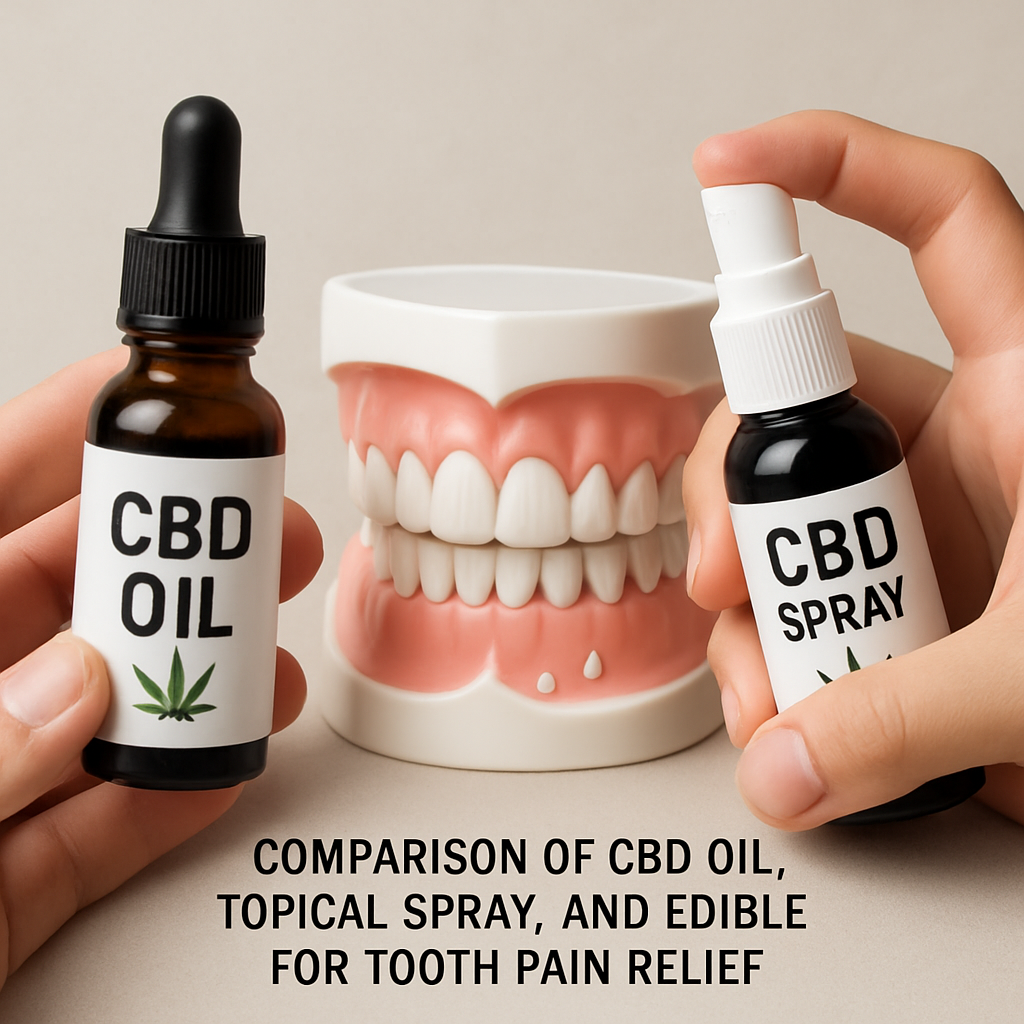
Bottom line: there’s no one‑size‑fits‑all. Pick the format that matches your pain pattern and daily rhythm, and you’ll find the “just‑right” relief without over‑relying on any single product.
Step 5: Safety, Legal Considerations, and Possible Side Effects
Know the legal landscape before you spray
First things first – is the CBD you’re about to use actually legal where you live? In most countries, CBD derived from hemp and containing less than 0.3% THC is permitted, but the thresholds can differ. A quick glance at your local regulator’s website (or a simple Google search for “CBD legal limit [your country]”) will save you a trip to the pharmacy only to find the product confiscated.
And if you’re traveling across borders? Pack the product in its original, sealed container with the COA (Certificate of Analysis) tucked in the bag. Customs agents love clear paperwork.
Check the label – it’s more than a marketing gimmick
Every reputable CBD oral spray should list three things on the front: total CBD concentration, THC level (it should say <0.3%), and the batch number. Those numbers let you trace the batch back to the lab that tested it.In our experience at STOP Oral Care, we only work with brands that publish a third‑party COA on their site. If you can’t find that PDF, it’s a red flag – skip it and look for a product that’s transparent.
Possible side effects – what to expect and how to respond
Most people feel nothing more than a mild, pleasant after‑taste. Still, a few folks notice dry mouth, a slight drowsy feeling, or a temporary change in taste perception. These effects are usually short‑lived (under an hour) and disappear once you hydrate.
Here’s a quick checklist you can keep in your bathroom drawer:
- Dry mouth – sip water or switch to a toothpaste with added moisturizing agents.
- Lightheadedness – pause the spray for the day and see if it recurs.
- Allergic reaction (redness, swelling) – stop using immediately and consult a dentist or doctor.
If any of these symptoms linger beyond 24 hours, it’s time to call a professional.
Pregnancy, nursing, and kids – a special note
There isn’t a one‑size‑fits‑all answer, but most experts advise pregnant or nursing people to err on the side of caution and avoid regular CBD use until more research emerges. The same goes for children under 18; while a tiny dose might be safe, you’ll want a dentist’s guidance before introducing any new oral product.
Think of it like this: you wouldn’t give a strong painkiller to a toddler without a doctor’s OK, right? The principle is the same with CBD.
How to store your CBD spray safely
CBD oils and sprays love a cool, dark spot. A bathroom cabinet away from direct sunlight works fine. If you live in a hot climate, consider a fridge – the extra chill won’t hurt the cannabinoids, and it keeps the product stable for longer.
And don’t forget the child‑proof cap. It’s a tiny detail, but it prevents accidental ingestion, especially if you have kids around.
When to see a dentist – the non‑negotiable moments
CBD can mask pain, but it won’t fix a cracked tooth, an abscess, or a deep infection. If you notice any of the following, book an appointment ASAP:
- Pain that stays above a 5/10 after 48 hours of consistent use.
- Swelling, pus, or a fever.
- Persistent bad taste or foul odor.
- Bleeding gums that won’t stop after a gentle rinse.
In those cases, think of CBD as a temporary bridge, not a permanent fix.
Putting it all together – a safety quick‑start guide
- Verify your product’s THC level (<0.3%) and check the COA.
- Read the label for dosage instructions; start low.
- Monitor for dry mouth, drowsiness, or allergic signs.
- Keep the spray in a cool, dark place with the child‑proof cap on.
- Log pain scores; if they don’t drop below 5 after two days, see a dentist.
By treating CBD like any other oral‑care tool – with a bit of caution and a clear plan – you can enjoy its soothing benefits without stepping into a legal gray area or risking unwanted side effects.
FAQ
How do I know which CBD strength is right for my tooth pain?
Start low and watch how your mouth reacts. A 5 % spray (roughly 5 mg per puff) is a gentle entry point; if after 30 minutes you still feel a throbbing 7‑8 on a pain scale, bump up to a 10 % or 12 % product. Keep a quick log of the concentration, number of sprays, and pain rating – that way you’ll see a clear pattern and avoid over‑doing it.
Can I use a CBD oral spray together with my regular fluoride toothpaste?
Absolutely. Think of the spray as a spot‑treatment and the toothpaste as the daily clean‑up. Apply the spray first, hold it for about 30 seconds, then brush as usual. The fluoride in the toothpaste won’t cancel out the CBD; it just helps protect enamel while the CBD works on inflammation. Just be sure the toothpaste is fluoride‑free if you prefer an all‑natural routine.
What’s the best time of day to apply CBD for tooth pain?
Most of us find three moments work best: right after waking, after lunch, and before bed. Morning application gets you through the day’s first coffee sip, midday helps after a meal, and the bedtime spray gives your gums a chance to calm while you sleep. Consistency is key – use the same doses at the same times and you’ll spot the trend faster.
How long should I wait after using a CBD spray before eating or drinking?
Give the oil a minute or two to sink into the gum tissue. A 30‑second pause is enough for the cannabinoids to bind, then you can sip water or have a light snack. If you gulp down a hot drink right away, the heat can dilute the spray and you might lose some of the soothing effect.
When should I stop using CBD and see a dentist?
If pain stays above a 5 /10 after 48 hours of consistent use, or if you notice swelling, pus, a fever, or persistent bad taste, it’s time to book an appointment. CBD can mask discomfort, but it won’t fix a cracked tooth or an infection. Trust your pain tracker – when the numbers aren’t improving, professional care is the next step.
Are there any side effects I should watch for when using CBD for tooth pain?
Most people only notice a mild dry mouth or a subtle drowsy feeling. If you feel light‑headed, experience a rash around the mouth, or the dryness lasts more than an hour, rinse with water and pause the spray for a day. Staying hydrated and choosing a spray with added peppermint or aloe can soften the dryness.
Is it safe to use CBD if I have a dental filling or crown?
Yes, CBD doesn’t interact with the materials in fillings or crowns. The spray simply sits on the gum tissue around the tooth, so it won’t weaken a composite or metal restoration. Just avoid spraying directly onto the exposed metal edge; a gentle mist aimed at the gum line does the trick and keeps the crown intact.
Conclusion
If you’ve made it this far, you now have a clear roadmap for how to use CBD for tooth pain without guessing.
Start with a tiny dose, watch the numbers on your pain tracker, and adjust only when the relief plateaus. Pair the spray with a gentle brush using a CBD‑infused toothpaste, then finish with a soothing rinse. This three‑step loop keeps the cannabinoids where they’re needed while the rest of your oral routine handles plaque and bacteria.
Remember the red‑flag signals: pain that stays above a 5 after 48 hours, swelling, pus, fever, or a persistent bad taste. Those aren’t signs to crank up the spray—they’re a cue to book a dentist appointment.
In our experience, people who treat the spray as a supportive tool rather than a cure see faster drops in discomfort and fewer trips to the clinic. A quick log in your phone or notebook makes the pattern obvious and saves you from over‑using the product.
So, take what you’ve learned, trust your own feedback, and let CBD work alongside the basics you already know. Keep tracking, stay consistent, and when the pain finally fades, you’ll know exactly which combination got you there.
Enjoy a calmer smile every day.