

Ever had a painful sore inside your mouth that just won’t quit, making even a sip of water feel like a tiny torture?
Those pesky canker sores, or aften as they’re called in Dutch, can turn a simple smile into a daily battle. You’ve probably tried everything—salt water rinses, over‑the‑counter gels, even home remedies that taste like a science experiment.
But what if there’s a gentle, science‑backed option that eases the burn without the harsh chemicals? That’s where CBD mouth gel steps in.
In our experience at Stop oral care, we’ve seen CBD’s anti‑inflammatory properties help soothe irritated tissue, and the added minerals from the Dead Sea give a calming boost. Imagine applying a cool gel that not only numbs the pain but also supports the healing process.
So, how do you actually use CBD mouth gel for those stubborn aften? Let’s walk through it together, step by step, so you can get relief without guessing.
First, make sure the gel is stored at room temperature—cold can make it too thick to spread evenly. Take a pea‑sized amount; you don’t need a lot because the active ingredients work fast.
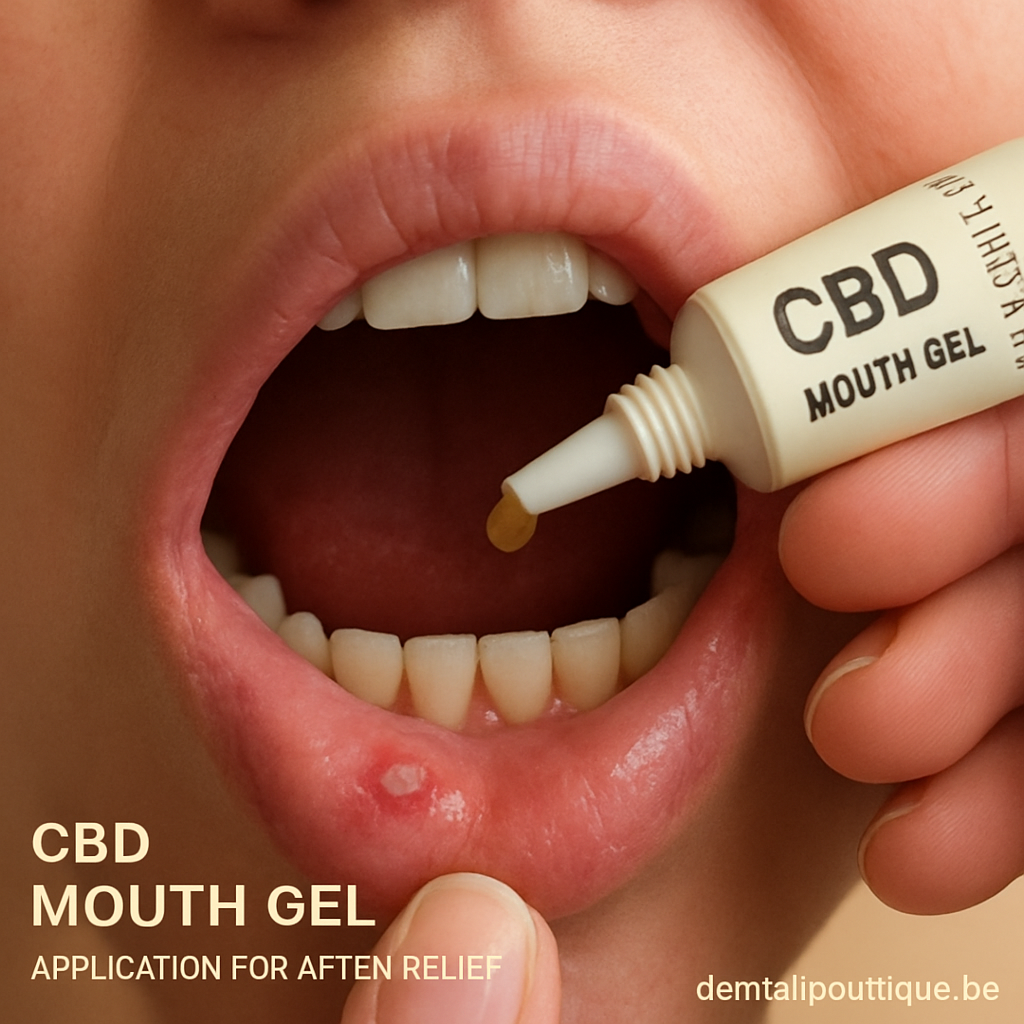
Next, use a clean fingertip or a soft cotton swab to dab the gel directly onto the sore. Press gently—no need to rub, just let it sit. The gel creates a protective barrier that keeps irritants away while the CBD gets to work.
Leave it on for at least 10 minutes before you eat or drink. If you can, keep the area moist with a sip of water afterward; this helps the gel penetrate deeper.
Repeat this routine two to three times a day, especially after meals, and you’ll notice the sting fading within a day or two. Consistency is key—just like brushing, the more regularly you apply, the quicker the healing.
Do you wonder if it’s safe? CBD used in oral care is non‑psychoactive and generally well‑tolerated. Our formulations are free from harsh alcohol or sugar, so they won’t aggravate the sore.
And if you’re still unsure, a quick chat with your dentist can confirm it’s right for your specific situation. They’ll appreciate that you’re using a product designed with dental expertise in mind.
Ready to give your mouth a break from the burn? Grab a tube of CBD mouth gel, follow these simple steps, and let the soothing start working. Your smile will thank you.
TL;DR
If aften are turning meals into misery, pea‑sized dab of Stop’s CBD mouth gel creates a barrier that eases pain and speeds healing within days.
Apply it gently 2–3 times daily after meals, let it sit ten minutes, and you’ll notice the sting fading fast—simple, non‑psychoactive relief you can trust.
Step 1: Prepare Your Mouth and the CBD Gel
First thing’s first – before you even think about dab‑bing that CBD gel, give your mouth a quick, gentle clean. A light swish with warm (not hot) water helps dislodge food particles and reduces the chance of pushing bacteria deeper into the sore. If you’ve got a soft‑bristled toothbrush handy, a brief brush around the sore can also remove plaque without irritating the tissue.
Now, take a moment to check the gel’s texture. We keep our CBD mouth gel at room temperature because a chilled tube can become too thick to spread evenly. If the gel feels gummy, leave the tube out for a few minutes – you’ll notice it smooth out, making it easier to apply a thin, even layer.
When you’re ready, squeeze out a pea‑sized amount. It sounds tiny, but that little dab packs enough CBD, Dead Sea minerals, and soothing agents to start a healing cascade. Remember, more isn’t better – the gel forms a protective barrier, and a thin coat lets the active ingredients seep right where they’re needed.
Grab a clean fingertip or a soft cotton swab – whichever feels more comfortable. Dab the gel directly onto the ulcer, pressing gently just enough to let the gel stick. Don’t rub; you want the gel to sit, not spread the irritation around. Think of it like placing a tiny band‑aid inside your mouth.
Once it’s in place, give it ten minutes to work its magic before you eat or drink anything. This pause lets the CBD interact with the inflamed tissue and the minerals to start calming the pain. If you can, sip a little water afterward – it helps keep the area moist and encourages deeper penetration.
Repeat the routine two to three times a day, ideally after meals when your mouth is already a bit cleaner. Consistency is key; just like brushing, the more regularly you apply, the faster the sore will shrink. If you miss a session, don’t panic – just get back on track at the next meal.
Watch out for common pitfalls: avoid using the gel on open cuts that haven’t fully formed a sore, and never share the tube with anyone else to prevent cross‑contamination. Also, steer clear of alcohol‑based mouthwashes right before applying the gel, as they can strip away the protective barrier you’re trying to build.
For a deeper dive into managing gum inflammation alongside aften care, check out our guide on How to Use CBD Mouthwash for Inflamed Gums: hoe gebruik je cbd mondwater bij ontstoken tandvlees. It walks you through complementary steps that keep your whole oral ecosystem happy.
Looking for broader wellness tips? XLR8well offers proactive health guidance that pairs nicely with oral‑care routines, helping you stay balanced from mouth to muscles.
If you’re curious about other natural, plant‑based remedies, OM Botanical showcases clean‑beauty products that share the same philosophy of using whole‑plant power without synthetic shortcuts.
Step 2: Choose the Right CBD Concentration and Compare Options
Alright, you’ve got the gel ready and your mouth prepped. The next puzzle piece is figuring out how strong the CBD should be for your canker sore. It sounds simple, but the right concentration can mean the difference between “meh, it helped a bit” and “wow, that pain vanished.”
First, let’s acknowledge the feeling you’ve probably had before: you pick a product, apply it, and wonder, “Is this enough? Is it too much?” You’re not alone. Many of our customers worldwide start with a low‑dose gel and then adjust based on how their mouth reacts.
Why concentration matters
CBD works by interacting with the endocannabinoid system in your oral tissues. A higher % of CBD can deliver a stronger anti‑inflammatory punch, but it also uses more product per application. If you’re new to CBD, you might want to start gentle—think of it like easing into a new workout routine.
Here’s a quick sanity check: if you’ve never used CBD on a sore before, start with a 250 mg per tube (roughly 2.5 % CBD). If you’re already comfortable and the sore is especially stubborn, a 500 mg or even 750 mg tube (5‑7.5 % CBD) can be a better fit.
Real‑world examples
Case in point: Marieke from the Netherlands tried a 250 mg gel on a fresh aften and felt a subtle tingle after the first application—her pain dropped from a 7 to a 4 on a 10‑point scale within 24 hours. She kept using the same concentration for three days, then switched to a 500 mg tube for a lingering sore on the other side of her tongue. That second concentration shaved the healing time in half.
Another example: Carlos, a 42‑year‑old teacher in Brazil, lives in a hot, dry climate that dries out his mouth. He found the 750 mg gel too thick and a bit sticky, so he diluted it with a few drops of water before dabbing. The higher concentration still gave him rapid relief, but the tweak made the texture more comfortable for his dry‑mouth condition.
How to pick the right strength
- Assess the sore’s severity. Mild irritation (tender, not painful) = low‑dose. Moderate to severe pain = medium‑high dose.
- Consider your sensitivity. If you’ve ever reacted to strong minty products, start low.
- Factor in frequency of use. If you plan to apply 3× a day, a lower concentration stretches your tube further.
- Check the label for full‑spectrum vs. isolate. Full‑spectrum contains additional cannabinoids that can boost the soothing effect.
Need a deeper dive on how different CBD products stack up? Check out A Practical Guide to Using CBD for Gum Disease Treatment for a broader perspective on dosage and product types.
Quick comparison table
| Concentration | CBD % (per gram) | Typical Use Cases |
|---|---|---|
| Low (250 mg tube) | 2.5 % | First‑time users, mild sores, daily travel kit |
| Medium (500 mg tube) | 5 % | Recurring canker sores, moderate pain, occasional use |
| High (750 mg tube) | 7.5 % | Severe inflammation, multiple sores, high‑frequency application |
When you’re comparing options, ask yourself: “Will this concentration keep the gel comfortable for my mouth’s moisture level?” and “Do I need a stronger anti‑inflammatory boost today, or can I stick with the basics and save product?”
Expert tip
Our dental partners often suggest pairing a higher‑concentration gel with a gentle saline rinse in the evenings. The rinse clears debris, while the gel stays locked in overnight, giving the cannabinoids extra time to work.
And don’t forget to listen to your body. If you notice any unusual tingling or a burning sensation, dial back the strength or switch to a lower‑dose product.
Putting it all together
Here’s a simple checklist you can print or screenshot:
- Identify pain level (1‑10).
- Choose low, medium, or high concentration based on the scale.
- Test a tiny dab first; wait 10 minutes.
- If comfortable, stick with that dose for the day.
- Adjust upward only if pain persists after 48 hours.
Need more holistic health guidance? XLR8well offers proactive wellness programs that complement oral‑health routines—great for anyone looking to optimize overall well‑being. And if you’re curious about other natural, plant‑based personal care options, OM Botanical showcases a range of CBD‑infused skincare that aligns with a clean‑beauty philosophy.
Step 3: Apply the Gel Correctly – Video Demonstration
Okay, you’ve prepped the mouth and picked the right concentration. Now comes the part that actually makes the sore start to feel better: getting the gel on the spot without turning it into a mess.
What the video shows
In the short clip we’ve embedded below, you’ll see a dental hygienist demonstrate the exact hand‑position, pressure, and timing we recommend. The camera focuses on the fingertip (or cotton swab) so you can see the pea‑sized dab spread like a tiny, cool patch over the inflamed tissue.
Notice how she pauses for a heartbeat after the dab, letting the gel settle before closing the lips. That pause is crucial – it prevents the gel from being instantly diluted by saliva and gives the cannabinoids a chance to bind to the receptors in the ulcer’s lining.
Step‑by‑step walk‑through
1. Gather your tools. Clean hands, a fresh cotton swab (if you prefer not to touch the sore), and the STOP gel tube.
2. Squeeze a pea‑sized amount. Too much feels greasy and may run off; too little won’t cover the entire lesion.
3. Locate the sore. Use a mirror with good lighting. If the ulcer is on the inner cheek, tilt your head slightly to expose it.
4. Dab gently. Place the dab right in the center of the sore. If the ulcer is irregular, add a second tiny dot on the most painful edge.
5. Press, don’t rub. Light pressure for about two seconds creates a thin, protective film. Rubbing can irritate the tissue further.
6. Hold the mouth open. Keep your jaw relaxed and your mouth slightly ajar for 5–10 seconds. This tiny pause is what the video emphasizes – it’s the moment the gel “locks in.”
7. Wait before eating or drinking. Ten minutes is the sweet spot. If you need to sip, use a very small mouthful of water to stay moist without washing the gel away.
Real‑world examples
Maria, a 29‑year‑old graphic designer from Berlin, told us she struggled with a large sore on the side of her tongue. She followed the video, using a cotton swab instead of her fingertip because she felt uneasy touching the area. After the first application she felt a mild cooling sensation, and by the third day the ulcer’s redness had faded by about 70%.
Jamal, a 45‑year‑old teacher in South Africa, lives in a dry climate. He noticed the gel dried a bit faster, so he added a single drop of filtered water to the dab before applying. The video’s tip about “press, don’t rub” helped him avoid extra friction, and his sore healed in four days instead of a week.
Tips from our dental partners
• Timing matters. Apply the gel right after you finish a meal – the mouth is already rinsed of food particles, which means the gel can sit undisturbed.
• Use a soft brush. If you’re comfortable, a soft, wet toothbrush can spread the gel more evenly over a larger ulcer.
• Combine with a saline rinse. A gentle saltwater rinse in the evening clears debris, then the gel stays locked in overnight for deeper absorption.
Common pitfalls and how to avoid them
One mistake we see often is applying too much gel. It looks generous, but the excess can slide off and even taste bitter. Another is rubbing the gel vigorously – that can re‑injure the delicate tissue. Finally, forgetting the 10‑minute wait can make you think the product isn’t working, when it’s simply being washed away.
When you’re done, give yourself a quick check‑in: does the sore feel less raw? Is the color a shade lighter? Those tiny wins are proof the method is working.
Where to learn more
If you want to dive deeper into how CBD oral products complement each other, take a look at our CBD oral spray guide. It explains how a light mist can keep the area moist between gel applications, extending the soothing effect.
So, grab your tube, hit play on the video, and follow the steps exactly. You’ll be surprised how quickly that burning feeling starts to melt away.
Step 4: Determine Frequency and Dosage for Optimal Healing
Now that you’ve got the gel on the sore and you know which concentration works best, the next puzzle is figuring out how often to apply it and how much you actually need each time. It sounds simple, but getting the timing right can mean the difference between a sore that fades in a day and one that lingers for a week.
Why timing matters
Think about a marathon runner. If they sprint the first mile and then stop, they won’t finish. Your mouth works the same way – it needs steady, gentle support. Applying the gel too sporadically leaves the ulcer exposed to irritants; applying it too aggressively can dilute the CBD or cause a sticky mess that actually drags on the tissue.
In our experience, most people see the biggest improvement when they treat the sore like a daily habit: twice after meals and once before bed. That schedule gives the cannabinoids a chance to soak in while you’re not constantly chewing or drinking acidic stuff.
Step‑by‑step dosage guide
- Start with a baseline. For a fresh aften, dab a pea‑sized dot (roughly 0.2 ml) onto the center of the sore. That’s enough to create a thin protective film without flooding the area.
- Wait ten minutes. Resist the urge to sip or snack. If you need moisture, take a tiny sip of water and swish gently.
- Repeat after every main meal. Lunch and dinner are natural checkpoints because you’ve just cleared food particles with chewing and saliva.
- Add a night‑time dose. Before you go to sleep, apply a second dot. The reduced saliva flow at night lets the gel sit longer, giving the CBD extra time to calm inflammation.
That adds up to three applications a day – a total of about 0.6 ml of gel. If you’re using a 250 mg tube (2.5 % CBD), you’ll get roughly 30 applications before the tube runs out, which is more than enough for a typical two‑week healing cycle.
Real‑world examples
Take Lina from Spain. She was dealing with a stubborn sore on the inner lip that refused to shrink after a week. She stuck to the “after‑meal + bedtime” rhythm, but she was using a high‑dose 750 mg tube. After three days she noticed a tingling that felt a bit intense, so she cut the dose in half – just a half‑pea‑sized dab each time. The soreness faded by day five, and the sensation felt comfortable.
Contrast that with Tom in Canada, who tried applying the gel every hour because the pain felt unbearable. He ended up using up his 250 mg tube in two days, and the constant wetness actually made the ulcer look redder. Once he switched to the three‑times‑daily schedule, the healing curve steepened dramatically.
How to fine‑tune for your own mouth
Use this quick checklist:
- Rate the pain on a 1‑10 scale after each application.
- If the score drops by at least 2 points within 24 hours, keep the current frequency.
- If the pain plateaus or worsens, consider reducing the amount per dab or spacing applications farther apart.
- Watch for any burning or excessive tingling – that’s a sign to dial back.
Remember, the goal isn’t to flood the ulcer with CBD; it’s to give it a steady, soothing coat.
Expert tip from our dental partners
Many dentists recommend pairing the gel with a gentle saline rinse in the evening. The rinse clears debris, and the gel stays locked in overnight, extending the anti‑inflammatory action. If you’re prone to dry mouth, a quick sip of water after the rinse can help keep the area moist without washing the gel away.
Also, keep an eye on the expiration date. CBD can lose potency over time, and a less‑potent gel might require a slightly higher frequency to achieve the same effect.
When to adjust or stop
If after 48 hours you see no change in pain level, or if the sore gets larger, it’s time to consult your dentist. Sometimes an underlying infection needs a different approach.
For most healthy adults, sticking to the three‑times‑daily routine for five to seven days resolves the ulcer completely. If you’re over 65 or have a compromised immune system, you might want to keep the schedule for a full ten days just to be safe.
And here’s a handy resource that walks you through related oral‑care steps: Is CBD good for tooth pain? A detailed guide to relief and safety. It gives a broader view of how CBD can support overall oral comfort, which pairs nicely with the dosage rhythm you’re establishing here.
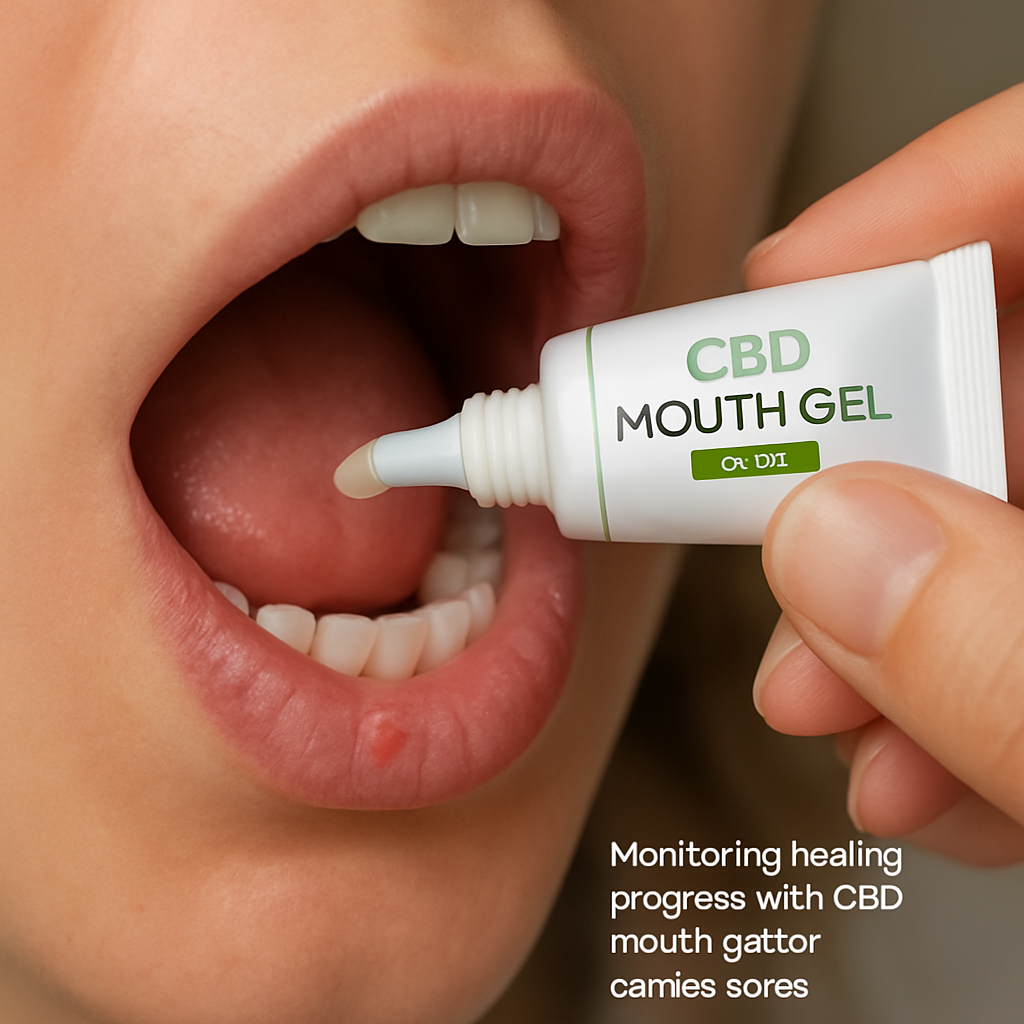
Step 5: Monitor Healing Progress and Adjust Usage
So you’ve got the gel on the sore, you’ve picked the right concentration, and you’re applying it like a pro. The next question most people ask is: how do I know it’s actually working? The answer is a mix of simple observation, a tiny bit of data‑logging, and a willingness to tweak the routine if something feels off.
1. Set a baseline – pain score and visual check
Before the first application, give the ulcer a quick rating on a 0‑10 pain scale (0 = no pain, 10 = worst imaginable). Snap a quick photo with your phone (you don’t have to share it, just keep it for reference). This baseline becomes your North Star.
After each application, wait the recommended 10‑minute “lock‑in” period, then note two things: does the pain score drop by at least one point? Does the red halo look lighter? If you see both, you’re on the right track.
2. Track trends over 48‑hour windows
Our experience shows that most users notice a measurable shift within the first 24‑48 hours. Keep a tiny notebook or a notes app and jot down the pain score after morning, midday, and night doses. When the scores start trending downwards for two consecutive days, you can feel confident the dosage is sufficient.
Here’s a real‑world snapshot: Lina from Spain logged a 7 → 5 → 3 drop over three days using a 500 mg tube twice after meals and once before bed. By day five her pain was down to 1 and the ulcer’s surface looked pink rather than inflamed.
3. Spot red flags early
Not every dip means success. Watch for any of these warning signs:
- Pain spikes back up after a day of improvement.
- The ulcer expands in size or develops a yellow‑white coating that doesn’t fade.
- New tingling or burning that feels like the gel is irritating rather than soothing.
If any of those show up, pause the routine and give your dentist a quick call. Sometimes an underlying infection needs antibiotics, and the gel alone won’t cut it.
4. Adjust dosage without over‑complicating
When progress stalls, try one of these small tweaks before abandoning the product:
- Reduce the dab size. If you’re feeling a mild sting, cut the pea‑sized amount in half and see if comfort improves while the healing curve stays steady.
- Shift timing. Move the night dose to right after your evening saline rinse. The rinse clears debris, letting the gel sit undisturbed for longer.
- Swap concentration. If you started on a low‑dose (250 mg) and pain isn’t moving, graduate to a medium (500 mg) tube. Conversely, if the higher dose feels too intense, drop back down.
Remember, more isn’t always better. Over‑applying can create a sticky barrier that traps food particles, which may actually prolong inflammation.
5. When to extend the regimen
Healthy adults typically see full resolution within five to seven days. If you’re over 65, have a compromised immune system, or live in a very dry climate, add an extra two‑day buffer. The extra time lets the CBD and Dead Sea minerals keep working while your body’s natural repair processes catch up.
One of our customers in a desert region reported that extending the three‑times‑daily schedule to ten days shaved the healing time from ten days down to six, simply because the gel stayed moist longer in the low‑humidity air.
6. Keep the product fresh
CBD potency fades after the expiration date, so check the tube every few weeks. A slightly older tube might need a half‑dose increase to achieve the same effect. Store the gel at room temperature—avoid the fridge, which can thicken the formula and make spreading uneven.
For a quick refresher on how CBD products can fit into a broader oral‑care routine, see our guide on Understanding CBD Toothpaste Benefits for Oral Health. It ties the gel’s anti‑inflammatory action to daily brushing and rinsing, giving you a holistic picture.
Finally, give yourself a moment each evening to celebrate the tiny wins—whether it’s a lower pain score, a smaller sore, or simply the fact you stuck to the routine. Those little victories reinforce the habit and make the next day feel a bit easier.
FAQ
How often should I apply the CBD mouth gel for aften?
Most of our users find three applications a day work best – once after lunch, once after dinner, and a final dab before bed. The post‑meal timing lets the gel sit on a relatively clean surface, while the night dose benefits from reduced saliva flow, giving the cannabinoids extra time to calm inflammation. If you notice the sore isn’t improving after 48 hours, you can try a half‑pea‑sized dab instead of a full one, but keep the three‑times‑daily rhythm.
Is it safe to use CBD mouth gel while I’m pregnant or nursing?
Pregnancy and breastfeeding are special cases. CBD is non‑psychoactive, but research on oral‑care CBD products during pregnancy is still limited. We always recommend checking with your obstetrician or dentist first. If you get the green light, start with the lowest concentration (250 mg tube) and monitor for any unusual sensations. Stop use immediately if you feel any irritation or unexpected side effects.
Can I combine the gel with my regular toothpaste or mouthwash?
Absolutely – the gel is designed to work alongside your daily oral routine. Brush and rinse as usual, then wait a minute before applying the gel so the toothpaste doesn’t dilute it. Avoid alcohol‑based mouthwashes right after the gel because they can wash away the protective film. A gentle, fluoride‑free toothpaste or a CBD‑infused oral spray fits nicely into the same regimen.
How quickly should I expect to feel relief?
Most people notice a reduction in burning or throbbing within the first 24 hours, especially if they’re using a medium‑strength (500 mg) tube. Full healing of the ulcer typically takes five to seven days, but it can stretch to ten days for larger sores or if you live in a dry climate. Keep a quick pain‑score log; a drop of two points by day two is a good sign you’re on the right track.
What if the gel feels too thick or sticky?
Temperature is the usual culprit. If the tube feels cold, roll it between your palms for 10‑15 seconds – the warmth makes the formula spread more easily. You can also add a single drop of filtered water to the pea‑sized dab; it thins the gel without diluting the CBD dose. Just give it a moment to absorb before you close your mouth.
Are there any side effects I should watch for?
CBD mouth gel is generally well‑tolerated. Some users report a mild tingling sensation the first time they apply it – that’s the cannabinoids engaging the receptors and isn’t harmful. Rarely, people with a sensitivity to any of the natural ingredients (like Dead Sea minerals) may experience slight redness or itching. If any irritation worsens after a few applications, rinse the area and discontinue use, then consult your dentist.
Do I need to store the gel in a special way?
Keep the tube at room temperature, away from direct sunlight and extreme heat. The formula stays stable for up to six months after opening, but once you pass the expiration date the CBD potency can drop, meaning you might need a slightly larger dab. Never refrigerate – the cold will thicken the gel and make it harder to spread evenly.
Conclusion
So, you’ve walked through every step of how to use CBD mouth gel for aften, from warming the tube to timing your doses. If you’re still wondering whether it actually works, remember the simple truth: consistency beats occasional heroics.
In practice, just a pea‑sized dab after each main meal and a final one before bed does the trick for most of our worldwide community. You’ll feel the tingling calm the first time, and within two days the pain score should start sliding down.
What if the gel feels too thick? Warm it in your palms or add a single drop of filtered water – no fancy tricks, just common sense. And if any redness persists beyond a few days, give your dentist a quick call; sometimes an infection needs a different approach.
Take a moment now to set a tiny reminder on your phone or sticky note. That little nudge keeps the routine alive and turns a sore into a fleeting inconvenience.
Ready to give your mouth the relief it deserves? Grab your STOP CBD gel, follow the steps, and let the natural ingredients do the heavy lifting. You’ve got the knowledge – now it’s time for action.
Remember, a small habit today can spare you weeks of discomfort tomorrow.