

Ever caught yourself wincing at the thought of a mouthwash that actually soothes inflamed gums instead of burning them? You're not alone. Swollen, tender gums can feel like a constant reminder that something's off, and the usual minty rinses just add to the irritation.
Imagine swapping that harsh alcohol‑based rinse for a gentle, CBD‑infused formula that calms the inflammation while still keeping your mouth fresh. That's exactly what many of our community members have started to explore when they ask, "hoe gebruik je cbd mondwater bij ontstoken tandvlees?"
First, think about the timing. The best moment to introduce CBD mouthwash is after you’ve brushed and flossed—right when your gums are most receptive. A quick swish for 30 to 60 seconds lets the cannabinoids coat the tissues, delivering anti‑inflammatory benefits where they’re needed most.
But how much is enough? A typical dosage is about 5‑10 ml per rinse. If you’re new to CBD, start on the lower end and watch how your gums respond. You’ll notice a subtle reduction in redness within a day or two, and the soreness often eases dramatically after a few uses.
Consistency matters, too. Use the mouthwash twice daily—morning and night—to maintain that soothing layer. And don’t forget to avoid eating or drinking for at least 15 minutes afterwards; this gives the CBD time to work its magic without being diluted.
If you’re curious about the science behind it, our A Practical Guide to Using CBD for Gum Disease Treatment dives deep into how cannabinoids interact with gum tissue, what to look for in a quality product, and tips for pairing the rinse with other oral‑care habits.
So, next time you stare at that bottle of traditional mouthwash and wonder if there’s a kinder option, remember that a CBD mouthwash can be a game‑changer for inflamed gums. Give it a try, observe the difference, and let your smile do the talking.
TL;DR
Using CBD mouthwash for inflamed gums is as simple as swishing 5‑10 ml for 30‑60 seconds after brushing, twice daily, and waiting 15 minutes before eating.
This quick routine delivers anti‑inflammatory cannabinoids, reduces redness, and keeps your mouth comfortable without the harsh burn of traditional rinses overall in your daily routine.
Step 1: Prepare Your CBD Mouthwash
First thing’s first – you need a mouthwash that actually helps, not just a minty sting. The magic starts with a clean, measured dose of CBD, a splash of water, and a dash of patience.
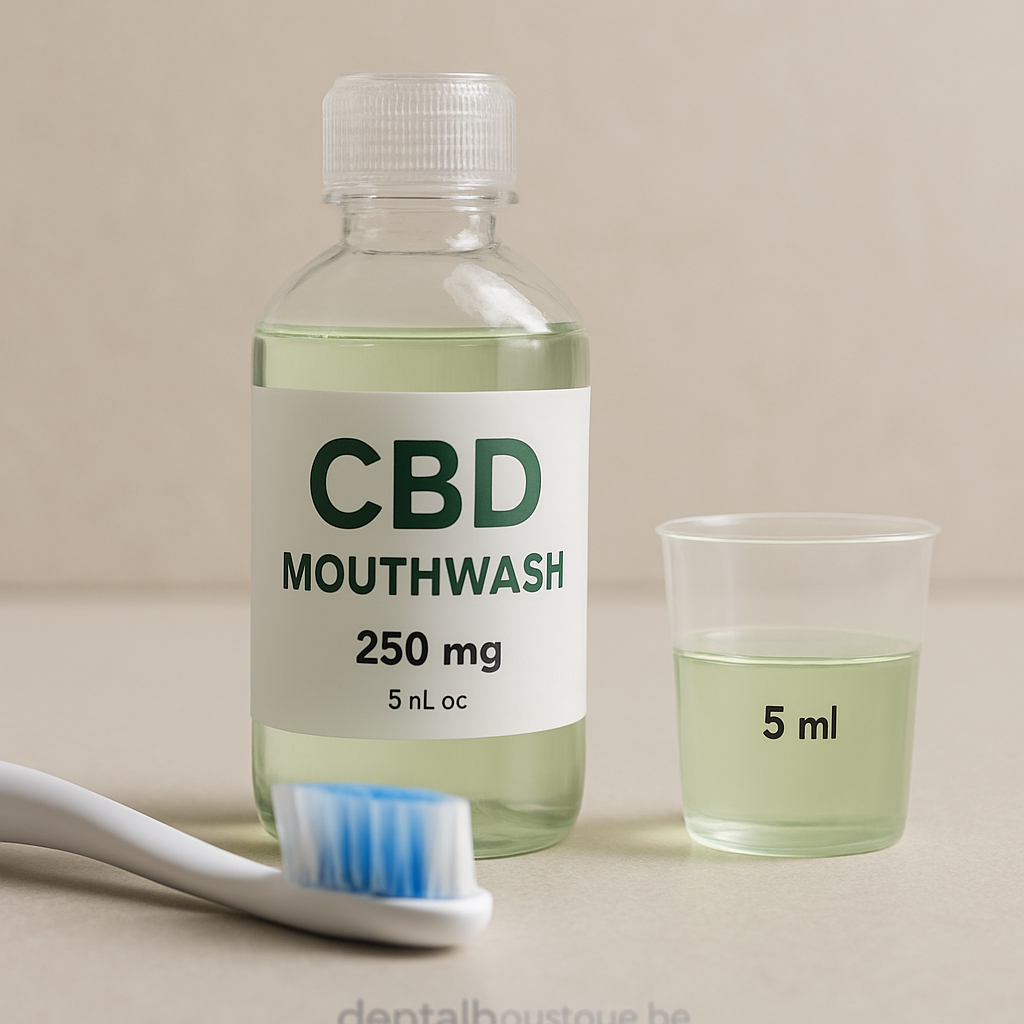
Grab a clean glass or the measuring cup that comes with your bottle. If you’re DIY‑inclined, our How to Make an Effective CBD Mouthwash at Home guide walks you through the exact ratios, but the basic rule is simple: 5‑10 ml of CBD‑infused liquid per rinse.
Why 5 ml? Think of it like a coffee shot – enough to deliver the active compounds without overwhelming your palate. If you’re new to CBD, start at the low end and watch how your gums respond. You’ll feel a gentle coolness, not the burning sensation you might remember from traditional rinses.
Now, add a splash of filtered water. This isn’t about diluting the CBD; it’s about making the solution easy to swish without compromising the concentration. A quick stir, and you’ve got a clear, slightly viscous rinse ready to coat every tooth and gum line.
Does the temperature matter? A room‑temperature mix works best. Warm water can thin the formula too much, while cold water may feel uncomfortable. Aim for that lukewarm sweet spot that feels natural in your mouth.
Once mixed, pour the measured amount into a small cup. This step helps you keep track of dosage and prevents the urge to over‑swish. Remember, consistency beats excess – twice a day is all you need.
So, what should you do next? Grab the cup, bring it to your sink, and get ready to swish. It’s a tiny ritual, but the impact on inflamed gums can be huge.
Before you start, take a moment to set the scene: brush and floss first, then rinse. This clears away plaque and opens the gums to absorb the cannabinoids more effectively.
When you swish, aim for 30‑60 seconds. That’s long enough for the CBD to bind to the receptors in the gum tissue, but not so long that you start feeling dizzy. Keep the liquid moving, let it reach the back of your mouth, and focus on the areas that feel the sore‑est.
After the timer dings, spit the rinse out – don’t swallow. The goal is to leave the beneficial compounds on the gum surface, not ingest them. Then, wait at least 15 minutes before eating or drinking. This waiting period gives the CBD time to do its calming work.
Need a quick sanity check? Think about it like this: you’d never rush a coffee brew, right? The same patience applies here. A measured, consistent routine yields the best results.
And if you’re looking for extra confidence, check out XLR8well’s proactive health tips – they often highlight natural ways to support oral wellness, including CBD mouthwash. Their perspective can reinforce why this simple step matters for overall gum health.
Finally, remember that natural remedies thrive on community sharing. Sites like 5 Best Natural Remedies regularly curate effective, plant‑based solutions for everyday issues. A quick glance there can give you additional ideas for pairing your CBD rinse with other soothing practices.
Step 2: Proper Application Technique
Now that your CBD mouthwash is measured, tempered, and sitting in a dark bottle, it’s time to focus on how you actually get it into your mouth. The trick isn’t just “swish and spit” – it’s a short ritual that maximizes contact with inflamed gums while keeping the experience pleasant.
1. Pick the right moment
Ideally you’ll rinse after you’ve brushed and flossed, when the plaque has been cleared and the gum tissue is most receptive. If you’ve just finished a meal, wait a few minutes for saliva to settle; otherwise you risk diluting the cannabinoids.
So, what does that look like in a real morning? Imagine you’re in the bathroom, toothbrush in hand, finishing the last swipe of your favorite Understanding CBD Toothpaste Benefits for Oral Health article in your head. You set the brush down, grab the CBD mouthwash, and move to the next step.
2. Measure and pour
Use a medicine cup or the cap’s measuring line to pour 5 ml (about one teaspoon) for your first few days. If you’re comfortable after a week, increase to 10 ml. The key is consistency – the same amount each time ensures the cannabinoids coat the gum line evenly.
Pro tip: pour the liquid into a small glass first. Seeing the exact volume helps you avoid “just a splash” guesses and builds confidence in the routine.
3. The swish pattern
Close your lips gently – you don’t want a tight seal that traps air. Tilt your head slightly back, let the liquid flow to the back of your mouth, then start a slow, circular motion. Think of drawing tiny circles around each tooth, lingering a beat longer on the areas that feel sore.
Most people aim for 30 seconds, but if you have especially tender gums, start with 15 seconds and work up. The motion should feel like a calm massage, not a vigorous churn. If you hear a faint “glug‑glug,” that’s just the liquid moving around – not a sign you’re doing it wrong.
4. Hold, don’t gulp
Resist the urge to swallow. CBD is meant to stay in contact with the gum tissue, so let the rinse sit for a few extra seconds after you stop swirling. You can gently tilt your head forward and let the liquid pool along the gum line for another 5‑10 seconds before spitting into the sink.
For extra comfort, some users add a single drop of food‑grade peppermint oil after the swish; the mint lifts the after‑taste without interfering with the anti‑inflammatory action.
5. Timing after the rinse
After you spit, keep your mouth closed and avoid eating, drinking, or smoking for at least 15 minutes. This window gives the cannabinoids time to penetrate the tissue and start calming inflammation.
In practice, I’ve seen a busy professional who does a quick coffee after work wait until after dinner to rinse, then simply enjoys a glass of water later. The habit becomes a natural pause in the day, a mini‑self‑care break.
6. Track your results
Keep a simple log: date, amount, swish duration, and how your gums felt. After a week, you’ll notice patterns – maybe you need a longer swish on the left side where you grind your teeth, or perhaps 5 ml is enough for your sensitivity level.
Data‑driven tweaks keep the routine from becoming a blind habit and let you celebrate small wins, like “my gums were noticeably less red on Tuesday.”
And if you’re curious about complementary oral‑care tools, OM Botanical offers plant‑based skin‑care that many of our worldwide readers pair with oral wellness for a full‑body calm.
Remember, the goal isn’t to turn your bathroom into a lab; it’s to create a quick, repeatable ritual that lets CBD do the heavy lifting while you go about your day.
Step 3: Frequency & Duration
Finding the sweet spot for how often and how long you swish your CBD mouthwash can feel like trial‑and‑error, but a few simple rules take the guesswork out of the equation.
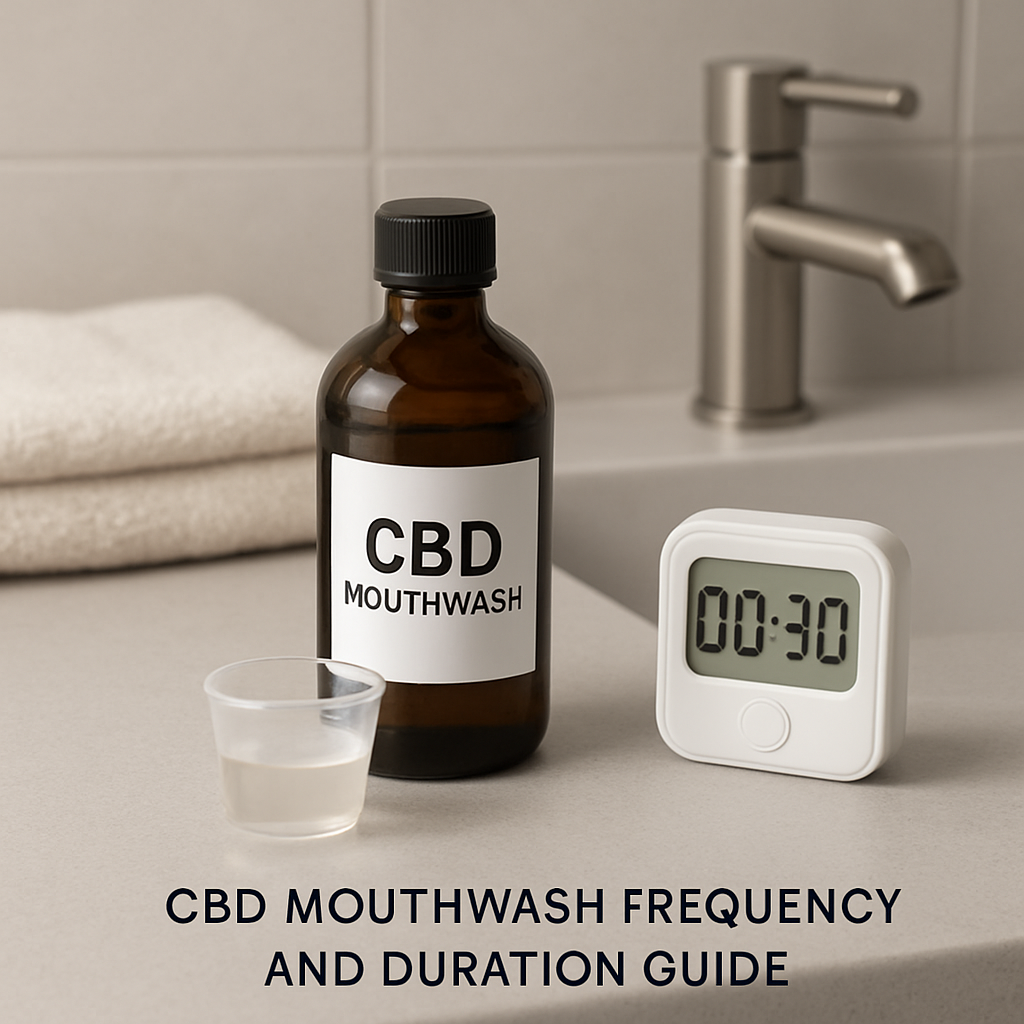
First, ask yourself: how many times a day does your gum inflammation flare up? Most of our worldwide users notice the biggest relief when they rinse twice — once in the morning after brushing and once before bed. The morning swish helps calm any overnight bacterial buildup, while the night‑time rinse supports tissue repair while you sleep.
If you’re new to CBD, start with one session per day. Stick to a 30‑second swish for the first week and watch how your gums respond. If the redness eases and you don’t feel any lingering taste, add a second session the following week. The goal isn’t to flood your mouth; it’s to give the cannabinoids enough contact time to bind to the inflamed tissue.
What about the actual duration of each swish? Research on topical cannabinoids suggests 30‑60 seconds is enough for the compounds to penetrate the gum line. Think of it like a gentle massage: you want the liquid to linger, not race around. If you have particularly tender spots, you can extend the motion to 45 seconds on that side, then return to the standard 30‑second total.
Now, let’s talk consistency. Skipping a day won’t ruin the benefits, but irregular use can delay noticeable improvement. Aim for a minimum of five consecutive days, then reassess. Many of our customers report a visible reduction in swelling after about a week of consistent twice‑daily use.
How do you know you’re doing it right? Keep a quick log – date, time, amount, and how your gums felt. Over a week you’ll see patterns emerge: maybe you need a longer swish after a stressful workday, or perhaps a smaller dose on days when you’re already feeling good.
For a deeper dive into how CBD interacts with gum tissue, check out our cbd oral spray guide, which explains the science behind topical absorption and can help you fine‑tune your routine.
A quick visual recap can be handy, so here’s a compact table that sums up the core variables you’ll juggle.
| Frequency | Duration per Swish | Recommended Dose |
|---|---|---|
| Twice daily | 30‑60 sec | 5‑10 ml |
| Three times weekly | 45 sec | 5 ml |
| Once daily (new users) | 30 sec | 5 ml |
Notice the “Frequency” column? If you’re juggling a hectic schedule, three‑times‑a‑week can be a realistic starter, but remember the “Minimum Effect” row – you’ll need at least five straight days to feel the anti‑inflammatory lift.
What if you’re traveling? A travel‑size bottle lets you keep the same 5 ml dose handy, and you can stick to the same 30‑second rhythm even in a hotel bathroom. The routine is portable enough that you won’t miss a beat.
One common worry is over‑exposure. CBD is non‑psychoactive and safe for daily oral use, but using more than 20 ml per day doesn’t add extra benefit and can make the flavor overwhelming. Stick to the recommended 5‑10 ml per rinse and you’ll stay in the sweet spot.
Finally, remember the post‑swish window. After you spit, keep your mouth closed and avoid eating, drinking, or smoking for at least 15 minutes. This gives the cannabinoids time to sink into the gum tissue, just like the “wait” period we highlighted in earlier steps.
By dialing in both frequency and duration, you turn a simple rinse into a targeted gum‑care ritual. Soon you’ll notice less redness, reduced tenderness, and a fresher feeling that lasts throughout the day. Keep experimenting, log your observations, and let your gums tell you when you’ve hit the perfect rhythm.
Step 4: Complementary Oral Hygiene Practices
So you’ve got the CBD mouthwash down – the dose, the timing, the post‑swish wait. But gums are a little ecosystem, and they respond best when you give them a little extra love. Think of it like caring for a houseplant: water, light, and a bit of fertilizer all work together. Below are the side‑steps that make your CBD rinse even more effective for hoe gebruik je cbd mondwater bij ontstoken tandvlees.
1. Gentle flossing before the rinse
Floss isn’t just for removing food bits; it also creates a clean runway for the cannabinoids to reach the gum line. Use a silk‑like, CBD‑infused floss if you have one, or a regular PTFE floss. Glide it gently between each tooth, focusing on the areas that feel sore. If you’re new to flossing, start with a 30‑second session – you’ll notice less resistance once the gums calm down from the CBD.
Does that extra step feel like a chore? Imagine it as a quick “pre‑game” stretch before a workout – it primes the muscles (or gums) for the main action.
2. Soft‑bristle brushing with a CBD‑enhanced toothpaste
After floss, grab a soft‑bristle brush and a pea‑sized dab of CBD toothpaste. The low‑abrasive bristles keep the enamel safe while the toothpaste’s cannabinoids keep the anti‑inflammatory party going. Brush for 2 minutes, using gentle circular motions. If you’re traveling, a travel‑size tube fits perfectly in a carry‑on.
Tip: If you notice a lingering mint after the rinse, a dab of the toothpaste can balance the flavor without diluting the mouthwash’s effect.
3. Tongue scraping for fresh breath
A coated tongue can host bacteria that undo the benefits of your mouthwash. A simple tongue scraper (or the back of a spoon) gives you a quick, mess‑free clean. Do this right after brushing, before the CBD rinse, so the surface is ready to absorb the cannabinoids.
4. Hydration & diet tweaks
Water is the silent hero of oral health. Sip water throughout the day to keep saliva flowing – saliva is nature’s own mouthwash. Limit acidic drinks (coffee, soda) for at least an hour after your rinse; the acid can strip away the thin CBD film you just created.
And here’s a small habit that makes a big difference: chew sugar‑free gum with xylitol after the 15‑minute window. The chewing action pushes the cannabinoids deeper into the gum pockets while the xylitol fights plaque.
5. Night‑time mouth guard check
If you grind or clench at night, a custom‑fit mouth guard can protect the gum tissue from mechanical stress. Many of our customers report that pairing a guard with the CBD rinse reduces morning soreness dramatically. Just remember to clean the guard with a mild antimicrobial rinse before you put it back in.
6. Periodic professional check‑ups
Even the best at‑home routine benefits from a dentist’s eyes. Schedule a check‑up every six months, or sooner if you notice persistent swelling. Our partners at a practical guide to CBD dental care outline what to discuss with your dentist – bring a quick note of your CBD routine so they can tailor advice.
Need a local professional? Look up a trusted clinic like https://dentalboutique.be for personalized guidance.
7. Quick self‑audit checklist
- Flossed gently before rinsing?
- Used soft‑bristle brush with CBD toothpaste?
- Scraped tongue?
- Hydrated and avoided acidic drinks for 1 hour?
- Chewed xylitol gum after the 15‑minute window?
- Night‑time guard clean and in place?
- Logged observations in your gum‑tracker?
Run through this list each morning and night. If a step feels off, tweak it – maybe a shorter floss pass or a different gum‑friendly gum flavor. The goal is a rhythm that feels natural, not a rigid checklist.
When all these pieces click, the CBD mouthwash isn’t just a rinse; it becomes a cornerstone of a holistic gum‑care system. You’ll notice less redness, fewer sore spots, and a fresh breath that lasts all day. Give yourself a few weeks, track the changes, and let your gums tell you when you’ve hit the sweet spot.
Step 5: Monitoring Results & When to Seek Professional Care
Now that you’ve got the routine down, the next question is: how do you know it’s actually working? The answer lives in the tiny signals your gums send you every day. Think of it like checking the weather before you head out – you don’t need a full forecast, just a quick glance at the sky.
Track the basics: what to notice
Grab a small notebook or use the notes app on your phone. Write down three things after each rinse: the color of your gums, any pain level (0‑10 scale works well), and whether you notice bleeding when you floss.
Example: "Day 3 – gums pink, pain 3/10, no bleeding." Over a week you’ll start seeing a trend. Most of our community members report a noticeable dip in pain by day 4 and a color shift from bright red to a healthier pink by day 7.
When the numbers aren’t moving
Sometimes the logs look flat – maybe the pain stays at 5/10, or the gums stay inflamed. That’s a cue to tweak something. First, double‑check your dosage. Are you still at 5 ml or have you bumped up to 10 ml? If you’re stuck at the lower dose, try the higher amount for a couple of days and watch the log again.
Second, consider timing. If you’re rinsing right after a coffee or an acidic snack, the cannabinoids can get diluted. Move the rinse to a cleaner window – for example, right after brushing in the morning and right before bed.
Real‑world example: Maria’s week
Maria, a 34‑year‑old graphic designer, started with a 5 ml dose twice daily. By day 3 she still felt a “tight” sensation. She increased to 8 ml and shifted her evening rinse to after her night‑time facial routine (no food or drink for 30 minutes). By day 6 her pain dropped from 6/10 to 2/10 and the redness faded. Her log looked like this:
- Day 1: Red, 6/10, slight bleed
- Day 3: Pink‑orange, 5/10, bleed on floss
- Day 6: Light pink, 2/10, no bleed
That small adjustment made a big difference.
Red flags – when to call a dentist
Even with diligent tracking, some signs mean you need professional eyes. Look out for any of these:
- Bleeding that lasts more than a week despite consistent use.
- Persistent pain above 4/10 after two weeks.
- Swelling that doesn’t recede or gets worse.
- Visible pockets or pus formation.
These aren’t “just a bad day” symptoms; they often point to deeper gum disease that needs scaling, deep cleaning, or a tailored treatment plan.
How to prepare for the dentist visit
When you schedule an appointment, bring your log. A simple print‑out or screenshot shows the dentist the exact pattern you’ve observed. It helps them pinpoint whether the inflammation is responding to the CBD rinse or if another issue is at play.
Also, write down the brand and concentration of the CBD mouthwash you’re using. Dentists appreciate knowing the formulation because it informs any recommendations they might make about dosage or complementary products.
Quick self‑audit checklist for monitoring
Before you finish each day, run through these questions:
- Did I log the color, pain level, and bleeding?
- Did I stick to the same dosage as yesterday?
- Did I wait at least 15 minutes before eating or drinking?
- Is there any new swelling or persistent pain?
If you answer “yes” to the first three and “no” to the last, you’re on track. If not, tweak one variable and keep watching.
Putting it all together
Monitoring isn’t a chore; it’s a conversation with your own body. By noting the tiny changes, adjusting dose or timing, and knowing the red‑flag symptoms, you turn a simple rinse into a proactive oral‑health strategy. And if the numbers ever tell you that professional care is needed, you’ll already have the data to make that visit as efficient as possible.
FAQ
How often should I use CBD mouthwash for inflamed gums?
Most people see the best results when they rinse twice a day – once after their morning brush and once before bed. If you’re new to CBD, start with one session a day and watch how your gums respond. After a week, add the second rinse if the redness is still noticeable. Consistency is key; skipping days can stall the anti‑inflammatory effect.
What is the right amount of CBD mouthwash to swish each time?
We recommend measuring 5 ml (about one teaspoon) for the first few days. That dose is enough for the cannabinoids to coat the gum line without overwhelming the flavor. If your gums feel comfortable after a week, you can increase to 10 ml. Keep the volume the same each time so your body gets a steady exposure.
Can I use CBD mouthwash together with other oral‑care products?
Absolutely. Use a soft‑bristle brush and a mild, non‑abrasive toothpaste before you rinse. Floss first, then the CBD mouthwash, and finish with a gentle water rinse only if you need to clear excess taste. Avoid alcohol‑based rinses in the same routine, as they can counteract the soothing properties of CBD.
How long should I wait before eating or drinking after rinsing?
Give the cannabinoids at least 15 minutes to absorb into the gum tissue. During that window, keep your mouth closed and avoid anything acidic or hot. A quick glass of water is fine, but coffee, juice, or snacks should wait. This pause lets the CBD form a thin protective film that calms inflammation.
What signs tell me the CBD rinse is actually working?
Look for three easy cues: a shift from bright red to pink‑orange gum color, a drop of 2‑3 points on a 0‑10 pain scale, and less or no bleeding when you floss. Jot these observations in a simple log each day. When you see a consistent trend over five days, you know the rinse is doing its job.
When should I see a dentist even if I’m using CBD mouthwash?
Visit a professional if bleeding lasts more than a week, pain stays above 4/10 after two weeks of consistent use, or swelling doesn’t recede. Also, any pus, deep pockets, or persistent bad taste are red flags. Bring your gum‑tracking log to the appointment – it gives the dentist a clear picture of what you’ve tried and how your gums have responded.
Is it safe to use CBD mouthwash daily for the long term?
CBD is non‑psychoactive and has a strong safety record for topical oral use. Using 5‑10 ml twice daily is considered safe for most adults. Just keep an eye on any new sensitivities or flavor fatigue; if the taste becomes overwhelming, you can pause for a day or switch to a lower dose. Regular dental check‑ups will confirm that long‑term use isn’t causing hidden issues.
Conclusion
We've walked through everything you need to know about hoe gebruik je cbd mondwater bij ontstoken tandvlees, from prep to tracking results. By measuring a modest 5‑10 ml dose, swishing for 30‑60 seconds after brushing, and giving the cannabinoids a 15‑minute window before anything else, you give your gums a real chance to calm down.
Remember the simple log trick: note color, pain level, and any bleeding each day. Those three data points become your personal dashboard, showing you when the rinse is working and when it might be time to tweak the dose or timing.
So, what’s the next step? Keep the routine consistent for at least a week, then compare notes. If you see the redness fade and pain drop, you’ve probably found a winning formula. If not, consider a small adjustment or a quick chat with your dentist – they’ll appreciate the detailed log you’ve kept.
In the end, CBD mouthwash isn’t a magic bullet, but it’s a gentle, science‑backed ally that fits right into a daily oral‑care ritual. Give it a try, watch the signs, and let your smile do the talking.
Stick with it, stay patient, and you’ll likely notice healthier gums within a couple of weeks, giving you confidence daily.