

Gum inflammation can turn a simple smile into daily pain. The good news? You can calm those sore gums with a few sprays of CBD each day. In this guide you’ll learn how to pick the right CBD oral spray, how to apply it the right way, and how to track progress so you know when a dentist visit is needed.
We’ll walk through six easy steps, add practical tips, and point you to trusted resources. Let’s get started.
Step 1: Understand Gum Inflammation and How CBD Helps
Gum inflammation, or gingivitis, is the body’s response to plaque, bacteria, or irritation. When the gums swell, they bleed, hurt, and can pull teeth loose over time. The swelling is caused by inflammatory chemicals that tell blood vessels to leak fluid.
CBD works by interacting with the endocannabinoid system (ECS). The ECS helps keep inflammation in check. When you spray CBD onto the gums, it can reach the tiny blood vessels quickly, giving the ECS a chance to dial the inflammation down.
Research shows CBD has anti‑inflammatory and antibacterial properties. While most studies focus on skin or joint inflammation, early lab work hints that the same mechanisms may calm gum tissue.
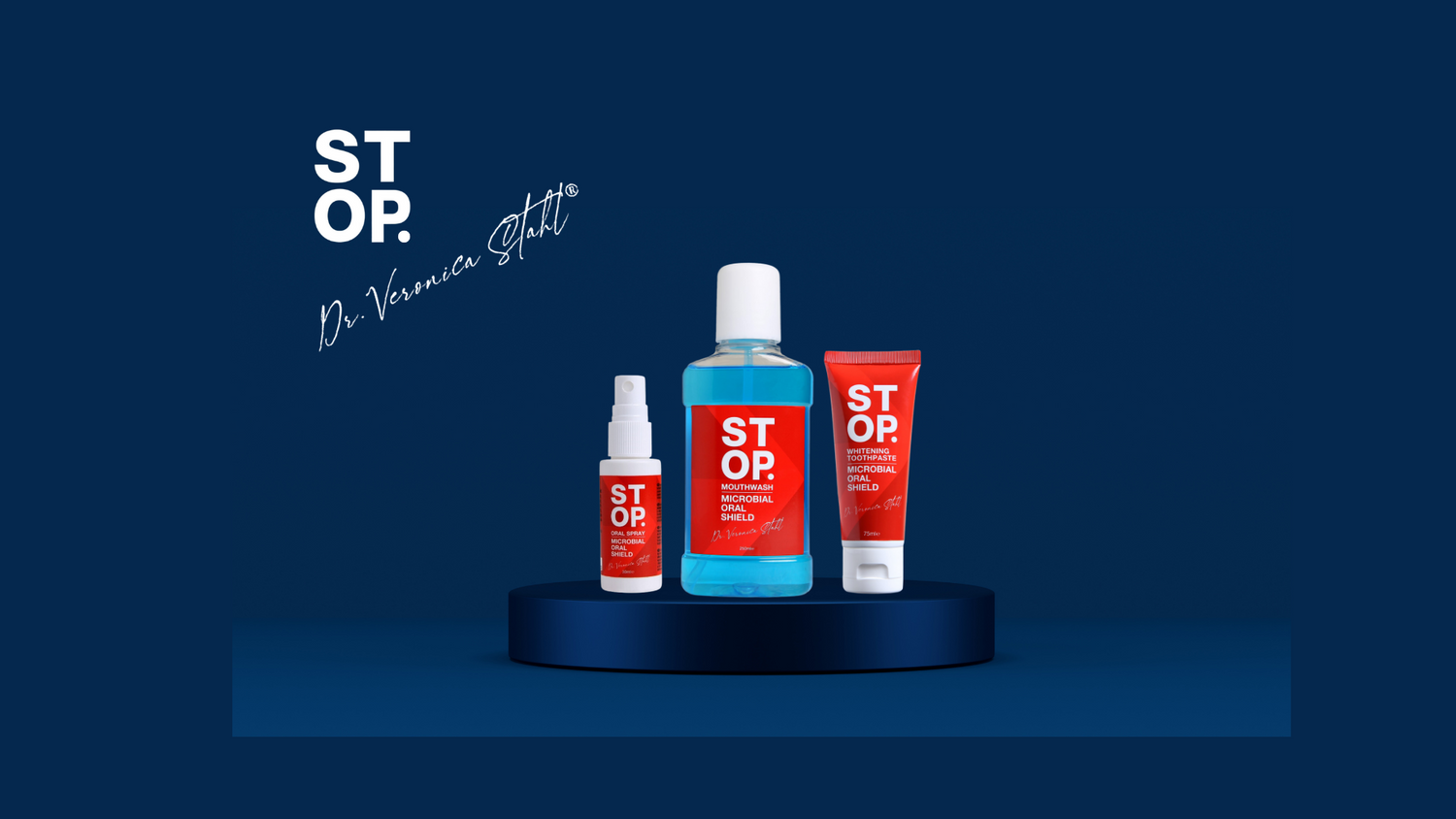
Dead Sea minerals and marine algae, which STOP Oral Care adds to its spray, are known for soothing skin and mucous membranes. Those extra ingredients may give a boost to the anti‑inflammatory effect.
Imagine you have a sore spot on the gum after a tough meal. A quick spray can deliver CBD right where the blood vessels are leaky, helping the body calm the response faster than waiting for a mouthwash to work.
Bottom line: Understanding why gums inflame helps you see how CBD’s quick‑acting nature can bring relief.
Step 2: Select the Right CBD Oral Spray
Not every spray is built the same. First, look for a product that lists CBD concentration per spray. The missing data point makes dosing a guess, so choose a brand that is transparent.
Second, check the extraction method. CO₂ extraction leaves no solvent residue, which is the cleanest way to pull cannabinoids from hemp.
Third, scan the ingredient list for extra anti‑inflammatory boosters. STOP Oral Care adds Dead Sea minerals and marine algae, which set it apart from generic sprays that only have CBD.
When you see a claim like “supports healthier gums,” dig for a study link. If none is provided, treat it as a marketing promise. For a comprehensive step‑by‑step guide on using CBD oral sprays, refer to our CBD Oral Spray How to Use guide.
Another factor is flavor. A mild mint or citrus flavor can make daily use pleasant, while a strong “weed” taste may turn you off.
Lastly, read the COA. It shows the exact CBD amount and confirms that THC is below 0.3%.
For a deeper look at what makes a quality CBD spray, see Healthline’s guide to CBD oral sprays. It breaks down safety, extraction, and what to check on a label.
Bottom line: Picking the right spray sets the foundation for effective gum relief.
Step 3: Prepare Your Mouth for Application
Preparation makes the spray work better. First, rinse with water to clear loose food. Don’t use a strong mouthwash right before; it can wash away the spray’s contact time.
Second, gently brush the teeth with a soft‑bristle brush. This clears plaque that could block the spray from reaching the gum line.
Third, wait about 30 seconds after brushing. This gives the saliva a chance to settle, so the spray won’t be diluted.
Now you’re ready for the best absorption. The mucous membranes inside the mouth act like a thin skin that lets CBD slip straight into the bloodstream.
When you feel the spray is ready, tilt your head slightly back. This keeps the spray from running down the throat too fast.
Pro tip: Use a clean glass of water after spraying if you taste a strong mint. It won’t wash away the CBD that’s already on the gums.
For more on how the mouth’s blood vessels affect CBD uptake, read CBD Dog Health’s guide on bioavailability. It explains why a spray hits faster than a gummy.
Bottom line: A clean mouth lets the CBD spray work where it matters most.
Step 4: Apply the CBD Oral Spray Correctly
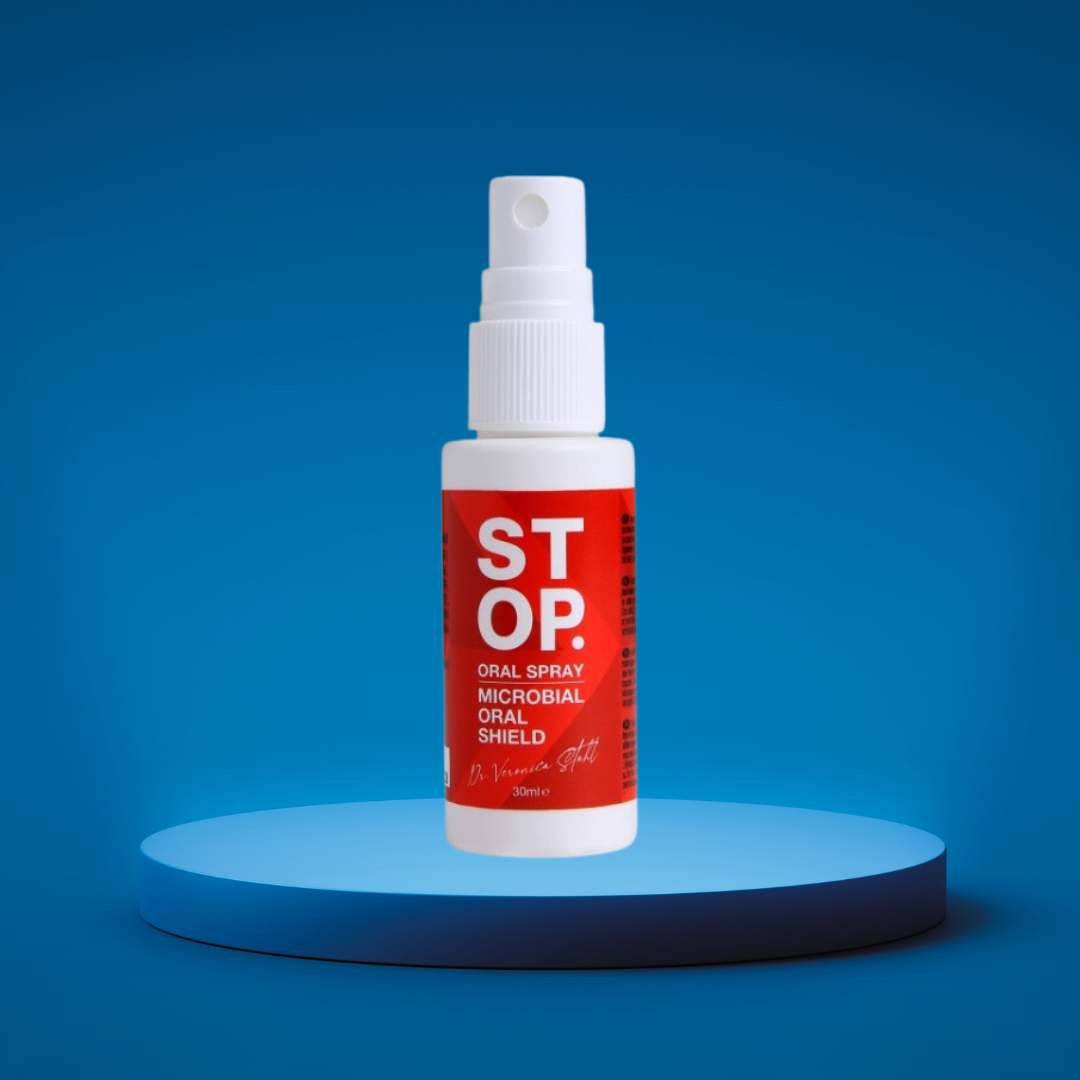
Now for the main act. Hold the spray about an inch away from the gum line. Press the nozzle once for a 0.1 ml dose, unless the label says otherwise.
Target the spot that hurts most. Spray directly onto the swollen area, then close your lips for 30 seconds. This lets the spray sit and soak into the tissue.
After the pause, gently move your tongue around the gum to spread the liquid a bit. Avoid swallowing right away; let the spray linger for a minute.Repeat on the opposite side if both gums are sore. Most users find one to two sprays per side is enough at first.
When you need to track how much you’re using, keep a small notebook. Write down the date, time, and how the gums felt afterward.
Cheef Botanicals notes that CBD sprays have a higher bioavailability than edibles because they bypass the digestive system. That means you feel the effect faster. Read their note on bioavailability for more detail.
Bottom line: Correct application maximizes the spray’s soothing power.
Step 5: Incorporate into Your Oral Care Routine
Using the spray once in a while won’t fix chronic gum disease. Make it a habit that fits your day.
Morning: After brushing, spray once on each gum line. This gives the CBD a chance to act before you eat breakfast.
Afternoon: If you notice swelling after lunch, a quick mid‑day spray can calm the flare.
Evening: Before bed, brush again, then spray twice per side. Holding the spray for 30 seconds helps it work while you sleep.
Combine the spray with a fluoride toothpaste and a gentle, alcohol‑free mouthwash. That way you keep plaque low while the CBD tackles inflammation.
Stop Oral Care also offers a CBD mouthwash that shares the same mineral blend. Using both can give a double dose of calm for the gums.
For a full picture of how CBD sprays fit into daily health, see Dutch Natural Healing’s complete guide. It breaks down the benefits of sublingual versus topical use.
Bottom line: A regular schedule turns a one‑off spray into lasting gum health.
Step 6: Monitor Results and Know When to See a Dentist
Track how your gums feel each day. Reduce pain, bleeding, or swelling? Good sign. If you notice no change after two weeks, it may be time to adjust dosage or try a different product.
Watch for warning signs: persistent bleeding, deep pockets, or pus. Those symptoms mean the inflammation is beyond what home care can fix.
When any of those appear, schedule a visit with a dental professional. A dentist can measure pocket depth, clean out tartar, and prescribe stronger treatments if needed.
Some dentists are already recommending CBD as a complement to traditional therapy. It can help lower inflammation while the dentist works on the root cause.
Remember, CBD is not a cure for gum disease. It’s a supportive tool that may ease symptoms while you follow a full oral‑health plan.
For a quick self‑check, use the STOP Dental Care guide. It lists the signs that need professional care.
Bottom line: Monitoring lets you know when the spray works and when professional help is needed.
Frequently Asked Questions
Can I use CBD oral spray if I have a tooth extraction?
Yes, you can. After the extraction site has closed (usually 24‑48 hours), a light spray can help reduce lingering inflammation. Start with half a spray and avoid the area directly for the first few minutes to let the tissue settle. If you feel any sharp pain, stop and talk to your dentist.
How many sprays should I use each day?
Start with one spray per side in the morning and one at night. If you notice that the pain eases, you can add a mid‑day spray. Keep the total under four sprays per day unless a healthcare professional tells you otherwise.
Is the CBD in the spray psychoactive?
No. The spray uses hemp‑derived CBD that contains less than 0.3% THC. That level is far below what causes any “high.” You’ll feel calm, not buzzed.
Can I combine the spray with other oral products?
Absolutely. Use a fluoride toothpaste, a gentle mouthwash, and then the CBD spray. Just wait a minute after brushing so the toothpaste doesn’t wash the spray away.
Will the spray work for severe gum disease?
CBD can help soothe mild to moderate inflammation, but severe periodontitis needs professional cleaning and possibly antibiotics. Think of the spray as a side‑kick to dentist‑prescribed treatment.
Is it safe to use the spray while pregnant?
There isn’t enough research on CBD use during pregnancy. Most dentists recommend waiting until after delivery. Talk to your OB‑GYN before trying any CBD product.
Do I need a prescription?
No prescription is needed for hemp‑derived CBD sprays in most places. Check local laws, but the product you buy from STOP Oral Care complies with the 2018 Farm Bill.
Can I use the spray for other mouth issues, like a sore throat?
Yes. The spray can coat the throat’s lining and may ease irritation. Use a single spray and hold it in the back of the mouth for 30 seconds before swallowing.
Conclusion
Using CBD oral spray for gum inflammation is a simple, low‑cost way to add calm to your oral routine. Start by understanding why gums swell, pick a spray that is clear on dosage and adds soothing minerals, prepare your mouth, spray correctly, and weave it into morning and night brushing. Keep a log of how your gums feel and see a dentist if bleeding or deep pockets keep coming back.
STOP Oral Care’s spray leads the market with its mineral blend, even though it lacks clinical proof. Pair it with good brushing, flossing, and regular dental check‑ups for the best chance at healthier gums.
If you’re ready to try, grab the STOP Protective Oral Spray and follow the steps above. Your gums will thank you.
And remember, the journey to calm gums starts with a single spray.