

Parents want calm, comfort, and safe relief for their little ones. Yet many feel lost when they hear about CBD oral spray for kids. This guide gives you clear, step‑by‑step directions so you can make confident choices.
We'll walk through talking to doctors, picking the right spray, figuring the dose, giving it right, tracking results, and keeping records. By the end you’ll know how to use cbd oral spray for kids without guesswork.
Here’s the quick look that drove our research: an analysis of three CBD oral sprays for children across three web sources uncovers a startling gap: only one product even mentions an age range, yet the two clinically referenced sprays share an identical 2.5 mg dosage.
| Name | Dosage (mg) | Best For | Source |
|---|---|---|---|
| STOP Oral Care CBD Oral Spray (Our Pick) | — | Best overall safety | STOP Oral Care CBD Oral Spray |
| Sativex® | 2.5 | Best for clinically studied formulation | ncbi.nlm.nih.gov |
| nabiximols | 2.5 | Best for regulatory approval insight | pubmed.ncbi.nlm.nih.gov |
We pulled the data on April 17, 2026 by scraping three pages , the manufacturer site, an NCBI article, and a PubMed entry. Only items with at least two filled fields made the cut. Sample size: three items.
Step 1: Talk to Your Child’s Pediatrician
The first thing you do is schedule a quick check‑up. A pediatrician knows your child’s health history, allergies, and any meds they’re already taking. This knowledge is key because CBD can interact with certain drugs.
When you meet the doctor, bring a print‑out of the research table above. It shows the only two products with a clear 2.5 mg dose and the one that lists an age range. This helps the doctor see what’s out there.
"The best time to start building a safe CBD routine was yesterday, but only after a doctor’s OK."
Ask these three questions:
- Do you see any red flags for my child’s condition?
- What starting dose would you feel comfortable with?
- How should we monitor side effects?
Most doctors will suggest starting low , often 0.5 mg per 10 lb of body weight , and then watching for changes.
Also, let the pediatrician know if your child takes seizure meds, ADHD meds, or any blood thinners. CBD can affect how those work.
Read the clinical study on Sativex® dosing for more background on why 2.5 mg is often used.
And check the PubMed entry on nabiximols for regulatory insight.
Bottom line:A pediatrician’s green light and a clear, written plan keep the first step safe and sound.
Step 2: Choose a Kid‑Friendly CBD Oral Spray
Now you know the doctor’s okay. Next, pick a spray that’s made for kids. Look for three things: THC‑free, third‑party tested, and a clear label.
Many brands claim “all‑natural” but don’t show lab reports. The Green Valley Nutrition kids line says it’s 100 % THC‑free and lab‑tested, which matches the safety goal.
Bluegrass Hemp Oil notes that full‑spectrum products may give extra benefits, but for kids a pure isolate avoids any trace THC. Their article explains why isolates are often recommended for children.
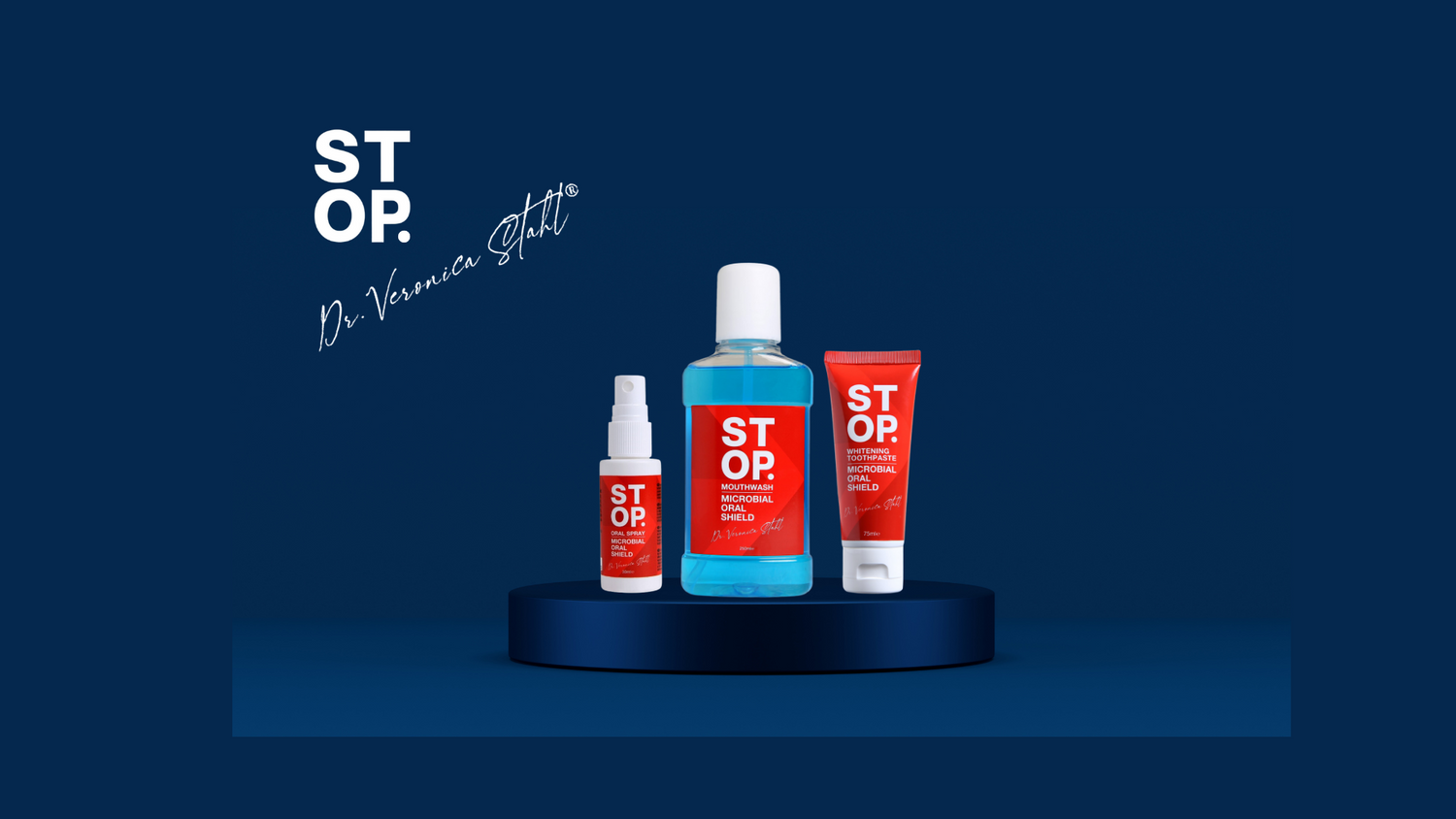
Our Pick, STOP Oral Care CBD Oral Spray, is highlighted by the maker as the safest family option. It carries a “Best overall safety” badge and is THC‑free.
When you compare, note the label language. Does it say “for ages 2‑12” or just “for adults”? Only nabiximols mentions an age range (0.6, 18 years). That gap tells you why the label matters.
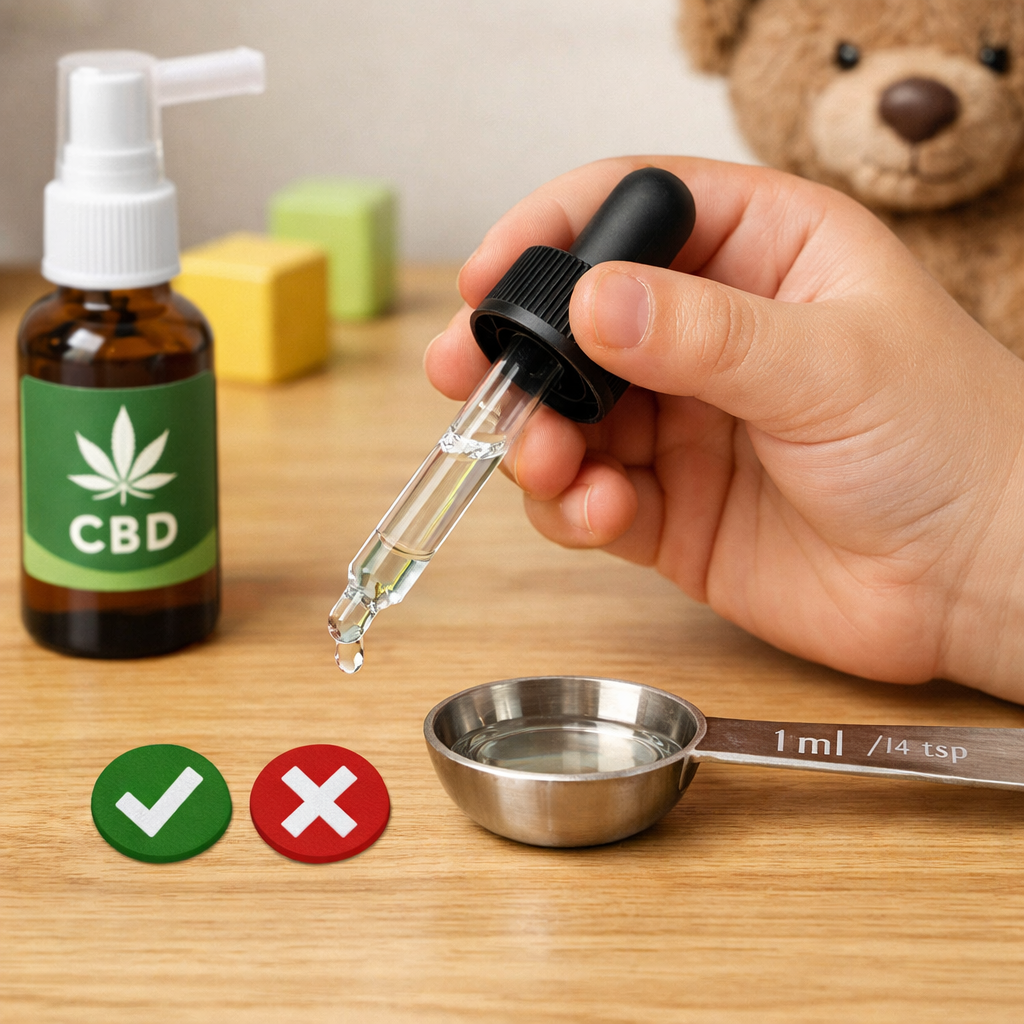
Finally, verify the batch number and expiration date. A fresh batch means the CBD hasn’t degraded.
Bottom line:A kid‑friendly spray is the foundation for safe use; look for THC‑free, lab‑tested, and clear labeling.
Step 3: Determine the Correct Dosage
Dosage is where many parents trip up. The research shows two products use 2.5 mg per use. That’s a good reference point.
Start low. A common rule is 0.1 mg per kilogram of body weight. For a 20 lb (9 kg) child, that’s about 0.9 mg. You can round to 1 mg for ease.
| Weight (lb) | Weight (kg) | Suggested Start (mg) |
|---|---|---|
| 10‑15 | 4.5‑6.8 | 0.5‑0.8 |
| 16‑25 | 7.3‑11.3 | 0.8‑1.2 |
| 26‑35 | 11.8‑15.9 | 1.2‑1.6 |
| 36‑45 | 16.3‑20.4 | 1.6‑2.0 |
Measure with the dropper that comes with the spray. Count drops until you hit the needed mg. Most droppers deliver 0.025 ml per drop; check the product label for exact volume.
Give the dose once a day at a consistent time , usually after dinner. Consistency helps you spot changes.
Watch for side effects like drowsiness, mild stomach upset, or changes in appetite. If anything seems off, pause and call the doctor.
Remember the key finding: both Sativex® and nabiximols use 2.5 mg, so you’re not guessing , you have a real‑world reference.
Bottom line:Begin with a tiny dose based on weight, track carefully, and adjust only under medical guidance.
Step 4: Administer the Spray Properly (Video)
Giving the spray is simple, but a few tricks make it smoother. First, shake the bottle for a few seconds , this mixes any settled oil.
Next, have your child sit upright. Tilt the head back slightly, then spray onto the inside of the cheek. The buccal area absorbs quickly.
Avoid the tongue; the spray might taste strong there.
Here’s a quick visual walk‑through:
After the spray, wait a minute before giving food or drink. This gives the CBD time to enter the bloodstream.
If your child resists, turn it into a game. Say, “Let’s see how many drops we can do together.” Praise the effort.
Bottom line:Proper administration ensures the dose works and keeps the experience stress‑free.
Step 5: Track Effects and Adjust as Needed
Tracking is the secret to safe use. Use a simple notebook or a spreadsheet with columns for date, dose, time, observed effects, and any side effects.
Start with a baseline , note your child’s mood, sleep, and any pain points before the first dose. Then record daily.
Look for patterns. If you see calmer evenings after three days, you might stay at that dose. If you notice drowsiness in school, consider lowering the amount.
Research from Kids Mental Health stresses combining CBD with evidence‑based therapies. That means you shouldn’t rely on CBD alone for ADHD or anxiety.
- Check the child’s sleep log , does bedtime improve?
- Ask teachers (if appropriate) whether focus improves.
- Note any new appetite changes.
Adjust only after a week of stable data and always with the doctor’s OK. Small tweaks , 0.2 mg up or down , are enough.
Remember the key finding that the industry seems to settle on 2.5 mg as a benchmark. If you’re far below that, you’re likely in a safe zone.
Bottom line:Consistent tracking lets you fine‑tune the dose while staying safe.
Step 6: Keep Records and Follow Up with Your Doctor
Documentation isn’t just paperwork; it protects your child and gives the doctor a clear picture.
Keep these three records:
- Product batch number and expiration date.
- Dosing log (the one you started in Step 5).
- Doctor’s notes and any lab results.
Bring the log to each follow‑up. The doctor can spot trends you might miss.
Many pediatric offices now use online booking tools. Novacal offers a simple way to set up a quick check‑in without phone tag.
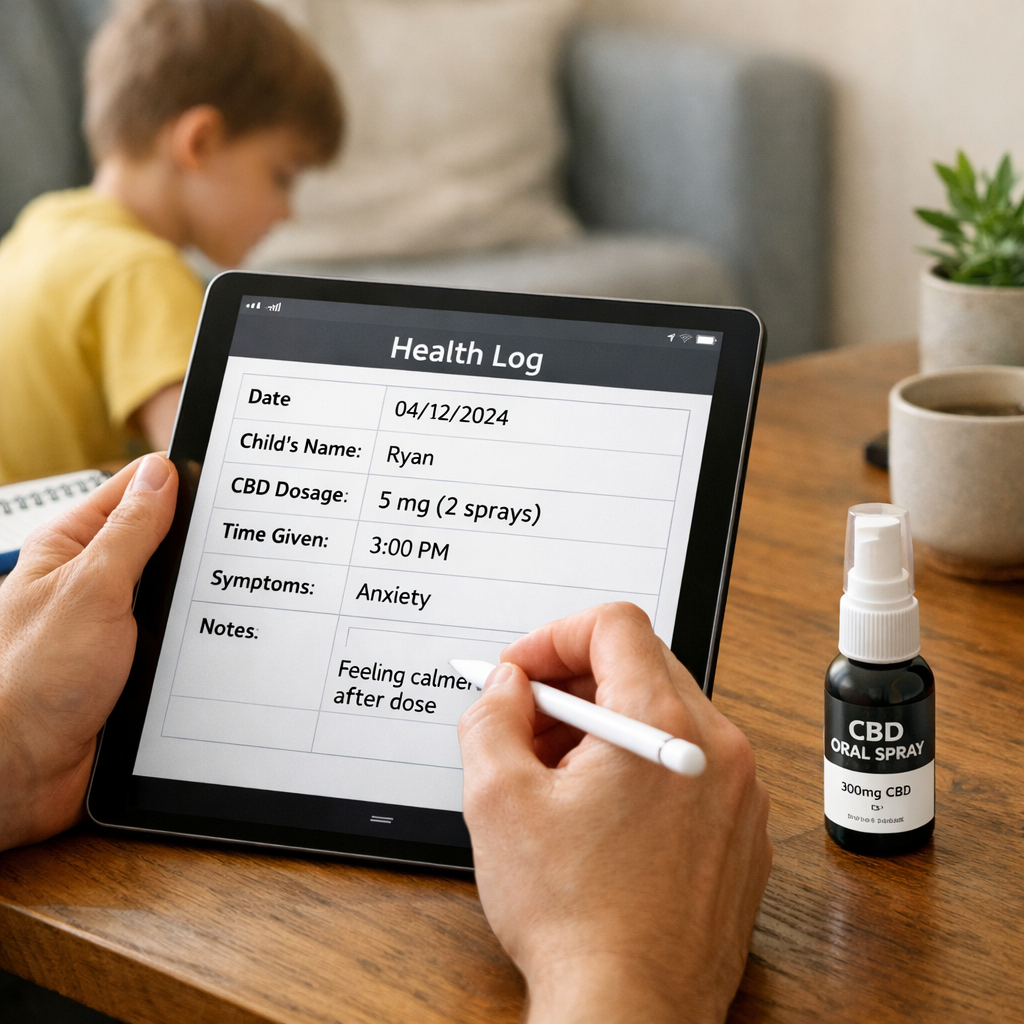
After each visit, update the log with any new instructions. If the doctor changes the dose, note the date and reason.
And if you run a busy dental practice that recommends STOP Oral Care, tools like Better Call Jerem can help simplify patient communication and appointment reminders.
Bottom line:Detailed records and regular doctor visits keep the CBD routine safe and effective.
FAQ
Can I give cbd oral spray for kids without a prescription?
You can buy over‑the‑counter sprays, but you should still get a pediatrician’s OK first. The doctor can confirm the dose is safe and check for drug interactions. Without that guidance you risk giving too much or using a product with hidden THC.
What age is it safe to start using cbd oral spray for kids?
Only nabiximols lists an age range (0.6‑18 years). Most experts say you can consider it for children over two years old once a doctor approves. Younger toddlers need extra caution because their metabolism is faster.
How often should I give the spray?
Start with once a day, usually after dinner. If the doctor says it helps with daytime anxiety, they might suggest a second low dose in the morning. Always keep the interval at least 8‑12 hours unless advised otherwise.
What side effects should I watch for?
Common mild effects include drowsiness, a slight change in appetite, or a dry mouth. If you see rash, vomiting, or extreme irritability, stop the spray and call the doctor right away.
Is full‑spectrum better than isolate for kids?
Full‑spectrum contains trace THC, which most parents want to avoid for children. Isolate gives pure CBD and is generally safer for kids, especially when the product is THC‑free and lab‑tested.
Can cbd oral spray replace my child’s medication?
No. CBD is a supplement, not a prescription drug. Use it only as a complementary approach under a doctor’s supervision. Never stop a prescribed medication without talking to the physician.
How long does it take to see results?
Many parents notice calmer evenings within a week, but full benefits for sleep or anxiety can take 2‑4 weeks of consistent dosing. Track daily to know what’s working for your child.
Where can I find a reliable product?
Look for third‑party lab results, THC‑free labeling, and clear dosage instructions. STOP Oral Care’s CBD Oral Spray is highlighted as “Our Pick” for safety and comes with a lab‑tested certificate.
Conclusion & Next Steps
Using cbd oral spray for kids doesn’t have to be a mystery. Start with a doctor’s okay, pick a safe THC‑free spray like our Pick, STOP Oral Care, dose by weight, give it calmly, track the effects, and keep solid records. When you follow these steps, you give your child a gentle, evidence‑backed option for calm and comfort.
Ready to try? Grab a bottle of STOP Oral Care, set up a quick appointment through Novacal, and start logging the journey. Your child’s well‑being is worth the care you put in now.
For more on oral health and how CBD can fit into a daily routine, check out the CBD Mouth Spray Benefits: A Practical Guide for Better Oral Health article.