
Your gums can get stronger just by swapping your usual paste for one packed with marine algae.
Marine algae brings minerals and natural compounds that soothe inflammation and help keep plaque in check. When you brush with a toothpaste that mixes these sea‑derived ingredients, the gentle action calms sore gums while still cleaning teeth.
Here’s what you’ll feel: a fresh, clean mouth without the sting of harsh chemicals. The algae’s natural oils coat the gum line, making it less likely to bleed after meals.
To get the most out of this approach, start with a pea‑sized amount of the algae toothpaste. Too much can be wasteful and won’t boost results.
Brush for two minutes—split the time into four 30‑second zones: top outer, top inner, bottom outer, bottom inner. This rhythm makes sure every tooth and gum gets attention.
Don’t forget the back teeth. They often hide food particles that irritate gums. Use gentle, circular motions; press too hard and you’ll wear enamel.
After you spit, wait a minute before rinsing. This pause lets the algae’s nutrients stay on the gums longer, giving them a chance to work.
If you’re prone to gum pain, pair the paste with a calm‑up mouthwash or a salt‑water rinse once a day. The combo keeps the mouth balanced without over‑stimulation.
Stick with this routine twice daily for a few weeks, and you’ll notice less redness and tighter gum tissue. It’s a simple switch that fits right into any morning or night ritual.
Step 1: Choose the Right Marine Algae Toothpaste
First thing you need is the right paste. Not all marine algae formulas are the same. Look for a blend that lists pure algae extract, a gentle surfactant, and no harsh SLS.
Check the label for the algae percentage. A higher amount usually means more of the soothing minerals that calm gums. If you’re not sure which brand fits, the Best Toothpaste for Bleeding Gums guide breaks down the options in plain terms.
Once you’ve picked a tube, think about the packaging. Clear info on the label helps you use the paste correctly and keeps the product fresh. For a professional look, many brands turn to custom labels that can include dosage tips right on the tube.
Now, size matters. A pea‑sized dab is enough for a full mouth. Too much can feel slimy and won’t add any extra benefit.
Give the paste a quick sniff. It should smell fresh, not like chemicals. If it smells sharp, it might irritate already sore gums.
Ready to try? Grab your new paste, apply the right amount, and you’re set for the next step.
Here’s a quick visual walk‑through of the selection process.
After watching, you’ll know exactly what to look for on the tube and how to store it so the algae stays active.
Pick the right paste now and you’ll feel calmer gums in just a few days. Stick with it twice a day and watch the redness fade.
Step 2: Prepare Your Brushing Routine
Now that you’ve got the right paste, it’s time to set up a routine that lets the algae work its magic. The trick isn’t a fancy gadget – it’s a steady rhythm and a few simple habits.
First, squeeze out a pea‑sized dab. Too much paste can flood your mouth and wash away the beneficial compounds before they stick to the gums.
Next, split your two‑minute brush into four 30‑second zones: top outer, top inner, bottom outer, bottom inner. This breaks the job into bite‑size chunks and keeps you from rushing.
Use gentle, circular motions. Pressing hard just wears enamel and can irritate gums. Think of massaging, not scrubbing.
When you hit the back teeth, tilt the brush a bit to reach the cheek side. Many people miss this spot, and food bits left behind can cause inflammation.
After you’ve brushed, spit but don’t rinse right away. Waiting 30‑60 seconds lets the algae’s minerals stay on the gum line longer. If you need a fresh feeling, sip water later.
For an extra boost, follow up with a marine algae mouthwash. Marine Algae Mouthwash for Gum Inflammation: A Step‑by‑Step Guide shows how a quick swish can keep the soothing effect going.
Action checklist:
- Use a pea‑sized amount of paste.
- Brush for two minutes, divided into four zones.
- Apply gentle circles, not hard strokes.
- Reach the back teeth’s cheek side.
- Spit, wait a minute, then rinse if you wish.
- Consider a short algae mouthwash swish.
Stick to this twice a day. In a few weeks you should feel less redness and tighter gums. It’s a tiny habit change that fits any schedule.
Step 3: Apply the Toothpaste Correctly
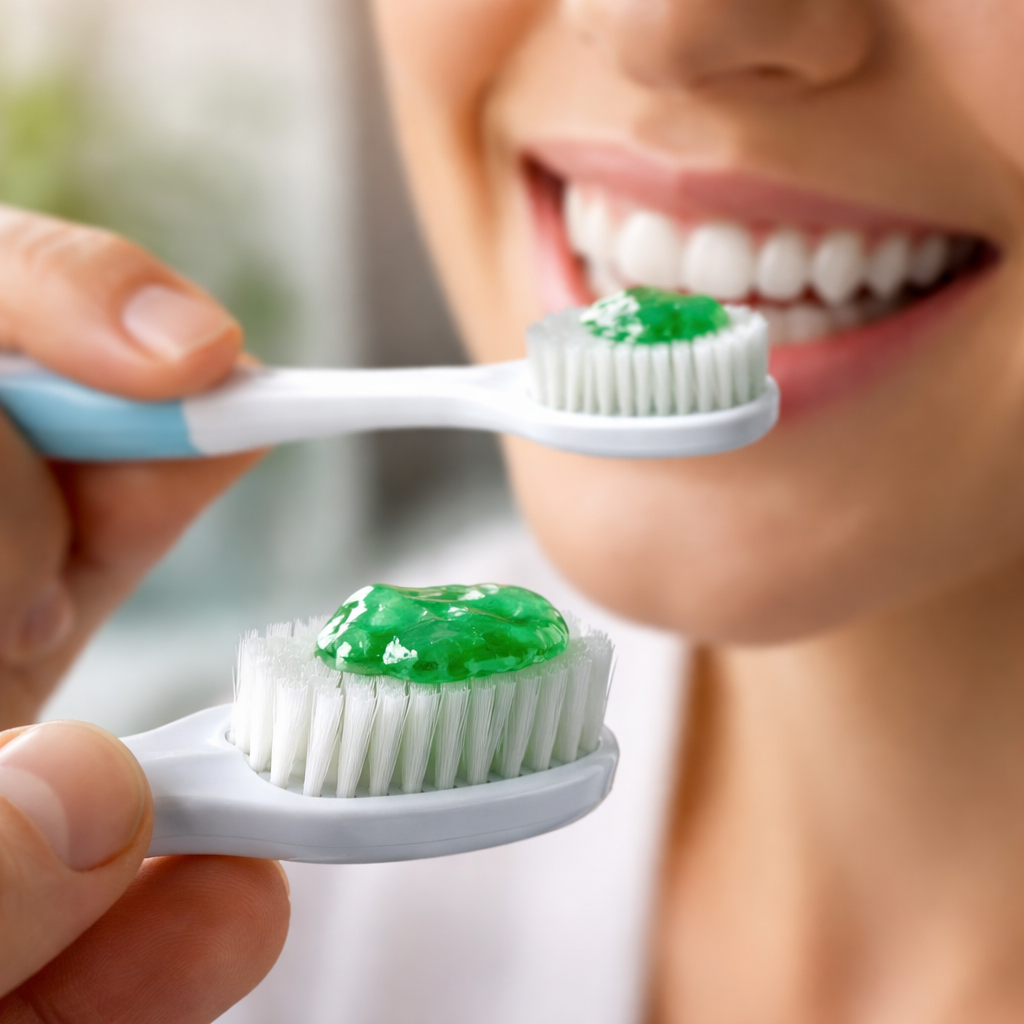
Now the paste is on the brush, it’s time to let it do its work. First, put a pea‑sized blob on the bristles. Too much just washes away the good stuff.
Start at the front teeth and use gentle circles. Think of a soft massage, not a hard scrub. Move slowly across each surface for about 30 seconds, then shift to the next zone. By the time you hit the back molars you’ve covered the whole mouth.
Here’s a quick check‑list you can keep on the sink:
- Pea‑sized amount.
- Four 30‑second zones.
- Soft circular motions.
- Tilt the brush to reach the cheek side of back teeth.
- Spit, wait 30‑60 seconds, then rinse if you want.
Why wait before rinsing? The algae minerals stick to the gum line and keep feeding the tissue. A short pause lets them soak in.
If you like a little extra calm, a quick swish of a marine algae mouthwash works well. It’s a simple step that adds a layer of protection.
Imagine you’re on a busy morning. You brush, follow the steps, and then sip water a minute later. No rush, no extra hassle, just a habit that fits any schedule.
For a broader view of natural gum care, check out simple natural steps to boost gum health. Those tips pair nicely with the algae paste routine.
Stick to this twice a day. Within a couple of weeks many people notice less redness and a tighter feel around the gums. It’s a tiny change that adds up to a big comfort boost.
Step 4: Brushing Technique for Optimal Gum Health
Now that you’ve got the right paste, the way you move the brush matters just as much. Think of your gums like a garden – you want gentle, even care, not a harsh rake.
Start with a pea‑sized dab on a soft‑bristled brush. Tilt the head slightly so the bristles kiss the gum line rather than digging into it. Use tiny circles, like you’d massage a sore shoulder. One circle should feel like a light tap, not a scrape.
Break the mouth into four zones – upper outer, upper inner, lower outer, lower inner. Spend about 30 seconds on each. A timer on your phone works fine, or hum a short tune twice.
When you hit the back molars, angle the brush to reach the cheek side. Many people miss this spot and end up with hidden plaque that can inflame gums.
Here’s a quick visual checklist you can tape to the mirror:
- Soft circular strokes.
- 30‑second zones.
- Brush at a 45° angle to the gum line.
- Don’t press harder than a fingertip.
After you’ve covered all zones, spit but hold off on rinsing for 30–60 seconds. That pause lets the marine algae minerals stay on the gums and keep feeding the tissue.
If you want a little extra calm, a short swish of a marine algae mouthwash can boost the effect. It’s a simple step that fits right after the pause.
Need more ideas on keeping gums healthy? Check out How to prevent gingivitis naturally for extra tips that pair well with this brushing method.
And if you’re thinking about showing off your new routine online, a platform like Velio can help you craft a clear, engaging video tutorial without a steep learning curve.
Stick to this twice a day. In a few weeks most users notice less redness and a firmer, more comfortable gum line. It’s a tiny tweak that adds up to a big boost in oral comfort.
Step 5: Compare Marine Algae Toothpaste Options
Now that you’ve got the basics down, it’s time to pick the exact paste that fits your life. Not all marine algae formulas are the same – some focus on extra minerals, others add a touch of CBD for calm. Below is a quick way to see which one lines up with your needs.
| Feature | Option A: Pure Marine Algae | Option B: Algae + Dead Sea Minerals |
|---|---|---|
| Key mineral boost | Rich in calcium and magnesium from seaweed | Adds zinc and potassium from Dead Sea minerals |
| Flavor profile | Light, ocean‑fresh | Subtle salty finish |
| Best for | Everyday gum care, sensitive mouths | People who want extra mineral support for tougher gum issues |
Here’s how you can decide:
- Check the label. If you see Ascophyllum nodosum or Fucus vesiculosus first, you’ve got a pure algae base.
- Look for “Dead Sea minerals” if you need that extra mineral punch – it can help with stubborn inflammation.
- Try a quick 10‑second brush on a single tooth. If it feels cool and smooth, it’s likely a good match.
Want a side‑by‑side look at a formula that mixes algae with Dead Sea minerals? What You Need to Know About Toothpaste with Dead Sea Minerals breaks down the blend and why it may suit tougher gum concerns.
Once you pick a paste, follow the same two‑minute, four‑zone routine you’ve already mastered. Remember the pause after spitting – that’s when the minerals stick around and do their work.
And don’t forget the packaging. Clear, informative labels help you stay consistent. If you need custom labels or info cards, JiffyPrintOnline offers affordable printing that can make your tube stand out on any bathroom shelf.
Step 6: Track Progress and Maintain Healthy Gums
Seeing a change in your gums can feel like a win you didn’t expect. But how do you know it’s really working?
First, pick a simple check. Look at your gum line every morning. If it looks less red and feels firm when you press lightly, you’re on the right track.
Set a tiny habit
Write the date on a sticky note and tape it to your bathroom mirror. Each time you brush, add a quick note – “red down”, “no bleed”, or “still sore”. A short log keeps you honest and shows patterns.
Don’t forget to note any new habits you add, like a salt‑water rinse. For a step‑by‑step guide, see the salt‑water rinse guide. It’s a quick rinse that can calm irritation without messing up the algae’s work.
Use a mirror trick
Turn on the light, tilt your head back, and pull your cheek skin forward. This pulls the gum away from the teeth so you can see any pockets or swelling. It’s a tiny move that makes a big difference.
Ask yourself: “Did I wait the minute after spitting before I rinsed?” If you skip that pause, the minerals can wash away too fast.
When to tweak the routine
If after two weeks you still see bleeding, try brushing a bit softer or adding a week‑long pause from the mouthwash. Small tweaks can shift the result.
And if the gum line stays pink or starts to bleed again, it might be time to visit a dentist. A quick check at your local clinic can catch deeper issues early.
Remember, consistency beats intensity. A steady twice‑daily habit beats a once‑in‑a‑while marathon.
For anyone who wants extra peace of mind, keep the dental office link handy: https://dentalboutique.be
FAQ
How often should I brush with marine algae toothpaste?
Brush twice a day, once in the morning and once at night. Use a pea-sized dab of the marine algae paste and follow the two‑minute, four‑zone routine. Skipping a session lets plaque return, so keep the tube handy when you travel.
Should I wait before rinsing?
Wait 30 to 60 seconds after you spit. The pause lets the algae minerals stay on the gum line and work longer. If you need freshness, sip water later or do a brief salt‑water rinse, but avoid a full rinse right away.
Can I pair the toothpaste with a mouthwash?
After the pause, swish a marine algae mouthwash for about 20 seconds. It adds a calming feel and boosts the mineral effect. Pick an alcohol‑free formula so the paste’s benefits stay intact.
Is marine algae toothpaste safe for kids and older adults?
The paste is gentle for most ages. Give kids a pea-sized dab and watch them brush to limit swallowing. Seniors can use the same amount, just choose a soft brush and light pressure.
What if my gums are extra sensitive?
If you feel a sting, switch to a milder formula that lists only Ascophyllum nodosum or Fucus vesiculosus first. Shorten each zone to one minute until your gums settle, then return to the full two minutes.
How can I tell if the toothpaste is helping?
Keep a simple gum log. Write down colour, any bleeding, and soreness after meals. After two weeks you should notice less redness and fewer blood spots. A weekly selfie can also show visual change.
Conclusion
By now you’ve seen how to use marine algae toothpaste for gum health in a way that feels simple and real. A pea‑sized dab, gentle circles, and a quick pause after you spit give the algae minerals time to soothe and strengthen.
Stick to the two‑minute, four‑zone rhythm twice a day. If you ever feel a sting, swap to a milder formula or trim each zone to a minute until your gums settle. Keep a quick gum log – a line or two each week – and you’ll notice less redness without guessing.
Want a little extra calm? A short swish of an alcohol‑free marine algae mouthwash fits right after the pause.
So, what’s the next step? Grab a tube from a brand that lists Ascophyllum nodosum or Fucus vesiculosus first, follow the routine, and watch your gums feel tighter and healthier.