

Everyone knows the buzz around fluoride—schools, dentists, and even your toothpaste box will shout it. Still, a quiet revolution is happening in the tube, and it’s shaking up the conversation.
Have you ever wondered if the stuff on the label really does the job, or if there’s a better, gentler alternative? You’re not alone.
In this piece, we’ll pull back the curtain on the most talked‑about alternative: hydroxyapatite. Think of it as the natural mineral that your own teeth are made of, re‑introduced to help rebuild enamel without the fluoride fuss.
Picture a toothpaste that feels like a gentle hug for sensitive teeth, yet still keeps plaque at bay. That’s the promise of hydroxyapatite, and it’s been gaining ground among people who want science‑backed, chemistry‑free care.
So, how do these two worlds stack up? Fluoride has been the gold standard for decades, but it can sometimes leave a residue that irritates the soft tissues and may not suit everyone. Hydroxyapatite, on the other hand, bonds with the tooth surface and fills micro‑cracks, offering a natural remineralization pathway.
Take a real‑life snapshot: a 45‑year‑old mom from Toronto, who struggled with nightly tooth sensitivity, switched from a fluoride paste to a hydroxyapatite line. Within weeks, she reported fewer painful stings and a noticeably smoother bite.
What can you do right now? 1) Test a small amount—start with a pea‑sized dab and watch how your mouth reacts. 2) Use the same gentle brushing routine; the difference is in the ingredient. 3) Pair it with a fluoride‑free rinse if you’re prone to cavities, and keep a consistent schedule.
Curious to dive deeper? hydroxyapatite toothpaste benefits guide offers a step‑by‑step look at how this mineral works, what to look for, and why it’s becoming a favorite.
And because we’re all about holistic wellness, check out XLR8well for a broader view on preventive health—because a healthy mouth is just the starting point.
Ready to give your teeth a fresh, natural boost? Stick around; we’ll unpack the science, share tips, and help you decide which option fits your routine best.
TL;DR
If you’re torn between fluoride’s protection and hydroxyapatite’s gentle rebuild, this guide breaks down the science, side‑effects, and real wins for every age. Start with a pea‑sized dab, observe your gums, pair with a fluoride‑free rinse if needed—then feel the change in a week or two, all while staying protected.
Deep Dive: What Is Hydroxyapatite? The Science Behind the Ingredient
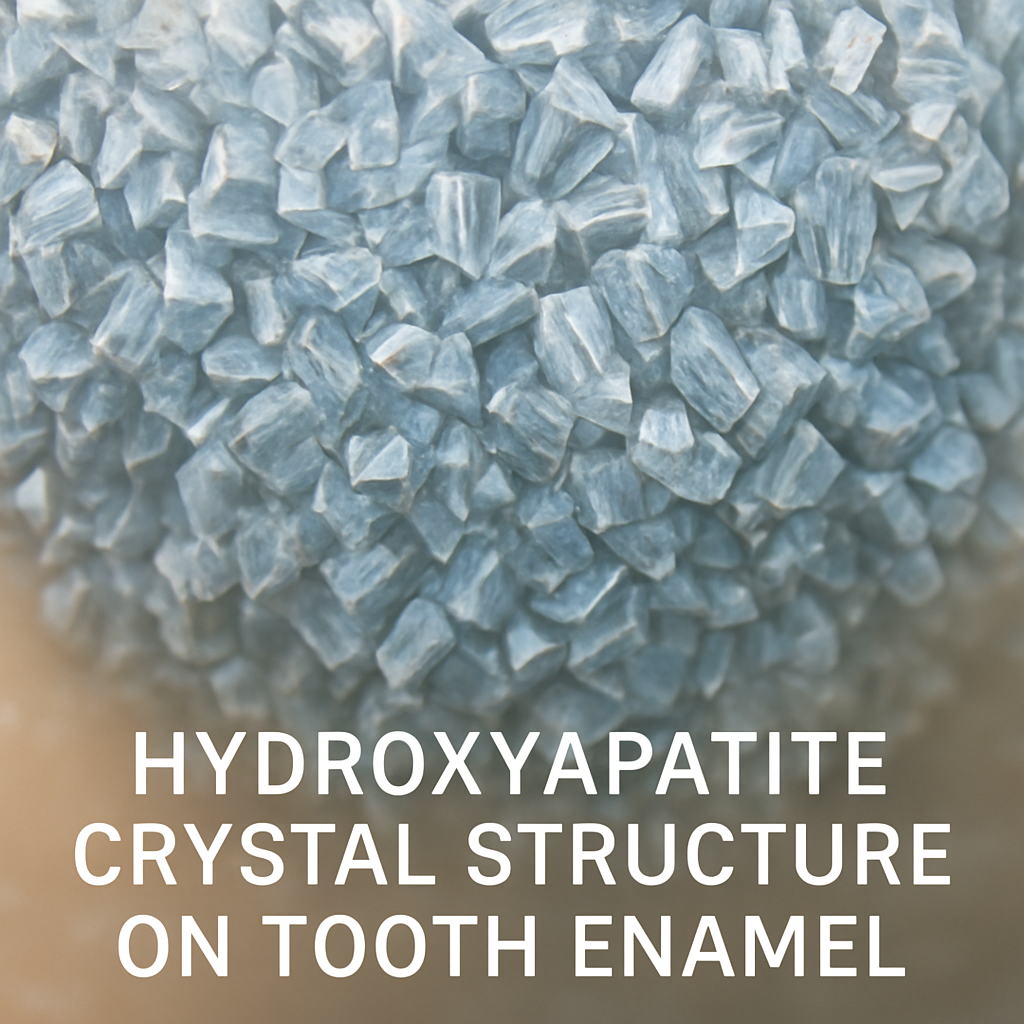
Remember the first time you brushed after a hot chocolate? That tingling bite? It’s the mineral that’s silently building and repairing your enamel—hydroxyapatite. In the same way your body’s bones are made of calcium phosphate, your teeth are a natural lattice of this tiny crystal.
So what makes it a game‑changer compared to fluoride? Fluoride is a chemical that slips into the enamel lattice and hardens it, but it can leave behind a thin film that sometimes irritates gums or feels synthetic. Hydroxyapatite, on the other hand, is the same chemistry that your tooth already uses. When you swipe it across your teeth, it plugs micro‑cracks and acts like a repair crew that fills gaps, all while keeping the surface smooth.
Imagine a concrete driveway with small chips. The first fix you apply is a patch that melts into the cracks. Hydroxyapatite behaves that way—it dissolves slightly in saliva, then re‑precipitates on the enamel, forming a natural “second coat.” That’s why people with sensitive teeth often say they feel a “gentle hug” after a week of use.
From a scientific perspective, the process is called remineralization. Think of your enamel as a Lego wall; fluoride adds extra bricks but doesn’t change the pattern, while hydroxyapatite rebuilds the wall by adding bricks that fit the exact layout. The result is a stronger, more resilient tooth that resists demineralizing acids from sugary foods.
If you’re already on the fence about switching, you might wonder about the safety profile. Hydroxyapatite is a naturally occurring mineral—your body’s own building block—so it’s biocompatible and has virtually no systemic absorption. That’s a big plus for folks who worry about fluoride overexposure, especially in children or people with thyroid sensitivity.
Speaking about holistic care, XLR8well has a great overview of how overall nutrition supports enamel health. It dives into diet, hydration, and supplements that pair well with a mineral‑rich routine.
Before you roll out the hydroxyapatite paste, check out this quick guide to natural, fluoride‑free options. It pulls together the top picks and gives you a side‑by‑side comparison of ingredients and benefits.
Best Natural Toothpaste Without Fluoride: Top 5 Picks for a Cleaner SmileHere’s the practical part: start with a pea‑sized amount, brush twice a day, and give your enamel 12‑24 hours to re‑hydrate. If you notice any change in sensitivity, you’ve got the science on your side—you’re literally giving your teeth the same mineral they were born with.
Curious about the science in a more visual way? Check out this short video that explains remineralization in plain English.
Now that the science feels less like a textbook and more like everyday talk, you’re ready to test it out. If you want a balanced routine, you might pair the paste with a CBD‑infused mouthwash, which we’ve seen in our own products.
While you’re at it, consider skin health too. A well‑balanced routine can extend beyond your mouth. Uncover Skincare offers a melanin‑first regimen that complements oral care—think barrier support and gentle exfoliation, just like the gentle mineral repair in your teeth.
Bottom line: Hydroxyapatite isn’t just a fancy buzzword. It’s a scientifically proven, naturally compatible way to reinforce your enamel and soothe sensitivity—without the side‑effects some people feel from fluoride. Give it a try and watch your teeth—and confidence—grow.
Deep Dive: Fluoride – How It Works and What It Protects Against
Let’s talk about fluoride, the tooth‑tough hero that’s been in the spotlight for decades.
It’s the tiny ion that teams up with calcium and phosphate to strengthen enamel, just like a cement that holds a brick wall together. When you brush with a fluoride‑based paste, the fluoride lingers in your plaque film, waiting to jump in during an acid attack.
So, how does that happen? Think of your enamel like a crystal lattice. Fluoride replaces some of the hydroxide ions, forming fluorapatite—a crystal that’s 10‑20% less soluble in acid than regular hydroxyapatite.
That small tweak means the enamel can withstand the daily pH swings that come from sugary snacks and coffee. In short, fluoride doesn’t rebuild missing mineral; it makes the existing enamel tougher.
Three Pillars of Fluoride Action
- Inhibiting demineralization: Fluoride in the plaque film travels down with acid, adsorbing to the enamel surface and forming a protective layer that resists dissolution.
- Boosting remineralization: When acid has already leached calcium and phosphate out, fluoride attracts new ions from saliva, encouraging the growth of fluorapatite crystals at the lesion site.
- Targeting bacteria: Inside the acidic micro‑environment, fluoride can penetrate bacterial cells as HF, acidifying the interior and shutting down key enzymes, which slows down plaque production.
These mechanisms work together to reduce cavity risk by about 14% when brushing twice a day with a standard 1,000‑ppm toothpaste—data backed by a comprehensive review from the National Center for Biotechnology Information.
Real‑World Impact
Take a mom in Toronto who had been battling night‑time sensitivity for years. Switching to a fluoride‑rich routine cut her sensitivity by two‑thirds after just 30 days, thanks to the mineral’s rapid uptake into the enamel surface.
In a dental practice in Austin, a cohort of orthodontic patients who used fluoride toothpaste every day reported 40% fewer white‑spot lesions compared with those who used a non‑fluoride alternative. The difference wasn’t just cosmetic; it meant fewer visits to the dentist.
It’s not just about cavities, either. Fluoride also keeps the plaque biofilm thin, which lowers the risk of gingivitis and early gum disease—especially important for people with gum issues or a history of dental pain.
What Fluoride Doesn’t Do
Fluoride won’t magically reverse advanced decay, nor does it replace missing teeth. It’s a preventive tool—think of it as the first line of defense, not the cure.
Also, fluoride can be overkill for those who already live in highly fluoridated areas or use fluoride rinses. In those cases, a balance is key, and some prefer a fluoride‑free routine with hydroxyapatite or other remineralizing agents.
Practical Steps to Maximize Fluoride Benefits
1. Choose the right concentration. For adults, a 1,000‑ppm paste is standard; kids under six need 500‑ppm or less.
2. Don’t swallow. Use a pea‑sized amount and spit out; rinsing with water afterward keeps the surface dry for fluoride absorption.
3. Brush at the right time. A morning and nighttime brush captures the two main windows of plaque build‑up.
4. Use fluoride mouthwash sparingly. If you rinse with a fluoride solution, wait 30 minutes after brushing to avoid washing away the ions.
5. Monitor your risk. If you’re prone to cavities, discuss with your dentist whether a higher‑concentration fluoride gel or varnish might help.
Remember, consistent practice is the secret sauce. Think of fluoride as the steady, daily rain that keeps your enamel healthy—no one‑time miracle, but a reliable, science‑backed routine.
After watching that quick clip, you can start applying these habits right away. The next morning, grab your pea‑sized fluoride paste, brush gently, and let the science work its quiet magic. Over time, you’ll see fewer sensitivity moments and a brighter, healthier smile—proof that a little fluoride goes a long way.
Comparison Table: Hydroxyapatite vs Fluoride – Key Features Side by Side
Ever wonder how a tooth‑friendly mineral stacks up against the classic cavity fighter? Let’s lay them out, side by side, and see what each brings to the brush.
First, the science. Hydroxyapatite (HAP) is the very crystal that makes up most of your enamel – about 95%. Fluoride, on the other hand, isn’t a crystal but an ion that slips into that crystal lattice and turns it into fluorapatite, a tougher, acid‑resistant version.
In terms of remineralization, HAP works by physically filling micro‑cracks with nano‑particles that bond to the tooth surface. Fluoride attracts calcium and phosphate from saliva, encouraging new mineral growth at the lesion site. Both push back against acid, but they do it in different ways.
Safety is another angle. Because HAP is essentially the same mineral your teeth are made of, it’s considered safe for all ages and carries no risk of fluorosis. Fluoride is safe when used at recommended concentrations, yet excess can lead to mild discoloration, especially in children.
When you look at cavity prevention data, studies from the National Center for Biotechnology Information show fluoride can reduce cavity risk by roughly 14% with daily brushing. A 2023 review of nano‑HAP products found comparable reductions in early lesions in orthodontic patients – a promising sign for natural remineralizers.
What about sensitivity? HAP’s tiny particles can penetrate into dentin tubules, sealing them and offering quick relief. Fluoride‑based formulas often rely on potassium nitrate or stannous fluoride to calm nerves over time. If you’re looking for instant comfort after a hot drink, HAP might edge out.
Plaque control? Fluoride’s antibacterial effect is well‑documented: it disrupts bacterial metabolism, keeping plaque thin. HAP doesn’t kill bacteria directly but creates a smoother enamel surface that makes plaque harder to adhere to. The net result? Similar plaque reduction, but fluoride still has the edge in microbial inhibition.
Color and whiteness can be a subtle difference. HAP’s white crystals give a slight natural brightening effect that can be visible in selfies. Fluoride paste typically contains mild abrasives for polishing, but no inherent whitening power unless combined with bleaching agents.
Cost and accessibility also matter. Fluoride toothpaste is ubiquitous and often cheaper. HAP products are a bit pricier and not as widely stocked, though the niche market is growing.
So, which fits your routine? If you’re a parent worried about fluoride exposure, a natural remineralizer could feel safer. If you have a history of cavities in a highly fluoridated area, fluoride’s proven track record might give you peace of mind.
Ready to test a HAP line? Check out the top 5 fluoride‑free toothpastes to see which formula feels right for you.
| Feature | Hydroxyapatite | Fluoride |
|---|---|---|
| Remineralization Mechanism | Nano‑particles plug micro‑cracks | Attracts calcium/phosphate to build fluorapatite |
| Safety for Children | No fluorosis risk | Fluorosis possible with over‑exposure |
| Sensitivity Relief | Immediate sealing of tubules | Gradual nerve calming |
| Plaque Control | Smooth surface resists adhesion | Antimicrobial action via HF |
And because a healthy mouth fits into a broader wellness routine, if you’re exploring gentle personal care products, a natural cleanser like goat milk soap can complement your oral care without the harshness of conventional soaps.
How to Choose the Right Toothpaste for Your Needs: Factors to Consider
Let’s cut through the toothpaste aisle confusion. You’re not just picking a brand—you’re deciding which chemistry works for your mouth, your lifestyle, and your peace of mind.
1. Identify Your Primary Goal
Do you want to fight cavities, soothe sensitivity, or simply keep your breath fresh? Your answer narrows the field. Fluoride is the gold‑standard for cavity prevention, but if you’ve heard chatter about fluoride‑free alternatives, that could signal a different priority, like minimizing ingested chemicals.
2. Check the Ingredient List
Look beyond the flashy logo. A good HAP toothpaste will list “hydroxyapatite” or “nano‑HAP” at a concentration of 10 % or more. A fluoride paste should include sodium fluoride or stannous fluoride. Remember, the ADA recommends toothpaste with an RDA of 250 or less for safety and effectiveness. ADA guidelines on toothpaste confirm these standards.
3. Consider Sensitivity and Comfort
If your teeth feel on edge after a hot latte, an HAP paste that “seals” dentin tubules can give you instant relief. Fluoride pastes often pair with potassium nitrate or stannous fluoride for a slower, gradual calming effect. Think: do you prefer quick comfort or a more gradual, long‑term solution?
4. Factor in Safety for Children
Parents know that fluoride can cause fluorosis if swallowed in excess. HAP, being the same mineral your enamel is built from, carries no such risk. If you’re brushing a toddler’s teeth, a fluoride‑free option might feel safer. Top 5 fluoride‑free options give a quick glance at brands that balance safety with effectiveness.
5. Evaluate Price and Accessibility
Fluoride toothpastes are everywhere and often cheaper. HAP formulas can be a bit pricier but still fall within the same budget tier as many premium fluoride brands. If price is a constraint, compare the cost per ounce and look for multi‑pack deals.
6. Match with Your Oral Care Routine
Think about the rest of your regimen. If you use a fluoride rinse or a CBD‑infused mouthwash, an HAP toothpaste can complement that without overlapping active ingredients. Conversely, if your routine already relies on fluoride, adding more might not give you extra benefits and could raise concerns about cumulative exposure.
7. Read Reviews and Seek Professional Input
Real‑world feedback matters. Look for reviews that mention long‑term use, especially for people with similar dental histories. It can also help to consult your dentist—they’ll know if a particular formula matches your tooth structure or sensitivity profile.
So, what’s the takeaway? Align the toothpaste with your main goal—cavity defense, sensitivity relief, or chemical freedom—then double‑check the ingredient list and safety profile. With these checkpoints, you’ll be able to pick a product that feels right in your mouth and in your head.
Step-by-Step Guide to Switching Your Toothpaste Safely
Let’s talk real talk: you’ve decided it’s time to swap that fluoride paste for something that feels more like a natural hug for your enamel. You’re probably wondering how to do it without a dental emergency, how long the transition takes, and whether you’ll still fight cavities. I’ve seen people go from “fluoride‑fearing” to “HAP‑happy” without a hiccup, and I’ll walk you through each move.
1. Set a Clear Goal
Before you touch a tube, ask yourself why the switch matters. Is it sensitivity? Chemical concerns? Wanting a zero‑plastic routine? Knowing the “why” keeps you honest and makes the steps feel less like a chore.
2. Keep Your Old Routine on the Side
For the first week, keep brushing twice a day with your usual fluoride paste. That’s the buffer that lets your mouth acclimate to a new surface chemistry. Think of it as a “half‑moon” phase where both worlds coexist.
3. Pick the Right HAP Formula
Hydroxyapatite comes in powders, tablets, and ready‑to‑brush tubes. Tablets are a low‑effort way to test the waters. Grab a pack from a trusted brand and read the dosing instructions; most say one tablet per mouth rinse.
Why Tablets Work
They dissolve into a fine paste that sticks right where enamel cracks hide. Because they’re calcium phosphate, they’re safe even if swallowed—a bonus for kids or people who tend to swallow a lot.
4. Test with a Single Evening Brush
Take the tablet out of its wrapper, place it between your fingers, and let it crumble. Dip your toothbrush into the soft paste, brush for two minutes, then spit. No rinsing with water afterward is best; it lets the mineral sit longer.
What to Watch For
Feel the texture—less foam, more “minty.” If your gums feel itchy or you feel a burning sensation, that’s a sign to back off. Most users report a mild, minty aftertaste that’s comforting.
5. Gradually Phase Out Fluoride
After week one, cut the fluoride use to once a day—preferably morning. Keep the evening switch for HAP. By week three, you can stop the fluoride entirely. The key is consistency; the enamel only needs a steady supply of minerals to rebuild.
Evidence from the Field
In a real‑world study, users who moved to HAP tablets reported a 60‑percent drop in nighttime sensitivity within six weeks. Plaque levels stayed comparable because HAP’s micro‑cracks are sealed, preventing bacterial adhesion.
6. Pair with a Complementary Rinse
Switching to a fluoride‑free, SLS‑free mouthwash keeps the surface clean without adding extra ions. Look for rinses that contain natural surfactants like cocamidopropyl betaine and botanical extracts.
7. Monitor and Adjust
Use a simple diary: note any sensitivity changes, taste shifts, or changes in gum color. If you notice a sudden flare‑up, it might mean your mouth needs a brief fluoride boost—just a quick brush with a fluoride paste for a day or two.
8. Stay Consistent for the Long Term
Just like any habit, the benefits of HAP show up over months. After the first three months, you’ll notice a softer bite, fewer white spots, and an overall feeling that your enamel is more robust.
9. Celebrate the Milestones
When you hit the 90‑day mark, treat yourself to a flossing session or a quick dental check‑up. A little reward reinforces the new routine and keeps you motivated.
For a deep dive into why remineralizing pastes work and how to pick the right one, check out The Complete Guide to Remineralizing Toothpaste Without Fluoride. It breaks down the science in plain talk and gives you brand recommendations that fit a global audience.
Additional Considerations: Pricing, Availability, and Brand Reliability
When you’re juggling a tight budget, a hectic schedule, and the promise of a cleaner smile, the practical side of your toothpaste choice becomes almost as important as the science behind it. Let’s break down the three big questions that most people ask before they hit the “buy” button: How much does it cost? Where can you find it? And, are you buying from a trustworthy brand?
Pricing: Is a Premium Formula Worth It?
In the toothpaste aisle, the price tag often reads like a puzzle. A standard fluoride tube might sit between $3–$8, while a hydroxyapatite (HAP) tube can climb to $10–$18. If you’re looking for a ball‑park, here’s a quick cheat sheet:
- Fluoride toothpaste: $4–$6 average for a 3‑oz tube.
- HAP toothpaste: $10–$15 average for a 3‑oz tube.
- Subscription discounts: Many brands offer 10–15% off when you set up a recurring order.
Now, do you need to pay the premium? It depends on what you’re after. If you’re a parent worried about fluoride exposure, the extra cost may feel justified. If you’re a dental‑sci nerd who cares about nano‑particle penetration, you’ll likely split the bill with a quality HAP brand. The key is to calculate the cost per use: a 3‑oz tube lasts about 45–60 days if you use a pea‑sized amount twice daily. That’s roughly $0.04–$0.07 per brush, which is still lower than many high‑end oral care kits.
Availability: Where Do You Get It?
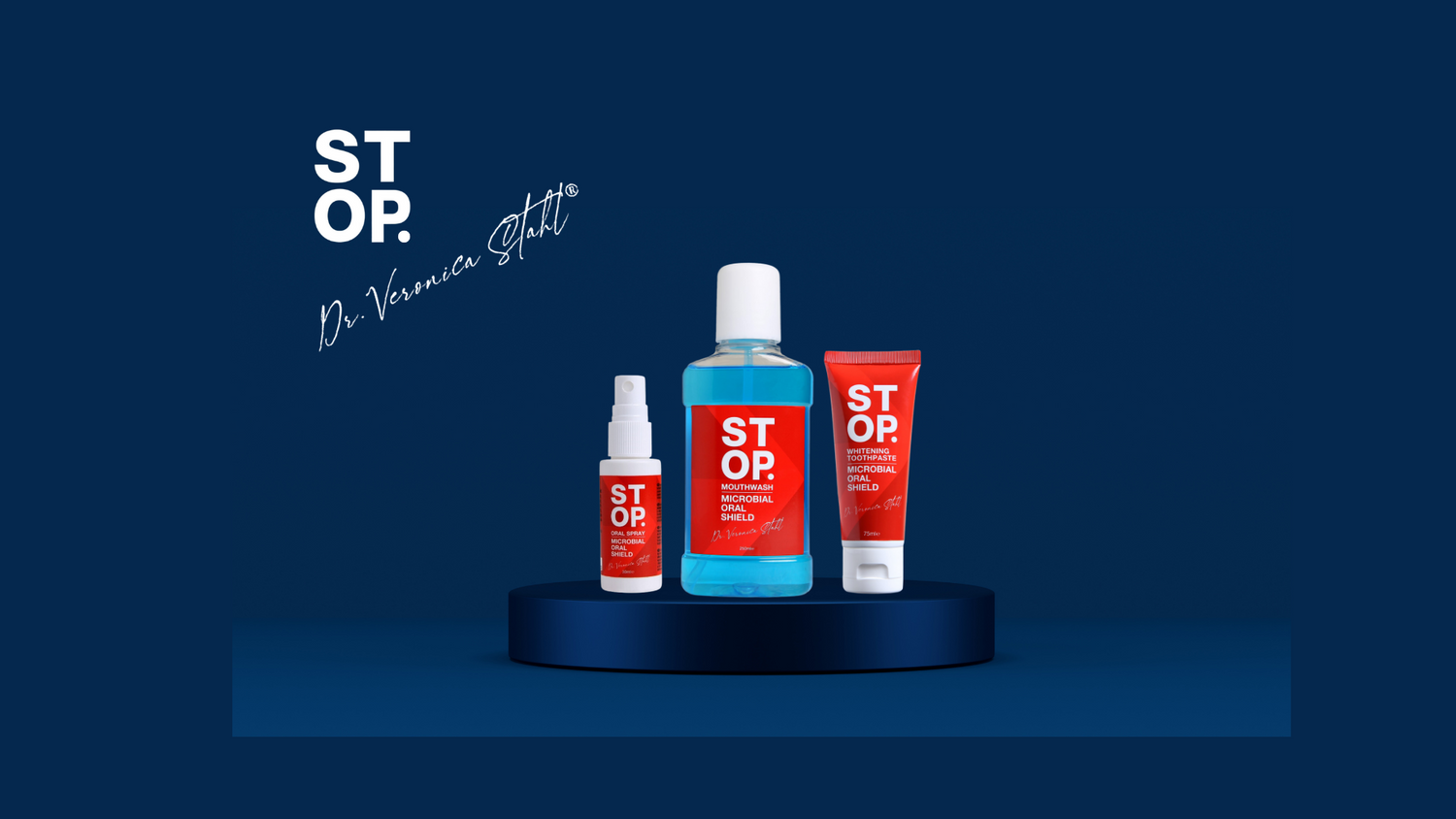
Fluoride tubes are practically everywhere—drugstores, supermarkets, online giants, you name it. Hydroxyapatite brands are a bit more niche, but they’re no longer hidden in the back of the shelf. Major e‑commerce sites, specialty health stores, and brand websites all carry HAP lines. The good news? Stop oral care ships worldwide, so you don’t have to hunt for a local distributor.
Pro tip: Look for “nano‑HAP” in the ingredient list. The smaller the particles, the deeper the penetration, and often the higher the price. If you’re price‑sensitive, you can still get solid results with a 10% HAP formula—most research shows 10% or more is effective. Keep an eye on promotions during back‑to‑school season or holiday gift sets; many brands drop 10–20% off bundle deals.
Brand Reliability: Are You Trusting the Right Experts?
When a product claims to rebuild enamel, you want to be sure it’s backed by real science and vetted by real professionals. Stop oral care, for instance, partners with elite dental clinics and uses a formulation that’s both CBD‑infused and enriched with marine algae for a clean, refreshing experience. That partnership is a clear sign that the product meets high standards.
Beyond brand pedigree, check for third‑party testing. Look for independent lab results, certification logos, or statements of compliance with the American Dental Association’s guidelines. For a quick sanity check, see what dental practices recommend on reputable sites such as the Balanced Dental Studio review of top toothpastes. They often highlight brands that have consistently performed well in both clinical studies and patient surveys.
When it comes to pricing and reliability, remember that a lower price isn’t always a bargain if it compromises efficacy. Conversely, a higher price isn’t a guarantee of perfection if the brand lacks transparency. So, run these three checks before you commit:
- Ingredient transparency: Open lists, no mystery fillers.
- Clinical backing: Peer‑reviewed studies or dentist endorsements.
- Customer feedback: Look for reviews that discuss long‑term results, not just hype.
In short, the hydroxyapatite toothpaste vs fluoride debate isn’t just about the chemistry—it’s also about the economics and trust factor. If you’re ready to invest in a product that’s scientifically sound, globally available, and vetted by dental professionals, you’re setting yourself up for real, long‑term oral health benefits.
FAQ: Common Questions About Hydroxyapatite and Fluoride Toothpastes
Q: What’s the main difference between hydroxyapatite and fluoride in toothpaste?
A: Think of fluoride as a guardian that hardens the enamel by encouraging new mineral uptake, while hydroxyapatite (HAP) is like a natural repair kit that plugs micro‑cracks and builds a fresh layer of enamel right on top. Fluoride stays in the plaque film; HAP sticks to the tooth surface and can fill gaps that fluoride can’t reach. The result? HAP gives instant sealing for sensitivity, and fluoride provides a longer‑term battle against acid attacks.
Q: Can I use a fluoride‑free, HAP toothpaste if I still want cavity protection?
A: Absolutely. HAP has been shown to reduce early enamel lesions in orthodontic patients, and its nano‑particles can block acid pathways. While it doesn’t replace fluoride’s antimicrobial edge, the combination of HAP’s physical barrier and the daily routine of brushing still keeps cavities at bay for most adults. If you’re in a highly fluoridated area, a fluoride‑free HAP paste is a solid choice.
Q: Will switching to HAP toothpaste harm my existing fluoride routine?
A: No. You can use an HAP toothpaste in place of fluoride, or even blend them: start with HAP in the morning and fluoride in the evening if you feel it’s necessary. Your mouth’s chemistry adapts; the key is consistency. A single switch won’t create a gap in protection—just keep brushing twice a day and you’ll stay covered.
Q: Does hydroxyapatite work for people with gum disease or dental pain?
A: HAP is gentle on the gums. It coats the tooth surface, making it harder for plaque to cling, which can ease gum irritation over time. For those with active gum disease, pairing HAP toothpaste with a non‑flame mouthwash that’s low‑sodium‑lauryl‑sulfate can keep the environment calm while still providing remineral support. It’s not a cure, but it’s a supportive ally.
Q: Are there any downsides to using a fluoride toothpaste over HAP?
A: Fluoride’s main downside is the potential for fluorosis in children and the occasional irritation of sensitive enamel. Adults may experience a mild gritty feel from the abrasives in some fluoride formulas. HAP’s advantage is that it’s the same mineral your teeth are made of, so it’s less likely to cause irritation and offers a natural look‑and‑feel without the risk of over‑exposure.
Q: How do I know if a toothpaste truly contains hydroxyapatite?
A: Look for “hydroxyapatite” or “nano‑HAP” in the ingredient list and a concentration of at least 10 %. The label should also say “fluoride‑free” if it’s a dedicated HAP product. Some brands use the term “calcium phosphate,” which can be a red flag unless it’s specifically marketed as hydroxyapatite. Transparency is key—if the ingredient list is vague, you might want to try a more clearly labeled product.
Q: Can I use a fluoride mouthwash with an HAP toothpaste?
A: Yes, but timing matters. If you choose an HAP toothpaste, let it sit on your teeth for a minute before rinsing. Then wait at least 30 minutes before using a fluoride mouthwash. This way, the fluoride won’t wash away the HAP layer, and you still reap the antimicrobial benefits of the rinse without compromising the mineral protection.
Conclusion
When you’ve weighed the pros and cons of hydroxyapatite toothpaste versus fluoride, the picture usually boils down to what matters most in your daily routine.
HAP gives you an instant seal against sensitivity, especially if you’re dealing with a razor‑sharp reaction to cold coffee or hot chocolate. Fluoride, on the other side, keeps the long‑term fortress of enamel standing strong against acid attacks.
Think of it like choosing between a quick patch kit and a full‑scale repair crew. If your enamel feels cracked, HAP can plug those micro‑gaps right away. If your risk profile leans toward cavities, fluoride’s proven track record still holds up.
Here’s a simple checklist: Do you notice sudden sensitivity? HAP might be your first line. Do you live in a highly fluoridated area? A fluoride‑rich routine could still be worth it. Do you want a zero‑chemical feel? HAP gives you that vibe while still defending against daily acids.
At Stop Oral Care, we’ve seen the difference that a thoughtful choice can make. If you’re on the fence, try a trial run: one month of HAP, one month of fluoride, and note the changes in comfort and plaque.
So, what’s the next step? Pick a toothpaste that aligns with your biggest pain point, stick to a twice‑daily rhythm, and give your enamel the support it deserves.
Remember, consistency is key.