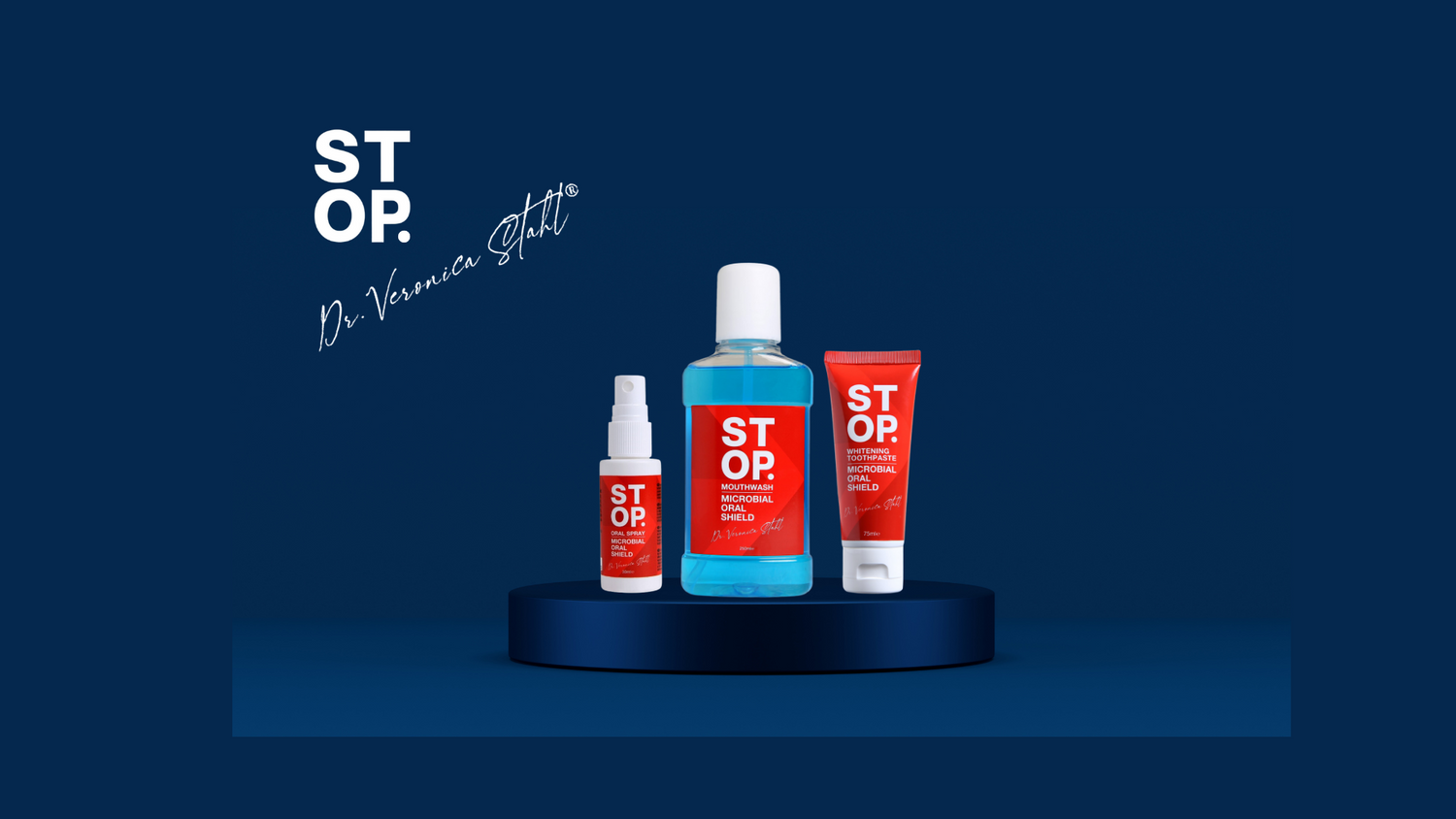


Finding truly effective dental care that is natural, fluoride-free, and gentle enough for sensitive teeth is more challenging than ever in both Germany and the UK. Many health-conscious consumers are turning away from standard products, seeking solutions inspired by advanced research and American innovation. In fact, studies show that nearly 60 percent of consumers now prefer oral care rooted in scientific evidence and sustainability. Discover how the latest advancements make it possible to protect your smile without compromise.
Table of Contents
- Defining Innovative Dental Care Today
- Breakthrough Technologies and Natural Ingredients
- How Science Supports Modern Dental Solutions
- Comparing Fluoride-Free and Traditional Care
- Practical Benefits for Sensitive Teeth Users
Key Takeaways
| Point | Details |
|---|---|
| Innovative Dental Care | Modern dental care integrates technology and personalized approaches to enhance patient outcomes and prevent dental issues. |
| Breakthrough Technologies | Natural ingredients and advanced technologies, such as biomimetic materials, are being prioritized for effective, regenerative dental treatments. |
| Fluoride-Free Alternatives | Hydroxyapatite-based products are emerging as viable options for caries prevention, challenging traditional fluoride treatments. |
| Tailored Solutions for Sensitivity | Advanced technologies provide personalized, minimally invasive treatment options for individuals with sensitive teeth, improving comfort and dental health. |
Defining Innovative Dental Care Today
Innovative dental care represents a transformative approach to oral health that goes far beyond traditional treatment methods. Contemporary dental solutions now integrate advanced technologies, interdisciplinary collaboration, and holistic perspectives to address patient needs more comprehensively. At its core, this approach emphasizes technology-enhanced diagnostics and patient-centered practices that adapt to evolving healthcare landscapes.
Today’s innovative dental care fundamentally reimagines oral health through multiple strategic dimensions. These include technological integration, sustainability practices, educational transformation, and a commitment to addressing diverse patient populations. Professionals are now focusing on developing solutions that not only treat dental issues but also prevent them by understanding complex systemic interactions. The emergence of interdisciplinary approaches means dental practitioners increasingly collaborate with experts from fields like microbiology, materials science, and digital health technologies.
The landscape of innovative dental care is characterized by several key attributes. First, there is a strong emphasis on personalized treatment strategies that consider individual genetic profiles, lifestyle factors, and specific oral microbiome compositions. Second, technological innovations like advanced imaging systems, digital scanning, and precision fabrication techniques are becoming standard practice. Third, the field is increasingly prioritizing sustainable and environmentally conscious practices, recognizing the broader ecological impact of dental treatments. Entrepreneurial creativity in dental education is also driving these transformative changes, encouraging professionals to think beyond traditional boundaries.
Pro tip: Stay informed about emerging dental technologies and consider scheduling comprehensive consultations that incorporate holistic, technology-driven assessments of your oral health.
Breakthrough Technologies and Natural Ingredients
Modern dental care is experiencing a revolutionary transformation through the convergence of advanced technologies and natural ingredient innovations. Researchers are now developing cutting-edge solutions that leverage biomimetic materials and bioactive compounds to enhance oral health treatments. These breakthrough approaches move beyond traditional synthetic methods, focusing on regenerative technologies that restore and protect dental tissues more effectively and naturally.
The integration of natural ingredients represents a significant paradigm shift in dental care. Herbal extracts, bioactive compounds, and plant-based materials are now being scientifically validated for their therapeutic properties. Natural biomaterials offer safe and affordable alternatives that can be particularly beneficial in diverse healthcare settings. These ingredients are not just supplementary but are becoming central to developing comprehensive oral health strategies that address prevention, treatment, and long-term dental wellness.

Technological advancements are further amplifying the potential of natural ingredients through sophisticated delivery systems and precision applications. Nanotechnology, for instance, enables the targeted deployment of natural compounds, enhancing their effectiveness and bioavailability. Innovations like hydroxyapatite-based treatments and calcium phosphate technologies demonstrate how scientific understanding can optimize natural healing processes. These breakthrough approaches aim to minimize invasive interventions while maximizing the body’s inherent regenerative capabilities, marking a significant evolution in dental care philosophy.
The following table highlights leading natural ingredients and their primary benefits in innovative dental care:
| Natural Ingredient | Main Benefit | Example Application |
|---|---|---|
| Herbal Extracts | Reduces inflammation | Gum health support |
| Bioactive Compounds | Promotes remineralization | Sensitive toothpaste formulas |
| Plant-Based Materials | Antimicrobial properties | Dental coatings and lozenges |
| Hydroxyapatite | Restores enamel surface | Fluoride-free toothpaste |
Pro tip: Consult with dental professionals who specialize in holistic and natural oral care to understand how emerging technologies can be personalized for your specific dental health needs.
How Science Supports Modern Dental Solutions
Scientific research is fundamentally transforming dental care through sophisticated technological innovations and advanced diagnostic approaches. Digital technologies enable precise oral health monitoring by integrating artificial intelligence, tele-dentistry platforms, and sophisticated data analytics. These breakthrough solutions allow healthcare professionals to develop more personalized, targeted treatment strategies that go beyond traditional one-size-fits-all methodologies.
The intersection of material science and clinical dentistry has produced remarkable advancements in dental restoration technologies. Biomaterials and nanotechnology have revolutionized how dental professionals approach treatment, creating solutions with enhanced mechanical strength, improved aesthetics, and superior biocompatibility. Bioactive smart materials now interact beneficially with oral tissues, representing a significant leap forward in understanding how technological innovations can support natural healing processes and improve long-term patient outcomes.
Modern scientific approaches are increasingly focused on developing comprehensive, patient-centered dental solutions. Researchers are now combining advanced diagnostic tools, personalized data analytics, and cutting-edge material technologies to create holistic treatment approaches. These innovations not only improve diagnostic accuracy but also enhance patient engagement, accessibility, and overall treatment effectiveness. By leveraging data-driven insights and sophisticated technological platforms, dental professionals can now offer more precise, predictive, and preventative care strategies.
Here’s a summary of how modern dental technologies compare to traditional methods in supporting patient care:
| Aspect | Traditional Dentistry | Innovative Dental Care |
|---|---|---|
| Diagnostic Tools | Basic X-rays | Digital scans & AI analysis |
| Materials Used | Amalgam, metal, basic resins | Biomimetic, bioactive, nanotech |
| Focus | Treatment of symptoms | Prevention & customization |
| Approach | Dentist-led, less collaboration | Interdisciplinary, holistic |
| Patient Involvement | Limited | Engaged, data-driven insights |
Pro tip: Request comprehensive diagnostic screenings that utilize advanced technological tools to gain a more nuanced understanding of your individual oral health profile.
Comparing Fluoride-Free and Traditional Care
The landscape of dental care is undergoing significant transformation, with hydroxyapatite-based toothpastes challenging traditional fluoride approaches. Contemporary research demonstrates that fluoride-free alternatives are not merely supplementary options but increasingly viable solutions for comprehensive oral health. These innovative formulations offer comparable caries prevention capabilities, addressing growing consumer concerns about potential long-term fluoride exposure.
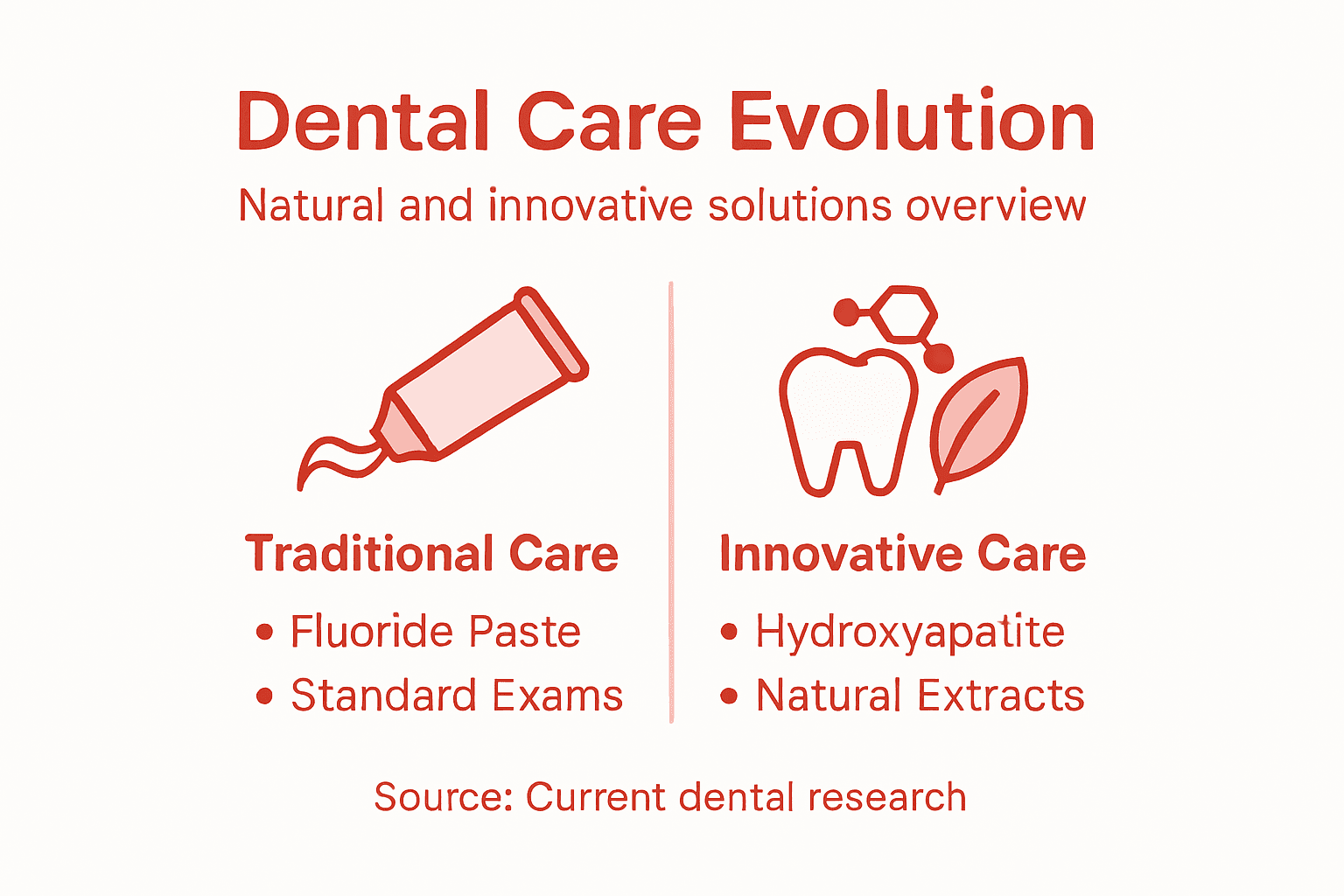
Traditional fluoride treatments have long been considered the gold standard in dental care, primarily due to their proven effectiveness in preventing tooth decay. However, emerging research reveals that alternative remineralization agents are demonstrating remarkable potential. Calcium-phosphate compounds, theobromine-based products, and advanced hydroxyapatite formulations are presenting scientifically validated alternatives that can effectively support dental health. Comparative studies indicate varying efficacies across different remineralization technologies, suggesting that patient-specific factors play a crucial role in selecting optimal dental care strategies.
The shift towards fluoride-free dental care represents more than a trend—it’s a nuanced approach to oral health that considers individual patient needs, potential sensitivities, and holistic wellness perspectives. Cutting-edge research is increasingly supporting these alternative approaches, showing that modern fluoride-free solutions can provide robust protection against dental decay. The key lies in understanding the specific mechanisms of remineralization, selecting high-quality ingredients, and recognizing that no single approach suits every individual’s unique oral health requirements.
Pro tip: Consult with a dental professional to assess your specific oral health needs and determine whether a fluoride-free or traditional approach might be most suitable for your unique dental profile.
Practical Benefits for Sensitive Teeth Users
Users with sensitive teeth are experiencing transformative solutions through innovative oral hygiene technologies. Advanced dental care approaches now offer targeted interventions that address tooth sensitivity with unprecedented precision and comfort. These technologies focus on reducing discomfort while simultaneously improving overall oral health, providing comprehensive care that goes beyond traditional treatment methods.
Digital dentistry has revolutionized sensitivity management by enabling more personalized and minimally invasive treatments. Laser therapy, specialized toothpastes, and computer-aided diagnostic systems are creating new pathways for managing dental sensitivity. Advanced diagnostic technologies allow precise treatment planning that can identify and address the root causes of tooth sensitivity, rather than simply masking symptoms. This approach means patients can now receive more targeted, effective interventions that consider their unique oral health profile.
The practical benefits for sensitive teeth users extend far beyond immediate symptom relief. Modern oral care solutions are designed to strengthen tooth enamel, reduce inflammation, and provide long-term protection against sensitivity triggers. By integrating gentle mechanical cleaning techniques with scientifically formulated chemical agents, these innovations help patients maintain oral health without experiencing the discomfort traditionally associated with dental care. The result is a more comfortable, confidence-boosting approach to managing sensitive teeth that empowers individuals to maintain optimal oral hygiene.
Pro tip: Choose oral care products specifically designed for sensitive teeth and consult with dental professionals about personalized treatment strategies that address your unique sensitivity challenges.
Discover Natural and Innovative Dental Care Solutions Today
If you are searching for effective fluoride-free oral care options that combine the power of natural ingredients with scientific innovation then exploring STOP Oral Care – Stop Oral Care is your next step. This approach perfectly aligns with the article’s focus on breakthrough technologies and natural compounds like hemp and Dead Sea minerals to promote healing without harsh chemicals. Many sensitive teeth users and those seeking personalized care will appreciate the carefully formulated products designed to reduce inflammation, support enamel restoration, and maintain holistic wellness.
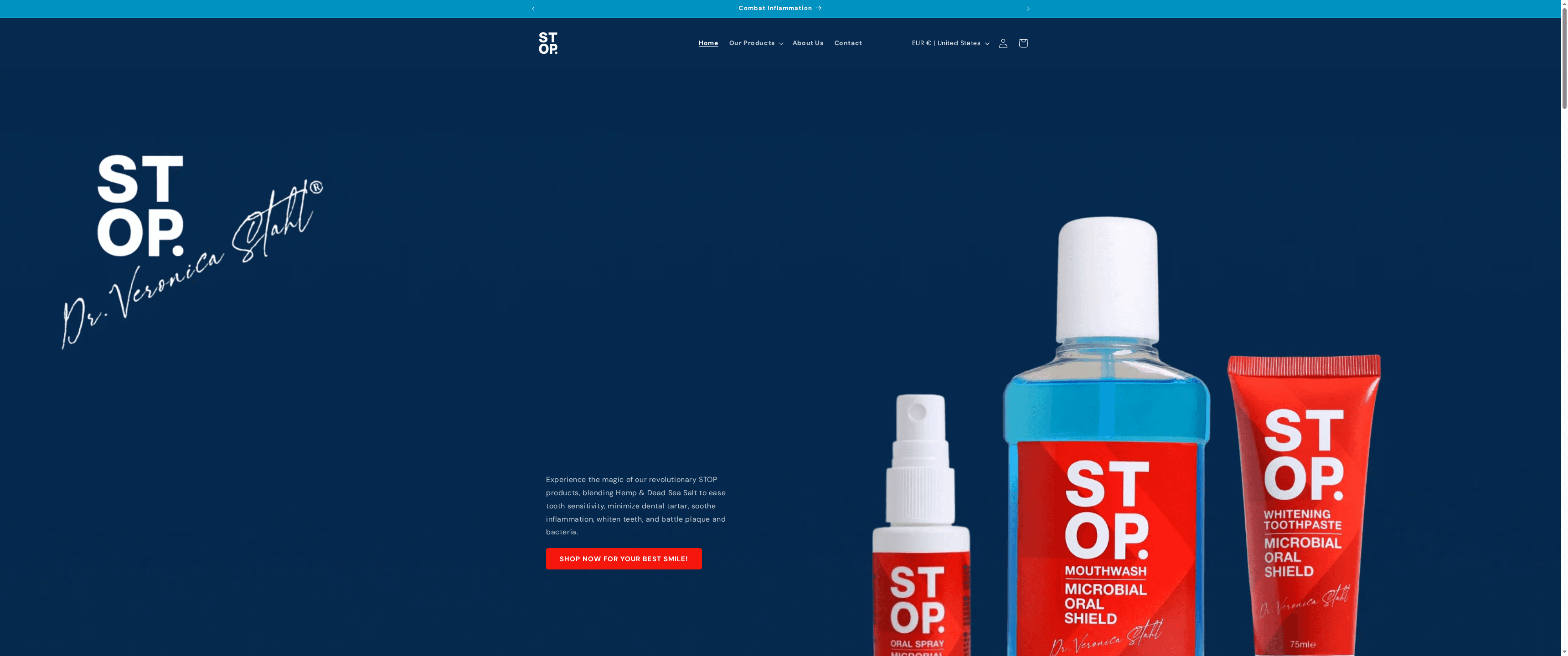
Take control of your oral health today with natural, research-backed products by Dr. Veronica Stahl that embody the future of dental care. Visit the Home Page – Stop Oral Care to browse our unique collection and experience safe, innovative solutions crafted to meet your individual needs. Do not wait until sensitivity or discomfort becomes a problem act now by visiting https://stop-oralcare.com and start your journey toward healthier, naturally beautiful teeth.
Frequently Asked Questions
What is innovative dental care?
Innovative dental care refers to a transformative approach that integrates advanced technologies, holistic practices, and interdisciplinary collaboration to address patient needs comprehensively, focusing on prevention and personalized treatment strategies.
How do natural ingredients play a role in innovative dental care?
Natural ingredients, such as herbal extracts and bioactive compounds, offer therapeutic benefits and are being incorporated into dental care products for their ability to enhance oral health while minimizing reliance on synthetic materials.
What are some examples of breakthrough technologies in dental care?
Breakthrough technologies include advanced imaging systems, digital scanning, nanotechnology for targeted delivery of natural compounds, and biomaterials that enhance the mechanical strength and biocompatibility of dental applications.
How does innovative dental care compare to traditional methods?
Innovative dental care prioritizes personalized treatment, utilizes advanced diagnostic tools, and focuses on prevention, while traditional methods often rely on standard treatments that may not address individual patient needs effectively.