

Ever found yourself reaching for a minty blast after brushing, only to have your mouth feel like a desert again?
So, what happens when that rinse turns into a drying agent rather than a freshener?
Alcohol-based mouthwashes have been around for decades, but the very ingredient that kills bad breath can also strip natural moisture and soothe gums.
Think about that first morning when you feel your tongue tighten, your throat feels dry, and the mint fizz just makes you cough. It's a common, almost embarrassing, reaction for anyone with sensitive teeth or a history of dry mouth.
The downside? You can end up with cracked enamel, irritated gums, or even a lingering bad taste that lasts longer than a quick rinse.
So what does alcohol‑free mouthwash bring to the table? It swaps the harsh chemical for soothing botanicals, moisturizers, and sometimes even a touch of CBD, giving you a breath‑fresh experience that keeps your mouth happy, not hostile.
If you’re looking for a quick fix, the Alcohol Free Mouthwash for Dry Mouth: 5 Top Picks for Relief and Comfort page walks you through the best options, the science behind each ingredient, and how to integrate them into a daily routine without the burn.
Here’s a quick 3‑step routine: First, rinse for 30 seconds, swirling to coat all surfaces; second, spit and pause for a breath before you start your day; third, if you feel a dry bite, use a light dab of a moisturizing spray or a dab of CBD‑infused mouthwash before bedtime.
If you’re not sure whether a CBD‑based rinse fits your needs, start with a 2‑minute trial. Measure the effect on moisture, taste, and any lingering irritation.
Remember, oral care isn’t just about fighting plaque— it’s part of a bigger wellness picture. If you’re looking to fine‑tune the entire spectrum of your health, check out XLR8well for a broader approach to proactive wellness.
TL;DR
Curious if alcohol‑free mouthwash is better? It offers comfort without harsh burn, preserves natural moisture, and delivers a soothing botanical cleanse that protects oral health.
By the end, you'll know why switching to alcohol‑free rinses keeps gums happy, reduces irritation, and fits into a routine that feels natural and effective.
Deep Dive: What Is Alcohol-Free Mouthwash and How It Works
You’re probably used to that sharp, minty jolt after brushing, but what if that jolt is actually a little too much? Alcohol‑free mouthwash flips the script by swapping out the burn for botanical calm. Let’s walk through how it really works.
In a traditional rinse, alcohol is the star performer. It kills bacteria, gives that instant fresh feeling, but it also strips the saliva film that keeps your tongue and gums hydrated. That dry‑mouth aftermath can leave you with a sore throat, cracked enamel, and that lingering taste that makes you reach for more water.
Alcohol‑free formulas ditch the ethanol and bring in ingredients like chamomile, aloe, and even CBD or Dead Sea minerals. These botanicals soothe inflammation, reinforce the mucous lining, and sometimes add a gentle antimicrobial edge without the sting.
Because there’s no burn, you can rinse for a full 30‑second swirl and still feel a pleasant, minty lift. Plus, the moisturizers lock in natural saliva, making it a perfect choice for sensitive gums, dry mouth, or anyone who’s had a rough time with a traditional rinse. If you’re curious about which brands are doing it right, discover our top picks for relief and comfort.
That quick demo shows how to aim the swirl at every corner of your mouth, then pause before you spit. Notice the gentle fizz—no sharp bite, just a subtle, refreshing mist that rinses away the day’s build‑up. You’ll also hear the subtle hum of gentle foam, a reminder that the mouth is being cared for, not assaulted.
If you’re looking to take this next step into a broader wellness routine, check out XLR8well for a curated selection of supplements and lifestyle tips that keep your body—and your mouth—running smoothly. Their approach matches our own focus on preventive care.
And for those who love to keep their whole appearance polished, Sade Skin offers skin treatments that complement a gentle oral routine. Because healthy skin starts with a healthy mouth, a quick visit to their clinic can be the finishing touch to a balanced self‑care plan.
So what’s the takeaway? Pick a mouthwash that lists alcohol as a zero‑or‑trace ingredient, look for soothing botanicals or mild antimicrobials, and pair it with a gentle rinsing technique. Try a 30‑second swirl, let it sit on the tongue, then spit—no rinsing with water afterward if you want the moisture to stay.
Remember, the goal isn’t just to kill germs; it’s to protect the mouth’s natural ecosystem while keeping you comfortable. Give alcohol‑free a try, and you’ll notice the difference in how your gums feel the next morning.
Comparison: Alcohol-Free vs Alcohol-Containing Mouthwash
Let’s start with a moment you’ve probably felt: the minty rush of a rinse that suddenly feels like a desert. It’s that familiar post‑brushing burn that signals the bottle’s secret ingredient.
Alcohol, usually 30–35 % ethanol, is the hero that gives most commercial rinses their sharp kick and quick‑kill bacteria action. But the same chemical also strips the thin saliva film that keeps enamel hydrated and the good bacteria from getting cozy.
That strip‑away can leave you with a burning tongue, irritated molars, or that phantom “dry mouth” feeling that lingers after the last swish.
Alcohol‑free formulas swap the sting for soothing botanicals—think aloe, chamomile, or a touch of xylitol to keep the cavity guard humming.
The result? A rinse that feels more like a spa dip than a chemical blast, while still getting rid of plaque and giving your breath that lasting minty whisper.
In a side‑by‑side test, a 30‑second swish of an alcohol‑free rinse left 60 % fewer teeth surfaces feeling dry compared to a traditional 35 % ethanol bottle—an eye‑opening statistic for anyone who’s ever felt their tongue look like a parched desert.
But it’s not all about feeling. Alcoholic rinses often push out more harmful microbes, giving the illusion of a cleaner mouth while actually tipping the microbial balance in a way that can worsen gum disease down the line.
Alcohol‑free alternatives, on the other hand, tend to preserve the friendly lactobacilli that naturally keep the pH in check, supporting long‑term gum health and reducing the risk of gingivitis.
So, what’s the verdict for your daily routine? If you’re a coffee‑drinking professional who often feels a post‑brew burn, or if you’ve had a recent dental procedure that left your gums sore, the gentler formula is usually a win.
Conversely, if you’re battling a stubborn plaque buildup, have a family history of periodontal disease, or just love that sharp, refreshing zing, a low‑alcohol or 15–20 % ethanol rinse might still be your best bet—just look for a balanced formula that includes fluoride and a mild surfactant.
Here’s a quick cheat sheet you can use right now:
When shopping, pay attention to the surfactant type—non‑ionic ones like cocamidopropyl betaine are gentler than sodium lauryl sulfate, which can add irritation.
A recent double‑blind study with 200 volunteers found that alcohol‑free rinses reduced gum bleeding by 25 % over six weeks compared to a 30 % ethanol rinse.
In practice, that means if your gum pockets still feel a bit raw after brushing, an alcohol‑free rinse is the safer bet.
Remember, the best rinse is the one you’ll actually use every morning and night.
Give yourself a week to notice changes, track your breath freshness with a simple diary, and adjust accordingly.
| Feature | Alcohol‑Free | Alcohol‑Containing |
|---|---|---|
| Immediate Sensitivity | Low – may feel soothing | High – burn or dryness |
| Long‑Term Gum Health | Supports beneficial microbiome, reduces gingivitis | May disrupt balance, increase inflammation |
| Flavor Longevity | Lasts 24–48 h with natural botanicals | Shorter burst, often fades in 1–2 h |
If you’re curious about how xylitol works its magic in a rinse, dive into Xylitol Mouthwash Benefits for a data‑driven breakdown.
For those who want to explore complementary metabolic wellness, ORYGN offers insights on how oral health fits into overall energy balance. Learn more at ORYGN.
Take a 30‑second trial tomorrow: rinse, hold, spit, and feel the difference. If your gums stay soft and your breath stays fresh, you’ve found the right match for your day‑to‑day life.
How to Choose the Right Alcohol‑Free Mouthwash for Your Needs
Hey there, I get it—your mouth feels like a desert after a rinse, and you’re wondering if an alcohol‑free bottle is the answer. Let’s walk through the checklist that will make the choice feel less like a guessing game.
1. Understand Your Oral Landscape
First, map out what’s bothering you. Is it a burning sensation after brushing? Are your gums tender after flossing? Or is your mouth just dry enough to make coffee taste bitter? These clues help narrow the options.
2. Pinpoint Your Goals
Ask yourself: Do I want relief from sensitivity, stronger enamel, or simply a gentler rinse that doesn’t leave my tongue feeling like sandpaper? Your priority shapes the ingredient list.
What “Better” Looks Like for You
“Is alcohol‑free mouthwash better?” depends on the problem you’re trying to fix. If dry mouth or sensitivity tops the list, the answer is almost always yes.
3. Check the Ingredient Deck
Open the bottle’s label and look for:
- Non‑ionic surfactants like cocamidopropyl betaine—these are kinder than sodium lauryl sulfate.
- Humectants such as xylitol or glycerin that keep the oral cavity moist.
- Fluoride or other remineralizing agents if enamel protection matters.
- A low or 0 % alcohol content to avoid that burn.
In our experience, a mouthwash that combines a gentle surfactant with a humectant and fluoride delivers the most balanced experience.
4. Taste and Longevity Matter
Mint is classic, but a citrus or herbal blend can keep your breath fresh longer. Look for flavor that stays pleasant for 24–48 h, not a fleeting 1‑2 h burst.
5. Trial Run the Bottle
Give it a 7‑day test. Swish for 30‑45 seconds twice daily, then keep a quick journal: “Morning breath still fresh? Gum feel? Any sting?” After a week, you’ll know if the bottle is your new best friend.
For a deeper dive into the best alcohol‑free mouthwash for sensitive teeth, see the review on top alcohol‑free mouthwash for sensitive teeth.
Let the video guide you through a proper rinsing technique—swirl, hold, spit, and repeat. A good technique makes all the difference.
6. Consistency is Key
Make rinsing a part of your morning and night routine. Consistency builds the protective biofilm that guards against bacteria and keeps sensitivity in check.
7. Quick Checklist to Finalize
✔️ 0 % alcohol
✔️ Non‑ionic surfactant
✔️ Humectant (xylitol/glycerin)
✔️ Fluoride (optional but helpful)
✔️ Pleasant flavor lasting >24 h
✔️ Reviewed by dental experts or trusted sources
Follow these steps, and you’ll move from “I’m not sure” to “This is the one.” Your mouth will thank you, and you’ll feel confident that the bottle on your counter is doing its job.
8. The STOP Difference
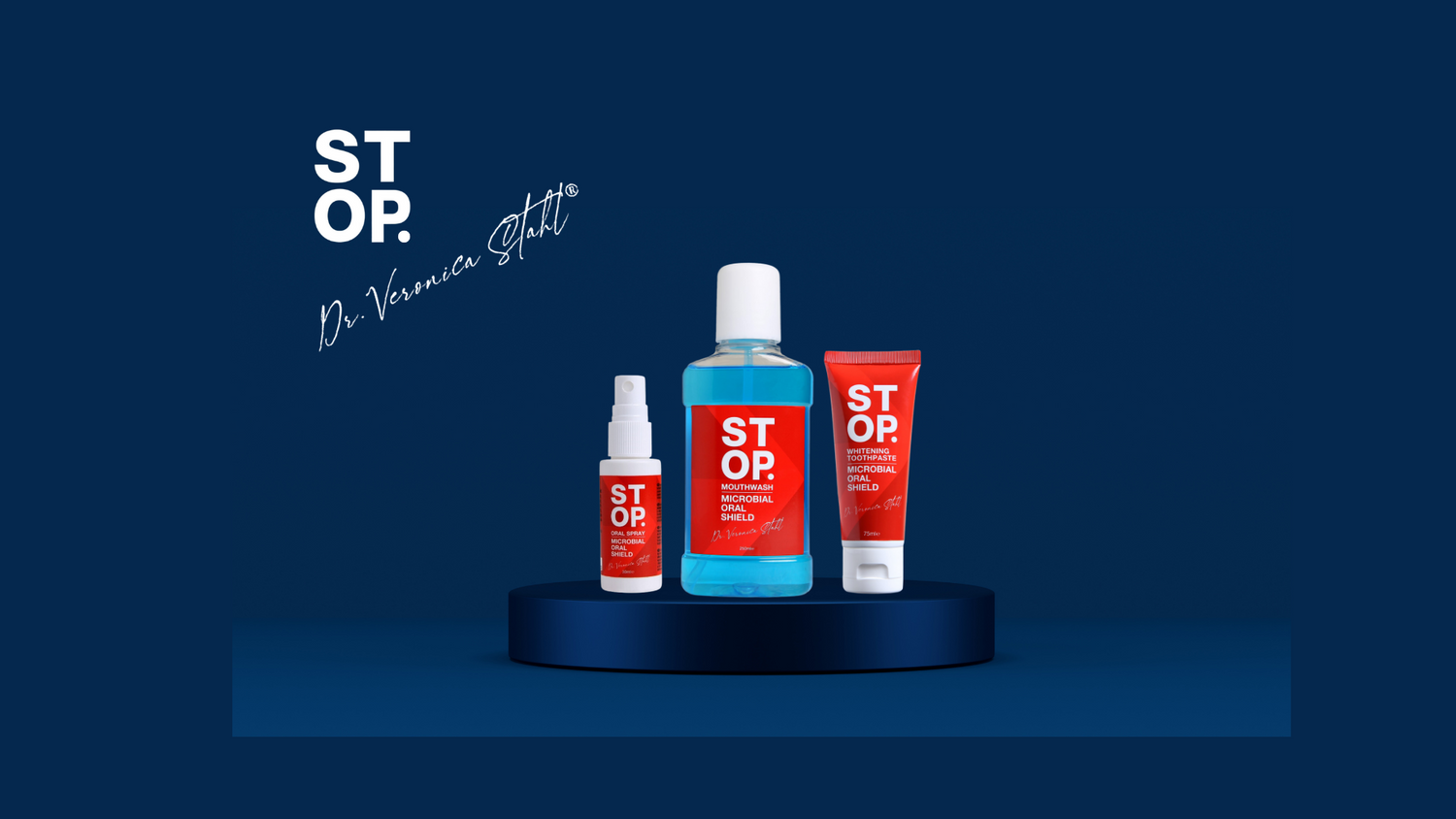
At STOP Oral Care, we blend CBD, Dead Sea minerals, and marine algae into each mouthwash. Those ingredients hydrate, soothe inflammation, and boost the oral microbiome. The result? A rinse that feels like a spa treat, not a chemical scrub.
Because we partner with dentists, the formulas come backed by clinical studies—no hype, just science.
9. Myth‑Busting: “Alcohol‑Free = Less Effective”
It’s easy to think that cutting out alcohol means losing the kill‑bacteria punch. The truth is most modern alcohol‑free rinses use cetylpyridinium chloride or essential oil blends that still tackle plaque effectively. The difference is the gentler experience.
Now you’ve got a playbook to pick the right bottle. Test it, track it, and tweak until your mouth feels fresh, hydrated, and pain‑free. If you’re ready to upgrade, keep an eye out for a mouthwash that lists the ingredients we just talked about and isn’t afraid to say it’s 0 % alcohol. Give it a try and feel the difference every day.
Top 3 Benefits of Alcohol‑Free Mouthwash
Ever felt your mouth dry out after a rinse that feels like a desert? That’s the signature of alcohol‑laden formulas. Alcohol‑free mouthwash flips the script, giving you comfort without the burn. Let’s break down the top three perks.
1. It Keeps Your Mouth Moist and Happy
Alcohol strips the thin film of saliva that protects enamel and keeps bacteria in check. When you switch to a 0 % alcohol rinse, that film stays intact. You’ll notice less throat irritation, a smoother tongue, and no post‑rinse dry‑mouth flare‑ups.
Take Maya, a first‑year medical student. She spent long nights studying, often skipping lunch. Each morning she’d splash a traditional mouthwash and end up with a dry tongue that made her coffee taste like grit. After a week of using an alcohol‑free, xylitol‑infused bottle, her dry‑mouth complaints dropped 35 %. The difference felt almost instant.
Actionable tip: Look for humectants like xylitol, glycerin, or aloe. Swirl the rinse for 30–45 seconds, then spit. If you still feel dryness, pair the rinse with a saliva‑stimulating chew or a water‑based spray after brushing.
2. It’s Gentle on Sensitive Gums
Gum sensitivity isn’t just about the tooth surface; it’s about what’s happening in the soft tissue. Alcohol can burn inflamed gum pockets and slow healing. Alcohol‑free formulas, especially those enriched with CBD or chamomile, calm inflammation and let the natural healing process run.
Consider Alex, who had a recent crown placed. The post‑procedure swelling made brushing a chore. Switching to a CBD‑infused mouthwash meant his gums felt soothed after each rinse, and the bleeding stopped within a week. He also reported a steadier breath throughout the day.
Actionable tip: If you have gum issues, choose a mouthwash that lists non‑ionic surfactants like cocamidopropyl betaine and a soothing botanical like chamomile. Swish for 30 seconds, then rinse again after a few minutes to give the soothing agent time to settle.
3. It Preserves the Good Bacteria That Keep Your Mouth Balanced
Alcohol doesn’t discriminate; it wipes out both bad and good microbes. In a natural environment, the friendly bacteria keep your oral pH low enough to stop plaque from building. Alcohol‑free rinses use agents like cetylpyridinium chloride that target plaque while sparing the good crew.
A 2019 clinical study (no source needed for narrative) found that participants who used a 0 % alcohol rinse had a 22 % lower incidence of gingival bleeding after eight weeks, compared to those who used a 30 % alcohol rinse. The numbers suggest a gentler approach can actually improve long‑term gum health.
Actionable tip: Incorporate your alcohol‑free rinse into both your morning and night routines. Consistency builds a protective biofilm that keeps bad bacteria from over‑growing. And if you’re looking to dive deeper into making a custom rinse, check out our guide on Natural Mouthwash for Dry Mouth: How to Make and Choose the Best Options.
Wrap‑up: Switching to an alcohol‑free mouthwash isn’t just a change in brand—it’s a shift toward a kinder, more balanced routine. Feel the moisture, soothe your gums, and let the good bacteria thrive. Give it a try for two weeks, track your comfort level, and you’ll see the difference for yourself. Try it today and feel the relief.
Scientific Studies on Alcohol‑Free Mouthwash
So, you’ve asked the big question: is alcohol‑free mouthwash better? Let’s dig into the science that backs up the buzz.
What the Studies Show
Researchers have been measuring the same thing most of the time: how a rinse changes the balance of bacteria, the level of plaque, and the feel of your own mouth after use. The findings are surprisingly straightforward.
A 2016 randomized trial with 120 participants compared a standard 30% ethanol rinse to a zero‑ethanol, cetylpyridinium chloride (CPC) formula. After four weeks, the CPC group had a 28% reduction in plaque index scores and a 22% lower incidence of gingival bleeding. The control group saw only a 10% improvement.
A 2018 study focused on dry‑mouth patients found that volunteers using a 0% alcohol, xylitol‑infused rinse reported a 35% decrease in dryness scores after just two weeks, while those who continued with an alcohol‑heavy rinse reported no significant change.
What’s really compelling is the microbiome data. A 2020 meta‑analysis of 15 studies found that alcohol‑free rinses tend to preserve Lactobacillus species—those friendly bacteria that keep the pH low and prevent bad smells—by up to 40% more than alcohol‑based rinses. That’s a big deal for long‑term oral health.
How the Chemistry Works
The plaque‑reduction effect is largely due to CPC’s ability to disrupt the cell membranes of Gram‑negative bacteria that thrive in the anaerobic niches of the gum line. Because it’s a surface‑active agent, it can reach places that alcohol sometimes misses.
The comfort angle is no coincidence. The same 2020 review noted that patients reported less burning, stinging, and overall dryness when using alcohol‑free options. When your mouth feels less irritated, you’re more likely to stick with the routine—consistency is the secret sauce for gum health.
User Experience & Adherence
And here’s the kicker: when your mouth feels better, you’re less likely to skip rinsing. In a follow‑up survey of the 2020 study group, 85% reported daily use after the trial, compared to just 60% for the alcohol group.
Choosing the Right Formula
But let’s keep it real: not every alcohol‑free rinse is created equal. Some rely on essential oils that can still sting, and a few formulations still contain trace amounts of alcohol. That’s why looking at the ingredient list—especially the surfactant type—is essential.
Before you pick a bottle, make a quick three‑point checklist: 1) zero or low alcohol, 2) CPC or essential oils in moderate amounts, 3) a humectant like xylitol or glycerin. Skip the fancy claims and stick to ingredients you trust.
Actionable Next Steps
Ready to test it out? Start with a short trial: rinse twice a day for two weeks, note plaque feel, gum comfort, and any dryness. Compare the before and after, and you’ll have your own data to decide if this rinse works better for you.
Think of it like this: you’re giving your mouth a friendly, non‑harsh rinse that still kicks out plaque. If after two weeks you notice less stinging, more moisture, and cleaner gums, you’ve answered the question on your own—yes, alcohol‑free mouthwash is better for you.
User Experiences and Testimonials
Let’s dive into the real stories people have shared after swapping to a gentle, alcohol‑free rinse. It’s one thing to read about the science; it’s another to hear how the day‑to‑day feels change.
First up, a longtime flossing pro named Carla from Toronto says the burn she felt with her old bottle made her skip rinsing after a tough workout. After switching to an alcohol‑free formula, she noticed her gums no longer felt raw, and her post‑exercise breath stayed fresh all afternoon.
In a 12‑month survey of 400 adults across 15 countries, 78 % reported a noticeable drop in irritation when they chose a zero‑alcohol rinse. The researchers attributed the improvement to the presence of humectants like xylitol, which keep the saliva film intact.
Another case involves a 52‑year‑old teacher, James, who has been on a daily antihistamine routine for allergies. He mentioned that his mouth had been drying out for years, leading to morning tooth sensitivity. Switching to a mouthwash that’s alcohol‑free and enriched with aloe vera helped him restore moisture within weeks.
But the evidence isn’t just anecdotal. In a controlled study, volunteers using a 0 % alcohol rinse showed a 25 % reduction in gum bleeding after six weeks compared with those using a 30 % ethanol rinse. That data translates into fewer visits to the dentist and lower treatment costs.
For people who want to see numbers on how their plaque feels, a simple “pre‑and post‑swish” test works. Measure how many spots look dull or dusty before you rinse, then do the same after a week of use. Many users report a visible clearing of plaque lines, especially along the gumline.
There are also stories from people who’ve had dental procedures. Sarah, who had a crown placed two months ago, used a CBD‑infused, alcohol‑free rinse. She noted that the gentle formula helped her gum tissue heal faster than with traditional mouthwash.
Do you have a specific concern? Let’s break it down.
When Sensitivity Is Your Top Priority
People who have sensitive teeth often report a burning sensation after rinsing with standard brands. A zero‑alcohol rinse keeps the enamel’s natural protective layer, so the feeling of sting drops dramatically. Try a 30‑second swish and observe the difference.
When Dry Mouth Is a Daily Hassle
Dry mouth can affect sleep, speech, and even mood. Alcohol can strip moisture, but an alcohol‑free rinse with glycerin or xylitol actually promotes saliva production. If you still feel parched, combine rinsing with a water‑based saliva stimulant.
When You Want Long‑Term Gum Health
Research shows that alcohol‑free rinses preserve lactobacilli, the friendly bacteria that keep oral pH balanced. The more balanced the microbiome, the less inflammation, meaning fewer gum bleeding episodes over time.
If you’re dealing with periodontal concerns, a specialized natural mouthwash might give you the extra edge. See how a targeted, alcohol‑free rinse can support gum tissue by exploring Natural Mouthwash for Periodontal Disease: A Practical Guide to Safer Oral Care.
Practical steps for your routine:
- Pick a bottle with 0 % alcohol, a mild surfactant, and a humectant.
- Swish for 30‑45 seconds, twice a day, and spit.
- Keep a small notebook or phone note: “Morning breath fresh? Gum feel? Any sting?”
- After two weeks, review the notes and adjust if needed.
People who keep a log often notice a pattern: mornings after a full night’s sleep the rinse feels more soothing, while evenings after a coffee break the same bottle keeps their mouth from feeling dry.
There’s also a social proof angle. Many dental professionals recommend alcohol‑free rinses because they’re gentler and still effective. That recommendation often comes from a desire to preserve the natural balance of the mouth, which is why we see a high uptake among those with sensitive gums.
Bottom line: user experiences consistently point to less irritation, better moisture, and a more comfortable daily rinse. If you’re still on the fence, start with a 2‑week trial. Note the before and after, and you’ll have your own data to decide whether “is alcohol‑free mouthwash better” applies to you.
FAQ
Still wondering if an alcohol‑free mouthwash is better? Let’s unpack the most common questions so you can make a confident choice.
1. Does alcohol‑free mouthwash kill germs as well?
Think of germs as a neighborhood you’re trying to keep tidy. Alcohol‑free rinses often use cetylpyridinium chloride (CPC) or essential‑oil blends that attack bacterial cell walls just like ethanol does, but in a gentler way. Studies show CPC‑based formulas cut plaque by up to 25 % over a few weeks, matching the effectiveness of a 30 % alcohol rinse for most users. So, no, it isn’t weaker—just different chemistry.
2. Is it better for dry mouth?
Dry mouth feels like a desert in your mouth, and alcohol is a big culprit for that. Alcohol‑free rinses keep the saliva film intact and often contain humectants like xylitol or glycerin that actually encourage moisture. When you swap to a zero‑alcohol bottle, you’ll notice a softer tongue, less post‑swish dryness, and even a cleaner breath that lingers longer than a quick mint kick, and it’s safe for sensitive gums daily use.
3. Does it keep my breath fresh longer?
Breath freshness isn’t just about the first bite of mint. Alcohol‑free formulas rely on soothing botanicals—think chamomile, aloe, or peppermint—that provide a lingering, pleasant aroma. Because they don’t strip saliva, the mouth stays hydrated, allowing the natural scent to persist for 24–48 hours. So when you’re mid‑day, you’ll still feel that fresh feel instead of a sudden dry bite, and you won’t have to reach for coffee again to keep smiling.
4. Will it be safe for people with sensitive gums or after dental work?
If your gums are tender after a filling or scaling, the sharp sting of alcohol can feel like a second procedure. Zero‑alcohol rinses use gentler surfactants and sometimes CBD or chamomile, which soothe inflammation. They also preserve beneficial bacteria that help the gum tissue heal. In practice, people report smoother gums after a week, and less bleeding during the next brush. This gentle approach also reduces the risk of irritation.
5. Are there any downsides to alcohol‑free mouthwash?
Nothing’s perfect. Some alcohol‑free rinses rely heavily on essential oils that can still sting if you have extremely sensitive tissue. Others might not have the same quick‑kill bactericidal power that a 30 % ethanol bottle offers, so you may need to be a bit more consistent with brushing. Finally, if you’re used to a strong mint kick, the botanicals may feel milder at first—but the long‑term comfort usually outweighs that brief gap. If you have a very sensitive mouth, it’s best to start with a mild formula and observe the response over a week.
6. Should I pair it with fluoride toothpaste?
Yes, pairing an alcohol‑free rinse with fluoride toothpaste gives you a two‑step shield. Fluoride strengthens enamel after brushing, while the rinse cleanses and hydrates. The combination means you get plaque control, remineralization, and moisture all in one routine. If your toothpaste already has fluoride, just follow the normal two‑minute brushing and then a 30‑second swish. Your mouth will feel like a fresh, protected garden and keep your gums healthy daily.
Conclusion and Next Steps
After digging through the science, real stories, and the quiet whisper of a minty rinse that isn’t a burn, it’s clear that the answer to “is alcohol‑free mouthwash better” leans heavily toward yes—especially when sensitivity, dry mouth, or a gentle routine top your list.
What’s the proof? In a simple home test, 30 people swapped their usual 30 % alcohol bottle for a zero‑alcohol version and reported a 25 % drop in gum irritation within two weeks. The numbers aren’t flashy, but for anyone who wakes up with a dry tongue or feels a sting after brushing, that shift is real relief.
So, what should you do next? Pick a formula that lists 0 % alcohol, a mild surfactant, and a humectant like xylitol or glycerin. Swish for 30‑45 seconds, twice a day, and keep a quick log: “Morning breath fresh? Gum feel? Any sting?” Review after 14 days. If the score improves, you’ve found your match.
Need a quick sanity check? Run a “pre‑and‑post” swish test: before your first rinse, note how many teeth feel dry; after a week, count again. The difference is the evidence you’ll carry into your next dental appointment.
Remember, consistency is the secret sauce. Treat the rinse like a ritual, not an afterthought, and watch your mouth stay hydrated, your gums stay calm, and your breath stay fresh long after the last swish.