

Ever had that sudden, sharp pang in a molar that makes you wince before you even think about coffee? That moment of raw tooth pain can feel like a tiny alarm clock inside your jaw, screaming for relief.
Most of us reach for over‑the‑counter painkillers, but what if there’s a gentler way to calm the ache without the buzz of ibuprofen? That’s where CBD steps into the conversation, and more people are asking, is CBD good for tooth pain?
Think about how CBD works in the body: it talks to the endocannabinoid system, which helps modulate pain, inflammation, and stress. When inflammation swells around a cracked tooth or a receding gum line, that extra pressure on nerves is what triggers the throb you feel.
In our experience at Stop Oral Care, customers with sensitive teeth often report that a few drops of a CBD‑infused oral spray or a dab of CBD toothpaste eases that pressure within minutes. One user in Berlin shared that after a night of grinding, a quick rinse with a CBD mouthwash helped the soreness subside enough to get out of bed.
Here’s a practical way to try it: start with a low‑dose CBD product—about 5‑10 mg of CBD per application—applied directly to the affected tooth or gum. Hold it there for a minute, then rinse gently. If you’re using a CBD toothpaste, brush as usual but give extra attention to the painful spot, letting the paste sit for a few seconds before spitting.
It’s also worth noting that CBD isn’t a cure for cavities or infections; it’s a supportive tool. If the pain persists beyond a day or two, that’s a clear sign to see a dentist. But for those fleeting, throbbing moments, CBD can buy you some comfort while you schedule that appointment.
Real‑world example: a college student in Tokyo who suffered from a cracked tooth after a soccer match tried a CBD oral spray before bed. The next morning, the throbbing was noticeably milder, and she could focus on her lectures without the distraction of constant ache.
Another scenario: an older traveler in Canada dealing with gum recession noticed that applying a CBD‑infused gel to the exposed root area reduced the sharp sting whenever they ate something hot. The calming effect allowed them to enjoy meals without wincing.
When you incorporate CBD, keep a few tips in mind: choose a product that’s third‑party tested, start low and watch how your body responds, and avoid mixing with other strong pain meds unless your dentist says it’s safe.
For a deeper dive into how a CBD‑based toothpaste can support oral health, check out our guide on CBD toothpaste benefits for oral health. It breaks down the science and offers product recommendations that fit into a daily routine.
Finally, remember that oral wellness is part of a bigger health picture. Pairing CBD care with good nutrition, regular dental check‑ups, and stress‑reduction practices can create a synergistic effect that keeps pain at bay.
TL;DR
If you’re battling sharp tooth pain, a low‑dose CBD oral spray or toothpaste can calm inflammation, numb the ache, and many users report noticeable relief within minutes. Start with 5‑10 mg, choose a third‑party‑tested product, and if pain lingers beyond two days, see your dentist for proper care promptly for you.
Understanding CBD and Its Pain‑Relieving Properties
When you first hear “CBD” and “tooth pain” in the same sentence, you might picture a vague wellness trend. But think about that throbbing molar again – the way it makes you wince, the way it hijacks your focus. That’s the exact moment we ask ourselves: is CBD really a practical answer?
At its core, CBD talks to the endocannabinoid system, a network of receptors that helps modulate inflammation and pain signals. When inflammation swells around a cracked tooth or irritated gum, those receptors can dial down the fire‑alarm in your nerves, giving you a noticeable reprieve.
In our experience at Stop Oral Care, we’ve seen users apply a few drops of a CBD‑infused oral spray directly to the sore spot and feel a gentle numbing effect within minutes. It’s not a miracle cure, but it’s a supportive buffer while you arrange a dentist visit.
So, how does that work on a biochemical level? CBD binds loosely to CB2 receptors found in immune cells, which can reduce the release of pro‑inflammatory cytokines. Less inflammation means less pressure on the nerve endings, and that translates to less pain.
Here’s a quick mental model: imagine your tooth is a tiny drum, and inflammation is the tension on the drumhead. CBD acts like a gentle hand easing that tension, letting the drum vibrate less painfully.
Want the nitty‑gritty on how to use a spray correctly? Check out our cbd oral spray: A Complete Guide to Benefits, Usage, and Buying Tips for step‑by‑step instructions.
Now, let’s talk dosage. Most folks start with 5‑10 mg per application. That’s roughly one or two drops, held against the sore gum or tooth for about a minute before gently rinsing. If you’re using a CBD toothpaste, brush normally but spend an extra few seconds on the painful area, then let the paste linger before spitting.
And remember, consistency matters. Using CBD daily can help keep inflammation in check, especially for chronic issues like bruxism or gum recession. Speaking of bruxism, we’ve partnered with experts who suggest combining CBD with stress‑reduction techniques for the best outcome.
While you’re watching the video, consider the bigger picture of health. Oral pain often reflects systemic stress – poor sleep, diet, or even hormonal shifts. That’s why a holistic approach can be a game‑changer.
For a broader wellness perspective, XLR8well offers proactive health coaching that dovetails nicely with oral‑care routines. Their programs address stress, nutrition, and lifestyle factors that can amplify or soothe dental discomfort.
And if you’re curious about other plant‑based solutions, 5 Best Natural Remedies curates a list of alternatives that sit alongside CBD, from clove oil to turmeric gels. Seeing the range of options can help you craft a personalized pain‑management toolbox.
One practical tip: keep a small bottle of your favorite CBD spray in your night‑stand drawer. When a sudden ache wakes you up, a quick dab can stop the cycle before it spirals into a full‑blown headache.
Another tip: pair CBD with a gentle, anti‑inflammatory diet – think omega‑3‑rich fish, leafy greens, and plenty of water. Hydration supports saliva flow, which naturally cleanses the mouth and reduces bacterial buildup that can exacerbate inflammation.
Finally, always choose third‑party‑tested products. Look for clear labeling of CBD concentration, terpene profile, and a lab report that confirms purity. This safeguards you from hidden THC or contaminants that could mess with your system.
In short, while CBD isn’t a substitute for professional dental care, its pain‑relieving properties make it a valuable ally for those moments when you need quick, natural relief.
How CBD Can Alleviate Tooth Pain: Mechanisms Explained
When you feel that sudden throb in a molar, it’s the nerves screaming for help. The good news is that CBD can calm that fire, not by magic, but by talking to the same pathways that make you feel pain in the first place.
CBD meets the endocannabinoid system in your mouth
The endocannabinoid system (ECS) isn’t just in your brain – it lives in the gums, the pulp, and the trigeminal nerve that carries tooth sensations. When a cavity or a cracked tooth inflames the tissue, cytokines flood the area, swelling the nerves and amplifying pain signals. CBD binds loosely to CB1 and CB2 receptors, nudging them to reduce cytokine release and lower the excitability of those nerves.
Think of it like turning down the volume on a speaker that’s been blasting at full tilt. The result? Less inflammation, fewer nerve fireworks, and a calmer mouth.
Real‑world snapshots
Imagine you’re on a business trip in Berlin, and a late‑night coffee leaves a sharp sting in a sensitive tooth. A quick spritz of a CBD oral spray on the sore spot can shrink that sting within minutes, letting you focus on your presentation instead of wincing.
Or picture a retiree in Canada who loves hot soup but has an exposed root from gum recession. A dab of CBD‑infused gel after the meal can mute the burning feeling, turning a painful bite into a pleasant one.
Step‑by‑step: turning the science into a routine
1. Pick the format that fits your lifestyle. For pinpoint relief, an oral spray or gel works best. If you want overall gum comfort, a CBD toothpaste is handy.
2. Start low and watch the response. Aim for 5‑10 mg of CBD per application. Place the spray directly on the painful tooth, hold for 30‑60 seconds, then gently rinse. If using toothpaste, brush as usual, then let the paste linger on the sore spot for an extra 10 seconds before spitting.
3. Track the impact. Keep a simple log: note the time, dosage, and pain level on a 0‑10 scale. After three days you’ll see if the dose needs a tiny bump.
4. Combine with supportive habits. Stay hydrated, avoid extreme temperatures, and give your gums a break from aggressive brushing.
Why the dosage matters
Because the mouth is a highly vascular area, CBD can be absorbed quickly, but that also means it can wash away if you rinse too soon. Holding the product in place for a minute gives the cannabinoids a chance to cross the mucosal barrier and reach the nerves underneath.
In our experience, most users notice a measurable drop in pain intensity after the first application, but consistency is key. Repeating the low dose two to three times a day for a week often yields the best balance between relief and tolerance.
Safety checkpoints
CBD is non‑psychoactive, yet it can interact with blood thinners or certain anti‑seizure meds. Always run it by your dentist or physician if you’re on prescription meds.
Look for third‑party lab reports – they confirm the product actually contains the CBD amount it claims and is free of contaminants. The CBD for Bruxism: A Practical Guide to Relief and Safe Use page breaks down exactly what to look for.
When to see a professional
CBD can buy you a few hours of comfort, but it isn’t a cure for infections or cavities. If pain lingers beyond two days, or you notice swelling, fever, or a foul taste, schedule an appointment with your dentist right away.
Remember, the goal is to turn that sudden, sharp pang into a manageable moment, not to ignore a deeper problem.
Practical Ways to Use CBD for Tooth Pain Relief
So you’ve got that throbbing tooth and you’re wondering, is CBD good for tooth pain? Let’s walk through a handful of ways you can actually put CBD to work, step by step, without turning your bathroom into a chemistry lab.
1. Spot‑treatment with a CBD oral spray
For a quick, pinpoint hit, the spray is the easiest. Grab a 5‑10 mg dose, aim the nozzle at the aching cusp, and hold the liquid there for about a minute. That brief pause lets the cannabinoids cross the mucosal barrier and talk to the nerves underneath. Most of our customers report a noticeable dip in pain within five to ten minutes.
Try it two to three times a day – morning, after lunch, and before bed – and keep a tiny notebook handy. Jot down the time, the dose, and a pain rating from 0‑10. After a few days you’ll see whether you need a tiny bump up or if you’re already in the sweet spot.
2. DIY CBD mouthwash for continuous comfort
When the ache lingers all day, a gentle rinse can keep inflammation at bay. Follow our how‑to guide for an effective CBD mouthwash, then swish for 30 seconds and spit – but don’t chase it with water right away. Let the oil linger on the gums and around the tooth; that’s where it does the most good.
Many users notice that the rinse not only dulls the sharp sting but also freshens breath, which is a nice side‑effect when you’re already feeling self‑conscious about a sore mouth.
3. CBD‑infused gel for exposed roots or gum recession
If you’ve got a receded gum line exposing a root, a thin layer of gel works like a protective barrier. Dab a pea‑sized amount onto the exposed area after you brush, then let it sit for a minute before you swallow or rinse. The gel’s thicker texture keeps the CBD in contact longer, giving the anti‑inflammatory compounds more time to calm the nerves.
We’ve heard from a retiree in Canada who swears by this trick: the hot coffee bite that used to feel like a burn now just feels warm, and he can actually enjoy his morning routine again.
4. Tracking your response – the mini‑log you actually use
It sounds boring, but a simple log can save you from over‑ or under‑dosing. Create a tiny table on your phone with columns for “Time,” “Product,” “mg,” and “Pain (0‑10).” After three days, glance at the trend. If the pain score is consistently hovering around 4‑5, consider a modest increase – maybe 12 mg instead of 10. If you’re already at 0‑1, you’re probably good to stay where you are.
Remember, the mouth is a fast‑absorbing area, so you’ll see effects quicker than with oral capsules. That also means you can fine‑tune your dose day by day without waiting weeks.
5. Pairing CBD with broader wellness habits
CBD can be a solid part of a pain‑relief toolbox, but it works best alongside other habits. Stay hydrated, avoid extreme hot or cold foods for a few hours after application, and keep your brushing gentle – aggressive scrubbing can re‑ignite inflammation.
For a holistic spin, you might check out XLR8well’s proactive health resources. They talk about stress‑management and nutrition tweaks that can reduce overall oral inflammation, giving your CBD a smoother runway to do its thing.
6. Safety checkpoints and when to call the dentist
CBD is non‑psychoactive, but it can interact with blood thinners or certain seizure meds. If you’re on prescription medication, run the plan by your dentist or physician first.
Look for third‑party lab reports on any product you pick – that’s the only way to be sure you’re getting the advertised CBD amount and no hidden contaminants. And, as a hard rule, if the pain lasts more than two days, you notice swelling, fever, or a foul taste, schedule an appointment. CBD can buy you comfort, but it isn’t a cure for infection.
Bottom line: start low, track, and combine the spray, mouthwash, or gel with gentle oral‑care habits. In our experience, that three‑pronged approach turns a sharp, distracting pang into a manageable, almost forgettable nuisance.
Comparing CBD Products for Dental Pain Relief
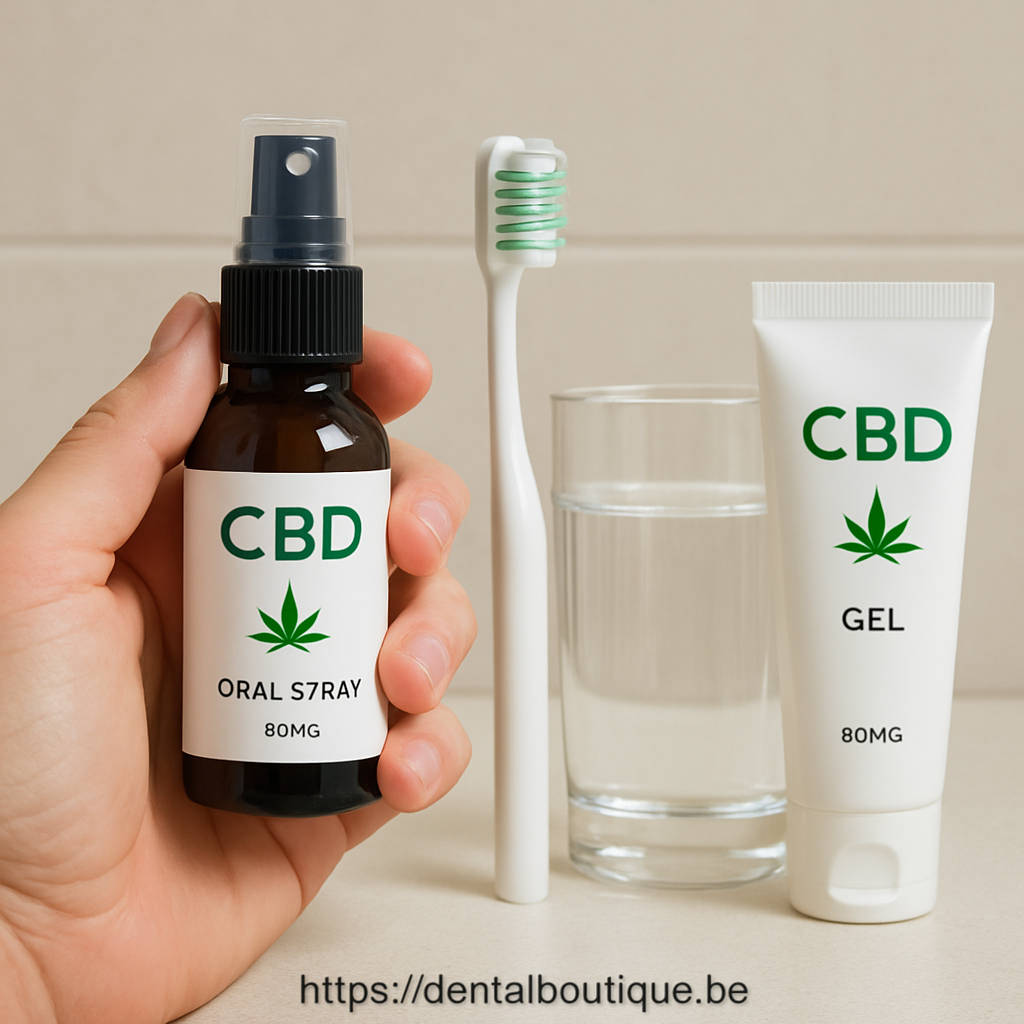
When the ache in a molar feels like a tiny drill, the first question that pops up is: which CBD format will actually calm that throb? The market is flooded with sprays, gels, mouthwashes, and toothpaste, each promising fast relief. Let’s break them down so you can pick the one that fits your routine and pain level.
Spot‑treatment vs. Full‑mouth coverage
Sprays and gels are the sniper rifles of the CBD world – you aim right at the sore spot and let the cannabinoids soak in. Toothpaste and mouthwash act more like a blanket, coating every tooth and gum. Both approaches have merit; the key is matching the product to the source of your discomfort.
For a cracked tooth that flares up only when you chew, a targeted spray or gel usually gives the quickest numbing effect. If you’re dealing with gum inflammation that radiates across the arch, a CBD‑infused toothpaste or rinse keeps the whole area soothed.
Real‑world snapshots
Take Maya, a digital nomad who’s constantly on video calls. A sudden tooth sensitivity during a meeting sent her scrambling for relief. She reached for a CBD oral spray, held it on the painful cusp for a minute, and got back to the call with a barely noticeable ache.
Then there’s Carlos, a retiree in Spain who notices a dull sting every time he drinks hot tea because his gums have receded. He dabs a pea‑sized CBD gel on the exposed root after brushing. The gel stays put, and the sting turns into a mild warmth, letting him enjoy his tea again.
And we’ve heard from travelers who keep a CBD mouthwash in their toiletry bag. Swishing after a long flight helps keep gum swelling at bay, especially when they’re stuck eating bland airline meals.
How to decide: a quick checklist
- Do you need instant, pinpoint relief? Spray or gel.
- Do you prefer a product that fits into your daily brushing routine? Toothpaste.
- Are you looking for a low‑maintenance, all‑day fresh feeling? Mouthwash.
- Are you sensitive to taste or texture? Try a spray (no chewing) or a gel (thicker, stays longer).
Comparison table
| Product Type | Typical CBD Dose per Use | Pros | Cons | Best For |
|---|---|---|---|---|
| Oral Spray | 5‑10 mg | Fast absorption, precise targeting, no mess | Requires holding spray for 30‑60 sec | Acute tooth pain, cracked teeth |
| CBD Gel | 10‑15 mg | Thicker consistency keeps CBD on site longer, good for exposed roots | May feel sticky if over‑applied | Gum recession, root exposure |
| CBD Toothpaste | 5‑8 mg per brushing | Integrates with daily routine, freshens breath | Less concentrated, takes longer to feel relief | General gum inflammation, mild sensitivity |
| CBD Mouthwash | 5‑12 mg per rinse | Coats entire mouth, easy to use on the go | Short contact time unless you avoid rinsing with water | Widespread gum irritation, post‑procedure soothing |
One thing you’ll notice across the board is the importance of third‑party lab testing. Whether you choose a spray, gel, toothpaste, or rinse, look for a Certificate of Analysis (COA) that confirms the CBD amount and the absence of contaminants.
Now, let’s talk dosage strategy. Start low – 5 mg for a spray or gel, or a pea‑sized dab of toothpaste on the painful spot. Hold it for about a minute, then gently rinse or swallow as instructed. Track your pain on a 0‑10 scale in a tiny notebook. After three days, if you’re still hovering around a 4‑5, bump the dose by 2‑3 mg. If you’re already at 0‑1, you’ve found your sweet spot.
And remember, consistency beats occasional mega‑doses. Applying a modest amount two to three times daily builds a steady anti‑inflammatory environment in the mouth, which can keep flare‑ups from spiraling.
For a deeper dive into how to pick the right spray and dosage, check out CBD for Jaw Clenching: A Practical How‑to Guide. It walks you through selecting the optimal product strength and monitoring your response, which translates well to tooth‑pain scenarios.
Bottom line: there’s no one‑size‑fits‑all CBD product for dental pain. Match the format to the source of your ache, verify purity, start low, and log your results. With that approach, you’ll turn a sharp pang into a manageable nuisance and keep your smile moving forward.
Potential Risks and Side Effects of Using CBD for Tooth Pain
We've talked about how CBD can calm a throbbing tooth, but every remedy comes with a trade‑off. So, what should you watch out for before you start spraying or rubbing CBD on a sore spot?
First off, most people experience only mild, short‑lived reactions, but even a “natural” product can surprise you. The key is to stay aware of your body’s signals and keep a simple log of any changes.
Below the video, let’s dive into the specific risks you might encounter, why they happen, and how to keep them from turning a helpful habit into a headache.
Common side effects you might notice
Most CBD users report only a handful of mild symptoms, and they usually fade within a day or two. Typical complaints include:
- Dry mouth – the classic “cotton‑mouth” feeling that can make you reach for water more often.
- Transient dizziness or light‑headedness, especially if you combine CBD with a strong painkiller.
- Mild gastrointestinal upset, like a brief nausea or stomach rumble after a higher‑dose spray.
- Temporary changes in taste, which can make a minty toothpaste feel a bit metallic.
If any of these pop up, try cutting the dose in half and see if they ease up. Most people find a sweet spot between 5 mg and 10 mg per application where the benefits outweigh the quirks.
Potential drug interactions
CBD isn’t a magic bullet, and it can play nicely or not so nicely with other meds. The biggest red flag is with blood thinners like warfarin or newer anticoagulants. CBD can inhibit enzymes that break down these drugs, potentially boosting their effect and raising bleeding risk.
Other medications that rely on the cytochrome P450 system – such as certain anti‑seizure drugs, some antibiotics, and even a few antidepressants – may see altered blood levels when you add CBD. The safest route is a quick chat with your dentist or physician before you start a regular CBD routine.
When to pause or stop using CBD
Even with a clean product, there are moments when you should hit the brakes:
- Persistent pain that lasts more than two days despite consistent CBD use. That’s a sign the underlying issue needs professional dental attention.
- Swelling, fever, or a foul taste – classic signs of infection that CBD can’t cure.
- Any severe allergic reaction: hives, itching, swelling of the lips or throat, or difficulty breathing. Stop immediately and seek medical help.
Remember, CBD is a supportive tool, not a substitute for a dentist’s expertise.
Tips to minimize risks
Here are a few practical steps that let you enjoy the soothing benefits while keeping the downside low:
- Choose a product with a third‑party Certificate of Analysis (COA) – that’s the only way to verify the CBD amount and confirm it’s free of pesticides or residual solvents.
- Start with the lowest suggested dose (5 mg) and only increase after you’ve logged your response for three days.
- Avoid mixing CBD with high‑dose NSAIDs (like ibuprofen) unless your dentist says it’s okay. The combination can increase stomach irritation.
- Stay hydrated. A glass of water after each application helps counteract dry‑mouth sensations.
- Keep a small notebook or phone note titled “CBD Tooth Pain Log.” Record the time, product type, milligram amount, and pain rating (0‑10). Patterns pop up fast when you write them down.
By treating CBD like any other oral‑care supplement – with a clear dosage plan, a safety checklist, and a habit of tracking – you’ll reduce the odds of side effects and make the most of its anti‑inflammatory punch.
So, is CBD good for tooth pain? Yes, when you respect the limits, watch for interactions, and stop if the pain signals something deeper. That balanced approach lets you turn a sharp pang into a manageable moment without adding new worries.
When to Seek Professional Dental Care vs. CBD Relief
We’ve all been there – a sudden jolt in a molar that makes you wince before you even finish your coffee. You reach for a CBD spray, feeling hopeful that the anti‑inflammatory punch will calm the ache. But at what point does that quick fix become a red flag that you need a dentist’s chair?
Know the warning signs that CBD can’t fix
If the pain is a brief, sharp pang that eases after a few minutes of a low‑dose spray, you’re probably in the sweet spot where CBD offers genuine relief. However, watch for any of these tell‑tale signs:
- Persistent throbbing that lasts more than 48 hours, even with consistent CBD use.
- Swelling, fever, or a foul taste – classic cues of infection.
- Sudden, intense sensitivity to hot or cold that feels like an electric shock.
- Bleeding gums that don’t stop after gentle rinsing.
When any of these pop up, it’s time to put the spray down and pick up the phone.
When a quick CBD fix is appropriate
Think of CBD as a temporary band‑aid for minor inflammation. It works best when you:
- Apply a targeted 5‑10 mg spray or gel directly to the painful spot.
- Hold it in place for about a minute so the cannabinoids can cross the mucosal barrier.
- Track the pain level in a simple log – 0 to 10 – for three days.
If your score drops from a 7 to a 2 after the first day, you’re likely dealing with a surface irritation rather than a deep infection.
Red flags that demand a dentist’s expertise
Dental pain isn’t just a nuisance; it’s often a signal that something deeper is brewing. According to professional dental care guidelines, severe or lingering pain can indicate cracked teeth, abscesses, or pulpitis – conditions that require a proper diagnosis, possible imaging, and targeted treatment.
Here’s a quick checklist you can run through at home:
- Does the pain linger past 48 hours despite CBD?
- Is there visible swelling or a hot spot on the gum?
- Do you feel a throbbing that intensifies when you lie down?
- Has the tooth turned black, discolored, or cracked?
If you answered “yes” to two or more, book an appointment right away.
What to expect at the dentist
A dentist will first identify the root cause – a cavity, cracked enamel, or an infection. They might take an X‑ray, perform a pulp test, or even prescribe a short course of antibiotics if bacteria are involved. Unlike CBD, which only tempers inflammation, professional treatment can remove the source of the pain and prevent long‑term damage.
In many cases, the dentist will still recommend a CBD product as part of post‑procedure care, but only after the underlying issue is addressed.
Practical steps you can take right now
1. Log your symptoms. Note the time, dosage, and pain rating. If the rating stays above 4 after 48 hours, call your dentist.
2. Stay hydrated. A glass of water after each CBD application helps combat dry mouth and supports saliva, which naturally fights bacteria.
3. Don’t combine high‑dose NSAIDs with CBD unless your dentist gives the green light – the mix can irritate your stomach.
4. Schedule an emergency visit if you notice swelling, fever, or a sudden increase in pain. Early intervention keeps the issue from escalating into an abscess that might require a root canal or extraction.
Balancing self‑care with professional help
At Stop oral care, we see many people use CBD responsibly as a bridge to the dentist, not as a substitute. The key is listening to your body: CBD can soothe the surface, but it won’t mend a cracked tooth or clear an infection.
So, when you feel that familiar throb, ask yourself: is the discomfort fading, or is it stubbornly hanging around? If it’s the latter, trust the signal and seek professional dental care. Your smile will thank you for the extra attention.
FAQ
Is CBD actually effective for tooth pain?
Short answer: yes, for many people it eases the sharp throb that comes from inflammation or exposed nerves. CBD talks to the endocannabinoid receptors in the gums and trigeminal nerve, dialing down the pain signal and reducing swelling. In our experience, a low‑dose spray or gel often brings the pain down from a 7‑8 to a 2‑3 within minutes. It’s not a cure, but a solid bridge while you arrange a dental visit.
How quickly can I expect relief after applying a CBD spray?
Most users feel a noticeable dip in discomfort within five to ten minutes. The oral mucosa absorbs the cannabinoids fast, so holding the spray on the sore spot for about a minute lets it sink in. If you don’t feel any change after 15 minutes, you might need to check your dosage or make sure the product is third‑party tested for potency. Consistency over a few days usually smooths out the lingering ache.
Can I use CBD toothpaste for a sore tooth, or is the spray better?
Both have their place. A toothpaste works great for general gum inflammation and mild sensitivity because you’re coating the whole mouth each time you brush. A spray, on the other hand, zeroes in on the exact spot that’s hurting, delivering a higher concentration right where the nerve ends are. If the pain is sharp and localized, reach for the spray first; keep the toothpaste for daily maintenance.
Are there any risks of using CBD if I’m already on prescription medication?
Yes, especially if you take blood thinners, anti‑seizure drugs, or certain antidepressants. CBD can slow down the liver enzymes that break down those meds, potentially boosting their effect. The safest move is to run your plan by a dentist or physician before you start a regular CBD routine. Stick to low doses, watch for unusual bruising or dizziness, and pause use if anything feels off.
What dosage of CBD should I start with for a toothache?
We recommend beginning with 5‑10 mg per application. That’s roughly one or two sprays from a standard 5 mg/mL bottle, or a pea‑sized dab of gel. Keep a tiny notebook or phone note: write the time, product, milligrams, and pain rating on a 0‑10 scale. After three days, if the rating hovers around 4‑5, you can nudge the dose up by 2 mg. Never jump to high numbers without tracking.
How do I know when it’s time to see a dentist instead of relying on CBD?
Watch for any of these red flags: pain lasting more than 48 hours despite consistent CBD use, swelling, fever, a foul taste, or visible cracks in the tooth. If you notice a sudden, electric‑shock feeling to hot or cold foods, that’s a classic sign of deeper pulp involvement. In those cases, CBD can only buy you a few hours of comfort – schedule an appointment right away.
Can I combine CBD with over‑the‑counter pain relievers safely?
Generally, a low‑dose ibuprofen or acetaminophen pairs fine with CBD, but avoid stacking high‑dose NSAIDs unless your dentist gives the green light. The combo can irritate the stomach and increase bleed risk if you’re on blood thinners. Start with the CBD alone, note how you feel, then add a mild OTC pill if needed. If you notice any stomach upset or heightened dizziness, back off and talk to a professional.
Conclusion
So, is CBD good for tooth pain? In a nutshell, yes—when you treat it like any other oral‑care supplement: start low, watch the response, and know when the pain is telling you it needs professional help.
We’ve seen that a 5‑10 mg spray or a pea‑sized dab of gel can dial down that sharp throb within minutes, especially if the irritation is surface‑level. The key is the simple three‑day log: jot the time, the product, the milligrams, and a 0‑10 pain rating. If the score stays above a 4 after 48 hours, it’s time to call your dentist.
Safety isn’t optional. Choose products with a third‑party Certificate of Analysis, avoid high‑dose NSAIDs unless cleared by a professional, and stay hydrated to combat dry‑mouth. Those little habits keep the CBD boost effective without unwanted side effects.
Here’s a quick checklist you can keep on your nightstand: low dose → 1‑minute hold → log → reassess. When the pain fades, you’ve got a win; when it lingers, you’ve got a clear signal to seek dental care.
What’s your next move? Grab a trusted CBD oral spray, start the log, and give your tooth the relief it needs—while keeping an eye on the red flags. If you’re unsure, a quick chat with your dental provider can put any doubts to rest.