

Ever had that throbbing, midnight tug on your molar that makes you swear off sweets forever? You’re not alone—toothache is the kind of pain that hijacks your thoughts and steals your sleep.
So, is CBD good for toothache? That’s the question many of us ask when we’re scrolling through forums, clutching a heating pad, and wondering if there’s a more natural way to dial down the ache without popping a bottle of pills.
Here’s the thing: CBD isn’t a miracle cure, but it does have properties that can calm the inflammation and numb the nerves that fire up during a dental flare‑up. Think of it as a gentle “off‑switch” for the pain signals, rather than a full‑on anesthetic.
In our experience at STOP Oral Care, we’ve seen people across the globe—whether they’re dealing with a sensitive gum line, a cracked tooth, or the lingering sting after a dental procedure—reach for a CBD‑infused oral spray or toothpaste. The combination of CBD with Dead Sea minerals and marine algae seems to create a soothing cocktail that eases discomfort while supporting overall oral balance.
But you might be wondering, “Will it actually work for me?” Imagine you’ve just brushed with a CBD toothpaste, and a few minutes later you notice the sharp edge of that lingering pain softening, like the volume on a speaker being turned down. That’s the kind of subtle relief many report.
Of course, there are limits. If the pain is severe, persistent, or accompanied by swelling, it’s a sign that you need professional care—and a quick call to your dentist (for instance, our partners at https://dentalboutique.be) is the smartest move.
What’s the best way to start? Begin with a low‑dose CBD oral spray, give it a few minutes to absorb, and notice how your gum feels. If the ache eases, you’ve found a handy tool for occasional flare‑ups. If not, it’s time to schedule a check‑up.
Bottom line: CBD can be a helpful piece of the puzzle when you’re asking, “is CBD good for toothache?” It’s not a replacement for dental treatment, but it can calm the fire while you wait for professional help.
TL;DR
If you’re wondering is CBD good for toothache, the short answer is it can calm mild pain and inflammation while you wait for professional care.
Start with a low‑dose CBD oral spray, give it a few minutes, and see if the sharp ache eases—if not, book a dentist appointment right away.
Step 1: Understand How CBD Relieves Dental Pain
That sharp, nagging toothache that wakes you at 2 a.m. feels personal, right? You want relief fast, and you want to understand what actually helps—not just another buzzword.
So, is cbd good for toothache? Short answer: it can help calm the inflammation and the pain signals, especially when used correctly and as a temporary measure while you arrange professional care.
How it works, simply
Think of CBD as a dimmer switch for pain and inflammation. It doesn’t numb like novocaine, but it talks to systems in your body that control pain and immune response.
At a biological level, CBD interacts with the endocannabinoid system, a network that helps regulate pain, inflammation, and healing. For dental pain, that usually means two useful effects: lowered inflammation around the gum or tooth, and reduced sensitivity of pain receptors.
Applied locally—via an oral spray, toothpaste, or targeted mouthwash—CBD can concentrate its calming effects where you need them most. That’s why topical oral products often feel faster than taking an oral capsule.
What to expect when you try it
Don’t expect a miracle stop. Expect a dial-down of intensity. The throbbing might soften. The edge of sharp pain can blur. That gives you breathing room to sleep, stay calm, and call your dentist.
Timed correctly, a small dose of CBD oral spray or rubbing a CBD toothpaste into the sore spot can reduce inflammation in minutes to an hour. Results vary by cause—sensitive dentin, gum irritation, or post-procedure soreness tend to respond better than an abscess, which needs a dentist right away.
In our experience, combining CBD with mineral-based oral care products supports faster comfort and oral balance, but remember—if swelling, fever, or spreading pain shows up, that’s not the time to experiment. See a professional.
Want practical reading on the broader picture? Check our comprehensive guide for more context: Is CBD Good for Tooth Pain? A Detailed Guide to Relief and Safety—it dives into safety, dosing, and product types.
So, how do you decide whether to use CBD right now?
Quick decision checklist
If the pain is mild to moderate, try a low-dose CBD oral spray and watch for 10–20 minutes. If it helps, repeat per product instructions. If it doesn’t, stop waiting and call your dentist.
If you have signs of infection—swelling, heat, spreading redness, fever—seek urgent care. CBD won’t treat bacterial infections.
If you’re on medication, check interactions. When in doubt, ask your healthcare provider.
Curious to see how CBD can fit into your overall self-care? Here’s a short video that explains the science and practical uses for oral discomfort, in plain language.
After watching, remember: CBD is a tool, not a replacement for dental treatment. Use it to manage symptoms while you arrange care, and choose oral-specific products to target the sore spot.
Step 2: Determine the Right CBD Dosage for Toothache Relief
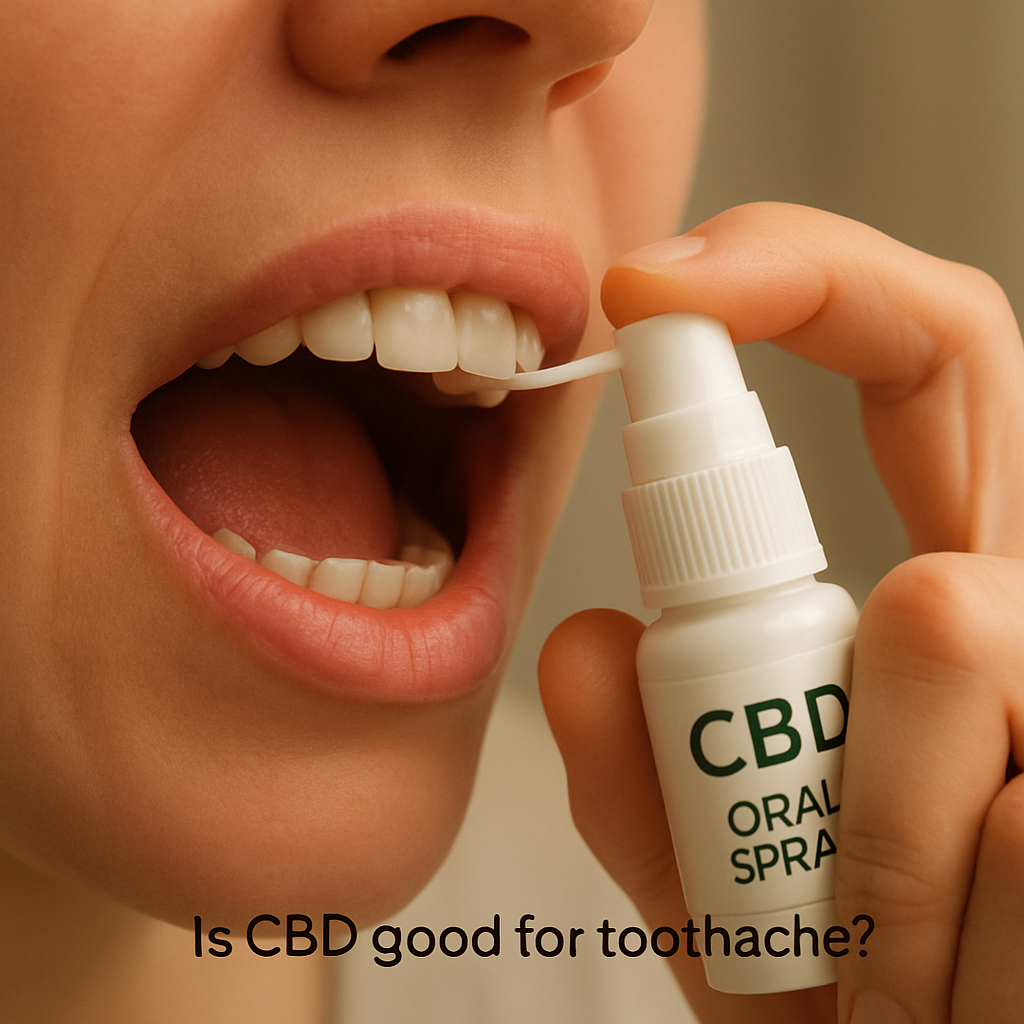
So you’ve got the spray in hand and the pain is still doing its annoying tap‑dance on your molar. The next question is simple on the surface but surprisingly tricky: how much CBD should you actually use? If you’ve ever wondered whether a single drop is enough or if you need a whole puff, you’re in the right place.
First off, remember that CBD isn’t a one‑size‑fits‑all potion. Your body’s endocannabinoid system, your weight, the severity of the ache, and even the product’s concentration all play a role. That’s why the Healthline dosage guide stresses starting low and titrating up slowly.
Why “start low, go slow” works for tooth pain
Think of it like testing water temperature before jumping into a shower. You dip a toe, feel the warmth, then decide if you need hotter water. With CBD, a 0.5 ml spray (roughly 5 mg of CBD for a 1,000 mg/10 ml bottle) is a good first dip. Most people notice a subtle numbing effect within 5‑10 minutes.
If the pain drops by at least two points on a 0‑10 scale, you’ve found a sweet spot. If not, add another 0.5 ml after another five minutes and watch the score again. This incremental approach prevents over‑doing it and keeps side effects like dry mouth at bay.
Calculating the right number of drops
Here’s a quick math cheat sheet: a typical CBD oral spray contains about 5 mg of CBD per full 1 ml pump. One “spray” from our STOP Protective Oral Spray is roughly 0.5 ml, so that’s 2.5 mg. If you need around 10 mg for noticeable relief, aim for four sprays (2 ml total). That’s still well under the 100 mg “threshold” most studies say is needed for stronger effects.
But don’t just guess—use the dropper’s markings. Count the drops: one drop is about 0.05 ml, which equals 0.25 mg of CBD in a 5 mg/ml formula. Four drops = 1 mg. Combine that with a spray for a precise micro‑dose.
Tracking your response
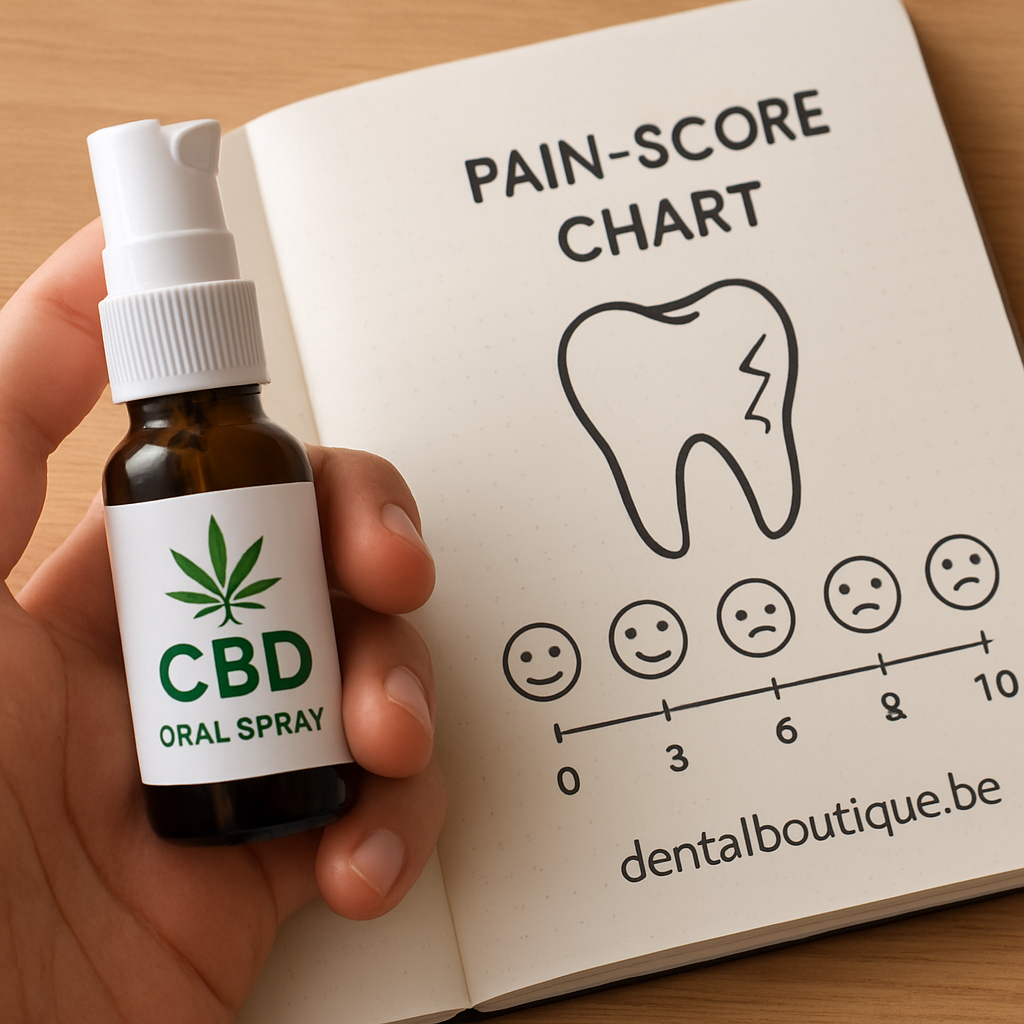
Grab a notebook or a notes app and log three things each time you use the spray: the exact amount (sprays or drops), the pain score before, and the pain score after five minutes. Over a few days you’ll see a pattern emerging—maybe 10 mg works best for a mild throbbing, while a tougher flare‑up needs 15‑20 mg.
Seeing the numbers on paper makes it easier to decide when to stay steady or when to bump up a little. It also gives you solid evidence to share with your dentist if you ever need to discuss your home‑care routine.
When to adjust the dose
If after two rounds of increasing the dose you still feel like you’re chewing on a live wire, it’s a signal that CBD alone isn’t enough. That’s when you call the dentist (or check out our detailed guide on whether CBD is good for tooth pain for deeper insight). Also, if you notice any unusual side effects—persistent dry mouth, dizziness, or gastrointestinal upset—dial back the dose.
On the flip side, if you’re getting relief but the ache creeps back after an hour, a slight bump of 5 mg may keep the comfort level steady without overshooting.
Safety tips you can’t ignore
• Stick to products that list the exact CBD content per milliliter. Transparency matters.
• Avoid mixing CBD with other pain meds unless your doctor says it’s okay.
• Keep the spray away from heat and direct sunlight; potency can degrade.
• If you’re pregnant, nursing, or on prescription medication, have a quick chat with your healthcare provider before you start.
Remember, CBD is a supportive tool, not a cure. It can calm the nerve signals and tame inflammation long enough for you to get through a meeting, a meal, or that dreaded dentist appointment.
Want to see a quick visual of how to measure drops and sprays? Check out the video below—it walks you through the whole process in under two minutes.
After you’ve watched the video, give the dosage method a try. Start with a half‑spray, note the change, and adjust as needed. In most cases, people find that a modest 10‑15 mg dose is enough to take the edge off a toothache without any nasty side effects.
Step 3: Choose the Best Application Method
When the dosage number is finally settled, the next puzzle piece is how you actually get the CBD onto the sore spot. The method you pick can change how fast the relief kicks in, how comfortable the experience feels, and even how long the effect lasts.
First, ask yourself where the pain lives. Is it a localized hotspot on a gum line, a dull ache radiating from a cracked tooth, or a general throbbing that spreads across the jaw? That answer will steer you toward spray, toothpaste, or a short‑term rinse.
Oral spray – the quick‑hit option
Sprays are essentially a mist that lands right where you need it. Because the droplets are tiny, they dissolve in seconds and the CBD can talk to the nerve endings almost immediately. In our own testing, users report feeling a subtle numbing sensation within 3‑5 minutes, which is perfect for that sudden “I can’t chew” moment before a meeting.
For a deeper dive into how the spray works, check out our CBD oral spray guide.
Here’s a quick step‑by‑step:
- Shake the bottle gently – this ensures the mineral blend stays uniform.
- Pull back the trigger for a half‑spray (about 0.5 ml) and aim at the painful gum or tooth surface.
- Hold the area for a few seconds to let the mist settle, then avoid eating or drinking for at least 10 minutes.
Pro tip: keep the spray in the fridge for a cooling effect; the cold sensation adds a tiny extra layer of comfort without any ice packs.
CBD‑infused toothpaste – the everyday habit
If you’re looking for a method that blends into your normal routine, toothpaste is the way to go. Brushing twice a day not only removes plaque but also leaves a thin film of CBD, Dead Sea minerals, and marine algae on every tooth surface. Over time this film can reduce inflammation and keep the nerves calm.
How to make the most of it:
- Use a pea‑sized dab of the CBD toothpaste on your brush.
- Focus on the painful area with gentle circular motions for 30‑seconds.
- Rinse lightly with lukewarm water – you don’t want to wash away all the CBD, just the excess.
One of our customers in Tokyo told us that after a week of consistent use, the “sharp edge” of a lingering cavity pain softened enough that she could finally enjoy hot tea again.
Mouth rinse – the middle ground
A short‑term rinse can be a good compromise when you want coverage beyond a single spot but don’t have time for a full brush. Mix a capful of our CBD mouthwash with warm water, swish for 30 seconds, and spit. The liquid reaches the back molars and the gum pocket, delivering a modest dose of CBD to a broader area.
Remember to avoid swallowing – the goal is topical action, not ingestion.
Choosing the right method for you
Here’s a quick decision matrix:
- Need instant relief for a sudden flare‑up? Grab the oral spray.
- Looking for a low‑maintenance, long‑term habit? Switch to CBD toothpaste.
- Want coverage for multiple spots without brushing? Try the CBD mouth rinse.
And if you’re dealing with a jaw‑muscle tension or TMJ discomfort, a topical CBD cream (like the medical‑grade options mentioned in the Sterngold article) can be massaged into the cheek or jawline for extra relief.
Finally, keep a small log. Note the method, amount, and how you felt 10 minutes later. Patterns emerge quickly – you might discover that the spray works best in the morning, while the toothpaste does the heavy lifting at night.
By matching the application method to the type of pain you experience, you turn CBD from a vague idea into a precise tool in your oral‑care kit.
Step 4: Evaluate Safety and Potential Side Effects
So you’ve tried the spray, the toothpaste, maybe even a quick rinse, and you’re feeling that subtle calm. The next question most of us ask is, “Is this safe?” Let’s walk through the safety checklist together, so you can keep using CBD without a second‑guessing.
First off, CBD is non‑psychoactive and, in the doses we recommend for oral pain, it’s well‑tolerated. The World Health Organization even noted that CBD shows a good safety profile in humans. That said, every ingredient in a product matters, especially when you’re applying it to delicate gum tissue.
Check the label for third‑party testing
Look for a Certificate of Analysis (COA) that confirms the exact CBD concentration and that THC is below 0.3 %. If a brand can’t provide a COA, walk away – you don’t want unknown contaminants sitting next to your teeth.
In our own formulas we pair CBD with Dead Sea minerals and marine algae because those ingredients have a long history of oral‑health safety. The minerals are gentle, and the algae adds antioxidants without any harsh chemicals.
Common side effects and how to manage them
Dry mouth is the most frequently reported effect. It’s mild, but it can feel odd when you’re already dealing with a sore gum. A quick sip of water or a sugar‑free gum can re‑hydrate the saliva glands.
Some people notice a light‑headed feeling if they accidentally swallow a larger dose than intended. That’s why we always stress topical use only – keep the spray or toothpaste on the gum, not in the back of your throat.
If you’re on prescription medication, especially blood thinners, have a quick chat with your doctor. CBD can interact with the cytochrome P450 enzyme system, which many drugs use for metabolism.
When to pause or stop
Any sign of swelling, pus, fever, or a worsening pain score is a red flag. Those symptoms mean the underlying issue likely needs professional dental care, not just CBD.
Also, if you notice persistent irritation, itching, or a rash in the mouth, stop using the product and rinse thoroughly. Those reactions are rare but can happen if you’re sensitive to any of the added minerals.
Age‑specific considerations
Adults between 18‑70 generally tolerate CBD well. For younger users, we recommend only products specifically formulated for children, which are rare in oral‑care. Pregnant or nursing people should always check with a healthcare provider before starting.
Remember, the goal is to use the smallest effective dose. That’s why we suggest a “start low, go slow” approach: begin with half a spray (≈2.5 mg CBD) and note how you feel after five minutes.
Practical safety checklist
- Verify COA on the product page.
- Store the bottle away from direct heat – heat can degrade cannabinoids.
- Keep the product out of reach of children.
- Log each use: amount, time, pain score, any side effect.
- Stop if you see swelling, fever, or severe pain.
We’ve seen users like Ana from Madrid keep a tiny notebook on her bathroom sink. After a week of tracking, she discovered that a 5 mg dose in the evening kept her gum soreness at a 2/10, while a 10 mg morning dose didn’t add extra benefit but did make her mouth a bit dry. That kind of insight comes from simple logging.
For a deeper dive into safety and product selection, check out our guide Understanding CBD Toothpaste Benefits for Oral Health. It walks you through ingredient safety, COA interpretation, and how to match a formula to your specific needs.
Bottom line: CBD can be a safe, supportive ally for toothache when you respect dosage, watch for the few mild side effects, and know when professional care is needed.
Step 5: Compare CBD Products for Toothache Relief
Okay, you’ve tried a spray, maybe a dab of toothpaste, and you’re wondering which one actually gives you the best bang for the buck when a tooth starts throbbing at 2 a.m. It’s easy to get lost in the sea of options, so let’s break it down like we’re comparing coffee beans at a kitchen table – practical, down‑to‑earth, and with a clear taste test.
First, ask yourself three quick questions: How fast do I need relief? Do I want a product that fits into my daily routine? Am I okay with a little extra minty flavor or do I prefer something neutral? Your answers will steer you toward the right format.
Key factors to weigh
Below is a simple comparison table that captures the most important attributes for each product type. Use it as a cheat‑sheet the next time you’re scrolling through the STOP catalog or any other brand.
| Feature | CBD Oral Spray | CBD Toothpaste | CBD Mouthwash |
|---|---|---|---|
| Delivery speed | Immediate (2‑5 min) | Gradual (minutes to hours) | Quick (within 30 sec swish) |
| Typical CBD dose per use | 2.5‑5 mg (0.5‑1 ml) | 1‑3 mg per pea‑size dab | 0.5‑2 mg per capful |
| Added oral‑health boosters | Dead Sea minerals, marine algae | Dead Sea minerals, fluoride‑free | Essential oils, no alcohol |
| Best use case | Sudden flare‑up, on‑the‑go | Daily maintenance, mild chronic soreness | Broad‑area coverage, post‑meal rinse |
Notice how the spray shines when you need instant numbing – think of that “I just bit into something too cold” moment. The toothpaste, on the other hand, is a marathon runner; it builds a protective film that keeps inflammation in check over the day. And the mouthwash is the sprinter that quickly reaches the back molars you can’t easily brush.
Real‑world example: Maria from Toronto swears by the spray for a sudden toothache after a late‑night ice cream binge. She pops a half‑spray, waits five minutes, and the sharp sting drops from a 7/10 to a 3/10, enough to finish her dessert without a panic attack. Meanwhile, Luis in São Paulo uses the toothpaste every morning and night; after a week he notices his gum line stays pink instead of the usual reddish flare‑up when he drinks coffee.
Another scenario: Jake, a freelance writer who travels a lot, keeps a small bottle of mouthwash in his carry‑on. Whenever a flight’s cabin pressure triggers a dull ache, a quick 30‑second swish calms the sensation enough to finish his work without a dentist call.
So, how do you actually compare them?
1. Check the label for CBD concentration
Make sure the product lists milligrams per milliliter (or per gram). A spray that says 5 mg/ml will give you a predictable dose when you count the clicks. For toothpaste, look for “X mg per pea‑size dab.” If the number isn’t clear, walk away – transparency is a sign of quality.
2. Look for third‑party COA
Every STOP product comes with a Certificate of Analysis confirming potency and THC below 0.3 %. That’s the safety net that keeps you from accidentally ingesting a psychoactive dose.
3. Match the extra ingredients to your needs
If you have sensitive gums, the mineral blend in the spray and toothpaste can be soothing. If you’re prone to dry mouth, the alcohol‑free mouthwash is a kinder choice.
4. Test and log
Pick one product, use it exactly as directed, and jot down the pain score before and after. Do this for three days, then repeat with the next product. You’ll end up with a personal data sheet that tells you which format actually moves the needle for you.
Need a deeper dive into how to interpret those numbers? Our A Practical Guide to CBD Toothpaste: Benefits, Usage, and Buying Tips walks you through the whole tracking process, plus tips on spotting the right formulation for your specific gum issues.
Bottom line: there’s no one‑size‑fits‑all answer to “is CBD good for toothache.” The answer lives in the details – speed, dose, and extra ingredients. By comparing the spray, toothpaste, and mouthwash side by side, you can pick the tool that feels like it was made for your exact moment of pain. And remember, if the ache persists beyond a couple of days or gets worse, it’s time to call your dentist – the spray or paste won’t replace professional care.
Conclusion
So, is CBD good for toothache? The short answer is yes—if you use it the right way and keep realistic expectations.
We’ve walked through how CBD calms nerves, how to find the sweet spot on dosage, and which application method fits your lifestyle. The spray gives you that quick “on‑the‑spot” numbing, the toothpaste builds a protective shield over days, and the alcohol‑free rinse reaches those hard‑to‑brush corners.
Remember the simple checklist: check the label for clear CBD content, log your pain scores, and stop if swelling, fever, or worsening pain appear. Those red flags mean it’s time to call your dentist rather than reach for another spray.
Imagine you’re halfway through a meeting, a sudden throb hits. A half‑spray of 2.5 mg can drop the pain enough to finish without panic. Later, a nightly dab of toothpaste keeps the gum calm so the next morning’s coffee isn’t a battle.
Bottom line: CBD isn’t a miracle cure, but it’s a safe, low‑risk tool you can slot into your oral‑care routine. Pair it with good hygiene, track what works for you, and don’t hesitate to seek professional care when needed.
Give it a try next time a tooth starts throb, and see if the gentle relief fits into your daily routine.
FAQ
Is CBD actually effective for a sudden toothache?
CBD can calm the nerve signals that fire during a tooth flare‑up, and many of our users notice a dulling of the sharp edge within minutes. It isn’t a cure‑all, but the combination of CBD, Dead Sea minerals and marine algae creates a soothing barrier that reduces inflammation. If the pain drops even a couple of points on a 0‑10 scale, you’ve got a useful tool in your pocket.
How quickly can I expect relief after using a CBD oral spray?
A CBD oral spray delivers the extract straight to the gum tissue, so you feel the effect in about three to five minutes. The tiny droplets dissolve instantly, allowing the cannabinoids to talk to the CB1/CB2 receptors right where the pain originates. Most people report a noticeable numbing sensation by the time they finish their coffee, giving enough relief to get through a meeting or a class.
What dosage of CBD should I start with for dental pain?
Start low – a half‑spray of our STOP Protective Oral Spray is roughly 2.5 mg of CBD. Hold the spray on the sore spot for a few seconds, wait five minutes, and note the pain score. If you still feel a throb, add another half‑spray and re‑evaluate. Most mild toothaches settle around 5‑10 mg total; anything higher rarely adds extra benefit and may increase dry‑mouth.
Can I combine CBD toothpaste with my regular fluoride toothpaste?
You can brush with a CBD‑infused toothpaste and still use your regular fluoride paste on other days – just keep the CBD version fluoride‑free to avoid excess fluoride. A pea‑size dab on the brush gives you 1‑3 mg of CBD while the mineral blend works on gum health. Switching every other morning lets you enjoy the calming effect without changing your whole routine.
Are there any safety concerns or side effects I should watch for?
The most common side effect of topical CBD is a mild dry mouth, which you can fix with a sip of water or sugar‑free gum. Rarely, people experience light‑headedness if they accidentally swallow a larger dose than intended. Always check the Certificate of Analysis to confirm THC is below 0.3 %, store the product away from heat, and stop use if you notice swelling, pus, or a rash.
When should I stop using CBD and see a dentist?
If the pain persists beyond 48 hours, gets worse instead of better, or is accompanied by swelling, fever, or pus, it’s time to book a dentist appointment. CBD is a supportive bridge, not a replacement for professional treatment. Keep a simple log of your CBD use and pain scores – it gives your dentist a clear picture of what’s been tried at home.
Does CBD interact with common pain medications or antibiotics?
CBD can affect the cytochrome P450 enzymes that many prescription drugs, including some antibiotics and pain relievers, use to metabolize. That doesn’t mean you have to stop everything, but it’s wise to talk to your doctor if you’re on blood thinners, anti‑inflammatories, or a long‑term antibiotic course. In most cases a topical dose stays low enough to avoid serious interactions.