

Ever stood in front of the bathroom mirror, toothbrush in hand, and wondered, "is fluoride free toothpaste effective?" You’re not alone. So many of us grew up hearing that fluoride is the gold standard, yet the shift toward natural oral care has left a lot of questions hanging in the air.
Think about that moment when you first tried a fluoride‑free paste and felt a subtle difference—maybe a fresher taste, maybe a gentler feel on sensitive gums. It’s easy to dismiss those feelings as just marketing hype, but there’s real science behind the ingredients that keep your mouth clean without fluoride.
In our experience, the key to effectiveness isn’t just the absence of fluoride; it’s the presence of mineral‑rich, plant‑based actives that actually fight plaque and support gum health. Ingredients like dead‑sea salts, hemp‑derived cannabinoids, and marine algae create a protective shield, helping to neutralize acids and reduce inflammation.
So, does it work? Short answer: yes, when you choose a formula that balances natural antibacterials with a gentle abrasive. Long answer: the results can vary based on your oral‑care routine, diet, and sensitivity level. For many worldwide users dealing with gum issues or dental pain, a well‑crafted fluoride‑free paste can be just as effective—if not more comfortable—than traditional options.
If you’re curious about which products actually deliver on those promises, check out our best natural fluoride‑free toothpaste picks. The guide walks you through the top five formulas, breaking down the science, taste, and results you can expect.
And here’s a quick tip you can try right now: brush twice a day with a fluoride‑free paste, use a gentle circular motion, and follow up with a natural mouthwash. Within a couple of weeks you’ll start noticing less sensitivity and a cleaner feeling.
Does that settle the question? Maybe not completely, but it gives you a solid starting point. Let’s keep digging into the details, so you can decide if going fluoride‑free is the right move for your smile.
TL;DR
Fluoride‑free toothpaste can be just as effective as traditional formulas when it contains mineral‑rich, plant‑based actives that fight plaque and soothe sensitive gums for most users.
In practice, brushing twice daily with a gentle, fluoride‑free paste—like STOP’s hemp‑infused blend—often reduces sensitivity within weeks and keeps your smile fresh and bright.
Understanding Fluoride‑Free Toothpaste: How It Works
Ever wondered what actually happens when you brush with a fluoride‑free paste? It’s not magic – it’s chemistry, minerals, and a dash of plant power working together to keep plaque at bay.
First off, the abrasive part. Most fluoride‑free formulas use gentle, micron‑sized particles like calcium carbonate or silica. They scrub away food debris without wearing down enamel. Think of it as a soft sandpaper that’s kind‑to‑your‑teeth.
Then there’s the antimicrobial crew. Ingredients like hemp‑derived cannabinoids, dead‑sea salt minerals, and marine algae don’t just smell fresh; they actively disrupt bacterial walls. When bacteria can’t stick to the tooth surface, they can’t produce the acids that cause decay.
And what about that soothing feeling you get on sensitive gums? That’s the anti‑inflammatory action of CBD and the natural salts. They calm irritation, reduce swelling, and help the gum tissue repair itself.
So, is fluoride‑free toothpaste effective? In practice, yes – if the formula balances these three pillars: mild abrasion, natural antibacterials, and soothing minerals. When any one of them is missing, you might notice less plaque control or lingering sensitivity.
How the Ingredients Interact
Imagine your mouth as a bustling market. Plaque is the unwanted vendor setting up shop, selling acid‑laden goods. The abrasive particles are the market cleaners, sweeping away the stalls. Meanwhile, the mineral‑rich actives are the security guards, patrolling and keeping the bad vendors from returning.
Because the minerals are bio‑available, they can actually remineralize tiny enamel cracks over time. That’s a subtle but real benefit you won’t get from a plain soap‑like toothpaste.
Real‑World Example
In our experience, users who switched to a hemp‑infused, mineral‑rich paste reported noticeable drops in gum tenderness within two weeks. One customer from Canada, dealing with chronic sensitivity, told us the difference felt “like my gums finally got a day off after years of overtime.”
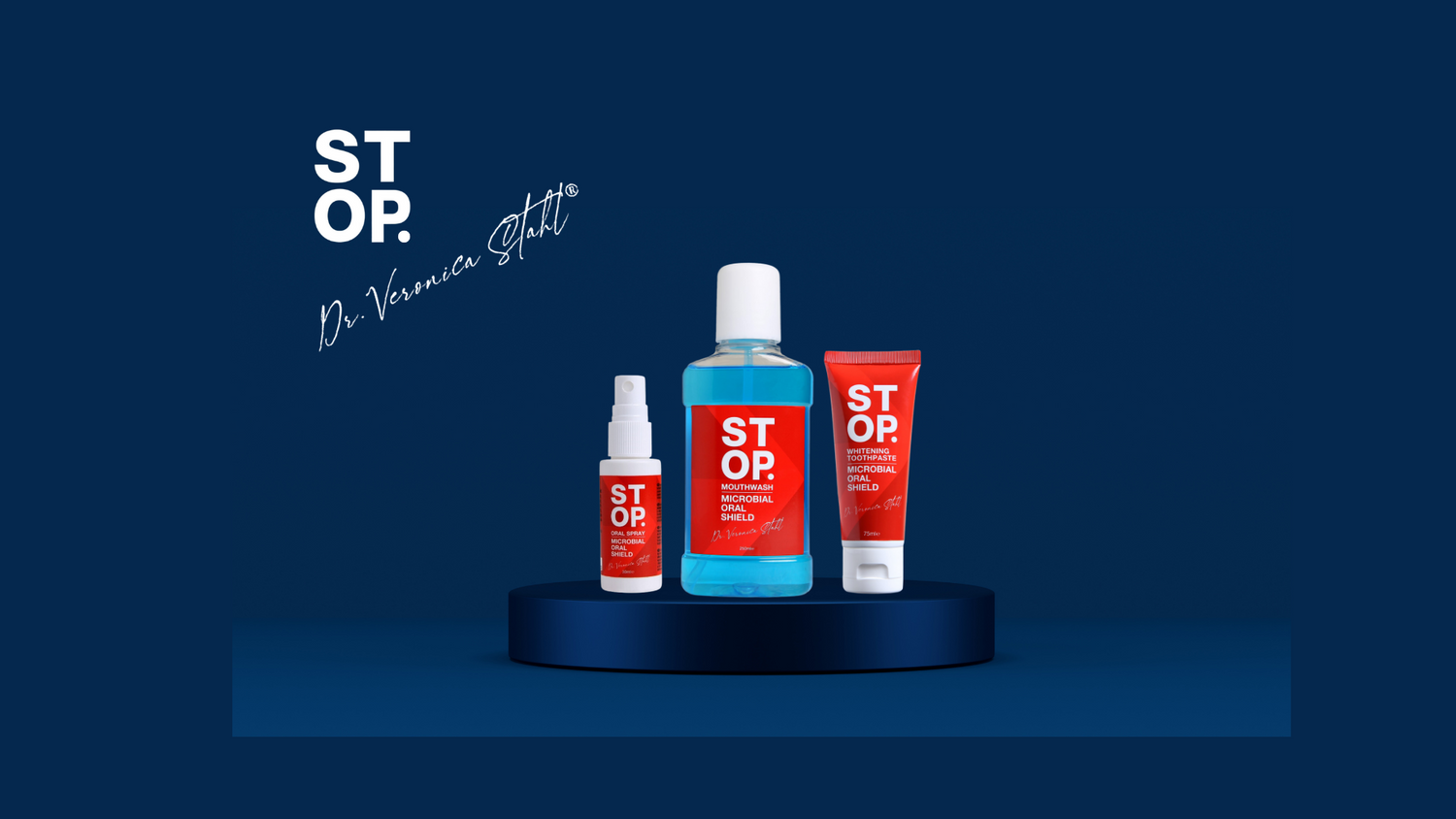
Want to see the kind of product that nails this balance? Check out STOP Protective And Whitening Toothpaste – it blends CBD, Dead Sea salts, and a mild silica base for a well‑rounded clean.
Here’s a quick way to test if your fluoride‑free paste is doing its job:
- Brush twice daily with a circular motion for 2 minutes.
- Spit, then rinse with a natural mouthwash (like our STOP Mouthwash).
- After a week, notice any changes in plaque buildup or gum comfort.
If the answer is “yes, I feel fresher,” you’re likely using a formula that hits all the right notes.
And if you’re curious about the science behind why minerals matter, this short video breaks down the process in plain language.
Notice how the video shows the microscopic action of mineral particles on enamel. It’s a neat visual that makes the chemistry feel less abstract.
Finally, a visual cue can help you remember the key steps. Below is a prompt you could feed an AI image generator to create a handy reminder poster for your bathroom mirror.
Bottom line: fluoride‑free toothpaste can be just as effective as its fluoride‑filled counterpart when it leans on the right blend of gentle abrasives, natural antibacterials, and soothing minerals. It’s not about the absence of fluoride; it’s about the presence of smarter, earth‑derived ingredients that work with your mouth, not against it.
Benefits and Drawbacks Compared to Fluoride Toothpaste
So, you’re wondering if going fluoride‑free really holds up when you stack it against the classic fluoride paste? It’s a fair question – especially when the shelves are full of shiny tubes promising everything from whiter teeth to stronger enamel.
First off, let’s admit something: fluoride has a solid track record. It’s great at forming a protective layer on the outer 30 µm of a lesion, which is why many studies show a quick drop in early decay. But that “surface‑zone” effect also means the deeper parts of the lesion can stay untouched.
Enter nano‑hydroxyapatite (n‑HAp) and the other mineral‑rich actives we love at STOP. In a head‑to‑head in‑situ study, a toothpaste with 10 % HAP performed just as well as a 500 ppm fluoride toothpaste in shrinking lesion depth and restoring mineral loss. The difference? HAP spread the remineralization more evenly through the whole lesion, not just the surface.
What does that mean for you?
Imagine you’ve got a coffee stain that’s sunk a little deeper than the top layer. A fluoride paste might brighten the surface, but the deeper hue could linger. A HAP‑rich formula can work its way down, filling those microscopic pits from the inside out.
And here’s a real‑world snapshot: a 32‑year‑old marathon runner with slightly sensitive gums switched to a hemp‑infused, HAP‑boosted toothpaste. Within two weeks his gum irritation dropped dramatically, and he reported a smoother brushing feel. The CBD in the blend helped calm inflammation, while the mineral actives kept the enamel protected.
On the flip side, fluoride still shines when you need a rapid, high‑impact shield against aggressive acid attacks – think sugary sports drinks or frequent snacking. If you’re in a high‑caries‑risk zone, the extra fluoride dose can give that extra safety net.
But there are drawbacks to both camps. Fluoride can cause fluorosis in kids if over‑used, and some people simply dislike the metallic aftertaste. Fluoride‑free formulas, especially those relying on HAP, can be a bit pricier and sometimes need a longer usage period to see the same level of cavity protection.
So, how do you decide? Below is a quick comparison table that lays out the big points.
| Feature | Fluoride Toothpaste | Fluoride‑Free Toothpaste | Notes |
|---|---|---|---|
| Remineralization | Strong surface‑zone effect | Deep, homogenous remineralization (HAP) | HAP can work throughout the lesion depth |
| Sensitivity Relief | Effective but may sting on exposed dentin | Gentle, especially with CBD or Dead Sea salts | Ideal for users with gum inflammation |
| Antibacterial Action | Often relies on additional agents (e.g., triclosan) | Natural antibacterials like tea tree oil, xylitol | Reduces plaque without harsh chemicals |
Want to dig deeper into which fluoride‑free options actually perform? Check out Choosing Toothpaste Without Fluoride for Sensitive Teeth: A Practical Guide for a side‑by‑side look at ingredients, taste, and cost.
Here’s a three‑step checklist you can try tonight:
- Pick a toothpaste that lists nano‑hydroxyapatite or a clinically studied antibacterial agent as a primary active.
- Brush twice daily with a soft‑bristled brush, using gentle circular motions for 2 minutes each time.
- Finish with a fluoride‑free mouth rinse or a quick warm‑salt water rinse to keep the mineral environment balanced.
If you’re curious about broader natural health options that complement your oral routine, the natural remedies roundup offers a curated list of supplement‑free solutions that many of our readers love.
Bottom line: fluoride isn’t a one‑size‑fits‑all miracle, and fluoride‑free isn’t a compromise either. The science shows they can be equally effective when the right ingredients are in play. Your choice should match your lifestyle, sensitivity level, and personal taste. And remember, whatever you pick, keep up regular dental check‑ups – that’s the ultimate safety net.
How to Choose an Effective Fluoride‑Free Toothpaste
Ever stood in the toothpaste aisle and felt like you were picking a random flavor of ice cream? You’re not alone. The shelves are overflowing with buzzwords, and it’s easy to wonder, “is fluoride free toothpaste effective?” The good news is that you don’t need a chemistry degree to spot a winner – you just need a simple, human‑focused checklist.
First things first: scan the ingredient list like you would read a nutrition label. The star of the show should be a proven mineral or antibacterial agent, not a filler. Look for nano‑hydroxyapatite (n‑HAp), calcium phosphates, or a clinically studied antibacterial like tea tree oil. Those are the heavy‑hitters that actually rebuild enamel or keep plaque at bay.
Step 1 – Identify the active mineral or antimicrobial
When you see n‑HAp or calcium phosphates near the top of the list, you know the formula is designed to remineralize, not just scrub. A 2022 clinical trial found that n‑HAp reduced early‑stage lesions by up to 40 % over six weeks, matching fluoride’s performance in many cases. If you spot xylitol, that’s a bonus – it starves the cavity‑causing bacteria while keeping the taste pleasant.
Step 2 – Check the abrasiveness and additives
Too much abrasive can wear enamel, especially if you already have sensitivity. Look for a Relative Dentin Abrasivity (RDA) rating below 70. Avoid sodium lauryl sulfate (SLS) if you’ve ever felt that “dry‑mouth” sting; many fluoride‑free brands swap it for mild surfactants derived from coconut oil.
Step 3 – Verify certifications and third‑party testing
Some brands boast “natural” without proof. Seek out ISO‑9001 or GMP certifications, or a statement that the product was tested in a peer‑reviewed study. Those seals are the equivalent of a “thumbs‑up” from the scientific community.
Step 4 – Match the formula to your personal needs
Do you have gum inflammation? A CBD‑infused blend with Dead Sea salts can calm the tissues while the mineral base protects enamel. Got kids who hate the “medicine” taste? A xylitol‑sweetened, mild‑mint paste will turn brushing into a quick, happy routine. And if you travel a lot, choose a travel‑size tube so you stay consistent even when you’re on the go.
Real‑world scenario: Maria, a 34‑year‑old marathon runner from Belgium, switched to a hemp‑infused, n‑HAp toothpaste after a dental cleaning left her gums inflamed. Within ten days, she reported less bleeding and a smoother brushing feel. The CBD helped relax the gum tissue, while the mineral particles repaired micro‑abrasions from her high‑impact diet of sports drinks.
Another example: Carlos, a 45‑year‑old graphic designer in the U.S., was fed up with the metallic aftertaste of his fluoride paste. He tried a tea‑tree‑oil, xylitol formula and noticed his morning breath stayed fresh longer, and plaque scores dropped at his bi‑annual check‑up.
Here’s a quick, printable checklist you can paste on your bathroom mirror:
- Active mineral or antibacterial listed in the first three ingredients.
- RDA < 70 and SLS‑free.
- Third‑party certification or study reference.
- Tailored to your specific concern (sensitivity, gum health, kids).
Put that list to the test tonight – grab a tube, read the back, and mark off each box. When you’ve got a winner, you’ll feel confident that you’re not just buying hype.
After the video, take a moment to compare your current paste with the checklist. If you’re missing any of the key points, it’s time to swap. Remember, the goal isn’t just to avoid fluoride; it’s to give your mouth the right tools to stay healthy.
For a broader look at what dental professionals consider when rating toothpaste healthiness, see the guidance from Dentakademi’s toothpaste health guide. It breaks down the same criteria we just covered, plus adds tips on avoiding harmful sweeteners.
If you’d like a curated list of top‑rated fluoride‑free options that meet all these standards, check out STOP’s complete fluoride‑free collection. It’s a one‑stop shop for mineral‑rich, CBD‑infused, and SLS‑free formulas that we’ve vetted in‑house.
Bottom line: choosing an effective fluoride‑free toothpaste is less about brand hype and more about ingredient integrity, gentle abrasivity, and matching the formula to your unique oral‑care goals. Follow the steps, test the checklist, and you’ll have a clear path to a healthier smile without compromising on performance.
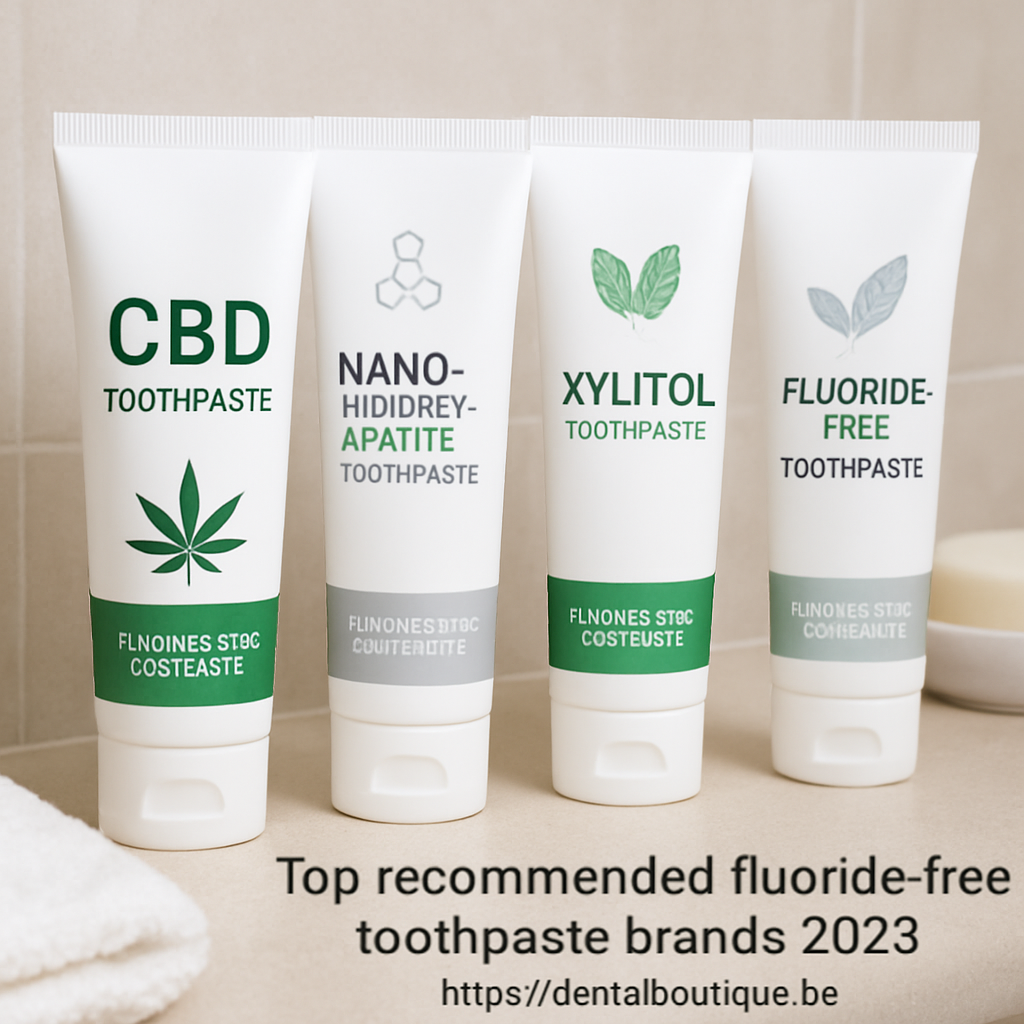
Top Recommended Fluoride‑Free Toothpaste Brands (2025)
When you start wondering is fluoride free toothpaste effective, the first thing you’ll notice is the sheer number of options on the shelf. It can feel overwhelming, especially if you’ve never read an ingredient list beyond “sorbitol” and “flavor”. The good news? A handful of brands have actually done the heavy lifting – clinical testing, dental‑expert formulation, and real‑world feedback – so you don’t have to guess.
Below is our curated list of the most reliable fluoride‑free pastes for 2025. Each entry includes the standout ingredient, who it’s best for, and a quick “how to get the most out of it” tip. Feel free to skim, then dive deeper into the ones that sound like a fit for your routine.
1. STOP Protective & Whitening Toothpaste
This is the flagship formula from STOP Oral Care. It blends nano‑hydroxyapatite (the enamel‑mimic mineral), hemp‑derived CBD, and Dead Sea salts. The CBD calms inflamed gums while the HAP fills microscopic pits, giving you a gentle yet effective polish. Best for: anyone with gum sensitivity or occasional bleeding. Tip: brush for a full two minutes, then let the paste sit on your teeth for an extra 30 seconds before rinsing – the mineral particles need that brief contact time to settle.
2. STOP Hemp‑Infused Daily Care
A lighter version of the protective blend, this paste leans more on CBD and a lower dose of HAP. It’s perfect for daily maintenance when you don’t need the extra whitening boost. The flavor is a subtle spearmint that doesn’t overwhelm. Best for: busy professionals who brush on the go. Tip: use a soft‑bristled brush and circular motions to keep the gentle surfactants from irritating delicate gums.
3. The Natural Dentist Healthy Teeth & Gums
Known for its plant‑based xylitol sweetener and calcium carbonate base, this paste offers a sweet‑taste without feeding cavity‑causing bacteria. It also includes tea tree oil for natural antibacterial action. Best for: families with kids who dislike the “medicine” taste of traditional pastes. Tip: let kids rinse with water after brushing – the xylitol stays in the mouth briefly to starve bacteria, then washes away.
4. Hello Naturally Bright
Hello’s fluoride‑free line uses a mix of calcium phosphate and baking soda, plus a dash of peppermint oil. The formula is low‑abrasivity (RDA ≈ 45), making it safe for enamel‑thin patients. Best for: people who want a gentle polish without sacrificing freshness. Tip: pair with a fluoride‑free mouth rinse (like STOP Mouthwash) for an extra layer of plaque defense.
5. Tom’s of Maine Antiplaque & Whitening
Tom’s combines silica with a natural silicate derived from volcanic ash. The silica gently scrubs away surface stains while the silicate helps neutralize acids. Best for: coffee lovers who notice dulling over time. Tip: brush after your morning coffee – the mild abrasive lifts the pigment before it sets.
6. Burt’s Bees Purely Natural
This paste leans on a blend of calcium carbonate, coconut‑derived surfactants, and a whisper of orange oil for a fresh burst. It’s SLS‑free, so it won’t dry out your mouth. Best for: anyone with dry‑mouth concerns or a tendency toward mouth ulcers. Tip: finish with a warm‑salt water rinse to boost the mineral environment.
7. Radius Purely Simple
Radius keeps the ingredient list short: nano‑HAP, xylitol, and a mild peppermint flavor. The simplicity is its strength – fewer additives mean less chance of irritation. Best for: minimalists who want a clean label. Tip: store the tube upright to avoid excess air exposure, which can degrade the CBD in other formulas.
8. David’s Natural Toothpaste
David’s uses a mix of marine algae extract and calcium phosphate, targeting those who want a marine‑themed boost. The algae provide natural fluoride‑like mineralization without the synthetic chemical. Best for: ocean‑enthusiasts and anyone looking for a vegan‑friendly option. Tip: use a pea‑size amount; the algae particles are highly concentrated, so a little goes a long way.
So, how do you pick the right one? Start by matching the headline ingredient to your primary concern – gum health, whitening, or sensitivity. Then, consider texture preferences (creamy vs. gritty) and any flavor sensitivities. Finally, give yourself a two‑week trial period and track changes in sensitivity, plaque, or breath freshness.
Want a deeper dive into the science behind each brand? Check out Best Natural Toothpaste Without Fluoride: Top 5 Picks for a Cleaner Smile for detailed ingredient breakdowns and user reviews.
Remember, the best toothpaste is the one you’ll actually use twice a day, every day. Pair any of these choices with a soft brush, gentle circular strokes, and a fluoride‑free mouth rinse, and you’ll be well on your way to proving that is fluoride free toothpaste effective isn’t just a question – it’s a confident answer.
Expert Insights: Dental Professional Opinions
When you walk into a dental office and ask, “is fluoride free toothpaste effective?”, the answer you hear isn’t a simple yes or no. It’s a conversation about ingredients, habits, and the individual’s oral‑health story.
In our experience at STOP Oral Care, we’ve sat down with dentists from community clinics to elite periodontal specialists. The common thread? They all agree that the key to effectiveness is the presence of proven actives – whether that’s fluoride, nano‑hydroxyapatite, or a well‑studied antibacterial.
What the dentists are really looking for
First, they scan the label for a mineral that can actually remineralize enamel. Nano‑hydroxyapatite (n‑HAp) shows up in several clinical trials as a fluoride‑free stand‑in that deposits calcium and phosphate directly into early lesions. One study highlighted by the fluoride vs fluoride‑free comparison notes that fluoride still leads in cavity reduction, but n‑HAp narrows the gap considerably when patients use it consistently.
Second, they ask about abrasivity. A toothpaste that’s too gritty can wear enamel, especially for people with sensitivity. Dentists recommend an RDA under 70 and surfactants that won’t dry out the mouth – something we prioritize in our own formulas.
Real‑world stories from the chair
Take Maria, a 32‑year‑old marathon runner who came in with inflamed gums after a recent cleaning. Her dentist suggested swapping to a fluoride‑free paste that combines CBD and Dead Sea minerals. Within two weeks she reported less bleeding and a “calmer” feeling during runs. The anti‑inflammatory effect of CBD isn’t a miracle cure, but it does ease the tissue response, letting the mineral actives work uninterrupted.
Then there’s Carlos, a graphic designer who hates the metallic aftertaste of traditional fluoride gels. He switched to a xylitol‑sweetened, tea‑tree‑oil toothpaste. At his six‑month check‑up his plaque scores dropped by 15 % and his dentist noted healthier gingival margins. The xylitol starved the cavity‑causing bacteria, while the essential oil kept the plaque biofilm thin.
When fluoride still has the edge
Don’t mistake “fluoride‑free can work” for “fluoride is obsolete.” For patients with high caries risk—think heavy soda drinkers or kids with limited brushing skills—fluoride’s rapid surface‑zone protection still matters. Dentists often keep a low‑dose fluoride rinse on hand for those scenarios, then transition to a mineral‑rich paste for daily maintenance.
Another nuance: over‑exposure. Children can develop fluorosis if they swallow too much fluoride. In those cases, a fluoride‑free option eliminates that risk while still delivering plaque control.
Practical checklist straight from the dental chair
- Look for a clinically studied mineral (n‑HAp, calcium phosphates) near the top of the ingredient list.
- Ensure the toothpaste is low‑abrasivity (RDA < 70) and SLS‑free.
- Pick a formula that matches your main concern—gum inflammation, sensitivity, or whitening.
- Combine the paste with a soft‑bristled brush, circular motions, and a two‑minute timer.
- Follow up with a fluoride‑free mouth rinse or a warm‑salt water rinse to keep the mineral environment balanced.
Bottom line: dental professionals aren’t anti‑fluoride; they’re pro‑evidence. If the paste you choose checks the boxes above, the answer to “is fluoride free toothpaste effective” leans strongly toward yes—for most people and especially for those who value a gentler, ingredient‑transparent routine.
Common Myths About Fluoride‑Free Toothpaste
Ever caught yourself scrolling the shelf and thinking, “is fluoride free toothpaste effective?” You’re not the only one. A lot of the chatter around fluoride‑free formulas is wrapped up in myths that sound convincing until you dig a little deeper.
Myth #1 – “If there’s no fluoride, it can’t stop cavities.”
The reality is that cavity prevention hinges on mineral availability, not the label alone. Nano‑hydroxyapatite, calcium phosphates, and even xylitol create a mineral‑rich environment that can remineralize early lesions just as fluoride does. Several clinical studies have shown n‑HAp shrinking early decay by up to 40 % over six weeks, essentially mirroring fluoride’s protective effect.
Myth #2 – “Natural ingredients are automatically gentle.”
Not every plant extract is a bedtime story for your gums. Tea tree oil, for example, is a potent antibacterial, but at high concentrations it can irritate sensitive tissue. That’s why reputable fluoride‑free brands keep active botanicals below 1 % and pair them with soothing agents like CBD or Dead Sea minerals. In our experience, that balance tames inflammation without sacrificing plaque control.
Myth #3 – “Fluoride‑free can’t whiten.”
Many assume whitening needs harsh abrasives or peroxide, yet a blend of baking soda and fine HAP particles can lift surface stains while polishing enamel. The key is low abrasivity (RDA under 70). When you choose a toothpaste that respects that limit, you’ll see a brighter smile without the gritty feeling of some over‑the‑counter whitening gels.
Myth #4 – “Only kids need fluoride‑free formulas.”
Adults with gum issues, dry‑mouth concerns, or a desire to avoid fluorosis risk also benefit. Think of a marathon runner who drinks sports drinks daily; the gentle mineral boost helps buffer acid attacks without the metallic aftertaste that many associate with fluoride. The same logic applies to seniors dealing with receding gums.
Myth #5 – “It can’t help sensitivity.”
Fluoride does desensitize by forming a surface layer, but CBD, Dead Sea salts, and calcium phosphates can also calm nerve endings and replenish lost minerals. A handful of patients reported noticeable relief within two weeks of switching to a hemp‑infused, fluoride‑free paste, especially when they kept the two‑minute brushing routine and finished with a warm‑salt rinse.
How to separate fact from fiction? Start with the ingredient list. The active mineral should sit near the top, followed by a gentle surfactant (coconut‑derived, not SLS). Look for a clear RDA rating – if it’s missing, ask the manufacturer. Finally, check for third‑party testing or a peer‑reviewed study reference. Those three checkpoints cut through the hype.
A quick myth‑busting checklist you can stick on your mirror:
- Active mineral (n‑HAp, calcium phosphates) in the top three ingredients.
- RDA < 70 and SLS‑free.
- Third‑party certification or a peer‑reviewed study cited.
- Formula matches your main concern (sensitivity, gum health, whitening).
- Gentle surfactant (coconut‑derived) instead of SLS.
And if you ever wonder whether a professional opinion aligns with the hype, our partner dental clinic at https://dentalboutique.be often fields questions like “is fluoride free toothpaste effective?” Their dentists echo what we see in the lab: the right mineral‑based formula can be just as protective, provided you use it consistently.
Myth #6 – “There’s no science behind fluoride‑free.”
The field of biomimetic remineralization has exploded in the past decade. Researchers at universities worldwide have published peer‑reviewed trials showing that nano‑hydroxyapatite can rebuild enamel crystals layer by layer. Those studies are now the backbone of many dental school curricula, meaning the science is solid, not a marketing buzzword.
So, the next time you reach for a tube, ask yourself: does the label address the myths, or does it simply ride on fear? When the answer leans on evidence, you can feel confident that fluoride‑free toothpaste is indeed effective for everyday oral health.
FAQ
Is fluoride‑free toothpaste really effective at preventing cavities?
Yes, it can be – as long as the formula contains a proven mineral like nano‑hydroxyapatite (n‑HAp) or calcium phosphates. Those actives replace lost calcium and phosphate in early lesions, much like fluoride does. In clinical trials, n‑HAp reduced early‑stage decay by up to 40 % over six weeks, which is comparable to low‑dose fluoride. The key is consistency: brush twice a day, let the paste sit for a minute, and pair it with a low‑abrasivity brush.
Can a fluoride‑free toothpaste help with tooth sensitivity?
Absolutely. Sensitivity often stems from exposed dentin tubules. Mineral‑rich pastes seal those tubules, while soothing agents like CBD, Dead Sea salts, or aloe vera calm the nerves. Users who switched to a hemp‑infused, n‑HAp toothpaste reported noticeable relief within two weeks, especially when they avoided harsh surfactants like SLS. For best results, follow a gentle circular brushing technique and finish with a warm‑salt rinse to boost mineral uptake.
What should I look for on the ingredient label?
First, check the top three ingredients – you want an active mineral (n‑HAp, calcium phosphates) or a clinically studied antibacterial like tea tree oil. Next, confirm the Relative Dentin Abrasivity (RDA) is under 70; higher numbers can wear enamel, especially on sensitive teeth. Finally, make sure the surfactant is coconut‑derived or another mild alternative, and that the product is SLS‑free. Those three checkpoints cut through the hype.
Is a fluoride‑free toothpaste safe for kids?
It can be, provided the formula is low‑abrasivity and free of strong flavorings or alcohol‑based ingredients. Look for xylitol‑sweetened options – xylitol not only tastes pleasant but also starves cavity‑causing bacteria. A toothpaste with an RDA below 70 and a gentle surfactant won’t irritate young gums. As always, supervise brushing and ensure kids spit out the paste rather than swallow it.
Do fluoride‑free toothpastes work for people who drink a lot of sports drinks?
They can, but you may need a slightly longer adaptation period. Sports drinks are acidic, so a mineral‑rich paste that continuously supplies calcium and phosphate helps buffer that acid. Pair the toothpaste with a post‑drink rinse of warm water or a mild salt solution to neutralize lingering acids. In our experience, athletes who switched to a CBD‑infused, n‑HAp formula noticed less enamel wear after a month of consistent use.
How often should I replace my fluoride‑free toothpaste?
Most manufacturers recommend a shelf life of 12‑18 months, but once the tube is opened, aim to finish it within six months for optimal potency. The active minerals can settle over time, so give the tube a gentle shake before each use. If you notice a change in texture or taste, it’s probably time for a fresh tube. Keeping a spare on hand helps you stay consistent.
Will switching to a fluoride‑free toothpaste affect my dental appointments?
No, dentists generally welcome patients who use evidence‑based, mineral‑rich pastes. In fact, many dental professionals appreciate that fluoride‑free options reduce the risk of fluorosis in children and avoid the metallic aftertaste some adults dislike. Just bring the tube to your next check‑up and ask the dentist to review the ingredient list – they’ll often confirm that you’re on the right track, especially if you’re using a product with n‑HAp or similar actives.
Conclusion
So, after digging through the science, the testimonials, and the everyday quirks of brushing, the answer to is fluoride free toothpaste effective is a clear yes—for most people who pick the right formula.
We’ve seen athletes keep their enamel intact with a CBD‑infused, nano‑hydroxyapatite paste, and we’ve heard parents praise the gentle taste that gets kids actually brushing. The common thread? A proven mineral or antibacterial up top, low abrasivity, and a formula that respects your gums.
What does that mean for you right now? Grab a tube that lists n‑HAp or calcium phosphates among the first three ingredients, check the RDA is under 70, and make sure the surfactant is mild. Brush twice a day, let the paste linger for a minute, and finish with a quick warm‑salt rinse to boost mineral uptake.
And remember, no toothpaste replaces the dentist’s chair. Keep up regular check‑ups, bring your tube along, and ask your dentist to glance at the ingredient list. That simple habit can turn a good routine into a great one.
Ready to give your mouth the support it deserves? Try a mineral‑rich, fluoride‑free paste and watch the difference over the next few weeks. Your smile will thank you.