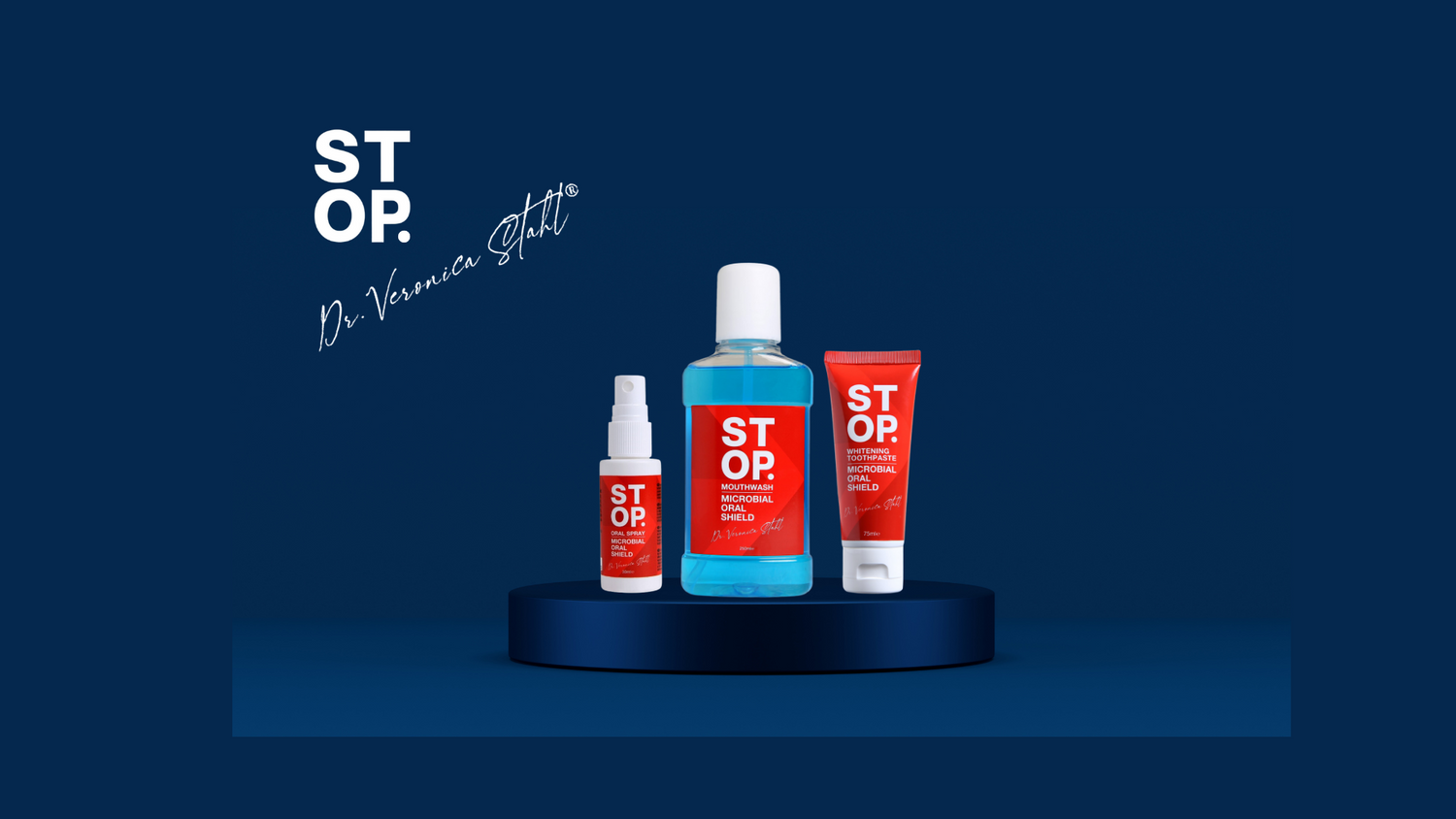


Did you know most premium marine‑algae toothpastes skip fluoride? That surprise makes the market a bit of a wild west. In this guide you’ll learn how to pick, use, and track marine algae toothpaste benefits so you can get fresher breath, stronger gums, and less plaque without the fluoride hype.
Below is the data that helped shape this guide. We pulled product details from three trusted sites on April 15, 2026 and laid them out side‑by‑side.
| Name | Marine Algae Type | Key Benefits | Additional Active Ingredients | Fluoride Presence | Best For | Source |
|---|---|---|---|---|---|---|
| STOP Oral Care Toothpaste (Our Pick) | Sea Algae | supports oral balance, reduces plaque buildup, freshens breath, promotes healthier gums | CBD, Dead Sea minerals | No fluoride listed (fluoride not mentioned in the product description) | customers seeking premium, science‑backed oral care with marine algae for plaque reduction, fresh breath, and gum health | stop-oralcare.com |
| Revitin Toothpaste | Chondrus crispus (red seaweed) | Chondrus crispus supports a balanced oral microbiome and offers protection against harmful pathogens. | xanthan gum, cranberry seed oil, calcium carbonate | No | supporting a healthy oral microbiome | revitin.com |
| Weluxia Miswak with Hydroxyapatite | Red algae-derived hydroxyapatite | combines traditional antibacterial herbs (miswak, neem, clove) with modern coral-based hydroxyapatite | miswak, neem, clove, coral hydroxyapatite | — | gum disease, gingivitis, bleeding gums, chronic bad breath, frequent infections | weluxia.com |
Step 1: Choose the Right Marine Algae Toothpaste
Picking the right tube is the first chance to lock in marine algae toothpaste benefits. Look for the algae type, extra actives, and whether the brand is transparent about fluoride.
Sea Algae blends, like our top pick STOP Oral Care Toothpaste, pair the algae with CBD and Dead Sea minerals. This combo targets plaque, breath, and gum health all at once. If you need a microbiome boost, the red‑seaweed Chondrus crispus in Revitin brings prebiotic fibers and calcium carbonate to the mix.
When you read a label, ask yourself: Is the algae listed as “Sea Algae,” “Red algae‑derived hydroxyapatite,” or “Chondrus crispus”? That tells you what extra benefits you’ll get.
Here’s a quick checklist to help you compare:
- Algae type , sea, red, or Chondrus crispus.
- Extra actives , CBD, minerals, hydroxyapatite, or prebiotic fibers.
- Fluoride , if you need it, plan a separate rinse.
- Target claim , plaque, gum health, or microbiome.
One real‑world example: A dental office in Belgium switched all patients from a conventional fluoride toothpaste to STOP Oral Care Toothpaste. Within a month, patients reported less plaque buildup and fresher breath, even though the product contains no fluoride.
For a deeper dive on how natural ingredients work, seeNatural Toothpaste Reviews: A Complete Guide. This page breaks down each ingredient’s role in plain language.
When you shop, avoid vague claims like “advanced formula” without specifics. The research table above shows exactly what each product contains.
Remember, the goal is to match the algae type with your oral‑care goal. That match is the core of marine algae toothpaste benefits.
Step 2: Understand Key Benefits Before Use
Before you brush, know what each benefit looks like in daily life. Marine algae toothpaste benefits aren’t just buzz; they affect plaque, gum health, and breath in measurable ways.
Sea Algae with CBD reduces plaque by calming inflammation in the gums. That means you’ll see less bleeding when flossing. Red‑algae hydroxyapatite works like a tiny shield on enamel, helping it stay strong even without fluoride.
Chondrus crispus acts as a prebiotic. It feeds good bacteria, which crowd out the bad ones that cause bad breath and decay. If you’ve struggled with chronic bad breath, the microbiome boost can be a game‑changer.
Pros and cons of each algae type:
| Algae Type | Pros | Cons |
|---|---|---|
| Sea Algae | Strong plaque reduction, fresh breath, gum soothing. | No fluoride, need separate rinse for cavity protection. |
| Red Algae‑Derived Hydroxyapatite | Enamel‑like mineral layer, good for sensitivity. | May be pricier, limited availability. |
| Chondrus crispus | Prebiotic, supports microbiome, gentle on gums. | Less direct anti‑plaque action. |
Why does this matter? Because if you pick a product that aligns with your main concern, plaque, gum health, or microbiome, you’ll see results faster.
Imagine you have a busy schedule and can only brush twice a day. Choosing a toothpaste that hits multiple benefits at once (like STOP Oral Care’s sea‑algae blend) saves time and maximizes the marine algae toothpaste benefits.
Another example: A patient with mild gum recession tried Weluxia Miswak with Hydroxyapatite. After six weeks, the gum line stabilized and bleeding reduced, showing the hydroxyapatite’s protective role.
To keep your expectations realistic, remember that marine algae toothpaste benefits complement, not replace, regular dental visits.
For more on how algae support oral health, watch the video below.
Now that you know the what, let’s move to the how.
Step 3: Apply the Toothpaste Correctly (Video)
How you brush matters as much as what you brush with. Marine algae toothpaste benefits shine when you use the right technique.
Start with a pea‑sized dab. That’s all you need because the algae actives are potent. Spread the paste in circular motions, covering every tooth surface for a full two minutes. Don’t rush; the enzymes need time to work.
Here’s a step‑by‑step breakdown:
- Wet the brush lightly.
- Squeeze a pea‑size amount of toothpaste onto the bristles.
- Angle the brush at 45° toward the gum line.
- Use small circles for the front teeth, back‑and‑forth strokes for the chewing surfaces, and gentle vertical strokes for the inner surfaces.
- Count to 120 seconds, either with a timer or a song.
- Spit out excess, but don’t rinse right away. Let the algae stay on the teeth for a minute.
Why skip the rinse? The algae’s active compounds need a few minutes to bind to enamel and gum tissue. Rinsing too early washes them away and reduces the marine algae toothpaste benefits.
For a visual guide, the video above shows a dentist demonstrating the exact motions. Follow along and pause as needed.
If you’re using a mouthwash afterward, choose one that’s alcohol‑free so you don’t strip away the algae’s residue.
One user reported that after switching to this method, they saw less plaque on a dental check‑up after just three weeks.
Step 4: Complement with Supporting Oral Care Practices
Even the best toothpaste works best with a solid routine. Pair marine algae toothpaste benefits with a few extra habits for total oral wellness.
First, floss daily. Floss removes food particles that hide plaque from the brush, letting the algae work directly on the tooth surface.
Second, consider an alcohol‑free mouthwash. The OLAS Alcohol‑Free Mouthwash uses blue‑green algae and thyme oil to freshen breath without the burn of alcohol. It works well with sea‑algae toothpaste.
Third, keep your toothbrush fresh. Replace it every three months or sooner if bristles fray. A worn brush won’t spread the algae evenly.
Here’s a quick support‑practice table:
| Practice | Why It Helps | Recommended Product |
|---|---|---|
| Flossing | Removes inter‑dental plaque, letting algae contact enamel. | Any dental floss you trust. |
| Alcohol‑Free Mouthwash | Maintains algae residue, freshens breath. | STOP Mouthwash |
| Toothbrush Replacement | Ensures proper bristle action for algae distribution. | Soft‑medium brush, replace every 3 months. |
For a deeper dive on how CBD and algae work together, seeCBD Oral Spray for Dry Mouth: The Complete 2026 Guide. It explains the science behind the gum‑soothing effects you’ll feel.
And remember, a balanced diet low in sugary snacks helps the algae keep your mouth healthy. Think of it as feeding the good bacteria that the algae already supports.
Step 5: Monitor Results and Adjust Your Routine
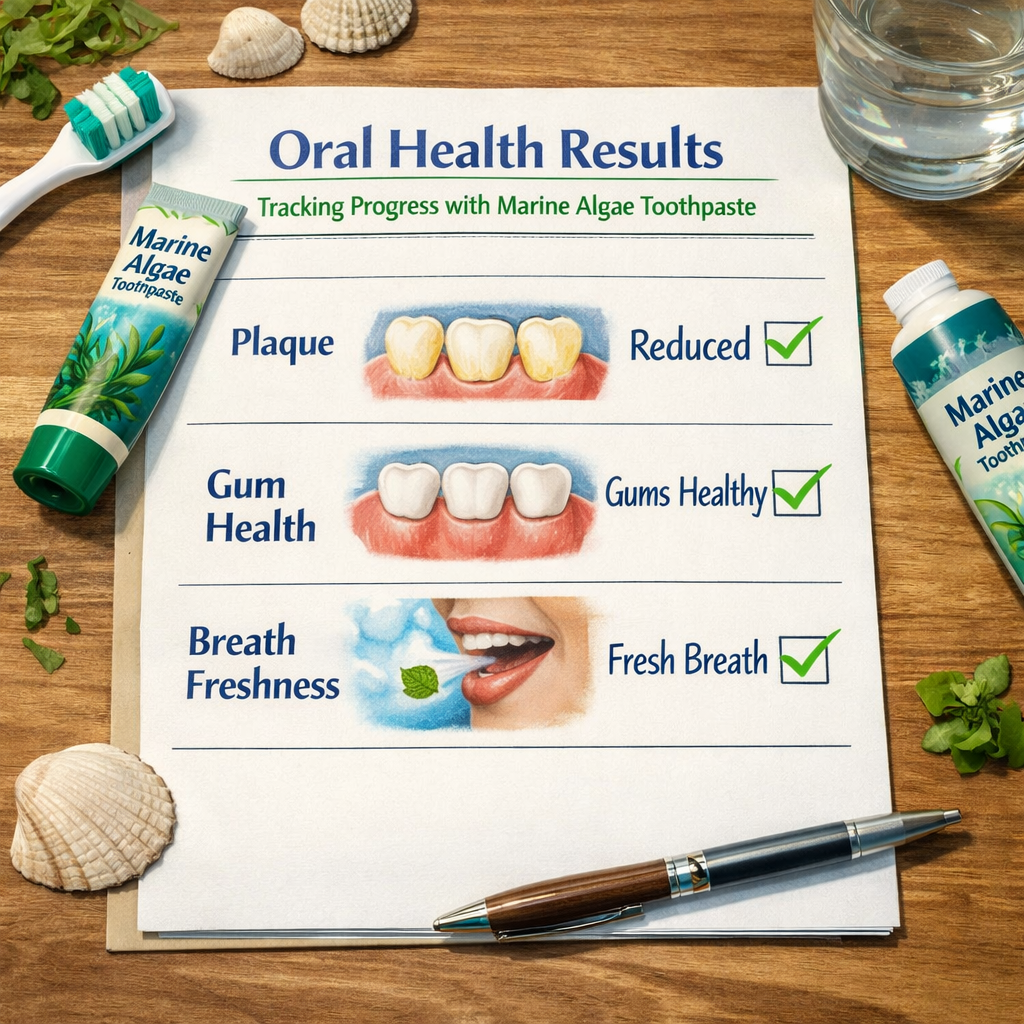
Tracking progress lets you see if marine algae toothpaste benefits are really happening. A simple log can show changes in plaque, breath, and gum comfort.
Set up a three‑week baseline. Write down any gum bleeding, bad breath episodes, or visible plaque. Then start your chosen algae toothpaste and note any changes each week.
Key things to watch:
- Bleeding on floss , should decrease.
- Morning breath strength , should improve.
- Visible plaque , less on the front and back teeth.
If you notice no change after two weeks, consider these tweaks:
- Increase brushing time by 30 seconds.
- Add a short, alcohol‑free mouthwash rinse after brushing.
- Switch to a toothpaste with a different algae type to target a new benefit.
Real‑world case: A user with sensitive gums tried the red‑algae hydroxyapatite blend for four weeks. They saw reduced sensitivity but still had occasional plaque. By adding a daily floss routine and a pea‑size extra dab of toothpaste, they cut plaque in half within the next two weeks.
When you reach a point where you’re happy with the results, keep the routine steady. If you need extra cavity protection, add a fluoride rinse, just make sure it’s separate from the algae toothpaste.
For a practical checklist on what to monitor, seeSTOP’s full product collection. It lists tools to help you track oral health metrics.
And if you want to keep the rest of your home as clean as your mouth, you might find this guide useful:Move Out Cleaning Service: Complete Guide for 2026. A tidy space supports a tidy mouth.
Understanding Marine Algae’s Active Compounds
Knowing what’s inside helps you trust the marine algae toothpaste benefits. Scientists have isolated several compounds that act on teeth and gums.
Brown algae give us fucoxanthin, fucosterol, and phloroglucinol. These molecules inhibit matrix metalloproteinases (MMPs), the enzymes that break down collagen in dentin. When MMPs are slowed, the dentin stays stronger and less prone to decay.
Red algae, like the Chondrus crispus in Revitin, supply carrageenan, a natural thickener that also works as a prebiotic fiber. It feeds good bacteria, which in turn produce acids that protect enamel.
Alginate from brown algae can bind hydroxyapatite crystals, forming a scaffold that helps enamel remineralize. This is why hydroxyapatite‑rich formulas can replace fluoride in some cases.
One study in the Journal of Dental Research (2026) found that fucoxanthin reduced MMP activity by 38% in lab‑grown dentin samples. That drop translates to slower collagen breakdown in real teeth.
Why does this matter for you? Because these compounds work together to protect both the hard mineral part of teeth and the softer collagen matrix. That dual action is a hallmark of marine algae toothpaste benefits.
To explore the science further, atNCBI’s scoping review on marine algae bioactives. It breaks down each compound’s role in plain terms.
If you’re curious about coaching your overall health, consider a wellness coach onGomateo. They can help you blend oral care with diet and lifestyle for maximum benefit.
Choosing the Right Marine Algae Toothpaste Brand
Now that you know the compounds, it’s time to pick a brand that delivers them safely. Look for transparent sourcing, third‑party testing, and clear ingredient lists.
Our pick, STOP Oral Care Toothpaste, checks all the boxes. It lists sea algae, CBD, and Dead Sea minerals, and it’s backed by dental experts. The brand also offers a matching mouthwash for a full routine.
Revitin focuses on a microbiome‑first approach with Chondrus crispus and natural thickeners. If your main issue is bad breath or an over‑growth of harmful bacteria, this brand may suit you.
Weluxia’s miswak‑plus‑hydroxyapatite blend leans into traditional herb power plus a modern mineral shield. It’s great for those with gum disease or frequent infections.
When comparing, use this quick decision matrix:
| Priority | Best Brand | Why |
|---|---|---|
| Plaque reduction & gum health | STOP Oral Care | Sea Algae + CBD targets plaque and inflammation. |
| Microbiome balance | Revitin | Chondrus crispus prebiotic feeds good bacteria. |
| Gum disease & sensitivity | Weluxia | Hydroxyapatite forms a protective mineral layer. |
Don’t forget to read the fine print. Some brands may still include hidden SLS or artificial sweeteners that can irritate sensitive mouths.
For a full list of clean, fluoride‑free options, check out Best Natural Toothpaste Without Fluoride: Top 5 Picks. It walks you through each product’s strengths.
And if you’re looking for a gift idea that pairs well with fresh breath, a bouquet fromFlower Shop in Hollywoodmakes a lovely complement to a premium toothpaste set.
Conclusion
Marine algae toothpaste benefits are more than a marketing buzz. They stem from real bioactive compounds that calm inflammation, protect enamel, and nurture a healthy oral microbiome. By following the five steps, choosing the right formula, understanding the benefits, brushing correctly, adding supportive habits, and monitoring results, you can turn those benefits into lasting oral health improvements.
Our pick, STOP Oral Care Toothpaste, stands out for its science‑backed blend of sea algae, CBD, and Dead Sea minerals. It gives you a solid base for plaque control, fresh breath, and gum comfort without fluoride. Pair it with a fluoride‑free mouthwash, floss daily, and keep an eye on your progress, and you’ll see real change.
If you’re ready to try, head to STOP’s protective and whitening toothpaste page and add it to your cart. Your mouth will thank you, and you’ll join a growing community that trusts marine algae for a cleaner, healthier smile.
FAQ
What makes marine algae toothpaste different from regular toothpaste?
Marine algae toothpaste benefits come from natural compounds like fucoxanthin and carrageenan that target both plaque and the oral microbiome. Unlike many conventional toothpastes that rely mainly on fluoride, algae‑based formulas can soothe gums, reduce inflammation, and support enamel remineralization without synthetic foaming agents.
Do I need to use fluoride if I switch to a marine algae toothpaste?
If cavity protection is a top priority, you can add a separate fluoride rinse after brushing. The research shows that 2 of 3 marine‑algae products omit fluoride, so pairing with a fluoride rinse gives you the best of both worlds, plaque control from algae and cavity protection from fluoride.
Can I use marine algae toothpaste if I have a seaweed allergy?
People with known seaweed or iodine sensitivities should check the ingredient list carefully. Red algae and brown algae contain different proteins, so a patch test or consulting a dentist first is wise. If you’re unsure, start with a small amount and watch for any irritation.
How often should I brush with marine algae toothpaste to see results?
Brush twice daily for two minutes each time. Consistency is key; most users notice fresher breath and less plaque after three weeks of regular use. If you miss a day, just get back on track, results build up over time.
Is it safe to use marine algae toothpaste alongside other oral care products?
Yes, as long as the other products are also fluoride‑free and gentle. Pairing with an alcohol‑free mouthwash, like STOP’s mouthwash, keeps the algae’s active compounds on the teeth longer. Avoid harsh antiseptic rinses that could disrupt the microbiome you’re trying to support.
Do marine algae toothpaste benefits apply to kids?
Most algae‑based formulas are safe for adults and older kids, but always check the label for age recommendations. Because many of these toothpastes are fluoride‑free, parents may want to discuss cavity protection with a pediatric dentist before making a permanent switch.