

Ever stood in front of the bathroom mirror, toothbrush in one hand, mouthwash bottle in the other, and wondered if you should swish before you brush or wait until after? It’s a tiny decision that feels surprisingly big, especially when you’re trying to keep gum pain at bay or fight that stubborn morning breath.
Here’s the thing: the timing actually changes how the active ingredients interact with plaque and the protective pellicle on your teeth. When you rinse before brushing, the mouthwash can loosen surface debris, making the brush’s job easier. Think of it like loosening crumbs before you sweep the floor. On the flip side, using mouthwash after brushing lets the formula sit on a clean surface, extending fluoride or antimicrobial benefits straight onto enamel.
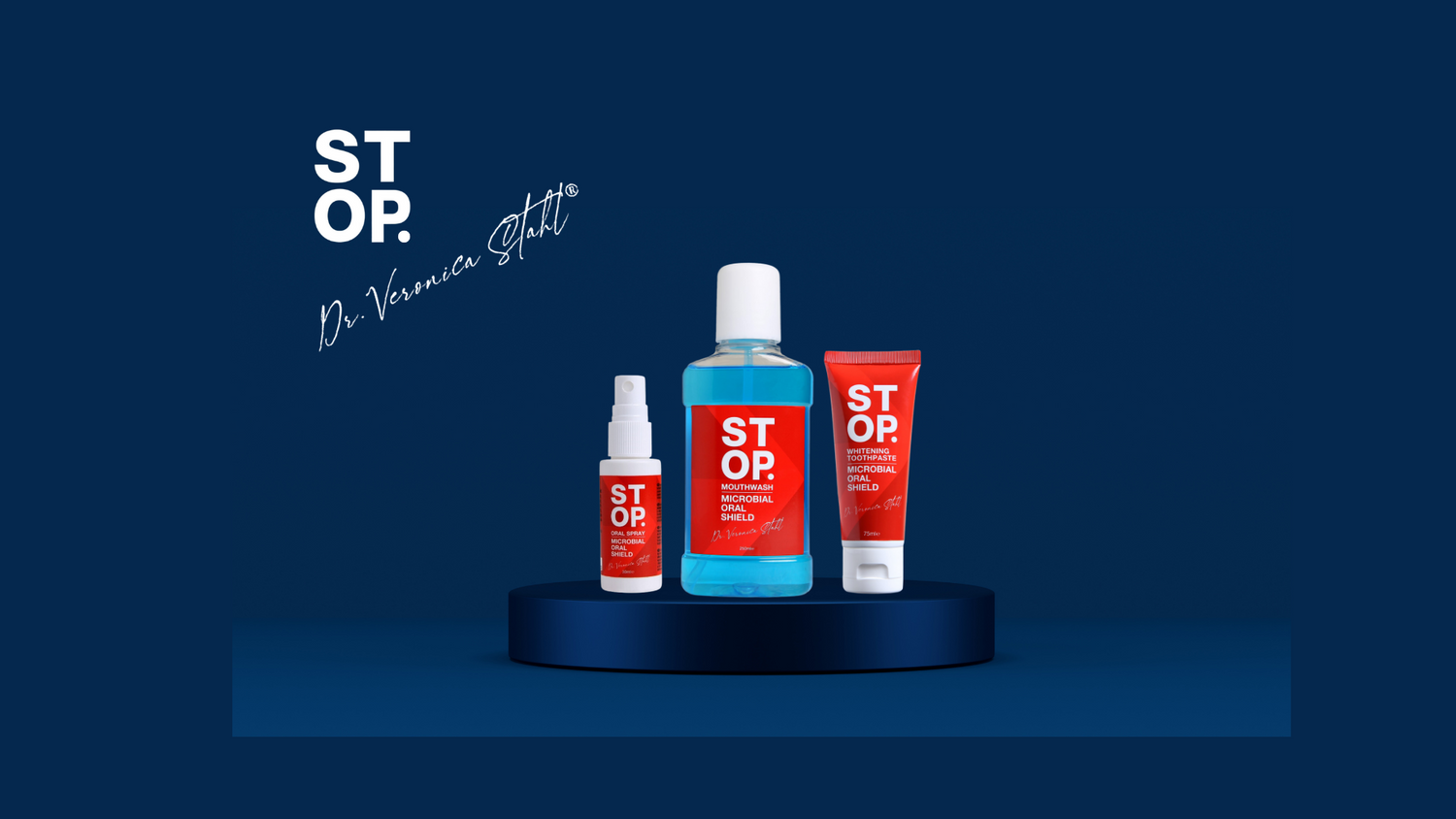
In our experience at Stop Oral Care, we’ve seen clients with sensitive gums benefit from a post‑brush rinse because the calming minerals in our CBD‑infused mouthwash aren’t immediately brushed away. A friend in Berlin, for example, switched to a post‑brush routine and reported less tingling after meals.
But it’s not a one‑size‑fits‑all answer. If you’re dealing with dry mouth, a pre‑brush rinse with an alcohol‑free formula can add moisture before the mechanical action of brushing, reducing irritation. Conversely, if you’re focused on cavity prevention, a fluoride‑rich mouthwash after brushing maximizes contact time with the enamel.
So, how do you decide? Try a simple 2‑week test: week one, swish for 30 seconds right after you brush, then spit and rinse with water. Week two, do the reverse—mouthwash first, wait 30 seconds, then brush. Track how your breath feels, whether you notice more plaque, and any changes in gum tenderness.
Keep a tiny notebook or a notes app on your phone. Jot down the date, the timing you used, and any sensations you notice. After the trial, compare the entries. Most people end up preferring the after‑brush method for its lingering freshness, but the pre‑brush approach can be a game‑changer for those with dry‑mouth concerns.
Need a deeper dive into how specific ingredients like calcium phosphate work in a mouthwash? Check out our Calcium Phosphate Mouthwash: A Complete Guide for science‑backed details.
TL;DR
Deciding whether to swish your mouthwash before or after brushing hinges on your mouth’s needs—pre‑brush can soothe dry gums, while post‑brush lets active ingredients linger on enamel.
Try a two‑week split test, track freshness and sensitivity, and choose the routine that leaves your breath feeling confident and your gums happy.
Step 1: Understanding When to Use Mouthwash
Ever caught yourself staring at the mouthwash bottle, wondering whether to swish before or after you brush? You're not alone—this tiny decision can feel like a big puzzle, especially when you’re juggling dry gums, sensitive teeth, or that stubborn morning breath.
The short answer is that the timing changes how the active ingredients interact with plaque and the protective film on your teeth. When you rinse first, the liquid loosens debris and pre‑hydrates the mouth, making the brush’s job smoother. When you rinse after, the formula stays on a clean surface, giving fluoride, CBD‑infused minerals, or antimicrobial agents more time to work directly on enamel.
If you tend to wake up with a dry, tight feeling in your gums, try a pre‑brush mouthwash that’s alcohol‑free. The extra moisture can calm irritation before the mechanical action of brushing, and it also helps the brush spread toothpaste more evenly. Think of it as a quick splash of water before you start mopping the floor.
Conversely, if cavity prevention or fresh breath longevity is your top priority, a post‑brush rinse is usually the winner. After you’ve scrubbed away plaque, the mouthwash can sit on the freshly cleaned enamel, delivering fluoride or our CBD‑rich blend straight into the tooth surface without being wiped away. That’s why many of our customers with sensitive gums notice a longer‑lasting calm when they finish with the rinse.
So how do you pick the right routine for you? Start by asking yourself three quick questions: Do you feel a tight, dry sensation right after you brush? Do you crave a burst of freshness that lasts all day? And does your dentist recommend extra fluoride or gum‑soothing ingredients? Jot down your answers, try a two‑week split—one week pre‑brush, one week post‑brush—and note any changes in breath, comfort, or plaque buildup.
Putting mouthwash timing into the bigger picture of daily wellness can be a game‑changer; for a holistic routine that includes nutrition, sleep, and stress management, check out XLR8well’s guide on building a proactive health plan.
And because oral health doesn’t exist in a vacuum, many of our readers pair a fresh mouth with a quick skin‑care step—like a soothing serum after you rinse. If you’re curious about how a complete bathroom ritual looks, Sade Skin’s tips on post‑shave and facial care make a natural complement.
For a science‑backed deep dive on how calcium and phosphate work together in a rinse, see our Calcium Phosphate Mouthwash guide.
A quick pro tip: measure out exactly 15 ml of mouthwash (about one tablespoon) so you’re not over‑diluting the active ingredients. Spit, don’t swallow, and avoid eating or drinking for at least 30 seconds to let the formula settle. This small habit can boost effectiveness no matter which timing you choose.
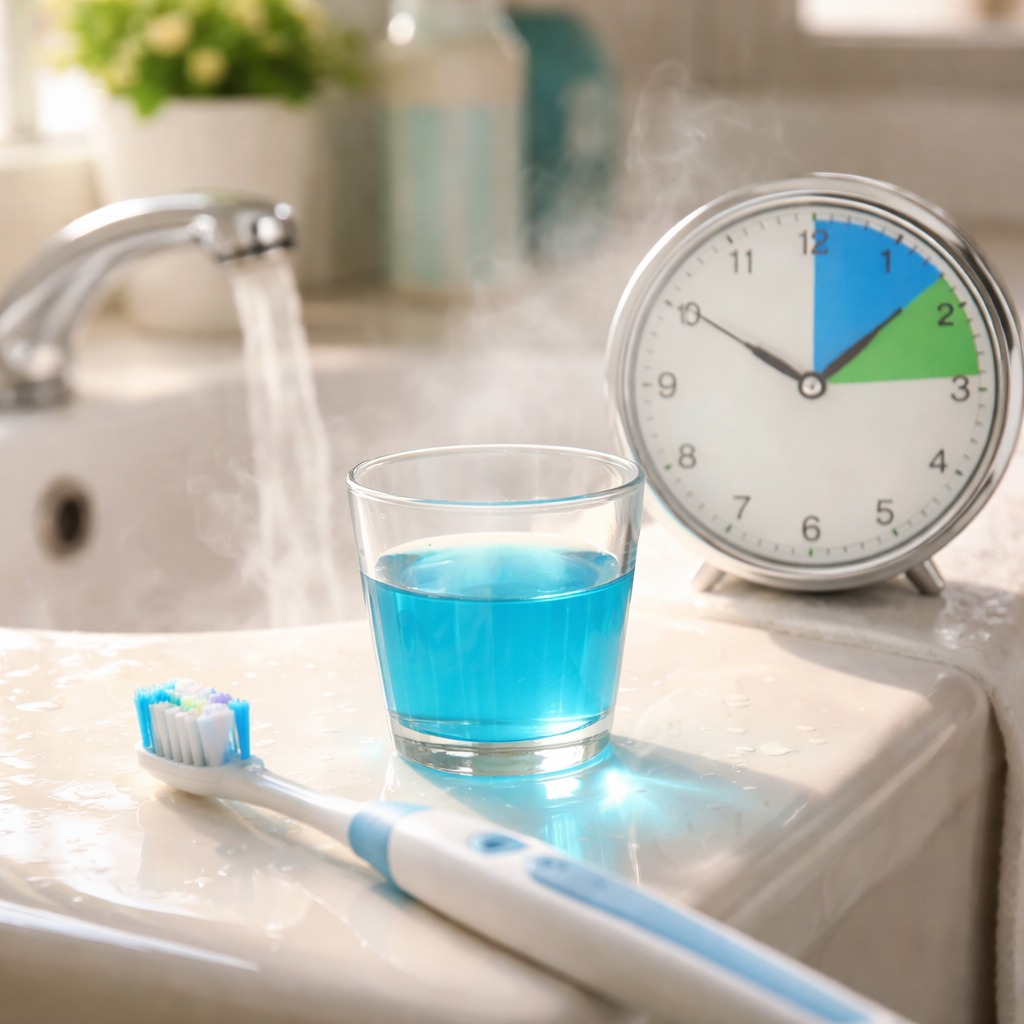
Bottom line: there’s no one‑size‑fits‑all answer, but by testing, listening to your mouth, and matching the timing to your specific needs, you’ll land on a routine that feels right. Give it a try, log your observations, and you’ll soon know whether a pre‑brush splash or a post‑brush finish gives you the confidence to smile all day.
Step 2: How to Use Mouthwash Before Brushing Correctly
Okay, you’ve decided to give the pre‑brush routine a try. The question now is: how do you actually do it without turning your bathroom into a science lab? The answer is simpler than you think, but there are a few little tricks that can make a huge difference.
1. Pick the right formula
First, grab a mouthwash that matches your goal. If dry mouth is your nemesis, an alcohol‑free, CBD‑infused blend (like the one we craft at STOP) adds moisture and calm before the bristles hit. For cavity protection, look for fluoride or calcium‑phosphate‑rich options. The chemistry matters because you want the active ingredients to mingle with the plaque you’ll soon sweep away, not be diluted by saliva alone.
Need a deeper dive into calcium‑phosphate benefits? Check out our Natural Mouthwash for Periodontal Disease guide for science‑backed details.
2. Measure, don’t guess
Most bottles suggest 20 ml (about four teaspoons). Use the cap as a measuring cup; consistency helps you compare results week‑to‑week. Too much can overwhelm your palate, too little won’t give the ingredients a chance to work.
Pro tip: If you’re traveling, a small travel‑size bottle with a clear marker makes it easy to keep the dose spot‑on.
3. Swish with purpose
Put the measured mouthwash in your mouth, tilt your head slightly back, and start a gentle swirling motion. You’re not trying to gargle like a pirate; just let the liquid glide around every surface—teeth, gums, tongue, and the hard‑to‑reach back molars. Aim for 30 seconds. Set a timer on your phone; the seconds feel longer when you’re focusing on breath freshness.
While you’re swishing, think about the texture. A smooth, slightly viscous feel usually means the formula has the right balance of humectants and active agents.
4. Pause before the brush
Here’s the sweet spot: after you finish swishing, wait about 30 seconds. This tiny pause lets the ingredients settle and start breaking down the loose debris. It also reduces the chance that the mouthwash will be immediately rinsed away by water when you start brushing.
If you’re in a rush, just spit out the excess and move straight to the toothbrush—no need to rinse with water first.
5. Brush like you mean it
Now grab your STOP toothpaste (or any fluoride‑based paste you trust) and brush for two minutes. Because the mouthwash has already softened the plaque, you’ll notice the bristles glide more smoothly. Pay extra attention to the gum line; that’s where most of the debris hangs out.
After brushing, you can give yourself a quick water rinse if you like, but don’t swish another mouthwash unless you’re specifically targeting a different benefit (like a post‑brush freshener).
6. Track the experience
Every morning, jot down three quick notes: breath freshness (scale 1‑5), gum comfort, and any lingering taste. After two weeks you’ll have a mini‑data set that tells you whether the pre‑brush routine is actually helping.
For a real‑world snapshot, one of our European customers with mild xerostomia reported that the 30‑second pause turned a “scratchy morning” into a “smooth start” within five days.
7. Adjust on the fly
If you notice a tingling sensation that lasts longer than a minute, you might be using a formula that’s a bit too strong for your gums. Switch to an alcohol‑free version or cut the dose in half. Conversely, if you feel nothing after the 30‑second pause, consider a slightly longer wait—up to a minute—to let the actives really sink in.
Remember, oral care isn’t a one‑size‑fits‑all. Your mouth will tell you what works, and you’ll fine‑tune the timing just like you’d adjust a coffee brew.
For more holistic wellness tips, you can also explore supplements that support gum health. Great Bite Supplements, for example, offers collagen‑boosting gummies that complement a balanced oral routine. https://greatbitesupps.com
And don’t forget to swing by our partner clinic at https://dentalboutique.be for a professional check‑up if you’re ever unsure about gum inflammation or plaque buildup.
Step 3: How to Use Mouthwash After Brushing Effectively
So you’ve brushed away the night‑time plaque and you’re staring at that sleek bottle of mouthwash. The next question is: how do you make the most of it without turning your bathroom into a chemistry lab? The answer lies in a few mindful moves that let the active ingredients actually stick around where they belong – on clean enamel.
1. Measure, don’t guess
Grab the cap and pour the exact 20 ml the label recommends. Consistency matters because it lets you compare how your mouth feels week after week. If you’re traveling, a travel‑size bottle with a clear line marker makes the job painless.
2. Swish with purpose
Tilt your head slightly back, let the liquid flow over every tooth, every gum line, and even the tongue. Aim for a gentle, circular motion – you’re not trying to gargle like a pirate, just coating the whole oral landscape. Set a timer for 30 seconds; the seconds feel longer when you’re really focusing on that fresh, minty sensation.
3. The golden pause
When the timer dings, spit out the excess but don’t reach for a glass of water immediately. Give the formula a 30‑second window to settle into the enamel and the pellicle. That tiny pause is what lets fluoride, calcium phosphate, or our CBD‑infused minerals actually bond, rather than being flushed away.
4. Post‑swish etiquette
After the pause you have two options: either head straight to your day or give a quick, gentle water rinse if the taste feels too intense. Avoid eating, drinking, or smoking for at least 15 minutes – that’s the sweet spot for the actives to work their magic.
Real‑world snapshot
Take Maya, a freelance designer in Amsterdam who switched to a post‑brush routine with a fluoride‑rich mouthwash. Within four days she reported that her morning breath stayed “hotel‑lobby fresh” for a full eight hours, and her gums felt less irritated after lunch. She attributes the change to the extra contact time the mouthwash got on a clean surface.
Why the science backs it
Several dental studies have shown that applying fluoride after a thorough brush can increase enamel uptake by up to 30 % compared with pre‑brush use. The same principle applies to calcium‑phosphate blends: they remineralise more efficiently when the tooth surface is free of debris.
Expert tip: match the formula to your sensitivity
If your gums are on the sensitive side, reach for an alcohol‑free version. The gentler base reduces sting while still delivering the antimicrobial punch. For those chasing cavity protection, a fluoride‑enhanced mouthwash is the star player.
Support your routine with nutrition
Good oral health doesn’t live in isolation. Pairing your after‑brush rinse with collagen‑boosting gummies can help reinforce gum tissue from the inside out. Check out Great Bite Supplements for a clean‑label option that fits right into a morning or evening ritual.
Track, tweak, repeat
Grab a small notebook or open a notes app. Jot down three quick scores after each use: breath freshness (1‑5), gum comfort, and lingering taste. After two weeks you’ll spot patterns – maybe the mint feels too strong, or the pause needs an extra ten seconds. Adjust the dose or timing accordingly.
Want a deeper dive?
For a step‑by‑step look at how a plaque‑removing formula can reshape your routine, read our guide How a Plaque Removing Mouthwash Can Transform Your Oral Health. It breaks down the chemistry in plain language and offers a quick checklist you can print and stick on your bathroom mirror.
Finally, if you ever feel unsure whether your chosen mouthwash is doing enough for your gums, a quick visit to our partner clinic at https://dentalboutique.be can give you a professional perspective. Remember, the goal isn’t a one‑size‑fits‑all script; it’s a routine that feels right for you, every single day.
Step 4: Comparing Before vs. After Mouthwash – Pros & Cons
Okay, you’ve tried the two‑week split test and you’re staring at the results like they’re a mystery novel. Which timing gave you that “just brushed and still fresh” feeling, and which left you wondering if you missed a step? Let’s break it down side by side so you can finally decide which routine earns a permanent spot on your bathroom shelf.
First, a quick reality check: the differences aren’t always dramatic, but they can be the tipping point for folks with sensitive gums, chronic dry mouth, or a relentless battle against plaque. Below is a simple table that puts the main pros and cons in front of you, no jargon, just the stuff that matters day‑to‑day.
| Timing | Pros | Cons |
|---|---|---|
| Before Brushing | ‑ Moisturises dry mouth before the brush ‑ Softens plaque, making the brush glide easier ‑ Can reduce initial brushing irritation for sensitive gums |
‑ Active ingredients may be partially rinsed away by the brush ‑ Less contact time on clean enamel for fluoride or calcium‑phosphate |
| After Brushing | ‑ Maximises contact time of fluoride, calcium‑phosphate, or CBD minerals on a clean surface ‑ Extends fresh‑breath feeling for several hours ‑ Helps seal the protective pellicle after plaque removal |
‑ If you have severe dry mouth, you might miss that early moisture boost ‑ Can feel “mint overload” if you’re not used to strong post‑brush flavors |
So, does the table make you lean one way or the other? Maybe, but let’s add a little nuance.
When pre‑brush shines
If you wake up with a cotton‑mouth feeling, an alcohol‑free, CBD‑infused formula can act like a hydration splash before the bristles start scrubbing. That extra moisture can calm that scratchy sensation many of us get when we launch straight into brushing. In our experience, people with xerostomia notice a softer mouth within a few days of adding that pre‑brush step.
Another hidden win is the “plaque‑softening” effect. When the mouthwash loosens debris, you might find yourself needing less pressure on the brush, which can be a relief for tender gums.
When post‑brush steals the show
Got a fluoride‑rich or calcium‑phosphate mouthwash? Waiting until after you’ve cleared away the grime lets those minerals sit right on the enamel, boosting remineralisation. Think of it like applying a serum after you’ve cleansed your skin – the skin (or teeth) can actually absorb more of the good stuff.
Our CBD‑enhanced mouthwash also benefits from the post‑brush timing. The calming minerals stay longer on the gums, reducing that post‑meal tingling some of our users in Berlin have mentioned.
And let’s not forget the freshness factor. A post‑brush rinse often leaves a lingering mint that can survive a morning coffee or an afternoon meeting. That’s why many of our customers report feeling “hotel‑lobby fresh” well into the afternoon.
Real‑world checklist
Grab a pen, open your notes app, and run through this quick audit after each week of testing:
- How long did the fresh‑breath sensation last? (minutes/hours)
- Did you notice any gum irritation or tingling?
- Was your mouth feeling dry at any point?
- Which timing felt more comfortable overall?
When you tally up the answers, you’ll see a pattern emerge. If you’re still on the fence, try a hybrid approach: pre‑brush in the morning for moisture, post‑brush at night for maximum mineral contact.
Need a deeper dive into why calcium‑phosphate works best after brushing? Check out Calcium Phosphate Mouthwash: A Complete Guide for the science behind the timing.
And if you want a quick visual recap, here’s a short video that walks you through the two routines step by step. It’s a handy reference you can replay while you’re in the bathroom.
Bottom line: there’s no universal champion, but the right champion for you is the one that matches your mouth’s current needs. Keep testing, keep noting, and trust the sensations you feel. Your next‑day breath and gum comfort will thank you.
Step 5: Choosing the Right Mouthwash for Your Routine
Okay, you’ve made it past the timing debate and you’re standing in front of the mirror, bottle in hand, wondering which formula actually belongs in your daily ritual. It’s a surprisingly personal decision – the “right” mouthwash isn’t just about minty freshness, it’s about what your mouth is asking for right now.
Identify Your Primary Goal
First thing’s first: ask yourself what you want most out of a rinse. Is it soothing dry‑mouth symptoms? Is it a boost of mineral protection for sensitive gums? Or maybe you’re hunting for that long‑lasting, hotel‑lobby fresh breath after a big meeting?
If you’re not sure, picture the moment you most notice a problem. You know, that time you sip coffee and your mouth feels like sandpaper, or the evening when you’re about to fall asleep and your gums start to tingle. That mental snapshot will guide you toward a formula that actually solves that issue.
Match Ingredients to Need
Here’s a quick cheat‑sheet:
- Dry‑mouth relief: Look for alcohol‑free blends with humectants, like glycerin, and a dash of CBD or botanical oils. They add moisture without the burning sensation.
- Gum‑soothing & inflammation control: Formulas packed with Dead Sea minerals, marine algae, or calcium‑phosphate can calm irritation and support tissue repair.
- Cavity prevention: Fluoride‑rich or calcium‑phosphate mouthwashes are the champions. They sit on a clean enamel surface and help remineralise.
If you’re leaning toward mineral support, our comprehensive calcium phosphate mouthwash guide walks you through the why and how.
Consider Sensitivity and Flavor
Even the best‑performing rinse can feel like a nightmare if the flavor or sensation makes you wince. Alcohol‑free options tend to be gentler, and many of our CBD‑infused blends have a subtle, earthy note that’s less aggressive than classic menthol. If you’re prone to tongue‑tingling, start with a half‑dose and see how you feel.
And a little tip: the bottle’s design matters. A flip‑top cap that doubles as a measuring cup helps you keep the dose consistent, which is crucial when you’re tracking results week‑by‑week.
Timing Meets Formula
Now that you know what you need, pair it with the timing you tested earlier. A mineral‑rich, CBD‑infused mouthwash often shines after brushing because the clean enamel lets the minerals linger. Conversely, a hydrating, alcohol‑free rinse can be a game‑changer before brushing when you’re battling morning dryness.
Think of it like coffee: you wouldn’t drink a dark roast before a workout if you’re looking for a gentle lift; you’d pick a smoother brew. Same principle here – match the strength of the formula to the moment you use it.
Trial Run Checklist
Give yourself a mini‑experiment for the next seven days:
- Pick one formula that aligns with your primary goal.
- Decide whether you’ll use it pre‑brush or post‑brush based on the guidance above.
- Measure exactly 20 ml each time – no guessing.
- Swish for 30 seconds, then either wait 30 seconds before the next step or move straight to brushing, depending on your chosen timing.
- Log three quick notes: breath freshness (1‑5), gum comfort, and any after‑taste.
At the end of the week, glance at your scores. If the post‑brush mineral rinse gave you a 4‑5 on freshness but left your gums feeling a bit dry, you might swap to a pre‑brush hydrating rinse for mornings and keep the mineral rinse for evenings.
It’s a bit like building a playlist – you mix and match songs until the vibe feels just right.
When to Call in a Pro
If you notice persistent irritation, bleeding, or a sudden change in taste, it’s time to get a professional opinion. A quick visit to a trusted dental clinic can rule out underlying issues and help you fine‑tune the formula choice.
Remember, the goal isn’t to stick to a rigid rule forever; it’s to create a flexible routine that adapts as your mouth’s needs evolve.
So, what’s your next move? Grab that bottle, pick the formula that matches today’s biggest oral concern, and give it a test run. You’ll soon know whether a pre‑brush splash of hydration or a post‑brush mineral boost is the secret weapon your routine has been missing.
Additional Tips for Optimal Mouthwash Use
Now that you’ve tried both pre‑brush and post‑brush routines, it’s time to fine‑tune the little details that make the difference between “good enough” and “wow, that feels amazing.”
Mind the Temperature
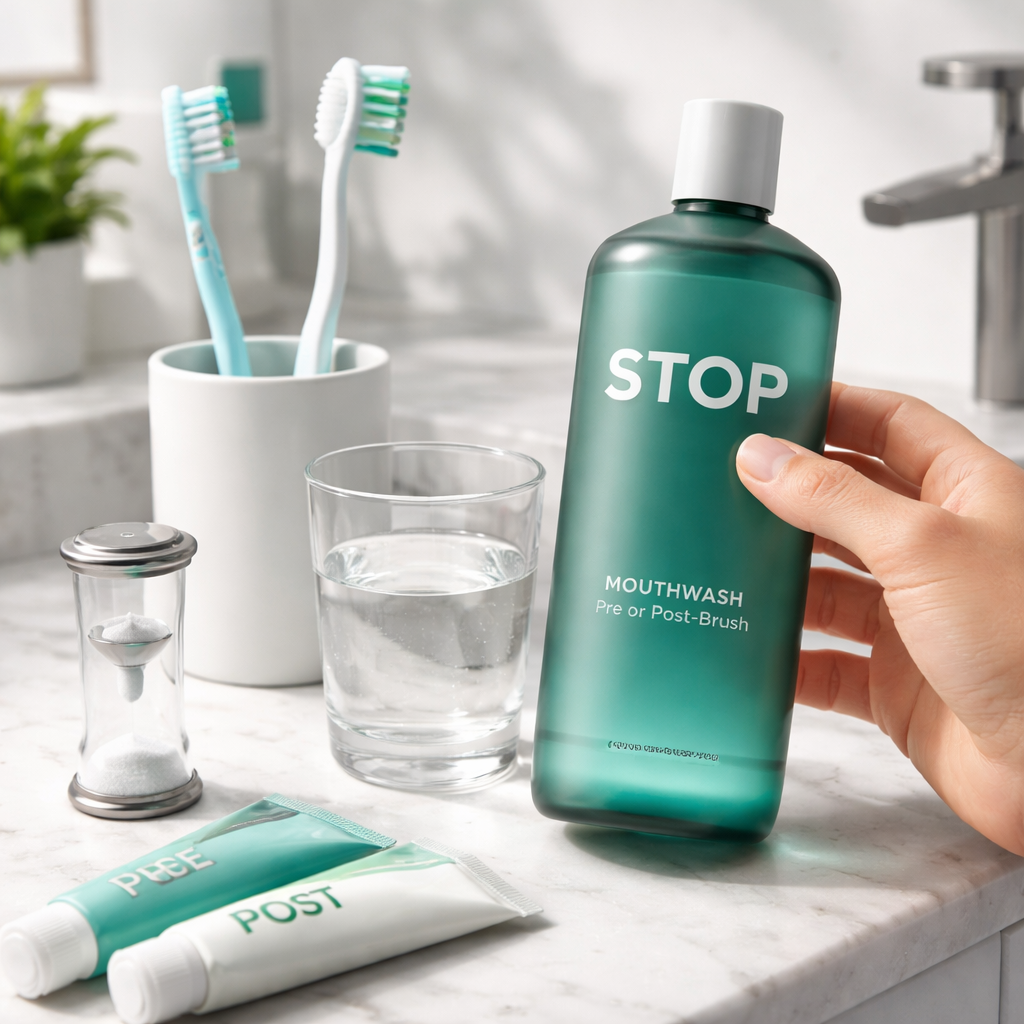
Warm water can help the active ingredients dissolve more evenly, especially if you’re using a mineral‑rich formula. Cold water, on the other hand, feels refreshing and can be a nice wake‑up cue in the morning. Try swapping the temperature every few days and notice which one leaves your mouth feeling smoother.
Timing Is More Than Seconds
We often say “wait 30 seconds” after swishing, but the real magic happens in the first few minutes. If you can, avoid eating or drinking for at least 10‑15 minutes after a post‑brush rinse. That gives fluoride or calcium‑phosphate enough time to bond with enamel before saliva dilutes them.
And if you’re doing a pre‑brush rinse, a quick 10‑second pause before you pick up the toothbrush can let the humectants settle, reducing that “scratchy” feeling once you start brushing.
Don’t Forget the Tongue
The tongue is a major source of bad breath. When you swish, make sure the liquid reaches the top of your mouth and rolls over the tongue’s surface. A gentle “roll‑and‑swish” motion can lift bacterial colonies that otherwise hide in the crevices.
Measure, Don’t Guess
Even if the cap looks like a handy measuring cup, pour the exact 20 ml each time. Consistency is key when you’re comparing pre‑ and post‑brush results. A travel‑size bottle with a clear line marker can save you from accidental over‑dosing.
Combine With a Light Rinse (If Needed)
Some people feel a strong after‑taste after using a CBD‑infused mouthwash. A quick sip of water—just enough to clear the palate—won’t undo the benefits, but it can make the experience more pleasant. Just remember to keep the water sip brief.
Seasonal Adjustments
Winter air tends to dry out the mouth, so you might lean toward a pre‑brush, alcohol‑free rinse in the mornings. In summer, when you’re sweating more, a post‑brush mineral boost can help replenish lost minerals and keep your breath fresh longer.
Track the Tiny Wins
Grab a small notebook or use a notes app. Jot down three quick scores after each use: breath freshness (1‑5), gum comfort, and any lingering taste. After a couple of weeks, you’ll see a pattern that tells you which subtle tweak works best for you.
Here’s a simple template you can copy: “Morning – pre‑brush, 30 s, freshness 4, gums 5, taste neutral.” The more data you collect, the easier it is to spot trends.
When to Switch It Up
If you notice your gums getting a bit irritated after a post‑brush rinse, flip to a pre‑brush routine for a few days and see if the sensation eases. Conversely, if dry‑mouth symptoms creep back, try the post‑brush mineral formula in the evening.
And remember, you don’t have to lock into one routine forever—mix and match based on how you feel each day.
Deep‑Dive Resource
For a more scientific look at how calcium phosphate works best after brushing, check out our natural mouthwash for dry mouth guide. It walks you through ingredient choices and why timing matters.
Bottom line: the “right” way to use mouthwash is the one that respects your mouth’s signals. Play with temperature, pause length, and tongue technique, then let the data you’ve collected point you toward the sweet spot. Your breath, gums, and enamel will thank you.
Conclusion & Next Steps
By now you’ve seen that the choice between mouthwash before or after brushing isn’t a hard rule—it’s a personal experiment. The key is listening to how your mouth reacts and tweaking the timing until it feels just right.
So, what’s the next move? Grab your favorite STOP mouthwash, measure the dose, and set a two‑week test: one week rinse after brushing, the next week give it a quick pre‑brush splash. Jot down three quick scores each day – freshness, gum comfort, and any lingering taste.
If the post‑brush routine leaves you feeling “hotel‑lobby fresh” for hours, stick with it. If the pre‑brush step eases morning dryness, make that your morning habit. Remember, you can even blend approaches – a pre‑brush rinse on dry‑mouth mornings and a post‑brush rinse at night for maximum protection.
When you’ve collected enough data, compare the notes. Look for patterns: longer freshness, fewer tingles, or a smoother brush glide. That pattern is your personal sweet spot.
Finally, keep the conversation going. Check in weekly, adjust the pause length or dosage, and don’t hesitate to swing by a trusted dental clinic if you notice persistent irritation. Your mouth’s comfort is worth the small habit tweak, and a little consistency will turn that routine into a confidence boost every day.
Frequently Asked Questions
Should I use mouthwash before or after brushing if I have dry mouth?
If dry mouth is your main hassle, start with a pre‑brush rinse. An alcohol‑free, CBD‑infused mouthwash adds moisture right before the bristles hit, softening the tongue and gums. You’ll notice less scratchiness during the first few strokes. After you’ve gotten that initial comfort, you can still finish with a quick post‑brush swish for extra fresh‑breath power.
Does using mouthwash after brushing affect fluoride effectiveness?
Swishing after you’ve cleaned the teeth actually maximises fluoride uptake. The brush removes plaque and saliva, leaving a clean enamel surface. When the fluoride‑rich mouthwash sits on that surface for the recommended 30‑second pause, it can bond more efficiently, boosting remineralisation. Skipping the pause or rinsing with water too soon can dilute the benefit.
Can I mix a pre‑brush rinse with a post‑brush rinse in the same day?
Absolutely – many of our users do a pre‑brush rinse in the morning for moisture, then a post‑brush rinse at night for lasting protection. Just keep the formulas consistent (e.g., alcohol‑free in the AM, fluoride‑rich in the PM) and maintain the 30‑second pause each time. This hybrid routine balances comfort and enamel care.
How long should I wait after rinsing before I start to eat or drink?
Give the actives at least 15 minutes before you introduce food or drinks. That window lets fluoride, calcium‑phosphate, or CBD minerals settle into the enamel and gum tissue. If you sip water right away, you’ll wash away some of the protective film, reducing the fresh‑breath effect you’ve just earned.
Is it okay to use an alcohol‑free mouthwash before brushing for sensitive gums?
Yes, an alcohol‑free formula is gentle on inflamed gums. The pre‑brush rinse hydrates and calms the tissue, making the subsequent brushing feel less abrasive. Look for ingredients like CBD or marine algae that add a soothing layer without the sting that alcohol can cause.
What dosage of mouthwash is ideal for the split‑test we discussed?
Stick to the 20 ml (about four teaspoons) the cap usually measures. Consistency is key for a reliable comparison. Too much can overwhelm your palate and mask subtle differences; too little won’t give the active ingredients enough time to work. Measure each dose with the cap and note it in your daily log.
When should I visit a dentist if my mouth feels irritated despite timing changes?
If you notice persistent tingling, redness, or swelling after trying both pre‑ and post‑brush routines for two weeks, it’s time to book a check‑up. A dental professional can rule out underlying issues like early‑stage gingivitis or an allergic reaction to an ingredient, and they can suggest a tailored formula that suits your mouth’s unique needs.