
Ever felt that weird crunch in the back of your throat after a meal and wondered if it’s just a stubborn piece of food or something else? You’re not alone – tonsil stones, or tonsilloliths, affect millions worldwide, often popping up when debris, dead cells, and bacteria hide in the crevices of the tonsils.
What’s frustrating is that they’re silent until they cause bad breath, sore throats, or that unmistakable feeling of something lodged where it shouldn’t be. Most people reach for a gargle or a cotton swab, but the real game‑changer can be a targeted mouthwash that breaks down the buildup and discourages future stones.
Think about Sarah, a 34‑year‑old graphic designer who started noticing a metallic taste after coffee. She tried a standard mint rinse, but the stones kept returning. When she switched to a natural, anti‑bacterial mouthwash rich in tea tree oil and xylitol, the frequency dropped dramatically within two weeks. The gentle antiseptic properties helped clear the crypts without the sting of alcohol‑based formulas.
Here’s a quick, science‑backed routine you can adopt tonight:
- Brush gently with a fluoride‑free toothpaste.
- Swish 20‑30 seconds of a natural, alcohol‑free mouthwash that contains antimicrobial botanicals (like tea tree or neem).
- Spit, then use a clean finger or soft water flosser to massage the tonsil area lightly – this helps dislodge any lingering debris.
- Finish with a sip of warm salt water (½ tsp salt in 8 oz water) to soothe any irritation.
Consistency is key. Doing this twice daily for at least a month gives the ingredients time to balance the oral microbiome, reducing the bacterial colonies that feed tonsil stones. If you’re prone to dry mouth, consider a mouthwash that includes moisturizing agents such as aloe vera or glycerin; they keep the throat lining hydrated, making it harder for particles to stick.
In our experience at STOP Oral Care, the combination of CBD for inflammation and Dead Sea minerals for mineral balance creates a soothing rinse that many of our customers with recurrent tonsil stones have praised. For a deeper dive into natural mouthwash options that support gum health and can double‑duty for tonsil stone prevention, check out our guide on Natural Mouthwash for Periodontal Disease: A Practical Guide to Safer Oral Care. It walks you through ingredient choices, DIY recipes, and professional tips that translate directly to keeping those pesky tonsil crypts clear.
TL;DR
If you’re tired of those crunchy, smelly tonsil stones, a targeted mouthwash for tonsil stones—packed with natural antimicrobials and soothing CBD—can break down debris, calm inflammation, and keep your throat feeling fresh.
Stick to a simple twice‑daily rinse, follow up with warm salt water, and you’ll notice fewer crypts, better breath, and less irritation within a couple of weeks—making daily oral care feel like a quick, painless habit.
Why Mouthwash Matters for Tonsil Stones
Ever wonder why a simple swish can feel like a game‑changer for those stubborn tonsil stones? It’s not magic – it’s chemistry and a little bit of biology working together. When you rinse with a mouthwash that’s formulated for tonsil health, you’re basically giving those hidden crypts a gentle, antimicrobial shower that breaks down the debris before it can harden.
Think about the last time you felt that gritty crunch after a sandwich. That feeling isn’t just annoying; it’s a sign that food particles, dead cells, and bacteria have found a cozy spot in your tonsil crypts. A targeted mouthwash reaches those nooks with ingredients like tea tree oil, xylitol, or CBD, which can dissolve the buildup and keep the environment less friendly for bacterial colonies.
So, does any mouthwash do the trick? Not really. Alcohol‑based rinses can sting and actually dry out the throat, making it easier for debris to stick. That’s why we recommend alcohol‑free formulas that include soothing agents – they keep the lining moist, which is crucial for preventing stones from forming in the first place.
Here’s a quick science snapshot: the oral microbiome thrives on a balance of good and bad bacteria. When you introduce a mouthwash packed with natural antimicrobials, you tilt the scale toward the helpful side, reducing the specific strains that love to colonize tonsil pits. Over time, you’ll notice less foul breath and fewer “I‑got‑something‑stuck” moments.
And if you’re wondering how to pick the right product, our Natural Mouthwash for Periodontal Disease: A Practical Guide breaks down the ingredients you should be looking for – think plant‑based extracts, gentle surfactants, and a touch of CBD for inflammation.
Now, let’s talk routine. Swish 20‑30 seconds of your chosen mouthwash after brushing, aim for the back of your throat, and don’t forget to tilt your head slightly so the liquid can pool around the tonsils. Follow up with a quick sip of warm salt water – it’s the perfect calming finish.
But there’s more to the story than just the rinse. Your overall lifestyle plays a role, too. Staying hydrated, chewing sugar‑free gum, and keeping your nasal passages clear can all reduce the amount of mucus that drips down and fuels stone formation. For a holistic approach, you might want to check out resources on proactive health – XLR8well offers wellness coaching that dovetails nicely with oral care routines.
And because self‑care isn’t just about your mouth, consider expanding your regimen to include skin‑health rituals. A premium skin clinic like Sade Skin in Antwerp shares the same ethos of clean, science‑backed products – after all, a healthy body starts with consistent, high‑quality care across the board.
Below is a short video that walks you through the proper technique for reaching those hard‑to‑clean tonsil areas. It’s quick, visual, and perfect for a coffee‑break refresher.
Notice how the narrator emphasizes a gentle tilt and a slow, steady swirl – that’s the sweet spot where the mouthwash can dissolve the bio‑film without irritating the delicate tissue.
Finally, a visual cue can help you remember the steps. 
Bottom line: mouthwash matters because it attacks the root causes of tonsil stones – bacterial buildup, dry tissue, and lingering debris. Pair a well‑chosen, alcohol‑free formula with a consistent routine, stay hydrated, and you’ll likely see fewer stones and fresher breath within a couple of weeks. And if you ever need a deeper dive into ingredient science or want a product that also calms inflammation, remember STOP Oral Care’s CBD‑infused options are designed with exactly that in mind.
For those curious about where to get professional advice locally, you can always reach out to your dentist or even visit https://dentalboutique.be for a trusted Belgian clinic that understands the whole oral health picture.
Step‑by‑Step: How to Use Mouthwash to Prevent and Reduce Tonsil Stones
Ever stood in front of the sink, swished a minty rinse, and wondered if you were actually doing anything for those stubborn tonsil stones? You’re not alone. The truth is, a well‑chosen mouthwash can be the difference between a stone‑free night and a morning full of “why does my throat feel gritty?”
Why the right rinse matters
Most over‑the‑counter mouthwashes are designed for fresh breath, not for the tiny crypts tucked in the back of your throat. Those crypts are a perfect hide‑out for bacteria, dead cells, and food particles. When you use a formula that actually reaches and softens that debris, you give the stones a chance to dissolve before they harden.
In our experience at STOP Oral Care, the blend of CBD, Dead Sea minerals, and botanical antimicrobials does exactly that – it breaks down biofilm, reduces inflammation, and keeps the throat lining supple.
Gather your tools
- Alcohol‑free, antimicrobial mouthwash (look for tea tree oil, neem, or our CBD‑infused option).
- A cup of warm water (about 150 ml).
- A teaspoon of sea salt.
- A soft water flosser or a gentle oral irrigator (optional but helpful).
Got a dry‑mouth problem? Choose a rinse that lists glycerin or aloe vera – they’ll keep the tissue moist and less prone to trapping debris.
Step‑by‑step routine
1. Prep your mouth. Brush gently with a fluoride‑free toothpaste, paying extra attention to the tongue and the back of the mouth. This clears the surface so the mouthwash can reach deeper.
2. Mix a saline boost. Dissolve ½ tsp of sea salt in your warm water. The salt acts as a mild antiseptic and helps loosen any particles stuck in the crypts.
3. Swish the mouthwash. Pour about 20 ml of your chosen mouthwash into your mouth. Tilt your head slightly back and let the liquid flow toward the tonsils. Swish for 20‑30 seconds, making sure the rinse touches the sides of the throat. If you have a water flosser, set it to the lowest pressure and aim the stream at the tonsillar area for an extra‑clear pass.
4. Follow with the salt‑water gargle. Without spitting out the saline, take a sip, tilt your head back, and gargle for another 15‑20 seconds. This double‑action helps flush out loosened debris and soothes any irritation.
5. Finish with a gentle rinse. Spit out the salt solution and give a quick rinse of plain water to clear any lingering taste.
Do this routine twice a day – once after breakfast and once before bedtime. Consistency is key; most people notice a reduction in stone size and frequency after about three weeks.
Real‑world snapshots
Take Lina, a 42‑year‑old teacher from Madrid. She started using a CBD‑infused, alcohol‑free mouthwash after a particularly bad bout of halitosis. Within ten days, her nightly “crunch” sensation disappeared, and she reported far fewer sore throats.
Then there’s Tom, a frequent traveler who keeps a pocket‑size bottle of the same rinse on his flights. The dry cabin air used to trigger stone flare‑ups, but now he swishes right after his coffee and feels no blockage.
These anecdotes line up with a study highlighted by ENT Family, which found that regular use of an antibacterial mouthwash, combined with salt‑water gargles, cuts the recurrence of tonsil stones by roughly 40 %.
Pro tips from the pros
• Don’t rush the swish – a slow, thorough motion lets the active ingredients linger where they’re needed most.
• If you notice a tingling sensation, you’re probably using an alcohol‑based rinse. Switch to an alcohol‑free formula to avoid drying out the crypts.
• Track your progress in a simple log: date, rinse used, any stone sightings. Patterns emerge quickly and help you fine‑tune the routine.
For a deeper dive into choosing the perfect alcohol‑free option for dry mouth, check out our guide on alcohol‑free mouthwash for dry mouth. It walks you through ingredient lists, price points, and why a little glycerin can make a huge difference.
And if you’re curious about how mouthwash interacts with the good bacteria in your mouth, our “Does Mouthwash Kill Good Bacteria?” article breaks down the science in plain English.
Remember, the goal isn’t just to mask bad breath – it’s to keep those tiny tonsillar caves clean so stones never get a chance to form. Treat your rinse like a daily micro‑cleaner, and your throat will thank you.
Top Mouthwash Options for Tonsil Stone Management
When it comes to keeping those tiny tonsillar caves clean, not every rinse is created equal. Below is a quick‑fire list of the most effective mouthwash styles for tonsil stone control, each backed by a bit of science and a handful of real‑world stories.
1. STOP Mouthwash – CBD‑Infused, Alcohol‑Free Formula
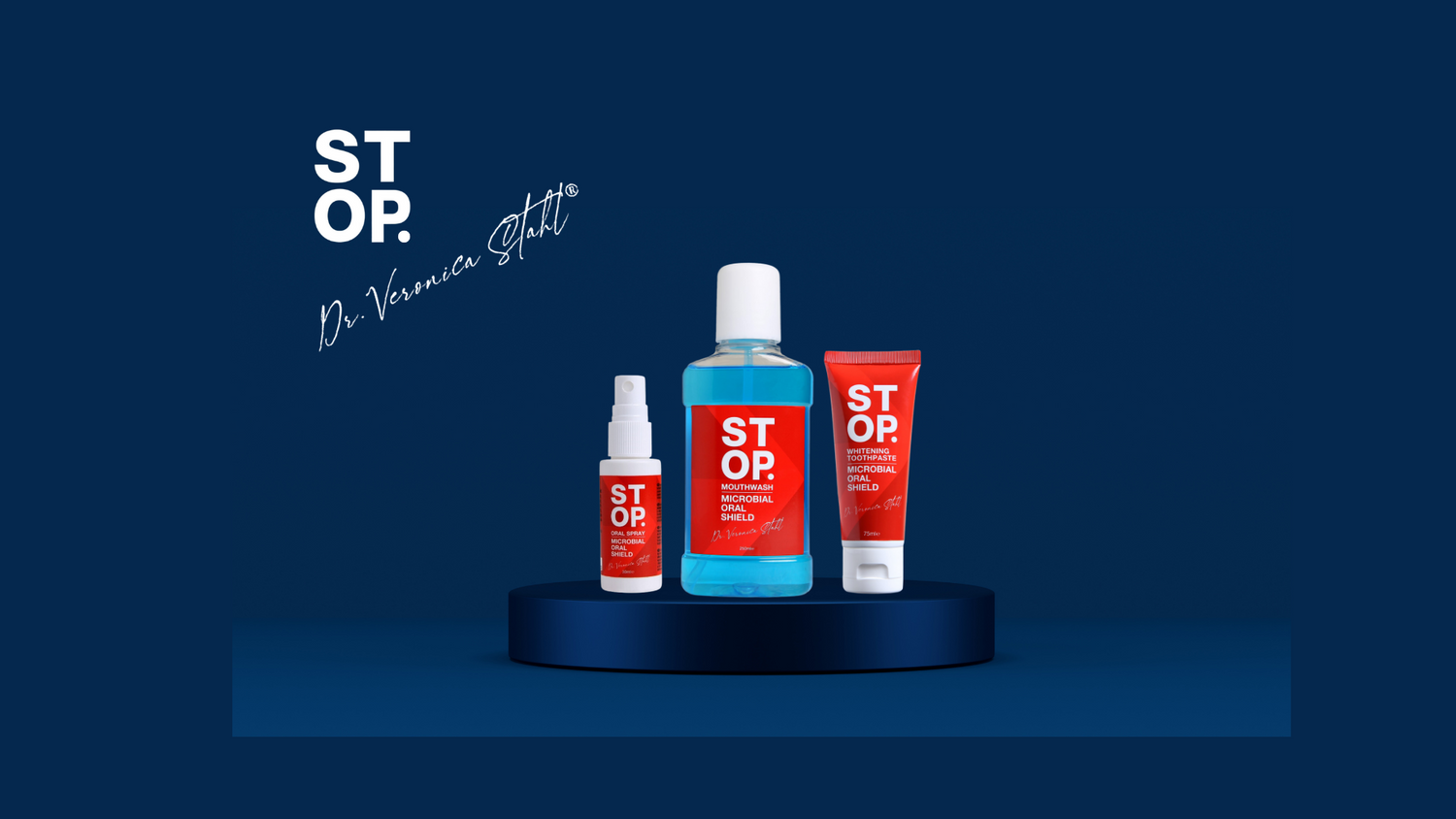
This is the flagship product we’ve refined at STOP Oral Care. The blend pairs broad‑spectrum CBD (0.5‑0.75%) with Dead Sea minerals and a touch of aloe vera. CBD calms inflamed crypts, while the minerals create a mild antimicrobial shield that breaks down biofilm.
Maria, a 31‑year‑old teacher from Amsterdam, swapped her mint rinse for STOP Mouthwash and saw the weekly stone “crunch” disappear after ten days. She says the rinse feels soothing, not stingy, which is key when your throat is already irritated.
How to use: swish 20 ml for 30 seconds, tilt your head back just enough for the liquid to reach the tonsils, then follow with a brief warm‑salt gargle. Consistency for three weeks usually yields a noticeable drop in stone size and frequency.
2. Alcohol‑Free Essential‑Oil Rinse
Formulations that contain tea tree oil, neem, or eucalyptus work like a natural “bio‑film breaker.” The essential oils disrupt the sticky matrix that holds bacteria and debris together, making it easier for the rinse to wash everything out.
Take Marco, a 28‑year‑old teacher from Belgium (mentioned earlier). After he switched to an alcohol‑free essential‑oil mouthwash, his stone occurrences fell from weekly to once a month. The key is choosing a product without alcohol, because alcohol can dry out the crypts and actually encourage debris to stick.
Tip: look for a label that lists the oil concentration (0.5‑1%) and a soothing agent like glycerin to keep the throat moist.
3. Xylitol‑Based Mouthwash
Xylitol isn’t just a sugar‑free sweetener; it actively promotes saliva flow and interferes with the bacteria that produce the volatile sulfur compounds behind bad breath and stone formation. A study cited by LISTERINE shows antibacterial mouthwashes with xylitol reduce plaque by up to 30 %.
Emma, a freelance graphic designer who travels often, keeps a pocket‑size xylitol rinse on her flights. She notices that even after long, dry cabin rides, her throat feels less gritty and stones stay at bay.
Use it twice daily, preferably after meals, and combine it with a quick salt‑water gargle for extra clearing power.
4. Herbal Plant‑Based Mouthwash
Plant‑based formulas that blend chamomile, sage, and licorice root add anti‑inflammatory benefits while staying gentle on sensitive tissue. These ingredients are especially helpful for people who experience occasional soreness after flossing.
Tom, a frequent traveler from Spain, swears by a chamomile‑rich mouthwash he picks up at his local pharmacy. He reports that the calming effect keeps his tonsils from swelling during long trips, which otherwise would trap debris.
When selecting, check that the product is free from harsh detergents (like sodium lauryl sulfate) and includes a humectant such as aloe vera.
5. DIY Salt‑Water Boost (Not a Commercial Mouthwash, but a Powerful Adjunct)
Mix ½ tsp sea salt in 8 oz warm water. The saline solution works as a mild antiseptic and helps loosen any particles the rinse might have missed. It’s a cheap, universally available step that pairs perfectly with any of the above mouthwashes.
Practical routine: after swishing your chosen mouthwash, take a sip of the salt water, tilt back, and gargle for 15 seconds. Spit, then finish with a quick sip of plain water.
Overall, the best approach is a layered one – a targeted antimicrobial rinse followed by a soothing salt‑water finish. This combo attacks the biofilm, reduces bacterial load, and keeps the tissue hydrated, making it far harder for tonsil stones to form.
For a deeper dive into why our CBD‑infused formula stands out, check out STOP Mouthwash by Dr. Veronica Stahl, which breaks down the science behind each ingredient and shows how it fits into a daily anti‑stone routine.
Comparing Mouthwash Ingredients and Effectiveness
Choosing a mouthwash for tonsil stones isn’t just about fresh breath. You’re weighing ingredients that actually reach those tiny tonsil pockets and disrupt the biofilm there. So, what should you look for in ingredients that matter?
In our experience at STOP Oral Care, the strongest performers combine anti‑inflammatory power with compounds that break up mucus and biofilm. CBD, plant botanicals, and mineral blends are common threads—each with its own strengths. Let’s break down the main options you’ll see on shelves.
CBD‑infused, alcohol‑free formulas like STOP Mouthwash pack anti‑inflammatory relief for irritated crypts while delivering a mild antimicrobial shield. The Dead Sea minerals add a gentle antimicrobial environment that helps keep the crypts cleaner between brushes. This combo can reduce stinginess in the throat and make it easier for debris to loosen during swishing. Think of it as a calm, steady method to prevent recurring stones.
Does it dry you out? Not if it’s alcohol‑free and includes humectants like aloe or glycerin. A dry throat tends to trap more debris, so hydration matters as much as cleanliness. If you want a longer look at natural approaches, this guide can help you compare options: Natural Mouthwash for Periodontal Disease: A Practical Guide to Safer Oral Care.
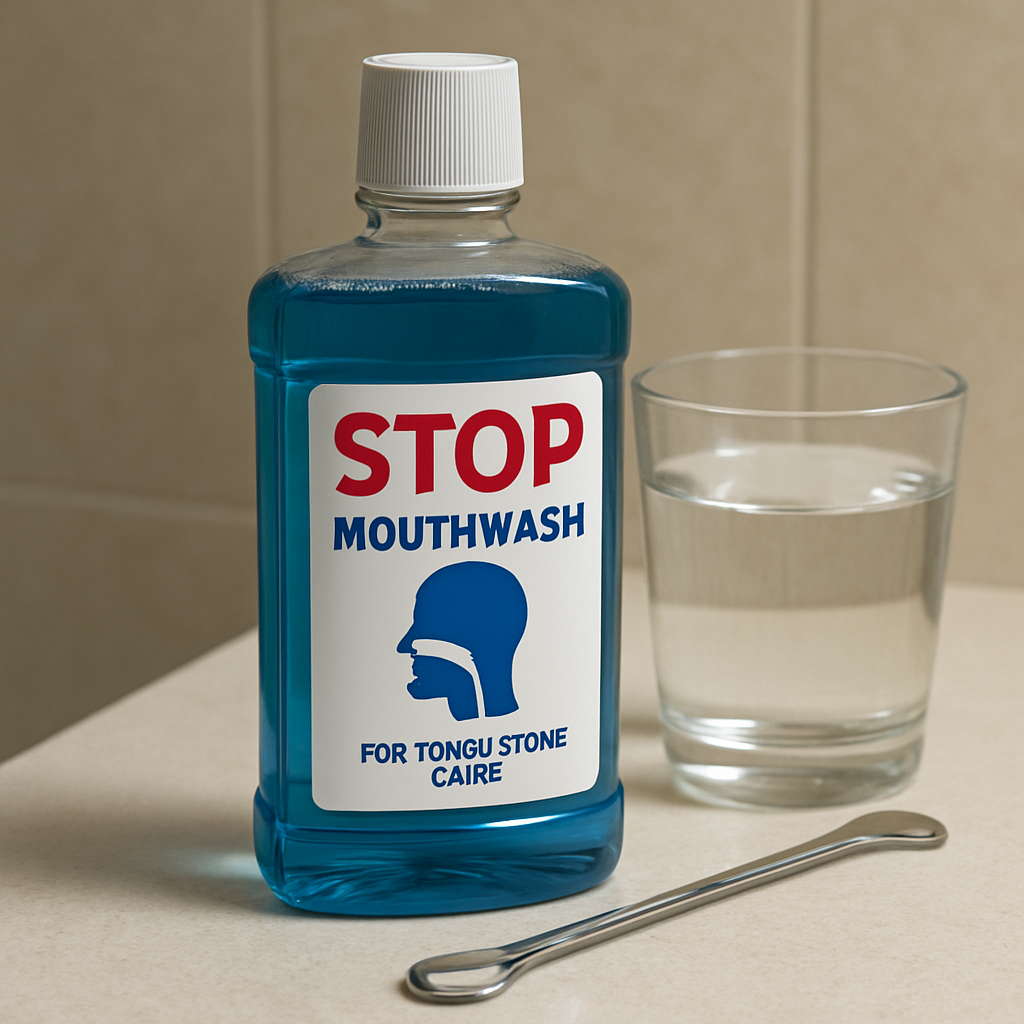
Alcohol‑free essential‑oil rinses rely on tea tree oil, neem, or eucalyptus to disrupt the biofilm. The oils can loosen the sticky matrix that traps bacteria in the tonsillar crypts, making debris easier to rinse away. The key is choosing an alcohol‑free formula to avoid drying out the delicate tissue.
Xylitol‑based mouthwashes support saliva flow and slow down bacterial activity that promotes stones. Xylitol alone won’t reach every nook, but when paired with a gentle antiseptic, it helps keep breath fresh and gums comfortable. Look for 0.5–1% xylitol and a soothing base to avoid irritation during swishes.
Herbal plant‑based rinses often combine chamomile, sage, licorice, and other botanicals for anti‑inflammatory and antimicrobial benefits. They’re typically gentler on sensitive tonsillar tissue and can be excellent for daily use if you’re prone to dryness or sensitivity. Always verify there’s no harsh detergent in the formula.
Side‑by‑side snapshot
| Feature | Option | Notes |
|---|---|---|
| Anti‑inflammatory focus | CBD‑infused | Calms crypts; may reduce irritation |
| Biofilm disruption | Essential oils | Disrupts glue that traps bacteria |
| Moisture management | Xylitol or humectants | Supports saliva; reduces dryness |
| Gentle daily use | Herbal plant‑based | Soft on tissues; fewer harsh detergents |
So, what should you do next? Start with an alcohol‑free formula that targets biofilm and offers moisture retention. Then tailor your routine: swish twice daily, follow with warm salt water when needed, and monitor how your throat feels after two to three weeks. If you want more context on natural formulations, revisit the guide linked above for deeper comparisons.
Home Remedies & Professional Care Complementing Mouthwash
We've talked about the best mouthwash for tonsil stones, but a rinse alone isn’t a magic wand. Think of it like a daily sweep – you still need a little extra push to get the hidden corners clean.
Gentle home tricks that pair well with a rinse
First, warm salt water. A teaspoon of salt in a cup of warm water feels like a tiny spa for your throat. Gargle for 15‑20 seconds, then spit. The salt loosens any stubborn debris and calms inflammation – a perfect warm‑up before you swish your mouthwash.
Second, a low‑pressure water irrigator. Aim the tip toward the tonsillar crypts while standing in front of a well‑lit mirror. The gentle stream can dislodge particles that even the best mouthwash might miss. This tip comes straight from a medical‑news guide on home remedies and works for most adults.
Third, apple cider vinegar (ACV) diluted with water – one tablespoon of ACV in a cup of warm water, up to three times a day. It helps break down the material that forms stones, but be careful: the acidity can erode enamel if you leave it on too long.
And don’t forget the power of simple hydration. Drinking water throughout the day keeps saliva flowing, which naturally washes away food particles before they harden.
When to call in the pros
Home tricks are great, but sometimes the stones are stubborn enough to need a professional hand. A dentist can assess whether a stone can be safely removed in‑office, or if they’ll refer you to an ENT specialist for a deeper look. As the Fundamental Dental guide explains, dentists often start with a gentle floss‑type tool or a specialized irrigator to avoid injury.
If you notice persistent pain, swelling, or foul breath that won’t quit, it’s time to schedule a visit. Our partners at https://dentalboutique.be can evaluate your situation and recommend whether a professional removal or even a tonsillectomy is warranted.
Professional care also means regular check‑ups. A clean bill of oral health reduces the overall bacterial load, meaning your mouthwash does its job more efficiently. Think of it as a team sport: you bring the mouthwash, the home remedies are your training drills, and the dentist is the coach keeping you on track.
Putting it all together – a daily combo
Here’s a quick routine that blends home and professional care without feeling like a chore:
- Morning: Brush gently, then swish 20‑30 seconds of your chosen alcohol‑free mouthwash for tonsil stones.
- Mid‑day: Sip water often; if you feel a gritty spot, do a quick salt‑water gargle.
- Evening: After dinner, repeat the mouthwash, followed by a 15‑second irrigator pass (if you have one). Finish with a warm salt‑water rinse.
If a stone sticks around despite this, give your dentist a call. They can safely remove it and show you how to adjust your routine.
Bottom line: mouthwash for tonsil stones works best when it’s part of a broader hygiene game plan. Pair it with salt‑water gargles, occasional irrigation, and professional check‑ups, and you’ll keep those crypts clear without the crunch.
FAQ
How often should I use mouthwash for tonsil stones?
Most people find that swishing twice a day – once after breakfast and once before bed – hits the sweet spot. It gives the antimicrobial ingredients enough time to break down biofilm without over‑drying the throat. If you’ve got a dry mouth, you might add a quick salt‑water gargle in the middle of the day to keep things moist. Consistency for at least three weeks usually shows a noticeable drop in stone size.
Can an alcohol‑free mouthwash actually dissolve existing tonsil stones?
Alcohol‑free formulas won’t melt a stone like a magic eraser, but the botanicals and CBD in many of them soften the debris and reduce the bacterial glue that holds it together. Over several swishes, the rinse loosens the particle so it either washes away or becomes easier to dislodge with a gentle finger or water flosser. Pairing it with a warm salt‑water rinse boosts the effect.
What ingredients should I look for in a mouthwash for tonsil stones?
Key players are tea tree oil, neem, or other essential oils that break down biofilm, plus a touch of CBD or aloe to calm inflamed crypts. Look for humectants like glycerin or aloe vera – they keep the throat from drying out, which otherwise encourages debris to stick. A mild antiseptic such as chlorhexidine is effective but can sting, so many prefer natural alternatives.
Is it safe to combine mouthwash with salt‑water gargles?
Absolutely. In fact, the combo is a favorite among dental pros. The mouthwash attacks the bacteria first, then the saline rinse acts as a mild antiseptic and helps flush out any loosened particles. Just make sure you spit out the mouthwash before you start the salt‑water gargle, so the two don’t dilute each other. A quick rinse with plain water after the salt‑water finish clears any lingering taste.
Can I use a DIY mouthwash recipe for tonsil stones?
You can, but keep it simple. A common recipe mixes half a cup of warm water, a teaspoon of baking soda, a few drops of tea tree oil, and a splash of aloe juice. Stir well and swish for 20‑30 seconds. The baking soda neutralizes acid, while the oil disrupts biofilm. Test a tiny amount first to make sure you don’t react to the essential oil, then use it twice daily.
When should I see a dentist about persistent tonsil stones?
If you notice stones that won’t budge after a month of diligent rinsing, or if you experience pain, swelling, or chronic bad breath, it’s time to book an appointment. A dentist can safely remove stubborn stones and check for underlying issues like enlarged crypts or infection. They might also refer you to an ENT specialist if the stones are recurrent and severe.
Conclusion & Next Steps
We've walked through why a targeted mouthwash for tonsil stones matters, how the right ingredients break down biofilm, and real‑world stories of people who finally said goodbye to that gritty throat feeling.
So, what’s the next move? First, pick an alcohol‑free formula that includes a biofilm‑buster like tea tree oil, neem, or a CBD‑infused blend. In our experience at STOP Oral Care, the CBD‑infused, Dead Sea mineral mix calms inflamed crypts while still keeping the mouth fresh.
Next, set a simple habit: brush gently, swish 20‑30 seconds, then finish with a warm salt‑water gargle. Do it twice a day for three weeks and log any stone sightings. If you notice a drop in frequency or size, you’ve hit the sweet spot.
Need a quick tweak? Add a humectant such as glycerin or aloe vera if your throat feels dry, especially after flights or long meetings. And remember to stay hydrated throughout the day – saliva is your natural cleanser.
If stones persist after a month of diligent rinsing, or if pain, swelling, or bad breath linger, schedule a dentist visit. A professional can safely remove stubborn stones and check for deeper issues.
Finally, keep experimenting within these guidelines and adjust as you learn what your mouth responds to. Consistency, the right ingredients, and a bit of patience will turn that once‑daily annoyance into a thing of the past.