

Bad breath can ruin a good day. It hits you in a meeting, on a date, or even at home. You want a fix that’s safe, cheap, and simple.
Swap harsh chemicals for plant helpers. Peppermint oil, green tea, or a pinch of baking soda calm the smell. They kill the bacteria that love food bits on your tongue.
Rinse with warm water and half a teaspoon of salt after meals. The salt draws out moisture and loosens the film that hides odor. Do it twice a day for a fast fresh feel.
Chew herbs like parsley or cilantro for a burst of green flavor and mask scent while chlorophyll fights bad smells. Keep a small pack in your bag for a quick chew before a call.
If you like a spray, see Effective Oral Spray for Bad Breath: A Practical Guide. It shows how a natural spray can keep breath fresh for hours without alcohol or harsh agents.
For health view, look at XLR8well. Their tips on diet, hydration, and stress help keep your body, including your mouth, in balance.
Try one or two of these steps. You’ll notice a cleaner feeling and more confidence at the next meeting.
Step 1: Identify the Underlying Causes
First, think about what actually makes your breath smell. It’s not just the food you ate. It can be the film on your tongue, low saliva, or even a health hiccup.
Check your tongue first. A white coating often hides bacteria that love to break down food bits. Tongue scraper benefits show how a simple tool can lift that film and cut the odor at the source.
Next, look at your hydration. When you’re dry‑mouthed, saliva can’t wash away the bad stuff. Sip water throughout the day, especially after coffee or a meal.
Consider what you eat. Strong spices, onions, and sugary snacks feed the microbes that cause smell. Swap them for fresh veggies or a handful of parsley for a quick reset.
Sometimes a medical issue hides behind the breath. Acid reflux, sinus infections, or diabetes can all add a funky note. If the smell won’t quit, a quick chat with a doctor might be worth it.
Want a bigger picture on how lifestyle ties into fresh breath? XLR8well offers tips on diet, stress, and overall wellness that complement oral care.
Here’s a quick visual guide. Watch the short video below for a step‑by‑step look at spotting the root causes.
After you’ve spotted the triggers, you can target each one with a natural remedy. That’s the plan for the next steps.

Step 2: Make an Herbal Mouthwash
Now that you know what’s causing the odor, it’s time to brew a rinse that actually fights the bugs. You don’t need fancy chemicals – just a few kitchen herbs and a pot of water.
What you’ll need: fresh mint leaves, a cinnamon stick, a clove or two, and a cup of boiling water. If you like a little zing, add a slice of lemon.
First, bring the water to a gentle boil. Toss in the mint and cinnamon. Let it simmer for three minutes. Turn off the heat, drop in the clove and lemon, then cover and steep for another two minutes. Cool it down to room temperature before you use it.
Use the mouthwash twice a day – once after breakfast and once after dinner. Swish for 30 seconds, then spit. No need to rinse with plain water after; the herbs keep working.
Why this works: mint’s menthol kills odor‑causing bacteria, cinnamon’s cinnamic aldehyde does the same, and clove’s eugenol is a natural antiseptic. The lemon adds a fresh scent and helps break down food particles.
Tip: If you travel, pack a small jar with the cooled rinse. It stays good for a week in the fridge.
For more herb‑based formulas, check out the Natural Mouthwash for Dry Mouth guide. It walks you through variations that suit a dry mouth or sensitive gums.
Also, fresh breath isn’t just about the mouth – a clean face helps the whole feel. You might want to explore skin‑care routines too; Sade Skin offers professional treatments that keep your skin as fresh as your breath.
Give this simple brew a week and notice the difference. No alcohol, no artificial flavors – just herbs doing their job.

Step 3: Incorporate Probiotic Foods
Good bacteria aren't just for your gut; they can calm the mouth too. When friendly microbes outnumber the smelly ones, the breath stays fresh without harsh chemicals.
Start with a plain yogurt or kefir cup each morning. Choose a version with live cultures and no added sugar. Swirl it around, let it sit on your tongue for a few seconds, then swallow. That quick pause gives the good bugs a chance to settle.
Another easy win is a spoonful of sauerkraut or kimchi as a side dish. The crunch adds texture, and the fermentation packs a punch of lactobacillus that fights odor‑making bacteria.
If you like a drink, sip unsweetened kombucha once a day. Keep it chilled and limit it to a small glass – you get the probiotic boost without too much acid.
Tip: A miso soup starter before lunch works well too. Warm broth softens the food, and the miso brings more friendly microbes to the mix.
Consistency matters. Aim for at least one probiotic serving daily, and you’ll notice less tongue coating over a week or two. Pair this habit with the herbal mouthwash you already make for an extra clean feel.
Want a guide on choosing a mouthwash that won’t undo your probiotic work? Check out the alcohol‑free mouthwash guide for tips on low‑pH formulas that play nice with good bacteria.
Give these foods a try and watch your breath improve naturally. No pills, no gimmicks – just simple foods your body already trusts.
Step 4: Adopt Lifestyle Changes
Now the food and rinse are in place, but your daily habits still matter. Small tweaks can keep the fresh feeling alive all day.
First, drink enough water. Saliva is the mouth’s natural cleaner; when it dries out, bad‑smell bugs thrive. Aim for at least eight glasses a day. If you forget, set a timer on your phone.
Second, watch what you snack on. Crunchy veggies like carrots, celery, or an apple pull food off the teeth and boost saliva. They’re easy to carry and cost almost nothing.
Third, limit alcohol and caffeine. Both dry the mouth and can mask the odor with a temporary minty taste that fades fast. If you need a coffee boost, try a half‑cup of green tea instead. The catechins help fight the bacteria.
Fourth, get enough sleep. Poor sleep raises stress hormones that can dry the mouth and even change the breath chemistry. Aim for seven to nine hours and keep the bedroom cool.
Fifth, consider a daily vitamin that supports oral health. Zinc and vitamin B12 are known to cut down sulfur gases that cause halitosis. A quick read of the men’s multivitamin guide can point you to a safe option.
Finally, keep your oral routine consistent. Pair the habit of a quick rinse with the Alcohol‑free mouthwash guide you already follow, and set a reminder on your phone to do it after lunch and dinner.
| Change | Why it helps | Quick tip |
|---|---|---|
| Stay hydrated | Water washes away food bits and keeps saliva flowing | Carry a bottle, sip every hour |
| Crunchy veggies | Fiber scrapes teeth and stimulates saliva | Pack carrot sticks for work |
| Limit alcohol/caffeine | Reduces mouth‑drying effect that fuels odor | Swap an afternoon coffee for green tea |
Step 5: Quick Home Remedies for Immediate Relief
Got a bad breath moment in the middle of a call? You can fix it in under two minutes with stuff you already have.
First, mix a half‑teaspoon of salt in warm water. Swish for 30 seconds, then spit. The salt pulls out the film on your tongue and calms any irritation.
Next, grab a few fresh parsley leaves or a mint sprig. Chew them like gum. The chlorophyll and menthol give a short burst of cool scent while the fibers scrub away leftover bits.
If you have green tea on hand, steep a bag for a minute, let it cool, then sip. The catechins in the tea slow down the bacteria that love sugar.
A quick baking soda paste works wonders too. Stir a pinch of baking soda with a drop of water, spread it on your tongue, wait ten seconds, then rinse. It neutralizes the acids that cause the smell.
Another fast trick is to dab a pinch of ground cinnamon on the inside of your cheek. Cinnamon’s natural antimicrobial power can mute odor for half an hour. If you prefer a mild acid, swish with a teaspoon of diluted apple cider vinegar (one part vinegar to three parts water) for 20 seconds, then rinse with plain water.
When you need a fast fix right before a meeting, try the tricks in How to Freshen Breath Before a Meeting Without Brushing. A sip of water, a sprig of mint, and a quick tongue swipe can buy you confidence.
Pick two of these hacks, set a timer on your phone, and repeat whenever you feel that tell‑tale scent. In a few minutes you’ll notice a cleaner mouth and a steadier smile.
Conclusion
You’ve seen how a simple herb rinse, a probiotic bite, a water habit and a few fast hacks can keep your mouth fresh.
All you need is to choose the tricks that fit your day and repeat them. A pinch of cinnamon in the morning, a sip of green tea after lunch, and a quick salt‑water swish before a call are enough to curb the smell.
So, what’s the next step? Grab one of the natural remedies you liked, set a reminder, and watch the confidence grow.
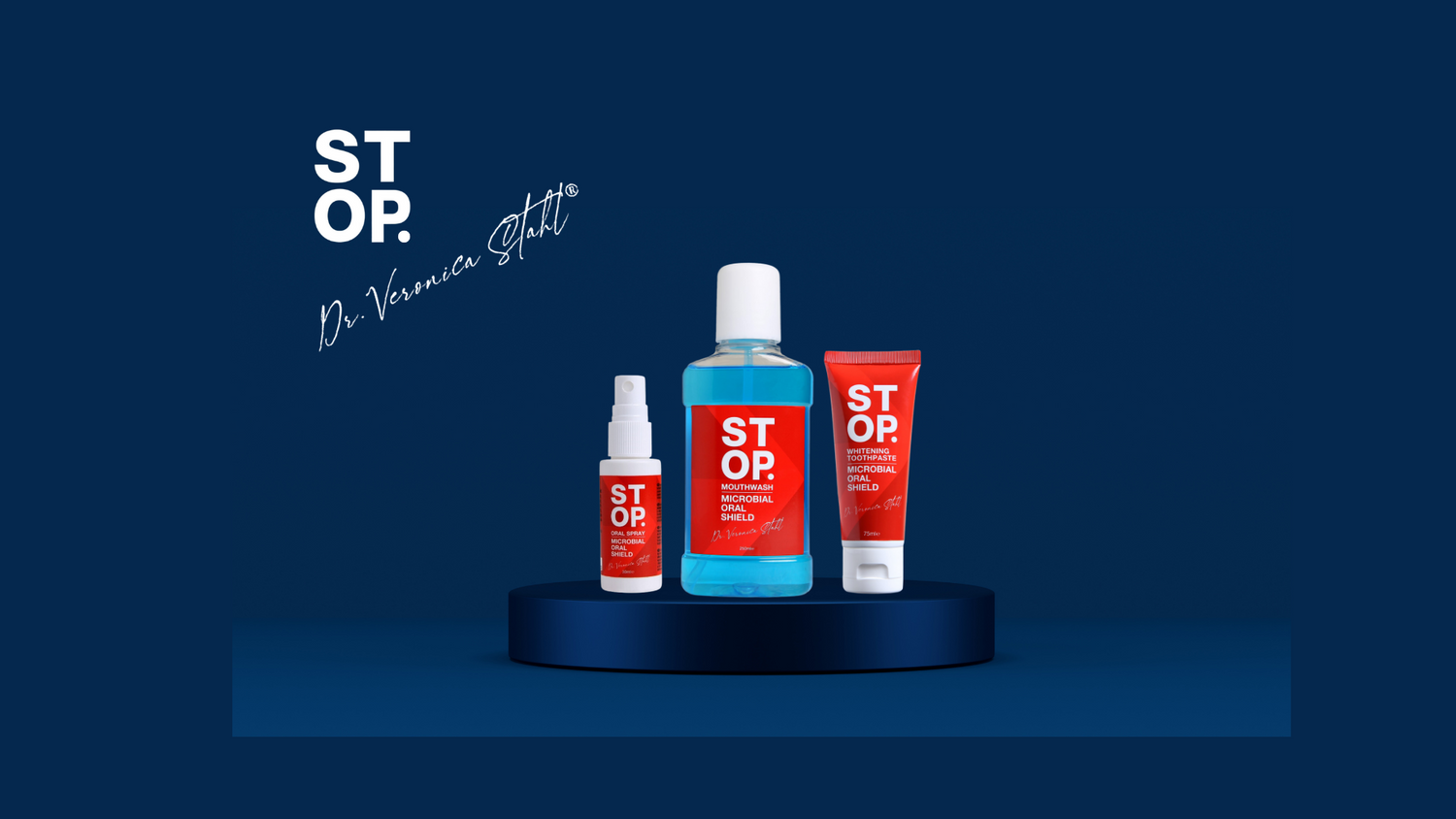
If you want a ready‑made option, STOP oral care offers an oral spray that blends CBD and marine algae to support the same fresh feel without harsh chemicals. A couple of sprays in the morning and evening keep the scent at bay.
Stick to the routine, stay hydrated, and let the natural approach do the work. Your breath will thank you.
FAQ
What is a fast natural remedy for bad breath?
A quick natural remedy for bad breath is a warm salt‑water rinse. Mix half a teaspoon of salt in a cup of warm water, swish for 30 seconds, then spit. The salt pulls out food bits and calms irritation on the tongue. You can do it right after meals or before a call. It’s cheap, safe, and works within minutes.
How often should I use a herbal mouthwash?
A herbal mouthwash can be used twice a day – once after breakfast and once after dinner. Fill a small cup, swish for 20‑30 seconds, then spit. No need to rinse with plain water afterward; the herbs keep working. If you travel, keep a tiny jar in your bag and use it after any meal you can.
Can probiotic foods really help with halitosis?
Probiotic foods such as plain yogurt, kefir, kimchi, or sauerkraut can help lower the sulfur gases that cause bad breath. Choose one serving each day, eat it after a meal, and let it sit on your tongue for a minute before swallowing. The live cultures compete with odor‑producing bacteria and gradually improve the scent of your breath.
Is a salt‑water rinse safe to do every day?
A salt‑water rinse is gentle enough for daily use, but if you have sensitive gums you might cut back to once every other day. Rinse with lukewarm water, not hot, to avoid irritation. Follow the rinse with regular brushing and flossing. Over‑doing any rinse can dry out the mouth, so listen to how your gums feel.
Do I need a special toothbrush for fresh breath?
You don’t need a special brush, but a soft‑bristled one that reaches the back of the tongue works best. Brush gently for two minutes, focusing on the gum line and the top of the tongue. Replace the head every three months to keep the bristles effective. Pair this with floss and a natural mouthwash for a full clean.
How does STOP oral care’s CBD spray fit into a natural routine?
STOP oral care’s CBD‑infused spray fits right into a natural routine. The spray adds a thin layer of soothing oil and marine minerals that keep bacteria in check without harsh alcohol. Use two sprays after your morning rinse and again at night. It’s a quick, mess‑free step that adds extra fresh‑breath protection while you stick to herbs and foods.