

Keeping your mouth healthy often comes down to more than just brushing or choosing the right toothpaste. Many adults in Belgium, Germany, the UK, and France are looking for natural, fluoride-free solutions, but the real hero in daily oral care is often overlooked. Saliva is a complex fluid rich in enzymes, antimicrobial agents, and minerals that actively protect your mouth and support digestion. Discover how supporting your body’s natural systems can help you maintain a clean, healthy smile.
Table of Contents
- Saliva’s Essential Functions in the Mouth
- Natural Defense: Saliva’s Antimicrobial Actions
- Saliva and the Balance of Oral Microbiome
- How Saliva Supports Tooth Mineralization
- Common Issues From Reduced Saliva Flow
Key Takeaways
| Point | Details |
|---|---|
| Saliva Supports Digestion | Saliva plays a vital role in digesting food by initiating carbohydrate breakdown and forming food bolus for easier swallowing. |
| Antimicrobial Defense Mechanisms | Saliva contains several antimicrobial compounds that help neutralize harmful bacteria and protect against infections. |
| Maintains Oral Comfort | Saliva keeps oral tissues lubricated, preventing dryness and discomfort, thus enhancing speech and eating experiences. |
| Importance of Hydration | Adequate saliva production is critical for oral health; reduced saliva flow can lead to increased dental issues and discomfort. |
Saliva’s Essential Functions in the Mouth
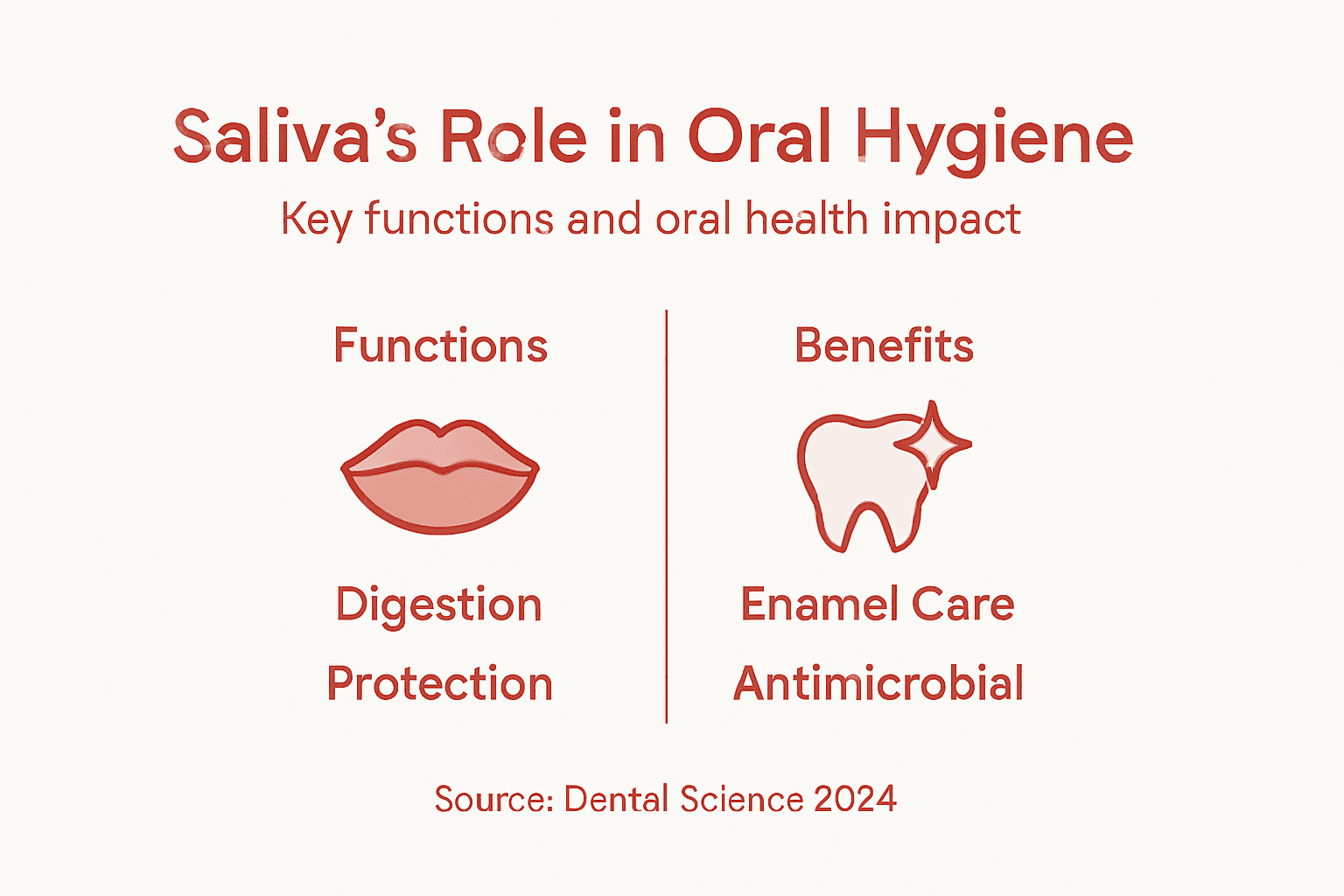
Saliva is far more than just water in the mouth. It is a complex biological fluid with multiple critical functions that maintain oral health and support numerous physiological processes. Salivary composition and functions reveal an intricate system designed to protect and sustain our oral environment.
The primary functions of saliva can be categorized into several key areas:
-
Digestive Support
- Initiates food breakdown through enzymatic action
- Contains amylase to begin carbohydrate digestion
- Helps form food bolus for easier swallowing
-
Protective Mechanisms
- Provides antimicrobial defense against pathogens
- Contains lysozyme to neutralize harmful bacteria
- Creates protective coating on teeth and oral surfaces
-
Lubrication and Comfort
- Maintains oral moisture
- Prevents friction between soft tissues
- Enables smooth speech and eating processes
Saliva’s remarkable biochemical properties extend beyond these primary functions. Rheological properties of saliva demonstrate its ability to adapt and respond dynamically to different oral stimuli, ensuring continuous protection and support.
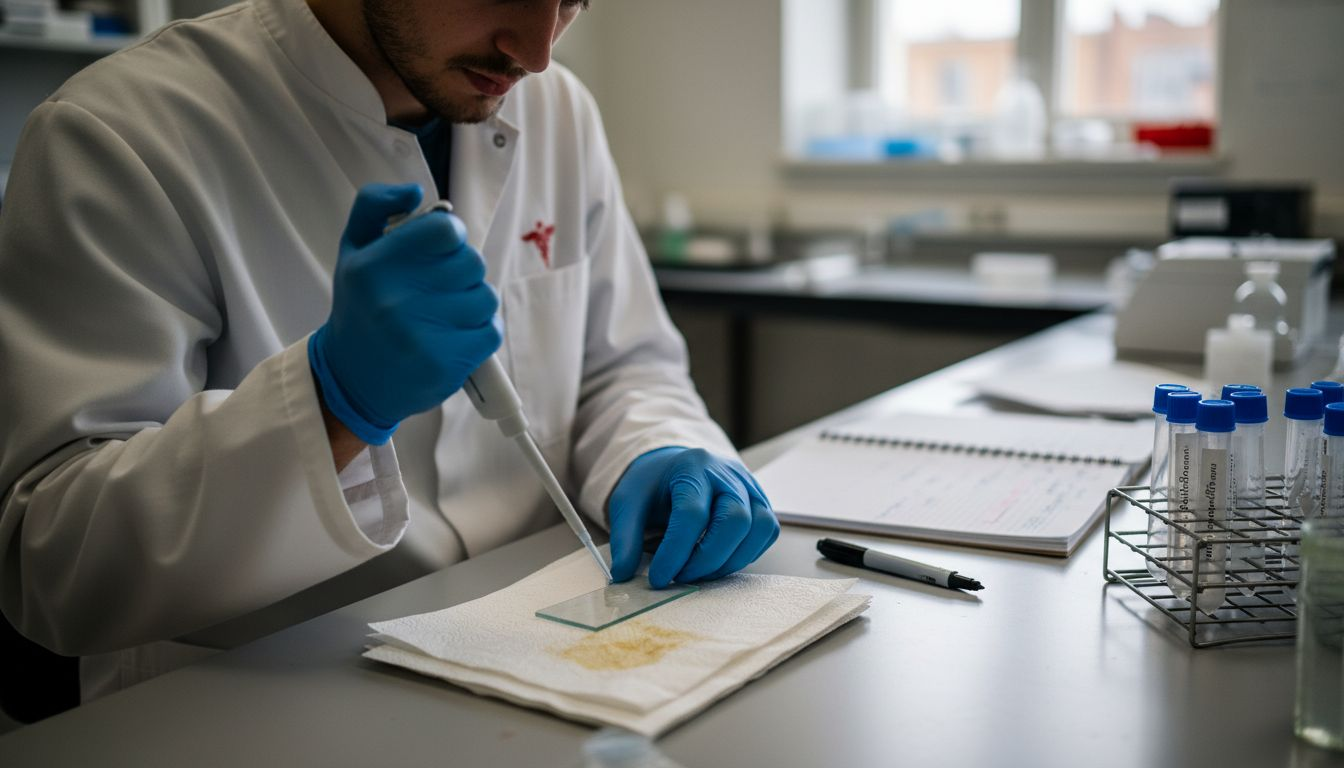
The human salivary system produces approximately 0.5-1.5 liters of saliva daily, with production increasing during meals and decreasing during sleep. This dynamic fluid contains over 99% water, combined with electrolytes, mucus, white blood cells, enzymes, and antibacterial compounds that work synergistically to maintain oral health.
Pro tip: Monitor your saliva production and hydration levels, as reduced salivary flow can significantly impact oral and digestive health.
Here’s a summary of how saliva contributes to oral health across different areas:
| Function Area | Main Contribution | Key Benefit |
|---|---|---|
| Digestion | Starts breaking down carbohydrates | Eases swallowing and nutrient use |
| Defense | Neutralizes bacteria and viruses | Reduces cavity and infection risk |
| Lubrication | Keeps tissues moist and smooth | Improves speech and eating |
| Mineralization | Delivers calcium and phosphate | Strengthens and repairs enamel |
Natural Defense: Saliva’s Antimicrobial Actions
The human mouth is a complex ecosystem teeming with microorganisms, and saliva plays a crucial role in maintaining its delicate balance. Antimicrobial agents in saliva work tirelessly to protect against potential pathogens and maintain oral health.
Saliva’s antimicrobial defense system includes several powerful mechanisms:
-
Chemical Defense Compounds
- Hydrogen peroxide
- Lactoferrin
- Lysozymes
- Immunoglobulins
-
Protective Strategies
- Continuous fluid flow to flush away harmful agents
- Neutralizing bacterial growth
- Creating an inhospitable environment for pathogens
- Preventing colonization of harmful microorganisms
The complexity of salivary defense goes beyond simple antimicrobial action. Protective oral tissue mechanisms demonstrate how saliva actively lubricates and shields oral surfaces from potential infections.
Understanding these intricate defense mechanisms reveals why saliva is more than just a moisture-providing fluid. It contains specialized peptides and proteins that specifically target and neutralize harmful bacteria, effectively preventing conditions like dental caries, oral thrush, and other potential infections.
Pro tip: Maintain optimal hydration and oral hygiene to support your saliva’s natural antimicrobial capabilities and protect your oral microbiome.
Saliva and the Balance of Oral Microbiome
The oral microbiome represents a delicate ecosystem housing hundreds of bacterial species, with saliva serving as its primary regulatory mechanism. Oral microbiota ecological regulation demonstrates the intricate ways saliva maintains microbial balance and prevents potential disease states.
Key aspects of saliva’s microbiome management include:
-
Microbial Population Control
- Washing away excess bacteria
- Providing antimicrobial molecules
- Regulating bacterial growth
- Preventing harmful microorganism colonization
-
Biochemical Balancing Mechanisms
- Releasing specialized enzymes
- Neutralizing harmful bacterial populations
- Supporting beneficial microbial growth
- Maintaining optimal pH levels
Modern scientific advances, including emerging ‘salivaomics’ research, have revealed the profound complexity of these interactions. Saliva’s microbial regulatory processes demonstrate how this fluid actively manages the oral environment’s ecological balance.
The sophisticated interactions between salivary components and oral microorganisms highlight why maintaining optimal salivary function is crucial. By supporting natural salivary processes, individuals can help preserve a healthy, balanced oral microbiome and prevent potential infections or dental pathologies.
Pro tip: Hydrate regularly and practice good oral hygiene to support your saliva’s natural microbiome management capabilities.
How Saliva Supports Tooth Mineralization
The process of tooth mineralization is a sophisticated biological mechanism where saliva plays a critical protective role. Tooth remineralization processes demonstrate how this fluid continuously supplies essential minerals to maintain dental health.
Key components of saliva’s mineralization support include:
-
Mineral Delivery Systems
- Calcium ions
- Phosphate compounds
- Trace mineral elements
- Hydroxyapatite crystal formation
-
Protective Mineral Mechanisms
- Neutralizing acidic environments
- Rebuilding tooth enamel
- Preventing mineral loss
- Counteracting bacterial acid production
Saliva’s remarkable buffering capacity ensures a stable oral environment. Enamel maintenance strategies reveal how this fluid continuously supplies minerals that form protective hydroxyapatite crystals.
The intricate dance of minerals within saliva demonstrates its profound role in maintaining tooth structure. By providing a continuous supply of calcium and phosphate, saliva acts as a natural defense mechanism against tooth decay and supports long-term dental health.
Pro tip: Stay hydrated and maintain a balanced diet to support your saliva’s natural tooth mineralization capabilities.
Common Issues From Reduced Saliva Flow
Reduced saliva production, medically known as hyposalivation, can trigger a cascade of significant oral health complications. Oral health consequences of low saliva reveal the critical role this fluid plays in maintaining overall dental wellness.
Primary challenges arising from diminished saliva flow include:
-
Dental Health Risks
- Increased tooth decay
- Higher cavity formation rates
- Accelerated enamel erosion
- Reduced natural tooth protection
-
Functional Oral Impairments
- Difficulty swallowing
- Compromised taste perception
- Challenges in food consumption
- Increased oral tissue vulnerability
The systemic impact of reduced saliva extends beyond immediate oral discomfort. Pathogenic infection risks demonstrate how decreased salivary secretion can compromise the mouth’s natural defense mechanisms, making individuals more susceptible to bacterial and fungal infections.
Potential underlying causes of reduced saliva production range from medication side effects and autoimmune conditions to age-related changes and chronic dehydration. Understanding these factors can help individuals proactively manage and mitigate potential oral health risks associated with diminished salivary function.
Pro tip: Consult a healthcare professional if you experience persistent dry mouth, as early intervention can prevent long-term oral health complications.
The table below contrasts healthy saliva flow with reduced saliva flow:
| Saliva Status | Oral Comfort | Dental Health Risk | Common Symptoms |
|---|---|---|---|
| Healthy | Moist, smooth mouthfeel | Low risk of decay | Easy chewing and swallowing |
| Reduced (dry) | Dryness, discomfort | High risk of cavities | Taste loss, frequent soreness |
Protect Your Oral Health Naturally With the Power of Saliva and Innovative Care
Understanding the essential role of saliva in maintaining oral hygiene reveals how crucial it is to support your body’s natural defenses. If you struggle with dry mouth, enamel erosion, or frequent cavities due to reduced saliva flow, it is time to take control with safe and effective solutions. The challenges highlighted in this article emphasize the need for a product line that works in harmony with your saliva’s protective, antimicrobial, and mineralizing functions.
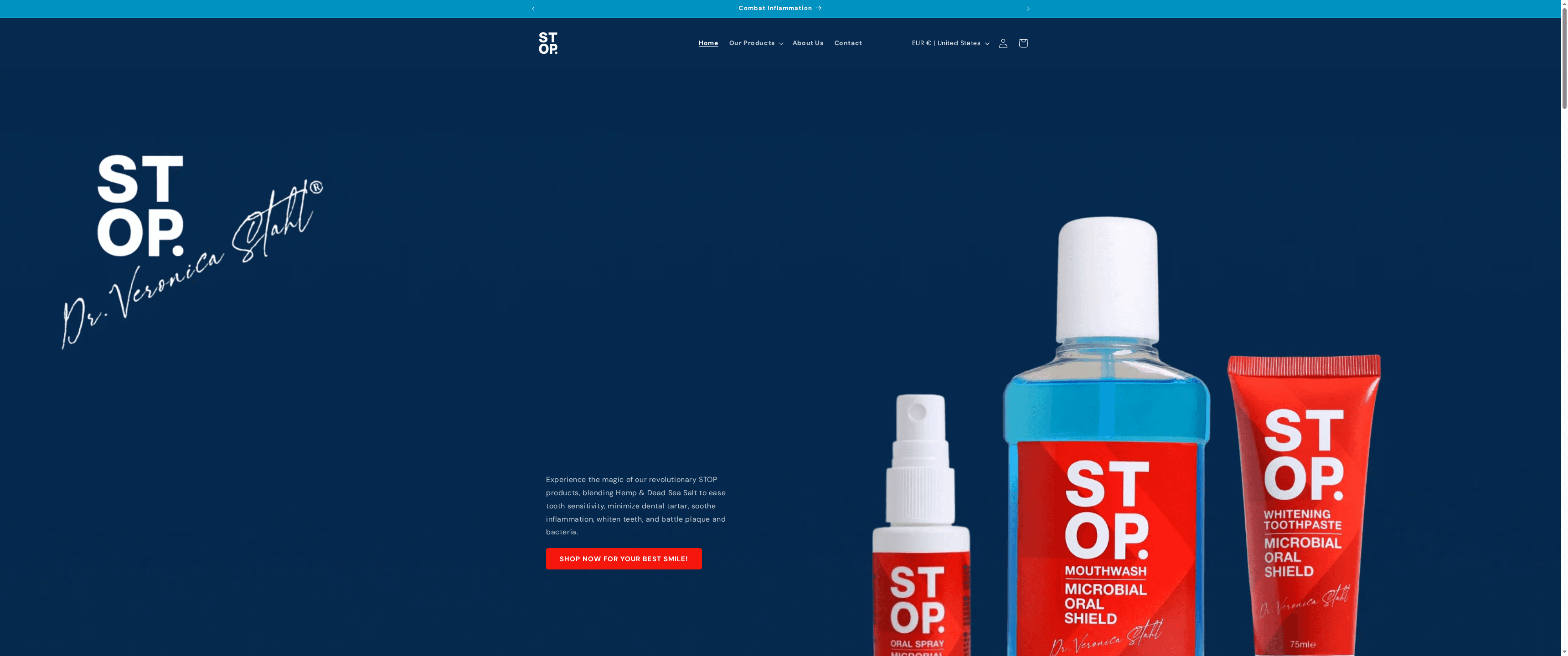
Explore the scientifically formulated, fluoride-free oral care products at STOP Oral Care. Powered by natural hemp and Dead Sea minerals, these innovative items enhance saliva’s natural abilities without harsh chemicals. Visit the Home Page – Stop Oral Care now to discover toothpastes, mouthwashes, and sprays designed to revitalize moisture balance, support enamel strength, and protect your oral microbiome. Do not wait for discomfort or damage to worsen. Support your saliva and achieve healthier, more comfortable oral care today by visiting https://stop-oralcare.com.
Frequently Asked Questions
What are the primary functions of saliva in oral health?
Saliva plays several key roles in oral health, including initiating the digestion of carbohydrates, providing antimicrobial defense against pathogens, lubricating oral tissues for comfort, and delivering essential minerals for tooth strength and repair.
How does saliva contribute to the balance of the oral microbiome?
Saliva regulates the oral microbiome by washing away excess bacteria, providing antimicrobial molecules, and maintaining optimal pH levels, which helps support beneficial microbial growth and prevent the colonization of harmful microorganisms.
What can lead to reduced saliva production, and what are the effects?
Reduced saliva production can result from factors like medication side effects, autoimmune conditions, and dehydration. This can increase the risk of tooth decay, create difficulties in swallowing, and lead to oral discomfort.
How can I support my saliva production for better oral health?
To support saliva production, stay hydrated, maintain good oral hygiene practices, and consider a balanced diet that includes foods that stimulate salivation, such as crunchy fruits and vegetables.
Recommended
- Role of pH Balance in Oral Hygiene: Protecting Enamel and Microbiome – Stop Oral Care
- How to Get Rid of Plaque Naturally: A Practical Step-by-Step Guide – Stop Oral Care
- How to Make a Natural Mouthwash for Dry Mouth at Home – Stop Oral Care
- 7-Step Oral Hygiene Checklist for Adults Seeking Natural Care – Stop Oral Care
- TMRG Defense and Protection - TMRG Solutions