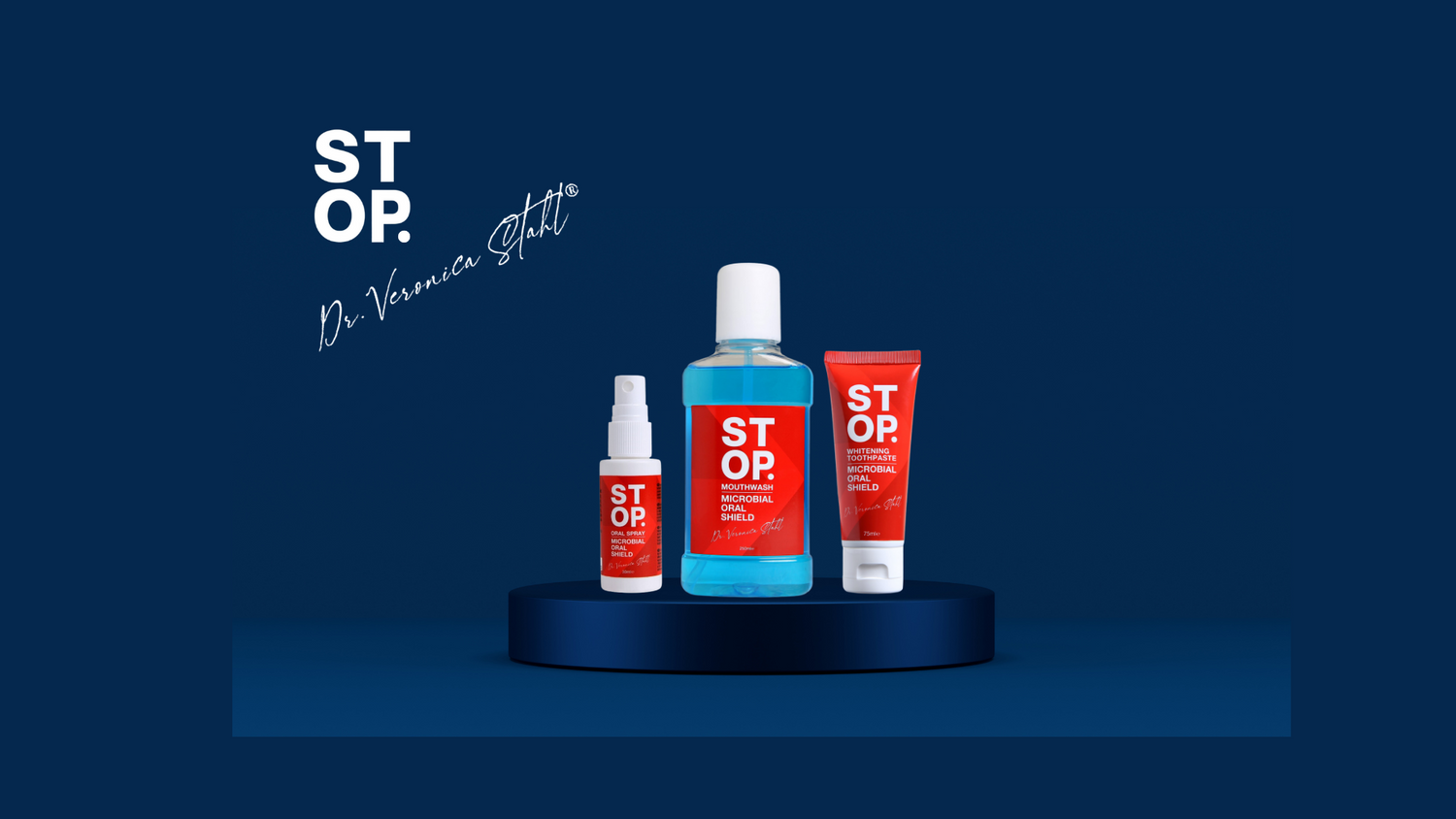

Seaweed toothpaste is shaking up the way people think about clean mouths.
Instead of synthetic chemicals, it leans on marine algae that naturally soothe gums and cut down plaque. Think of it like swapping a harsh detergent for a gentle sea-salt scrub – you still get fresh breath, but with less irritation.
If you’re hunting for a product that actually lists seaweed or algae near the top of the ingredient list, start by reading the label and checking for terms like "marine algae extract." A quick way to see what to look for is a guide on marine‑algae mouthwash, which walks you through spotting the right ingredients Marine Algae Mouthwash for Gum Inflammation.
Beyond just teeth, seaweed fits into a whole‑body wellness plan. Partners like XLR8well talk about using natural compounds to boost health, so it makes sense to add a sea‑based toothpaste to that mix.
Try this: pick a seaweed toothpaste, brush twice a day, and note any change in gum comfort after a week. If you feel less soreness, you’ve probably found a win for your oral routine.
Remember, consistency beats a one‑off switch; keep using the seaweed paste for at least two weeks to see true benefits.
What Is Seaweed Toothpaste?
Seaweed toothpaste is a paste that gets its power from marine algae. The algae act like a gentle scrub for your gums and teeth. They help calm irritation and keep plaque low without harsh chemicals.
Imagine you’re on a beach and the sea breeze cools your skin. That fresh feeling is what the algae bring to your mouth – a natural, soothing clean.
Most seaweed pastes list the extract near the top of the ingredient list. If you see “marine algae extract” or “seaweed powder,” you’re looking at the right kind of product.
One reason people pick this paste is that it fits into a whole‑body wellness plan. It’s a step that matches what health‑focused brands like XLR8well suggest for proactive care. For skin lovers, Sade Skin also talks about natural marine ingredients for a balanced routine.
Want to see how seaweed toothpaste stacks up against other fluoride‑free options? Check out this guide on natural toothpaste without fluoride for a quick comparison.
How does it work? The algae contain polysaccharides that stick to the tooth surface, slowing the growth of harmful bacteria. At the same time, they release minerals that help repair tiny enamel cracks.
Try it for two weeks. Brush twice a day, note any change in gum comfort, and see if your breath feels fresher. Most users report less soreness and a smoother feel.
So, if you’re after a gentle, marine‑based clean, seaweed toothpaste might be the simple switch you need.
Key Benefits of Seaweed Toothpaste
Seaweed toothpaste does more than freshen breath. It brings natural anti‑bacterial power to the front line of your mouth. The algae compounds attack the bad bugs that cause plaque while they calm inflamed gums.
One clear win is lower plaque build‑up. A study of marine algae extracts showed a drop in plaque scores after two weeks of use. That means you might see less gritty feeling on your teeth without harsh chemicals.
Another perk is gentler gum care. If you’ve felt sore gums from traditional paste, the soothing minerals in seaweed can ease that tension. Imagine brushing and feeling a slight cooling calm instead of a sting.
Practical tip: swap your current paste for a seaweed‑based one and brush twice daily for two minutes. After a week, note any change in gum tightness or breath freshness. If you see improvement, keep at it for at least two weeks to lock in the benefit.
For a deeper dive into related marine‑algae oral care, check out Best Natural Toothpaste Without Fluoride: Top 5 Picks. It lists options that pair well with seaweed formulas.
People who invest in premium health upgrades often look beyond the mouth. Aesthetic clinics, for example, offer science‑backed beauty treatments that complement a clean oral routine. Learn more about those options at CoolSculpting vs Liposuction: A Practical Comparison Guide.
Overall, seaweed toothpaste gives you a natural way to cut plaque, soothe gums, and keep breath fresh – all without the harsh side effects of many conventional pastes.
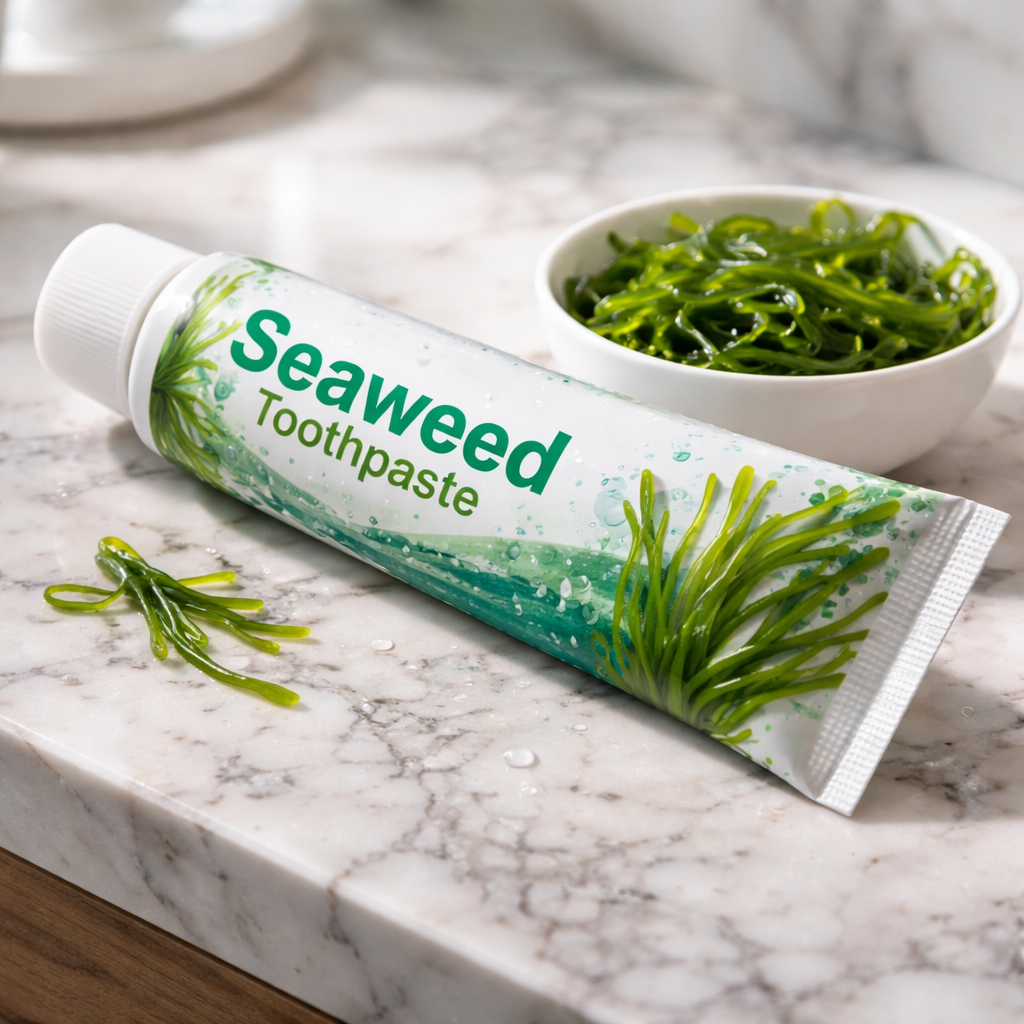
How to Choose the Right Seaweed Toothpaste – Comparison Guide
Seaweed toothpaste can feel like a tiny sea‑splash in your mouth. It calms gums and cuts plaque without harsh chemicals. But not every bottle is made the same.
First, check the ingredient list. You want "marine algae extract" or "seaweed extract" near the top. That tells you the formula relies on algae, not just a dash of it.
Second, look for extra soothing ingredients. STOP’s formula adds CBD and Dead Sea minerals, which many users say help calm irritation. Revitin’s natural line lists Chondrus crispus (seaweed) plus vitamins that support the oral microbiome. A budget brand might list seaweed at the end and miss those extra benefits.
Third, verify safety. A community‑tested chart shows eight toothpaste products with non‑detect levels of lead, mercury, cadmium and arsenic. You can see that seaweed options rank high on that list lead‑safe seaweed toothpaste list. Choose a product that passes those tests.
Finally, match the paste to your routine. If you brush twice a day for two minutes, any of these will work, but if you have sensitive gums, pick a formula with added minerals or soothing agents.
Want more ideas on microbiome‑friendly choices? Check the best oral‑microbiome toothpaste picks for a quick side‑by‑side view.
| Brand | Seaweed Extract Position | Extra Benefits |
|---|---|---|
| STOP Seaweed Toothpaste | Top 3 ingredients | CBD, Dead Sea minerals, plaque‑reducing |
| Revitin Prebiotic Toothpaste | Within top 5 | Vitamins E, C, D, K2, prebiotic support |
| Budget Seaweed Option | Near bottom | Basic algae, no added soothing agents |
DIY Seaweed Toothpaste Recipe (Video Tutorial)
Making your own seaweed toothpaste is easier than you think. You just need a few pantry items and a splash of marine algae extract.
Here’s what you’ll need:
- Coconut oil: 2 tablespoons
- Baking soda: 1 tablespoon
- Sea salt (fine): ½ teaspoon
- Marine algae extract (powder or liquid): 1 teaspoon
- Essential oil of mint (optional): a few drops
Step 1: Warm the coconut oil in a small pan until it’s just liquid. No boil.
Step 2: Stir in the baking soda and sea salt. Mix until smooth.
Step 3: Add the algae extract. If you’re using powder, whisk it in well; if it’s liquid, pour slowly while stirring.
Step 4: For a fresh taste, drop in mint oil. One or two drops are enough.
Step 5: Transfer the paste to a clean jar. Let it cool; it will thicken as it sets.
Use a pea‑size amount on your brush, just like regular paste. Brush for two minutes, twice a day. If you notice extra sensitivity, swap the sea salt for a pinch of calcium carbonate – a simple tweak that many home‑makers try.
Why this works: coconut oil fights microbes, baking soda neutralizes acid, and seaweed brings natural anti‑bacterial power. A quick read on making toothpaste at home backs up these ingredients News‑Medical guide on DIY toothpaste.
Need more help picking the right seaweed extract? Check out Choosing Toothpaste Without Sodium Lauryl Sulfate and Fluoride for Sensitive Oral Care for ingredient tips.
Where to Buy Seaweed Toothpaste in Belgium – Including Dental Boutique
Finding seaweed toothpaste in Belgium is easier than you think. You don’t need a special quest. A quick trip to your local pharmacy or health‑food shop often does the trick.
Most Belgian pharmacies carry a few natural options. Look for the STOP brand on the shelf – it lists marine algae extract right near the top. If the label feels vague, ask the pharmacist. They usually know which packs contain real seaweed.
Health stores like Bio‑Planet or local eco‑markets also stock seaweed toothpaste. They like to showcase products with clean, plant‑based formulas. Grab a tube, check the back for “marine algae” and you’re set.
Prefer to shop online? STOP’s own shop ships to Belgium with free delivery on orders over €50. A few other EU e‑commerce sites list the same paste, but be sure they’re authorized sellers to avoid fake packs.
If you live near Brussels, swing by Dental Boutique. Their staff can point you to the right seaweed toothpaste and even give a quick demo on how to use it for gum comfort.
Pro tip: always read the ingredient list before you buy. A clear guide to the best natural fluoride‑free toothpaste picks shows which brands keep seaweed at the front.
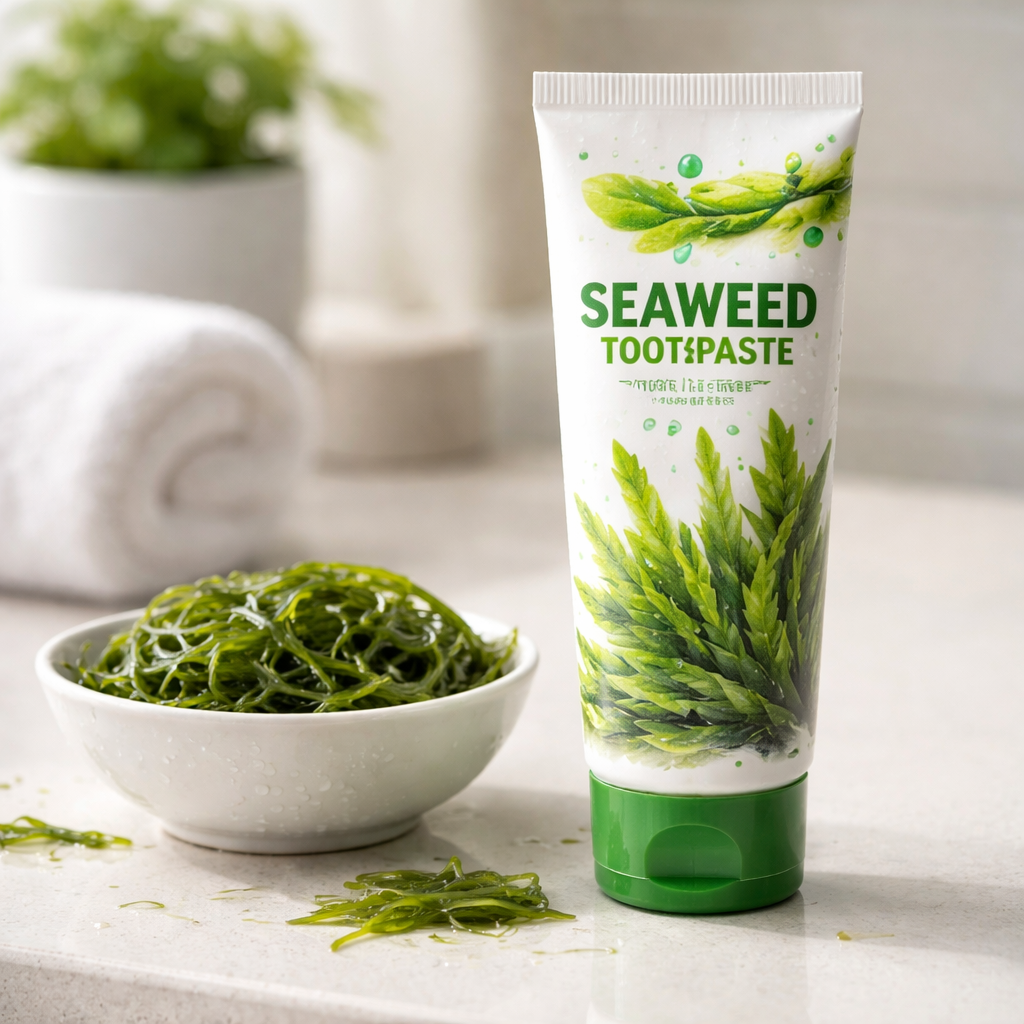
Conclusion
Seaweed toothpaste isn’t a gimmick; it’s a real way to calm gums and cut plaque without harsh chemicals.
You’ve seen how the algae sits near the top of the list, how CBD or minerals can add soothing power, and how recycled packaging helps the planet.
If you’re ready to give it a try, pick a brand that lists marine algae extract first, brush twice a day for two minutes, and note any change after a week.
A note of the brand, the algae rank, and the price lets you compare across shops without guessing.
Stop oral care offers a premium seaweed formula that blends algae with CBD and Dead Sea minerals for calm, a solid choice if you want a strong option.
So, what’s next? Grab a tube, try it for weeks, and see if your gums feel less tight. A habit tweak can mean a fresher mouth and a greener footprint.
FAQ
What is seaweed toothpaste and how does it work?
Seaweed toothpaste swaps the usual chemicals for a blend of marine algae extract. The algae brings natural anti‑bacterial compounds that fight the bad bugs in your mouth while soothing inflamed gums. When you brush, those compounds break down plaque and calm the tissue, so you get a clean feel without the sting of harsh ingredients.
Is seaweed toothpaste safe for kids?
Yes, most seaweed formulas are made without fluoride or harsh detergents, which makes them a gentle option for younger mouths. Just check the label to see that the algae extract is near the top of the list and that there are no added sweeteners that could feed cavities. A short trial of a week will show if any irritation appears.
Does seaweed toothpaste contain fluoride?
Most seaweed pastes are fluoride‑free by design, because the algae itself fights bacteria. If you need fluoride for a specific dental condition, look for a separate fluoride rinse or talk to your dentist. Otherwise, the natural algae can keep plaque low and gums calm without the extra chemical.
How often should I brush with seaweed toothpaste?
Two times a day works best – once in the morning and once before bed. Use a pea‑size amount and brush for a full two minutes each session. If you notice extra sensitivity, you can start with once a day and build up to twice as your gums get used to the new formula.
Can seaweed toothpaste help with gum pain?
Many users report less tightness and fewer aches after a week of consistent use. The algae’s soothing minerals calm inflammation, while the anti‑bacterial action keeps the irritants down. If pain persists beyond two weeks, it’s wise to check with a dental professional.
Where can I buy seaweed toothpaste in Belgium?
Look for natural‑health shops or pharmacies that stock niche oral‑care brands. Ask the staff to point out a tube where marine algae extract is listed near the top. Online stores that ship to Belgium often show the ingredient list on the product page, making it easy to compare before you buy.