

Ever notice how your mouth feels a little off after a long day, even after brushing and flossing? That’s usually a sign your oral microbiome is throwing a tiny tantrum, and it’s easier to overlook than it is to fix. The good news? You can steer that microbial mix toward a healthier, happier state with a little tweak to your rinse routine.
When we talk about mouthwash, most people think of the antiseptic, minty stuff that kills germs in a flash. But those harsh solutions can also wipe out the good bacteria that keep your gums and teeth in check. Think of your mouth as a bustling city: you want to keep the traffic flowing smoothly without choking the local businesses. That’s why a microbiome‑friendly mouthwash is a game changer, especially for anyone dealing with gum inflammation, recurring cavities, or simply wanting to maintain that fresh‑breath confidence all day long.
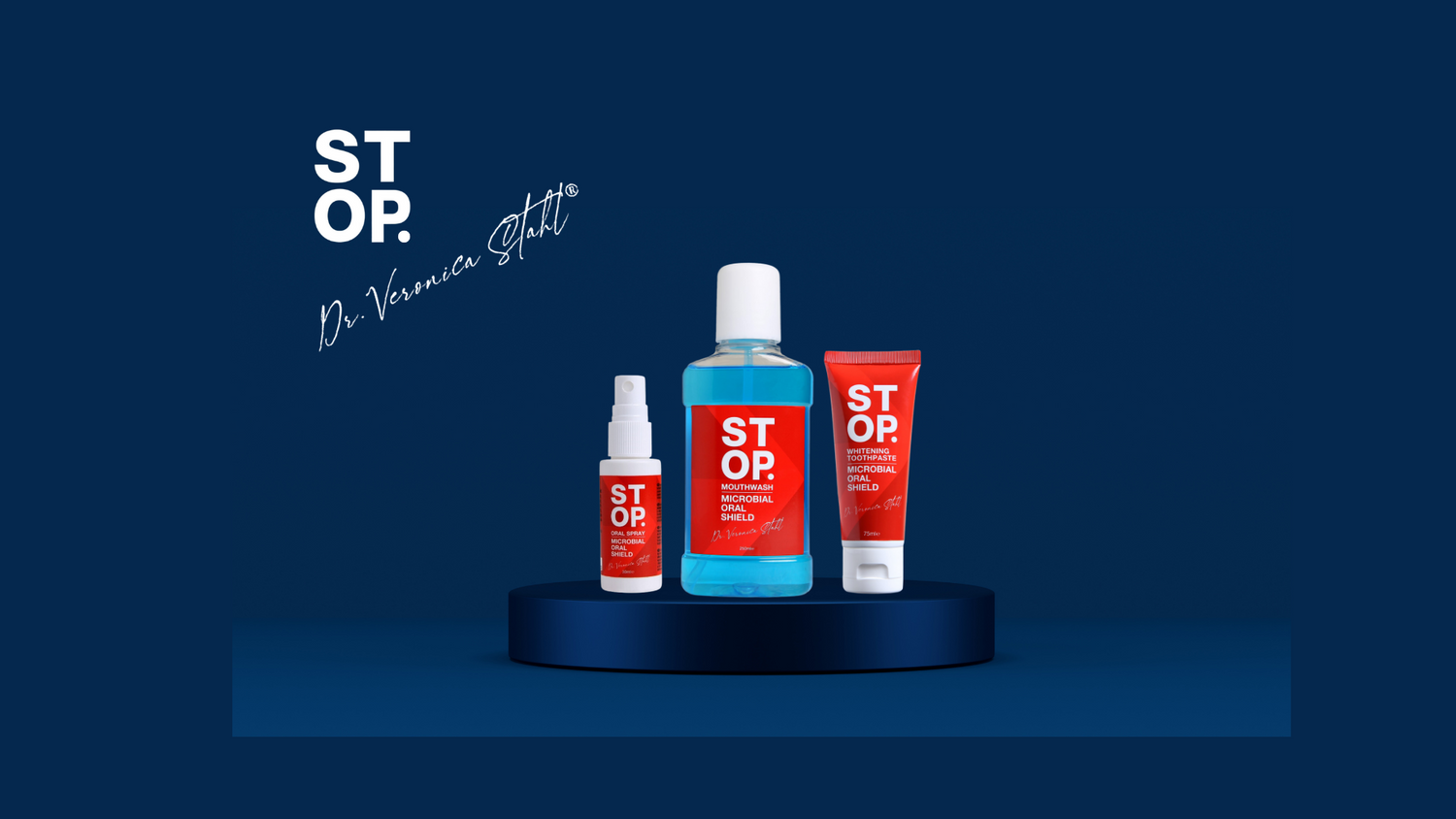
At STOP Oral Care, we’ve spent years mixing science and nature to create products that nourish rather than assault. Our formulations are powered by CBD, Dead Sea minerals, and marine algae, all chosen for their soothing, antimicrobial properties that support the delicate balance of microbes in your mouth. When you choose a mouthwash that’s gentle on the ecosystem, you’re giving your teeth a better chance to thrive and your gums a chance to heal.
But how do you pick the right one? It’s not just about the scent or the price tag. Look for ingredients that target harmful plaque without killing the friendly flora, and make sure the product is alcohol‑free and free from harsh surfactants. A quick way to sift through options is to check out A Comprehensive Guide to Choosing the Right Oral Microbiome Mouthwash, which breaks down the science behind each ingredient and gives you a side‑by‑side comparison of the top brands on the market.
Once you’ve found your match, incorporate it into a simple nightly ritual: spit out the water after brushing, rinse for 30–60 seconds, and spit again—no more swallowing, no more over‑citrus flavor. If you’re dealing with sensitive gums or dry mouth, pair the rinse with a hydrating gel or a gentle, xylitol‑based toothpaste for added support.
And for those of you who love a holistic approach, consider pairing your oral routine with broader wellness coaching. A partner like XLR8well offers personalized strategies to boost overall health, so you can keep your microbiome balanced from the inside out.
By treating your mouth like the thriving ecosystem it truly is, you’ll notice fewer flare‑ups, fresher breath, and that radiant confidence that comes from knowing you’re truly taking care of yourself.
TL;DR
We’ll cut the noise and give you the science‑backed guide to the best mouthwash for oral microbiome health, ditch harsh antiseptics and keep good bacteria thriving for fresher breath and stronger gums. Next, we’ll walk you through ingredients and why CBD‑powered formula stands out—so feels like step toward oral ecosystem.
1. Understanding the Oral Microbiome and Why Mouthwash Matters
Think of your mouth as a bustling metropolis, with trillions of microbes commuting every morning. Most of them are helpful citizens that keep plaque at bay and your gums calm. But if you keep throwing out a chemical flood every night, you end up killing both the bad guys and the good ones, leaving the streets empty and the traffic gridlocked.
That’s the real reason why a smart mouthwash isn’t just a minty refresher—it’s a selective gardener. Instead of bulldozing the entire neighborhood, it targets the harmful plaque build‑up while leaving the friendly flora to thrive. The result? Less inflammation, fewer cavities, and breath that actually stays fresh for hours.
In our experience working with dentists across the globe, the biggest mistake patients make is assuming “more antiseptic” equals “healthier.” It’s like adding more paint to a mural—it covers the paint, but it can ruin the picture. A mouthwash that respects the microbiome isn’t a blanket; it’s a precise gardener that leaves the good bacteria untouched.
Want to see how to pick the right one? Dive into our Natural Mouthwash for Dry Mouth guide to learn which ingredients keep the city running smoothly.
That quick demo shows the difference between a harsh antiseptic rinse and one that actually nurtures the friendly bacteria. Notice the gentle swirl and the lack of that sharp, chemical sting—those are the cues that the formula is alcohol‑free and low‑pH‑stress.
But why does this matter for your everyday routine? Because the oral microbiome is the first line of defense against gum disease, bad breath, and even systemic conditions linked to oral health. A balanced micro‑city means fewer inflammatory signals reaching your gums, and fewer sugar‑driven colonies that produce the acids that erode enamel.
If you’re interested in taking a holistic approach, check out XLR8well, a wellness coaching platform that aligns perfectly with maintaining your microbiome’s balance from inside out. Their personalized programs focus on diet, stress, and hydration—factors that directly influence what lives in your mouth.
And for those who like to stay hydrated throughout the day, Quench Bottles offers durable, reusable drink bottles that keep water at the right temperature—perfect for a quick rinse after meals without compromising the microbiome’s integrity.
Remember, consistency beats intensity. Swishing a gentle rinse 2–3 times a day can shift the balance faster than a single heavy burst. Pair it with a balanced diet low in refined sugars, and watch your mouth thrive like a well‑managed city.
So the next time you pick up a mouthwash, think of it as a city planner, not a chemical bomb. Choose one that supports the good bacteria, stays alcohol‑free, and lets your oral ecosystem breathe. Your gums, enamel, and breath will thank you.
2. How to Choose the Right Mouthwash: Key Ingredients to Look For
Let’s get straight to it: the mouthwash you pick should feel like a teammate, not a battlefield. You want something that keeps the good bacteria cozy while knocking out the troublemakers. The trick? Spotting the right ingredients.
First off, alcohol is a big red flag. Alcohol‑based rinses can dry out your mouth and wipe out the friendly microbes that keep plaque at bay. If you’re prone to dry mouth or sensitive gums, choose an alcohol‑free formula.
Next, look for prebiotics—ingredients that feed the good bacteria. Xylitol, inulin, and erythritol are the front‑liners. They’re sugar‑free, so they don’t give plaque a feast, but they do give your oral ecosystem a snack that keeps it thriving.
Want a concrete example? A popular brand adds xylitol to its rinse, and users report less gum irritation after just a few weeks. That’s because xylitol nudges the balance back toward the healthy side, not like a harsh chemical that blasts everything away.
Another star player is CBD. In our own Stop oral care formula, CBD works in tandem with Dead Sea minerals and marine algae to calm inflammation and give the microbes a cozy environment. The science behind CBD’s anti‑inflammatory effects has been documented in dental research, so it’s a solid choice if you’re dealing with gum redness or swelling.
What about natural extracts? Tea tree oil, neem, and chamomile are gentle antimicrobials that target bacteria without being too harsh. A quick scan of the ingredient list can tell you if the rinse uses these botanicals, which is a good sign.
Don’t forget the pH level. A mildly acidic rinse (around 5.5–6.5) is gentle on enamel yet still effective against plaque. If the label says “pH balanced,” you’re likely on the right track.
Still unsure which to pick? Explore our guide on natural mouthwash for dry mouth—it walks through ingredient checks and offers real‑world comparisons.
Finally, consider your daily routine. Swishing for 30–60 seconds after brushing gives the rinse time to act. If you’re a night owl, a soothing pre‑bedtime rinse can reduce overnight bacterial growth.
And because a healthy mouth can ease overall tension, you might find that jaw clenching and neck stiffness improve over time. For those looking for extra help, check out resources on neck and back pain relief—sometimes the muscles around your jaw impact your posture. And if you notice any lingering discomfort, it might be worth a quick consult with your dentist.
Take a breath, pick a gentle, ingredient‑rich mouthwash, and let it work its magic. Your teeth, gums, and even your neck might thank you for the extra care.
3. Top 5 Mouthwashes Ranked for Oral Microbiome Support
You’ve already dived into what makes a mouthwash friendly to your microbes. Now it’s time to pick a champion. Think of it like choosing a roommate—someone who cleans up after themselves but doesn’t stomp on the good stuff.
Let’s get straight to the list. Below, I’ve stacked five mouthwashes that keep the balance in check, each with its own flavor of science and taste. Pick the one that vibes with your routine, and you’ll feel the shift in your mouth the next day.
First up, we’re giving a shout‑out to the coconut‑powered cult favorite. Dr. Ginger’s Coconut Oil Mouthwash blends organic coconut oil, xylitol, and aloe to create a gentle coating that prevents plaque from sticking while nourishing the good bacteria. It’s alcohol‑free and dye‑free—no harsh surprises.
Next, for those who like a bit of extra calm, our own Stop Oral Care CBD Mouthwash steps in. Powered by CBD, Dead Sea minerals, and marine algae, it delivers anti‑inflammatory support while keeping the microbial ecosystem thriving. The formulation is pH‑balanced around 6.0, so your enamel stays happy.
The third contender is a plant‑based, xylitol‑rich rinse that’s popular among people with sensitive gums. Its formula focuses on prebiotic nourishment, giving the friendly bacteria the fuel they need to outcompete plaque.
Fourth on the list is an alcohol‑free herbal blend featuring tea tree oil, neem, and chamomile. The mild antimicrobials target the troublemakers without wiping out the helpful crew.
Last, but not least, a citrus‑infused rinse that uses natural mint oils and a touch of essential eucalyptus. It’s refreshing, gentle, and keeps the microbiome in a healthy equilibrium.
Want a deeper dive into mouthwash choices for gum health? Best Natural Mouthwash for Gum Disease: 5 Effective Options Reviewed walks you through each product’s strengths and helps you decide which one fits your needs.
Now, take a moment to breathe. Think about the last time you felt fresh after a rinse—what made that feel good? That’s the cue your mouth is signaling you’re on the right track.
| Rank | Mouthwash | Key Features | Notes |
|---|---|---|---|
| 1 | Dr. Ginger’s Coconut Oil Mouthwash | Organic coconut oil, xylitol, aloe, alcohol‑free | Great for plaque prevention and gentle on enamel |
| 2 | Stop Oral Care CBD Mouthwash | CBD, Dead Sea minerals, marine algae, pH 6.0 | Targets inflammation, supports good bacteria |
| 3 | Plant‑Based Xylitol Rinse | Xylitol, prebiotic blend, alcohol‑free | Excellent for sensitive gums |
| 4 | Herbal Tea Tree/Neem Mint Rinse | Tea tree oil, neem, chamomile, alcohol‑free | Light antimicrobial, soothing |
| 5 | Citrus Mint Eucalyptus Rinse | Natural mint oils, eucalyptus, alcohol‑free | Refreshing, maintains balance |
4. Pros and Cons of Popular Mouthwash Brands
We’ve already met the big players—now let’s break down what makes each one tick and where they fall short. Think of this like a quick grocery run: you want the best bang‑for‑buck, but you’re also wary of hidden allergens.
Dr. Ginger’s Coconut Oil Mouthwash
Pros: 1) All‑natural cocktail. Coconut oil, xylitol, and aloe create a soothing film that keeps plaque at bay. 2) No alcohol. Keeps your gums happy and your tongue from drying out. 3) Gentle on enamel. Ideal for people who brush hard or use whitening gels.
Cons: 1) Flavor can be mild. If you’re craving a punchy mint kick, it’s a bit subtle. 2) Price point. Premium ingredients mean it sits higher on the shelf. 3) Limited availability outside North America. Shipping can be slow in some regions.
Stop Oral Care CBD Mouthwash
Pros: 1) Anti‑inflammatory power. CBD plus Dead Sea minerals soothe irritated gums. 2) Balanced pH around 6.0. Protects enamel while fighting plaque. 3) Alcohol‑free. Keeps the microbiome intact.
Cons: 1) Not everyone notices the CBD benefit. Some users report no difference beyond a fresh rinse. 2) Potential scent mismatch. The natural hemp aroma may not appeal to everyone. 3) Higher cost. The advanced ingredients push the price up.
Plant‑Based Xylitol Rinse
Pros: 1) Prebiotic edge. Xylitol feeds the good bacteria, nudging the balance toward health. 2) Gentle on sensitive gums. No harsh chemicals. 3) Great for daily use. You can use it twice a day without worry.
Cons: 1) Limited flavor variety. Mostly neutral or mint. 2) May need a second step. For stubborn plaque, you might still need a specialized cleanser. 3) Not a quick fix. Its benefits build over weeks.
Herbal Tea Tree/Neem Mint Rinse
Pros: 1) Natural antimicrobial blend. Tea tree oil, neem, and chamomile keep bacteria in check without a chemical sting. 2) Soothing aroma. Helps calm the oral environment after a long day. 3) Alcohol‑free. Friendly for people with dry mouth.
Cons: 1) Potential skin irritation. Some users may experience mild stinging on the gums. 2) Requires rinsing time. A full 60 seconds for best effect can feel long for night‑time routines. 3) Availability. Harder to find outside specialty stores.
Curious about how herbal formulas stack up against dry‑mouth symptoms? Comprehensive Guide to Hemp Mouthwash dives into ingredient science and offers a side‑by‑side look at options that keep your oral moisture balanced.
Citrus Mint Eucalyptus Rinse
Pros: 1) Refreshing burst. Mint and eucalyptus give you that classic “clean” feeling. 2) Antimicrobial with a mild touch. Keeps plaque low without overkill. 3) Alcohol‑free. Good for people who’re sensitive to harsh rinses.
Cons: 1) Flavor can be too sharp. Those who dislike citrus might find it overwhelming. 2) Not specifically targeted for gum disease. It’s a general rinse, so it may miss deeper anti‑inflammatory benefits. 3) Short‑term effect. The sensation fades quickly, so you may need to rinse more often.
When you weigh the pros and cons, the right choice hinges on your specific needs. Want a natural, gentle rinse that nurtures your microbiome? The coconut oil or xylitol options are solid bets. Need something to soothe inflamed gums? Stop Oral Care’s CBD formula could be your ally. If you’re prone to dry mouth, the herbal blend or the hemp guide might give you the extra moisture and balance you’re after. Remember, it’s not just about killing germs—it’s about fostering a thriving, balanced ecosystem in your mouth.
5. DIY Mouthwash Recipes for a Gentle Microbiome Balance
So, you’ve already seen a few store‑bought options, but what if you could mix your own rinse that’s tailor‑made for your mouth’s vibe?
Think of it like a smoothie: you choose the flavor, the sweetness, and the nutrients. The same goes for your rinse.
Below are three recipes that keep the microbiome happy, plus a quick checklist to make sure you’re not accidentally creating a chemical nightmare.
Coconut‑Xylitol Clarifier
Ingredients (makes 1 cup): 1 tbsp melted coconut oil, 2 tbsp xylitol syrup, 1 tsp aloe vera gel, 1 cup distilled water, 2 drops peppermint essential oil.
Why it works: Coconut oil is a natural film former that keeps plaque at bay, while xylitol is a prebiotic that feeds good bacteria. Aloe soothes inflamed gums, and a touch of peppermint gives a clean finish.
Steps:
- Warm the water until just warm, not hot.
- Stir in coconut oil and aloe until dissolved.
- Blend in xylitol syrup; you’ll notice a subtle sweetness.
- Drop in peppermint oil and stir.
- Pour into a clean bottle and shake before each use.
Use it 30 seconds after brushing, then spit. If you notice a tingling, cut the peppermint to half a drop.
Herbal Ginger‑Chamomile Rinse
Ingredients: 1 cup chamomile tea (brewed and cooled), 1 tsp dried ginger powder, 1 tsp xylitol, pinch of sea salt, 1 tsp tea tree oil (optional).
Benefits: Chamomile is anti‑inflammatory, ginger fights bad bacteria, and tea tree oil adds a mild antimicrobial punch without the harshness of alcohol.
Steps:
- Brew chamomile and let cool.
- Stir in ginger powder and xylitol until dissolved.
- Add sea salt for mineral balance and a drop of tea tree oil.
- Cool to room temperature, transfer to bottle.
Swish twice a day, and if you’re prone to dry mouth, add a splash of coconut water before rinsing.
Olive‑Oil Ginger Boost
Ingredients: 2 tbsp extra‑virgin olive oil, 1 tbsp fresh lemon juice, 1 tsp xylitol, 1 tsp turmeric powder, 1 cup water.
Why it’s great: Olive oil is rich in polyphenols that reduce inflammation, lemon juice increases pH to fight acid, and turmeric’s curcumin adds antioxidant power.
Steps:
- Heat water gently and dissolve olive oil.
- Stir in lemon juice, turmeric, and xylitol.
- Let cool, then pour into a spray bottle for easy use.
Use before bed; the oil layer forms overnight, giving a protective film.
Quick Checklist for Safe DIY Mouthwash
- Use only food‑grade ingredients.
- Keep the pH between 5.5 and 6.5.
- Avoid essential oils stronger than 5%—they can irritate gums.
- Store in a dark bottle to prevent oxidation.
- Label the bottle with date and batch number.
Remember, the goal isn’t to sterilize; it’s to nurture the friendly crew that keeps your gums calm.
If a recipe feels too strong, dilute it with more water or cut back on the oil.
Curious how these homemade rinses stack up against commercial products? What we’ve seen is that a well‑crafted DIY solution often outperforms a generic, alcohol‑based rinse in both comfort and microbiome support.
Also, give your DIY rinse a quick shake before each use to remix the oils.
So, grab your ingredients and start mixing. Your mouth will thank you, and you’ll finally have a rinse that feels like a hug rather than a scrub.
When you make batches, think of it like any food: the longer it sits, the more bacteria can creep in. Keep the mixture in a sealed, dark glass bottle and toss it out after four weeks to stay fresh.
If you’re a traveler, pack a small refillable pouch so you can splash the rinse in your pocket. A 60 ml bottle fits easily in a carry‑on, giving you a quick, microbiome‑friendly boost wherever you go.
6. Common Myths About Mouthwash and the Microbiome
We’ve all swiped at the label and heard the same warning: “Don’t use mouthwash if you’re trying to keep your gut healthy.” That sounds like a gut‑busting myth that can keep you from the real benefits of a gentle rinse. Let’s break down the top three misconceptions that are still circulating.
Myth 1: Mouthwash is a clean‑up tool, not a wellness tool
When people think of mouthwash, they picture a minty burst that instantly kills “bad” germs. The truth? A standard antiseptic rinse can wipe out up to 90 % of the bacterial community, including the friendly crew that keeps plaque in check. If you’re already battling gum inflammation or a dry mouth, this sudden wipe‑out can cause the bad bacteria to bounce back stronger.
What you really want is a mouthwash that nudges the balance rather than annihilates it. Look for products that include prebiotic ingredients like xylitol or botanical extracts that gently control plaque while giving the good microbes a chance to thrive.
Myth 2: Alcohol is the only thing that kills germs
Alcohol is a blunt instrument. It’s great for a quick fresh‑breath moment, but it also strips away saliva’s natural lubrication and can leave your gums feeling raw. Studies show that frequent use of alcohol‑based rinses can thin the protective film of saliva, increasing sensitivity and the risk of cavities.
A non‑alcoholic formula that incorporates mild antimicrobials—think tea tree oil or chamomile—keeps the harmful species in check without the dryness. Plus, it supports the natural buffer that saliva provides.
Myth 3: A “natural” mouthwash automatically means it’s microbiome‑friendly
“All‑natural” can be a marketing flag that hides potent essential oils, high concentrations of sugar alcohols, or artificial sweeteners that feed the wrong bacteria. A truly balanced rinse keeps pH around 6.0, uses non‑sugar sweeteners, and avoids harsh surfactants.
Check the ingredient list for a short, transparent name order. If the first three items are water, a botanical extract, and a mild surfactant, that usually is a good sign. If you see a long list of fragrances or “flavor” compounds, the product might be trying to mask a harsher core.
So, what should you do next?
1. Read the label beyond the bold claim.
2. Choose an alcohol‑free rinse with proven prebiotic support.
3. Test it in a small trial—use it for two weeks, then assess how your gums feel and whether your breath stays fresh.
By debunking these myths, you can finally pick a mouthwash that genuinely nurtures your oral ecosystem. The goal isn’t to sterilize; it’s to create a hospitable environment where the friendly bacteria can do their job. Remember, consistency is key—use it nightly to build a healthy baseline.
FAQ
What makes a mouthwash the best choice for my oral microbiome?
The real trick is looking beyond minty promises. A top‑tier rinse should be alcohol‑free, pH‑balanced around 6.0, and include prebiotic ingredients like xylitol or natural botanical extracts that feed the friendly bacteria. It also needs gentle antimicrobials such as tea tree oil or chamomile that target plaque without wiping out the good crew.
Can a mouthwash with CBD really help my gums?
Yes—CBD isn’t just a buzzword. It has proven anti‑inflammatory properties that calm irritated gums and support a healthy bacterial mix. When paired with Dead Sea minerals and marine algae, the rinse creates a soothing micro‑environment that keeps plaque in check while letting the good microbes thrive.
Is it safe to use a mouthwash every night if I have dry mouth?
Absolutely, as long as you pick an alcohol‑free formula. Alcohol can dry out saliva, making the problem worse. Opt for a rinse with hydrating ingredients like xylitol or a gentle botanical blend. Pair it with a fluoride‑free, xylitol‑rich toothpaste for double protection.
What should I do if my current mouthwash feels harsh or leaves my mouth dry?
First, check the label for alcohol or high surfactants. If it contains either, swap to a mild, prebiotic‑rich rinse. Try swishing for just 30 seconds instead of a full minute—often that’s enough to give the microbes a chance to settle. If dryness persists, add a hydrating gel or switch to a xylitol‑based toothpaste.
Can I make my own microbiome‑friendly mouthwash at home?
Definitely. A simple recipe uses water, a few drops of peppermint essential oil, a teaspoon of xylitol, and a splash of aloe vera gel. Mix until dissolved, shake before each use, and swish for 30‑60 seconds. Keep the mixture in a dark bottle and replace it after a month to avoid bacterial growth.
How long does it take to notice improvements with a microbiome‑friendly rinse?
Most people start feeling smoother gums and fresher breath within two weeks. However, full microbial balance can take 4–6 weeks. Consistency is key—use the rinse nightly and avoid swallowing the solution. Over time, you’ll notice fewer flare‑ups and a healthier feel.
Do I need a prescription to get a CBD mouthwash?
No, CBD mouthwashes are available over the counter in most regions. Just look for products that list the amount of CBD per serving on the label and avoid those with high alcohol content or unknown additives.
Why should I choose a mouthwash with prebiotic ingredients instead of one with strong antiseptics?
Antiseptic rinses can wipe out up to 90% of the oral microbiome, leaving a vacuum that bad bacteria quickly fill. Prebiotic rinses, on the other hand, feed the good bacteria, giving them a competitive edge. This promotes a resilient ecosystem that naturally keeps plaque and gum inflammation in check.
Conclusion
We’ve chased the science, tasted the flavors, and mapped the ingredients that keep your mouth’s ecosystem humming.
So, what’s the real takeaway? The best mouthwash for oral microbiome isn’t the loudest mint or the trendiest buzzword. It’s the one that stays gentle, fuels the good bacteria, and leaves your gums feeling like a soft breeze.
Think of it as a nightly handshake with your oral microbiome: sip, swirl, and spit. Skip the harsh antiseptics that wipe the whole crew off the table. Pick a formula that balances pH around 6, packs a prebiotic like xylitol or a botanical like chamomile, and keeps alcohol out of the mix.
If you’re juggling dry mouth, sensitive gums, or a busy travel schedule, a light, alcohol‑free rinse will keep the conversation going without the dryness or sting.
Finally, remember that consistency is your secret weapon. Treat the rinse like a daily ritual—30 seconds after brushing, 30 days of practice, and you’ll feel the shift in gum feel and breath freshness. Your mouth will thank you, and you’ll have the confidence to smile at life.