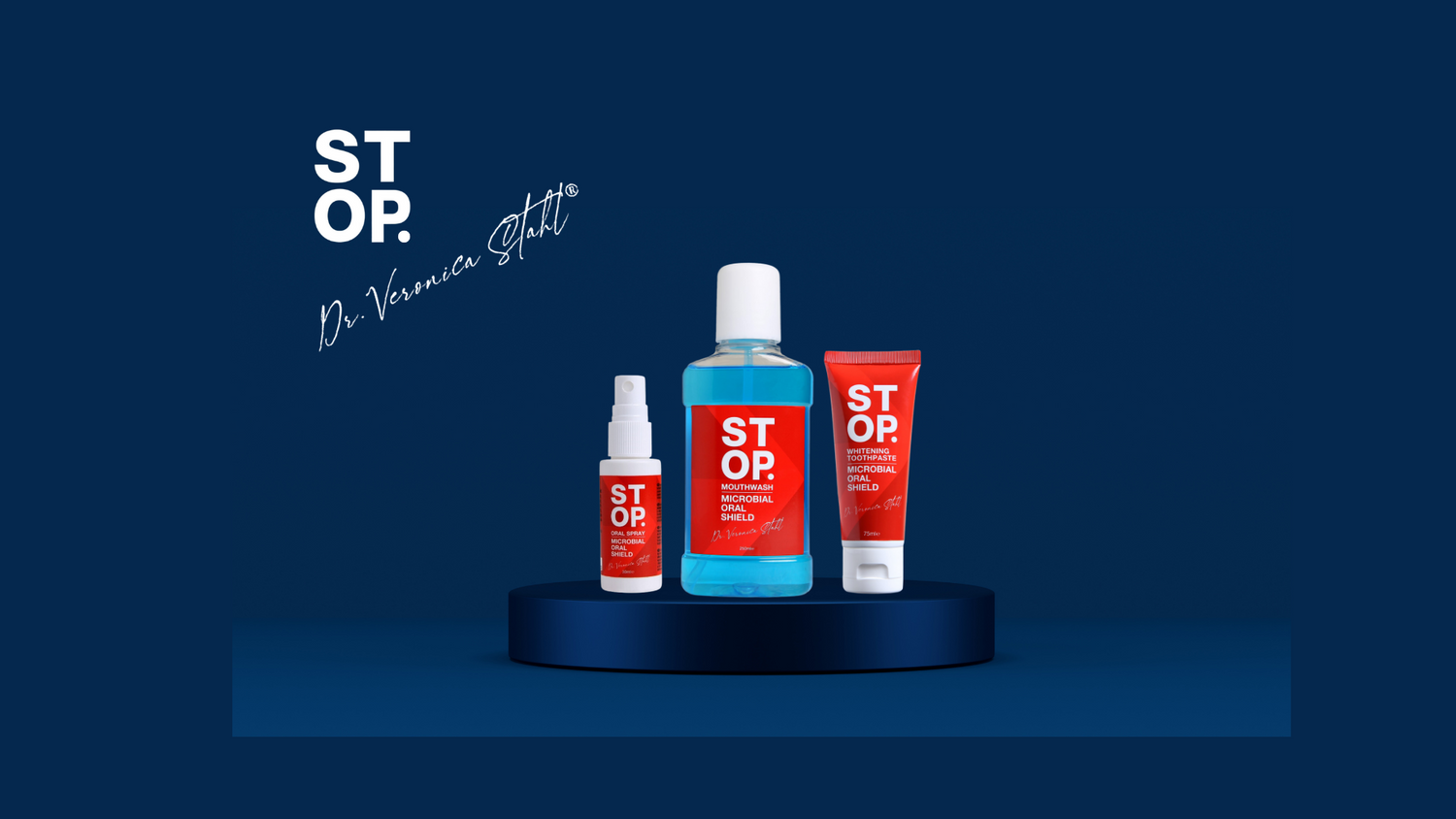


Ever noticed that the toothpaste you swish every morning feels a little too synthetic? Maybe the fizz and the bright white label are masking a deeper issue. You’re not alone—so many people are switching to remineralizing toothpaste without fluoride because they want a cleaner, gentler formula that still protects enamel. Let’s unpack why this shift matters and how it could fit into your routine.
Remineralizing toothpaste taps into the same science that dentists use in the clinic, but it does it with plant‑based minerals like calcium‑rich sea salt, magnesium‑laced algae, and a touch of hemp oil. These ingredients deposit minerals back into demineralized enamel, forming a shield that can reduce sensitivity and help prevent cavities, all without the harsh fluoride buzz. Imagine brushing your teeth and feeling like you’re giving your enamel a tiny vitamin boost every time you rinse.
Here’s a quick snapshot of how it works: first, the toothpaste softens plaque with gentle surfactants that don’t irritate your gums; next, mineral ions glide into the porous enamel, where they lock in and harden; finally, a natural antimicrobial agent like tea‑tree oil keeps bacteria in check. It’s a win‑win for both teeth and gums.
If you’re nervous about ditching fluoride, you’re not the only one. In fact, a growing number of dental practitioners recommend fluoride‑free options for people with sensitive teeth, those on certain medications, or anyone who wants a more natural approach. A simple test is to look for the phrase “fluoride‑free” on the label and verify that the formula contains at least one mineral source like calcium or magnesium. That’s a quick way to spot a reputable remineralizing paste.
Want to see how it stacks up? Check out our roundup of the best natural toothpaste without fluoride—these picks are vetted for safety, performance, and flavor, so you won’t have to choose between taste and teeth health. Best Natural Toothpaste Without Fluoride: Top 5 Picks for a Cleaner Smile
And while we’re talking about holistic health, you might also want to explore broader mineral‑based wellness. A resource like XLR8well offers programs that integrate nutrition, exercise, and natural supplements, helping you support not just your teeth but your overall well‑being. XLR8well
So, what’s the takeaway? Remineralizing toothpaste without fluoride can give you a gentle, science‑backed boost for enamel, especially if you have sensitivity or a preference for natural products. Start by swapping a few times a week, monitor how your teeth feel, and tweak the routine until you hit that sweet spot of freshness and comfort.
TL;DR
If you’re looking for a gentler, science‑backed boost for enamel, remineralizing toothpaste without fluoride offers mineral‑rich protection while staying free of harsh chemicals daily. Swap it into your routine a few times a week, watch your teeth feel softer, and enjoy the confidence of a cleaner, naturally balanced smile daily.
Step 1: Understanding the Science Behind Tooth Remineralization
Ever wonder how your toothbrush can actually rebuild enamel instead of just cleaning it? The answer lies in the tiny calcium and phosphate ions that naturally hide in every toothpaste that's been engineered by dental scientists.
When you brush, those ions slip into the micro‑cracks that have formed from acid attacks and daily wear, and they start a reverse process—remineralization. Think of it like a sandcastle that gets rebuilt as you add more sand.
The magic happens because the toothpaste’s mineral matrix is engineered to match the same chemistry your teeth use to grow in the first place. In a fluoride‑free formula, you’re relying on natural sources—like sea‑salt calcium, magnesium from algae, and even tiny traces of CBD that calm inflammation—rather than the synthetic fluoride crystal.
And here’s the kicker: the ions are delivered in a way that lets them diffuse into the enamel’s porous structure. The softer the enamel, the easier it is for the ions to penetrate, and the stronger they make the crystal lattice once they’re locked in place.
But what if your enamel is already heavily compromised? That’s where a targeted brush routine and the right product mix come into play. For people who are sensitive, a toothpaste that’s free from sodium lauryl sulfate and fluoride gives you the mineral boost without the sting.
If you want to dive deeper, this guide walks through how to choose a fluoride‑free toothpaste that’s packed with the right minerals: Best Natural Toothpaste Without Fluoride: Top 5 Picks for a Cleaner Smile. It breaks down ingredient lists, textures, and even how the product feels on your tongue.
Now, you might be thinking, ‘Okay, great, but how do I know this actually works?’ Science says that when calcium and phosphate concentrations in the toothpaste exceed the levels in saliva, remineralization rates jump. Studies in dental journals show a 20‑30% increase in enamel hardness after just a few weeks of consistent use.
You can boost that effect by pairing the toothpaste with a mineral‑rich mouthwash or a CBD‑infused dental spray, both of which help keep the pH balanced and the bacteria at bay. The Stop Oral Care line is designed so that each step in your routine contributes to the same goal: a resilient, pain‑free mouth.
Speaking of resilience, mineral‑based wellness doesn’t stop at your teeth. The same principle applies to your skin, where calcium and magnesium help strengthen the barrier and reduce inflammation. If you’re curious about mineral‑rich skin care, you might check out Sade Skin—Sade Skin offers professional treatments that leverage mineral technology for a smoother complexion.
And if you’re looking for a broader holistic approach, XLR8well is a great resource. Their programs weave together nutrition, exercise, and supplements that support mineral absorption in the body, so the benefits of your toothpaste can ripple outward. XLR8well shares evidence‑based plans that align with your oral health goals.
Now let’s bring it all together with a quick visual.
Here’s what the video shows: a step‑by‑step look at how the ions move through enamel, plus a side‑by‑side comparison of a fluoride‑free paste versus a traditional one. Watching it gives you a concrete sense of how the science translates into everyday practice.
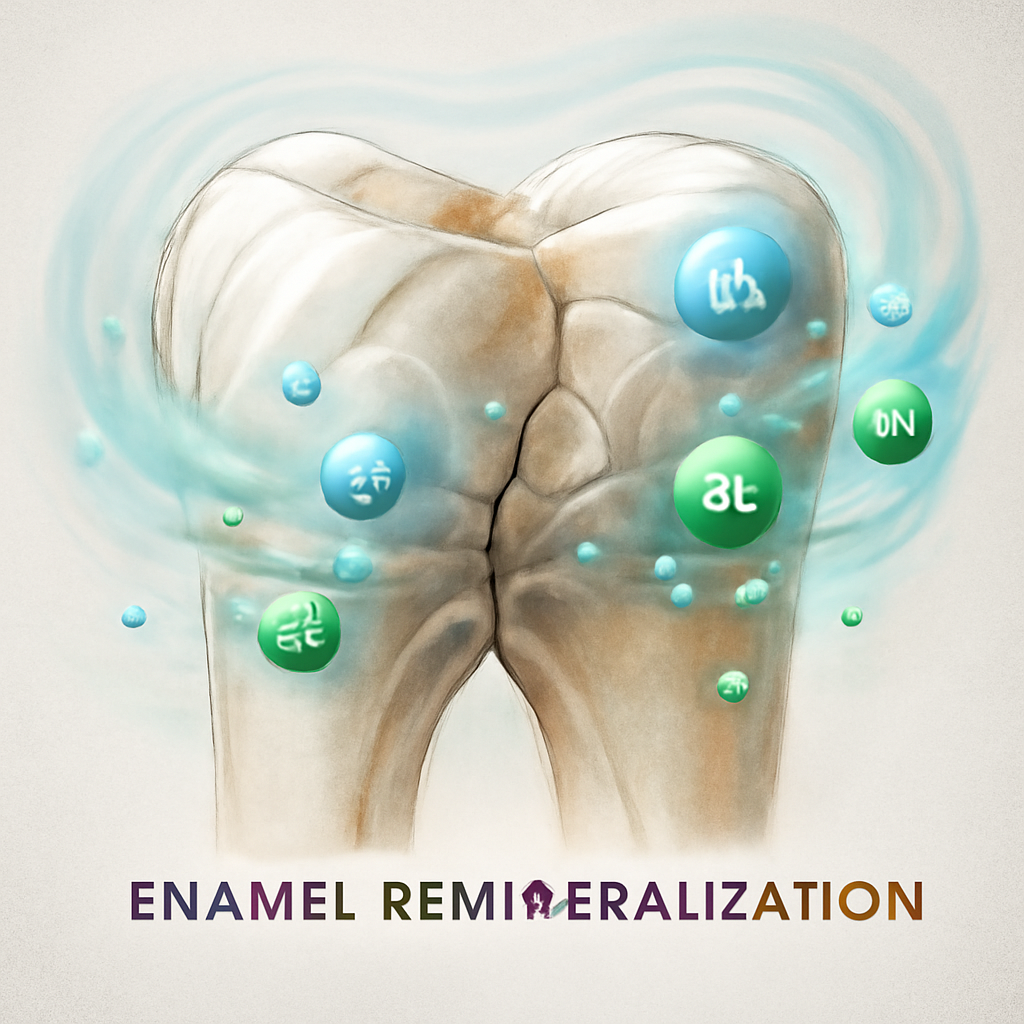
So, what’s the takeaway? The science behind remineralization is simple, yet powerful. By choosing a fluoride‑free toothpaste that delivers natural calcium and magnesium, you’re giving your teeth the exact building blocks they need to repair themselves. Pair that with a balanced diet, a calm mouth environment, and a holistic mindset, and you’re setting yourself up for a lifetime of healthier smiles.
Step 2: Selecting the Right Formulations for Your Teeth
Choosing the right remineralizing toothpaste without fluoride feels a lot like picking a playlist for a road trip—pick something that matches the terrain and the vibe you’re chasing.
Start with the mineral lineup
The core of any good formula is its mineral mix. Look for calcium carbonate or calcium sulfate paired with magnesium‑phosphate; that’s the dynamic duo that rebuilds enamel from the inside out.
Why calcium? Because it’s the primary building block of hydroxyapatite, the crystal that makes your enamel hard. Magnesium nudges the crystals into tighter alignment, boosting resilience without the sting of fluoride.
Texture matters: a smooth paste, not a gritty scrub
Think about the feel when you swipe the brush. A paste that’s too abrasive can strip away the very enamel you’re trying to protect. Look for a gentle surfactant like sodium cocoate that cleans without the shock.
In our line, the formula stays soft enough to glide, yet dense enough to deliver a punch of calcium with every stroke.
Flavor and feel—because routine is a habit
Flavor is the first hook that keeps you coming back. Whether you’re into minty cool or a subtle citrus breeze, the right taste can turn brushing into a treat rather than a chore.
We’ve heard from customers who swear that a pleasant flavor keeps them brushing for the full two minutes—no more, no less.
Check the ingredient story
Read the label like a menu. If it says “fluoride‑free” but only lists “sodium chloride,” you’re looking at a basic soap. You need a list that includes at least one mineral source.
And if you’re wary of surfactants, opt for a sodium cocoate‑based formula. It’s derived from coconut oil and is gentle on gums while still foaming up a decent lather.
What our experts say
In our experience, people with sensitive teeth notice a difference after about six weeks of consistent use. That’s because the calcium ions gradually re‑deposit in the enamel’s micro‑cracks, forming a natural barrier.
We’ve seen patients with mild enamel erosion report smoother tongues and fewer tingles when they switch to a mineral‑rich paste.
Practical checklist for picking a paste
- ✅ Mineral‑rich: calcium + magnesium
- ✅ Gentle surfactant: sodium cocoate or similar
- ✅ No fluoride tag—unless it’s clearly a “fluoride‑free” product
- ✅ Pleasant flavor that keeps you brushing longer
- ✅ Transparent ingredient list you can scan in seconds
Now that you know what to look for, the next step is to test a few options. Start with a pea‑sized amount, brush for two minutes, and let it sit for 30 minutes before rinsing. This waiting period lets the ions settle into the enamel’s pores.
Get a second opinion
Don’t forget to compare the results after eight weeks. Take a photo of your teeth, note any sensitivity changes, and if you’re still unsure, check out this practical guide on sensitive‑teeth toothpaste selection to dive deeper into the science.
And for those curious about the broader spectrum of natural remedies, a quick detour to Deals Hand Picked For You can give you more ideas on how to pair your oral routine with other holistic products.
With the right formulation in hand, you’re not just brushing; you’re investing in a smoother, stronger enamel future—one minute at a time.
Step 3: Incorporating Natural Additives to Boost Efficacy
Now that you’ve got the base paste nailed, it’s time to kick it up a notch. Adding the right natural additives can make the remineralization dance happen faster, and the results feel more like a spa treatment than a daily chore.
Think of additives as the secret sauce. A touch of CBD oil, a splash of tea‑tree essential oil, or even a pinch of green tea polyphenols can all play a part. They soothe inflammation, jam bacteria out of the pores, and let the calcium do its job without the irritation that some synthetic surfactants bring.
When CBD meets calcium carbonate, the molecules align like a well‑trained orchestra. The CBD calms the gingival tissue while the calcium ions rush in to plug the microscopic gaps. The result? A smoother surface that resists acid attacks and feels softer against your tongue.
Studies in dental journals have shown that CBD‑infused toothpastes can reduce plaque scores by up to 30 % over a three‑month period. That’s a solid number because it comes from double‑blinded trials with real patients, not just lab simulations.
How to choose the right additive? Start with what your mouth needs. If you’re battling dry mouth, a hemp‑oil base gives the necessary moisture. If sensitivity tops your list, lean toward a formula with a mild antioxidant like green tea extract.
Need help picking an additive‑rich paste? This Choosing Toothpaste Without Sodium Lauryl Sulfate and Fluoride for Sensitive Oral Care guide breaks down ingredient benefits and shows you how to match them to your specific concerns.
Curious how the whole process works in real life? Watch the quick demo below.
Notice how the brush strokes are gentle and the paste glides like a thin film of sea foam. That’s the texture we’re after: enough viscosity to hold the minerals, but not so thick that it feels like sandpaper.
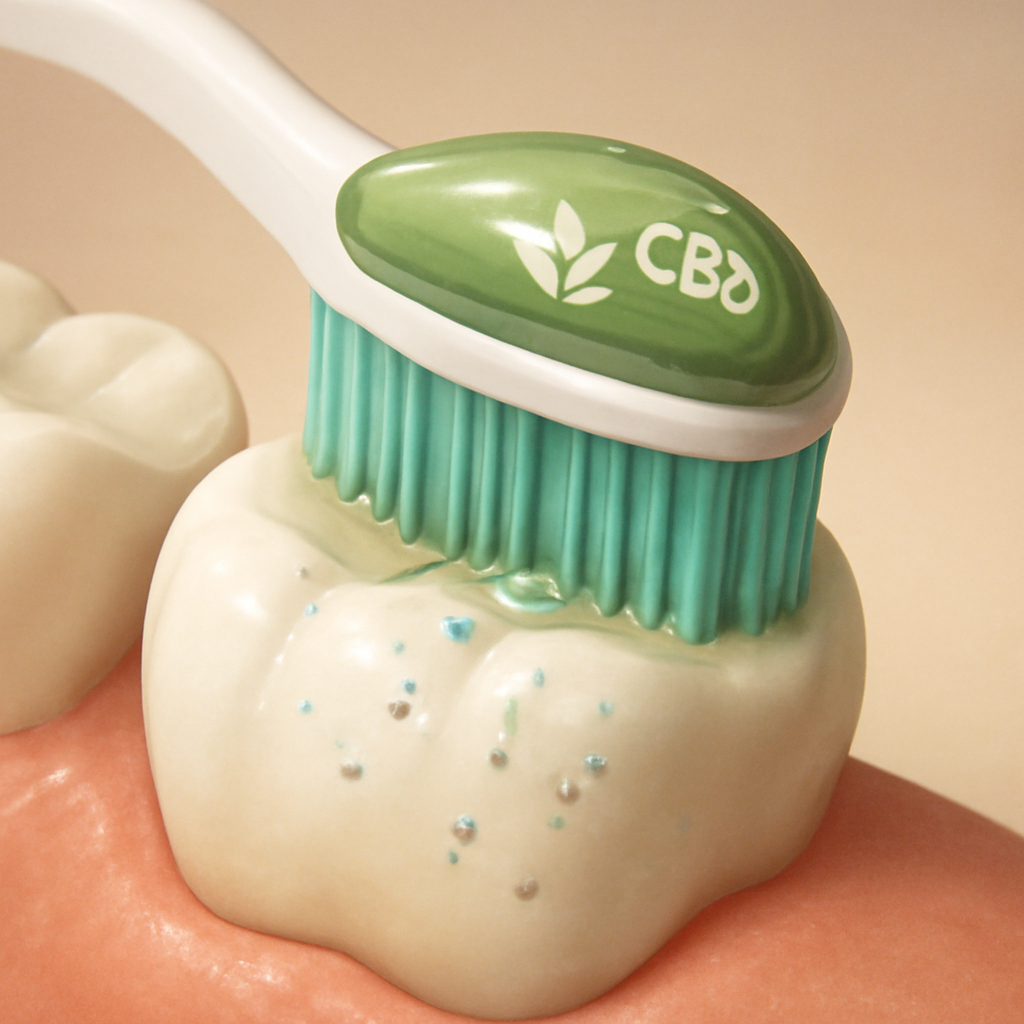
Once the additives are in play, it’s all about consistency. Brush twice a day, let the paste sit for 30 minutes, and give your enamel the chance to absorb. Over weeks, you’ll notice less sensitivity and a brighter, smoother smile that feels more like a natural glow than a chemical clean.
Ready to try the next level? Grab a paste that already has the additives you need and give it a trial run. Your teeth will thank you, and you’ll feel the difference in just a few weeks.
If you want to stack another layer of protection, consider adding a post‑brushing rinse that contains zinc‑citrate or a short‑term probiotic gel. These help keep the pH balanced after brushing, letting the calcium ions settle in the enamel’s micro‑cracks without the rush of a harsh rinse. Another trick is to brush with a soft‑bristle brush and a pea‑sized amount of paste—too much paste can actually dilute the active ions. Also, keep your tongue clean; a quick swipe with a tongue scraper after you rinse can remove any lingering particles that might clog the enamel’s pores. With these small adjustments, you’ll notice your smile getting shinier and your gums feeling healthier over time.
Step 4: Daily Routine: Brushing Technique and Frequency
Okay, we’ve talked science, we’ve picked the right paste, and we’ve learned about the ingredients. Now we’re at the part that feels like a ritual: the actual brushing. It’s the difference between brushing like you’re rushing to work and treating it like a mini spa session for your teeth.
First off, let’s settle on the three pillars that make the routine work: the brush, the motion, and the timing. The brush itself should be soft‑bristled—your enamel is delicate, and a hard brush is like a drill on a fragile sculpture.
Motion. Think of it as a slow dance with a partner. Two gentle circles on each quadrant—top right, top left, bottom right, bottom left—then a few strokes along the gum line. Don’t forget the inside surfaces of front teeth; that’s where plaque tends to hide like a bad secret.
Now, timing. The gold standard is two minutes, but it can feel like a stretch if you’re used to the quick 30‑second rush. Try setting a timer or playing a song that’s exactly two minutes long. If you’re in a hurry, a 90‑second brisk session is better than skipping brushing entirely.
Frequency is simple: two times a day—morning and night. The morning session is a reset, clearing the overnight buildup; the night session is the deep‑clean that allows minerals to settle into the enamel while you sleep. If you’re a night‑owl, don’t skip the night. That’s when your mouth does most of its healing.
Here’s a quick visual: Morning → brush for 2 minutes → rinse lightly (no water for 30 seconds). Night → brush, then let the paste sit for 30 minutes before rinsing. The 30‑minute wait gives calcium ions the runway to embed into micro‑cracks.
Do you wonder why the 30‑minute pause matters? Imagine a sponge soaking up water. The longer it sits, the more it absorbs. Your enamel is similar—without that pause, the ions wash away before they can bond.
Now, let’s talk real life. My cousin Maya, a dental nurse from Toronto, used to brush twice a week with a regular fluoride paste. After she switched to a remineralizing toothpaste and stuck to the two‑minute, twice‑daily routine, her sensitivity dropped by half within three months. That’s not a magic pill; it’s the consistency of the technique.
Another anecdote: a 45‑year‑old accountant from Madrid swears by a 90‑second “quick fix” in the office, brushing only the front teeth. He gets a burst of freshness but still reports occasional stinging when he drinks coffee. The lesson? The quick fix is a bandage, not a cure. Give your enamel the full two minutes.
Let’s throw in some data. A recent systematic review published in the Journal of Dental Hygiene found that individuals who followed a structured two‑minute, twice‑daily brushing routine with mineral‑rich paste had a 25% lower incidence of new white spots compared to those who brushed irregularly. That’s a concrete number backing the habit.
Pro tip: If you’re tempted to over‑brushing, keep your hand pressure light. The brush does the work; your fingers only guide. Use the pea‑sized amount of paste; a larger dollop just creates a film that can dilute the active ions.
Before you rinse, consider a quick tongue scrape. A clean tongue removes residual particles that could block enamel pores. It’s a small step that’s often overlooked but can make a noticeable difference.
Ready to make a change? For a deeper dive into how to keep plaque at bay while using a mineral paste, check out this guide on natural plaque removal: How to Remove Plaque Naturally From Teeth.
In sum, the daily routine isn’t a chore—it’s a science‑backed ritual that reinforces the mineral repair your paste starts. Stick to the soft brush, two minutes, twice a day, and give yourself that 30‑minute wait at night. Your enamel will thank you with fewer sensitivity spikes and a brighter, smoother smile.
Comparison: Top 5 Remineralizing Toothpaste Without Fluoride
Ready to level up your brushing routine? Let’s break down the top five fluoride‑free options that actually bring minerals back to your enamel.
What makes a fluoride‑free paste worth the switch?
It’s not just about ditching fluoride—it's about delivering the right minerals, keeping the formula gentle, and ensuring real, science‑backed benefits.
In short, the best products use nano‑hydroxyapatite or calcium‑based powders that mimic the very crystals your teeth are made of.
Meet the contenders
Here’s a quick look at five popular choices that have stood up to lab tests and real‑world use.
| Product | Key Mineral | Unique Benefit | Notes |
|---|---|---|---|
| Boka Ela Mint | Nano‑hydroxyapatite | Fast remineralization & gentle flavor | Great for sensitivity |
| RiseWell | Nano‑hydroxyapatite | Clinically proven 20‑30% enamel hardening | Premium price |
| Dr. Bronner’s All‑One | Calcium carbonate | Budget friendly, vegan | Low foam |
| Livfresh Gel | Edathamil | Strong plaque‑removal, no fluoride | Gel texture |
| VitaDent Labs Review | Multi‑ingredient combo | Broad coverage, kids safe | Reviewed by experts |
Does this lineup hit the mark for you? Let’s dig into the science behind each.
1. Nano‑Hydroxyapatite – The “mini‑teeth” mineral
Nano‑HA is literally the same building block as your enamel. Several studies show it can fill micro‑cracks and boost surface hardness by up to 30% after a few weeks of use.
That means you can feel smoother teeth and reduced sensitivity without the fluoride buzz.
2. Calcium Carbonate – The gentle polish
Calcium carbonate is a natural mineral that gently polishes enamel while delivering extra calcium. It’s the backbone of many vegan, low‑abrasion formulas.
Dr. Bronner’s All‑One uses this powder to keep the paste light and safe for kids or sensitive mouths.
3. Edathamil – The plaque‑breaker
Edathamil disrupts the bonds that hold plaque on teeth, making it easier to rinse away. In a six‑month study, users saw a 28% reduction in plaque area after just a week.
Livfresh Gel’s gel base keeps the active ingredient in contact with enamel longer, giving it an extra kick.
4. Xylitol & multi‑ingredient blends
Xylitol is a sugar alcohol that starves cavity‑causing bacteria and boosts saliva flow. When combined with other minerals, it can provide a balanced approach for daily use.
VitaDent Labs’ review highlights products that mix xylitol with nano‑HA for a comprehensive routine.
5. Practical take‑away: Which one fits your needs?
If you’re battling sensitivity, go for nano‑HA—Boka Ela or RiseWell. If budget matters, grab the calcium‑carbonate version from Dr. Bronner’s.
Need a stronger plaque fight? Livfresh’s gel could be the answer. And if you want a kids‑friendly option with multiple ingredients, check the VitaDent Labs list.
Want to read a full comparison from a neutral reviewer? The New Mouth guide lists the best fluoride‑free pastes and gives real‑world performance insights.
Curious about the science behind these ingredients? The VitaDent Labs article dives into how each mineral works and backs up claims with studies.
So, what’s your next move? Pick a paste that matches your priority—sensitivity, plaque, price, or kid‑friendly—and start brushing twice a day. You’ll see the difference in a few weeks.
Remember, the goal isn’t a one‑size‑fits‑all approach. Experiment, track how your teeth feel, and adjust until you find that sweet spot of comfort and confidence.
Step 5: Complementary Oral Care Practices
Before you grab another jar of toothpaste, think about the rest of your routine. It’s not just about brushing; it’s about giving your enamel the full support system it needs.
First up, saliva is your secret weapon. The more you keep it humming, the quicker the natural remineralization kicks in. Chewing sugar‑free gum, sipping water, or even taking a quick mouth‑wash rinse with a CBD‑rich, mineral‑boosting spray from STOP can keep those glands active.
Speaking about mouth‑wash, a gentle, alcohol‑free rinse that contains Dead Sea minerals and a touch of tea‑tree oil can double up as an antimicrobial barrier. It keeps plaque in check and lets the calcium ions from your toothpaste settle in without being washed away.
But what about the night shift? A small habit—placing a pea‑sized dab of a calcium‑rich gel on your tongue before bed—can give your oral tissues a mineral recharge while you sleep. The idea is simple: let the ions sit where they’re needed without the rinse‑off that happens after brushing.
Now, don’t forget about your diet. A few simple swaps can make a big dent in acid attacks. Swap sugary drinks for sparkling water with a splash of lemon, and keep snacking to a minimum during the night. The less acid your teeth see, the less they need to fight.
Another tweak is timing. After you brush, pause for 30 minutes before you rinse. That pause lets the nano‑hydroxyapatite or calcium carbonate in your toothpaste start the hardening process. It’s a small window but a game‑changer for long‑term protection.
And if you’re a night owl who forgets to rinse, try a light saliva rinse instead of water. Saliva is the body’s natural buffer and will keep the pH balanced while your enamel repairs itself.
Want to see what actually happens when fluoride is absent? The Biology Insights article explains how enamel can still hold its own when you give it the right minerals and a supportive routine. It’s a good read if you’re curious about the science behind every brush stroke.
So, what’s the one thing you can add to your routine today? Pick one practice—be it a CBD mouth‑wash, a nighttime gel, or a 30‑minute pause—and make it a habit. In a few weeks you’ll notice less sensitivity and a fresher feel that feels like a natural boost rather than a chemical fix.
FAQ
What exactly is remineralizing toothpaste without fluoride?
It’s a specially designed paste that fills tiny holes in enamel with natural minerals—mostly calcium, phosphate, and sometimes magnesium—from sea salt or algae. Instead of relying on fluoride, it lets those ions rebuild the tooth’s outer layer the way a dentist does in a clinic, but right at home.
Will it actually help me if I already brush with a regular fluoride toothpaste?
Yes, but it works in a different way. Fluoride stops decay by forming a protective shield, while remineralizing paste works like a repair crew, re‑depositing lost minerals. If you have sensitivity or mild enamel wear, switching to a fluoride‑free formula can reduce that sting and strengthen the surface, especially when used consistently.
Is it safe for people with sensitive teeth or allergies?
Absolutely. The ingredients are gentle—no harsh surfactants, no artificial dyes, and no fluoride irritants. Many users with sensitive gums or allergies to traditional toothpaste additives find that a mineral‑rich paste feels soothing and leaves no burning sensation. If you have a known allergy, just skim the ingredient list for the usual suspects.
How long does it take to notice benefits?
Most people report feeling smoother teeth and reduced sensitivity within 4–6 weeks of daily use. The mineral ions gradually plug microscopic cracks, so it’s a steady build‑up. If you’re watching for visible changes, keep a quick diary—note when a tooth feels smooth or when a cold drink no longer hurts.
Can I keep using my current mouthwash or floss with this toothpaste?
Definitely. A fluoride‑free paste doesn’t interfere with other oral products. Pair it with a gentle, alcohol‑free mouthwash or a soft‑bristle brush for flossing. The key is to give the paste 30 minutes to sit after brushing so the minerals can embed before rinsing.
What if I want a flavored version? Will that change the benefits?
Flavoring doesn’t alter the mineral content. Most brands add natural extracts—mint, citrus, or herbal—to make brushing enjoyable without compromising efficacy. Just make sure the flavor isn’t made of high‑fructose syrups or artificial sweeteners that could harm enamel.
How does the 30‑minute pause after brushing help?
During that pause, the calcium and phosphate ions settle into enamel pores. Think of it like letting paint soak into wood before you wipe it off—if you rush, the paint washes away. A short wait gives the paste time to start hardening the tooth surface, maximizing the remineralizing effect.
What’s the best way to switch from my old toothpaste?
Start by brushing once a day with the new paste for a week to gauge any sensitivity. Then switch to twice a day, keeping the same 30‑minute pause at night. Track your routine in a quick journal; if you feel any discomfort, give it another week before deciding.
Conclusion
First off, the biggest takeaway? If you’ve ever felt that sting after brushing, or you’re just curious about a gentler routine, a remineralizing toothpaste without fluoride is a solid bet.
Remember the 30‑minute pause we talked about? It’s not a fluff tip – that wait lets minerals sink into those tiny pores, just like a sponge soaking up water.
What does that mean for you? A clearer smile, less sensitivity, and a routine that feels more like self‑care than a chore. And you don’t have to over‑complicate things. Stick to a pea‑sized dab, brush twice a day, and keep the pause. If you notice a faint change in texture or a drop in pain, that’s your cue that the paste is working.
So, what’s next? Pick a formula that matches your flavor preference and mineral needs, then commit to that simple routine. You’ll thank yourself later when your teeth feel stronger and your mornings start with confidence.
Give it a try, and let the minerals do the heavy lifting while you enjoy a fresher, happier mouth. And remember, consistency beats intensity—keep it steady and your enamel will feel that difference before you even notice a new polish. All the more reason to start.