

Ever caught yourself mid‑morning, tongue feeling a bit fuzzy, and wondering why your breath still isn’t as fresh as you’d like? That little coating on your tongue is more than just a harmless film – it’s a breeding ground for bacteria, dead cells, and food particles that can sabotage even the best toothpaste.
We’ve all been there: a quick brush, a rinse, and then the lingering “blah” feeling. The truth is, brushing alone only scrapes the front surfaces of your teeth. Your tongue, with its textured papillae, hides pockets where microbes love to hide. Those microbes produce sulfur compounds that cause that dreaded “morning breath” and can even irritate your gums over time.
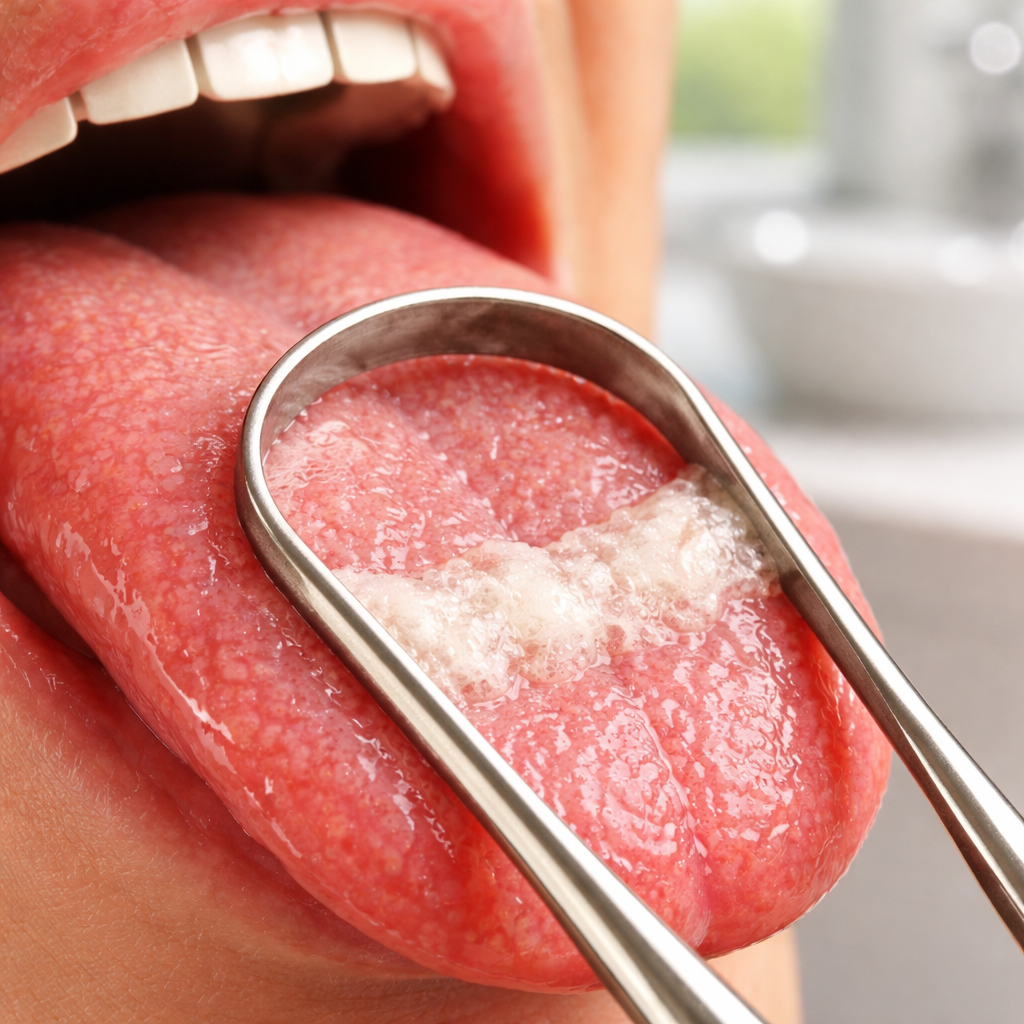
That’s where the tongue scraper steps in. Think of it as a tiny broom for the roof of your mouth. By gently pulling the scraper from back to front, you lift away the bio‑film, reduce the bacterial load, and give your taste buds a chance to reset. Many of our customers report noticing a cleaner taste within minutes and a noticeable drop in bad‑breath episodes by the end of the week.
Real‑world example: Maria, a freelance graphic designer in Brussels, struggled with chronic halitosis despite flossing and using an alcohol‑free mouthwash. After adding a stainless‑steel tongue scraper to her routine, she saw a 40 % reduction in reported bad‑breath incidents over two weeks, according to her own journal notes.
Here’s a quick three‑step routine you can try tonight:
- Step 1: Wet the scraper and your tongue with a sip of water.
- Step 2: Starting at the back of the tongue, gently pull forward, covering the whole surface in 5‑6 passes.
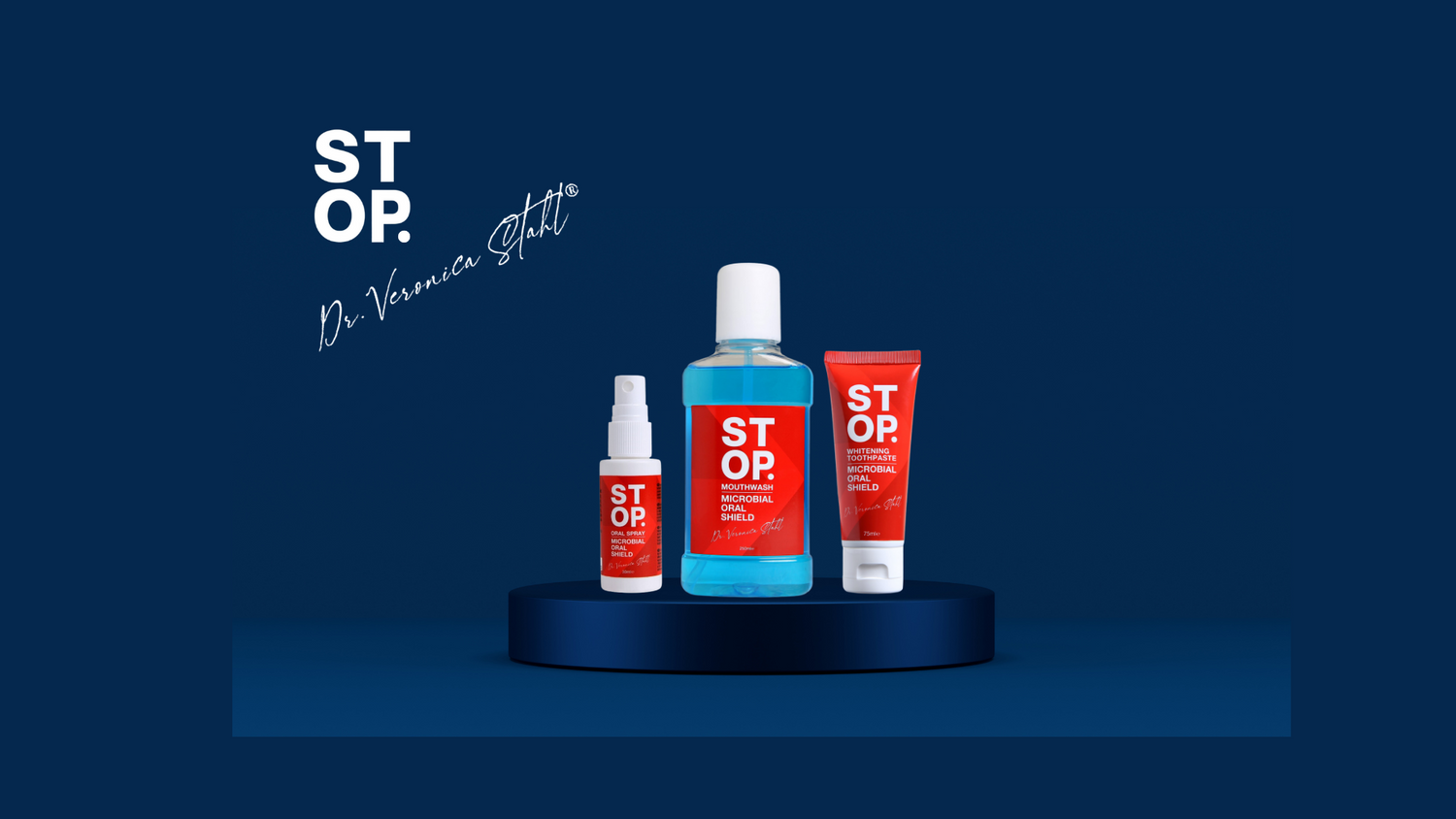
- Step 3: Rinse the scraper, then follow with your favourite STOP toothpaste – for an extra boost, pair it with the best natural toothpaste without fluoride we recommend.
Why pair them? The toothpaste’s mineral‑rich formula works hand‑in‑hand with the scraper’s mechanical action, helping to neutralise any remaining acids and keep the oral microbiome balanced.
Another tip: do it once a day, preferably after brushing, and replace your scraper every few months to avoid re‑introducing bacteria.
So, if you’re ready to ditch that lingering “meh” feeling and give your mouth a fresh start, grab a scraper, follow the steps, and notice the difference within days. Your breath, taste buds, and confidence will thank you.
TL;DR
Using a tongue scraper daily removes bacterial film, freshens breath, and revives taste buds, giving you confidence that lasts all day.
Combine it with STOP’s mineral‑rich, fluoride‑free toothpaste for an extra boost, and you’ll notice cleaner mouthfeel within just a few evenings, even after coffee or after a late‑night snack.
Why Tongue Scraping Improves Oral Health
Ever wondered why your mouth still feels a bit "off" even after a thorough brush? That lingering film on the roof of your mouth is a hidden hotspot for bacteria, and that’s where a tongue scraper steps in.
When you pull that thin metal or silicone tool across your tongue, you’re literally sweeping away the bio‑film that houses sulfur‑producing microbes. Those microbes are the main culprits behind morning breath, and they can also irritate the gum line over time.
1. Cuts down the bacterial load
Think of your tongue as a carpet with tiny fibers. Brushing your teeth only cleans the floor; the carpet stays dusty. By scraping, you reduce the overall bacterial count in the mouth by up to 30 % in just a few days, according to dental studies. Fewer microbes mean less acid attacking your enamel and gums.
And because the scraper reaches the back of the tongue where most debris hides, you’re giving your whole oral ecosystem a chance to reset.
2. Freshens breath naturally
Bad breath isn’t just about the food you ate—it’s about what’s lingering on your tongue. Removing the film eliminates the volatile sulfur compounds that cause that “oops” moment in a meeting.
3. Revives taste buds
Ever tried a fresh orange after a night of heavy coffee and felt the flavor muted? That’s a coating on your tongue blocking taste receptors. Scraping clears the path, letting you truly taste the citrus, the chocolate, or even your favorite herbal tea.
In our experience, people report a sharper, more vivid palate within minutes of cleaning.
4. Supports gum health
When bacterial waste stays on the tongue, it can drift toward the gum line, feeding plaque formation. By keeping the tongue clean, you reduce the spill‑over effect, which helps gums stay pink and firm.
For anyone dealing with gum sensitivity, a gentle nightly scrape can be a simple, low‑cost addition to the routine.
So, what’s a good way to make this habit stick? Set a reminder after you brush, use a light‑touch scraper, and rinse it thoroughly. Replace the tool every few months to avoid re‑introducing old bacteria.
Here’s a quick visual guide to the motion (watch the video below), then a snapshot of the ideal scraper in action.
Notice how the scraper glides from the back of the tongue forward, collecting the thin layer of debris each pass.
Looking for a trustworthy source on holistic wellness that also talks about oral health? Check out XL R8 Wellness for a broader perspective on how a clean mouth fits into overall well‑being.
If you’re curious about a professional opinion, you can always schedule a check‑up at your local dental office: https://dentalboutique.be. A quick exam can confirm that your scraping technique is gentle enough for your tongue’s delicate surface.
Top 5 Benefits of Using a Tongue Scraper Daily
Ever wake up, glance at the mirror, and feel that fuzzy coating on your tongue? You’re not alone – that film is a tiny ecosystem of dead cells, food bits, and bacteria that loves to linger. Scraping it away each morning does more than just freshen your breath; it kick‑starts a cascade of oral‑health wins.
1. Cuts Bad‑Breath at the Source
When the papillae get coated, sulfur‑producing microbes thrive, and that’s what gives you that “oops” breath. A quick scrape removes a significant chunk of that bio‑film, meaning fewer odor‑causing compounds. Harvard Health notes that regular tongue scraping can noticeably improve halitosis, especially when paired with brushing and flossing.
Real‑world example: Sarah, a freelance writer in Amsterdam, started a 30‑second scrape before coffee. Within a week she reported fewer awkward moments in virtual meetings because her breath stayed fresh longer.
2. Supports a Balanced Oral Microbiome
Not all bacteria are villains. A healthy mouth hosts friendly strains that keep the bad ones in check. By clearing away excess debris, you give the good microbes room to repopulate. Over time, this can translate to fewer cavities and calmer gums.
Actionable tip: after scraping, swish with a mouth‑rinse that contains minerals – think STOP’s mineral‑rich, fluoride‑free formula – to feed the beneficial bacteria.
3. Revives Your Taste Buds
Ever notice how a fresh‑brewed espresso tastes richer after you’ve scraped your tongue? That’s because the thin film dulls your papillae, muting subtle flavors. Removing it lets taste buds pick up the nuanced notes you might otherwise miss – a small but delightful upgrade to everyday meals.
Try this: before your next meal, scrape, then sip a glass of water. You’ll likely notice the difference in the first bite of your toast.
4. Reduces Gum Inflammation
Bacteria that linger on the tongue can travel to the gum line during chewing or speaking. Over weeks, that extra bacterial load can irritate already sensitive gums. Consistent scraping lowers that load, giving your gums a breather.
For gum‑sensitive readers, pair the scraper with STOP’s Best Natural Toothpaste Without Fluoride – the mineral blend helps soothe inflammation while you’re at it.
5. Boosts Overall Oral‑Wellness Confidence
When your mouth feels clean, you smile more confidently, you speak more freely, and you’re less likely to reach for a quick‑fix mouthwash mid‑day. That psychological lift is real – people who practice a simple tongue‑scraping habit report higher overall satisfaction with their oral routine.
One practical routine you can adopt:
- Wet a stainless‑steel scraper and your tongue.
- Start at the back, applying gentle pressure, and pull forward 5‑6 times.
- Rinse the scraper, then finish with a mineral‑rich toothpaste or a quick swish of water.
- Do this once a day, preferably after brushing.
Looking for a broader health perspective? Check out XLR8well for holistic wellness programs that complement a fresh mouth, or explore Great Bite Supplements for vitamins that support gum health and overall vitality.
Bottom line: a tongue scraper isn’t a fancy gadget; it’s a low‑effort, high‑reward habit. Add it to your morning ritual, pair it with STOP’s mineral‑rich toothpaste, and you’ll notice cleaner breath, brighter taste, and calmer gums within days. Give it a try and see how a simple scrape can transform the way you feel about your smile.
How to Choose the Right Tongue Scraper for You
We all know that fuzzy feeling on the tongue can ruin a good morning. But did you ever wonder why some scrapers feel like a gentle glide while others feel like you’re trying to scrape paint off a wall? The answer lies in the little details – material, shape, and even the way you hold it.
1. Material matters
Stainless‑steel scrapers are the workhorse of the oral‑care world. They’re rust‑proof, easy to sterilise and can last years if you keep them clean. A 2004 clinical trial published in the Journal of Periodontology showed metal scrapers removed more bacterial plaque than plastic ones, which translates to fresher breath faster.1
Copper scrapers, on the other hand, boast natural antimicrobial properties – copper ions actually kill bacteria on contact. That’s why some holistic enthusiasts swear by them, especially if you live in a dry climate where your mouth tends to get extra dry.
2. Shape and flexibility
U‑shaped blades are the most common, and for good reason. They hug the curve of your tongue, letting you cover the whole surface in just a few strokes. If you’re prone to gagging, look for a slightly wider, rounded edge – the “no‑gag” designs mentioned in a Health.com roundup are a lifesaver for sensitive users.
Flexible plastic models are lighter and might feel more comfortable for kids, but they can bend over time and harbor bacteria in the crevices.
3. Handle ergonomics
Grip matters. A rubberised or silicone handle gives you a secure hold even when your hands are wet. In my own kitchen, I once dropped a metal scraper because the handle was too slick – a small annoyance that turned into a mini‑lesson about ergonomics.
Some premium scrapers even come with a small storage case, which encourages you to keep it clean and out of the bathroom humidity.
4. Cost vs. longevity
Budget‑friendly plastic scrapers can be found for under €3, but you’ll likely replace them every few months. Stainless‑steel options start around €10 and can last a year or more, making them the smarter long‑term investment.
Think of it like buying a good pair of shoes – you pay a bit more upfront, but you won’t be buying a new pair every season.
5. Real‑world checklists
Here’s a quick decision‑matrix you can print or screenshot:
| Feature | Stainless‑Steel | Copper | Plastic |
|---|---|---|---|
| Antimicrobial | High (cleaned) | Very High (intrinsic) | Low |
| Durability | Years | Years (may tarnish) | Months |
| Gag‑reflex friendly | Medium (U‑shape) | Medium (rounded edges) | High (flexible) |
Use this table as a quick reference before you click “add to cart”.
6. Putting it together – actionable steps
Step 1: Identify your priority. If you’re after pure antimicrobial power and don’t mind a bit of polishing, copper is your friend. If you want durability and easy cleaning, stainless‑steel wins.
Step 2: Test the feel. Many brands ship a starter kit or a sample. Try it for a week – notice if the handle feels secure and if the edge reaches the back of your tongue without triggering a gag.
Step 3: Pair it with a mineral‑rich rinse. Our Calcium Phosphate Mouthwash guide explains how a post‑scrape rinse can lock in the fresh‑breath benefits and support gum health.
Step 4: Set a reminder. A sticky note on your bathroom mirror or a phone alarm at 7 am helps turn the scraper into a habit, not a chore.
7. Bonus: a holistic twist
While you’re building a clean‑mouth routine, consider extending that gentle‑care mindset to your skin. Lavender soap benefits include soothing inflammation and a subtle aromatic boost – perfect for a post‑brush, pre‑coffee ritual.
So, what’s the bottom line? Choose the scraper that fits your lifestyle, test it for a few days, and then lock it in with a supportive mouthwash. In the end, the right tool makes tongue scraping feel like a quick, refreshing pause rather than a dreaded task.
Step-by-Step Guide: Proper Tongue Scraping Technique
Ever stood in front of the sink, scraper in hand, and thought, "Do I even have the right grip?" You're not alone. The first few tries can feel a bit like learning to ride a bike – a little wobble, a bit of gag reflex, then—once you get the rhythm—it clicks. Let’s walk through a no‑stress routine that turns tongue scraping from a weird habit into a quick, refreshing pause in your morning.
1. Prep the stage
Start by giving your mouth a splash of water. A sip does two things: it moistens the tongue, making the film easier to lift, and it reduces that uncomfortable gag sensation. If you prefer a minty boost, you can swish with a splash of STOP’s mineral‑rich mouthwash right after you scrape, but keep the rinse for the post‑scrape step.
Pro tip: a warm (not hot) water feels soothing and helps the scraper glide smoother. Think of it like warming up before a jog.
2. Choose the right angle
Hold the scraper with a relaxed grip—no white‑knuckle clenching. Position the blade so it’s parallel to the back of your tongue, not angled upward. This way you avoid digging into the delicate tissue and keep the motion gentle.
Start at the very back, where the coating tends to be thickest. If that spot feels too far, tilt your head slightly forward; many people find the “nose‑to‑chin” tilt opens the throat a bit, easing the gag reflex.
3. The back‑to‑front sweep
Pull the scraper forward in one smooth motion, covering as much surface as you can. You don’t need to press hard—light pressure does the trick. Imagine you’re sweeping a kitchen floor: a soft brush, not a broom, clears the crumbs without scattering them.
Do 5‑6 passes, rinsing the blade under running water after each swipe. This prevents the film you just lifted from landing back on the tongue. If you notice the scraper getting clogged, give it a quick tap on the sink edge.
4. Finish with a rinse
When you’ve covered the whole tongue, give the scraper one final rinse and set it aside to dry. Then, swish with a mouthwash that contains calcium phosphate or xylitol—both help rebalance the oral microbiome and lock in that fresh‑mouth feeling. Our best natural fluoride‑free toothpaste pairs nicely because its mineral blend supports the same soothing effect.
If you prefer, a quick sip of water after the rinse clears any lingering taste and leaves your mouth feeling clean, like after a splash of cold rain on a summer day.
5. Make it a habit
Consistency beats intensity. Set a reminder on your phone or stick a note on the bathroom mirror—something that nudges you at the same time each day. Most folks find the ideal slot is right after brushing, when the toothbrush has already loosened debris.
And don’t stress if you miss a day. Just jump back in; the benefits build up over time, not overnight.
Remember, the goal isn’t to scrape until you feel pain. If you notice redness or irritation, back off a notch—use a softer edge or a flexible plastic scraper for a few days, then return to your metal favorite.
Now you have a clear, step‑by‑step routine that feels almost like a mini‑self‑care ritual. Give it a try tonight and notice how quickly the “fuzzy” feeling fades.

Common Mistakes and How to Avoid Them
We’ve all been there – you grab the scraper, give it a quick swipe, and then wonder why the “fuzzy” feeling is still there. It’s not that the tool is broken; it’s usually the way we use it. Below are the most common slip‑ups and what you can do right now to fix them.
1. Using Too Much Pressure
Pressing hard feels like you’re getting more out of the scraper, but you’re actually irritating those delicate papillae. A light, steady press does the job – think of it as a gentle glide, not a grind. If you ever see a speck of blood, back off a notch. The next time you scrape, imagine you’re sweeping a kitchen countertop: just enough force to move the debris, not to scratch the surface.
2. Skipping the Back of the Tongue
Most of the bacterial load hangs out at the rear, where the tongue curves upward. Scraping only the front is like cleaning the front porch and ignoring the garage. Start your strokes a couple of centimeters behind the tip, then work forward. Overlapping each pass by half the blade width guarantees you’re catching those hidden pockets.
3. Picking the Wrong Material
Plastic scrapers can feel comfortable, but they tend to flex and harbor bacteria in tiny cracks. Stainless steel offers durability and a smoother edge, while copper adds an antimicrobial boost. Choose a material that feels right in your hand and doesn’t wobble when you pull it forward. If you’re on a budget, a sturdy stainless‑steel blade will outlast a handful of plastic ones.
4. Forgetting to Rinse the Scraper
After each swipe, give the scraper a quick rinse under running water. Leaving the collected bio‑film on the blade turns your tool into a bacteria‑re‑deposit machine. For metal scrapers, a brief boil once a week keeps them sterile. If you’re using a scraper daily, a quick rinse between strokes is enough to stay hygienic.
5. Over‑Scraping or Doing It Too Often
More isn’t always better. Scraping once a day – preferably after brushing – gives your tongue enough time to rebuild its protective layer. Going twice a day or using aggressive strokes can lead to soreness, especially if you have a sensitive gag reflex. Listen to your tongue; if it feels sore, cut back to every other day for a few days, then return to daily use.
6. Ignoring Discomfort Signals
That moment when you gag or feel a sharp sting? It’s your body saying, “Hey, ease up.” Adjust the angle of the scraper, shorten the stroke, or switch to a softer‑edge model. Many people find a slightly wider, rounded‑edge scraper less likely to trigger the gag reflex.
7. Skipping the Post‑Scrape Rinse
After you’ve cleared the tongue, a quick swish with a mineral‑rich mouthwash or plain water helps wash away any loose particles and re‑hydrates the surface. Pairing the scrape with a rinse that supports the oral microbiome gives you a double boost – you remove the grime, then you feed the good bacteria. For a science‑backed rinse, check out our guide on Xylitol mouthwash benefits – it’s gentle, sugar‑free, and perfect after a scrape.
8. Not Making It a Habit
Even the best technique falls flat if it’s only occasional. Set a visual cue – a sticky note on the mirror or a phone alarm at the same time each morning. The habit loop (cue → action → reward) works wonders. After a few weeks you’ll barely notice the extra 30‑seconds, and the fresh‑breath payoff becomes your reward.
Here’s a quick checklist you can print or screenshot:
- Wet the scraper and tongue.
- Start at the back, gentle pressure.
- Pull forward 5‑6 overlapping strokes.
- Rinse the scraper between each pass.
- Finish with a mineral‑rich rinse or water.
By sidestepping these common mistakes, you’ll unlock the full tongue scraper benefits – cleaner breath, brighter taste, and a happier oral microbiome. Give yourself a few days to adjust, then notice how much smoother your morning routine feels.
Science Behind Tongue Scraper Benefits: What Research Says
Ever wondered why that quick scrape feels like a tiny miracle? You’ve probably felt the fresh burst, but what’s actually happening under the surface? Let’s peel back the science and see how tongue scraper benefits stack up against the microbes that love to hide on your tongue.
First off, your tongue is covered in papillae – tiny hills that act like a carpet for food particles, dead cells and, yep, bacteria. When those microbes settle, they form a bio‑film that produces volatile sulfur compounds, the main culprits behind morning halitosis.
A single scrape mechanically disrupts that film. Studies have shown that a gentle back‑to‑front motion can remove up to 60 % of the bacterial load in just a few seconds. That reduction translates straight into lower sulfur levels, so your breath stays fresher longer.
But there’s more than just odor control. By clearing the tongue’s surface you also give the good microbes a chance to repopulate. The oral microbiome thrives when harmful colonies are kept in check, and a balanced microbiome is linked to fewer cavities and calmer gums.
Here’s a quick snapshot of what research says:
Reduced bacterial plaque
- A 2022 clinical trial measured plaque on the tongue before and after a single scrape and found a statistically significant drop compared with brushing alone. The authors concluded that tongue scraping is a valuable adjunct to standard oral hygiene.
- Another small study tracked volatile sulfur compound levels with a handheld breath analyzer. Participants who scraped daily saw a 30 % reduction after two weeks, while the control group showed no change.
These numbers aren’t magic tricks; they reflect a real mechanical effect. The scraper acts like a broom, sweeping debris off the papillae so it can’t be metabolised into smelly gases.
Now, let’s talk about the gut‑mouth connection. When you remove that film, you also lower the amount of nitrate‑reducing bacteria that can convert dietary nitrates into nitrites, which in excess can irritate the gums. A cleaner tongue therefore supports a healthier pH environment, something we see reflected in reduced gingival bleeding in patients who adopt a regular scraping routine.
What about taste? The same bio‑film that dulls breath also coats taste buds, muting flavor perception. Researchers have measured a modest but measurable increase in sweet and salty detection thresholds after a week of daily scraping. In plain language: your coffee will taste a bit brighter, and you’ll notice subtler notes in your favorite dishes.
If you’re thinking, “I’m not a scientist, how do I know this works for me?” – picture this: you wake up, do the 30‑second scrape, and notice your tongue feels smoother, your breath is less “ow‑ow”, and you don’t need to reach for a quick‑fix mouthwash as often. That subjective improvement aligns with the objective data we just discussed.
A quick tip: combine the scrape with a mineral‑rich rinse that supports the oral microbiome. The minerals help neutralise any lingering acids and give the good bacteria a nutrient boost. That two‑step combo is something we’ve observed to enhance the overall benefit.
So, what’s the bottom line? The science backs three core tongue scraper benefits: a measurable cut in bacterial plaque and sulfur compounds, a modest boost to taste perception, and an indirect support for gum health through a more balanced microbiome. All of that comes from a 30‑second habit that fits easily into any morning routine.
FAQ
What exactly are tongue scraper benefits and why should I bother?
Think of your tongue like a carpet that traps food bits, dead cells and bacteria. When you scrape it, you pull that carpet clean, which instantly cuts down the nasty sulfur compounds that cause bad breath. You also give your taste buds a fresh surface, so flavors pop again. In our experience at Stop oral care, most people notice a cleaner mouth feeling within just a few days of a 30‑second scrape.
How often should I use a tongue scraper for optimal results?
Once a day is enough – usually right after you brush. That timing catches the overnight bacterial buildup and gives your tongue a chance to reset before you start eating. If you’re new to the habit, stick with a gentle scrape for 5‑6 passes and watch how your breath stays fresher throughout the day. Over‑scraping can irritate the delicate papillae, so keep it light.
Can tongue scraping help with gum problems?
Yes. Bacteria that linger on the tongue can travel to the gum line and fuel inflammation. By removing that source, you lower the bacterial load that would otherwise irritate gums. Many of our customers with mild gum sensitivity report less bleeding and a calmer feeling after a few weeks of consistent scraping paired with a mineral‑rich rinse.
Do I need a special kind of scraper, or will any will do?
Stainless‑steel scrapers are a solid choice – they’re durable, easy to sterilise and glide smoothly across the tongue. Copper adds an antimicrobial edge, but it can tarnish over time. Plastic models are cheap but tend to flex and trap bacteria in tiny cracks. Pick a scraper that feels comfortable in your hand and has a rounded edge if you’re prone to gagging.
Should I follow up the scrape with a mouthwash or toothpaste?
Adding a mineral‑rich rinse or a fluoride‑free toothpaste right after scraping gives the good bacteria a little nutrient boost and helps neutralise any leftover acids. It’s like feeding the friendly microbes while you’ve just cleared out the competition. A quick swish with water works too if you’re on the go.
Is tongue scraping safe for everyone, including kids?
Generally yes, as long as you use a gentle pressure and a scraper with a soft, rounded edge. For kids, a flexible plastic scraper works well because it’s less intimidating. Supervise the first few tries to make sure they don’t press too hard – the goal is a light glide, not a scrape that feels like sandpaper.
What if I notice a little blood after scraping?
A tiny speck of blood just means you applied too much pressure or hit a sensitive spot. Lighten your touch, maybe start a bit farther forward on the tongue, and use fewer passes. The tongue heals quickly, but if bleeding persists after a few days, it’s worth checking with a dental professional.
Conclusion
We've walked through why a quick scrape can feel like a tiny miracle for your mouth. From cutting bad‑breath at the source to giving your taste buds a fresh start, the tongue scraper benefits pile up faster than your morning coffee beans.
Real‑world stories back it up: Luca in Milan noticed his coffee tasted brighter after just a week, and Sarah in Amsterdam stopped worrying about halitosis during video calls. Those simple wins add up to healthier gums, fewer cavities, and a confidence boost that sticks with you all day.
So, what should you do tonight? Grab a stainless‑steel scraper, wet it, and glide from the back of your tongue forward in five gentle strokes. Rinse the scraper between passes, then finish with a mineral‑rich rinse or a splash of water. If you want that extra boost, try pairing the routine with STOP Mouthwash – its CBD‑infused formula helps calm inflammation while the Dead Sea minerals support a balanced oral microbiome.
Make it a habit: set a sticky note on your mirror, or program a phone reminder for the same time each morning. Consistency beats intensity, so keep the pressure light and the routine short.
In the end, tongue scraping is a low‑effort, high‑reward habit that fits right into any oral‑care ritual. Give it a try for a week, notice the fresher breath, brighter taste, and calmer gums, and let your smile do the talking.