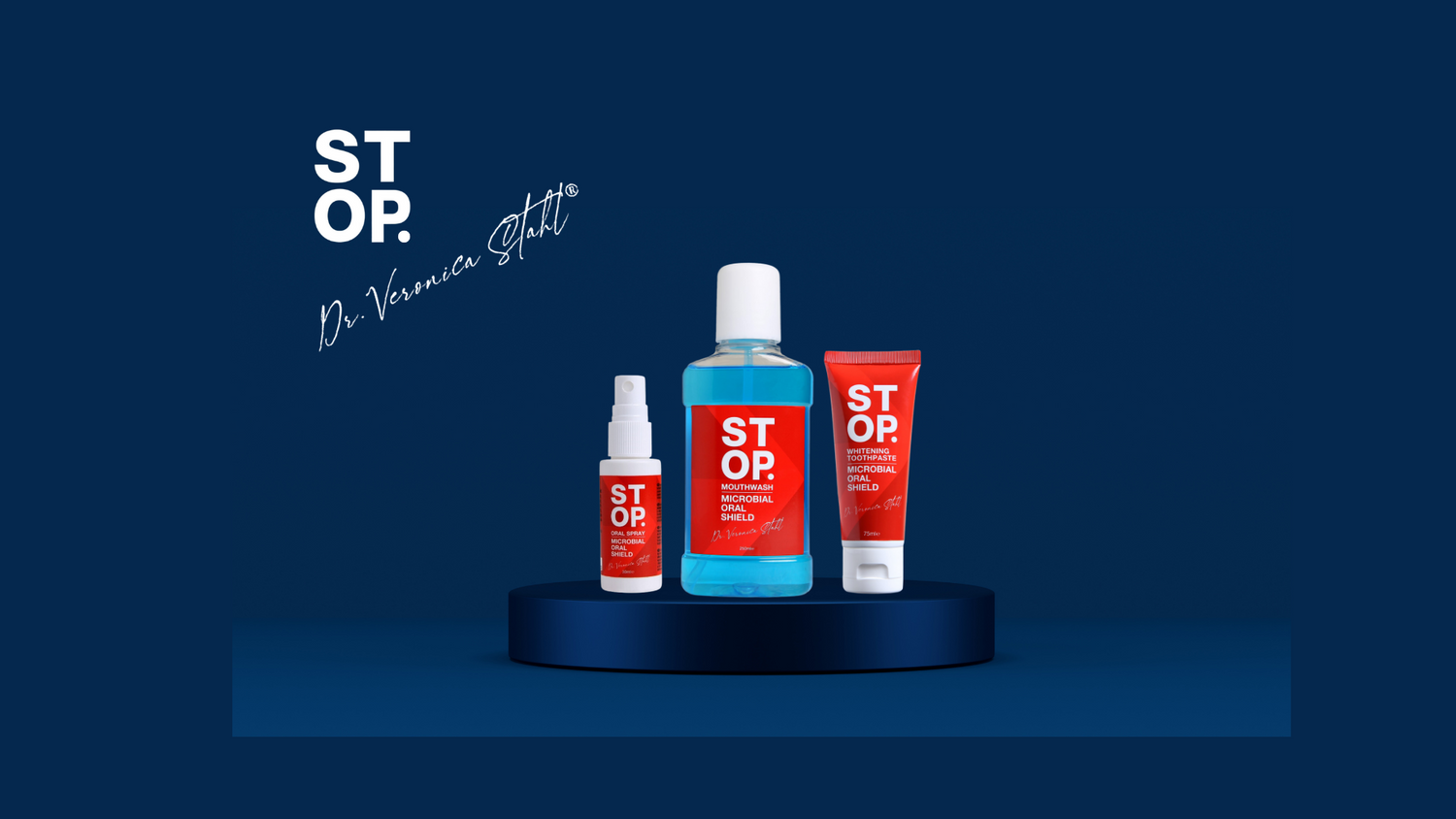


Most people think toothpaste just cleans teeth. The truth is, the right paste can actually help rebuild enamel that’s worn down by acid, brushing too hard, or age.
Enamel repair isn’t magic. It needs minerals that can fill tiny gaps and make the surface harder again. That's where ingredients like hydroxyapatite, calcium phosphate, and even natural dead‑sea minerals come in. They act like tiny building blocks, settling into the cracks and strengthening the layer.
Imagine you’ve just finished a citrus‑rich meal and feel a slight sting. A quick switch to a mineral‑rich toothpaste can start the repair process while you brush. You don’t need to wait months; regular use adds up.
Here’s a simple routine you can try right now:
- Pick a toothpaste that lists hydroxyapatite or calcium phosphate as a key ingredient.
- Brush gently for two minutes, twice a day, letting the paste sit on your teeth for the last 30 seconds.
- Rinse with a non‑alcoholic mouthwash that contains extra minerals, if you have one.
If you’re curious about how hydroxyapatite stacks up against fluoride, check out Hydroxyapatite Toothpaste vs Fluoride. The guide breaks down why some people prefer a fluoride‑free option for enamel health.
And remember, good enamel starts with more than toothpaste. Eating less sugary snacks, drinking water after meals, and visiting a dentist regularly all help keep the surface strong. You can also look up professional advice at https://dentalboutique.be for a deeper dive.
Understanding Enamel Damage and How Toothpaste Can Help
Enamel is the hardest part of your mouth, but it can wear down fast.
Acid from soda, citrus, or even a stray coffee sip eats away at the surface, and brushing too hard can scrape off tiny bits.
When you pick a toothpaste that contains mineral builders, the paste drops those tiny crystals onto the worn spots and they start to fill the gaps.
Hydroxyapatite is a star player; it mimics the natural mineral of tooth enamel and can gently repair damage. Learn more in The Benefits of Hydroxyapatite Toothpaste for Sensitive Teeth.
For best results, brush twice a day with a soft head, let the paste sit on the teeth for the last 30 seconds, then rinse with a gentle, mineral‑rich mouthwash.
Acid attacks are worse when you let food sit on teeth. Rinse with water right after meals, and wait at least 30 minutes before brushing so the enamel can re‑harden.
Remember, enamel health also ties to what you eat and how you hydrate. A balanced diet and regular water swigs keep the mouth less acidic. For broader wellness tips, check out XLR8well’s proactive health resources.
Seeing the science in action can help you trust the process.
Here’s a quick visual of how mineral particles settle into enamel cracks.
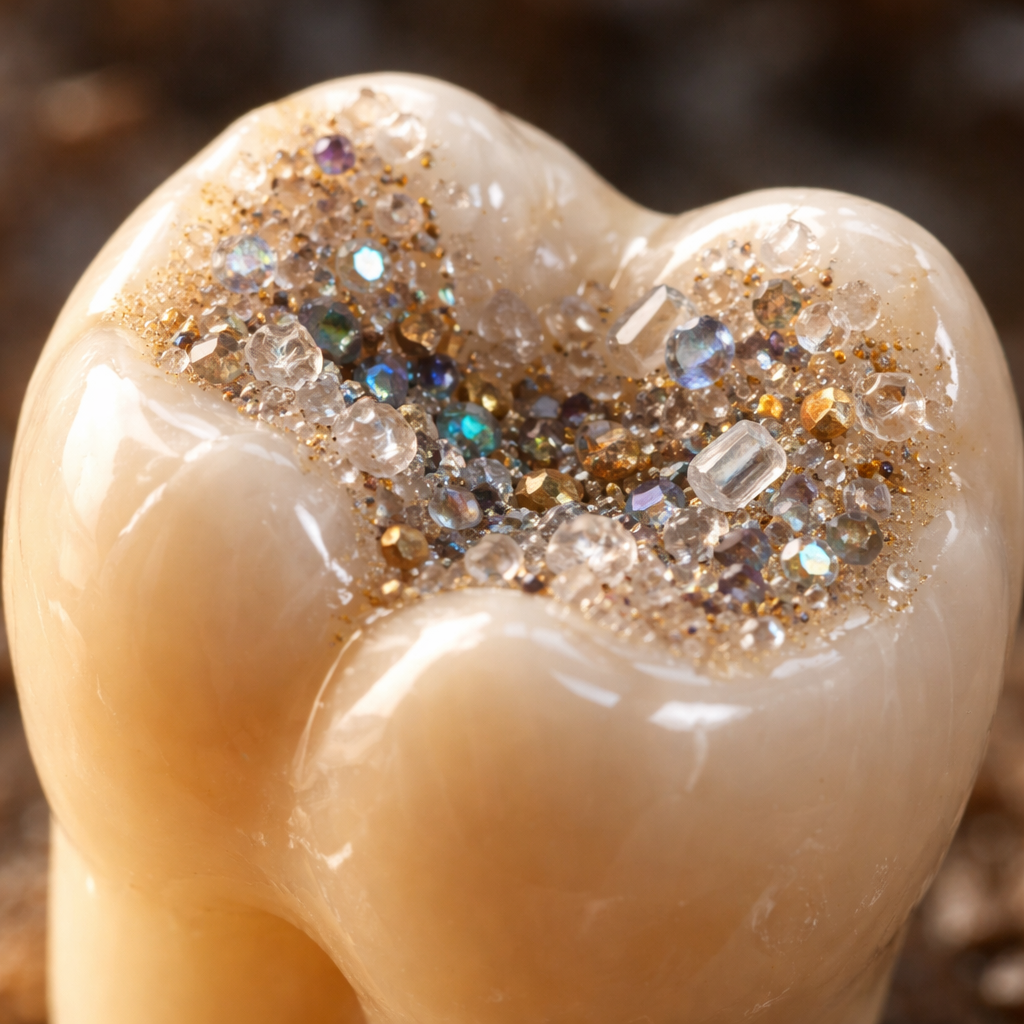
Many people notice less sensitivity after a few weeks of consistent use, which is a good sign the enamel is rebuilding.
So, pick a mineral‑rich toothpaste, brush gentle, sip water, and give your enamel a chance to heal. Your smile will thank you over time.
Key Ingredients in Toothpaste for Enamel Repair
When you look at the label, the first thing you want is a mineral that actually talks to your teeth. Hydroxyapatite is that mineral – it’s the same crystal that makes up most of your enamel.
Scientists say the tiny particles slip into the pits left by acid and harden there. WebMD explains how this works. The result? A smoother surface that feels less sensitive.
Calcium phosphate does a similar job. It feeds the enamel with the two building blocks it needs to rebuild itself. When you brush with a paste that lists calcium phosphate, you’re giving your teeth a fresh supply of the raw material they lose every day.
Dead‑sea minerals add a boost of trace elements like magnesium and potassium. Those extras help keep the enamel matrix stable, especially after you’ve had a citrus drink.
Many people wonder if CBD can help too. In STOP’s formula, CBD works with the minerals to calm gum inflammation, letting the enamel repair process happen without irritation.
Here’s a quick way to test a toothpaste: check the ingredient list for hydroxyapatite or calcium phosphate, then look for added dead‑sea minerals or CBD if you like that extra calm.
Try this at home: after a meal, brush with a mineral‑rich paste for two minutes. In the last 30 seconds, let the paste sit on each tooth, then rinse with plain water.
Want a deeper dive into why hydroxyapatite eases sensitivity? The Benefits of Hydroxyapatite Toothpaste for Sensitive Teeth breaks it down.
Davids’ nano‑hydroxyapatite toothpaste shows how a rod‑shaped version can fill even smaller cracks. Read the details on Davids for more technical insight.
Remember, consistency is key. Brush twice daily, let the minerals linger, and pair your routine with a good diet.
For a broader view on how overall health ties into tooth strength, check out XLR8well’s proactive health resources. And if you’re building a full self‑care ritual, you might also explore Sade Skin’s professional skin treatments for a truly holistic routine.
Step-by-Step Guide to Using Enamel Repair Toothpaste
First, pick a toothpaste that actually says hydroxyapatite or calcium phosphate on the front. If you also like a calming vibe, look for one that adds CBD or Dead Sea minerals.
Next, wet your soft‑bristled brush. Too much pressure just scrapes enamel, so hold it like a feather.
Now start brushing. Two minutes is the sweet spot. Count out loud or hum a short song to keep time.
When the timer hits the two‑minute mark, don’t rush to rinse. Spend the last 30 seconds letting the paste sit on each tooth. That pause lets the tiny minerals settle into the cracks.
After the pause, you have two choices. Rinse with plain water if you want the minerals to stay a bit longer, or use a mineral‑rich mouthwash if you have one.
Do this routine twice a day – once after breakfast, once before bed. Consistency beats a single marathon session.
Tip: If you’re on the go, keep a travel‑size tube in your bag. A quick brush after lunch can stop acid from lingering.
For a deeper dive on why hydroxyapatite works, check out What is Hydroxyapatite Toothpaste?. It breaks down the science in plain terms.
Looking for extra support, consider a calcium‑rich supplement. Great Bite Supplements offers options that complement enamel repair – you can learn more at Great Bite Supplements.
Finally, remember to visit your dentist regularly and keep a balanced diet. Simple steps, steady results.
https://dentalboutique.be
Comparing Top Toothpastes for Enamel Repair
Not all pastes work the same. Some just clean, others actually feed the tiny cracks in your enamel. Below you’ll see three common choices and what makes each one tick.
If you like a blend of hydroxyapatite and the extra boost from Dead Sea minerals, STOP’s formula is a solid pick. It lets the mineral particles sit on the tooth surface for a few seconds before you rinse, giving them time to settle into the gaps.
For a pure hydroxyapatite option, many dentists point to the simple, mineral‑only pastes you can find in health stores. They work from the inside out, filling holes without any fluoride.
Fluoride‑based pastes such as Colgate Total still dominate the market. Fluoride forms a protective layer on enamel, but it doesn’t rebuild the mineral loss the way hydroxyapatite does.
Here’s a quick way to test any paste: after brushing, pause for 30 seconds and feel if the paste leaves a fine, gritty feel. That grit means the mineral particles are still there, ready to work.
Want a deeper dive on why mineral‑rich pastes can be better for enamel? Check out New York Magazine’s guide on toothpaste choices for an expert view.
And if you’re curious about the dead‑sea mineral blend, STOP explains it all here: What You Need to Know About Toothpaste with Dead Sea Minerals.
| Toothpaste | Key Mineral | How It Helps |
|---|---|---|
| STOP Protective + Whitening | Hydroxyapatite + Dead Sea minerals | Fills cracks, adds trace elements, leaves a gentle protective film. |
| Pure Hydroxyapatite (store brand) | Hydroxyapatite | Directly plugs tiny pits, smooths surface, works without fluoride. |
| Fluoride toothpaste (e.g., Colgate Total) | Fluoride | Creates a surface shield, reduces decay risk, but doesn’t rebuild lost mineral. |
Choosing the Right Toothpaste for Your Specific Needs
When you pick a toothpaste, think about what your mouth needs now. Are you fighting a tingle after cold drinks, or want a brighter smile without harsh chemicals?
If sensitivity is your main issue, pick hydroxyapatite or calcium phosphate. Those tiny minerals slip into micro‑pits left by acid and seal them. For a whitening boost, choose a formula with gentle abrasives but still lists a mineral base so you don’t strip enamel.
Gum‑concerned users should look for CBD or dead‑sea minerals, which calm inflammation while minerals keep the tooth surface strong. If you avoid fluoride, choose a ‘fluoride‑free’ paste with the mineral listed first.
Here’s a quick test you can do at home: after brushing, wait 30 seconds and run your tongue over the teeth. If you feel a faint, grainy texture, the mineral particles are still there, ready to work.
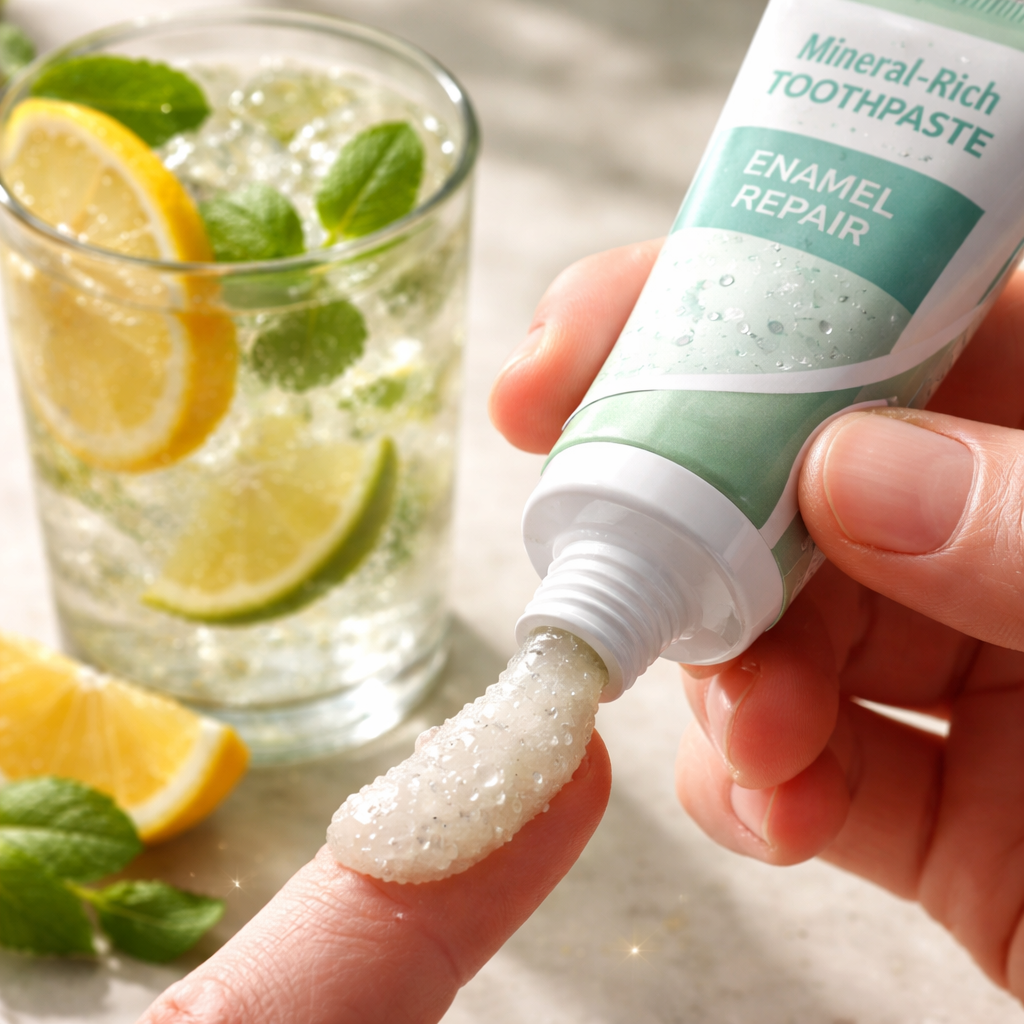
One practical way to narrow down choices is to read a detailed guide on how hydroxyapatite helps sensitive teeth. The STOP guide explains the science in plain terms and shows which brands balance comfort and repair.
Finally, match the paste to your routine. If you brush twice a day with a soft brush, a mineral‑rich, fluoride‑free formula will sit on the teeth long enough to deposit its tiny building blocks. If you prefer a quick rinse after meals, pick a smooth paste so you won’t feel grit.
Action step: write down your top oral concern, then check the ingredient list for the matching mineral. Swap in a toothpaste that ticks that box and give your enamel a chance to rebuild.
Conclusion & Next Steps
You've seen how a toothpaste for enamel repair can fill tiny gaps and ease sensitivity. The key is to pick a paste that lists hydroxyapatite or calcium phosphate up front, and let it sit on your teeth for the last 30 seconds of brushing.
Now put it into a habit. Brush twice a day with a soft brush, pause, then rinse with water or a mineral‑rich mouthwash if you have one. Consistency beats a single deep clean.
Looking for a simple starter, many users pick STOP Protective + Whitening because it blends hydroxyapatite with Dead Sea minerals for extra calm.
Want a professional opinion? Check your local dentist or visit https://dentalboutique.be for more guidance.
Give it a week, then notice if your teeth feel less sharp on cold drinks. If they do, you’ve taken a solid step toward stronger enamel.
Frequently Asked Questions
What is toothpaste for enamel repair?
Toothpaste for enamel repair is a paste that adds back the minerals your teeth lose over time. It usually lists hydroxyapatite or calcium phosphate near the top of the ingredient list. Those tiny particles slip into the microscopic pits left by acid or brushing and harden, making the surface smoother and less sensitive. The formula works best when you let the paste sit on the teeth for the last 30 seconds of brushing.
How often should I use toothpaste for enamel repair?
Most dentists say brush twice a day with a soft brush and use the enamel‑repair paste each time. The key is to let it sit on the teeth for about half a minute at the end of the brush. If you skip a day, the minerals still work but you’ll see slower results. Try to make it a habit right after breakfast and before bed for best effect.
Can I use enamel‑repair toothpaste with fluoride?
You can still use a fluoride‑free enamel‑repair paste even if other products in your routine have fluoride. The two ingredients work in different ways, fluoride builds a protective shield, while hydroxyapatite or calcium phosphate actually fills the tiny gaps. If you switch fully to a mineral‑rich paste, you may drop fluoride, but many people keep both for extra safety. It’s a personal choice, but you won’t lose the enamel‑repair benefits.
What if I have gum sensitivity?
If your gums feel sore while you brush, look for a paste that adds calming agents like CBD or dead‑sea minerals. Those extras can soothe the soft tissue without stopping the mineral repair. Use a soft‑bristled brush and press lightly, you want the paste to touch the teeth, not scrape the gums. Rinse with plain water or a gentle, alcohol‑free mouthwash to keep the calm feeling.
Is there a difference between nano‑hydroxyapatite and regular hydroxyapatite?
Nano‑hydroxyapatite means the particles are tiny enough to slip into even the smallest pits on enamel. Regular hydroxyapatite works too, but the nano size can give a smoother feel and may reach deeper gaps faster. Both types still give the same mineral that your teeth need. If you’re not sure which to pick, any product that lists hydroxyapatite high on the label will do the job.
Do I need a special mouthwash?
A mouthwash isn’t required, but one that’s alcohol‑free and rich in minerals can keep the repair work going between brushes. Look for a rinse that mentions calcium or phosphate, or even dead‑sea minerals, so the surface stays bathed in helpful ions. If you prefer a simple routine, just spit and rinse with water; the paste will still do most of the job.