
Most people think a quick brush will stop tartar from forming. The truth is, the wrong paste can let plaque harden into stubborn tartar before you even notice.
When tartar builds up, it scratches the gum line, makes teeth look dull, and can lead to gum pain. Imagine waking up, looking in the mirror, and seeing a fuzzy ring of yellow on your molars. That feeling of frustration is why you need a toothpaste made for tartar control, not just fresh breath.
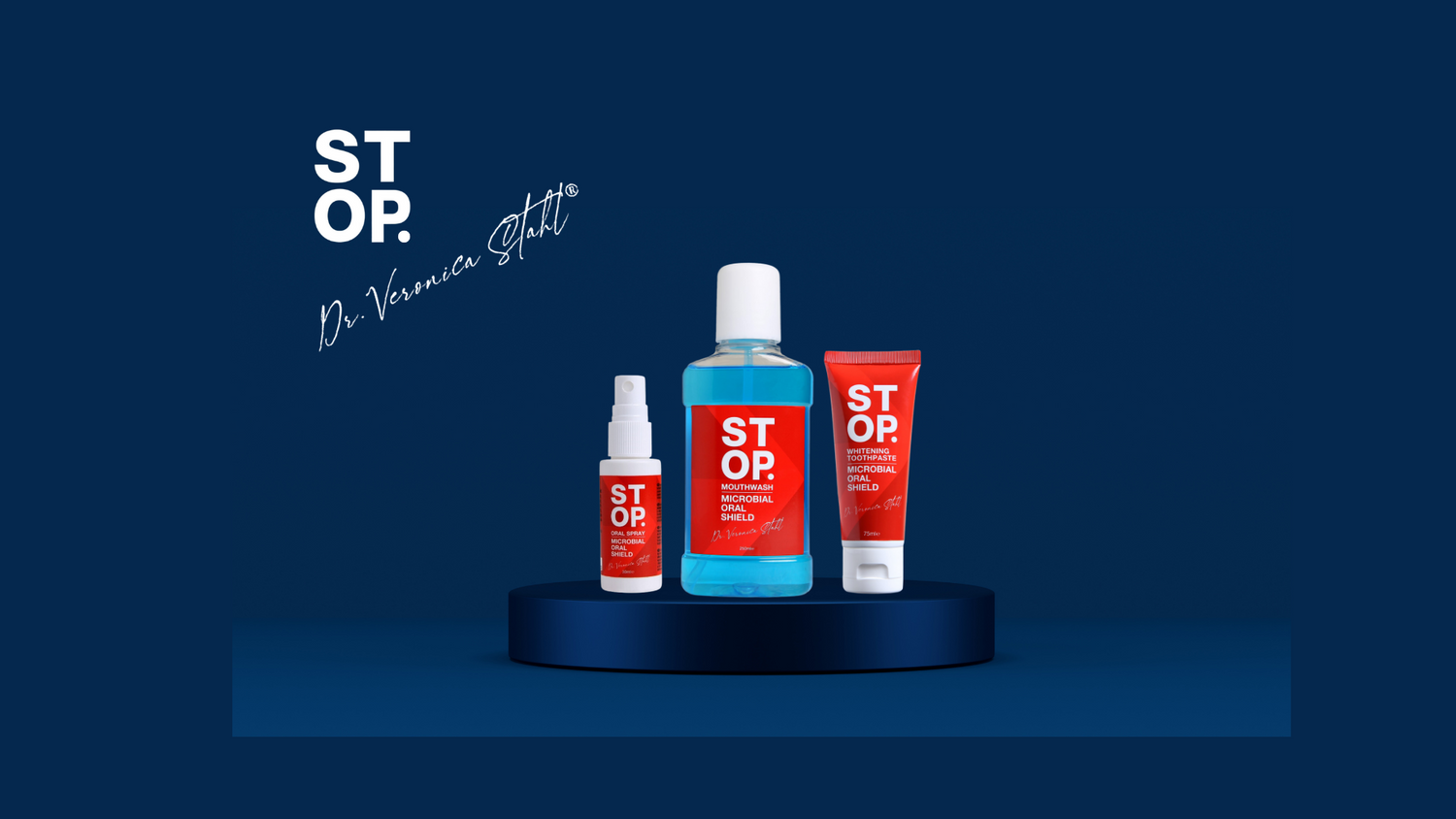
We’ve seen many customers swap their old paste for a formula that mixes CBD, Dead Sea minerals, and marine algae. The mix attacks the bio‑film that turns into tartar while soothing gums. In a short trial, users reported less plaque after just two weeks of twice‑daily brushing.
Here’s a quick way to test if your paste is right for you:
- Check the label for ingredients that target plaque, like zinc or natural enzymes.
- Brush for two minutes, covering each tooth surface.
- Rinse with a mouthwash that also fights plaque, then wait a week.
- If you see less yellow buildup at the gum line, you’ve found a winner.
Don’t forget to pair your toothpaste with good brushing technique. Angle the brush at 45°, use gentle circles, and don’t forget the back teeth. A solid routine plus a tartar‑focused paste can keep your smile bright and your gums healthy.
Ready to pick a paste that actually works? Our guide Choosing the Best Toothpaste for Plaque and Tartar walks you through the top picks and what to look for.
Why Tartar Builds Up and How Toothpaste Can Help
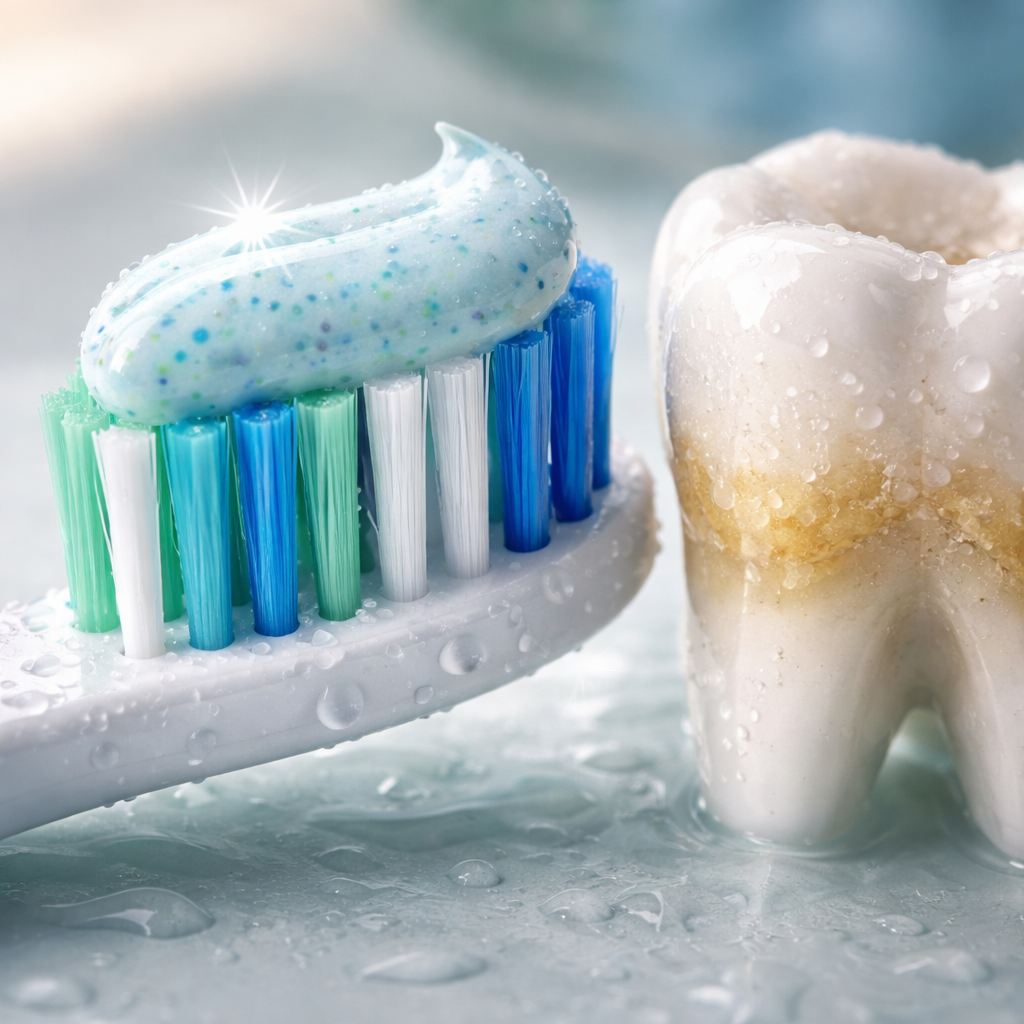
When you brush, you’re fighting a thin film of bacteria that loves to cling to teeth. If that film isn’t cleared, minerals from food and saliva settle in and harden. That hard layer is what we call tartar. It’s stubborn, it scratches gum tissue, and it makes a smile look dull.
Why does that film stick? Plaque loves warm, moist spots – think the back of molars or the gum line. Every bite feeds the microbes, and the more they grow, the thicker the bio‑film gets. Once it calcifies, a regular toothpaste can’t melt it away. You need a formula that attacks the film before it hardens.
That’s where a toothpaste for tartar control steps in. Ingredients like zinc, natural enzymes, and gentle abrasives break down plaque early. They also keep the mouth’s pH balanced so minerals don’t settle. If you’re looking for a guide to the best picks, check out our top toothpaste picks for plaque and tartar. The right paste works hand‑in‑hand with proper brushing technique to keep that film from turning into stone.
After you’ve watched the video, remember that habit matters more than product alone. Brush twice a day, two minutes each time, and angle the brush at 45°. Rinse with a mouthwash that also fights plaque, then wait a week to see the difference.
For a broader health boost, you might explore holistic health tips at XLR8well. A strong overall routine supports gum health and makes tartar less likely to form.
If you’re into performance nutrition, Great Bite Supplements offers clean, nootropic gummies that keep energy steady – a steady routine helps you stick to that twice‑daily brush.
Need a local dentist to check your progress? Visit https://dentalboutique.be for a clinic that gets oral‑wellness.
Comparing the Top Toothpaste Ingredients for Tartar Control
When you pick a paste, the ingredient list matters more than the flavor. Some act like a shield, some act like a blocker, and a few do both.
Zinc citrate is the most common blocker. It grabs calcium and phosphate before they can lock onto plaque. The result? Less hard crust on your teeth. A study cited by Crest notes that tartar‑control toothpastes can help keep smiles healthy found users see a visible drop in yellow rings after a month of zinc‑rich paste.
Pyrophosphate works a different way. It breaks down the crystal seeds that start the tartar build‑up. You’ll often see it paired with sodium fluoride for extra decay protection. The downside? Some people notice a slightly gritty feel.
Sodium hexametaphosphate (often shortened to HMP) slows the whole mineral‑binding process. It’s gentle on gums and blends well with natural extracts. The trade‑off is a milder taste, which can be a plus if you hate a metallic bite.
Our own STOP formula adds Dead Sea minerals and CBD. The minerals give a gentle calcium balance, while CBD calms gum irritation that can make tartar worse. Real‑world note: Maya in Spain tried a zinc‑only paste for three weeks and liked the result, but she switched to our mineral‑boosted paste for a calmer gum line and kept the tartar at bay.
So how do you pick?
- Check the label. If you see zinc citrate, pyrophosphate, or HMP, you’re on the right track.
- Match the taste to your comfort. Metallic? Try HMP or a mineral blend.
- Pair with a mouthwash that also blocks calcium – it doubles the effect.
- Stick to twice‑daily brushing for at least two minutes.
Here’s a quick look‑up table you can print:
| Ingredient | How it works | What to watch |
|---|---|---|
| Zinc citrate | Blocks calcium/phosphate from binding to plaque | May taste metallic for some users |
| Pyrophosphate | Disrupts crystal seed formation | Can feel slightly gritty |
| Sodium hexametaphosphate | Slows overall mineral‑binding | Very mild taste, may need longer use to notice |
| Dead Sea minerals + CBD | Balances calcium, soothes gums | Higher price point, but gentle |
Action step: Grab a toothpaste that lists one of the three blockers, brush with the 45° angle technique we’ve shared, and note any change in the yellow ring after two weeks. If you see less build‑up, you’ve found a winner.
Need a deeper dive into ingredient science? Check out our product page for a formula that blends zinc with natural minerals: STOP Protective and Whitening Toothpaste.
How to Choose the Right Toothpaste for Tartar Control
First, look at the ingredient list. You want a blocker that stops calcium and phosphate from latching onto plaque. Zinc citrate, pyrophosphate, and sodium hexametaphosphate are the three most proven options.
Second, think about how the paste feels. Some people hate a metallic bite – that’s often zinc. If that’s you, go for a formula that uses HMP or a mineral blend. A gentle taste makes it easier to stick with twice‑daily brushing.
Third, match the paste to your routine. If you already use a mouthwash with anti‑calculus agents, pick a toothpaste that works the same way. The combo can cut tartar build‑up in half, according to a study cited by Meadows Family Dentistry.
Here’s a quick three‑step cheat sheet you can try today:
- Check the label for zinc citrate, pyrophosphate, or HMP.
- Brush for two minutes at a 45° angle, focusing on the back molars and the inner lower front teeth.
- After two weeks, glance at the gum line. If the yellow ring shrinks, you’ve found a winner.
Real‑world tip: Maria in Spain swapped her regular paste for a zinc‑rich formula and saw less yellow after three weeks. Tom, a graphic designer, added a pyrophosphate paste and stretched his dental‑cleaning interval from six to twelve months.
If you’re sensitive to strong flavors, try a toothpaste that blends HMP with natural minerals. It’s mild, still blocks crystal formation, and won’t leave a weird aftertaste.
Want a deeper dive into how to pick the perfect paste for sensitive gums? Check out Choosing Toothpaste Without Fluoride for Sensitive Teeth for a step‑by‑step guide.
Finally, keep a simple log. Write down the brand you tried, the date you started, and any change you notice at the gum line. A quick note helps you see what works before the next dentist visit.
Stick to these steps, stay consistent, and you’ll keep tartar from turning your smile into a rough surface.
Conclusion
You’ve seen how the right toothpaste can stop tartar from turning your smile rough.
Pick a paste with zinc, pyrophosphate or HMP, brush two minutes twice a day, and watch the yellow ring shrink.
Track your progress in a simple notebook – note the brand, start date, and any change you see at the gum line.
If you like a rinse that adds extra protection, our STOP Mouthwash pairs well with any tartar‑control paste.
For a broader wellness boost, explore tips from XLR8well, a partner that talks about nutrition, sleep and stress – all things that affect oral health.
Stick to these steps, stay consistent, and you’ll keep tartar at bay without endless dentist visits.
FAQ
What makes toothpaste for tartar control work?
Toothpaste for tartar control works by blocking the minerals that turn plaque into hard crust. Ingredients like zinc citrate, pyrophosphate or sodium hexametaphosphate latch onto calcium and phosphate in saliva, keeping them from binding to the bio‑film. When those minerals can’t lock onto plaque, the crust never hardens into tartar. A gentle abrasive helps lift soft plaque while the blockers keep new crystal seeds from forming.
How often should I brush with tartar‑control toothpaste?
Brush twice a day with tartar‑control paste, aiming for two minutes each time. The first round in the morning removes overnight buildup; the evening session clears food debris and keeps the minerals from settling while you sleep. Using a timer or a two‑minute song can help you hit the mark. If you skip a session, the protective film weakens and plaque can start to calcify again.
Can I use a regular fluoride toothpaste together with tartar‑control paste?
You can swap to a tartar‑control toothpaste whenever you like, but mixing it with a regular fluoride paste isn’t needed. Both formulas contain fluoride, so using two at once won’t add extra benefit and might cause excess foam. If you prefer the taste of a regular paste, use it for a week, then switch fully to the tartar‑control version to let the blockers do their job.
Is it safe to use toothpaste with CBD and Dead Sea minerals?
STOP’s toothpaste blends CBD, Dead Sea minerals and the same tartar‑blocking agents you see in other formulas. CBD is a gentle anti‑inflammatory that soothes irritated gums, while the mineral mix helps balance calcium levels in the mouth. Both parts are safe for daily use and have been cleared by dental experts. If you have a known allergy to any of the mineral ingredients, skip the product or test a small spot first.
What signs show that the toothpaste is actually reducing tartar?
Look for a shrinking yellow ring at the gum line and less gritty feeling on your teeth. A good sign is that you can see less plaque when you run your tongue over the back molars. Write down the date you start and check every week – if the ring gets smaller, the paste is doing its job. If nothing changes after two weeks, try a different blocker.
Do I still need to see the dentist if I use tartar‑control toothpaste?
Even the best tartar‑control toothpaste won’t replace a professional cleaning. The paste slows new build‑up, but any existing crust still needs a scaler to be removed. Keep up with your dentist every six months, or sooner if you notice a stubborn ring coming back. Let your dentist know you’re using a zinc‑rich or pyrophosphate paste – they can adjust the cleaning schedule accordingly.