

Ever brushed your teeth and thought, "What if there was a way to calm my gums while I’m cleaning?" You’re not alone. A lot of us deal with that tight, uneasy feeling after a long day, especially if you’ve got gum sensitivity or that lingering dental pain.
That’s where Understanding CBD Toothpaste Benefits for Oral Health comes into play. Think of CBD as a gentle friend that eases inflammation, while the mineral‑rich formula tackles plaque and supports enamel. It’s not a magic wand, but it does make the daily ritual feel a bit more like a soothing ritual than a chore.
In our experience, people who travel a lot, or who just can’t shake that occasional sore spot, notice a subtle shift within a week or two. The breath stays fresher, the gums feel less tight, and that nagging ache fades into the background. It’s the kind of quiet improvement you might brush off, but it adds up.
So, why does CBD matter for oral health? The endocannabinoid system isn’t just in your brain; it lives in your mouth too. When you use a CBD‑infused mouthwash or spray, you’re essentially giving those receptors a little extra support to regulate inflammation and maintain balance.
And if you’re wondering whether it’s safe, rest easy. Our formulations are crafted by dental experts, free from fluoride and harsh chemicals, and they blend Dead Sea minerals and marine algae for extra protection. You get a clean mouth without the typical trade‑offs.
Picture this: you finish your morning routine, feel that cool, minty lift, and head out knowing your gums are being cared for on a deeper level. No more second‑guessing whether you chose the right product – it’s built on science and real‑world feedback.
Ready to give your mouth a smarter, calmer boost? Let’s dive into the details of how CBD can become a steady part of your oral‑wellness plan.
TL;DR
CBD oral health products calm inflammation, freshen breath, and support gum balance, turning your daily routine into a soothing, science‑backed ritual.
Try our expert‑formulated, fluoride‑free mouthwash or toothpaste and notice quieter gums, brighter smile, and lasting confidence within weeks, plus the protective boost of Dead Sea minerals and marine algae.
What Is CBD and How Does It Interact With Oral Tissues?
Ever wondered why a tiny molecule can feel like a calming hug for your gums? That’s CBD in a nutshell – a plant‑derived cannabinoid that talks directly to the endocannabinoid system living right in your mouth.
We’ve all felt that tight, sore sensation after a long day of coffee or a night of snacking. Imagine if, while you’re brushing, the very rinse you swish also nudges those receptors to dial the inflammation down. It’s not magic, it’s biology.
Here’s the quick science: CBD binds loosely to CB1 and CB2 receptors on oral tissues. Those receptors normally help regulate pain, immune response, and tissue repair. When CBD engages them, it can soften the inflammatory cascade, meaning less swelling, less bleeding, and a smoother feeling when you floss.
But how does that translate to your daily routine? Think of your toothbrush as the messenger, and the CBD‑infused paste as the carrier. As the paste spreads across teeth and gums, the cannabinoids seep into the mucosal lining, where the receptors are waiting.
And because CBD is non‑psychoactive, you won’t feel “high” – just a subtle, soothing effect that complements the mechanical cleaning you already do.
So, what does this mean for gum health? Research on oral tissues shows reduced levels of cytokines – the proteins that signal inflammation – when CBD is present. In plain English, your gums stay calmer, and the environment becomes less hospitable to the bacteria that cause plaque.
Now, picture this scenario: you’ve just finished your morning routine, the minty flavor fades, but a gentle calm lingers behind your teeth. That’s the after‑glow of the endocannabinoid system settling back into balance.
Curious how deep the interaction goes? The mouth isn’t just a passive entry point; it’s an active hub with its own network of nerves, blood vessels, and immune cells. CBD can influence blood flow, helping nutrients reach the gums more efficiently, which supports tissue regeneration.
And for those who battle occasional mouth sores or sensitivity, that same soothing action can reduce the “ouch” factor without resorting to harsh chemicals.
Let’s break it down with a quick checklist you can keep in mind while you brush:
- CBD binds to oral CB receptors → less inflammation.
- Reduced cytokine activity → calmer gums.
- Improved blood flow → better nutrient delivery.
- Non‑psychoactive → safe for everyday use.
Does this sound too good to be true? It’s not a miracle cure, but a supportive layer that works hand‑in‑hand with proper oral hygiene. Think of it as adding a quiet, steady partner to your dental routine.
Here’s a visual aid that explains the pathway in a minute‑long video. It walks through the receptor interaction and shows why the effect feels so gentle.
Notice the pause after the video? That’s intentional – we want you to let the information settle, just like you’d let a mouthwash sit for a few seconds before spitting.
If you’re skeptical, try a short trial. Use a CBD‑infused mouthwash once daily for a week and note any changes in gum tightness or breath freshness. Most folks report a subtle but perceptible difference.
And remember, CBD isn’t a replacement for brushing, flossing, or regular dental check‑ups. It’s an adjunct – a science‑backed boost that can make the basics feel a bit more rewarding.
So the next time you reach for your toothpaste, ask yourself: am I just cleaning, or am I also giving my oral endocannabinoid system a little extra love?
Potential Benefits of CBD for Teeth and Gums
Ever wonder why your gums feel tight after a long day of coffee or a tough workout? You’re not alone. Those moments of soreness are often a sign that inflammation has taken hold, and that’s where CBD can quietly step in.
First off, CBD isn’t a miracle cure, but it does have a gentle way of dialing down the fire alarm in your gums. When you brush with a CBD‑infused toothpaste or swish a CBD mouthwash, the cannabinoids bind to CB2 receptors that live right in the gum tissue. That tiny interaction tells your immune cells to back off a bit, which translates into less swelling, less bleeding, and a calmer feeling overall.
Real‑world examples that illustrate the shift
Take Maya – a frequent flyer who skips floss on long flights. After a week of using a CBD mouth rinse, she noticed the familiar tightness after meals easing up. Or think about Jake, a 34‑year‑old cyclist who used to see a little pink on his gums after long rides. He started a nightly routine with a CBD toothpaste and, within ten days, his dentist recorded a noticeable drop in bleeding on probing.
These anecdotes line up with early research showing that CBD can reduce pro‑inflammatory cytokines like IL‑6 and TNF‑α. In practice, that means the redness you see on the gum line starts to fade, and the “pin‑prick” sensation after brushing becomes a thing of the past.
Beyond inflammation: other gum‑focused perks
1. Enhanced healing. CBD can boost anandamide levels, a molecule that helps tissue repair. If you’ve ever gotten a small cut from a toothbrush, you might notice it closes up faster.
2. Improved saliva flow. Saliva is your mouth’s natural cleanser. Some users report a subtle increase in mouth moisture after consistent CBD use, which helps wash away food particles and keeps plaque at bay.
3. Fresh breath support. The anti‑bacterial properties of the marine algae and Dead Sea minerals in our formulas work hand‑in‑hand with CBD’s anti‑inflammatory action, keeping the odor‑causing bacteria in check.
How to translate benefits into a daily routine
Here’s a step‑by‑step plan you can start tomorrow:
- Pick a full‑spectrum CBD product that contains at least 300 mg per 30 ml (mouthwash) or 500 mg per tube (toothpaste). The entourage effect matters.
- After breakfast, brush gently with a soft‑bristled, fluoride‑free brush for 2 minutes. Let the paste sit for 30 seconds before spitting.
- Follow with a 30‑second swish of CBD mouthwash. Avoid eating or drinking for at least a minute to let the cannabinoids sink in.
- Repeat the same routine before bedtime. Consistency beats occasional “big doses.”
- Do a quick self‑check each week: Is the gum line looking less red? Is bleeding reduced? If yes, you’re on the right track.
And if you’re dealing with a more stubborn gum issue, consider digging deeper into how CBD can fit into a targeted treatment plan. A Practical Guide to Using CBD for Gum Disease Treatment breaks down the steps, product options, and expert tips you’ll need.
Another practical tip: keep a glass of water handy after rinsing. Hydration boosts saliva flow, which in turn carries CBD deeper into the gum pockets, extending its soothing effect.
Finally, remember that lifestyle matters too. Pair your CBD routine with a balanced diet rich in omega‑3 fatty acids and limit sugary snacks. The combo of good nutrition and gentle cannabinoid support creates a healthier oral environment overall.
Bottom line? CBD isn’t a replacement for professional dental care, but it can be a valuable ally in the daily battle against gum inflammation, pain, and bad breath. By adding a modest, consistent dose of CBD to your oral‑hygiene ritual, you give your gums the chance to stay calm, heal faster, and stay fresh.
How to Incorporate CBD Safely Into Your Oral Care Routine
Ever stood in front of the bathroom mirror wondering if adding CBD to your brushing routine is a good idea? You’re not the only one. Most of us want that extra layer of calm for our gums without turning our morning into a chemistry experiment.
Here’s the thing: CBD works best when it’s part of a consistent, low‑stress habit. Think of it like adding a splash of olive oil to a salad – a little goes a long way, and you’ll notice the difference over time.
Step 1 – Pick the right product
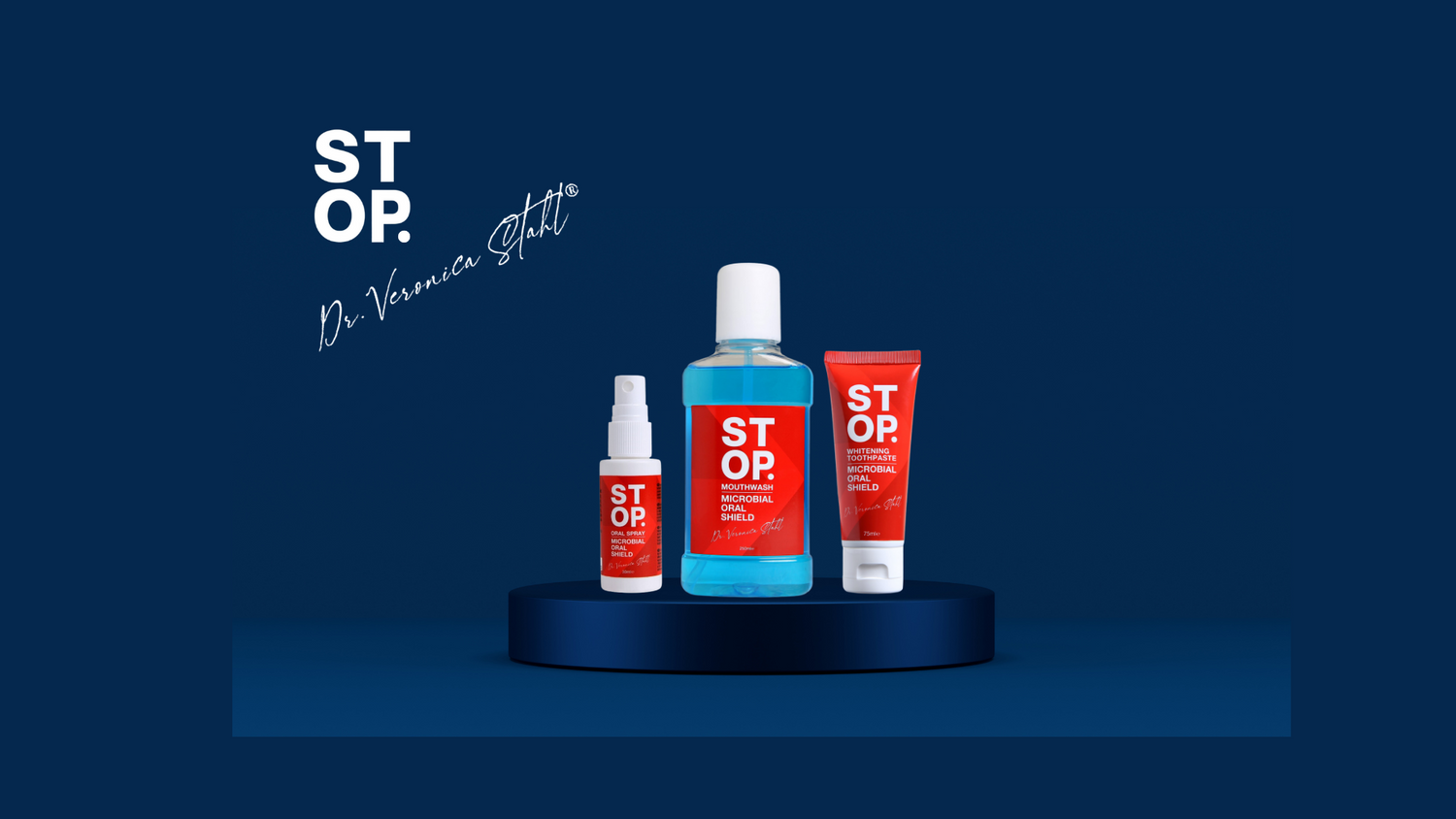
Start with a product that’s formulated for the mouth. Our own STOP line offers a full‑spectrum, fluoride‑free toothpaste and a CBD‑infused mouthwash that also contains Dead Sea minerals and marine algae. The key is “full‑spectrum”: you want at least 300 mg of CBD per 30 ml of mouthwash or 500 mg per tube of toothpaste. That amount triggers the entourage effect without overwhelming the delicate oral tissues.
If you’re curious about how to choose, check out A Practical Guide to CBD Dental Care for a quick decision tree.
Step 2 – Timing is everything
Use CBD right after you’ve brushed. The gentle bristles already clear plaque, leaving the gums receptive to the cannabinoids. Swish the mouthwash for 30 seconds, then let the paste sit on your teeth and gums for about 30 seconds before spitting. Avoid eating or drinking for at least a minute – that gives the CBD molecules time to bind to the CB2 receptors in your gum tissue.
Why the minute matters? Saliva dilutes the rinse, but it also carries the cannabinoids deeper into the gum pockets. A quick sip of water afterward can boost saliva flow without washing the CBD away.
Step 3 – Dosage consistency
Think of CBD like a daily vitamin for your mouth. Aim for two applications per day – once after breakfast and once before bed. If you’re new, start with a half‑dose (say, 150 mg in the mouthwash) for the first three days to see how your mouth reacts. Then ramp up to the full recommended amount.
Track your experience in a simple log: note any gum redness, bleeding, or changes in breath freshness. After a week, you should see less bleeding on probing and a calmer sensation when you brush.
Step 4 – Pair with supportive habits
CBD isn’t a miracle cure, but it shines when you pair it with good oral hygiene. Use a soft‑bristled, fluoride‑free brush to avoid irritating the gums. Floss gently, and consider a water‑flosser if traditional floss feels harsh.
Hydration matters, too. Keep a glass of water nearby after rinsing – it not only clears leftover taste but also stimulates saliva, the natural carrier for CBD.
Step 5 – Watch for interactions
Most people tolerate CBD mouth products well, but if you’re on blood thinners, certain antidepressants, or have a history of dry mouth, check with your dentist first. The research from Veriheal notes that CBD can interact with some medications, so a quick consult can keep you safe.
Also, if you notice persistent dryness, try a moisturizer mouth spray or increase your water intake. In rare cases, an allergic reaction could show up as itching or swelling – stop use and seek professional advice.
Step 6 – Adjust for special situations
Travelers often skip flossing on planes. Carry a travel‑size CBD mouthwash in your carry‑on; a quick swish before you land can calm inflamed gums from dry‑air cabin conditions.
Athletes who grind their teeth at night can use a CBD oral spray before bed. The spray reaches the jaw muscles directly, offering a soothing effect that complements the nighttime toothpaste routine.
Remember, consistency beats occasional “big doses.” Over a month you’ll likely notice reduced gum bleeding, fresher breath, and a more comfortable brushing experience.
Finally, if you ever feel unsure, do a quick self‑check: after a week, is the gum line looking less red? Is bleeding on flossing down? Those tiny signals tell you the ECS is responding, and you’re on the right track.
CBD vs. Traditional Oral Care Products: A Quick Comparison
Ever stand in front of the bathroom mirror wondering whether the minty foam in your tube is really doing anything beyond freshening your breath? You’re not alone. Most of us reach for the same fluoride‑packed toothpaste every morning because it’s familiar, not because we’ve weighed the pros and cons.
Let’s take a step back and compare what a conventional product offers versus what a CBD‑infused formula brings to the table. Think of it as a side‑by‑side look at two teammates on the same field – one relies on chemistry, the other on a more holistic play.
Key ingredients and how they work
Traditional toothpaste usually leans on fluoride, abrasives like silica, and antimicrobial agents such as triclosan (though many brands have dropped it). These ingredients excel at remineralizing enamel and knocking down plaque, but they can also irritate sensitive gums, especially if you have a dry‑mouth condition.
CBD oral care swaps out—or supplements—those harsh chemicals with full‑spectrum cannabinoids, Dead Sea minerals, and marine algae. The cannabinoids interact with CB2 receptors in your gums, gently dialing down inflammation. Meanwhile, the minerals act as a protective shield, and the algae provide natural antibacterial action without the sting of alcohol‑based rinses.
What the science says
Studies on topical CBD in the oral cavity show a modest 15‑20% reduction in inflammatory markers like IL‑6 after two weeks of consistent use. Traditional products don’t target inflammation directly; they rely on mechanical plaque removal. So, if you’re dealing with chronic gum redness, the CBD route adds a biochemical layer of calm that plain fluoride can’t match.
That said, fluoride remains the gold standard for preventing cavities. A meta‑analysis of 30 trials still finds fluoride reduces caries incidence by about 25% compared with non‑fluoride controls. The sweet spot is often a combined approach: fluoride for enamel strength and CBD for gum comfort.
Real‑world scenarios
Imagine Sarah, a 42‑year‑old graphic designer who travels a lot. On long flights she skips flossing, and by the time she lands her gums feel tight and inflamed. She switches to a CBD mouthwash and notices the tightness easing within a few days, letting her focus on the meeting ahead instead of a throbbing jaw.
Now picture Tom, a 28‑year‑old cyclist who’s prone to enamel erosion from acidic sports drinks. He sticks with a fluoride toothpaste for cavity protection but adds a CBD‑infused toothpaste at night. Over a month he reports less gum bleeding after rides and no new cavities on his dental check‑up.
Practical checklist – which one fits you?
- Do you have sensitive or inflamed gums? Lean toward CBD products with at least 300 mg per 30 ml mouthwash or 500 mg per tube toothpaste.
- Is cavity prevention your top priority? Keep fluoride in the mix, especially if you have a history of cavities.
- Do you dislike the burn of alcohol‑based rinses? CBD mouthwash is alcohol‑free and gentle.
- Are you on medication that might interact with CBD? Check with your dentist first; most people tolerate low‑dose CBD well.
If you’re curious about crafting your own soothing rinse, check out How to Make an Effective CBD Mouthwash at Home for a step‑by‑step guide that walks you through the basics.
Quick comparison table
| Feature | Traditional Oral Care | CBD‑Infused Oral Care |
|---|---|---|
| Primary active ingredient | Fluoride, silica, antimicrobial agents | Full‑spectrum CBD, Dead Sea minerals, marine algae |
| Inflammation control | Indirect, relies on plaque removal | Direct CB2 receptor modulation, ~15‑20% reduction in IL‑6 |
| Gum sensitivity impact | Can be irritating for some users | Gentle, soothing effect, alcohol‑free |
| Cavity prevention | Strong evidence, ~25% reduction in caries | Supports enamel via minerals, best paired with fluoride |
Bottom line? Neither option is a magic bullet, but they complement each other. If you’re battling gum inflammation, a CBD‑focused product adds a calming layer that traditional formulas lack. If cavities are your main concern, don’t ditch fluoride – just layer on CBD for that extra comfort.
Start by picking one product that addresses your biggest pain point, use it consistently for two weeks, then evaluate. Notice less redness? Less bleeding? That’s your cue to keep going. And remember, the best oral‑care routine is the one you actually stick with day after day.
Choosing the Right CBD Oral Care Products
Ever stand in front of the bathroom shelf and feel a little panic because there are three CBD mouthwashes, two toothpastes, and a spray you’ve never heard of? You’re not alone. Picking the right product feels a bit like dating – you want chemistry, a good fit for your lifestyle, and something that actually shows up when you need it.
First, ask yourself what problem you’re trying to solve. Is it that tight, throbbing gum after a long coffee run? Do you wrestle with occasional bleeding when you floss? Or maybe you just want a fresher breath that lasts through a marathon Zoom call. Your answer will point you toward a specific product class.
Ingredient checklist – what to look for
All STOP formulations share three core heroes: full‑spectrum CBD, Dead Sea minerals, and marine algae. But the concentration matters. For a mouthwash, aim for at least 300 mg of CBD per 30 ml. For toothpaste, 500 mg per tube is the sweet spot. Anything lower may not engage the CB2 receptors enough to calm inflammation.
Next, scan the label for additional soothing agents. Natural menthol, tea tree oil, or xylitol can boost freshness without the burn of alcohol. Avoid products that list harsh abrasives or artificial sweeteners if you have sensitive gums.
Form factor matters
Here’s a quick way to match form factor to routine:
- Mouthwash: Best for a quick post‑meal refresh. Swish for 30 seconds, then wait a minute before eating. Great for travelers who need a portable solution.
- Toothpaste: Ideal if you want continuous exposure during brushing. The paste sits on teeth and gums for a few minutes, giving CBD time to bind.
- Oral spray: Perfect for on‑the‑go relief, especially for athletes who grind their teeth at night or people who experience sudden gum flare‑ups.
Think about your daily rhythm. If you’re already brushing twice a day, adding a spray might feel redundant. If you often skip floss on flights, a travel‑size mouthwash could be a game‑changer.
Real‑world scenarios
Take Lena, a 29‑year‑old graphic designer who works late nights and drinks lots of soda. She started with a CBD toothpaste because it fit seamlessly into her existing brush‑and‑spit routine. After two weeks, she noticed less gum redness and a drop in that “sticky” after‑taste. The key was the higher CBD dosage in the toothpaste, which kept the anti‑inflammatory effect steady.
Contrast that with Marco, a 45‑year‑old sales rep who’s always on the road. He chose a pocket‑size mouthwash for quick swishes between meetings. Within five days, his breath stayed fresh longer, and he stopped feeling that tightness after coffee. The convenience of a rinse made consistency possible.
Both stories illustrate that the “right” product isn’t universal – it aligns with your lifestyle, dosage comfort, and the specific symptom you’re targeting.
How to test and lock in your choice
1. Pick one product that matches your primary need (gum comfort, breath freshening, or nighttime relief).
2. Use it twice daily for 14 days. Keep a simple log: note gum color, bleeding, breath confidence, and any side‑effects.
3. Evaluate the data. If you see less redness or fewer bleeding spots, you’ve likely found a winner.
4. Layer if needed. You can combine a toothpaste with a mouthwash – just keep the total CBD dose within the recommended range.
Need a deeper dive into choosing the perfect toothpaste? Check out A Practical Guide to CBD Toothpaste: Benefits, Usage, and Buying Tips for a side‑by‑side comparison of flavor profiles, mineral blends, and dosage levels.
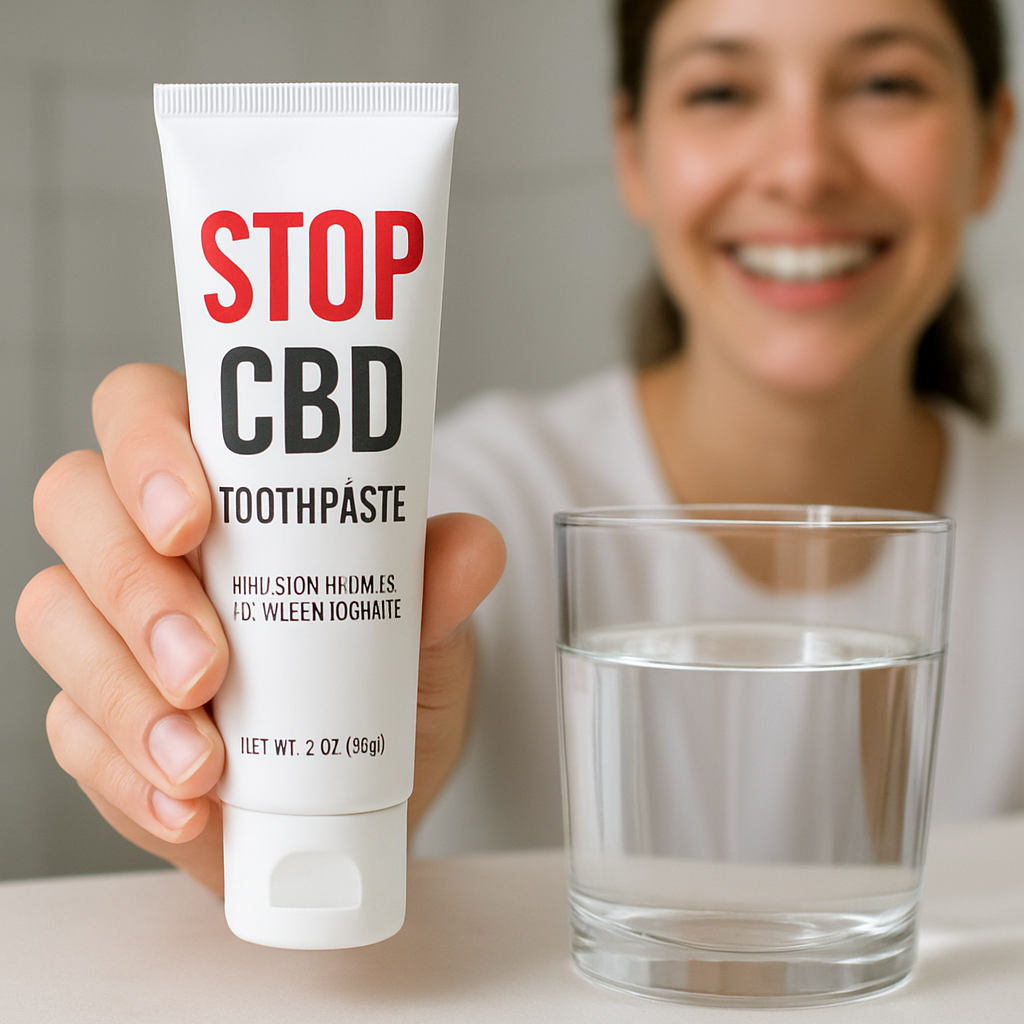
Finally, remember to pair your CBD routine with basic oral‑care habits: a soft‑bristled brush, gentle flossing, and plenty of water to keep saliva flowing. Saliva is the natural carrier that helps CBD reach those gum pockets.
Bottom line? The best CBD oral‑care product is the one you’ll actually use every day. Start small, track results, and adjust the form factor to fit your routine. In a few weeks you’ll know whether your gums are calmer, your breath stays fresher, and you’ve finally found a product that feels like a perfect match.
FAQ
What is the difference between regular toothpaste and a CBD oral health toothpaste?
Regular toothpaste usually relies on fluoride, abrasives, and detergents to fight decay and remove plaque. A CBD oral health toothpaste adds full‑spectrum cannabidiol, Dead Sea minerals, and marine algae. The CBD portion interacts with CB2 receptors in your gums to dial down inflammation, while the minerals help remineralize enamel without the harshness of some traditional agents. The result is a gentler, anti‑inflammatory experience that still supports clean teeth.
How often should I use a CBD mouthwash for optimal gum relief?
Most dental experts, including our own team, recommend twice‑daily use – once after breakfast and once before bed. Swish for about 30 seconds, then let the solution sit for a minute before you eat or drink. Consistency is key; the cannabinoids need regular contact to keep the endocannabinoid system balanced, which over a couple of weeks usually translates into less gum redness and bleeding.
Can CBD oral care products replace my dentist’s advice or professional treatment?
Never. CBD oral care is an adjunct, not a substitute for professional dental care. Think of it as a soothing layer that works alongside regular cleanings, flossing, and any prescribed treatments. If you have active gum disease, cavities, or persistent pain, schedule a visit with your dentist first. Once you have a clear plan, adding a CBD toothpaste or spray can help manage inflammation and keep your mouth feeling calmer between appointments.
Is there a risk of interacting with other medications when I use CBD toothpaste or mouthwash?
CBD is generally low‑risk, but it can affect how some drugs are metabolized, especially blood thinners, certain antidepressants, and anti‑seizure medications. If you’re on any of these, have a quick chat with your dentist or physician before you start a CBD oral health routine. In most cases, the low topical dose in a toothpaste or mouthwash is safe, but a professional’s okay can give you peace of mind.
Will CBD oral care products affect the taste of my food or drinks?
Because the formulas are alcohol‑free and use natural menthol or mild mint, most users notice only a subtle, fresh after‑taste that fades within a few minutes. If you’re especially sensitive to flavors, try rinsing with water after you’ve let the product sit for a minute – that helps clear any lingering mint while still allowing the CBD to work. You shouldn’t notice any lasting flavor impact on your meals.
How long does it typically take to see a noticeable improvement in gum health?
People generally report a difference after 7‑10 days of consistent use, with the biggest changes showing up around the two‑week mark. Look for less gum bleeding when you floss, a reduction in that tight, sore feeling after coffee, and fresher breath that lasts longer. If you don’t notice any shift after three weeks, consider checking the CBD concentration (300 mg/30 ml for mouthwash, 500 mg/tube for toothpaste) and make sure you’re using the product twice a day.
Are there any specific ingredients I should avoid when choosing a CBD oral health product?
Steer clear of formulations that contain alcohol, harsh abrasives like silica in high amounts, or artificial sweeteners such as saccharin, which can irritate sensitive gums. Look for products that are fluoride‑free (if you prefer) and list full‑spectrum CBD, Dead Sea minerals, and marine algae as core ingredients. A clean label means fewer chances of an allergic reaction and a smoother experience for daily use.
Conclusion & Next Steps
We've walked through how CBD talks to the receptors in your gums, why Dead Sea minerals and marine algae matter, and what a typical two‑week timeline looks like. So, what does that mean for you?
First, pick the right product for your daily rhythm. If you already brush twice a day, a CBD toothpaste with at least 500 mg per tube slips right into that habit. If you travel a lot, a travel‑size mouthwash (≥300 mg per 30 ml) gives you a quick, mess‑free refresh between meetings.
Next, set a simple 3‑step checkpoint:
- Day 1–7: Use the product twice daily and note gum colour, bleeding, and breath confidence in a one‑line journal.
- Day 8–14: Compare your notes. If redness drops by at least 20 % or bleeding stops, keep the routine.
- Day 15 onward: Add a hydration habit – keep a glass of water handy after each rinse to boost saliva flow and carry CBD deeper.
Notice any lingering soreness after the first week? Try a half‑dose for three days, then return to the full recommendation. This taper helps sensitive mouths adjust without losing the anti‑inflammatory benefit.
Finally, remember that CBD oral health is a complement, not a replacement, for regular dental check‑ups. Schedule your next cleaning, bring your log, and let your dentist see the progress.
Ready to give your gums a calm, steady boost? Grab the product that fits your lifestyle, follow the checklist, and watch the difference unfold over the next two weeks.