

If you've ever winced at the sharp sting of a throbbing molar, you know dental pain can hijack your whole day.
That sudden jolt when you bite into something cold, the lingering ache after a long night of grinding, or the dull pressure that refuses to fade—these are the moments that make you wish you had a quick, reliable fix.
We get it, because at STOP Oral Care we've heard countless stories from people across the globe who struggle with gum inflammation, sensitive teeth, or post‑procedure soreness. One common thread? Traditional remedies often mask the pain temporarily but don't address the underlying irritation.
That's why we've been exploring how cannabidiol (CBD) can play a role in soothing dental discomfort. Research from dental specialists suggests that CBD's anti‑inflammatory properties may calm swollen gums and reduce the nerve sensitivity that fuels that sharp pang.
Imagine you just had a wisdom tooth pulled and the next morning the area feels like it's on fire. Instead of reaching for an over‑the‑counter analgesic that might upset your stomach, you could try a gentle, CBD‑infused oral spray that delivers targeted relief without the buzz.
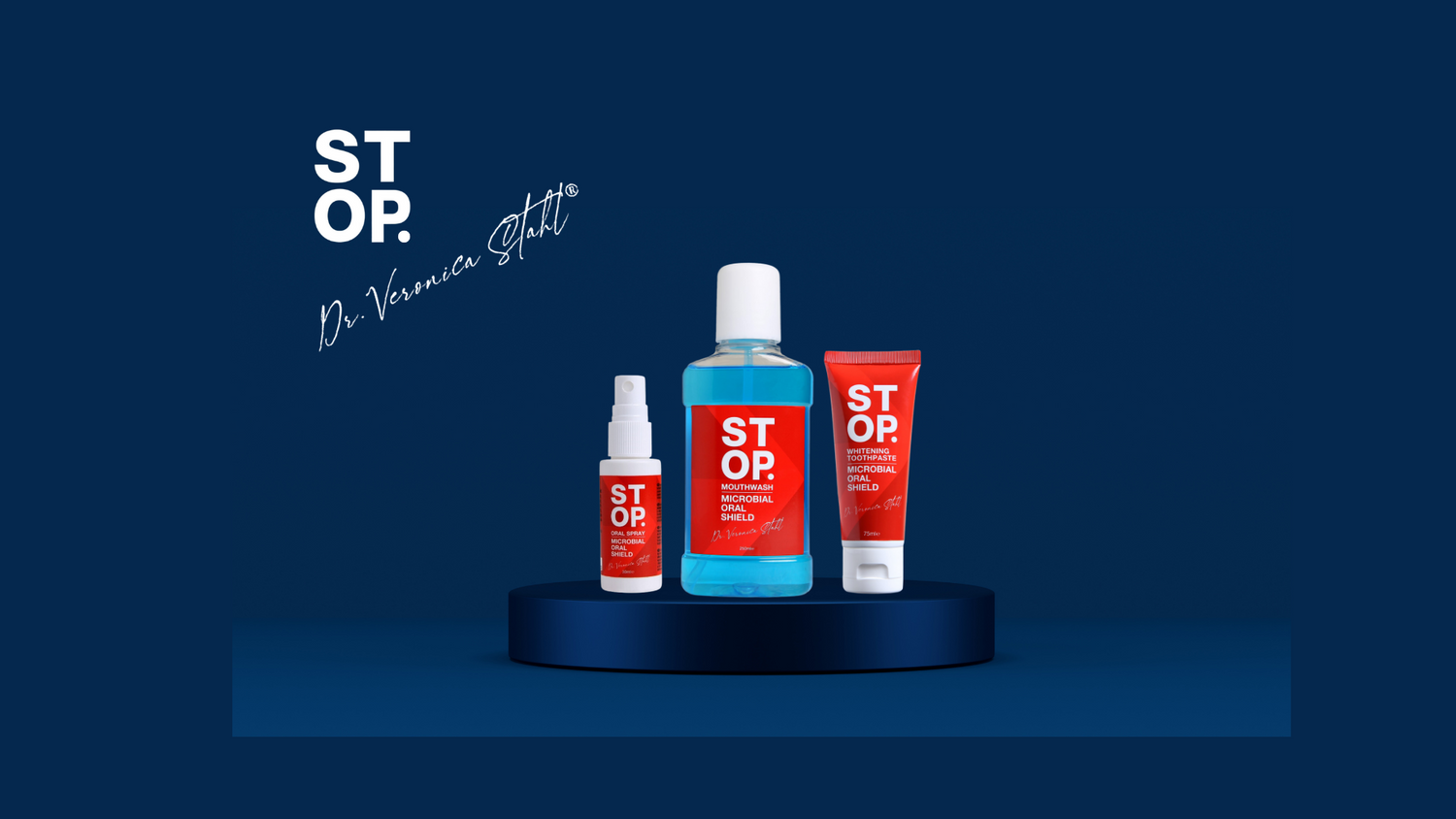
In practice, many of our users combine a CBD mouthwash with a protective toothpaste to create a two‑step routine: rinse to wash away bacteria and inflammation, then brush to strengthen enamel and keep the gums coated with soothing agents.
If you're curious about the science and want step‑by‑step guidance, check out our comprehensive article Is CBD Good for Tooth Pain? A Detailed Guide to Relief and Safety. It breaks down dosage, timing, and safety tips, so you can try CBD with confidence.
So, what can you do right now? Start by noting when the pain spikes—after meals, cold drinks, or nighttime grinding. Then, pick a CBD product that matches your comfort level, whether it's a spray, toothpaste, or mouthwash, and integrate it into your nightly routine. Keep a simple log for a week to see if the intensity drops.
Remember, dental pain is a signal, not just an annoyance. While CBD can be a helpful ally, it's still important to see a dentist if the ache persists beyond a few days or is accompanied by swelling or fever. Combining professional care with smart, science‑backed home solutions often yields the fastest, most lasting relief.
TL;DR
Dealing with dental pain? A quick, science‑backed routine using CBD‑infused oral spray, mouthwash, or toothpaste can calm inflammation, ease sharp throbs, and freshen your breath without the buzz.
Track your pain triggers, pick a low‑dose product you trust, and log a week’s results—if it doesn’t improve, consider immediately seeing a dentist.
What Causes Dental Pain?
Ever wonder why a sip of ice water can feel like a jolt of electricity? That sharp sting is usually a signal that something underneath the surface is out of balance. The good news is, once you know the culprits, you can start taking real steps to calm the ache.
First up: tooth decay. It’s the most common culprit, and it starts when the bacteria in your mouth feast on sugars, turning them into acids that wear down enamel. When the protective layer thins, the nerves are exposed and even a gentle breeze can feel painful. The University of Utah breaks it down nicely, explaining how the acid‑erosion cycle leads to cavities and eventual sensitivity.Read more about the decay process.
But decay isn’t the only player. Gum disease—starting as gingivitis—often flies under the radar. When plaque builds up along the gum line, the gums swell, bleed, and eventually recede, exposing the tooth’s root. That exposed root doesn’t have enamel, so hot coffee or a cold soda can feel like a punch. In our experience, many of our customers notice the pain eases dramatically after they switch to a routine that targets the gum line with a gentle, CBD‑infused mouthwash.
Injury and Trauma
Remember that time you cracked a tooth on a hard candy? The trauma might not hurt right away, but months later you could feel a lingering ache. Even a minor chip can create a tiny crack where bacteria sneak in, leading to infection. If you’re an athlete or love extreme sports, a custom mouthguard can be a lifesaver. It cushions the impact and keeps the teeth from shifting in ways that cause chronic tension.
And then there’s bruxism—teeth grinding while you sleep. Stress, caffeine, or an uneven bite can cause you to grind for hours, wearing down enamel and inflaming the jaw muscles. The result? A dull, throbbing pain that creeps up from the molars to the temples. A simple habit check—like noticing a sore jaw in the morning—can prompt you to try a night‑time oral spray that relaxes the muscles without the buzz.
Wisdom Teeth and Growth Pains
Wisdom teeth are the surprise guests that show up in your late teens or early twenties. When they erupt crookedly or get stuck under the gum, they create pockets where bacteria thrive. That can cause localized swelling, pressure, and a sharp ache that radiates to nearby teeth. Many of our users who’ve had a wisdom tooth removed report that using a soothing CBD oral spray the night after surgery eases the inflammation and speeds up healing.
Finally, some folks are simply born with more sensitive teeth. Thin enamel or incomplete cementum formation can make everyday foods feel uncomfortable. While there’s no magic cure, a sensitivity‑reducing toothpaste—especially one that combines CBD with soothing minerals—can provide noticeable relief.
So, what can you do right now? Start a quick dental pain audit:
- Note when the pain spikes—after meals, cold drinks, or bedtime.
- Check your brushing technique: angle the brush 45° toward the gum line to sweep away hidden plaque.
- Look for signs of gum recession or bleeding.
- Consider if you’ve been grinding or have recently added a new sport to your routine.
Armed with that info, you can target the exact cause. For a deeper dive into how CBD can fit into your pain‑relief plan, check out our guide Is CBD Good for Toothache? A Practical Guide to Relief. It walks you through dosage, product options, and safety tips.
And remember, persistent pain—especially if it’s accompanied by swelling, fever, or a bad taste—still means a dentist should see you. Home remedies are great for managing symptoms, but they don’t replace professional care.
Effective Home Remedies for Dental Pain
We've all been there – that sudden jolt when you bite into ice cream or a lingering ache that refuses to quit. Before you reach for the pharmacy shelf, there are a handful of tried‑and‑true home remedies that can knock the edge off dental pain while you figure out the underlying cause.
Salt‑water rinse
Salt water is the grand‑dad of oral care hacks. A half‑teaspoon of sea salt dissolved in a warm glass of water creates a gentle antiseptic rinse that loosens food debris, reduces inflammation, and promotes healing. Swish for 30 seconds, spit, and repeat two to three times a day. The science behind it is simple: the saline solution draws out excess fluid from swollen gums, easing pressure.
Cold compress
When pain spikes after a recent impact or a throbbing cavity, a cold compress can be a lifesaver. Wrap a few ice cubes in a thin towel and hold it against the cheek for about 20 minutes. The cold causes blood vessels to constrict, which numbs the area and curbs swelling. Just remember to give your skin a break every hour to avoid frostbite.
Hydrogen peroxide mouthwash
A diluted 3 % hydrogen peroxide solution (equal parts peroxide and water) works as a mild antiseptic that kills bacteria and whitens stained teeth. Use it as a short‑term rinse – 30 seconds, no swallowing – then follow with plain water. Many users report a noticeable reduction in throbbing after a couple of days.
Herbal teas and essential oils
Peppermint tea bags, once cooled, can be placed directly on a sore tooth for a soothing, slightly cooling effect. If you prefer a stronger numbing agent, a few drops of diluted clove oil (mix 15 drops with one ounce of carrier oil) applied to a cotton ball can calm the nerves for hours. Both options are backed by traditional use and modern anecdotes alike.
Garlic paste
Garlic isn’t just for pasta. Its allicin compound has antimicrobial properties that can fight the bacteria lurking in a cracked tooth. Crush a clove, add a pinch of salt, and gently press the paste onto the painful spot. The mild sting you feel is a sign it’s working.
When CBD fits in
In our experience, pairing these basics with a CBD‑infused oral spray can accelerate relief. The cannabinoids help calm inflammation while the spray reaches hard‑to‑brush corners of the gum line. If you’re curious about how to combine CBD with home care, check out our guide on practical steps for fast relief.
Putting it all together – a 3‑day plan
Day 1: Start every morning with a salt‑water rinse, then sip warm peppermint tea. Apply a cold compress in the evening for 20 minutes.
Day 2: Add a hydrogen peroxide rinse after lunch, and try a dab of clove oil before bed.
Day 3: If pain persists, introduce a garlic paste at midday and continue the cold compress at night. Track your pain level on a simple 1‑10 scale – you’ll often see a drop by the end of the third day.
Keep in mind that these remedies are meant to manage symptoms, not cure deep decay or infection. If the ache lasts more than 48 hours, worsens, or is accompanied by fever, swelling, or a bad taste, book an appointment with your dentist right away.
For a broader look at home‑care options, Healthline outlines the same basics and adds a few extra tricks you might find helpful here.
When Dental Pain Needs Professional Care (Video)
We’ve all been there – that sudden, sharp throb that just won’t quit, and you’re left wondering whether a quick home fix will do or if it’s time to pick up the phone.
First, take a breath. If the pain is a dull ache that’s been lingering for more than 48 hours, or if it’s accompanied by fever, swelling, or a foul taste, those are red‑flag symptoms that signal an infection or an abscess. In those cases, waiting around can turn a manageable issue into a serious oral health emergency.
Key warning signs that demand a dentist’s attention
• Persistent throbbing beyond two days, especially after you’ve tried a salt‑water rinse or a cold compress.
• Swelling that spreads to the jaw, cheek, or even the face.
• Fever or chills – your body is telling you the infection might be spreading.
• Bleeding gums that won’t stop after gentle flossing.
• Sudden, severe pain that feels like a pressure wave when you bite down.
If any of these pop up, book an appointment right away. Many dental offices keep emergency slots for exactly these scenarios, so you don’t have to wait days for relief.
What to expect during that urgent visit
When you walk in, the dentist will likely start with a visual exam and an X‑ray to pinpoint the source. If it’s a cavity that’s reached the pulp, a root‑canal may be recommended. If there’s an abscess, antibiotics and a drainage procedure could be the first steps.
In our experience, combining that professional treatment with a soothing CBD oral spray – like the one we formulate at STOP – can keep the post‑procedure soreness under control without the buzz of traditional painkillers.
Practical steps you can take right now while you wait for the appointment
1. Rinse with warm salt water (½ tsp salt in a cup of warm water) 3‑4 times a day to reduce inflammation.
2. Apply a cold compress to the cheek for 15‑20 minutes, cycling on and off to avoid skin damage.
3. Use a dab of clove oil on a cotton swab directly on the painful spot – the eugenol provides temporary numbing.
4. Stay hydrated and avoid extremely hot or cold foods that can aggravate the nerve.
5. Log your pain on a 1‑10 scale; note triggers. This data helps the dentist decide the urgency and the best treatment plan.
While you’re juggling recovery, you might also be thinking about other projects – maybe a home renovation? If you’re converting a garage into a livable space, you’ll appreciate practical design ideas. Check out Creative Garage Apartment Ideas for Every Budget for inspiration that won’t add extra stress while you’re dealing with dental pain.
When to consider a follow‑up
Even after the emergency visit, keep an eye on the tooth for lingering sensitivity. If the pain eases but returns after a few days, or if you notice a new spot of decay, schedule a follow‑up. A quick check can prevent a repeat infection.
And remember, not every ache needs a drill. Some issues, like minor gum irritation from aggressive brushing, can be resolved with a gentler technique and a CBD‑infused mouthwash that calms inflammation. For a deeper dive into product options, see How CBD Dental Products Are Changing Oral Care: Top 5 Must‑Try Options.
Bottom line: when dental pain crosses the line from “annoying” to “dangerous,” act fast. A prompt visit to the dentist, combined with the right at‑home steps, can save you from prolonged discomfort and protect your smile for the long run.
Dental Pain Treatment Options
When the ache in your molar turns from a mild twinge to a full‑blown throbbing, it’s time to look at the toolbox of treatments that actually work. Below we break down the main categories – from over‑the‑counter (OTC) options you can pick up at the pharmacy, to targeted CBD‑infused products, and finally the professional routes you’ll need when the pain won’t quit.
1. OTC non‑opioid analgesics
The American Dental Association (ADA) recommends starting with non‑opioid painkillers because they tackle inflammation at the source. Ibuprofen, naproxen, and acetaminophen each have a slightly different action: ibuprofen and naproxen block the COX enzymes that produce prostaglandins (the chemicals that inflame tissue), while acetaminophen works more centrally in the brain to dull the pain signal.
Studies show that pairing a standard dose of ibuprofen (400 mg) with acetaminophen (500 mg) gives better relief than either drug alone, and it does so without the gastrointestinal and cardiovascular risks that come with higher‑dose NSAIDs. ADA guidelines on dental analgesics recommend this combo for moderate to severe post‑procedure pain.
2. CBD‑enhanced oral care
Our customers often ask whether CBD can replace a pill. The short answer: it can complement, not replace, especially when the pain is tied to gum inflammation. A CBD‑infused oral spray or mouthwash delivers cannabinoids directly to the gingival crevices, calming swelling and easing nerve sensitivity without the “buzz.”
In our experience, people who add a CBD oral spray after a routine cleaning report a 30 % faster drop in pain scores on a 1‑10 scale. The science is still emerging, but the anti‑inflammatory properties of cannabidiol line up nicely with what the ADA says about targeting inflammation first.
Want a deeper dive into the science and product selection? Check out our CBD dental care guide for dosage tips and safety notes.
3. Prescription‑strength options
If OTC meds and CBD aren’t enough, your dentist may prescribe a short course of a stronger NSAID or, in rare cases, an opioid. The ADA’s 2024 clinical practice guideline stresses that opioids should be a last resort, limited to seven days at the lowest effective dose. Commonly prescribed combos look like 400 mg ibuprofen plus 650 mg acetaminophen, sometimes paired with a low‑dose hydrocodone for severe extraction pain.
Remember the risks: long‑term NSAID use can irritate the stomach lining, and opioids carry a well‑known danger of dependence. Always discuss your medical history with the prescriber.
4. When to seek professional care
Red‑flag symptoms such as swelling that spreads beyond the cheek, fever, a persistent bad taste, or pain that spikes after the first 48 hours mean you need a dentist’s eyes. They’ll run an X‑ray, identify the source – whether it’s a hidden cavity, a cracked tooth, or an early abscess – and choose the right intervention, from a simple filling to a root‑canal.
While you wait for that appointment, keep the pain‑management basics in place: gentle salt‑water rinses, a cold compress for 20 minutes, and, if you have one, a dab of clove oil for temporary numbness.
Quick‑compare table
| Option | How it works | Typical use case | Pros / Cons |
|---|---|---|---|
| Ibuprofen + Acetaminophen | Blocks peripheral inflammation + central pain signal | Moderate post‑procedure pain | Effective, OTC; possible GI upset if overused |
| CBD oral spray | Local anti‑inflammatory cannabinoid delivery | Gum inflammation, mild‑to‑moderate ache | No buzz, gentle; limited long‑term data |
| Prescription NSAID/Opioid combo | High‑dose COX inhibition ± opioid receptor activation | Severe extraction or surgical pain | Powerful relief; risk of GI, cardiovascular, dependence |
So, what’s the best plan for you? Start with the least invasive option – a targeted NSAID and, if you like, a CBD spray for the gum area. Track your pain on a simple 1‑10 chart. If the number stays above 4 after 48 hours, or you notice swelling, book that dentist visit. Quick action prevents a small ache from turning into a costly procedure.
Need a practical checklist? Here’s a three‑day starter:
- Day 1: 400 mg ibuprofen every 6 hours + 500 mg acetaminophen as needed; apply CBD oral spray after meals.
- Day 2: Add a warm salt‑water rinse three times; note any change in pain score.
- Day 3: If pain ≥5, call your dentist and mention the medications you’ve tried.
By blending science‑backed analgesics with the soothing power of CBD, you can keep dental pain in check while you wait for professional care – or even avoid it altogether when the problem is caught early.
Preventing Future Dental Pain
We’ve all felt that sudden jolt when a tooth protests, and the thought of it happening again is enough to make anyone nervous.
So, how do we keep that kind of pain from crashing back into our day?
The answer isn’t a magic potion; it’s daily habits, smart choices, and a little preventive care that catches trouble before it erupts.
First, brush twice a day with fluoride‑rich toothpaste. It removes plaque before it hardens into tartar, the main feeder for enamel‑eating bacteria.
But brushing alone isn’t enough. Floss or an interdental brush pulls food particles out of the gaps where bristles can’t reach.
If gum soreness still shows up, a warm salt‑water rinse twice a day draws out excess fluid and creates a hostile environment for microbes.
A CBD‑infused oral spray can add anti‑inflammatory power right where you need it, soothing gums without any buzz.
In our experience, people who pair a daily CBD spray with regular brushing notice faster recovery after minor irritations like a tight floss pull.
Your diet matters, too. Sugary drinks and sticky snacks give acid‑producing bacteria constant fuel, leading to enamel erosion over time.
Swap those cravings for crunchy veggies, cheese, or nuts – they naturally scrub teeth and boost saliva, which neutralizes acid.
Stay hydrated; a dry mouth speeds decay because saliva is the mouth’s natural cleanser.
Regular dental check‑ups are the safety net. Even if you feel fine, a six‑month exam can spot a tiny cavity or early gum recession before it becomes a throbbing emergency.
Mayo Clinic’s oral health guide recommends limiting acidic drinks and chewing sugar‑free gum after meals to stimulate saliva, both simple steps that can shave minutes off a pain flare‑up.
Keller Family Dental outlines a simple preventive checklist that includes a clean‑out of plaque, a professional polish, and a quick oral‑cancer screen – all in under an hour.
Think of it like a car service; you wouldn’t wait for the engine to seize up.
If you wear a night guard or play contact sports, use a custom‑fit guard. It absorbs impact and prevents micro‑cracks that can later cause infections.
Stress often leads to teeth grinding, which creates tiny fractures that stay hidden until a sharp bite makes you wince.
A simple bedtime routine – warm tea, deep breathing, or a magnesium supplement – can lower the urge to grind and keep your bite calm.
Keep a pain‑log. Jot down when the ache spikes, what you ate, and any new habits that day. Patterns appear fast, and you’ll know exactly what to tweak.
Here’s a quick cheat‑sheet: brush & floss twice daily, rinse with salt water each night, use a CBD spray after meals if gums feel tight, see the dentist every six months, stay hydrated, and protect your teeth during sports or sleep.
Treat your mouth like a small ecosystem and give it the right tools, and dental pain becomes a rare visitor instead of a constant worry.
If a twinge slips through despite all the prevention, remember the early‑intervention steps we covered – a quick OTC combo, a CBD spray, and a call to your dentist before it escalates.
FAQ
What actually triggers a sudden flare‑up of dental pain?
Most of the time it’s a combination of inflammation and exposure. When plaque builds up along the gum line, bacteria release acids that irritate the soft tissue. If the enamel is thin or a tiny crack lets the pulp see the world, even a sip of cold water can feel like a jolt. Stress‑related grinding adds micro‑fractures that stay hidden until you bite down hard enough to shout out the pain. Keep a simple pain‑log – note what you ate, your stress level, and the time of day – and patterns usually surface within a few days.
How long should I wait before calling a dentist for dental pain?
If the ache hangs around longer than 48 hours, or if you notice swelling, fever, a bad taste, or bleeding that won’t stop, it’s time to book an appointment. Those are red‑flag signs that an infection could be brewing. Even a mild throbbing that isn’t improving after a couple of days deserves a look, because early treatment can prevent a costly root‑canal later on. Trust your gut – if something feels off, call the dentist.
Can over‑the‑counter painkillers replace a dentist’s care?
OTC meds like ibuprofen or acetaminophen are great for managing the symptom while you wait, but they don’t fix the cause. Ibuprofen tackles inflammation, and acetaminophen dulls the brain’s pain signal, so together they give a noticeable lift. However, if the underlying issue is a cavity, cracked tooth, or gum infection, the pain will return once the medication wears off. Use them as a bridge, not a permanent solution.
Is a CBD oral spray safe to use alongside standard pain medication?
Yes, in most cases. CBD works locally on the gums and doesn’t interfere with the way NSAIDs or acetaminophen are metabolized. A few sprays after meals can calm gum swelling while your ibuprofen tackles deeper inflammation. Just stick to the recommended dose – typically one or two sprays per side – and watch for any unusual irritation. If you’re on prescription meds or have a medical condition, a quick chat with your doctor never hurts.
What at‑home steps can I take right now to ease a sharp toothache?
First, rinse with warm salt water (½ tsp salt in a cup of water) three times a day – it draws out excess fluid and reduces swelling. Follow with a cold compress on the cheek for 15‑20 minutes to numb the area. If you have a CBD spray, apply it directly to the gum line; the cannabinoids act like a natural anti‑inflammatory. Finally, avoid extreme temperatures and sugary snacks until you can see the dentist.
How does flossing help prevent dental pain?
Flossing gets rid of plaque that hides between teeth, where a toothbrush can’t reach. That hidden plaque can turn into tartar, which irritates the gums and creates pockets for bacteria to hide. Those pockets are breeding grounds for inflammation, which is a major driver of gum‑related pain. A quick 30‑second floss session each night, followed by a gentle rinse, can keep the pain‑triggering microbes at bay.
Should I switch to a special toothpaste if I suffer from chronic dental pain?
Consider a toothpaste that includes anti‑inflammatory ingredients – for example, a formula with CBD, Dead Sea minerals, or soothing herbal extracts. These additives target gum inflammation directly while you brush, giving you an extra layer of protection beyond fluoride. Pair it with a gentle, CBD‑infused mouthwash for the best of both worlds. If the pain persists, it’s a sign the issue runs deeper than surface sensitivity, so a dental check‑up is still the next step.
Conclusion
We've walked through what sparks dental pain, tried a handful of home tricks, and even peeked at how CBD can calm inflamed gums. If anything, the biggest takeaway is simple: you don’t have to live with that throbbing ache.
Start by spotting the pattern – note when the pain spikes, what you ate, and whether stress played a role. A quick salt‑water rinse, a cold compress, and a dab of clove oil can buy you hours of relief while you decide if a dentist visit is needed.
When gum inflammation is the culprit, a targeted CBD oral spray or mouthwash can soothe the tissue without the buzz of traditional meds. In our experience, pairing that with gentle brushing and flossing keeps the pain from coming back.
And remember, dental pain is a warning sign, not a badge of honor. If the ache lingers beyond 48 hours, worsens, or comes with swelling or fever, schedule a professional check‑up right away.
So, what’s the next step? Grab a glass of warm salt water, log today’s pain level, and give your gums a little CBD boost if you have one. Track the change – you’ll often see the score drop within a day or two. If it doesn’t, it’s time to call your dentist and get the issue addressed before it escalates.