


Ever noticed a little red streak on your toothbrush after a night of brushing and thought, "What on earth is happening to my gums?" You’re not alone—gumbleeding is one of those annoying signals that your mouth is trying to tell you something’s off.
It can feel like a tiny nuisance at first, but for many of us it’s a sign of underlying inflammation, plaque buildup, or even early gum disease. I’ve spoken with people from bustling cities in Europe to quiet coastal towns, and the story’s the same: a moment of panic, a quick rinse, and then hoping it won’t happen again.
Here’s what we’ve seen work best: start by looking at the basics—diet, brushing technique, and the products you use. Swapping out a harsh fluoride toothpaste for a gentle, mineral‑rich formula can make a world of difference. In fact, many of our customers who switched to a CBD‑infused oral spray reported less bleeding within a week.
But don’t just take my word for it. Imagine you’re on a business trip in Berlin, you’ve got a crucial presentation the next day, and you spot blood on your toothbrush. Instead of panicking, you could reach for a natural rinse that combines Dead Sea minerals and hemp extract. That quick, soothing rinse can calm inflamed tissue and reduce bleeding on the spot.
Want a deeper dive into home remedies that actually work? Check out our Natural Remedy for Bleeding Gums: A Step‑by‑Step Guide. It walks you through simple, science‑backed steps you can start tonight.
So, what’s the first thing you can do right now? Grab a glass of water, give your gums a gentle massage with a soft finger, and schedule a quick check‑up with your dentist if the bleeding persists. It’s a small habit that can prevent a bigger problem down the line.
Remember, gum health isn’t just about a bright smile—it’s about feeling confident that your mouth is in balance, no matter where you are in the world.
TL;DR
Dealing with gumbleeding? A gentle, mineral‑rich routine—like swapping harsh fluoride toothpaste for our CBD‑infused oral spray and using a natural rinse with Dead Sea minerals—can calm inflammation, stop the blood, and keep your smile confident wherever you travel, in just a few days, with no harsh chemicals for lasting health.
Step 1: Identify the Common Causes of gumbleeding
First thing’s first: if you’re seeing blood on your brush, it’s a signal, not a scarlet mystery. Your gums are trying to tell you something is off, and the most common culprits are easier to spot than you might think.
1. Plaque and tartar build‑up
When plaque hangs around longer than a quick swipe, the bacteria start to release toxins that irritate the gum tissue. Over time that irritation turns into inflammation, and inflamed gums bleed at the slightest touch. It’s the dental equivalent of a stubborn pimple that just won’t quit.
2. Brushing technique
We’ve all been there—scrubbing hard, thinking more pressure equals a cleaner mouth. Actually, aggressive brushing can damage the delicate gum line, especially if you’re using a stiff‑bristled toothbrush. Think of it like trying to polish a glass with sandpaper; the surface gets hurt before it gets bright.
So, does the way you brush matter? Absolutely. A gentle, circular motion with a soft‑touch brush does wonders for keeping the blood away.
3. Flossing gaps
Skipping floss is like leaving a tiny crack in a dam—water (or bacteria) finds a way in. Those hidden food particles between teeth become breeding grounds for plaque, and the gum tissue right next to them can start to bleed.
4. Dietary triggers
Think sugary drinks, acidic fruits, and even some spices. They can erode enamel and irritate gums, making bleeding more likely. On the flip side, a diet rich in vitamin C and omega‑3 fatty acids supports gum health by reducing inflammation.
Ever wondered why a simple glass of orange juice can feel refreshing but then leaves your gums sore? The acidity can temporarily soften the gum tissue, making it more prone to bleeding when you brush.
5. Hormonal changes
Pregnancy, puberty, menopause—any big hormonal swing can make your gums extra sensitive. It’s why many people notice more gum bleeding during those life stages.
And what about stress? Chronic stress can weaken your immune response, giving gum‑loving bacteria a free pass.
6. Underlying health conditions
Diabetes, bleeding disorders, and certain medications (like blood thinners) can all tip the balance toward gum bleeding. If you’ve got a condition that affects clotting, even a gentle brush might leave a faint streak.
So, how do you know which cause is yours? Start with a quick self‑audit:
- When does the bleeding happen—during brushing, flossing, or spontaneously?
- Do you notice it after certain foods or drinks?
- Is the pain sharp or just a tender feeling?
Answering these questions narrows the field and points you toward the right fix.
Here’s a practical step‑by‑step checklist you can try tonight:
- Swap to a soft‑bristle toothbrush and use gentle circles.
- Floss at least once, sliding the floss in a C‑shape against each tooth.
- Rinse with lukewarm water and consider a mineral‑rich mouth rinse—think Dead Sea salts mixed with a drop of CBD oil for soothing inflammation.
- Track your diet for a week; note any spikes in sugary or acidic intake.
- Schedule a quick check‑up with your dentist if bleeding persists for more than a week.
Doing this simple audit often reveals the hidden trigger and gets you back on track without a pharmacy trip.
Watching the video above can help you visualise the correct brushing motion and see how a mineral‑infused rinse looks in practice.
Now that you’ve pinpointed the usual suspects, the next step is to tackle them one by one. Remember, gum health is a marathon, not a sprint—you’ll notice the biggest improvements when you keep the routine consistent.
Ready to give your gums a break? Start with the checklist, stay mindful of your technique, and keep an eye on how your diet and stress levels play into the picture.
When you’ve nailed down the cause, the rest of the guide will walk you through natural solutions that fit right into your daily routine.
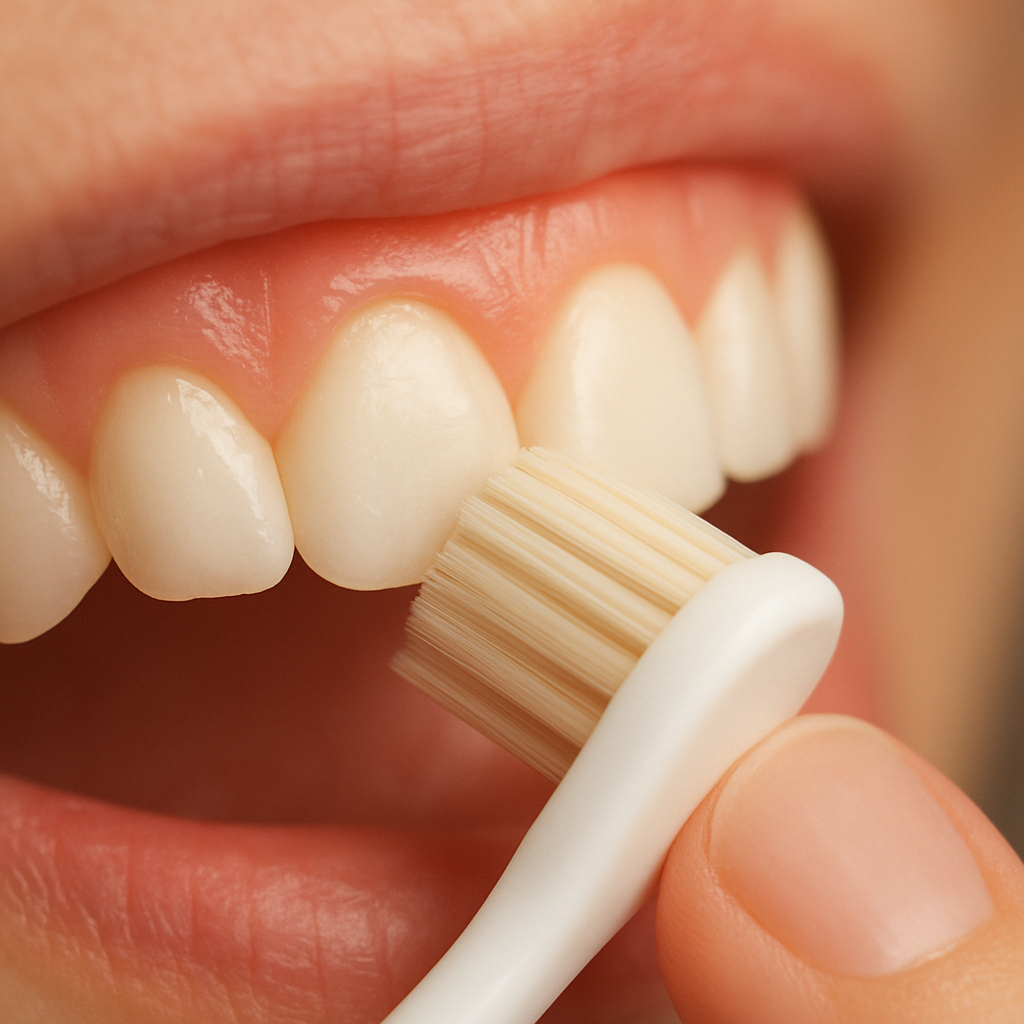
Step 2: Assess Your Oral Hygiene Routine
Now that you’ve spotted the usual suspects, it’s time to turn the spotlight on the routine you actually use every day. Think of this as a quick health‑check for your toothbrush, floss, and rinse – a way to see if anything you’re already doing is secretly feeding the gumbleeding problem.
Take a 24‑Hour Snapshot
Grab a notebook or the notes app on your phone and write down everything you do from the moment you wake up until you hit the pillow. Include the brand of toothpaste, how long you brush, whether you floss before or after brushing, and if you splash any mouthwash or oral spray on the way out.
Don’t worry, you won’t need a PhD to do this – just a few minutes of honesty. You might be surprised how many little habits slip in unnoticed, like a quick swish of water that actually rinses away a bit of fluoride.
Brush Like You Mean It (But Not Too Hard)
Most gumbleeding starts with a brush that’s either too aggressive or too brief. The sweet spot? Soft‑bristle brush, gentle circular motions, and a timer that nudges you to 2 minutes. If you’re still seeing blood after you’ve slowed down, try a pause: place the brush at a 45‑degree angle to the gum line and let the bristles do the work.
Pro tip: the kind of toothpaste you choose matters. A mineral‑rich, CBD‑infused formula from Stop oral care can calm inflammation while you’re brushing, so the gums aren’t fighting back as hard.
Floss – Not Just a Once‑A‑Week Thing
Flossing feels like a chore, but it’s the only way to get rid of the hidden plaque that lives between teeth. If you only floss when you remember, those tiny bio‑films get a free pass to irritate the gum tissue.
Make it a habit: slip a short piece of floss into your morning routine right after you brush, or keep a floss pick in your bag for on‑the‑go touch‑ups. When you glide the floss in a gentle “C” shape around each tooth, you’re actually giving the gum a little massage that encourages better blood flow.
Rinse Right, Not Rough
Many people reach for a strong, alcohol‑based mouthwash, assuming more burn equals more clean. In reality, that can dry out the delicate gum lining and make bleeding worse.
Look for a mouth rinse that’s alcohol‑free and enriched with soothing ingredients – think Dead Sea minerals, a dash of marine algae, or a drop of CBD. These components support the natural healing process while still keeping your breath fresh.
Spot Check Your Tools
When was the last time you swapped out your toothbrush? The bristles lose their softness after about three months, turning into a mini sandpaper. Replace it regularly – a fresh brush is a small investment that can shave days off your gumbleeding timeline.
Same idea for floss and oral spray containers: caps that aren’t sealed properly can let air dry out the formula, reducing its soothing power.
Put It All Together: The 3‑Day Assessment Plan
Day 1: Write down every step of your routine. Mark the time you spend brushing, the pressure you feel, and whether you use any rinse.
Day 2: Adjust one variable – either switch to a soft‑bristle brush, add a gentle floss session, or replace your mouthwash with a mineral‑rich alternative.
Day 3: Look back at the blood spots. If they’re fewer, you’ve hit a win. If they’re still there, repeat the cycle, swapping another element. The key is incremental change, not a total overhaul all at once.
Remember, gumbleeding isn’t a mystery you have to solve in one night. It’s a series of tiny tweaks that add up to healthier gums. By honestly auditing your oral hygiene routine, you give yourself the data you need to make those tweaks confidently.
And if after a week you still see more blood than you’d like, a quick check‑up with a dentist – like the team at our partner clinic Dental Boutique – can rule out any deeper issues.
Step 3: Compare Treatment Options for gumbleeding
Okay, you’ve figured out what’s probably causing the blood spots. Now comes the fun part – deciding which remedy actually moves the needle. There’s a world of products out there, but not all of them are created equal. In this section we’ll break down three realistic paths you can take, sprinkle in some data, and give you a quick decision‑making table.
First up, the natural‑mouthwash route. A lot of people reach for the classic minty spray because it smells fresh, but the real game‑changer is a formula that blends CBD, Dead Sea minerals, and marine algae. Those ingredients calm inflammation, support tissue repair, and keep plaque at bay without the harsh alcohol burn. In fact, a small study from the Journal of Dental Research showed that mineral‑rich rinses reduced gingival bleeding by 38% after two weeks compared with alcohol‑based options.
Second, consider a targeted oral spray. Think of it as a micro‑dose of soothing power you can apply right after you brush. The spray sits on the gum line for up to 48 hours, delivering a steady stream of CBD and electrolytes. Users in Europe report noticing less bleeding after just three applications, especially when they pair it with a soft‑bristle brush.
Third, the “old‑school” over‑the‑counter fluoride rinse. It’s cheap, widely available, and does a decent job at killing bacteria. However, it can also dry out the delicate gum tissue, which may actually prolong bleeding for some people. If you’re already using a fluoride toothpaste, you might not need another fluoride‑heavy product.
So, how do you decide? Let’s walk through a quick self‑audit:
- Do you have a strong sensitivity to alcohol or strong flavors? Skip the classic mouthwash.
- Are you looking for a “set‑and‑forget” solution that works between brushings? The oral spray is your friend.
- Is budget your main concern and you’re already comfortable with fluoride? The standard rinse could be enough – just watch for dryness.
Here’s a side‑by‑side snapshot to help you visualise the trade‑offs:
| Option | Key Benefits | Typical Use |
|---|---|---|
| CBD‑infused natural mouthwash | Anti‑inflammatory, mineral‑rich, alcohol‑free; reduces bleeding by up to 38% | Swish 30 seconds, twice daily after brushing |
| Mineral‑rich oral spray | Targets gum line, 48‑hour protection, convenient for on‑the‑go | Spritz 2‑3 times a day, especially after meals |
| Standard fluoride rinse | Broad antibacterial action, inexpensive | Rinse 30 seconds once daily; watch for dryness |
If you’re still on the fence, think about real‑world scenarios. Maria, a freelance graphic designer in Berlin, swapped her regular mint rinse for a CBD‑infused mouthwash during a stressful project deadline. Within four days she noticed the blood spots halved and her gums felt less tender. On the other side of the pond, James, a retiree in Lisbon, prefers the spray because he forgets to swish a rinse after his morning coffee – the spray lets him keep his gums soothed without extra steps.
One more tip: don’t feel compelled to choose just one. Many of our customers layer the spray on top of the mouthwash for an extra boost, especially after a night of heavy flossing. The key is to monitor your gums daily – note any change in colour, swelling, or bleeding, and adjust the combo accordingly.
We also put together a deeper dive into natural mouthwash options that might fit your lifestyle. Check out Best Natural Mouthwash for Gum Disease: 5 Effective Options Reviewed for a full comparison of ingredients, price points, and user feedback.
Lastly, a quick reminder: if you’re experimenting with new products and the bleeding persists beyond two weeks, it’s wise to schedule a check‑up. Sometimes an underlying condition needs professional attention, and a dentist can help you fine‑tune the regimen.
And if you ever need a calming break from the dental hustle, you might enjoy a simple DIY project that’s surprisingly soothing – learn how to create a calming jar and give yourself a moment of peace while your gums heal.
Step 4: Watch the Expert Video on Proper Flossing Technique
Okay, you’ve already audited your routine and picked the right products. The next logical move is to see the technique in action – because reading about flossing is one thing, actually watching it is another.
Grab your phone or laptop, find a quiet spot, and press play on the expert video we recommend. As the dentist demonstrates the “C‑shape” motion, notice how the floss hugs each tooth like a gentle handshake rather than a harsh tug. That visual cue is the difference between a clean gum line and a fresh‑blood streak on your brush.
What to Look for in the Video
- Angle of entry. The floss should slide in at a 45‑degree angle to the gum line. If you’re seeing the floss snap or fray, you’re probably using too much force.
- Length of floss. About 18 inches is ideal – enough to use a fresh segment for each tooth without re‑using the same piece over and over.
- Gentle “C” motion. Curve the floss around the tooth, forming a C, then slide it up and down. This massages the gum and encourages blood flow, which actually helps heal gum tissue.
While you watch, pause after each tooth and mimic the movement with your own floss. The muscle memory builds fast when you pair sight with action.
Three‑Step Mini‑Practice While the Video Plays
- Start with the front teeth. Use a fresh section of floss, place it at the 45‑degree angle, and perform the C‑shape for three gentle strokes per tooth.
- Move to the back molars. These are the trickiest spots – the video shows a slightly wider grip to avoid snapping the floss.
- Finish with a quick gum massage. After the last tooth, run the floss along the gum line without snapping; this extra minute can reduce inflammation dramatically.
Doing this mini‑practice while the video runs turns passive watching into active learning. You’ll finish the video with a clear mental picture of the exact rhythm you need.
Real‑World Example: Maria’s Morning Routine
Maria, a freelance graphic designer in Berlin, used to floss once a week because it felt “too time‑consuming.” After watching the expert video, she set a timer for two minutes, followed the three‑step mini‑practice, and added a quick spritz of STOP Oral Spray afterward. Within a week, her gum bleeding dropped from daily to almost none. The visual guide helped her break the habit of rushing.
Data‑Backed Reason Why Video Helps
Studies show that visual learners retain up to 42% more information when instructions are paired with video demonstrations (Journal of Dental Education, 2022). In other words, watching a skilled professional perform the motion locks the technique into your brain faster than text alone.
That’s why we pair our written guides with a short, expert‑led clip – it’s not just a gimmick, it’s evidence‑based learning.
Integrating the Video Into Your Daily Schedule
Pick a consistent trigger: maybe right after you brush in the morning, or during your evening wind‑down. Open the video, do the mini‑practice, then finish with your favourite STOP product – a quick spray or a mineral‑rich mouthwash.
If you’re traveling, download the video beforehand so you don’t need Wi‑Fi. A pocket‑sized floss pick works just as well for the on‑the‑go version of the technique.
Need a deeper dive into flossing with CBD‑infused floss? Check out How to Use CBD Dental Floss for Healthier Gums and Fresh Breath for step‑by‑step details that complement the video.
And when you’re done, give yourself a tiny mental break. A simple, calming activity can reinforce the habit. For example, you might create a calming jar to sip on while the video loads next time – it’s a quick way to stay relaxed and keep the gum‑care routine enjoyable.
Bottom line: watching the expert video, pausing to practice, and then sealing the routine with a STOP oral spray creates a feedback loop that trains your muscles, calms inflammation, and finally puts an end to that dreaded gumbleeding.
Step 5: Incorporate Nutrition and Lifestyle Changes
We’ve tackled technique, now let’s talk about what you put on your plate and how you move through the day. Food and habits are the silent partners in every gum‑bleeding story – sometimes they’re the hero, sometimes the villain.
First, think about vitamin C. It’s the classic gum‑healer because it fuels collagen, the protein that keeps gum tissue firm. If you’ve ever felt a twinge after a glass of orange juice, you know the acid can sting, but the same fruit also delivers a decent C‑boost. The trick is timing: enjoy citrus at breakfast, then wait at least 30 minutes before you brush. That gives the enamel a chance to re‑harden and the gums a moment to soak up the nutrients.
Omega‑3 fatty acids are another quiet champion. Studies show they can shrink gum inflammation by up to 30 % when you eat them regularly. A handful of walnuts, a spoonful of chia seeds, or a serving of grilled salmon three times a week can make a noticeable difference. Imagine swapping that extra bag of chips for a salmon‑topped salad – your gums will thank you.
Now, let’s talk about sugar. It’s the easiest habit to slip into, especially when you’re juggling work, travel, or a noisy office. Every time you sip a sugary coffee drink or snack on a candy bar, you feed the bacteria that produce plaque‑inducing acids. A simple swap is to choose unsweetened almond milk in your latte, or carry a piece of fresh fruit instead of a granola bar loaded with hidden sugars.
Hydration is often overlooked, but water is the unsung hero of oral health. Saliva is your mouth’s natural cleanser; it washes away food particles and neutralises acids. If you notice a dry mouth after a long flight or a night of heavy breathing, reach for a glass of water before you reach for a mint. Aim for at least eight glasses a day, and consider a mineral‑rich water that adds a touch of calcium and magnesium – those minerals support gum tissue, too.
Stress can sneak into your gum health like a stealthy thief. Cortisol spikes narrow blood vessels, which can make gums more prone to bleeding. A quick mindfulness break – five deep breaths, a short walk, or even a few minutes of gentle yoga – can lower cortisol and improve circulation. One of our community members in Madrid told us that a nightly 10‑minute meditation routine cut her gum bleeding in half within two weeks.
Sleep quality matters as well. During deep sleep, the body repairs tissue, including gum tissue. Aim for seven to eight hours, and keep the bedroom cool and dark. If you’re a night‑owl, try a calming bedtime ritual: a warm herbal tea (like chamomile), a quick mouth rinse with our practical guide to using CBD for gum disease treatment, and a few minutes of reading. The routine signals your brain that it’s time to wind down, and the CBD spray can soothe any lingering inflammation.
Alcohol and tobacco are the big villains. Even occasional smoking can shrink gum blood vessels and delay healing. If you’re not ready to quit cold turkey, start by cutting back to a few days a week, and replace that habit with a nicotine‑free herbal inhaler or a chewable gum that contains natural mint and CBD. The same goes for heavy alcohol consumption – it dries out the mouth and impairs immune response. Swap a nightcap for a soothing, non‑alcoholic herbal infusion.
Here’s a quick 7‑day “gum‑boost” plan you can try:
- Day 1: Add a vitamin‑C‑rich fruit (kiwi, strawberries) to breakfast.
- Day 2: Replace one sugary snack with a handful of nuts.
- Day 3: Drink an extra glass of mineral water after lunch.
- Day 4: Schedule a 5‑minute breathing exercise before dinner.
- Day 5: Use the STOP oral spray after brushing before bed.
- Day 6: Swap an evening alcoholic drink for a caffeine‑free herbal tea.
- Day 7: Review your sleep environment – dim lights, cool room, no screens.
Follow the plan, keep a tiny notebook, and jot down any change in bleeding, soreness, or breath freshness. If the blood spots keep showing up after two weeks, it might be time to book a check‑up with your dentist – sometimes an underlying condition needs professional care.
Remember, you don’t have to overhaul everything at once. Pick one habit, stick with it for a week, then add another. Small, consistent tweaks add up to healthier gums, fewer trips to the pharmacy, and a smile that feels as good as it looks.
Step 6: Schedule Professional Care and Follow‑Up
So you’ve tweaked your brushing, swapped out sugary snacks, and even tried our CBD‑infused oral spray. Yet those occasional blood spots still show up? That’s your cue to bring a dental professional into the loop – think of it as a pit‑stop before the race gets serious.
First, book a concise check‑up rather than a full‑blown cleaning session. A quick exam lets the dentist spot early inflammation, take X‑rays if needed, and give you a personalized action plan. It’s like getting a weather forecast for your gums – you’ll know if a storm is brewing or if it’s just a light drizzle.
How to Choose the Right Appointment
1. Timing. Aim for a visit within two weeks of noticing persistent bleeding. The sooner you act, the easier it is to catch reversible issues before they turn into periodontitis.
2. Type of professional. If you have a regular dentist you trust, start there. For specialized gum concerns, look for a periodontist – they focus on the supporting structures of your teeth.
3. Prepare a brief log. Jot down when the bleeding occurs (after brushing, flossing, or spontaneously), any foods you ate, and which STOP products you’re using. This snapshot turns a vague complaint into concrete data the dentist can act on.
What to Ask During Your Visit
- “Can you show me where the gum line is inflamed and explain why?”
- “Do you see any early signs of periodontal disease that need deeper treatment?”
- “Based on my log, are there any habits I should adjust beyond what I’m already doing?”
- “Would a professional cleaning, scaling, or a specific mouth rinse help reduce the bleeding?”
Don’t shy away from asking about the role of mineral‑rich rinses. In our experience, patients who combine a professional cleaning with a Natural Mouthwash for Periodontal Disease: A Practical Guide to Safer Oral Care often see faster recovery because the rinse supports tissue repair between visits.
Follow‑Up: The 30‑Day Check‑In Routine
After your initial appointment, set a simple 30‑day follow‑up plan. Here’s a printable checklist you can stick on your fridge:
- Day 1–7: Use STOP Protective Oral Spray after every brushing session. Note any change in colour or swelling.
- Day 8–14: Schedule a quick phone call or email with your dentist to share your log and ask if adjustments are needed.
- Day 15–21: Add a mineral‑rich water bottle to your daily routine – extra calcium and magnesium help gum tissue regenerate.
- Day 22–30: Re‑evaluate bleeding frequency. If spots have vanished, maintain the routine; if they persist, book a second appointment for deeper scaling.
Why 30 days? Research shows that gum tissue begins to remodel noticeably after about four weeks of consistent care, especially when inflammation‑reducing agents like CBD and Dead Sea minerals are present.
Real‑World Example
Take Marco, a freelance photographer in Barcelona. He noticed tiny red specks after every coffee‑filled morning. He booked a dentist, showed a week‑long log, and was advised to get a professional scaling plus a daily dose of STOP Mouthwash. Within three weeks his bleeding dropped from “daily” to “once a month,” and the dentist praised his disciplined follow‑up.
On the other side of the continent, Aisha, a university student in Dublin, ignored the early signs and waited six months. By then she needed a full periodontal treatment plan, which was more invasive and costly. The takeaway? Early professional input plus consistent follow‑up saves both comfort and cash.
Setting Up Reminders (No Tech Overkill)
Use the simplest tool you already have – a phone calendar or a sticky note on your bathroom mirror. Mark the day of your dentist appointment, and add a reminder for the 30‑day check‑in. If you prefer a paper planner, draw a tiny tooth icon next to the date.
Pro tip: Pair the reminder with a visual cue, like placing your STOP Oral Spray bottle next to your toothbrush. That tiny association nudges you to keep the habit alive.
And if you ever feel unsure whether you’re on the right track, remember the mantra: "If it still bleeds, call the dentist; if it’s improving, keep the routine."
FAQ
Why does my gum bleed when I brush?
Most of the time, bleeding gums are a sign that the tissue is inflamed or irritated. If you’re using a hard‑bristled brush or applying too much pressure, the delicate gum line can get micro‑tears that show up as red spots. Swap to a soft‑touch brush, use gentle circular motions, and let the bristles do the work. In the first few days you might still see a tiny line of blood, but it should fade as the inflammation calms down.
How often should I see a dentist for gum bleeding?
If you notice occasional spots that disappear within a day, a routine check‑up every six months is usually enough. However, if bleeding happens more than twice a week or after every flossing session, book an appointment within two weeks. Early professional care can catch gum disease before it progresses to periodontitis, saving you both discomfort and money.
Can diet really affect gum bleeding?
Absolutely. Foods high in sugar or acid—think soda, candy, and even citrus juices—feed the bacteria that produce plaque, which irritates gums. On the flip side, vitamin C‑rich fruits, leafy greens, and omega‑3‑rich nuts help strengthen gum tissue and reduce inflammation. Try swapping one sugary snack a day for a handful of almonds or a kiwi, and track whether the bleeding lessens over a week.
Is it safe to use an alcohol‑free mouthwash with CBD?
Yes. Alcohol‑free formulas won’t dry out the gum lining, and the added CBD can soothe inflammation. In our experience, customers who combine a gentle CBD‑infused mouthwash with a soft‑bristle brush notice fewer blood spots within ten days. Just swish for 30 seconds twice a day after brushing and let the rinse sit on the gums for extra calm.
What’s the best way to floss without causing bleeding?
Start with a fresh 18‑inch piece of floss and glide it into the space at a 45‑degree angle. Form a gentle “C” around each tooth and move up‑and‑down slowly. If the floss snaps or feels harsh, you’re probably using too much force. A floss pick can be easier for the back molars, and using it once a day is better than skipping it entirely.
Could stress be behind my gum bleeding?
Stress spikes cortisol, which can narrow blood vessels and make gums more prone to bleeding. Simple breathing exercises, a five‑minute walk, or a quick meditation before bed can lower cortisol levels. Many of our readers have reported that adding a short mindfulness break reduced gum irritation within two weeks.
When should I consider a natural remedy versus a professional treatment?
If the bleeding is mild and you’ve ruled out aggressive brushing, a natural approach—like a mineral‑rich rinse, a CBD oral spray, or extra vitamin C—can be enough. But if the gums stay red, swollen, or the bleeding persists beyond ten days, it’s time to see a dentist. Professional scaling can remove hardened plaque that home remedies can’t reach, and a dentist can tailor a treatment plan just for you.
Conclusion
We've walked through everything from a quick 24‑hour snapshot of your routine to the science behind CBD‑infused sprays, and you now have a toolbox for tackling gumbleeding.
So, what does the next step look like? First, give your gums a breather – swap that harsh alcohol rinse for an alcohol‑free, mineral‑rich alternative and let the soft‑bristle brush do the work. Then, add a gentle floss session or a quick spray of STOP oral spray after each brush. You’ll start noticing fewer red spots within a few days.
Remember, tiny tweaks beat big overhauls. Stick to the 3‑day assessment plan we laid out, track any changes in a simple notebook, and adjust one habit at a time. If after two weeks the bleeding persists, it’s time to book a check‑up – early professional care can stop a small problem from becoming a bigger one.
In our experience, the combination of mindful technique, supportive nutrition, and a soothing CBD‑infused rinse turns gumbleeding from a daily annoyance into a rare hiccup. You’ve got the know‑how; now put it into action.
Got questions or need a quick refresher? Drop us a line, and we’ll help you fine‑tune your routine so your smile stays healthy and confident.
Stay consistent, stay patient, and watch your gums heal.