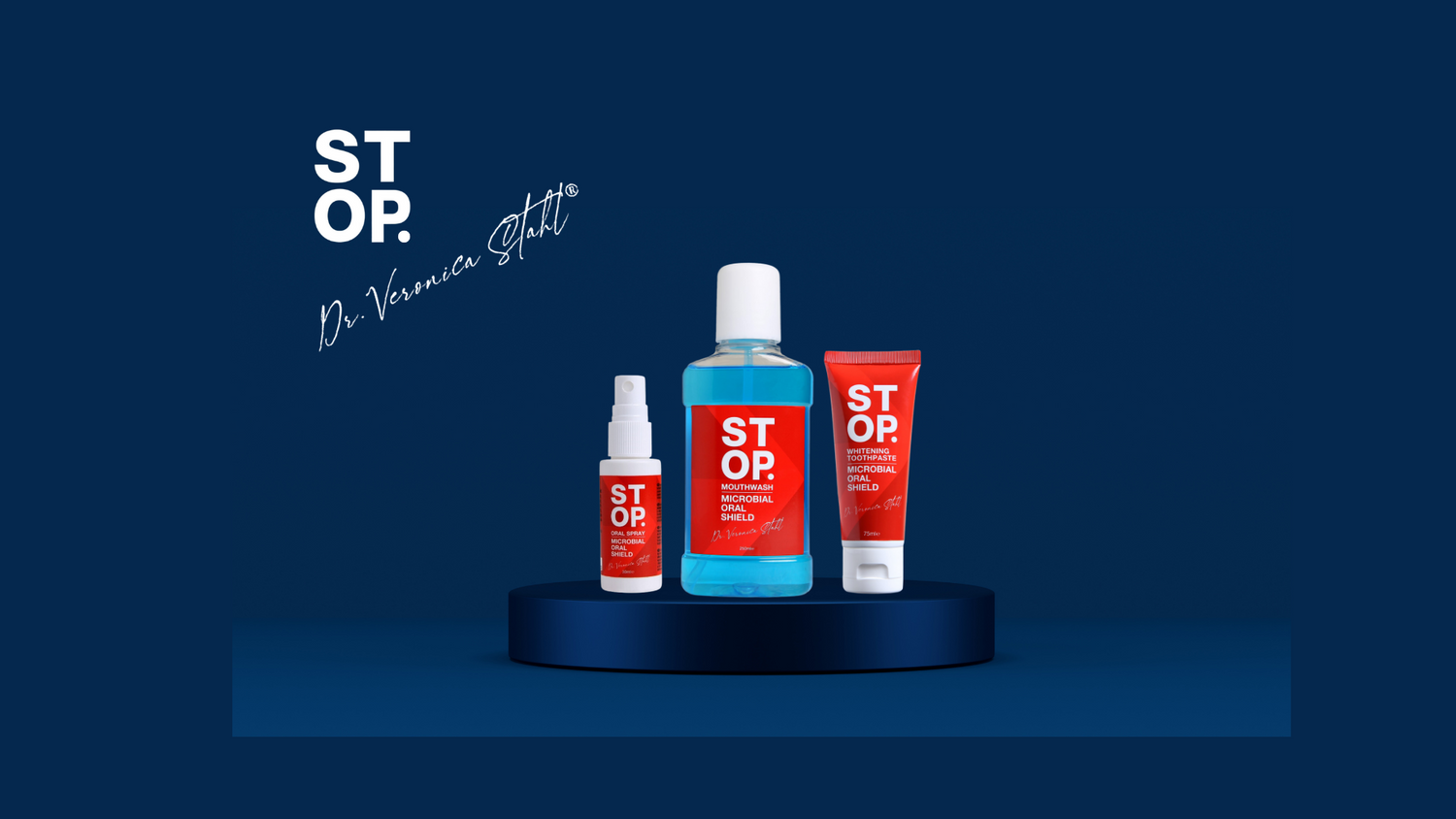

Ever brushed your teeth and wondered why that fuzzy film keeps coming back? You’re not alone – most of us have stared at a mirror, noticed that stubborn layer of plaque, and thought, “What on earth is causing this?” The truth is, plaque isn’t some mysterious villain; it’s a natural by‑product of the bacteria that live in our mouths, and a handful of everyday habits can turn a harmless film into a full‑blown buildup.
First off, the food we love – sugary snacks, sticky carbs, even that nightly glass of wine – feed the microbes on our teeth. When they feast, they release acids that cling to enamel, creating that slick, whitish film we call plaque. Think about the last time you grabbed a candy bar after lunch; those sugar crystals don’t just disappear, they linger, giving bacteria a banquet.
Second, brushing technique matters more than you might think. A quick, half‑hearted swipe leaves behind plenty of plaque, especially along the gum line and between teeth. It’s like sweeping a floor without moving the furniture – the dust settles in the corners. In our experience at STOP Oral Care, we see many customers who switch to a more thorough routine and notice a visible difference within days.
Third, saliva flow plays a quiet but crucial role. Dry mouth, whether from dehydration, certain meds, or breathing through the mouth at night, reduces the natural rinsing action that helps wash away food particles. Imagine trying to clean a window with a spray bottle that’s half‑empty – the result is streaks, not sparkle.
So, what can you do right now? Here are three quick steps you can start today:
- Swap sugary drinks for water or unsweetened tea, especially between meals.
- Spend at least two minutes brushing twice a day, using gentle circular motions and not forgetting the back of your molars.
- Boost saliva with sugar‑free gum or a hydrating mouth rinse – our Best Natural Toothpaste Without Fluoride guide includes options that support a healthier oral environment.
And remember, oral health doesn’t exist in a vacuum. Pairing good dental habits with a holistic wellness routine can amplify the benefits. That’s why many of our readers also explore broader preventive health programs, like those offered by XLR8well, to keep their whole body in balance.
By understanding the everyday culprits behind plaque and taking these simple actions, you’ll start to see less buildup, fresher breath, and a smile that feels genuinely clean. Let’s dive deeper into the science of plaque formation in the next sections.
TL;DR
If you’ve ever wondered what causes plaque buildup on teeth, know that sugary foods, inconsistent brushing, and dry mouth create the perfect breeding ground for bacterial film.
Simple changes—hydrating, swapping sugary drinks for water, brushing two minutes twice daily, and using a CBD‑infused toothpaste like STOP’s can dramatically cut that film and keep your smile fresh.
Section 1: Diet and Nutrition Factors that Contribute to Plaque Buildup
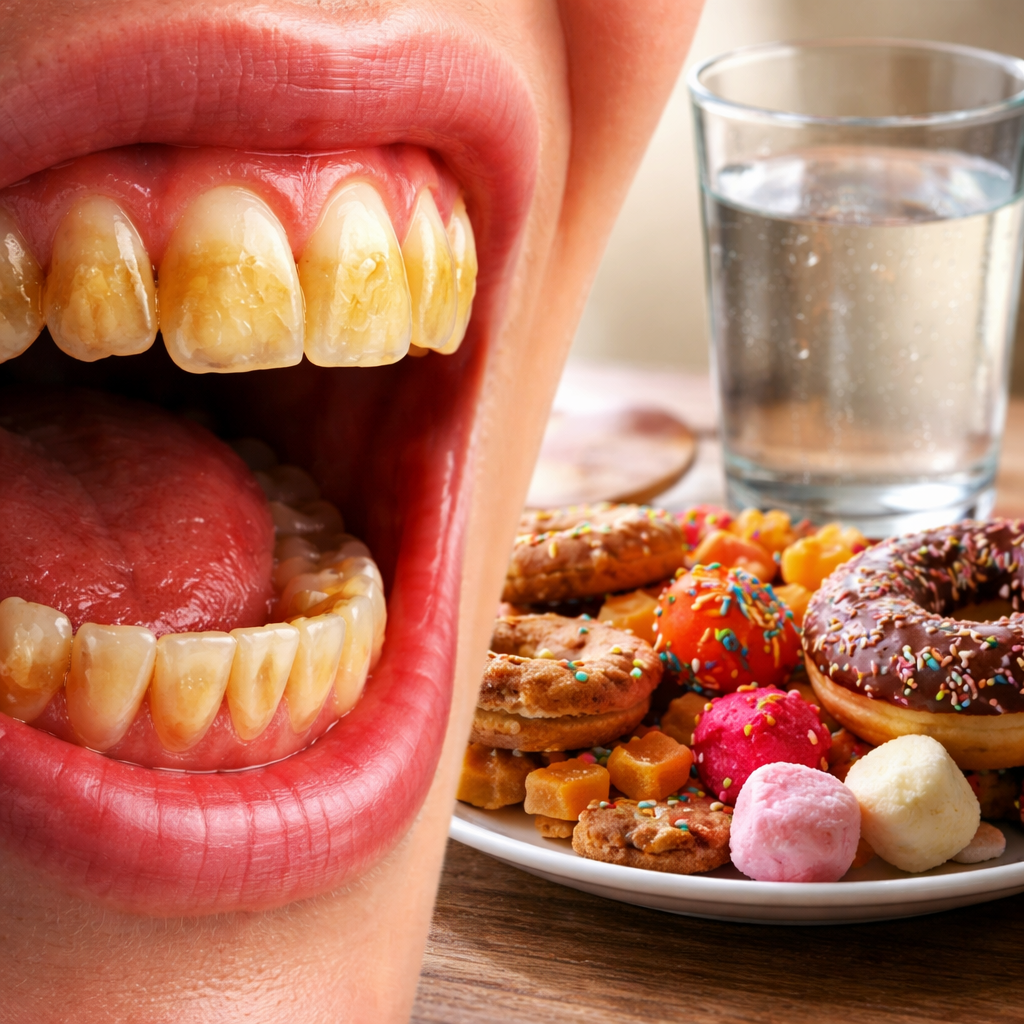
Ever catch yourself reaching for that mid‑afternoon candy bar and wonder why the next morning your teeth feel a little less bright? It’s not magic – it’s the sugar and sticky carbs feeding the bacteria that love to throw a plaque party on your enamel.
Think about the last time you savoured a caramel coffee latte. The milk sugars, the syrup, the lingering glaze – they all hang around in your mouth, giving microbes a feast. Those microbes crank out acids, and those acids are the main culprits that start the plaque‑forming cascade.
But it’s not just obvious sweets. Even seemingly innocent foods like white bread, crackers, or fruit juice can leave behind a sugary film. The problem spikes when you snack repeatedly throughout the day – every bite is another invitation for the bacterial swarm to multiply.
So, what does this mean for you? If you’re looking to curb plaque, start by looking at the timing and composition of what you eat. Swapping a sugary drink for water between meals is a tiny tweak that can make a huge difference.
And here’s a practical tip: pair those dietary changes with a toothpaste that actually fights plaque. Our guide on Choosing the Best Toothpaste for Plaque and Tartar breaks down the ingredients that matter, like CBD, marine algae, and Dead Sea minerals, which help keep the bacterial film at bay.
Another hidden factor is acidity from non‑sugar sources. Acidic fruits, wine, and even sports drinks can erode enamel, making it easier for plaque to cling. If you love a glass of red with dinner, try rinsing with water afterward or chewing a sugar‑free gum to neutralise the acid.
Now, you might be thinking, “I can’t give up all my favorite foods.” Good news – you don’t have to. It’s about balance. A handful of nuts or a piece of cheese after a sugary snack can raise the pH in your mouth, slowing down plaque formation.
While you’re fine‑tuning your diet, consider the bigger health picture. A holistic approach to wellness can amplify oral benefits. For example, XLR8well offers preventive health programs that include nutrition coaching, which can help you make smarter food choices that protect both your gut and your gums.
Notice how the video walks through the science of sugar‑driven plaque and gives a quick kitchen audit you can try tonight. After you hit play, think about which of those snack habits you can swap out tomorrow.
Lastly, oral health isn’t isolated – it intertwines with skin health too. A clear complexion often reflects a balanced internal environment. If you’re curious about how your diet impacts skin, check out Sade Skin, which explores nutrition‑driven skin wellness that aligns nicely with the same clean‑eating principles we’re talking about here.
Putting it all together: watch your sugar intake, balance acidic foods with alkaline snacks, stay hydrated, and give your teeth a fighting‑chance with the right toothpaste. Small, consistent changes create a ripple effect – less plaque, fresher breath, and a smile that actually feels clean.
Section 2: Oral Hygiene Habits and Their Role in Plaque Formation
Ever wonder why, even after you brush, that fuzzy film seems to creep back? It’s not magic—it’s the habits you repeat every morning and night. The way you brush, floss, and treat your mouth in those quiet moments decides whether plaque stays a thin veneer or builds into a stubborn layer.
Brush like you mean it
Most of us think “two minutes, twice a day” is enough, but the details matter. If you rush, use a hard‑bristled brush, or miss the gum line, bacteria get a free pass. Imagine sweeping a floor while the dust keeps settling in the corners—same idea.
Try this: set a timer for 120 seconds, divide your mouth into four quadrants, and spend 30 seconds on each. Use gentle, circular motions and a soft‑bristled brush. Pay extra attention to the back of your molars and the space where the tooth meets the gum. That extra mindfulness can shave off a noticeable amount of plaque by the end of the week.
Flossing isn’t optional
We all know flossing is “good for you,” but many skip it because it feels fiddly. The truth is, the space between teeth is a prime real‑estate for plaque. A quick floss before bedtime—just one pass per tooth—dislodges food particles that brushing alone can’t reach.
If floss feels like a chore, try a water flosser. The pulsating water jet works like a mini‑shower for your teeth, flushing out debris without the awkward finger gymnastics. In our experience, people who add a water flosser see a visible reduction in plaque after a couple of weeks.
Rinse, don’t over‑do it
A mouth rinse can be a great sidekick, but not every rinse is created equal. Alcohol‑based rinses can dry out the mouth, actually encouraging plaque. Look for alcohol‑free formulas that contain natural antibacterial agents. A quick 30‑second swish after meals gives saliva a boost and helps wash away lingering sugars.
And here’s a tip that ties into nighttime comfort: a dry mouth while you sleep is a big plaque driver. If you’re a mouth‑breather or snore, consider a simple sleep‑friendly solution. A pair of quality earplugs can reduce snoring and encourage nasal breathing, keeping saliva flow steadier through the night. Check out this resource from Sleep Maxx for a low‑maintenance way to improve your sleep‑related oral health.
Consistent timing matters
It’s not just what you do, but when you do it. Brushing immediately after a sugary snack is far more effective than waiting an hour. The bacteria need about 20 minutes to turn sugar into acid; if you brush before that window closes, you cut the acid attack short.
Set a reminder on your phone for “post‑snack brush” if you tend to graze between meals. Even a quick 30‑second brush can make a difference.
Putting it all together
So, what’s the game plan?
- Brush twice a day with a timer, covering every quadrant for 30 seconds.
- Floss or use a water flosser nightly, focusing on the back molars.
- Choose an alcohol‑free mouth rinse and swish for 30 seconds after each meal.
- Address dry mouth at night—consider nasal breathing aids or a pair of Sleep Maxx earplugs to reduce snoring.
- Brush within 20 minutes of any sugary or acidic intake.
If you need a deeper dive on natural plaque removal, our step‑by‑step guide walks you through DIY rinses, gentle brushing techniques, and when to call a dentist: How to Remove Plaque Naturally from Teeth. Stick to these habits for a few weeks, and you’ll notice less film, fresher breath, and a smile that actually feels clean.
Section 3: Medical Conditions, Medications, and Their Effect on Plaque Buildup
Let’s be real: meds and health conditions don’t just live in their own lane. They spill over into your mouth, changing how plaque forms. Saliva matters, and when you have less of it or the mouth becomes more acidic, plaque can build up faster.
Dry mouth (xerostomia) is a common side effect of many medications, from antihistamines to antidepressants. When the mouth dries out, saliva’s washing action slows, and bacteria cling to enamel longer. You might notice more film, especially after long days when you forget to hydrate. In our experience, customers who manage hydration and adjust their routine see the difference in a couple of weeks.
Chronic conditions matter, too. Diabetes can alter the mouth’s ecology, making gums more prone to inflammation and plaque. Autoimmune conditions like Sjögren’s syndrome rob moisture and reduce natural cleansing. For these folks, the combination of daily brushing and a targeted rinse becomes essential. If you want a quick reference on gum health strategies, you can read our companion piece on Understanding gumbleeding: A Practical Guide to Prevention and Care.
Some meds don’t just dry you out; they change the mouth’s landscape. Calcium channel blockers and certain anti-seizure drugs are known to contribute to gingival overgrowth in some patients, which traps plaque in harder-to-reach spots. That means you might need a slightly stronger cleaning routine: more thorough brushing, extra flossing, and possibly professional cleanings on a tighter schedule. And if you notice gums swelling or bleeding, don’t ignore it—talk to your dentist and physician about possible adjustments.
In other cases, reflux or persistent acid exposure shifts the mouth’s pH, making enamel rougher and a springboard for bacteria. If you’re dealing with acid reflux, consider chewing sugar-free gum after meals and rinsing with an alcohol-free mouthwash to help restore balance. For patients worldwide dealing with these issues, a routine that includes a CBD‑infused toothpaste or a hydroxyapatite toothpaste can help support enamel resilience without harsh additives. STOP’s advanced formulas are designed to support oral balance, which can be especially helpful when meds and conditions tilt the scales.
So what should you do next? Start with a simple plan: talk to your doctor about meds that may trigger dry mouth, slam hydration, and keep a conscious post‑meal rinsing habit. Schedule a check-up with your dentist to tailor cleanings to your needs, and consider our product picks that support plaque control as part of your daily ritual. If you’re curious about holistic self‑care beyond teeth, some readers also explore brands like Sade Skin for a broader wellness routine that complements your oral health journey.
Section 4: Comparing Prevention Strategies – Brushing, Mouthwash, and Professional Cleanings
Ever feel like you’re juggling a trio of oral‑care tools and wondering which one really moves the needle on plaque? You’re not alone. We all want that clean‑feel after a brush, but the truth is each method plays a different role in the battle against buildup.
1. Brushing – the foundation
Brushing is the workhorse. A good fluoride‑free, CBD‑infused formula from STOP can help calm gums while the bristles sweep away the soft film that forms after meals. We’ve seen folks who double‑down on technique – two minutes, gentle circles, paying extra love to the gum line – notice a visible drop in plaque within a week.
But brushing alone can miss the hard‑to‑reach spots between molars or beneath bridges. That’s where the other two players step in.
2. Mouthwash – the finishing touch
Think of mouthwash as the sidekick that swoops in after you’ve done the heavy lifting. An alcohol‑free, anti‑bacterial rinse helps keep the mouth’s pH balanced and gives saliva a boost, especially useful for dry‑mouth sufferers.
Our STOP Mouthwash blends Dead Sea minerals and marine algae, so it’s not just about fresh breath; it also adds a thin protective film that makes it harder for bacteria to re‑attach.
Use it for 30 seconds after brushing and, if you’ve just eaten something acidic, wait a few minutes first – you don’t want to wash away the enamel‑strengthening saliva too early.
3. Professional Cleanings – the deep clean
Even the best home routine can’t reach tartar that’s already hardened on the tooth surface. That’s why regular visits to a dental clinic matter. A hygienist’s ultrasonic scaler can zap away stubborn deposits in minutes, leaving a smoother enamel that’s less prone to new plaque.
For people with gum issues or who take medication that dries the mouth, a tighter cleaning schedule (say, every three to four months) can keep the bacterial playground from expanding.
So, how do you decide which combo works best for you? Let’s break it down in a quick table.
| Strategy | Frequency | Key Benefits | Limitations |
|---|---|---|---|
| Brushing (with STOP toothpaste) | Twice daily, 2 min | Removes fresh plaque, strengthens enamel, soothing CBD | Misses interproximal spaces, relies on technique |
| Mouthwash (STOP Mouthwash) | Once daily after brushing | Balances pH, adds mineral layer, freshens breath | Doesn’t remove solid tartar, needs consistent use |
| Professional cleaning | Every 3–4 months (or as advised) | Eliminates hardened tartar, smooths enamel, checks gum health | Cost, requires appointment, not daily |
Now, picture this: you finish your morning brush, pop a quick rinse of STOP Mouthwash, and schedule your next dental visit for a deep clean. Over a month, the plaque you once saw on a disclosing tablet fades, your gums feel less sensitive, and you notice you’re not waking up with that “sticky” feeling.
Does this really work for everyone? Maybe not exactly the same, but the pattern holds – combine a solid daily routine with periodic professional care, and you’ll keep plaque at bay.
Seeing the process in action can help you fine‑tune your own regimen. Watch the video above for a quick demo of how a proper brush‑mouthwash‑cleaning cycle looks.
And remember, the goal isn’t perfection; it’s consistency. Pick the combo that feels doable for your schedule, stick with it for a few weeks, and watch the plaque recede.
Additional Resources
Still wondering what causes plaque buildup on teeth and how to keep it at bay? Below are a few go‑to resources that can help you fine‑tune your routine without feeling overwhelmed.
Quick‑Read Guides
Our “best toothpaste for plaque and tartar” guide breaks down the science in plain language and gives you a short checklist you can print and stick on your fridge.
Deep‑Dive Articles
For a more detailed look at how diet, saliva, and medication interact, check out the comprehensive posts on our blog about gum health and natural plaque removal. They include infographics you can download and step‑by‑step routines you can try tonight.
Community Support
Join the discussion in our private Facebook group where members share what’s actually working for them—from the timing of a post‑snack brush to the favorite flavor of our CBD‑infused mouthwash. Real‑world tips often surface faster than any lab study.
Finally, if you prefer a printable reference, we’ve put together a one‑page cheat sheet that lists the top habits, products, and professional services you should consider. Grab it, keep it on your bathroom mirror, and let it guide you each morning.
Remember, consistency beats perfection—track your progress for a week, note any changes in freshness, and adjust your routine accordingly. Small tweaks add up.
Conclusion
We've walked through the science behind what causes plaque buildup on teeth, from the sugar that fuels bacteria to the dry‑mouth moments that let that film linger.
If any of those habits sounded familiar, you already have a roadmap for change—swap that late‑night soda for water, brush with gentle circles for two minutes, and give your saliva a boost with sugar‑free gum or a quick rinse.
What we’ve seen at STOP Oral Care is that pairing a CBD‑infused toothpaste with an alcohol‑free mineral mouthwash not only cuts plaque but also soothes gums, making the whole routine feel less like a chore and more like a quick, refreshing pause in your day.
So, what should you do next? Grab a printable habit tracker, set a reminder to brush within 20 minutes after any sweet bite, and schedule a quick check‑in with your dentist—maybe even call https://dentalboutique.be to book that cleaning.
Remember, plaque isn’t a permanent sentence; it’s a signal that something in your routine can be tweaked. A few small adjustments today can keep that fuzzy film from turning into a stubborn layer tomorrow.
Take the first step now, and you’ll see fresher breath, brighter teeth, and a confidence boost that lasts all day—because a clean mouth just feels good.
FAQ – Common Questions About Plaque Buildup
What causes plaque buildup on teeth, and how does it form?
Great question. Plaque forms when bacteria in your mouth feed on sugars and starches from the foods you eat. They produce acids that cling to enamel, creating a sticky film you feel and see.
If you skip brushing or go too long between cleanings, the film hardens into tartar, which is tougher to remove. It isn’t a single event but a daily buildup that grows with each bite and sip. So stay brushing regularly daily.
How does diet contribute to plaque buildup on teeth?
Diet matters because the mouth is a micro-lab for bacteria. Sugars and refined carbs feed plaque-forming microbes, turning meals into fuel for acid production that attacks enamel.
Sticky snacks cling longer, giving bacteria more time to work. Acidic drinks erode protective enamel and can leave rough spots where plaque grabs on. If you sip often, you’re extending the window that acids have to do their job.
Fix isn't deprivation, it's timing and brushing after meals.
Can dry mouth cause plaque buildup on teeth, and how?
Dry mouth is a sneaky ally of plaque. Saliva rinses away sugars and debris, buffers acids, and helps teeth self-clean.
When you’re dehydrated, breathe through your mouth at night, or take meds that dry out your mouth, that rinse action slows. Bacteria stick around longer, so plaque forms more readily.
Hydration helps, but you can also stimulate saliva with sugar-free gum after meals or a gentle rinse. STOP CBD toothpaste can support balanced moisture.
Do brushing technique and timing affect plaque buildup on teeth?
Absolutely. Brushing is more than just motion, it’s timing and coverage. Rushing or brushing with hard bristles leaves behind plaque, especially along the gum line and between teeth.
The goal is 2 minutes, 4 sections. Brushing right after sugary or acidic snacks matters too; the window is 20 minutes before acids peak.
If you wait, you’re inviting more plaque. A consistent routine makes the film thinner over days. Stick with it.
What role do medical conditions and medications play in plaque buildup on teeth?
Medical conditions and meds matter because they reshape your mouth environment. Diabetes, Sjögren's syndrome, and autoimmune issues can reduce saliva or raise gum inflammation, making plaque stickier.
Medications like antihistamines or antidepressants often dry the mouth, cutting flushing action short. When saliva dries up, bacteria cling more easily. The fix isn’t one thing, but a combo: stay hydrated, adjust brushing and rinsing. Coordinate care with your dentist and doctor. Ask about saliva-support options with doctor.
Are there effective ways to prevent plaque buildup on teeth at home?
Yes—steady habits beat flash-in-the-pan hacks. Start with a predictable routine: brush twice daily for two minutes with soft bristles, floss or use a water flosser, and finish with an alcohol-free mouth rinse.
Snacking less between meals helps, and after meals, a quick rinse or gum can boost saliva.
Hydration matters, sleep quality matters, and professional cleanings every 3–4 months keep tartar at bay. If you’re curious, our CBD toothpaste and mineral mouthwash can support balance.
Are there ways to prevent plaque buildup on teeth at home?
Yes—steady habits beat flash-in-the-pan hacks. Start with a predictable routine: brush twice daily for two minutes with soft bristles, floss or use a water flosser, and finish with an alcohol-free mouth rinse.
Snacking less between meals helps, and after meals, a quick rinse or gum can boost saliva.
Hydration matters, sleep quality matters, and professional cleanings every 3–4 months keep tartar at bay. If you’re curious, our CBD toothpaste and mineral mouthwash can support balance.
Key Takeaways
We’ve walked through the science of what causes plaque buildup on teeth, from sugar‑fuelled bacteria to dry‑mouth moments that let that fuzzy film linger.
First, keep your mouth hydrated – water, sugar‑free gum, or a quick rinse after meals can boost saliva and wash away food particles.
Second, brush with intention: two minutes, soft circular motions, and don’t forget the gum line and back molars.
Third, floss or use a water flosser nightly to clear the spaces where a brush can’t reach.
Fourth, choose a toothpaste that actively fights plaque; our guide on choosing the best toothpaste for plaque and tartar breaks down the top options.
Finally, schedule professional cleanings every three to four months and talk to your dentist if you notice persistent dry mouth or gum irritation.
Apply these simple steps, and you’ll see less film, fresher breath, and a smile that feels genuinely clean.