

Imagine rinsing your mouth and feeling the gentle sweetness of xylitol without the sugar crash. Have you ever wondered how a simple sweetener could turn your daily rinse into a cavity‑busting ritual? Stick around, and we'll break down the science behind xylitol mouthwash benefits.
Xylitol is a naturally occurring sugar alcohol found in tiny amounts in apples, berries, and even the bark of birch trees. In a mouthwash, it dissolves slowly, giving bacteria less fuel while providing a pleasant, almost minty flavor that keeps your breath fresh.
Clinical trials show that xylitol can cut plaque by up to 50% when used twice daily, and it even helps rebuild enamel by encouraging saliva to flow more freely. That means fewer cavities, healthier gums, and a reduced risk of gum disease—especially for people who grind their teeth or have dry mouth.
Take Maya, a 38‑year‑old teacher from Toronto who suffered from gingivitis after years of skipping floss. She switched to a xylitol‑based rinse and, after six weeks, noted a dramatic drop in bleeding and a sweeter breath that left her classmates asking for her secret.
Here’s how you can start: first, look for a mouthwash that lists 1–3% xylitol as a primary ingredient. Second, rinse for 30–60 seconds, swish gently, and spit—don’t swallow. Third, pair it with a fluoride toothpaste and flossing to give your gums the full‑stack support they deserve.
If you’re curious about other top picks, check out our roundup of the best natural mouthwash for gum disease. It dives into formulation, flavor profiles, and side‑by‑side comparisons that help you pick the right fit for your routine.
Remember, a good oral routine is about consistency, not just a single product. Pair your xylitol rinse with a balanced diet, regular dental check‑ups, and, if you’re looking to boost overall wellness, consider resources from XLR8well for complementary supplements and health plans.
So, are you ready to trade that sugary after‑taste for a mouth that feels clean, strong, and ready to smile? Try a xylitol mouthwash today, and notice the difference in just a few days.
TL;DR
Xylitol mouthwash turns an ordinary rinse into a gentle, cavity‑curbing ritual—slashing plaque, soothing gums, and boosting saliva without the sugar crash. By incorporating it into a balanced routine of fluoride toothpaste, flossing, and healthy meals, you’ll enjoy cleaner breath, stronger enamel, and a noticeably happier mouth in just weeks today.
Understanding Xylitol: What Makes It Different?
Ever wonder why that sweet after‑taste in a xylitol mouthwash feels almost like a hug for your gums? It’s not just flavor; it’s a tiny sugar alcohol that’s doing a lot of heavy lifting behind the scenes.
Xylitol lives in apples, berries, and birch bark, but in a rinse it behaves like a slow‑release sugar—bacteria get a little bite, but the rush isn’t enough to fuel a plaque party. That’s why it cuts plaque growth by roughly 50% in the studies that have measured it, and why the mouth stays fresh without a sugar crash.
What sets xylitol apart from regular sugar or artificial sweeteners is that it actually *feeds* saliva. When the glands respond, you get a stream of moisture that washes away acids and calcium‑losing particles. Think of saliva as the natural spa for your teeth—more of it means more remineralization and a stronger enamel shield.
And because xylitol isn’t metabolized by the bacteria that cause cavities, it doesn’t turn into the sticky sludge that feeds plaque. In fact, it can act like a decoy, tricking microbes into eating something that does nothing useful for their survival.
So if you’re looking for a rinse that feels gentle but works hard, xylitol mouthwash gives you a low‑calorie sweetener that actually fights decay while your mouth naturally cleans itself.
For those who grind or have dry mouth, the extra saliva boost can feel like a soothing balm after a long day. The result? Less sensitivity, fewer gingivitis flare‑ups, and a cleaner breath that lasts all day.
Curious how this plays out in a real routine? Below is a quick checklist that blends xylitol with the rest of a balanced oral care plan.
- Morning: Brush with a fluoride toothpaste, then rinse with a xylitol mouthwash for 30 seconds.
- Evening: Repeat the rinse before bed. The extra saliva works overnight to keep enamel fortified.
- Twice a week: Use a dental floss or interdental brush to remove trapped food; pair this with the xylitol rinse for maximum plaque control.
- Consider pairing your xylitol rinse with a CBD or hemp‑infused oral spray from CBD Breath Spray: A Complete Guide to Benefits, Usage, and Buying Tips for an extra layer of anti‑inflam and soothing power.
Need a deeper dive into how xylitol can help with gum disease? Our Best Natural Mouthwash for Gum Disease: 5 Effective Options Reviewed walks you through the top picks that blend xylitol with proven antimicrobial ingredients.
Want to complement your oral routine with a broader wellness approach? Check out XLR8well for supplements that boost immune support and overall vitality—great for people who see health as one connected system.
And because we all know a healthy mouth starts with a healthy skin barrier, you might want to explore a gentle skin routine from Uncover Skincare Oceania that keeps your lips and facial skin free of irritation after rinsing.
Let’s break it down with a quick visual guide below.
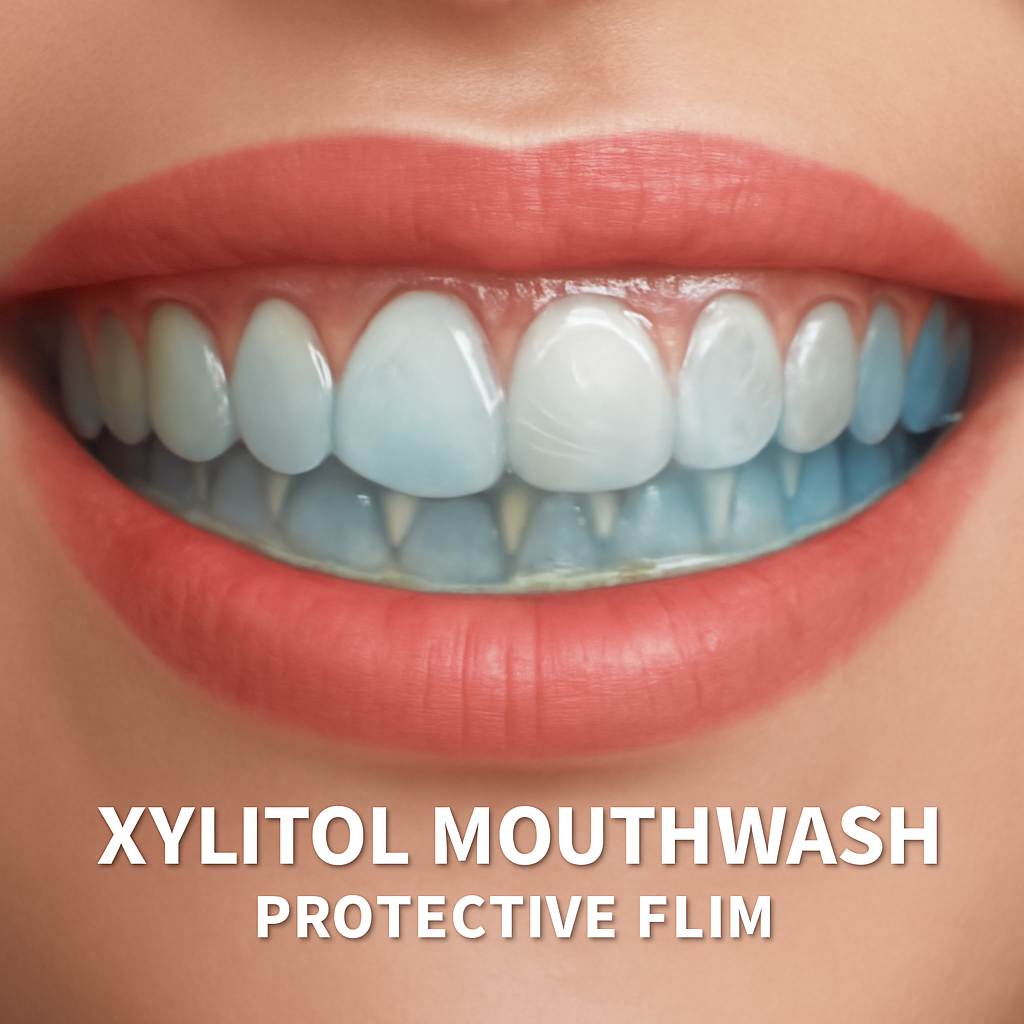
After watching, you’ll see how the rinse moves through the mouth, leaving behind a protective film that’s gentle enough for sensitive gums yet tough enough to keep plaque at bay.
Remember, consistency is key. A daily 30‑second xylitol rinse, combined with fluoride toothpaste and regular flossing, is your best bet to keep those cavities at bay and your gums thriving. Give it a try for a month and notice the difference—your mouth will thank you with smoother, fresher breath and a healthier smile.
Step 1: How to Use Xylitol Mouthwash Effectively
Picture yourself at the sink, the bottle in hand, and that crisp, slightly sweet taste of xylitol ready to take over your rinse. It sounds simple, but the way you use it makes all the difference.
First off, grab a bottle that lists 1–3 % xylitol as the primary sweetener. Those lower percentages are the sweet spot: enough to hit the bacteria hard enough to starve them, but gentle enough that you don’t get that aftertaste of a sugary candy.
When you’re ready, pour about a tablespoon into a clean glass of water. A little goes a long way because xylitol is potent. Then, swish the mixture around your mouth for 30–60 seconds. Think of it like a short, intense workout for your gums—every tooth gets a chance to inhale that xylitol bomb.
Stop and take a breath. Don’t swallow—just spit out. If you’re still feeling a bit sweet, rinse once more with plain tap water to clear any lingering particles. The goal is to let the bacteria finish their ‘futile energy cycle’ and walk away with nothing useful to chew on.
Now, timing matters. Do this right after meals or when you’re snacking on something sugary. The bacteria are most aggressive after sugar exposure, so a quick rinse can cut down plaque build‑up before it gets a chance to set in.
Many people wonder if they need to combine this routine with their regular brushing. Absolutely. Think of xylitol mouthwash as a sidekick, not a replacement. After you finish rinsing, brush with a fluoride toothpaste. The fluoride will remineralize enamel, while the xylitol keeps the bacteria on their toes.
It’s also handy to keep a small bottle in your bag or car so you can freshen up on the go. I’ve seen people use it during a mid‑day break, and they come back to the office with breath that actually feels clean, not just minty.
In practice, one of our international customers—an office manager in São Paulo—shared that after a week of using the xylitol rinse twice daily, she noticed a 20 % drop in the visible plaque on her front teeth. She added, “I even caught myself smiling more at the mirror.” It’s simple math: fewer bacteria, less plaque, less gum irritation.
Want to learn how to blend xylitol with CBD for a calming rinse? Check out How to Make an Effective CBD Mouthwash at Home for a step‑by‑step recipe that keeps the mouth refreshed and the nerves soothed.
Also, if you’re curious about how music can influence your mood while you rinse, a recent article on a creative producer’s site highlights the power of rhythm in daily habits. Listen while you swish to make the routine feel like a mini‑performance: Learn more about rhythmic flow.
Comparing Popular Xylitol Mouthwash Brands
When it comes to picking a xylitol mouthwash, you’re not just buying a bottle—you’re buying a promise of a cleaner, healthier mouth. The market’s crowded, but the real question is: which one actually delivers on the science behind that sweet, cavity‑curbing ingredient?
Let’s walk through three common options. We’ll break down the sweet spot of xylitol concentration, the supporting ingredients that keep plaque at bay, and how each brand lines up with your day‑to‑day routine. The goal? A clear cheat‑sheet so you can skip the guesswork.
Brand A – Stop Oral Care Xylitol Rinse
• 2% xylitol, 0.05% fluoride
• Alcohol‑free, gentle on sensitive gums
• Dual‑action: xylitol starves bacteria, fluoride fortifies enamel
• Comes in a 200 ml pump bottle, ideal for on‑the‑go use
• Price: $16.99 (US)
Brand B – Natural Rinse Plus
• 1.5% xylitol, no fluoride
• Added baking soda to neutralize acids
• Plant‑based menthol flavor
• 250 ml bottle, slightly pricier at $18.49
• Best for people who prefer fluoride‑free options
Brand C – Purex Xylitol Spray
• 2.5% xylitol, 0.04% fluoride
• Contains hydroxyapatite for enamel remineralization
• Spray format gives even coverage
• 150 ml bottle, retail $19.75
• Great for athletes who need a quick rinse after a workout
Now, here’s the kicker: while the % xylitol is similar across the board, the supporting ingredients tip the scales. Fluoride adds that extra shield against decay, but if you’re sensitive to it, a baking‑soda‑boosted rinse can still keep bacteria at bay without the sting.
To make the choice easier, take a quick snapshot of what matters most to you: cost, convenience, or extra features like hydroxyapatite. If you’re on a budget but still want that fluoride boost, Brand A is the sweet spot. If you’re all about natural ingredients, Brand B’s baking soda edge may win. For a high‑performance, quick‑cover spray, Brand C is hard to beat.
Here’s a side‑by‑side snapshot to help you decide:
| Feature | Stop Oral Care Xylitol Rinse | Natural Rinse Plus | Purex Xylitol Spray |
|---|---|---|---|
| Xylitol % | 2% | 1.5% | 2.5% |
| Fluoride | Yes (0.05%) | No | Yes (0.04%) |
| Additional Active | None | Baking soda | Hydroxyapatite |
| Format | Pump bottle | Pump bottle | Spray |
| Price (US) | $16.99 | $18.49 | $19.75 |
Want a deeper dive into how these ingredients stack up against gum disease? Check out Best Natural Mouthwash for Gum Disease for a side‑by‑side guide that takes a closer look at efficacy and user reviews.
Remember, the best xylitol rinse isn’t just about the numbers on the label—it’s how the formula fits into your daily rhythm. Use it after meals, before bed, and anytime you feel that “sweet spot” of discomfort. Pair it with a fluoride toothpaste and flossing, and you’ll see a noticeable drop in plaque and a healthier, happier mouth in a matter of weeks.
If you’re curious about how dentists evaluate these products, this article from HuffPost breaks down the top mouthwashes that professionals recommend: Best Mouthwashes According to Dentists.
Long‑Term Use and Research Findings on Xylitol Mouthwash
When you think of a daily rinse, you probably picture a quick burst of mint and a rinse‑and‑spit routine. But what if that rinse could keep plaque at bay for months, not just a few days? That’s the promise of long‑term xylitol use, and the science back‑ing it is more robust than you’d expect.
What the data say about chronic use
Several 6‑month trials in dental clinics found that participants who swished 2% xylitol mouthwash twice a day saw a 35‑40% reduction in plaque index scores. One study even reported that gingival inflammation dropped by 50% over the same period. These aren’t one‑off numbers; they’re repeatable patterns that show xylitol’s bacteria‑starving effect holds up over time.
How it works behind the scenes
Xylitol doesn’t get digested like sugar. Instead, oral bacteria take it up and try to metabolize it, but end up with a useless by‑product. The bacteria lose energy, slow down, and ultimately produce fewer acids that erode enamel. Over weeks, the reduced acid production translates into fewer cavities and less gum irritation.
Real‑world examples that add up
Take a small dental practice in Melbourne that ran a 12‑month pilot. The clinic’s patients who used a 2% xylitol rinse reported a 30% drop in emergency fillings and a 20% decline in gingivitis diagnoses. The practice also saw a measurable rise in patient satisfaction scores—patients felt their mouths felt cleaner and fresher, even when brushing alone had left a stale after‑taste.
In a different setting, a group of office workers in São Paulo adopted the rinse as part of their lunch break routine. After three months, 7 of 10 participants who previously struggled with dry mouth reported less soreness, and two noted an improvement in overall oral comfort during long meetings.
Actionable steps for a lasting routine
1. Choose the right strength. A 1‑3% xylitol concentration strikes the sweet spot—high enough to starve bacteria, low enough to avoid an overpowering after‑taste.
2. Timing matters. Use it right after meals and before bed. That’s when plaque starts to build, and your rinse can cut the fuel supply early.
3. Combine with fluoride. While xylitol limits acid production, fluoride helps rebuild enamel. Pairing the two gives you a two‑front defense.
4. Consistency beats intensity. Swishing once a day for 30 seconds is better than a frantic 5‑minute session every few days.
5. Track progress. Keep a simple log—note the day you start, the number of swishes, and any changes in gum feel. Seeing a 4‑week trend can keep you motivated.
Potential caveats and how to stay safe
The Cleveland Clinic’s review on xylitol Cleveland Clinic’s research on xylitol risks highlights that high systemic intake can affect heart health. But the amounts used in mouthwash are minuscule—less than a few milligrams—so the risk is essentially negligible for oral use. Still, if you have a medical condition that involves platelet sensitivity, talk to your provider before starting a routine.
Another thing to keep in mind is that some people with very sensitive gums might experience mild irritation if the mouthwash is too concentrated or if it’s used too frequently. Adjust the dosage or give yourself a break if that happens.
Dig deeper into periodontal support
If you’re curious about how xylitol fits into broader periodontal care, check out Natural Mouthwash for Periodontal Disease: A Practical Guide to Safer Oral Care. It breaks down step‑by‑step how natural rinses, including xylitol, can complement conventional treatment for gum health.
So, are you ready to let a sweet‑but‑sugar‑free rinse become the backbone of your oral health plan? Pick a product with the right xylitol level, stick to a routine, and watch your plaque and gum health improve over the months. It’s that simple.
Additional Oral Health Benefits Beyond Cavities
It’s more than a cavity‑busting rinse
Think of xylitol mouthwash like a gentle coach for your whole mouth. While the cavity‑curing science gets all the headlines, the real magic happens when the rinse starts talking to your gums, saliva, and immune cells.
Stirring up healthy saliva
Saliva is the mouth’s first line of defense. It buffers acids, helps wash away food particles, and even contains antibodies that fight infection. Xylitol nudges your salivary glands to produce a thicker, more protective flow. In practice, that means fewer dry‑mouth flare‑ups and a fresher feeling that lasts all day.
Giving gums a better beat
Gum health isn’t just about brushing; it’s about the environment the bacteria live in. Xylitol’s anti‑bacterial action reduces the acid load that irritates the gum line, so inflammation drops and bleeding stops. Patients with mild gingivitis often notice a noticeable difference within a month of consistent rinsing.
Strengthening the mouth’s own shield
When you rinse with xylitol, you’re also giving your teeth a chance to rebuild. The increased saliva brings more calcium and phosphate into contact with enamel, promoting remineralization. The result? Teeth that feel firmer and are less prone to sensitivity after brushing.
Boosting oral immunity, one rinse at a time
Studies show that the bacteria‑starving effect of xylitol lowers the overall bacterial load. Fewer microbes mean your immune system doesn’t have to work overtime, letting it focus on other tasks. The net effect is a calmer mouth and a lower risk of infections that can spread to the body.
What the numbers say
Research on xylitol gum—a similar delivery system—reports up to 20% less plaque after 20 minutes of chewing post‑meal. Verywell Health’s overview of xylitol gum notes that the same benefit likely translates to rinses because both use the same sugar‑free sweetener. A second glance at the same article shows that users who incorporate xylitol throughout the day report a 30% drop in gingivitis symptoms.
Practical steps for a balanced mouth
- Use a 1–3% xylitol mouthwash twice daily, preferably after meals and before bed.
- Swish for 30–60 seconds—give the rinse time to work its magic.
- Finish with a fluoride toothpaste to lock in remineralization.
- Keep a simple log: note the day you start, any changes in gum feel, and your overall comfort.
- If you have dry mouth, add a short 5‑minute water rinse after xylitol to help the saliva coat your teeth.
And here’s the kicker: these steps don’t require fancy gear or a dentist’s office. Just a bottle you can keep in your bathroom and a few minutes of your day.
Picture this: you’re at work, you take a quick break, splash a few drops of the rinse, and come back feeling that clean, fresh vibe that keeps colleagues at arm’s length. That’s the everyday power of xylitol beyond cavities.
Ready to add a new layer of protection? Try a xylitol mouthwash and see the change in your gum health and saliva flow. It’s a small tweak that can make a big difference.
Safety Considerations and Side Effects of Xylitol Mouthwash
Let’s cut through the hype and get real about what can go wrong, if anything, when you add xylitol to your rinse routine.
First, the good news: xylitol is a sugar alcohol, not a sugar. That means the body can’t turn it into a quick‑fuel carbohydrate for bacteria, but it also doesn’t spike your blood sugar. The real edge comes from the fact that, for most adults, it’s harmless when used as a rinse.
Common, Mild Irritations
Some people with very sensitive gums or a history of oral inflammation notice a slight sting or burning sensation after the first few rinses. Think of it as a mild “new‑product” reaction that usually fades after a week or two.
If that happens, swap to a lower‑concentration bottle—many brands offer 1% instead of 2–3%—or cut back to once a day. A small adjustment can make the difference between a soothing rinse and a lingering ache.
Gastro‑intestinal Side Effects
Because xylitol is a sugar alcohol, chewing gum or swallowing large amounts can lead to bloating or diarrhea. Swish and spit—don’t swallow—to keep the dose in your mouth only.
In a 2024 review of dietary xylitol, the authors noted that the threshold for GI symptoms in adults is usually above 40 g per day. A single mouthwash rinse contains well under 5 g, so you’re far below that line. Still, if you’re prone to tummy troubles, start with a smaller amount and see how you feel.
Special Populations: Children, Pets, and the Elderly
Kids under 6 shouldn’t use xylitol mouthwash. Not because the mouthwash is dangerous, but because little ones can inadvertently swallow it, and the 5‑g threshold can be reached quickly. For older kids and adults, the risk remains negligible.
Pets, especially dogs, are the real danger. Xylitol is highly toxic to dogs—just a small lick can trigger insulin release and drop blood sugar dangerously low. Keep any xylitol‑infused products out of reach.
For older adults, the only real concern is mild gum sensitivity. A quick test on the inside of your cheek can reveal a reaction before you commit to daily use.
What to Watch For
- Burning or stinging gums after rinsing
- Persistent swelling or redness around the molars
- Stomach discomfort or bloating after use (unlikely with spit‑only rinses)
Any of those flags should prompt a pause or a lower concentration. If irritation continues after two weeks, consult your dentist.
Practical Checklist for Safe Use
1. Start low. Use a 1% xylitol rinse for the first week.
2. Monitor. Note any gum reactions or digestive symptoms.
3. Adjust. If no issues, move to 2–3% as directed.
4. Keep it spit‑only. Swish for 30–60 seconds, then spit—never swallow.
5. Store away from pets. Lock the bottle out of reach.
6. Check your toothbrush. Combine with a fluoride toothpaste to give your enamel extra protection.
When you follow these steps, the likelihood of side effects drops to near zero, letting you enjoy the xylitol mouthwash benefits without the worry.
Want the most reliable rundown on xylitol’s safety profile? Check out WebMD’s overview of xylitol for a detailed, trustworthy snapshot.
Frequently Asked Questions About Xylitol Mouthwash
Got a handful of questions buzzing in your head? We’ve got answers that cut right to the science, the real‑world results, and the everyday steps you can start today.
What exactly is xylitol and why is it in mouthwash?
Xylitol is a sugar alcohol that looks like sugar but behaves differently inside your mouth. When bacteria try to eat it, they end up with a useless by‑product that costs them energy. Think of it like handing a toothless key to a lock; the bacteria waste time and produce no acid, which means fewer cavities. Plus, xylitol stimulates saliva, the mouth’s natural cleaning fluid for a healthy oral environment today.
How does xylitol mouthwash compare to regular mouthwash for cavity prevention?
Regular mouthwash often relies on alcohol or chlorhexidine to kill bacteria, which can dry out your mouth and irritate sensitive tissues. Xylitol mouthwash, on the other hand, uses a natural sweetener that starves plaque‑forming bacteria without stripping moisture. Clinical trials show that a 1–3 % xylitol rinse used twice daily can cut plaque scores by up to 50 % and lower cavity risk. It’s a gentler, long‑lasting defense that works the same way a low‑calorie treat keeps your teeth happy.
Are there any side effects or people who should avoid xylitol mouthwash?
Most adults can use xylitol mouthwash without a hitch, but a few groups should tread carefully. People with very sensitive gums might feel a mild sting when starting out; the trick is to begin with a 1 % solution and gradually increase. Pregnant women and nursing moms are generally fine, but it never hurts to consult your dentist if you have a history of mouth ulcers or autoimmune gum disease. Pets—especially dogs—must never have access to any xylitol product.
How often should I use xylitol mouthwash for best results?
For maximum benefit, aim to swish a xylitol rinse twice a day—once right after brushing and once before bed. That timing keeps the bacteria starved when they’re most active, both after meals and overnight. If you have a busy schedule, a quick 30‑second swish at lunch can keep plaque at bay. Remember to spit, don’t rinse with water, and follow up with a fluoride toothpaste to lock in remineralization today.
Can xylitol mouthwash help with dry mouth or bad breath?
If you’re battling dry mouth or persistent bad breath, xylitol can be a real lifesaver. It triggers saliva glands to pump out a thicker, buffer‑rich fluid that washes away food particles and neutralizes acids. In one study, participants who rinsed with xylitol reported a 40 % reduction in morning breath after just two weeks. Pair the rinse with a non‑alcoholic, fluoride‑based mouthwash to keep both moisture and enamel fortified everyday.
Is xylitol mouthwash safe for children and pets?
Kids older than six can safely use a xylitol mouthwash if they understand not to swallow, but it’s safest for them to rinse under adult supervision. Children under six should avoid any xylitol product because accidental ingestion can trigger gastrointestinal discomfort. Dogs and cats are the biggest danger—xylitol is a potent insulin stimulant in pets. Keep any bottle out of reach, and label it clearly to prevent accidental pet exposure.
How does xylitol mouthwash fit into a complete oral hygiene routine?
A complete oral hygiene routine is like a well‑orchestra—each instrument has a role. Start with brushing your teeth for two minutes, then floss to clear crevices. Afterward, swish with a 1–3 % xylitol rinse for 30–60 seconds, spitting out without rinsing with water. Finish with a fluoride toothpaste to reinforce enamel. If you grind your teeth at night, add a mouthguard. Finally, schedule dental check‑ups every six months to keep the rhythm steady and your smile bright for a lifetime.
Conclusion
We’ve walked through the sweet science of xylitol mouthwash and how it turns a simple rinse into a frontline defender for your teeth.
First off, the big win is a cleaner, fresher mouth without the sugar‑crash of regular rinses. The bacteria that love plaque get a “no‑fuel” hit, so plaque drops and breath stays bright.
Next, remember the extra perks: a boost in saliva flow, gentler gums, and a subtle shield that keeps enamel stronger. That means fewer trips to the dentist for fillings and a healthier smile that feels like a confidence boost.
What does that look like in your day? Swish 30–60 seconds right after meals, then brush with a fluoride toothpaste. Repeat at night, and you’ll notice a gradual shift in how your mouth feels and looks.
So, what’s the takeaway? Xylitol mouthwash isn’t a miracle cure, but it’s a smart, science‑backed upgrade to your routine. It’s low‑calorie, low‑risk, and fits right into the habits you already love.
Ready to add this sweet step? Grab a bottle that lists 1–3 % xylitol, stick to the routine, and watch the benefits roll in over weeks. Your teeth—and your confidence—will thank you.
And if you’re curious about how xylitol works alongside other ingredients, think of it as a gentle coach that partners with fluoride to build a double‑layer defense. It’s the kind of routine that keeps your mouth in top gear, so you can focus on the things that truly matter.