

Most traditional toothpaste solutions do not address the needs of sensitive teeth, leaving many British and German adults searching for something safer and more natural. With over 50 percent of sensitive-tooth sufferers reporting discomfort even with standard products, choosing innovative options inspired by American research and natural science has never been more important. This guide highlights proven fluoride-free methods and products, helping you build a cleaner, gentler oral care routine that respects both your health and your values.
Table of Contents
- 1. Choose Fluoride-Free Toothpaste For Safe Cleaning
- 2. Brush Gently To Protect Sensitive Gums
- 3. Incorporate Hemp And Mineral-Rich Products
- 4. Use Gentle, Alcohol-Free Mouthwash Daily
- 5. Stay Hydrated To Support Natural Oral Defense
- 6. Limit Sugary And Acidic Foods For Less Sensitivity
- 7. Visit Your Dentist Regularly For Check-Ups
Quick Summary
| Key Insights | Clarification |
|---|---|
| 1. Choose Fluoride-Free Toothpaste | Opt for toothpastes with natural ingredients like hydroxyapatite to protect sensitive teeth safely. |
| 2. Brush with a Gentle Technique | Use a soft-bristled toothbrush at a 45-degree angle and gentle circular motions to protect gums. |
| 3. Incorporate Hemp and Minerals | Use hemp and mineral-rich products to enhance oral health and reduce sensitivity through natural compounds. |
| 4. Use Alcohol-Free Mouthwash | Alcohol-free mouthwash preserves healthy oral bacteria and provides effective cleaning without irritation. |
| 5. Stay Hydrated for Oral Health | Consistently drink water to support saliva production, which protects teeth and oral tissues from decay. |
1. Choose Fluoride-Free Toothpaste for Safe Cleaning
Navigating oral health for sensitive teeth requires smart product choices. Fluoride-free toothpaste offers a gentle alternative for individuals seeking natural dental protection without traditional chemical components.
Understanding the nuanced world of oral care reveals that not all toothpastes are created equal. Fluoride-free options leverage natural ingredients like hydroxyapatite and xylitol to provide effective cleaning and protection. These alternatives prioritize safety while addressing tooth sensitivity through carefully selected botanical extracts and minerals.
Modern research demonstrates that mechanical brushing remains the primary method for plaque removal. Fluoride-free toothpastes focus on providing a clean mouth environment using ingredients that support enamel health without potentially controversial chemical additives. By choosing these specialized formulations, you can maintain oral hygiene while respecting your body’s natural processes.
When selecting a fluoride-free toothpaste, look for products containing remineralizing agents such as nano-hydroxyapatite, which can help strengthen tooth enamel. These ingredients work to protect against decay while offering a gentler approach to dental care.
Pro tip: Always verify ingredient lists and consult with a dental professional to ensure your fluoride-free toothpaste meets your specific oral health requirements.
2. Brush Gently to Protect Sensitive Gums
Maintaining healthy gums requires a delicate touch and precise brushing technique. Gentle brushing practices are critical for protecting sensitive gum tissue and preventing long-term dental complications.
Understanding proper brushing technique means recognizing that aggressive scrubbing does more harm than good. The American Dental Association recommends using a soft bristled toothbrush positioned at a 45-degree angle to the gumline. Small circular motions help effectively remove plaque while minimizing potential damage to delicate gum tissue.
Sensitive gums demand a nuanced approach to oral hygiene. Hard bristles and excessive force can lead to gum recession, increased tooth sensitivity, and potential inflammation. By adopting a gentle brushing method, you protect your gums from unnecessary trauma while maintaining thorough cleaning.
Choosing the right toothbrush plays a significant role in gum health. Opt for soft bristled brushes with rounded tips that can clean effectively without causing micro abrasions. Replace your toothbrush every three to four months or sooner if bristles become frayed to ensure optimal cleaning performance.
Pro tip: Consider using an electric toothbrush with pressure sensors to help you maintain consistent gentle brushing techniques and protect your sensitive gums.
3. Incorporate Hemp and Mineral-Rich Products
Natural oral care is evolving with innovative ingredients that support dental health beyond traditional approaches. Plant-derived oral care solutions are emerging as powerful alternatives for individuals seeking holistic dental wellness.
Hemp represents a groundbreaking ingredient in modern oral health strategies. Research indicates that hemp contains bioactive compounds with potential antimicrobial and anti-inflammatory properties. These natural elements can help manage bacterial growth and reduce inflammation in sensitive oral environments.
Mineral-rich products derived from sources like Dead Sea salts offer additional benefits for oral health. These natural minerals provide essential trace elements that support tooth remineralization and strengthen enamel. By incorporating hemp and mineral-based products into your oral care routine, you can address sensitivity while promoting overall dental resilience.
Specific hemp derivatives demonstrate promising characteristics for oral health applications. Cannabinoids and antioxidants found in hemp may contribute to reducing microbial colonization and supporting the body natural healing processes. Sustainable and carefully extracted hemp ingredients represent an innovative approach to comprehensive dental care.
Pro tip: When selecting hemp-based oral care products, prioritize those with transparent sourcing and third-party laboratory testing to ensure quality and efficacy.
4. Use Gentle, Alcohol-Free Mouthwash Daily
Daily oral care requires thoughtful product selection that supports your sensitive teeth and gum health. Alcohol-free mouthwash options represent a sophisticated approach to maintaining oral microbiome balance.
Traditional alcohol-based mouthwashes can disrupt the delicate ecosystem of your mouth by indiscriminately killing both harmful and beneficial bacteria. Herbal and alcohol-free formulations offer a more nuanced strategy for oral hygiene, selectively targeting pathogenic bacteria while preserving the protective microbial communities essential for dental health.
Research demonstrates that ethanol-free mouthwashes perform comparably to their alcohol-containing counterparts without causing the harsh burning sensation many people find uncomfortable. These gentle formulations are particularly beneficial for individuals with sensitive teeth and gums, providing effective cleansing without compromising the natural protective mechanisms of oral tissues.
When selecting an alcohol-free mouthwash, prioritize products containing natural ingredients like herbal extracts, essential oils, and minerals that support oral microbiome health. Look for formulations that specifically address sensitivity and provide a soothing, refreshing experience without aggressive chemical interactions.
Pro tip: Rinse with alcohol-free mouthwash for 30 seconds after brushing, focusing on gentle swishing motions to maximize coverage without causing irritation.
5. Stay Hydrated to Support Natural Oral Defense
Hydration plays a critical role in maintaining optimal oral health and protecting sensitive teeth. Water consumption supports natural oral defense mechanisms through complex biological processes that many people overlook.
Saliva serves as the body natural defense system for oral tissues. When properly hydrated, your mouth produces sufficient saliva to wash away food debris, neutralize harmful acids, and create a protective barrier against bacterial colonization. Insufficient water intake can lead to dry mouth, which increases vulnerability to oral infections and tooth sensitivity.
Drinking water provides multiple benefits beyond simple hydration. Fluoridated water specifically helps strengthen tooth enamel through a process called remineralization. By consistently consuming water throughout the day, you actively support your mouth natural cleaning and protective mechanisms, reducing the risk of decay and maintaining a healthy oral environment.
The recommended daily water intake varies based on individual factors such as body weight, activity level, and climate. However, most health experts suggest consuming at least eight 8-ounce glasses of water daily to maintain optimal hydration and support comprehensive oral health.
Pro tip: Keep a reusable water bottle nearby and set hourly reminders to take small sips, ensuring consistent hydration and supporting your oral defense system.
6. Limit Sugary and Acidic Foods for Less Sensitivity
Oral health is deeply interconnected with dietary choices, particularly for individuals with sensitive teeth. Dietary acid exposure plays a critical role in tooth enamel degradation and sensitivity progression.
Sugary and acidic foods create a hostile environment for tooth enamel by providing substrates for bacterial acid production. When bacteria metabolize sugars, they generate acids that systematically erode protective tooth surfaces, increasing vulnerability to sensitivity and potential decay. This process weakens enamel microscopic structure, making teeth more reactive to temperature changes and mechanical stimulation.
Certain foods and beverages pose higher risks for tooth sensitivity. Carbonated sodas, citrus fruits, vinegar based dressings, and sour candies contain high acid concentrations that rapidly demineralize tooth surfaces. Strategic dietary modifications can significantly reduce sensitivity by minimizing exposure to these enamel compromising substances.
Balanced nutrition supports tooth resilience. Incorporating calcium and phosphorus rich foods like leafy greens, dairy products, and lean proteins helps remineralize and strengthen tooth enamel. Additionally, drinking water after consuming acidic foods can help neutralize harmful acids and protect dental surfaces.
Pro tip: Use a straw when drinking acidic beverages to minimize direct contact with tooth surfaces and rinse your mouth with water immediately afterward.
7. Visit Your Dentist Regularly for Check-Ups
Proactive oral health management requires consistent professional oversight and personalized dental care strategies. Dental check-up recommendations emphasize the critical importance of routine professional examinations for maintaining long term oral wellness.
Regular dental visits serve multiple essential functions beyond simple teeth cleaning. Professional screenings allow early detection of potential issues such as tooth decay, gum disease, and emerging sensitivity problems. Dentists can provide targeted interventions and personalized guidance based on individual oral health risks and genetic predispositions.
The frequency of dental check-ups varies depending on individual health profiles. While traditional recommendations suggest biannual visits, some patients with higher risk factors may require more frequent professional assessments. These assessments include comprehensive examinations of tooth structure, gum health, bite alignment, and potential indicators of systemic health conditions that manifest through oral symptoms.
During these check-ups, dentists can perform professional cleaning techniques that remove stubborn plaque and tartar buildup, provide detailed oral hygiene instructions, and recommend specialized products tailored to your specific dental needs. Advanced diagnostic tools like digital x-rays enable precise monitoring of your oral health trajectory.
Pro tip: Schedule your dental check-up during a month with personal significance to help you remember and maintain consistent oral health monitoring.
Below is a comprehensive table summarizing the strategies and recommendations for maintaining oral health as discussed throughout the article.
| Topic | Description | Key Recommendations |
|---|---|---|
| Fluoride-Free Toothpaste | Utilizes natural ingredients for dental protection without traditional chemical components. | Verify ingredient lists for remineralizing agents and consult with a dental professional. |
| Gentle Brushing Practices | Protects sensitive gums by avoiding excessive force and utilizing correct brushing techniques. | Use a soft-bristled toothbrush and consider an electric toothbrush with pressure sensors. |
| Hemp and Mineral-Rich Products | Incorporates innovative ingredients for antimicrobial and remineralization benefits. | Select products with transparent sourcing and laboratory testing. |
| Alcohol-Free Mouthwash | Offers a balanced approach to oral hygiene without disrupting the oral microbiome. | Rinse for 30 seconds after brushing using natural ingredient-based mouthwash. |
| Hydration | Supports saliva production for enamel protection and oral health. | Consume ample water daily, potentially fluoridated for additional enamel strengthening. |
| Diet Modifications | Prevents enamel degradation through reduced exposure to sugary and acidic foods. | Minimize intake, use a straw for acidic beverages, and rinse with water afterward. |
| Regular Dental Check-Ups | Provides professional oversight to address oral health proactively. | Schedule biannual or personalized frequency visits depending on risk factors. |
Discover Natural Solutions for Sensitive Teeth and Gums
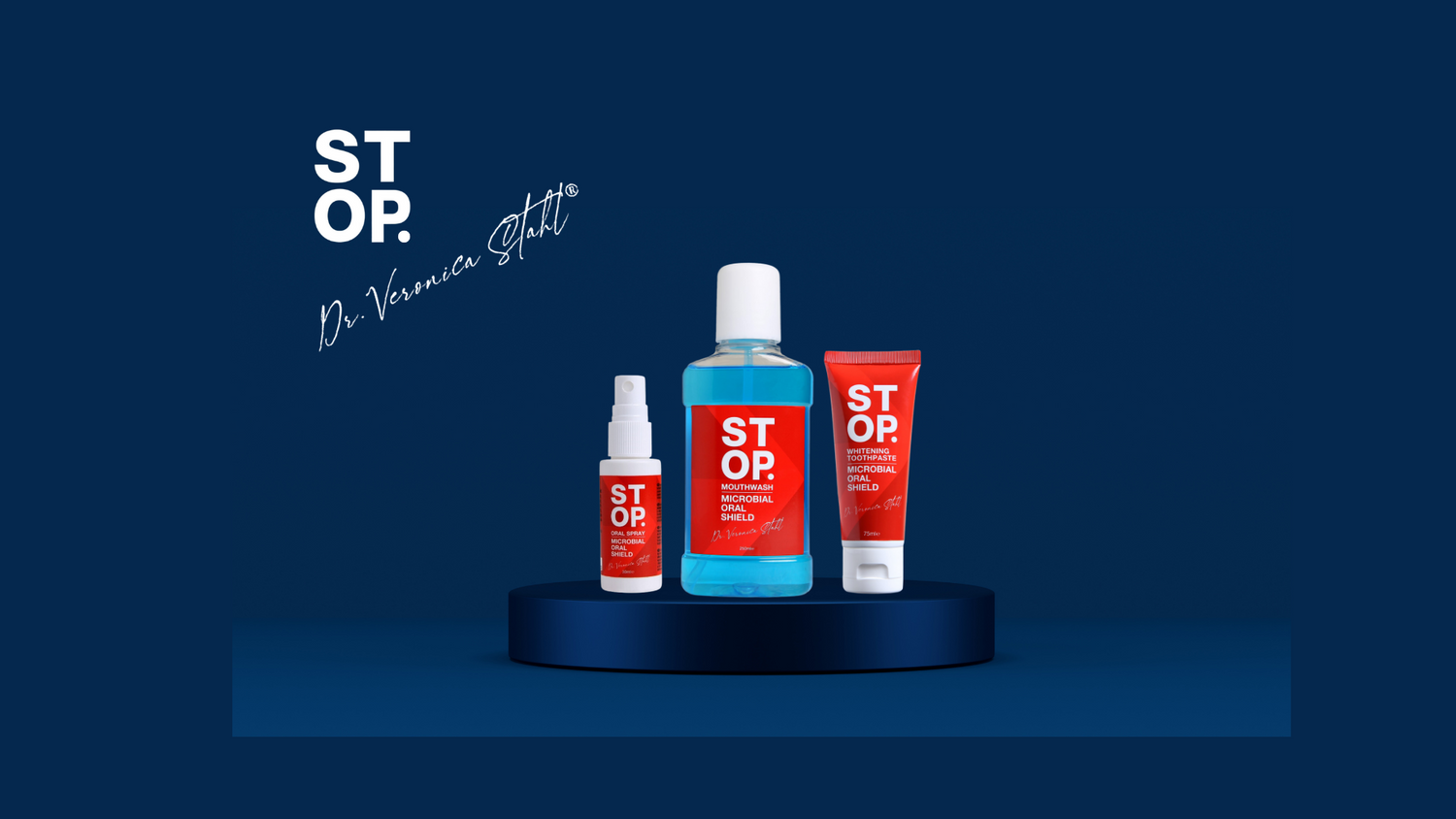
Sensitive teeth and delicate gums require gentle yet effective care. The challenges discussed in “7 Essential Oral Health Tips 2025 for Sensitive Teeth” highlight the importance of fluoride-free products and mineral-rich ingredients like hemp and Dead Sea minerals to soothe sensitivity and protect enamel. If you are seeking a safe, scientifically backed approach to oral health that respects your body’s natural balance you can find innovative products designed to meet these exact needs at STOP Oral Care – Stop Oral Care.

Take control of your oral wellness today by choosing dental care items crafted by Dr. Veronica Stahl that combine natural healing with cutting-edge research. Visit the Home Page – Stop Oral Care now to explore these unique offerings and experience a gentle yet powerful path to healthier teeth and gums. Don’t wait to protect your smile with products you can trust at https://stop-oralcare.com.
Frequently Asked Questions
What ingredients should I look for in fluoride-free toothpaste for sensitive teeth?
Choosing fluoride-free toothpaste means looking for ingredients like nano-hydroxyapatite and xylitol, which help strengthen enamel and provide cleaning effects without harsh chemicals. Always check the ingredient list to ensure it includes these effective components.
How can I properly brush my sensitive gums to avoid irritation?
To protect sensitive gums, use a soft-bristled toothbrush at a 45-degree angle and employ gentle circular motions. Make sure to brush gently for at least two minutes twices a day, while avoiding aggressive scrubbing that can cause more harm.
What benefits do hemp and mineral-rich oral care products provide for sensitive teeth?
Hemp and mineral-rich products are known for their potential antimicrobial and anti-inflammatory properties, which can assist in reducing sensitivity. Incorporate these products into your routine for broader dental support by using them regularly, ideally twice daily.
How does alcohol-free mouthwash help with sensitivity?
Alcohol-free mouthwash helps maintain the balance of good bacteria in your mouth while effectively targeting harmful bacteria. Use it daily after brushing, swishing for 30 seconds; this will give you a refreshing and protective cleanse without irritation.
How much water should I drink daily to support oral health?
Aim to drink at least eight 8-ounce glasses of water each day to help your mouth maintain optimal moisture levels. Regular hydration supports saliva production, which protects against decay and maintains a healthy oral environment.
What dietary changes can I make to reduce sensitivity in my teeth?
Limiting sugary and acidic foods is essential for reducing sensitivity. Opt for a balanced diet rich in calcium and phosphorus, and remember to rinse your mouth with water after consuming acidity, helping to neutralize harmful effects immediately.