

Most American oral care trends focus on fluoride, yet over 40 percent of adults in the United Kingdom and Germany report sensitivity that calls for gentle alternatives. Navigating natural, fluoride-free solutions becomes essential for lasting comfort and healthier smiles. Whether you look for botanical toothpastes or advanced mineral-based rinses, this guide reveals proven options and the science behind their effectiveness so you can choose innovative products thoughtfully for sensitive teeth.
Table of Contents
- 1. Brush Teeth With Natural, Fluoride-Free Toothpaste
- 2. Clean Between Teeth Daily With Eco-Friendly Floss
- 3. Rinse With Alcohol-Free, Mineral-Rich Mouthwash
- 4. Use Gentle Tongue Scrapers For Fresh Breath
- 5. Choose Oral Care Products For Sensitive Teeth
- 6. Schedule Routine Dental Checkups And Cleanings
- 7. Adopt A Tooth-Friendly, Balanced Diet
Quick Summary
| Key Message | Explanation |
|---|---|
| 1. Choose Natural, Fluoride-Free Toothpaste | Opt for natural toothpastes like those containing neem or hydroxyapatite for effective dental protection without fluoride exposure. |
| 2. Floss Daily with Eco-Friendly Options | Use biodegradable dental floss made from silk or bamboo to clean between teeth and minimize environmental impact. |
| 3. Rinse with Alcohol-Free, Mineral-Rich Mouthwash | Select mouthwashes with natural ingredients that support oral health without drying your mouth or disrupting its microbiome. |
| 4. Incorporate Tongue Scraping in Routine | Use a gentle tongue scraper daily to eliminate bacteria buildup and improve breath freshness after brushing and flossing. |
| 5. Schedule Regular Dental Checkups | Visit your dentist every six months for professional evaluations to catch potential problems early and maintain optimal oral health. |
1. Brush Teeth with Natural, Fluoride-Free Toothpaste
Choosing a natural toothpaste without fluoride is a strategic approach to maintaining optimal oral health while minimizing potential chemical exposure. Modern dental research has demonstrated that alternative ingredients can provide effective protection for your teeth and gums.
Natural toothpastes formulated with herbal ingredients offer a scientifically supported alternative to traditional fluoride products. In fact, herbal toothpastes have shown promising results in preventing dental caries, particularly among children aged 3 to 5 years.
When selecting a fluoride-free toothpaste, look for key ingredients like neem, clove, and hydroxyapatite. These natural compounds can provide robust protection against tooth decay and bacterial growth. Research indicates that hydroxyapatite toothpaste demonstrates comparable effectiveness to traditional fluoride formulations in preventing dental cavities.
To maximize the benefits of your natural toothpaste, brush thoroughly for two minutes, using gentle circular motions that cover all tooth surfaces. Pay special attention to hard-to-reach areas like back molars and along the gumline.
Pro tip: Store your natural toothpaste in a cool, dry place to preserve the active botanical ingredients and prevent bacterial contamination.
2. Clean Between Teeth Daily with Eco-Friendly Floss
Daily interdental cleaning is a critical component of comprehensive oral hygiene that goes beyond simple brushing. Biodegradable dental floss offers an environmentally conscious approach to maintaining optimal oral health.
Traditional flossing techniques remain fundamental for removing plaque and food debris from areas your toothbrush cannot effectively reach. Natural and sustainable floss options made from materials like silk or bamboo provide an eco friendly alternative to conventional nylon products while delivering exceptional cleaning performance.
When selecting an eco friendly floss, consider factors such as material composition, biodegradability, and manufacturing practices. Look for options crafted from renewable resources that break down naturally without contributing to environmental waste. Some innovative flosses incorporate additional beneficial ingredients like activated charcoal or hemp extracts to enhance oral wellness.
Proper flossing technique involves gently guiding the floss between teeth using a c-shaped motion, ensuring you clean both sides of each tooth without causing gum irritation. Aim to floss at least once daily preferably before bedtime to remove accumulated bacteria and prevent potential dental issues.
Pro tip: Keep a small container of eco friendly floss in your bathroom and travel bag to maintain consistent oral hygiene habits regardless of your location.
3. Rinse with Alcohol-Free, Mineral-Rich Mouthwash
Selecting an alcohol-free mouthwash is a strategic approach to maintaining comprehensive oral health without compromising your mouth’s natural protective mechanisms. Modern dental research supports the effectiveness of herbal mouthwashes with natural ingredients in supporting oral wellness.
Traditional alcohol-based mouthwashes can disrupt the delicate oral microbiome and cause excessive dryness. In contrast, mineral-rich mouthwashes containing plant extracts like guava leaf, clove, and liquorice provide powerful antimicrobial protection without harsh side effects. These natural formulations help balance oral bacteria while delivering essential minerals that support tooth and gum health.
When choosing an alcohol-free mouthwash, prioritize products with organic botanical ingredients that target specific oral health concerns. Look for formulations containing minerals such as zinc, magnesium, and trace elements that support remineralization and strengthen tooth enamel. Some advanced mouthwashes incorporate hemp extracts or essential oils to provide additional antibacterial and anti-inflammatory benefits.
To maximize effectiveness, rinse for 30 seconds after brushing and flossing, ensuring complete coverage of all oral surfaces. Tilt your head back slightly to allow the mouthwash to reach difficult areas between teeth and along the gumline.
Pro tip: Store your mineral-rich mouthwash in a cool dark place and replace it every three months to maintain its potency and prevent bacterial contamination.
4. Use Gentle Tongue Scrapers for Fresh Breath
Tongue scraping represents a powerful yet overlooked technique in maintaining comprehensive oral hygiene and combating persistent bad breath. Effective tongue cleaning helps remove bacterial buildup that standard brushing often misses.
The human tongue harbors numerous bacteria that contribute to unpleasant breath and potential oral health issues. By systematically removing the white or yellow coating that accumulates on the tongue’s surface, you can significantly improve your mouth’s overall cleanliness and freshness. Tongue scrapers provide a more targeted approach compared to traditional brushing methods.
When selecting a tongue scraper, prioritize gentle materials like medical-grade stainless steel or copper that are smooth and easy to clean. Start by positioning the scraper at the back of your tongue and gently pulling forward, using light pressure to avoid irritating the sensitive surface. Rinse the scraper between each pass to prevent bacterial redeposition.
Integrate tongue scraping into your daily oral care routine ideally after brushing and flossing. Most oral health professionals recommend scraping once daily, typically in the morning, to remove overnight bacterial accumulation and promote fresher breath throughout the day.
Pro tip: Clean your tongue scraper with hot water after each use and replace it every three to four months to maintain optimal hygiene and prevent bacterial growth.
5. Choose Oral Care Products for Sensitive Teeth
Dental sensitivity can transform everyday experiences like eating and drinking into uncomfortable challenges. Understanding how to select the right oral care products is crucial for managing and reducing tooth sensitivity.
Specialized toothpaste and mouthwash formulations can provide significant relief by blocking pain signals and protecting vulnerable tooth surfaces. These products typically contain ingredients like potassium nitrate or special mineral compounds that help seal microscopic tubules in tooth enamel responsible for transmitting temperature and pressure sensations.
When shopping for sensitive teeth products, prioritize items that offer multiple protective benefits. Look for toothpastes with desensitizing agents, soft bristled toothbrushes, and alcohol free mouthwashes that do not further irritate tender tooth surfaces. Consider products containing hydroxyapatite or nano-hydroxyapatite which can help remineralize and strengthen tooth enamel without harsh chemicals.
Beyond product selection, technique matters significantly. Use gentle circular brushing motions with minimal pressure, holding your toothbrush at a 45-degree angle to your gums. Avoid abrasive brushing that can wear down protective enamel and exacerbate sensitivity.
Pro tip: Rotate your sensitive teeth products every few months to prevent potential adaptation and maintain their effectiveness in managing dental discomfort.
6. Schedule Routine Dental Checkups and Cleanings
Regular dental checkups are your frontline defense against potential oral health complications. Professional dental assessments play a crucial role in maintaining comprehensive oral wellness and preventing complex medical interventions.
Dental checkups are far more than simple teeth cleaning. These comprehensive examinations allow professionals to detect early signs of tooth decay, gum disease, oral cancer, and other potential health issues that might not be visible to the untrained eye. Modern dental technology enables dentists to identify and address problems before they escalate into more serious conditions.
Most dental professionals recommend scheduling checkups and professional cleanings every six months. However, individual needs can vary based on factors like genetics, overall health, and personal oral hygiene practices. Some individuals with higher risk factors might benefit from more frequent visits, while others with excellent oral health might require less frequent professional interventions.
During a typical dental checkup, expect a thorough examination that includes visual inspections, potential x-rays, professional cleaning, and personalized recommendations for improving your oral care routine. These visits provide an opportunity to ask questions, receive personalized advice, and develop a proactive approach to your dental health.
Pro tip: Consider scheduling your dental checkup during a less busy time of year and set a reminder in your digital calendar to ensure you maintain consistent preventative care.
7. Adopt a Tooth-Friendly, Balanced Diet
Your dietary choices play a pivotal role in maintaining optimal oral health beyond simple brushing and flossing. Nutrition significantly impacts dental wellness through direct and indirect mechanisms that support tooth strength and gum resilience.
A tooth friendly diet goes beyond avoiding sugar. It involves strategically consuming nutrients that actively support enamel remineralization and strengthen overall oral microbiome health. Key nutrients like calcium, phosphorus, vitamins D and C work synergistically to build strong teeth and support gum tissue integrity.
Incorporate foods that naturally protect and rebuild tooth enamel. Dairy products, leafy green vegetables, lean proteins, and whole grains provide essential minerals and vitamins. Crunchy fruits and vegetables like apples, carrots, and celery can actually help mechanically clean teeth while stimulating saliva production which neutralizes harmful bacteria.
Mindful eating habits matter as much as food selection. Frequent snacking creates prolonged acid exposure that can erode tooth enamel. Instead, concentrate on balanced meals and limit sugary or acidic food consumption. Drinking water after meals helps rinse away food particles and maintains optimal oral pH levels.
Pro tip: Keep a reusable water bottle nearby and aim to drink water after every meal to naturally cleanse your mouth and support optimal oral pH balance.
Below is a summary table that encapsulates the comprehensive oral hygiene strategies discussed throughout the article.
| Oral Hygiene Strategy | Key Recommendations | Benefits |
|---|---|---|
| Brush with Natural Fluoride-Free Toothpaste | Use herbal ingredients like neem, clove, and hydroxyapatite. Brush for two minutes daily. | Reduces exposure to chemicals while protecting teeth and gums effectively. |
| Clean Between Teeth with Eco-Friendly Floss | Employ biodegradable floss made from sustainable materials such as bamboo or silk daily. | Removes plaque effectively without environmental impact. |
| Rinse with Alcohol-Free, Mineral-Rich Mouthwash | Choose mouthwash with plant extracts and minerals like magnesium and zinc. Rinse thoroughly for 30 seconds. | Maintains oral hygiene and strengthens tooth enamel. |
| Use Gentle Tongue Scrapers | Utilize a soft-material scraper to remove bacterial buildup from the tongue’s surface. Scrape once daily. | Enhances breath freshness and overall oral cleanliness. |
| Select Products for Sensitive Teeth | Choose products with desensitizing agents like potassium nitrate or hydroxyapatite. Brush gently. | Alleviates tooth sensitivity and protects enamel. |
| Schedule Routine Dental Visits | Visit a dentist twice annually for assessments and cleanings. | Prevents oral issues and monitors dental health. |
| Adopt a Balanced Diet | Consume foods rich in calcium, phosphorus, and vitamins C and D. Avoid frequent snacking. | Supports enamel rebuilding and strengthens gums. |
Take Control of Your Dental Care Routine with Natural Solutions
Struggling to maintain all seven essential steps for a healthier smile can feel overwhelming, especially when seeking safe and effective products free from harsh chemicals. This article highlights the importance of fluoride-free toothpaste, eco-friendly floss, alcohol-free mouthwash, and more. If you want to embrace a natural oral care regimen that supports sensitive teeth and promotes long-lasting freshness, you need products designed with your goals in mind.
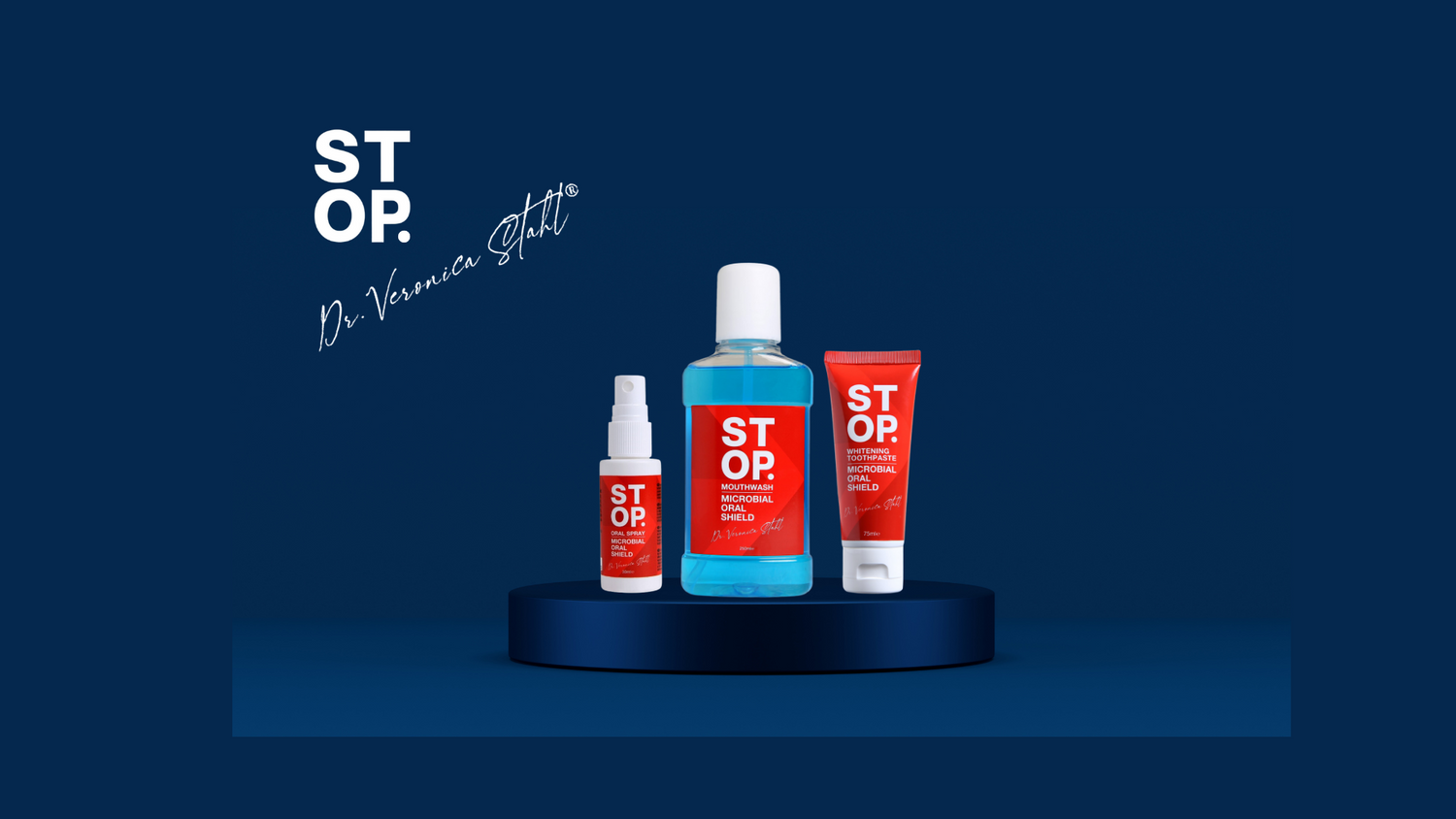
Discover the power of hemp and Dead Sea minerals in oral care by exploring the STOP Oral Care collection. These innovative formulas combine scientific research with natural healing to protect and strengthen your teeth and gums.

Ready to transform your dental routine and experience the difference of nature-backed oral health? Visit the Home Page to browse premium, scientifically supported options. Take the first step now at https://stop-oralcare.com and give your smile the care it truly deserves.
Frequently Asked Questions
What are the benefits of using natural, fluoride-free toothpaste?
Using natural, fluoride-free toothpaste can help maintain oral health while reducing chemical exposure. Look for toothpaste with ingredients like neem and hydroxyapatite, and brush for two minutes to maximize benefits.
Why is daily interdental cleaning important for oral hygiene?
Daily interdental cleaning is essential because it removes plaque and food particles that brushing alone can’t reach. Use eco-friendly floss at least once daily, ideally before bedtime, to prevent dental issues.
How often should I use mouthwash as part of my dental care routine?
Rinse with an alcohol-free, mineral-rich mouthwash after brushing and flossing once a day to support your oral health. This will help to reduce harmful bacteria and strengthen tooth enamel.
What should I look for in a tongue scraper?
Choose a tongue scraper made from gentle materials like stainless steel or copper to avoid irritating your tongue. Use it once daily, preferably in the morning, to keep your breath fresh by removing bacteria buildup.
How can I manage sensitivity in my teeth effectively?
To manage tooth sensitivity, select oral care products specifically designed for sensitive teeth and use them consistently. Incorporate desensitizing toothpaste and soft-bristled toothbrushes into your daily routine to minimize discomfort.
How often should I schedule dental checkups and cleanings?
Typically, you should schedule dental checkups and professional cleanings every six months for optimal oral health. If you have specific risk factors, consult with your dentist for a personalized checkup schedule.
Recommended
- 7 Essentials for a Complete Dental Care Checklist 2025 – Stop Oral Care
- 7 Essential Oral Hygiene Tips for Families Seeking Natural Care – Stop Oral Care
- 7 Essential Oral Hygiene Tips Belgium for Natural Care – Stop Oral Care
- How to Remove Plaque Naturally from Teeth: A Step-by-Step Guide – Stop Oral Care
- 7 Examples of Safe Ear Care Procedures for Children